Garden Center Hours: Mon-Sat 9am - 5:30pm • Sun 10am - 5:30pm

Yay for May! Everything’s growing and blooming and we hope you are too! May is Mental Health Awareness Month, which is a good time to think about the peace of mind that gardening brings us. Gardeners know that all the research is true – gardening is good for you! Here are our Top 7 Must Do’s this May to keep you and your garden feelin’ good.

1. Join Us for Garden Talks and Events!

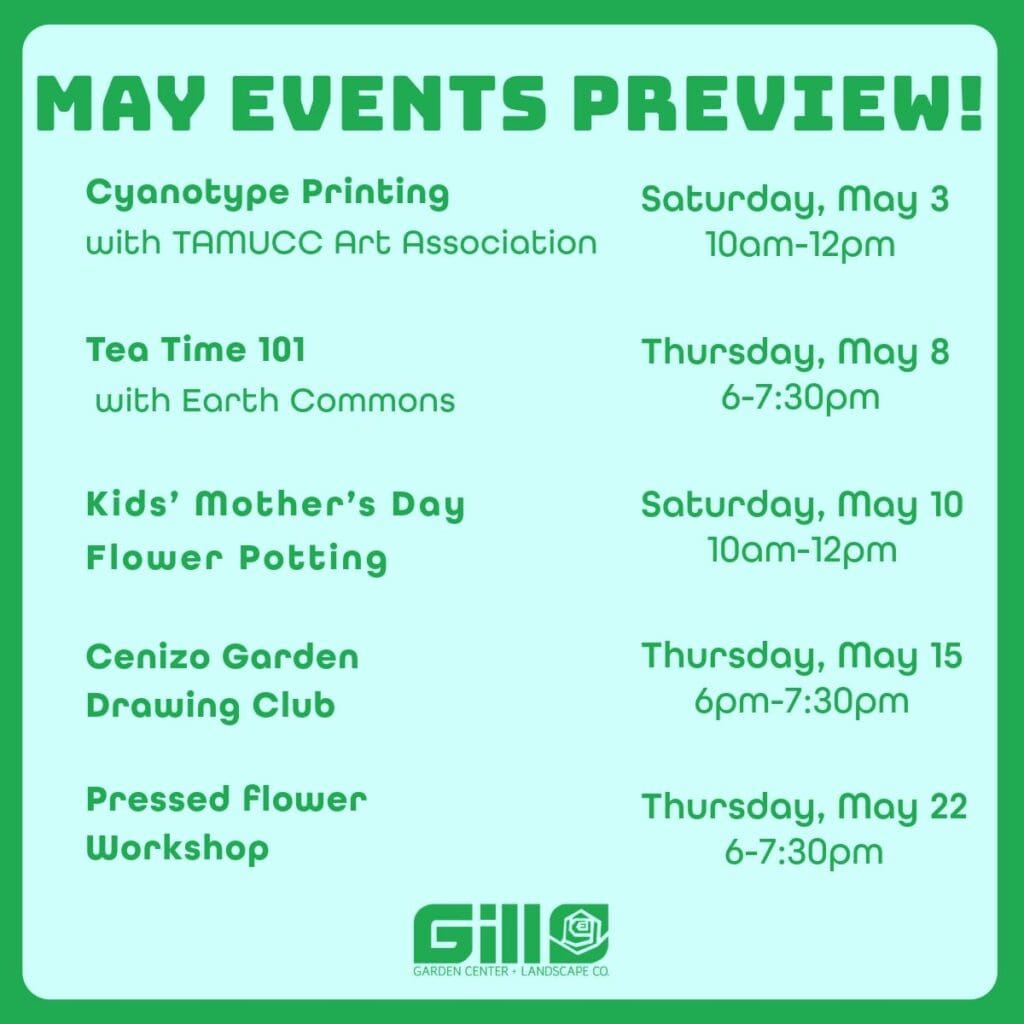
We’ve got a big May planned here at Gill’s, and we’re kicking it off this Saturday, May 3rd with a fun cyanotype printing event with the TAMUCC Student Art Association. Stop by and create your own cyanotype prints using leaves and flowers! Then next weekend we’re inviting kids to come pot up a flower for Mom for Mother’s Day. Sure to be lots of fun and lots to learn and discuss! Click here for more info and tickets!

2. Plant Blooming Perennials and Trees

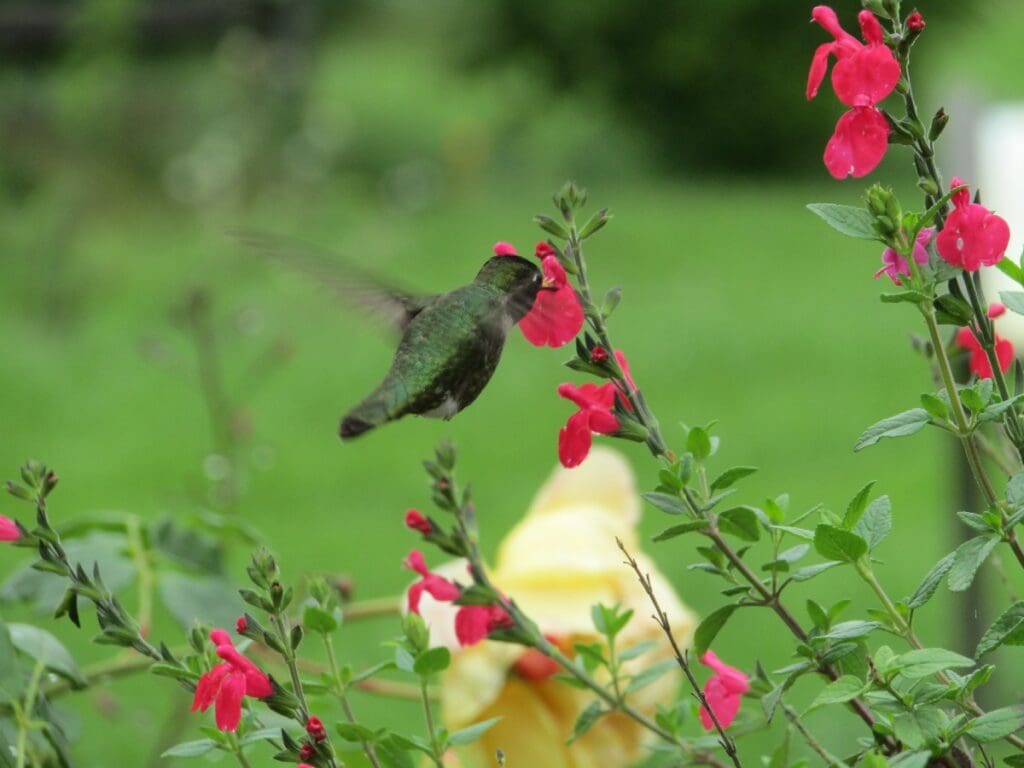
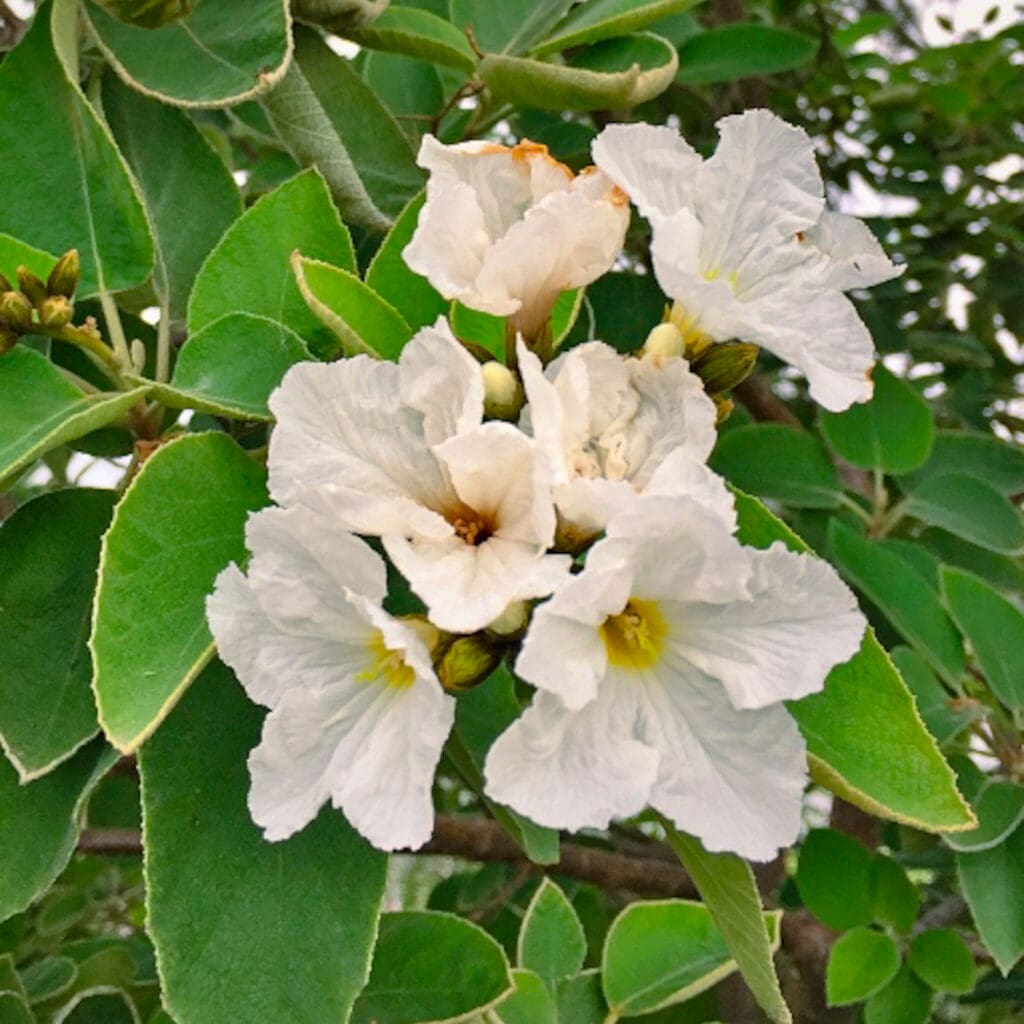
It’s time to plant lots of different blooming perennials and blooming trees. Get them established in May so they are rooted and acclimated to withstand warmer temps this Summer. Staples like Esperanza, many varieties of Salvia, Lantana, and tons more are all blooming beautifully right now. And blooming trees like Vitex, Retama, and Wild Olive are looking great right now. Crape Myrtles will start blooming soon too. Added bonus:  blooming perennials and trees attract lots of butterflies and hummingbirds!

3. Plant and Harvest Veggies

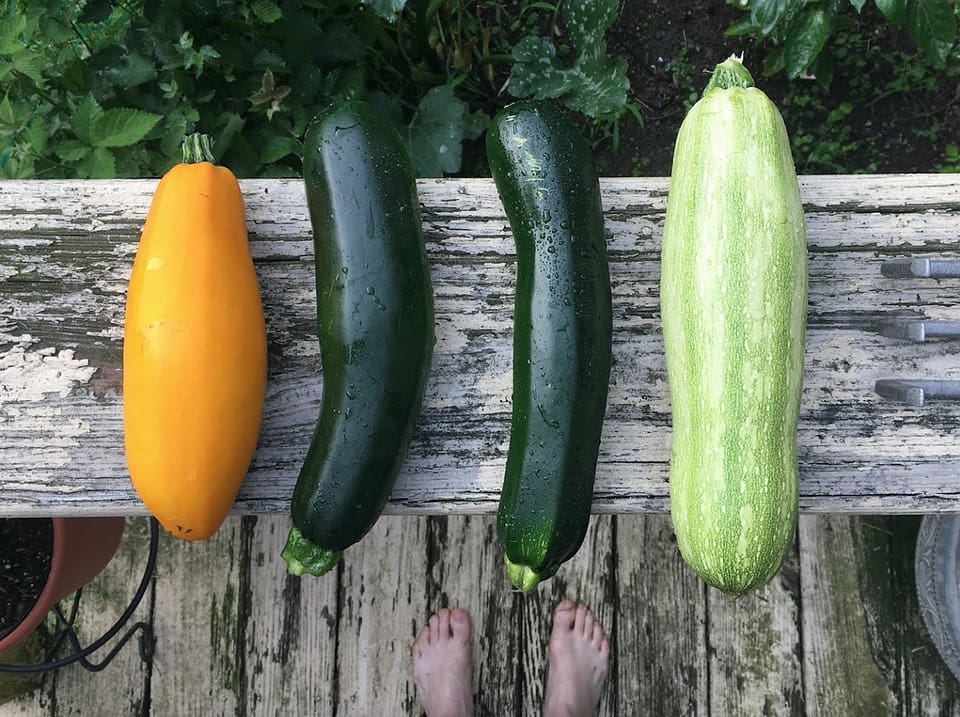
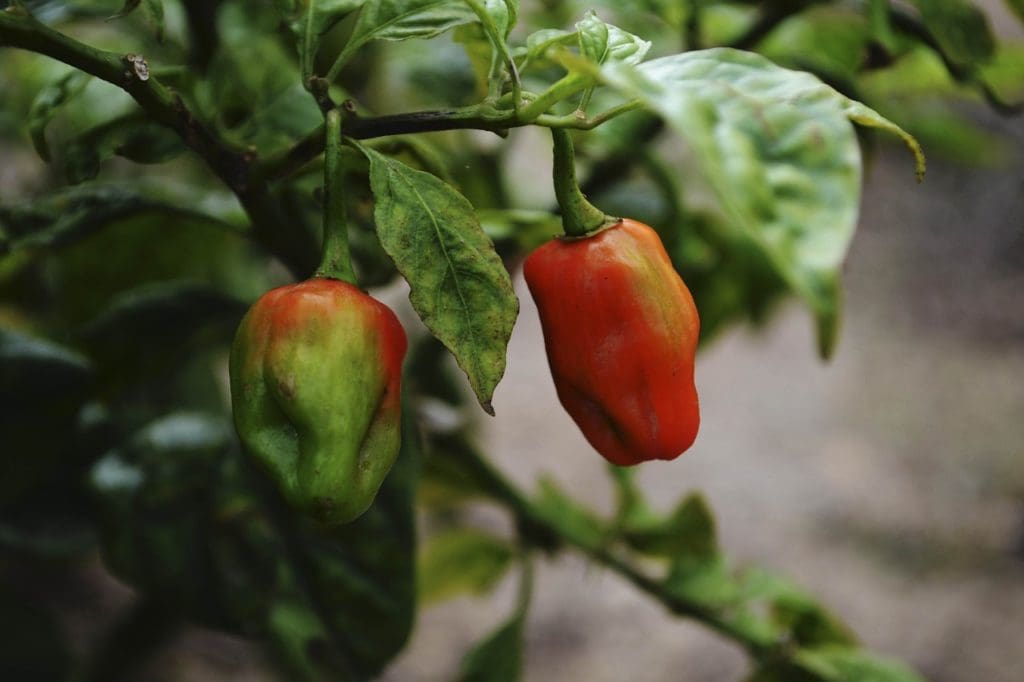
Warm weather veggie time! Plant all kinds of peppers, zucchini, squash, melons, and okra this month for continued harvesting into the Summer months. If you planted tomatoes, cucumbers, and other early Spring veggies, you’ll be harvesting now or very soon. Be sure to harvest often! It keeps birds & insects from finding them first. If you do have insect issues in your veggie garden, our go-to organic control is Spinosad – safe for food but takes care of bugs. Remember to keep watering your veggies as the weather warms up to maintain depth moisture. 

4. Mulch for Many Reasons!

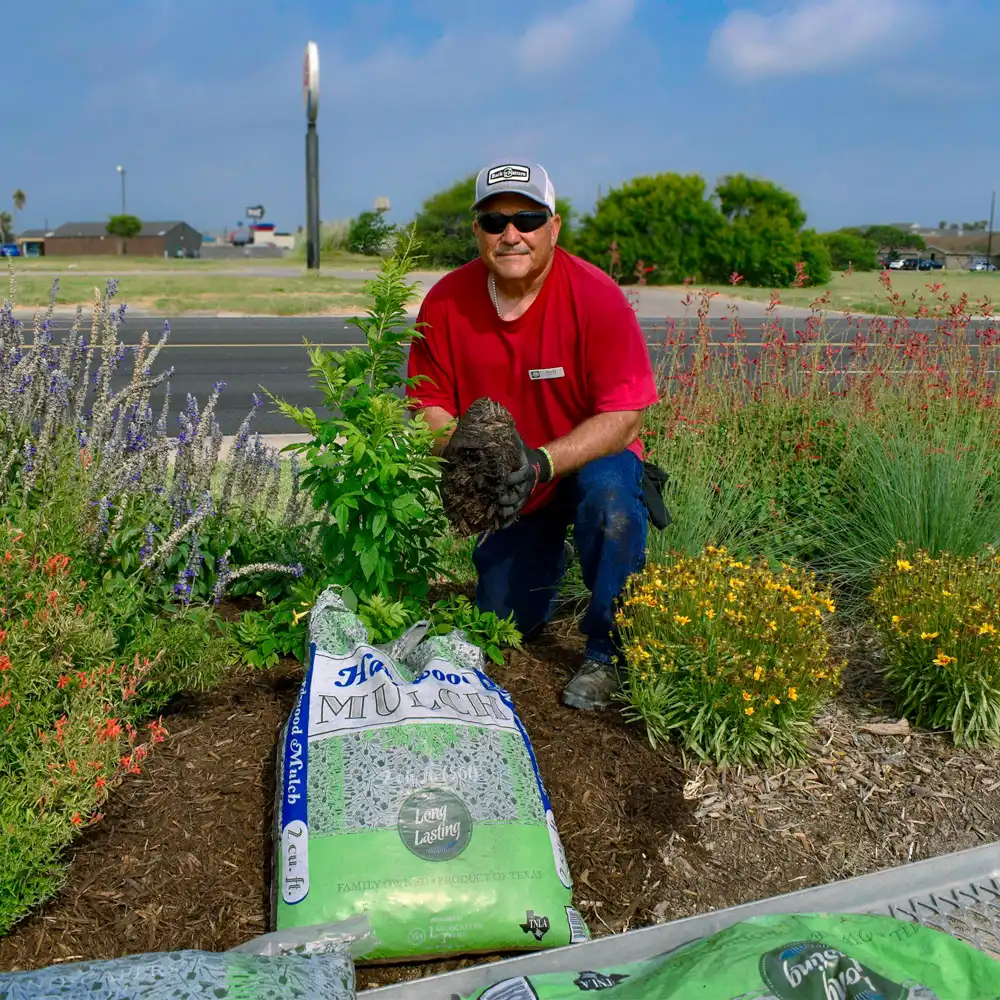
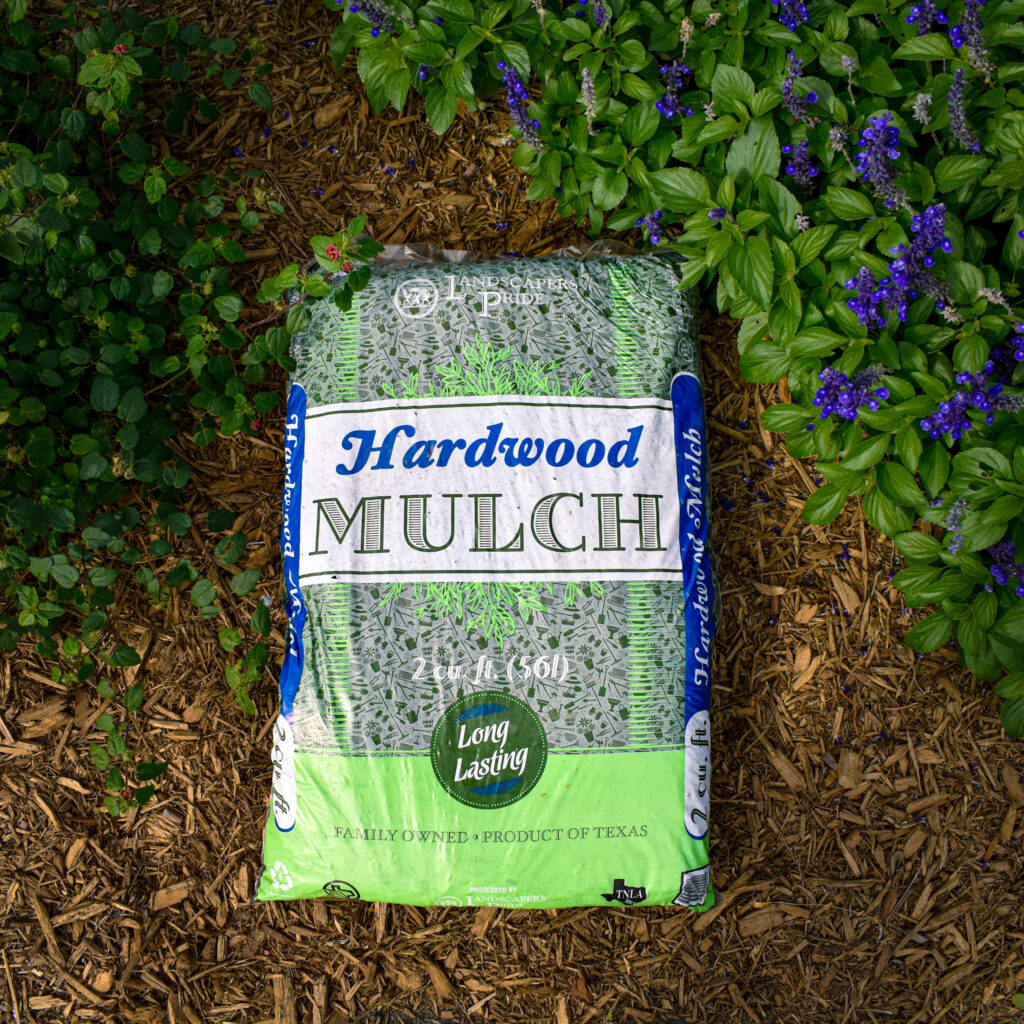
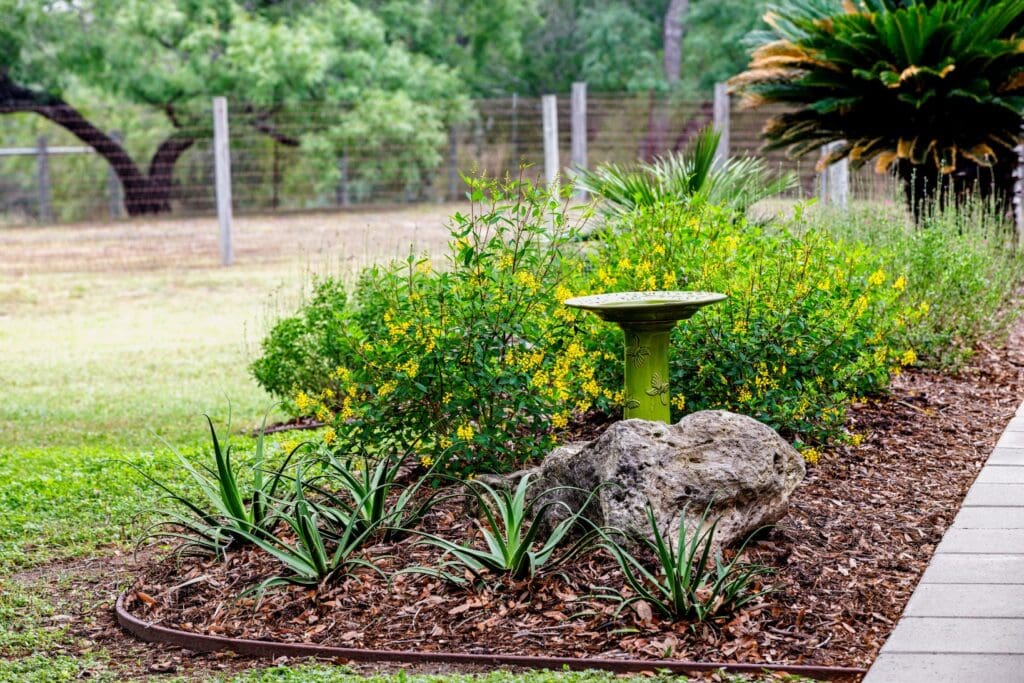
We all know that fresh mulch is like a fresh coat of paint for your garden – instant makeover! But did you know that applying a proper 3” layer of natural mulch keeps underlying soil temps more than 20 degrees cooler?! A good mulch layer keeps weeds at bay, and as it breaks down over time, it add nutrients to your soil. And perhaps most importantly right now, a good mulch layer retains moisture, which means big water savings. 

5. Transition Your Lawn to Summer

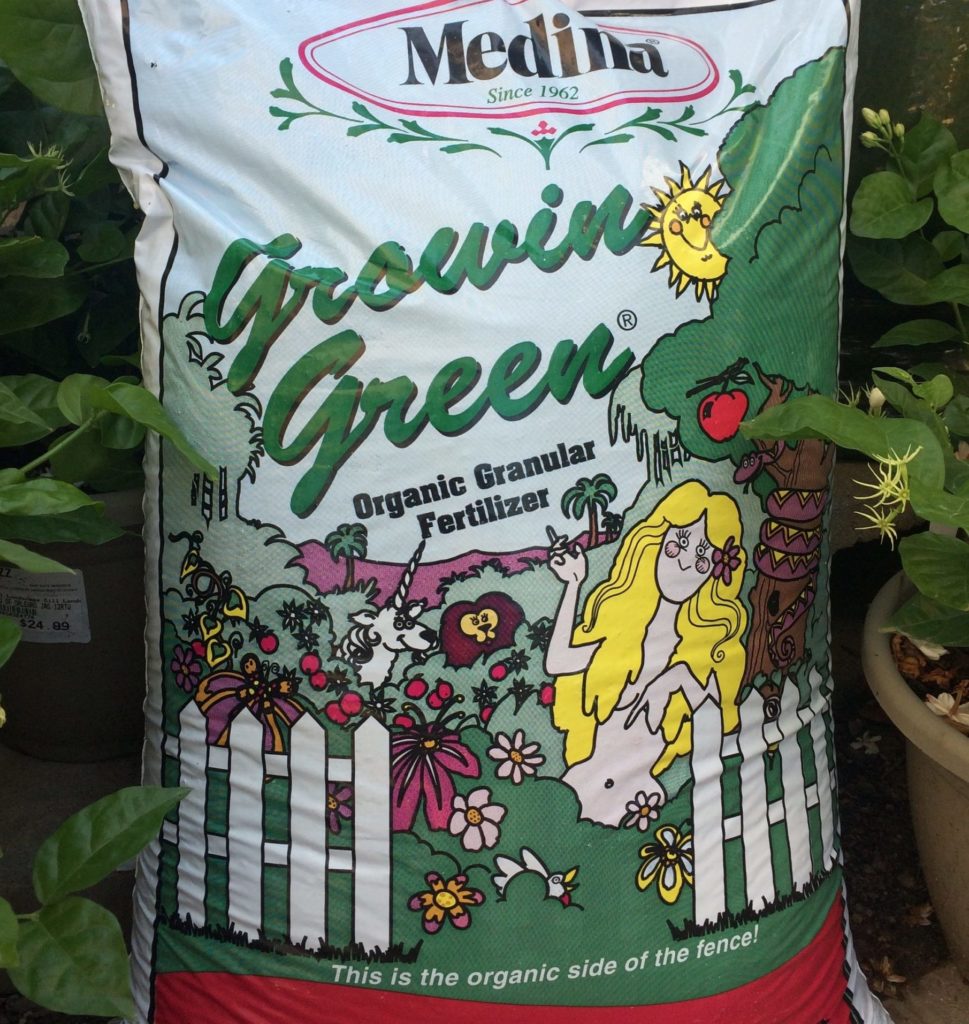
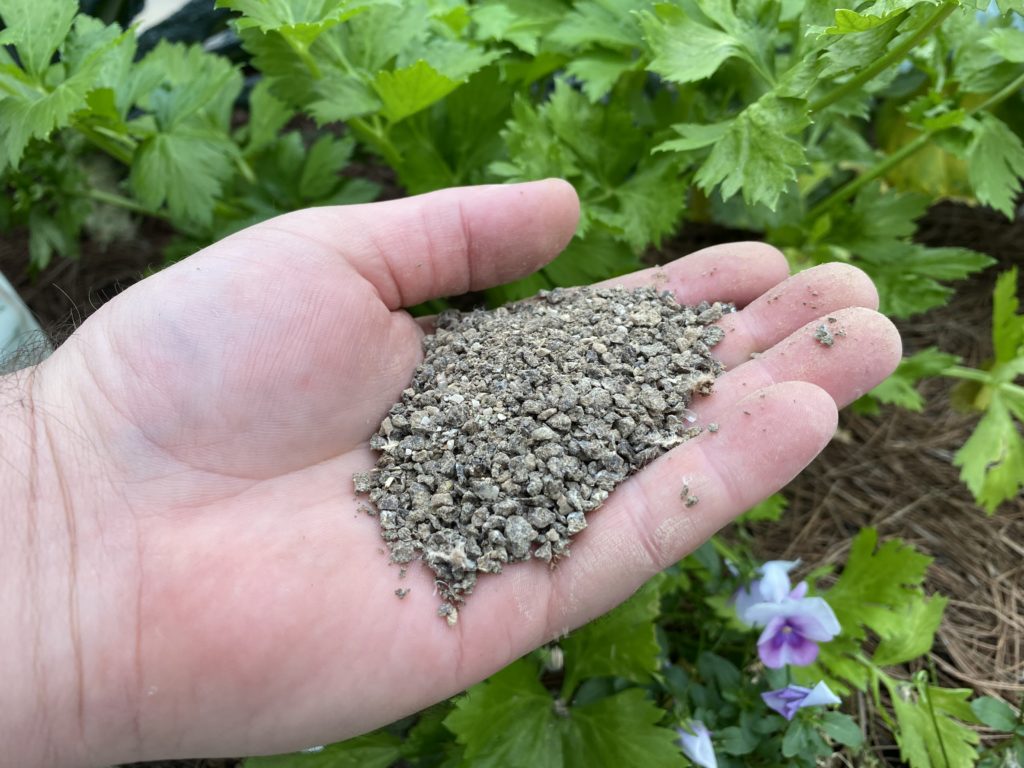
Feed with Natural Fertilizers:  Medina Growin Green or Milorganite. Yes, you can still fertilize your lawn, even though our lawn watering is limited. Using a good organic lawn food, like our go-to Medina Growin Green, promotes root growth and long-term health, which makes lawns more tolerant of less water. Ideally you’d want to water the fertilizer in, but you don’t have to. Medina Growin Green is gentle and won’t burn your lawn. You can apply it now and water it in slowly over a few weeks. If you have trees in your yard, keep in mind that fertilizer and water need to be applied at the drip line, aka where rainwater naturally drips off the outer edge of the canopy. Therefore, if you apply fertilizer to your lawn and water it in for the trees, your lawn will get the benefit too. You can also try to time your lawn fertilizing with a light rain. We typically don’t recommend waiting for rain to fertilize since a heavy rain would wash most of the fertilizer granules away. But, given the watering limitations, taking advantage of a light rain is a good solution. 

Watering:  Homeowners can collect free effluent water at the Oso Wastewater Treatment Plant to use to water lawns, which is a great option. Apply for a quick and easy residential permit from the City of Corpus Christi here.  If you do so, keep in mind that 1,000 gallons can water 1,621 sq ft of lawn at a nice 1” depth or 3,225 sq ft of lawn at ½” depth. 

When mowing, the proper height for St. Augustine lawns is around 3 inches. For Bermuda lawns, keep mowed to around 2-2.5 inches. Buzzing lawns shorter than that will cause lawn stress, and stressed lawns are more susceptible to pests, weeds, and disease.

Watch for lawn insects & treat when needed. Grub worms & chinch bugs are easy to control when caught early but there’s no need to treat unless you have them. BioAdvanced 24-Hour Grub Killer or Season-Long Bonide Insect and Grub Control will do the trick for grubs. Diatomaceous Earth, Spinosad, or Cyonara takes care of chinch bugs. Reminder, you can bring us a grass sample any time you suspect a lawn disease or pest. We’ll diagnose (using our microscope if needed) and get you what you need to knock it out.

Consider reducing your lawn space! Does all this lawn stuff sound like a lot of work? It can be! Many of us are reconsidering whether we really even want all that green lawn space. Why not start converting small portions of lawn to planting beds filled with blooming perennials that benefit the environment and use far less water? One way to start would simply be to deepen existing landscape beds to reduce some lawn. 

6. Set Your Mosquito Traps!

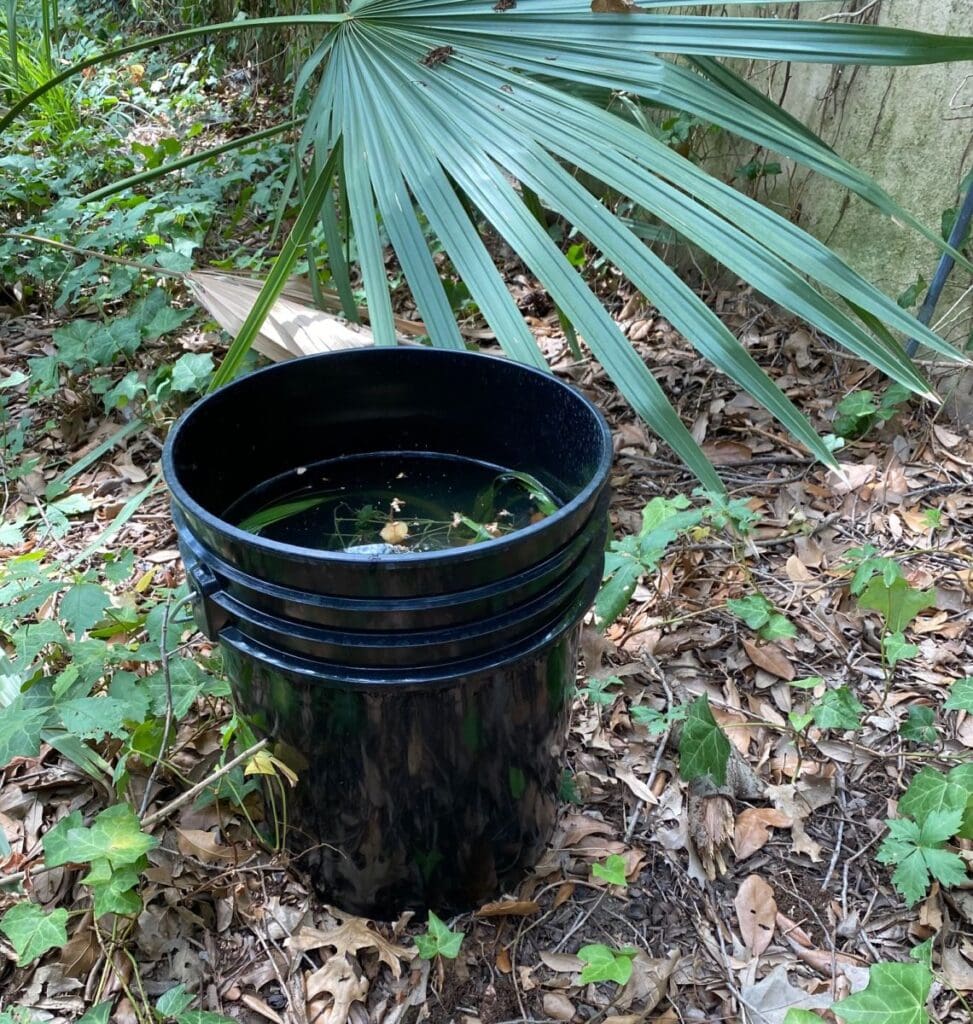
We are big fans of the simple bucket mosquito trap. Just fill a bucket 3/4 with water, add a good handful of lawn or plant clippings, and toss in a Mosquito Dunk or Mosquito Bits. These dissolve in the water and release bacteria that target mosquito larvae and kill them before they hatch. And they’re organic and not harmful to birds, bees, pets or humans! Set a few of these traps, sprinkle some organic Mosquito Beater granules around walkways and patios, spray organic Cedar Repel on your lawn, and use Skeeter Screen incense sticks near where you’re working or hanging out outside. Remember that using chemical mosquito foggers kills all the good bugs too, some of which also help control mosquitos and other bad bugs.

7. Gifts for Mother’s Day and Graduations

Let us help you find something pretty, useful, or both for the gardening moms and grads in your life. Pottery, birdbaths, wind chimes, quality garden tools, hats, gloves, garden decor, plantable greeting cards, gardening books – lots of options. You can purchase Gill gift cards online here and we’ll gift wrap and mail them to your loved one. Or come find the gift that gardeners love most – plants 🙂

Fresh mulch is like a fresh coat of paint for your garden – beautiful instant makeover! But it’s not just for looks. Natural mulch has so many other critical benefits, especially as we move into warmer summer temperatures. Read to learn more about how mulch keeps plant roots healthier, adds nutrients to the soil, suppresses weeds, prevents plant disease, and very importantly right now, saves water!

Mulch Keeps Plant Roots 20 Degrees Cooler!

Did you know that applying a proper 3” layer of natural mulch, like hardwood, cedar, or pine straw mulch, keeps underlying soil temps more than 20 degrees cooler?! Gill’s Landscape Designer, Kathy Hubner attended a webinar presented by Bartlett Tree Research Laboratories in which they shared amazing results from a mulch study in San Antonio. Soil temperatures were measured at 6″ deep (where plant roots live) on a 105 degree summer day. Bare soil with no mulch, 6″ down was 102 degrees. Soil under grass was 92 degrees. Soil beneath a 3″ layer of mulch was only 76 degrees!! Keeping plant roots cool helps them take up water and nutrients and prevents heat stress on the plant. To achieve a 3″ layer of mulch takes about 1 bag per 12 sq. ft.

Mulch Suppresses Weeds & Builds Healthy Soil!

A 3″ mulch layer also helps suppress weeds by blocking light that weed seeds need in order to sprout, while still allowing good water, oxygen, and nutrient transfer for plants. And speaking of nutrients, natural mulches break down over time and help build healthier, looser soil. For these reasons, mulch can also act as an excellent placeholder for areas that you plan to plant in the future. For example, once you harvest your spring veggies, mulch that area to keep weeds from invading and to keep soil nice and healthy for when you get ready to plant again. Or, if you’re working on your landscape in phases, go ahead and create and mulch new beds, then plant when you’re ready – very few weeds to deal with and easier digging!

Mulch Saves You Water!

The name of the game for summer watering is to maintain depth moisture. This means watering plants slow, low, and deep. Use a watering wand and water at ground level to get water down to the roots – don’t water over the top of your plants!  Also, don’t water full blast. Turn down the pressure, water slowly, and use the cycle-soak method which means water once, let it soak in, then water again to get water down deep. A proper mulch layer is your best friend for maintaining this depth moisture due to the cooling/insulating effect we’ve discussed, and because it prevents evaporation. Not only does mulch help the soil retain moisture, it also keeps soil from splashing up onto the plant when you water, which prevents fungal disease. Be sure you spread the mulch evenly and avoid creating the dreaded “mulch volcano” around the trunks or main stems of plants and trees. Mounding mulch up against the trunk can invite disease. Best to mulch around trees and plants then pull mulch away from the trunk to create just a little space.


Our low-water section here at Gill’s is stocked full of all kinds of tough plants for dry areas, including something very special…Opuntia ficus-indica aka the choice edible Prickly Pear cacti used for making nopales! Here are our tips for growing and preparing them for all kinds of delicious recipes!

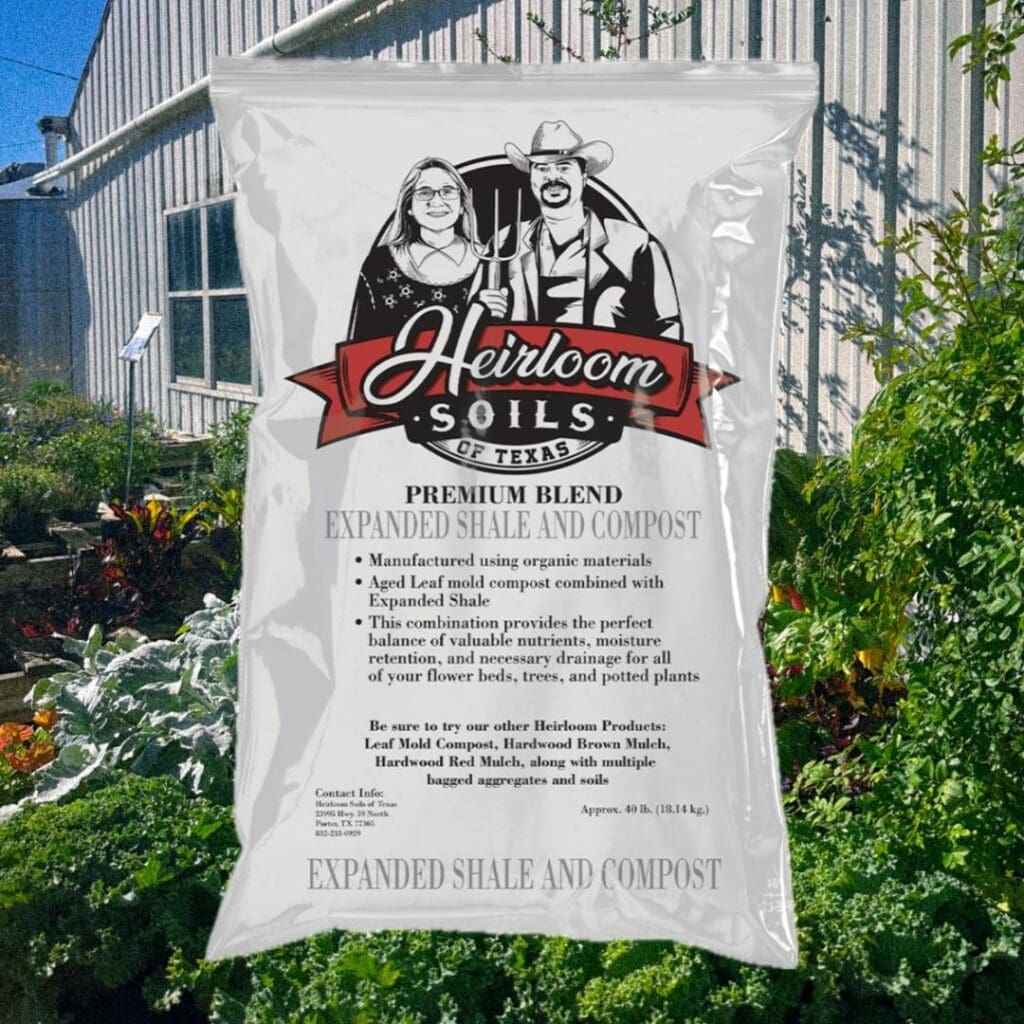
There are over 100 species of Prickly Pear cacti known in Mexico as well as the Texas Prickly Pear (Opuntia engelmannii), and almost all of them are edible. This one, Opuntia ficus-indica is one of the most commonly farmed for food due to its tender pads with a great texture for cooking. Our climate is excellent for growing Prickly Pear – they love the heat and they can handle a freeze too. They love full sun, but they can tolerate some shade. If you live in an area with sandy soil, Prickly Pear will thrive with very little soil amendment. They love good drainage. If you have heavy clay soil, it’s a good idea to amend your soil with Premium Blend Expanded Shale and Compost to create better drainage. Another good idea for clay soil is to plant high! Mound up your amended soil a bit when you plant Prickly Pear so water will run off and won’t be able to collect at the base of the plant. A good mulch or rock layer on top will also keep water from splashing up onto the cactus. Water every day for about a week to get roots established, then taper down. Once established, Prickly Pear will thrive with very little water long-term. 

Before long, you’ll have buds emerging and new pads growing out from old pads. When selecting pads to harvest, look for the bright green ones that are soft, but not limp. Using a nice sharp knife, cut them off at the base of the pad. A sharp knife and clean cut will allow the wound to heal over quickly without putting much stress on the plant. To prep for cooking, lay the pads flat on a cutting board, trim off the tough outer edge all the way around, then use a peeler or small knife to remove all the bumps and thorns. Gloves help! Keep as much of the dark green skin intact as you can. Many people like to boil and rinse the nopales first to help remove some of the gelatinous liquid inside the flesh. Or, you can skip this step and cook the whole pads on the grill or chop and cook with a little fat in a cast iron pan, uncovered until most of that mucilage is cooked out. 

Now if you had a few backyard chickens, you’d have your own steady supply of nopales and egg breakfast tacos!


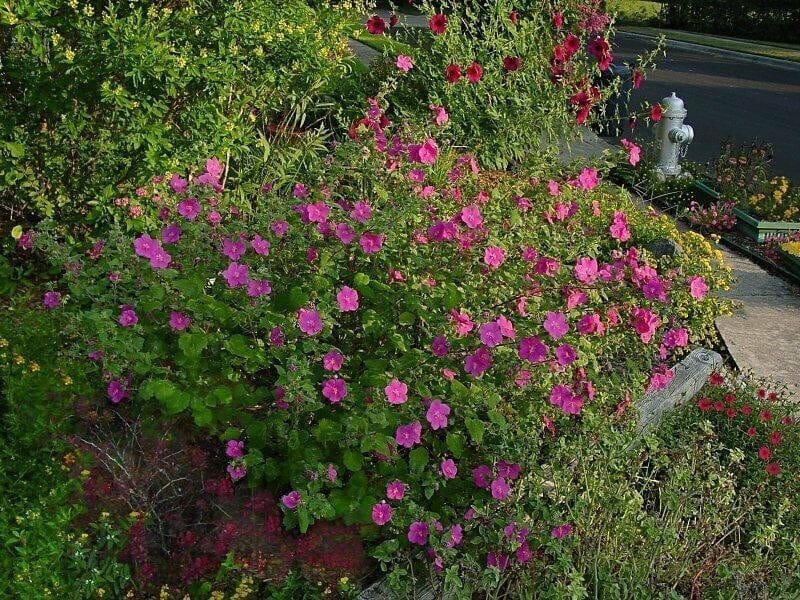
If you’re looking for a hardy, beautiful, and beneficial plant to add to your garden, Pavonia lasiopetala—commonly known as Rock Rose—is a perfectly pink pick! With its cheerful pink flowers, impressive drought tolerance, and versatility, this native perennial is a gem for local landscapes.

Why Choose Rock Rose?

Rock Rose typically grows 2 to 4 feet tall and wide.  Like its native relative Turk’s Cap, it can be grown in lots of different areas in the landscape – very versatile! Its mini-hibiscus-like flowers bloom from spring through fall, and attract lots of hummingbirds, butterflies, and bees. We planted Rock Rose in the front raised beds here at Gill’s back in February, and it’s been a show-stopper! 

Growing Tips for Our Area

  • Soil:  Rock Rose loves well-drained soils. Excellent for sandy soil, raised beds, and pots. It can do well in heavy clay soil too, just amend your soil well with compost and plant high (on a slight mound).

  • Sun:  Full sun is great, but it can tolerate some shade, especially from afternoon sun.

  • Water:  Once established, it’s very drought-tolerant. Water young plants regularly to help roots develop, then it won’t need much attention.

  • Pruning:  Light trimming after blooming keeps it tidy and encourages more flowers. Cut it back hard in February to refresh its shape.

Medicinal and Historical Uses

While not primarily a medicinal herb, Pavonia has traditionally been used in folk remedies. The mucilaginous leaves (meaning they have a soothing, gel-like texture when crushed) have been used to relieve minor skin irritations or sunburn, similar to aloe. Along with other plants in the mallow family (like Turk’s Cap and Hibiscus), it’s also been used in teas to ease respiratory issues and cough. 

Plant it with These Native Friends

Rock Rose plays well with others! Pair it with other heat-loving Texas natives for a stunning and sustainable garden. Try these companions for a rainbow of colors:

  • Salvia greggii (Autumn Sage) – Hummingbird magnet with long-lasting blooms.

  • Zexmenia (Wedelia acapulcensis var. hispida) – A sprawling yellow daisy-like flower that thrives in hot, dry areas.

  • Blackfoot Daisy (Melampodium leucanthum) – Low-growing with sweet white flowers and a delightful fragrance.