Garden Center Hours: Mon-Sat 9am - 5:30pm • Sun 10am - 5:30pm
march-garden-guide

What To Plant

Most annuals and perennials can now be purchased as transplants this month. Here is a list of some of our favorites: (L-R) caladiums (plants and bulbs), larkspur, petunias, salvia, gerbera daisy, alyssum, false heather, celosia, lantana, coleus.

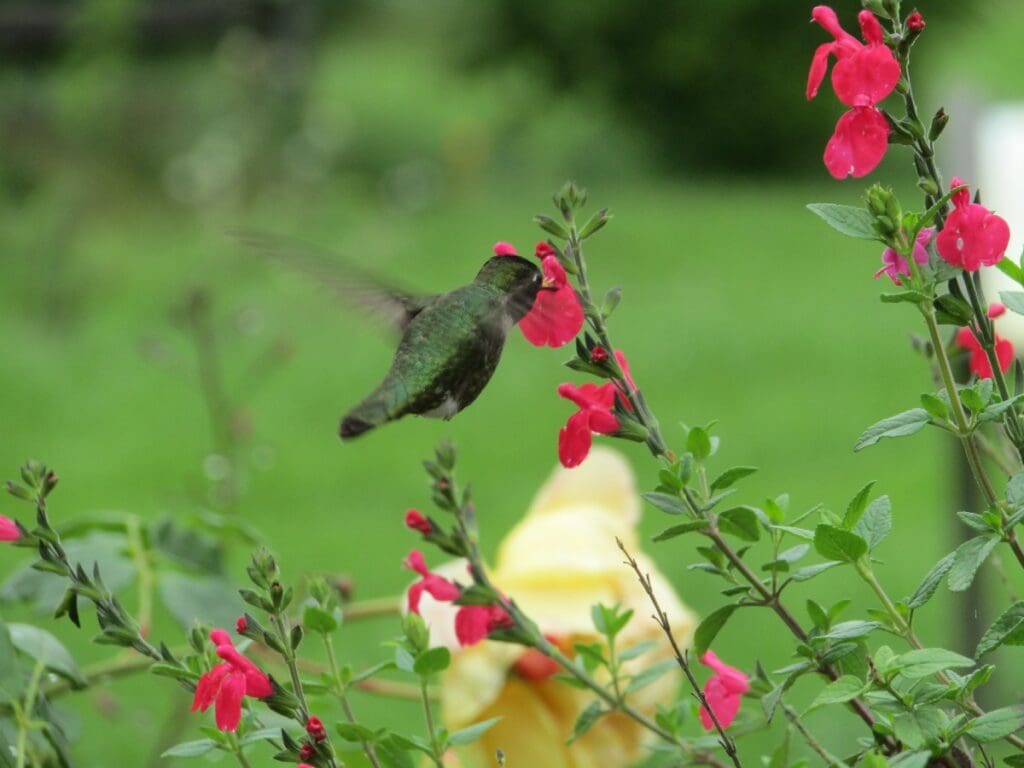
Read: Fuel For Your Hungry Hummers


Vegetable Seeds

Beans, okra, radish, pumpkins, and watermelons, squash, cantaloupe, basil, corn

Vegetable Transplants

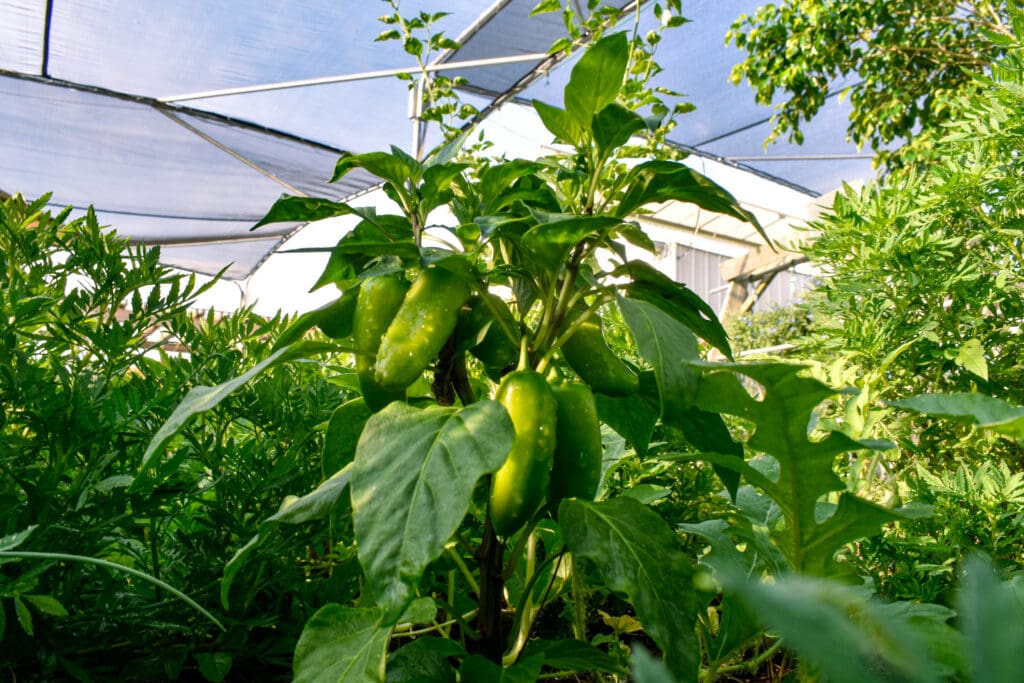
Tomatoes, peppers, cucumbers, squash, eggplant, and strawberries
Garden Guide: Vegetable Planting Dates

Hardy Trees, Shrubs, Vines, Grasses

All hardy and tropical trees, shrubs, vines and grasses. I can’t think of one that can’t be planted now!

Bulbs & Caladiums

Late spring and summer bulbs such as caladiums, and elephant ears


Houseplants

March is a great time to clean, trim, and feed your houseplants. As the sun becomes stronger, plants may require more waterings. Check more often. Consider repotting in Spring. Over Winter, houseplant roots can outgrow their existing pots.

Fertilize

AZALEAS, GARDENIAS, MAGNOLIAS

Fertilize organically with Maestro Gro-Rose Glo or Espoma Azalea Tone.

HIBISCUS & TROPICAL BLOOMERS

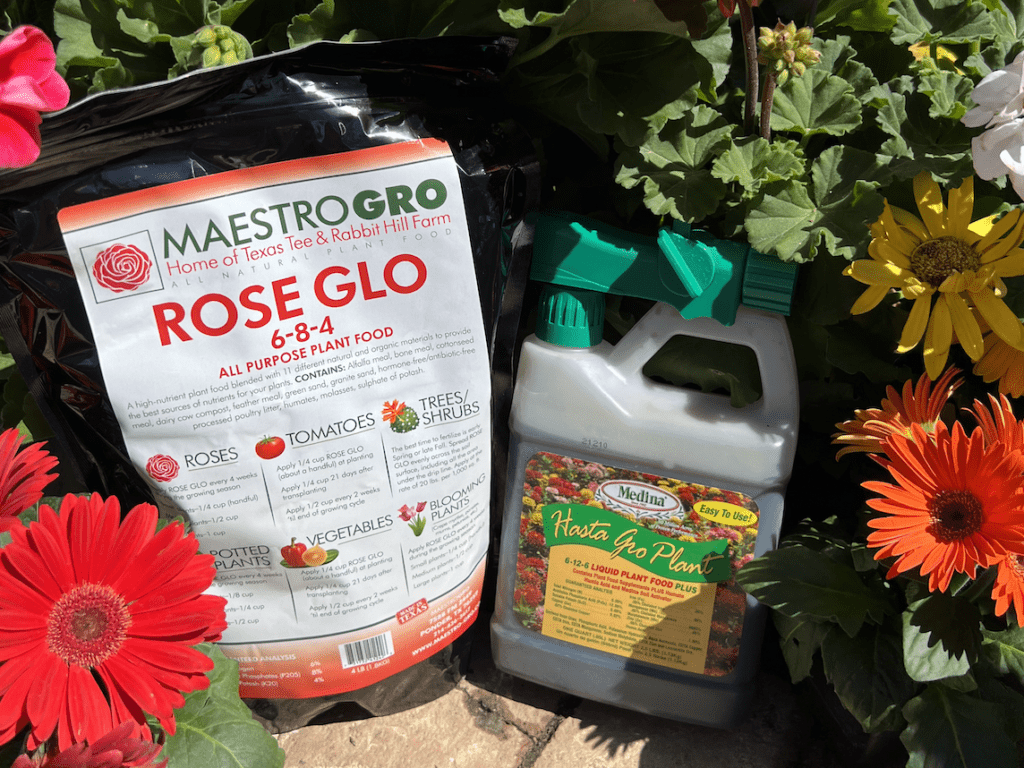
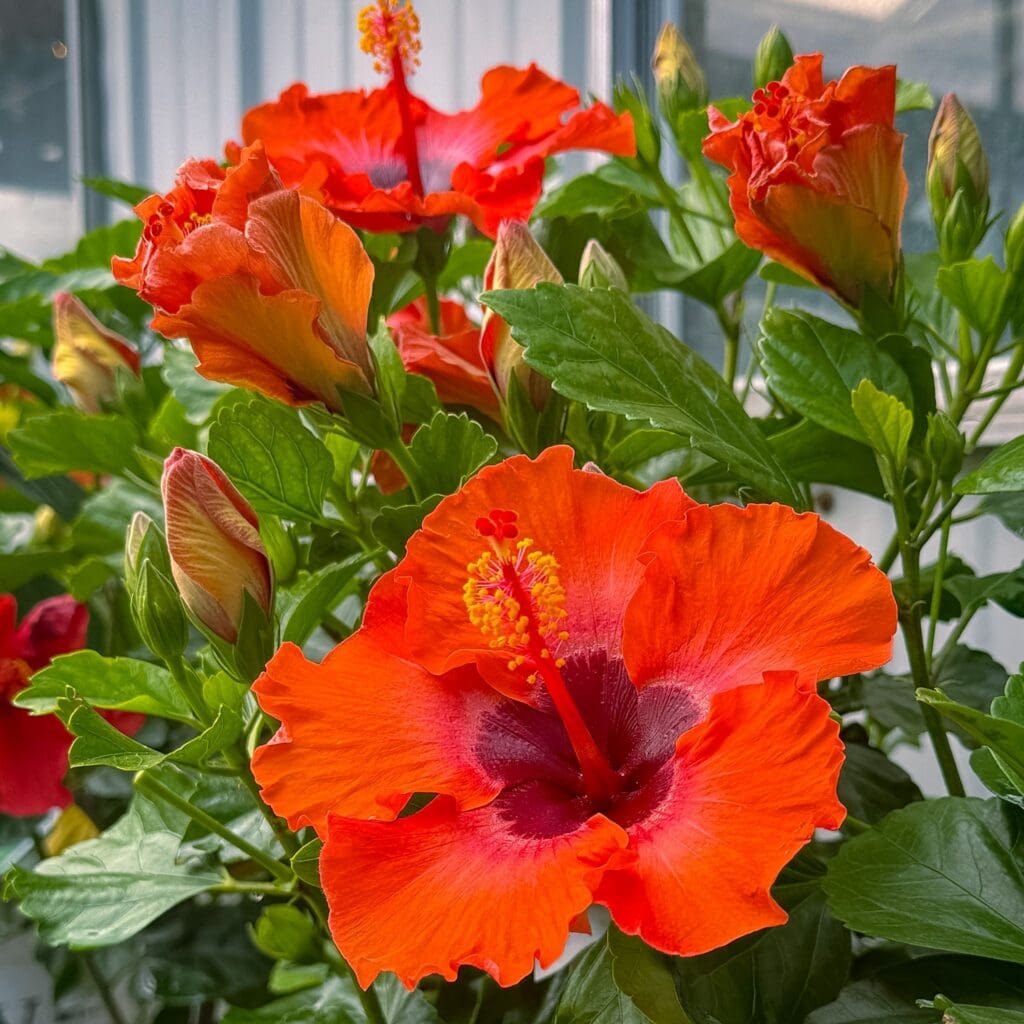
Fertilize all hibiscus and tropical bloomers organically with Maestro Gro-Rose Glo, or conventionally with Hibiscus Food.

ALL TREES & SHRUBS

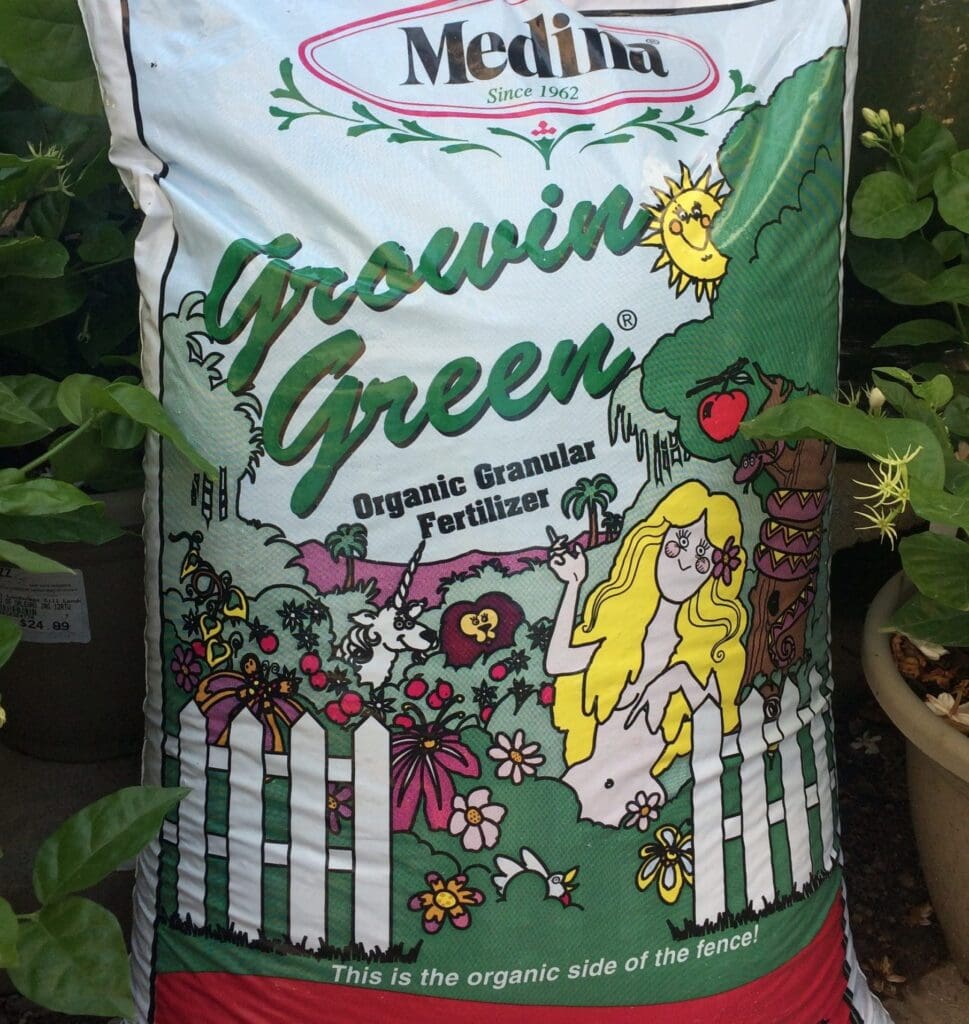
Fertilize organically with Milorganite, Medina Growin Green, Plant Tone, or Hasta Gro. 

ANNUALS & PERENNIALS

Fertilize organically with Medina Growing Green, Hasta Gro, Maestro Rose Glo, or Plant Tone, or conventionally with Osmocote Time Release Granules.

ESTABLISHED ROSES

Fertilize organically with Maestro Rose Glo or Plant Tone.

ESTABLISHED CITRUS TREES

Fertilize organically with Citrus Tone.
Read: Fertilize Your Citrus Now

All granular fertilizer should be watered in well.

Prune

  • All dead and freeze damaged wood from hardy and tropical trees, shrubs, vines and perennials
  • Wait to prune early spring bloomers like Azaleas, Carolina Jessamine, climbing roses, Texas Mountain Laurels, and Indian Hawthorn until after they finish their bloom.

Water

  • During current drought restrictions, you CAN hand water everything except for your turfgrass lawn. You CAN use drip irrigation on your watering day every other week. And you CAN still apply for a temporary watering rules exemption to get new plantings established.
  • Keep in mind - outdoor potted plants dry out quickly, as do hanging baskets and small annuals.
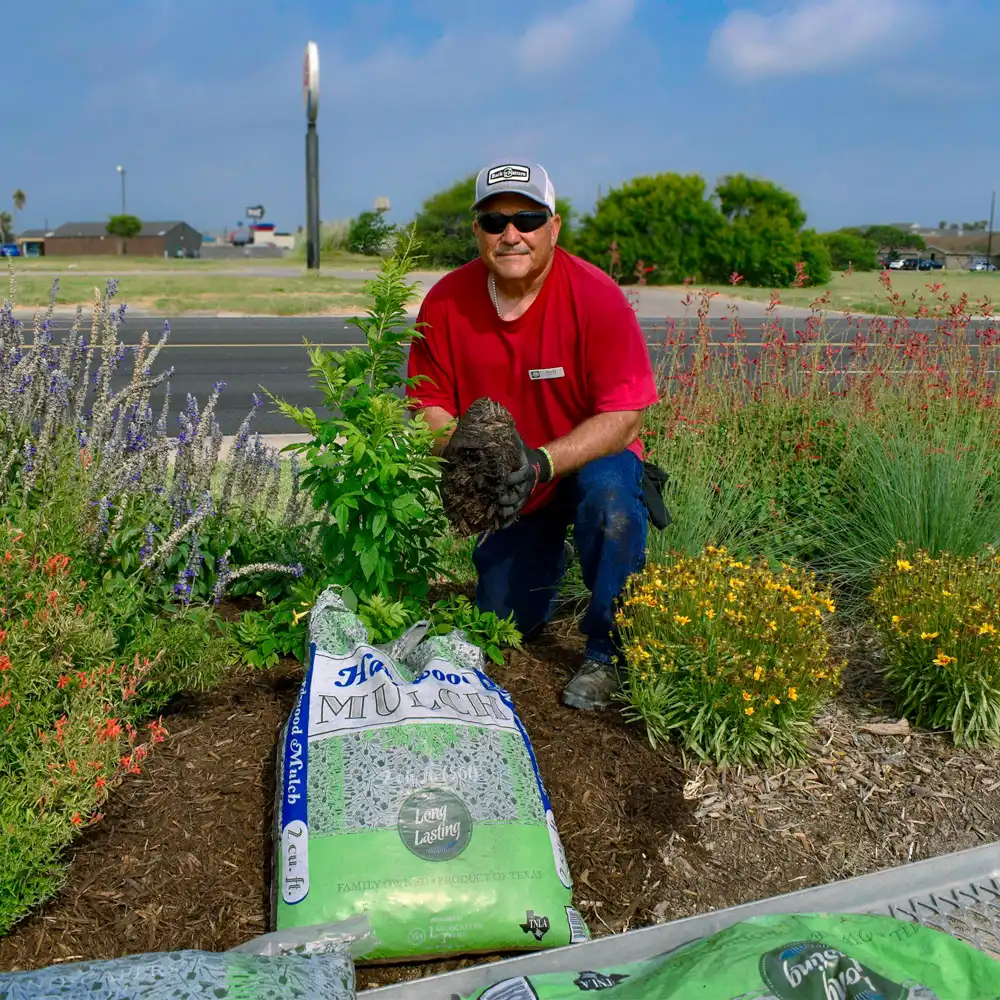
  • Mulch all plants and trees to help hold moisture. Don't mulch right up to the trunks/main stems of plants - give them a little breathing room. And never create a "mulch volcano" against tree trunks!
  • Catch rainwater and A/C condensate to help conserve water - plants love both!

Garden Guide: Good Water Practice for Established Trees, Shrubs, and Lawns

What to Watch Out For

Protect your Lawn from Oak Leaves

Live oaks are following their natural pattern of dropping old leaves before the new leaves come on. Now it’s time to get those oak leaves off your lawn before it suffocates the grass. Under large oaks, since the grass is often thin and stressed anyway because of shade, using a blower is less stressful on the weak turf than a rake.

Control Aphids, Pillbugs, & Caterpillars in Your Veggie Garden

Keep organic Spinosad soap handy for Aphids and Pillbugs, or release some ladybugs. Caterpillars can be controlled organically using Bt (Thuricide spray or Dipel dust). Inspect your veggies every day and you'll catch most pests before they become a problem. 


Lawn Care

Rethink Lawn Spaces

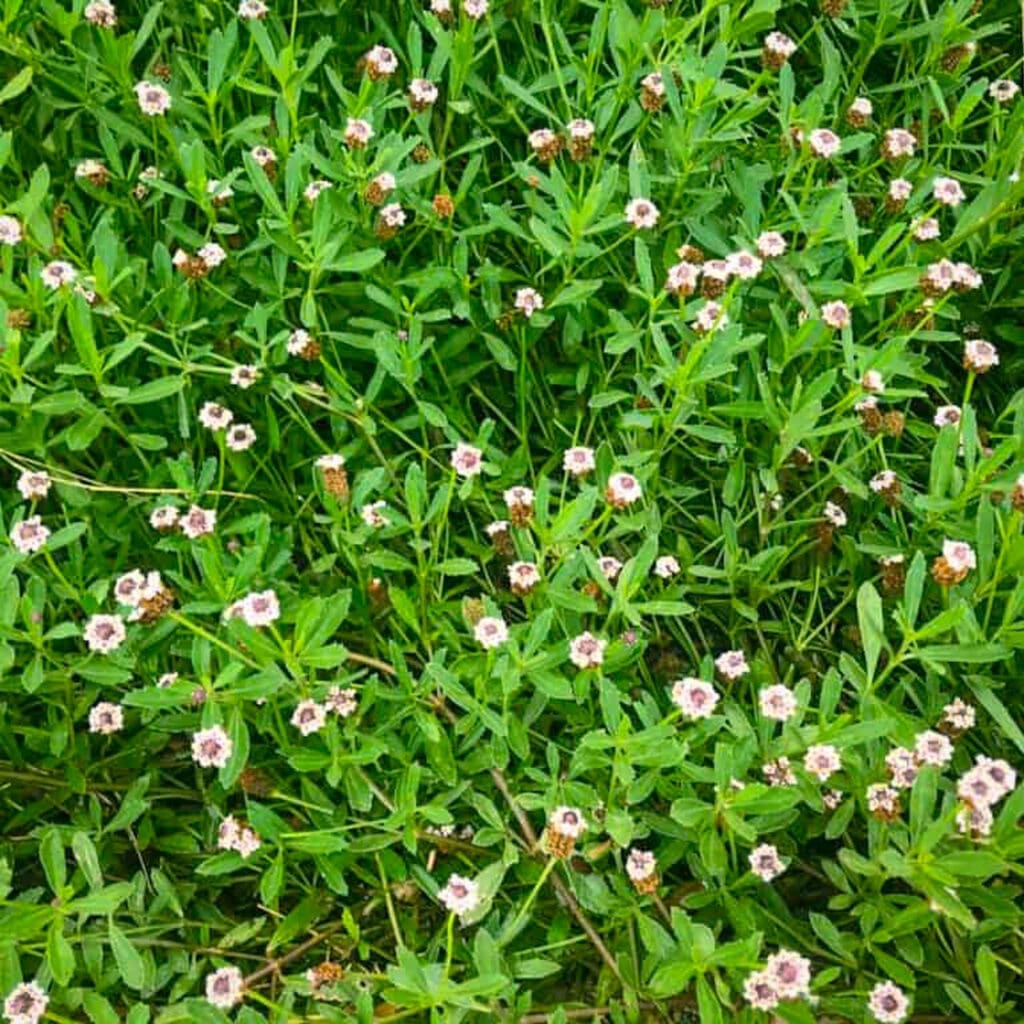
Given our drought situation/lawn watering restrictions, many of us are deciding to reduce lawn space. Traditional turfgrass lawns require lots of water and they don't provide much, if any, benefit to pollinators. Plus, much of our lawn space sits unused. Does every square foot need to be turfgrass, or could you create new beds for blooming perennials? Could you convert areas to native groundcovers like Frogfruit? Could you add some nice pathways or seating areas with a nice firepit? So many options!

Weed Control

Given our drought situation/lawn watering restrictions, decide whether you really want to control weeds. Weeds are green and they don't need much water! Plus they'll help keep the ground cooler. Many of us are choosing to mow the weeds down to keep them from reseeding rather than spraying or removing them. 

If you do need to spray/control, spot treat existing weeds growing now with natural horticultural vinegar or Captain Jack's Deadweed Brew. Both will burn any foliage so take care to not spray your plants or lawn. 

If you want to prevent weeds, apply Hi Yield Grass and Weed Stopper or Weed Beater Complete to help control existing weeds and prevent new ones.

If you want to kill existing weeds, apply Weed-B-Gon for Southern Lawns or Image once our weather warms up to 70-80 degrees with no rain for about 5 days. They are safe for Floratam & Raleigh St. Augustine and Bermuda. Give them 2 weeks to fully work and then it should be time to fertilize the lawn. This is why we don't recommend or sell "weed & feed" type products. Take care of weeds first, then fertilize. 

Fertilize

Fertilize when the grass is actively growing. You can't be too late, you can only be too early in spring. Apply organic Medina Growin Green or Milorganite and water in well (approximately 30 minutes per area). Normally, we wouldn't recommend trying to time your fertilizing with rainfall, since heavy rains can wash away the fertilizer. However, given current watering restrictions, try to take advantage of a light/moderate rain. Lay new sod anytime, bermuda seed anytime this month.

Read: Treat For Take-All Patch in Lawns

Watch: How to Collect a Grass Sample

may-garden-guide

Plant

Sunny areas:

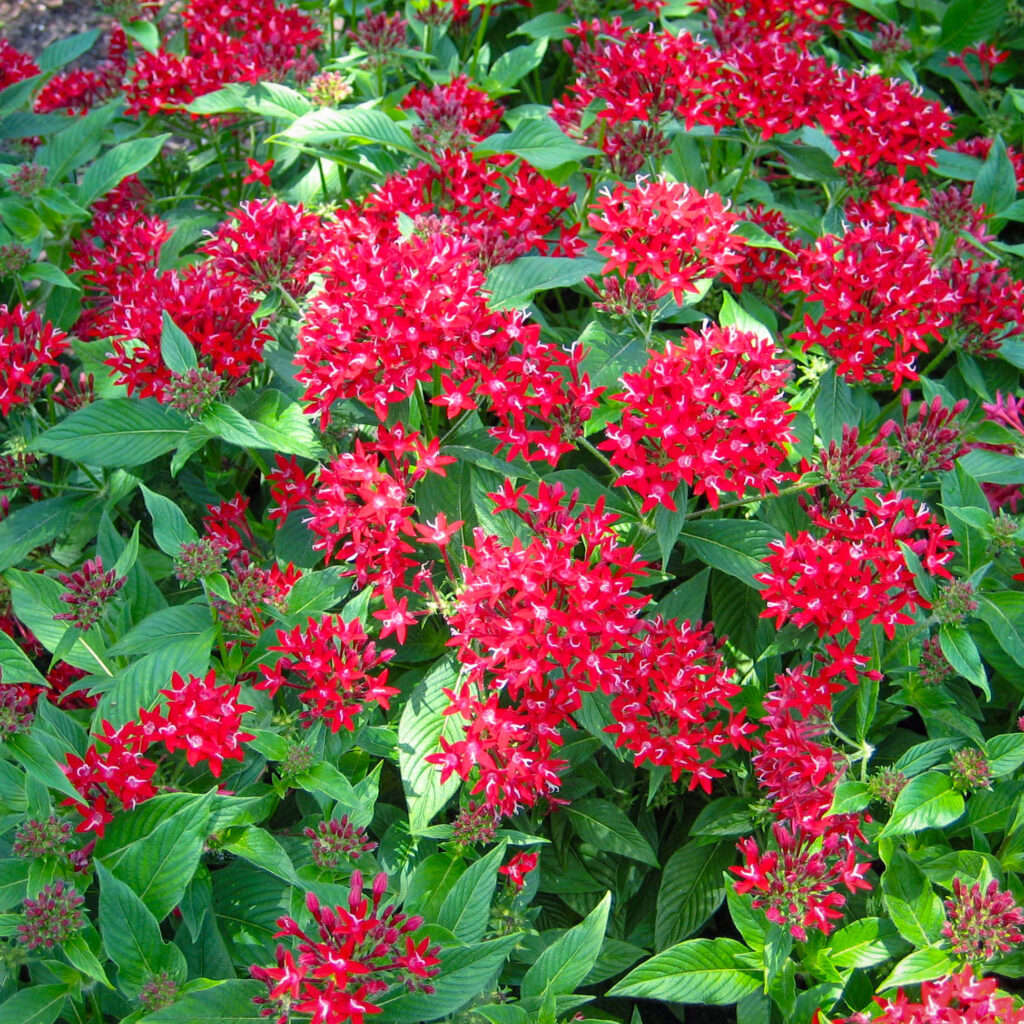
Zinnias, Periwinkles, Moss Rose, Purslane, Lantana, Blue Daze, False Heather, Salvia, Ice Plant, Gomphrena, Ruellia, Coreopsis, Pentas

Shady areas:

Caladiums, Coleus, Begonias, Ageratum, Shrimp Plant, Torenia, Agapanthus, Snowbush

Seeds:

Morning Glory, Moonflower, Zinnias, Sunflowers, Gomphrena

All container grown hardy and tropical trees, shrubs, vines, grasses, groundcover, and citrus trees

Read: Fruit Trees and Citrus in Your Own Backyard

Indoor Plants

Warm temps allow you to take your indoor plants outdoors for some fresh air. Just be sure to keep them protected from the sun. Shady patios are perfect for a short stay. Wash off the dust and bring them back in nice and clean.

Pro Tips for Houseplants

  • If your houseplant looks unhappy, think location first. It may need to be moved to a different spot with different lighting.
  • Keep them away from the AC vents (they like humidity and the AC dries them out)
  • General rule for watering; water well then re-water once the soil feels dry to the touch
  • Spring is time to start fertilizing your houseplants. Your plants will love organic Hasta Gro
  • If they are getting too big for their pots, bump up to a slightly larger pot.

Read: Plants, the Perfect Rx for Clean AirPro Planting Tip: Not Too Deep

Fertilize

All granular fertilizer should be watered in well.

Tomato & Pepper Plants

Fertilize regularly with organic Rose Glo or Hasta GroPlant Tone, or Medina Growin' Green.


Annuals & Perennials

Use organic Medina Growin' GreenRose Glo or Plant Tone, or Hasta Gro.


 Azaleas, Magnolias, Gardenias

Fertilize organically with Maestro Gro-Rose Glo, or Espoma Azalea Food.


Roses

Fertilize organically with Maestro Gro-Rose Glo.


Hibiscus & Tropical Bloomers

Use organic Maestro Gro-Rose Glo, or conventional Hibiscus Food.


Trees & Shrubs

Fertilize organically with MilorganiteMedina Growin' Green.

Prune

All early spring bloomers if not already done, such as Azaleas, Indian Hawthorn and Carolina Jessamine.
Trim hedges as needed to maintain good form.
Poinsettias to approximately 12” tall.

Watch Out For

Fungus, Powdery Mildew

Treat organically with Neem Oil. Or conventionally with Fertilome Liquid Systemic Fungicide on ornamentals.

Grub Worms

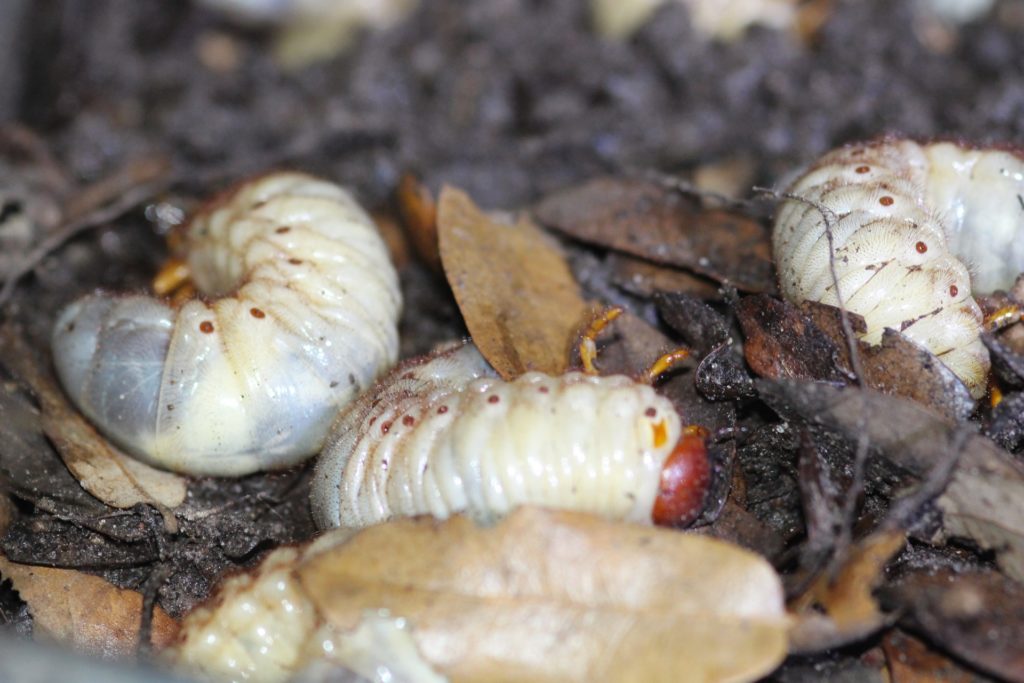
Use organic Spinosad Soap, or conventional BioAdvanced 24-hour Grub Control or Season-Long Bonide Insect and Grub Control

Spider Mites

Treat organically with Spinosad Soap or conventionally with Cyonara, Bonide Systemic.

Lace Bugs on Lantana

Use Cyonara.

Read: Lacebugs on Lantana

Chinch Bugs

Use organic Diatomaceous Earth, or Spinosad, or conventional Cyonara.

Read: Check For Chinch Bugs If Your Lawn Looks Dry Even Though You Know It’s Not!

Mealy Bugs

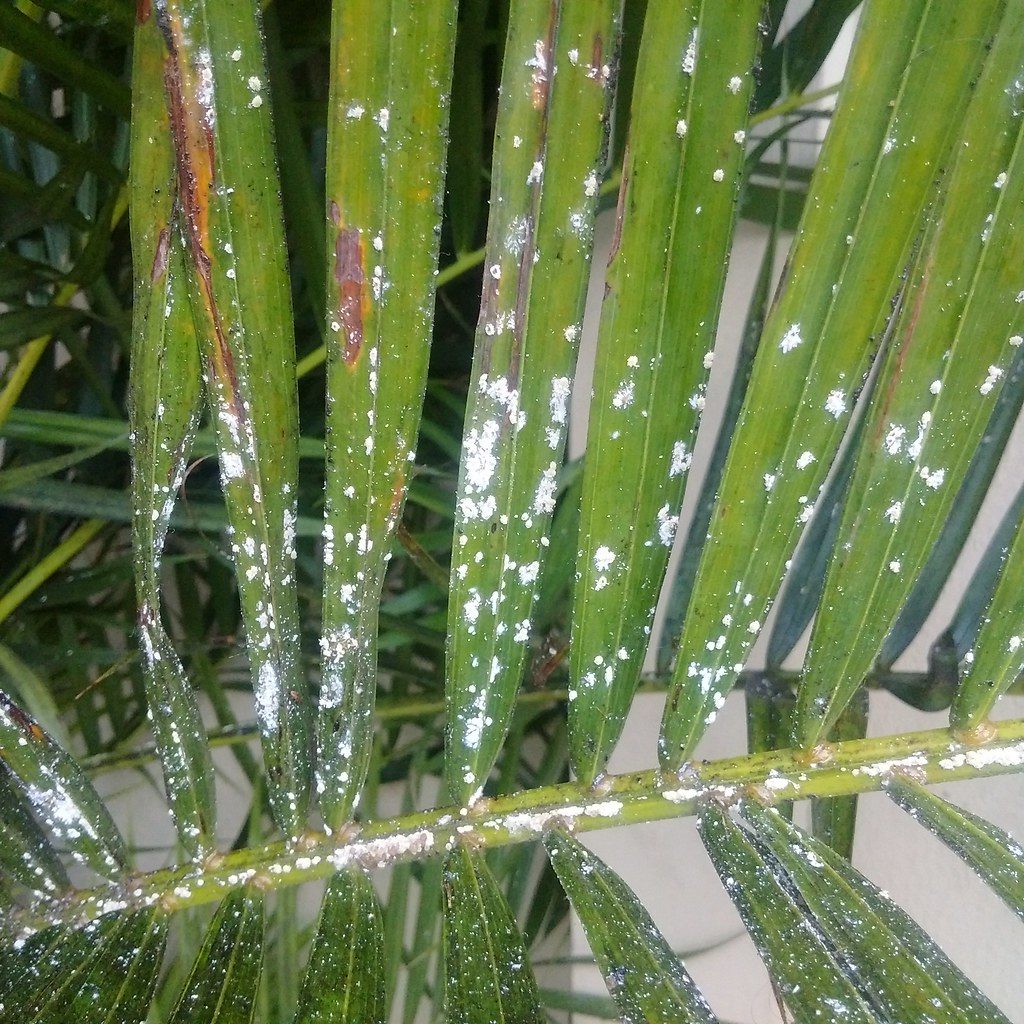
Treat organically with Neem Oil, or Insecticidal Soap, or conventionally with Bonide Systemic.

Read: Mealy Bugs are Here

Fleas & Ticks

Treat organically with SpinosadDiatomaceous Earth, or conventionally with Cyonara.

Read: Got Fleas?

Mulch

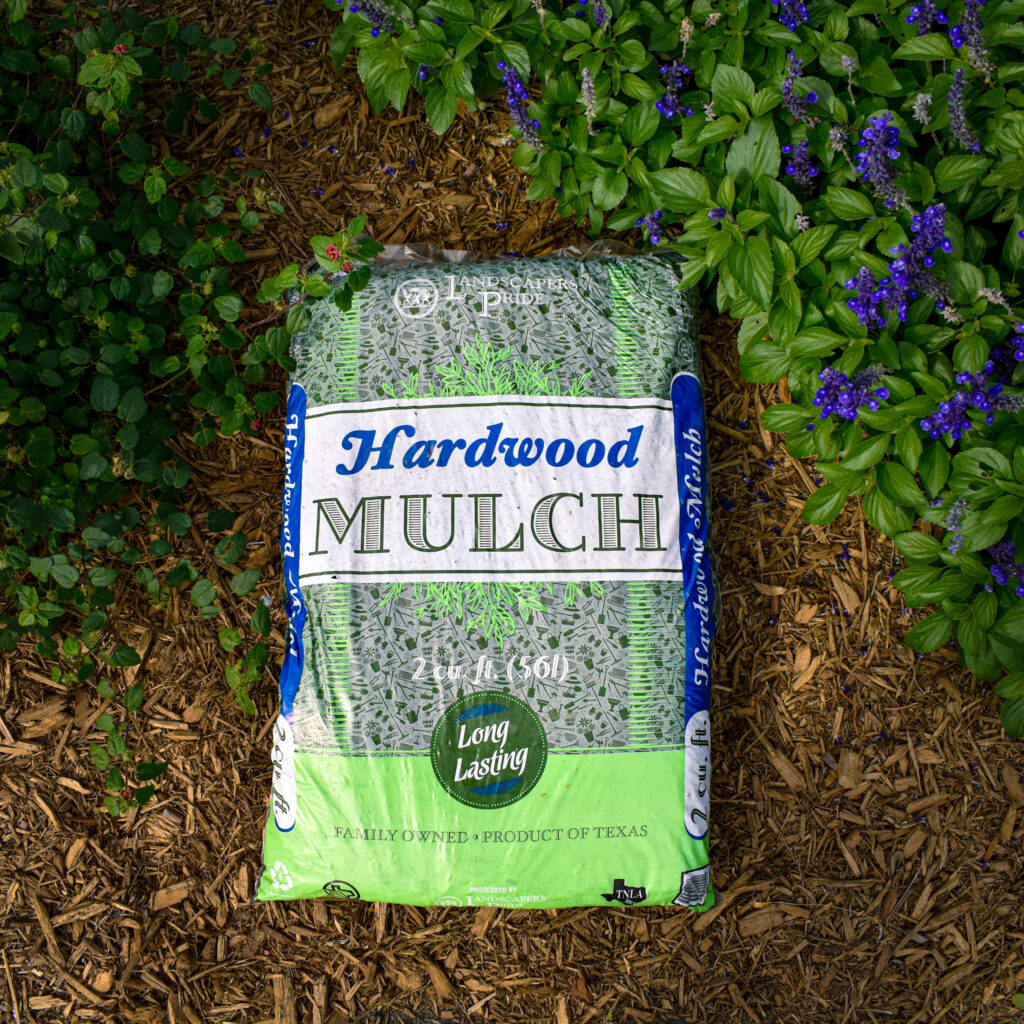
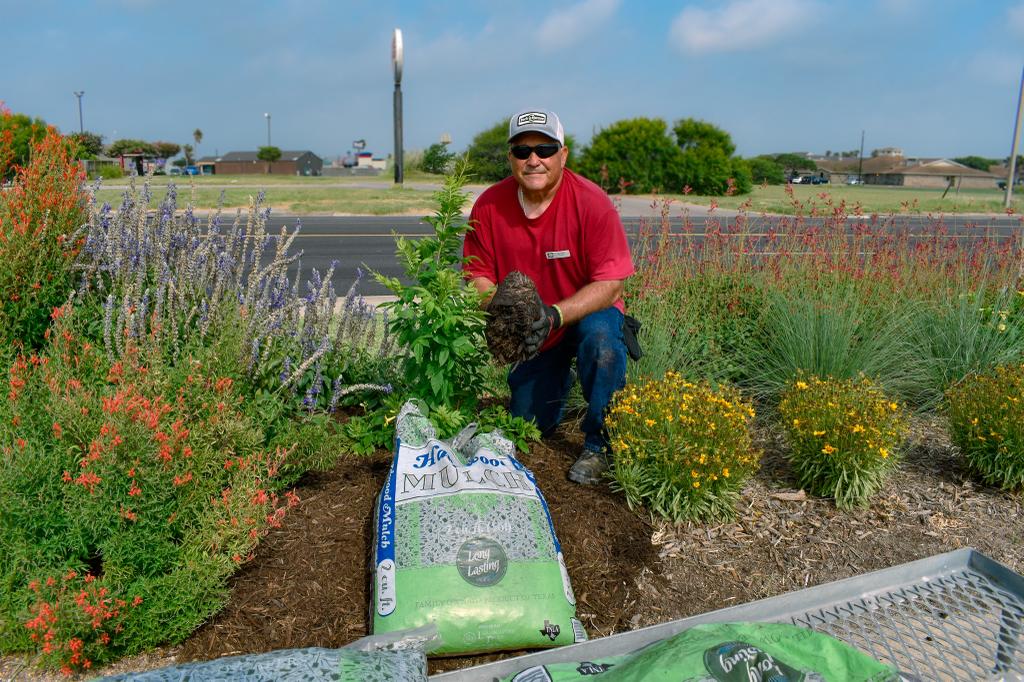
Apply mulch around trees, flowerbeds and vegetable gardens to reduce weeds and help retain moisture. We recommend natural mulches like hardwood, cedar, black velvet, and pinestraw mulch. These reduce weeds well and will not float away.

Lawn Care

Fertilize when the grass is actively growing

Feed organically with Medina Growin’ Green or Milorganite. Organic lawn food is best for long-term root and soil health.

Eliminate broadleaf weeds

Treat with Ortho Weed B Gon for Southern Lawns for broadleaf weeds, Image for grassy weeds and sticker burrs.

If you treat for weeds, wait 3 weeks before you fertilize.

Read: Time to Fertilize and Get Rid of the Weeds!

Lay new sod

Lay new sod or plant Bermuda seed anytime this month.

Read: St. Augustine Turf Grass: Varieties We Sell and Their Characteristics

Watch: How to Repair Dead Patches in Your Lawn
Watch: How to Collect a Grass Sample

Water

*While turfgrass lawn watering with city water is prohibited during current watering restrictions, residents can use free reclaimed water from the Oso Wastewater Treatment Plant. Apply for a permit here. Residents can also hand water trees, which should be done at the drip line, therefore lawns can get some benefit from good tree watering. 


june-garden-guide

We all know how hard you’ve worked to have a beautiful landscape. Now how do you keep it thriving and surviving the summer heat?

Check out our  Top Tips for Summer Success. 

Comfort for Summer: Shade Cloth

Plant

All container grown trees, shrubs, vines

It’s prime time to plant tropicals such as Hibiscus, Bougainvillea, Ginger and Palms.

Garden Guide: Water Wise Landscaping


Late spring and summer color:

Zinnias, Periwinkles, Purslane, Moss Rose, Gomphrena, Lantana, Ruellia, Penta, Caladiums, Coleus, Angelonia and more.

Seeds

Sunflowers, Morning Glory, Zinnias, and Gomphrena.


Caladium Bulbs

Caladium bulbs planted now will come up quickly for instant color.


Indoor Plants

Warm temps allow you to take your indoor plants outdoors for some fresh air. Just be sure to keep them protected from the sun. Shady patios are perfect for a short stay. Wash off the dust and bring them back in nice and clean.

Read: Plants, the Perfect Rx for Clean Air

Fertilize

TOMATO & PEPPER PLANTS

Fertilize tomato and pepper plants regularly. Use organic Rose Glo,
Hasta Gro, Plant Tone, or Medina Growin Green.

Read: My Ugly Tomato Plant


ROSES

All roses with organic Maestro Gro Rose Glo


TREES & SHRUBS

Fertilize all trees and shrubs with organic Milorganite or Medina Growin’ Green. 


ANNUALS AND PERENNIALS

Use organic Medina Growin’ Green, Hasta Gro, or conventional  Osmocote Time Release Granules


AZALEAS, GARDENIAS, AND MAGNOLIAS

Use organic Maestro Gro-Rose Glo or Medina Growin’ Greenor conventional Espoma Azalea Food.


HIBISCUS AND TROPICAL BLOOMERS

Fertilize all tropical bloomers with organic Rose Glo or Hasta Gro, or conventional Hibiscus Food


CITRUS AND PECAN TREES

Use organic Espoma Citrus Toneor conventional Pecan, Citrus and Fruit Tree Fertilizer

Read: How do I keep My Plants Looking Healthy Through Our Summers? Read: Organic Fertilizers 101

Prune

  • Faded blooms to encourage new blooms – especially important on perennials, tropicals, and crape myrtles
  • Shrubs to maintain good form
  • Palms, if needed

Watch out For

CATERPILLARS

Watch for caterpillars or their damage (chewed leaves). Use organic ThuricideSpinosad, or conventional Cyonara.

Read: Texas Sage Eaten by Caterpillars?


FUNGUS, POWDERY MILDEW

Use organic Neem Oil, or conventional Systemic Fungicide


GRUB WORMS

Treat conventionally with Bonide Insect and Grub Control

Read: It's Grubworm Time Again!


CHINCH BUGS

Watch for Chinch bugs in lawns. Treat organically with Diatomaceous Earth, Spinosad, or conventionally with Cyonara RTS

Read: Check For Chinch Bugs If Your Lawn Looks Dry Even Though You Know It’s Not!


MEALY BUGS

Use organic Neem OilBee Safe 3 in 1 Spray or Insecticidal Soap, Spinosad Soap, or conventional Cyonara, or Bonide Systemic

Read: Mealy Bugs are Here


SPIDER MITES

Treat organically with Neem OilBee Safe 3 in 1 Spray or Spinosad Soap. Seaweed extract helps prevent them. Or, treat conventionally with Cyonara


FLEAS AND TICKS

Treat lawns with organic SpinosadDiatomaceous Earth Crawling Insect Killer, or conventional Cyonara.


BORERS

Borers in mesquites, ash, and yucca. Treat organically with Spinosad, or conventionally with Tree and Shrub Drench.


Water

– When watering during periods of windy dry conditions, it’s important to water slowly and deeply. Be sure to watch the spray of sprinklers and adjust accordingly with the wind.

– Water all plants well after planting and regularly through the first year. Plants will begin to use more water as they grow and bloom. Outdoor potted plants dry out quickly as do hanging baskets and small annuals. Check new plants daily for water needs, many will need water every day.

– Mulch around trees and flowerbeds to conserve moisture.

– Make arrangements for someone to water if leaving for more than 2 days (especially new plants).

– Watch your perennials. Check soil moisture before watering. Many plants can die from over watering. Use a moisture meter when in doubt.

Lawn Care

Fertilize early in the month, if not already done

Fertilize organically with Milorganite or Medina Growin’ Green to your lawn and water in well, approximately 30 minutes per area.

Plant New Grass

Lay new sod or Bermuda seed anytime this month.

Fix Yellow Spots in Your Lawn

Treat organically with Nature’s Blend, or conventionally with Hi-Yield Iron Plus.

Mow as Required

Keep St. Augustine cut to about 3”, Bermuda at 1” – 2”.

Watch for Chinch Bugs and Grub Worms


july-garden-guide

Plant

All container grown trees, shrubs, and vines

It’s prime time to plant tropicals such as hibiscus, bougainvillea, ginger and palms.

Late spring and summer color

Zinnias, periwinkles, purslane, moss rose, gomphrena, lantana, ruellia, penta, caladiums, coleus, and more

Seeds

Sunflowers, morning glory, zinnias, and gomphrena.

Pepper and Tomato Seeds

Start seeds of peppers and tomatoes in containers to transplant in the garden in August.

Indoor Plants

Add plants to your indoor spaces to create a fresh air relaxing atmosphere.

Feed your houseplants to keep them healthy and looking their best. Hasta Gro works wonders. So does Plant Tone. And Worm Castings provide an amazing boost for houseplants too!

Houseplants that are happy & healthy will produce baby plants that are easily removed and transplanted to another container. A great way to increase your collection and share with your friends.

Read: Plants, the Perfect Rx for Clean Air

Read: Indoor Gardening: EZ as a ZZ!

Fertilize

ANNUALS AND PERENNIALS

Organic: Medina Growin GreenHasta Gro or Plant Tone

Conventional: Miracle Gro or Osmocote Time Release Granules

HIBISCUS AND TROPICAL BLOOMERS

Organic: Maestro Gro-Rose Glo

Conventional: Hibiscus Food

TREES AND SHRUBS

Organic: Milorganite, or Medina Growin Green
All granular fertilizer should be watered in well.

Read: A Few More Summer Tips

Water-wise Gardening

MULCH

Mulch all landscape areas with at least 2-4 inches of shredded mulch.

ADJUST MOWING

Cut your grass higher so it will not dry out as quickly.

TRIMMING & CLEANUP

Trim overgrown plants with excessive foliage so they use less water.
Remove old or unsightly plants you plan to get rid of anyway.
Repot root bound patio plants.

FERTILIZE

Top dress lawns with Nature Blend.
Use organic fertilizers to keep plants healthy.

WATER

Install drip irrigation around your foundation and plants for slow soaking and less water waste.

Catch water from your A/C - plants love it! Indoor dehumidifiers too! 

Consider adding a rainwater collection system connected to your gutters - we can help. 

Lawn Care

FERTILIZE

Organic fertilizers such as Milorganite and Medina Growin Green are excellent fertilizers that feed plants and soil and are the best choice during hot, dry periods.

FIX YELLOW SPOTS

Apply organic Nature’s Blend, or conventional Hi Yield Iron Plus to yellow spots in lawn.

MOW

Keep St. Augustine cut to about 3”, Bermuda at 1”– 2”.

WATCH OUT FOR PESTS

Watch for Chinch Bugs and Grub Worms.

Read: Check for Chinch Bugs if Your Lawn Looks Dry Even Though You Know It’s Not!

Prune

Dead wood from trees and shrubs

Faded blooms to encourage new blooms – especially important on perennials, tropicals, and crape myrtles

Shrubs to maintain good form

Palms, if needed

Watch out For

CATERPILLARS

Watch for caterpillars or their damage (chewed leaves).

Organic: ThuricideSpinosad

Conventional: Cyonara

FUNGUS, POWDERY MILDEW

Organic: Neem OilBeeSafe 3-in-1, and Organic Fungicide 5

Conventional:  Bonide Fung-onil ready-to-use, Fertilome Systemic ready-to-spray

WHITEFLIES

Organic:  Spinosad Soap, Bee Safe 3-in-1

Conventional:  Cyonara

CHINCH BUGS IN LAWNS

Organic: Diatomaceous Earth, Spinosad

Conventional: Cyonara

MEALY BUGS

Organic: Neem Oil, Insecticidal Soap, BeeSafe 3-in-1

Conventional: CyonaraBonide Systemic

Read: Mealy Bugs are Here

SPIDER MITES

Organic: Neem OilSpinosad Soap, BeeSafe 3-in-1

Conventional: Bonide SystemicCyonara

FLEAS AND TICKS

Organic: SpinosadDiatomaceous Earth

Conventional: Cyonara

BORERS

Watch for Borers in mesquites, ash, and yucca.

Organic: Spinosad

Conventional: Fertilome Tree & Shrub Drench

august-garden-guide

Prepare Your Garden Spaces for Fall Planting

  1. Clean areas of unwanted weeds and debris.
  2. Break up the soil and add organic matter like Cotton Burr Compost, and turn or till it in.
  3. Mix in dried molasses and organic fertilizer like Medina Growin’ Green.
  4. Water, mulch, and let it rest until you are ready to plant.
  5. Keep it watered to encourage beneficial microbes in the soil.

Read: Organic Gardening

Read: Comfort for Summer: Shade Cloth

Read: Fall’s Around the Corner – it’s Garden Time!


What To Plant

Late Summer Vegetable Transplants

Plant tomato, eggplant, and pepper transplants after August 10th. Be sure to keep watered well and evenly shaded from the hot afternoon sun.

Read: Homegrown Tastes Best
Garden Guide: Fall Tomatoes

Fall Vegetable Seeds

Seeds of beans, cabbage, peas, winter squash, and turnips. Start in pots and then transplant to garden. Protect from intense heat and sun.


Pumpkin Seeds

If you want pumpkins by Halloween, plant your seeds by August 10th.


Bluebonnet Seeds

Sow bluebonnet seeds now for spring bloom.


Tropicals

All tropicals including allamandas, mandevillas, palms, pentas, blue daze, hamelia, hibiscus, esperanza, and plumbago will continue growing and blooming.


Summer Annuals

Annuals such as zinnias, moss rose, gomphrena, purslane, periwinkles, caladium and coleus will continue to flourish.


“House” Plants

Don’t forget that “house plants” are generally tropical in nature and love a nice shady or semi shady patio to put on the best show. Ficus, schefflera, corn plants, dracaenas, ivies, ponytail palms, and bromeliads all like heat and humidity.

Read: Plants, the Perfect Rx for Clean Air


All container grown trees, shrubs, and vines.

Garden Guide: Planting Trees, Shrubs, and Groundcovers
Read: Crape Myrtle Season

Prune

  • Continue removing faded flowers from annuals and perennials to encourage new blooms.
  • Faded blooms and seed pods from crape myrtle to promote additional blooming
  • Dead wood from trees and shrubs
  • Trim plants as needed to maintain size and shape.
  • Palms as needed
  • Poinsettias early in month – last pruning for December color

Water

  • Check all newly planted material for water every day.
  • Check pots, containers and hanging baskets often, as they dry out quickly and need more water.
  • Apply mulch as needed to help conserve moisture.
  • Make arrangements for someone to water if leaving for more than 2 days, especially with new plants.
  • Follow City Water Restriction Guidelines.

Fertilize

All trees and shrubs

Fertilize organically with MilorganiteMedina Growin Green, or Plant Tone. 


Annuals and perennials

Fertilize organically with Medina Growin Green, or Hasta Gro, or conventionally with Osmocote Time Release Granules.

All hibiscus and tropical bloomers

Fertilize organically with Maestro Gro-Rose Glo, or conventionally with Hibiscus Food.


All granular fertilizer should be watered in well

Lawn Care

  • Organic fertilizers such as Milorganite, and Medina Growin Green are excellent fertilizers that feed plants and soil and are the best choice during hot, dry periods.
  • Lay new sod anytime, and Bermuda seed anytime this month.
  • Apply organic Nature’s Blend to yellow spots in lawn. Not too much - just a thin 1/8"-1/4" layer. 
  • Mow as required. Keep St. Augustine cut to about 3”, Bermuda at 1” – 2”.
  • Watch for Chinch Bugs and Grub Worms.

Read: Use the Cycle Soak Method
Garden Guide: Lawn Care

Watch Out For

Mealy bugs

Treat organically with Neem Oil, Spinosad Soap, or Bee Safe 3-in-1 or conventionally with Cyonara or Bonide Systemic.

Read: Mealy Bugs are Here!

Chinch bugs in lawns

Treat organically with Spinosad or Diatomaceous Earth, or conventionally with Cyonara.

Spider mites

Treat organically with Neem Oil, Spinosad Soap, or Bee Safe 3-in-1 or conventionally with Cyonara or Bonide Systemic.

Note: Spraying your plants with seaweed extract helps repel spider mites, and it’s good for your plants too!

Fleas and ticks

Treat lawns organically with Spinosad, or Diatomaceous Earth, or conventionally with Cyonara.

Borers in mesquites, ash, and yucca

Treat organically with Spinosad.

Fungus, Powdery Mildew

Treat organically with Neem Oil, or Bee Safe 3 in 1, or with Fertilome Broad Spectrum Fungicide, Fung-onil, or Systemic Fungicide.

Unwanted caterpillars – remember that many caterpillars turn into the butterflies that we love and enjoy!

If necessary, treat organically with Thuricide or Spinosad.

Read: Darn Those Summer Bugs!

sept-garden-guide

Plant

September is vegetable and seed month.

There are numerous selections of vegetables to be started in the garden or in containers. Come in and pick up our fall vegetable guide.

Tomatoes & Peppers

Tomatoes and peppers can be planted through the middle of the month.

Planting Guide: Our Tomato Varieties
Read: New! Grape Tomato ‘Ruby Crush’
Read: Fall Tomatoes

Herbs

A large selection of herbs will be ready to add spice to your garden.
Garden Guide: Herbs

Bluebonnets & Other Wildflowers, Nasturtiums & Fall Marigolds

Plant by seed or transplants.

Read: Fall is Wildflower Time!Benefits of Marigolds in Your Veggie Garden, Nasturtiums – Super Pretty & Easy (Yummy Too!)

Don’t plant pansies or snapdragons until temperatures have cooled down!


There is still time to add quick summer color such as zinnias, coleus, purslane, moss rose and periwinkles.
Read: Success with Fall Flowers, Best Tips of Planting Trees This Fall, Organic Gardening, Fuel For Your Hungry Hummers

Fertilize

Tropicals

We recommend organic Maestro Rose Glo, or conventional Hibiscus Food

Vegetables

We recommend organic Medina Growin’ Green, Hasta Gro, Maestro Rose Glo or Plant Tone, or conventional Hi Yield Ammonium Sulphate.

Roses

We recommend organic Maestro Rose Glo.

Poinsettias

We recommend organic Maestro Rose Glo or Hasta Gro.

Blooming Annuals and Perennials

We recommend Organic: Medina Growin Green, Hasta Gro or Maestro Rose Glo, or conventional Hibiscus Food.

All plants that are especially stressed, or recently transplated

We recommend organic Hasta Gro Organic Fertilizer or Super Thrive

Christmas Cactus

We recommend organic Hasta Gro.

Read: How to Get Your Christmas Cactus to Bloom!
Read: It's Time to Fertilize For Fall!

Prune

  • Continue removing faded flowers from annuals and perennials to encourage new blooms.
  • Faded blooms and seedpods from crape myrtles to promote additional blooming.
  • Rule of thumb for fall pruning is no more than 1/3. Wait until January for heavy cutbacks.

Read: Sharp Tools for Fall Pruning!

Lawns


Apply organic Nature's Blend or Peat Moss for lawns, or conventional  F-Stop granules as a preventative to brown patch fungus, which shows up as temperatures drop during fall and winter months.

Watch: Brown Patch Fungus

Apply organic Nature's Blend, Peat Moss or conventional Hi Yield Iron Plus to yellowing lawns.

Apply Nature’s BlendPeat Moss, or Scotts Disease Ex to lawns prone to Take All Patch Fungus.

Continue to water deeply every 1 to 2 weeks if little rainfall.

Wait to apply fall fertilizer until October!

Watch: How to Collect a Grass Sample

Water

  1. Check all newly planted material for water every day.
  2. Check pots, containers and hanging baskets often as they dry out quickly and need more water.
  3. Apply mulch as needed to help conserve moisture.
  4. Make arrangements for someone to water if leaving for more than 2 days, especially with new plants.
  5. Follow City Guidelines.

Weed Control

Spray only growing weeds with Captain Jacks Deadweed Brew or Horticultural Vinegar. These products kill all vegetation; so protect plants from drift or over spray.

Apply organic Corn Gluten meal, or Weed and Grass Stopper with Dimension in the fall and spring to prevent seeds from sprouting. It will not control already growing weeds.

Weed B Gon or Image can be applied once we cool down into the 80’s temps. An organic option is Captain Jack’s Lawn Weed Brew.

Watch For

Masses of worms eating your oak tree.

Treat with organic Spinosad or Thuricide, or conventional Cyonara. Read: Oak Tree Caterpillars

White Flies on tropicals and perennials, especially lantana and hibiscus.

Treat with organic Insecticidal Soap, Neem Oil, Spinosad Soap, Bee Safe 3-in-1 Spray, or conventional Cyonara or a long acting drench like Fertilome Tree & Shrub

Watch: Yucky Whitefly

Fleas and Ticks

Treat lawns with organic Spinosad, or Diatomaceous Earth Crawling Insect Killer, or conventional Cyonara

Mealy Bugs

Treat with organic Bee Safe 3-in-1 Spray or Insecticidal Soap or Spinosad Soap, or conventional Cyonara, or Bonide Systemic Liquid or Granule

Read: Mealy Bugs are Here!

Caterpillars or their damage (chewed leaves).

Spray organically with Spinosad or Thuricide.

Read: Not All Caterpillars are Bad!

Mosquitoes

Use Mosquito Beater Liquid for quick kill or Mosquito Beater Granules to repel.

Read: Mosquito Solutions

Note: Please, Please, Please, don’t kill the bees!

They are one of the best sources we have to pollinate our fruits, vegetables, flowers, and shrubs.

gill-december-garaden-guid

Plant

Flowers from Seed

Carnations, larkspur, nasturtium, petunias, poppy

Garden Guide: Planting Fall & Winter Annuals

Flowers from Transplant

Pansies, petunias, alyssum, dianthus, snapdragons, ornamental cabbage and kale, geraniums

Hardy Trees, Shrubs and Vines

The roots of hardy plants grow during our cool months even though their leaves may be changing color or falling from their branches. This provides a better root system so they thrive in spring and can survive the long, hot summer. Live oaks, magnolia, cedar elm, hawthorns, holly, sage, junipers, roses, just to name a few, are winter hardy and would be appropriate to plant now. Read more: Plant Hardy Trees And Shrubs Now

Garden Guide: Planting Trees, Shrubs & GroundcoversRoses

Veggies from Seed

Beets, cabbage (all types), carrots, chard, lettuce, mustard, onions, peas, radish, spinach and turnips


Christmas cactus is one of nature’s gifts for those who are gardening challenged. Just keep them dry and in very filtered light. How’s that for easy?

A beautiful holiday plant, the Christmas Cactus blooms at Christmas and also sometimes around Easter if cared for properly. Keep the plant in a well lit location (like near a window) away from direct sunlight-too much heat and light can stunt the growth and burn the leaves. It should also be away from drafts, heat vents, or other sources of hot air. Feel the soil with your fingers; if it is dry, it’s time to water thoroughly. Before watering again, check to see that the top inch of soil has dried thoroughly first. Mist leaves as well as watering the soil.

Read more: Christmas Cactus.


Fall bulbs like paper whites and amaryllis, will make a spectacular show this winter and now is the time to plant them.

Paperwhite Narcissus
1. Refrigerate for 4-6 weeks prior to planting.
(plant around Thanksgiving for holiday blooms!)
2. Fill a clear vase with a few inches of pea gravel.
3. Nestle bulbs side by side into the gravel.
4. Add water up to the bottom of the bulb and
place near a sunny window.

Amaryllis
Plant in a pot or in the ground. If planting in the ground, place in morning sun and afternoon shade. Every three years in October, you can dig up and divide these bulbs as they multiply underground! Feed regularly with Hi-Yield Bone Meal every 4-6 weeks.

Indoor Plants

Bring fresh air and interest indoors. Houseplants like schefflera, sanseveria, pothos ivy, & philodendrons bring a clean organic feel to your home. While you move plants in from outdoor areas, be sure to check for insects and treat if needed.

Read:  Plants, the Perfect Rx for Clean Air

Poinsettias indoors do best in cool dry areas with indirect light. An easy way to water them is with a few ice cubes every few days. Read:  Poinsettia Care

Fertilize

BEDDING PLANTS
Fertilize organically with Hastagro, Medina Growin Green, or Milorganite, or conventionally with Osmocote Time Release 14-14-14.
Do not fertilize TROPICALS this month. They need to rest.

LAWN

If you didn’t fertilize your lawn in October or November, instead of applying a chemical fertilizer, we recommend you use an organic fertilizer such as Medina Growin Green or Milorganite. These products feed the grass & soil microbes slowly and naturally.

Read: Organic Gardening 101: Organic Fertilizers

Watch Out For

Read: Protect Your Lawn – Recent Take-All Root Rot Sightings

SCALE
Insects on hardy trees and shrubs. Spray with Neem Oil spray or Dormant Oil.

Read: What’s Bugging You Now?

LAWN FUNGUS
This can be a major problem after long periods of wet, cool weather or over watering. There are two major kinds of lawn fungus – Take All Patch and Brown Patch. Treat Take All Patch organically with Nature’s Blend Organic Compost, or Peat Moss, or conventionally with Fertilome Systemic Lawn Fungicide or Scotts DiseaseEX.

Treat Brown Patch Fungus with Fertilome F-Stop Granules.

Water

  • Only as needed – but dry cold fronts, high winds and low humidity can dry plants quickly.
  • Established lawns only need water every couple of weeks, provided we don’t get rain.
  • Be sure to check your sprinkler system and adjust accordingly.

Prune

  • Perennials that have finished their bloom.
  • Pick spent flowers from annuals to prolong their bloom season.

Read: To Prune or Not to Prune?

Harvest Citrus

  • Starting in December, and more in January, harvest your lemons, limes, grapefruit, oranges, and other citrus fruits. What a great holiday gift!
  • If you notice any fruits with black gunk on them, it's likely honeydew from insects. Treat with organic All Season Horticultural Oil spray to suffocate any lingering insects.


Be Ready for Frost Protection!

  • We never know if we might get an early freeze in December, so have your frost blankets handy. 
  • When covering plants for a freeze, make a tent to capture ground warmth - not a lollipop! The frost protection cloth should extend all the way to the ground and be pinned to the ground or, better yet, weighed down with bricks or firewood - something heavy so they don't blow away in high winds.