Garden Center Hours: Mon-Sat 9am - 5:30pm • Sun 10am - 5:30pm
4. Watch for More Bugs in Summer
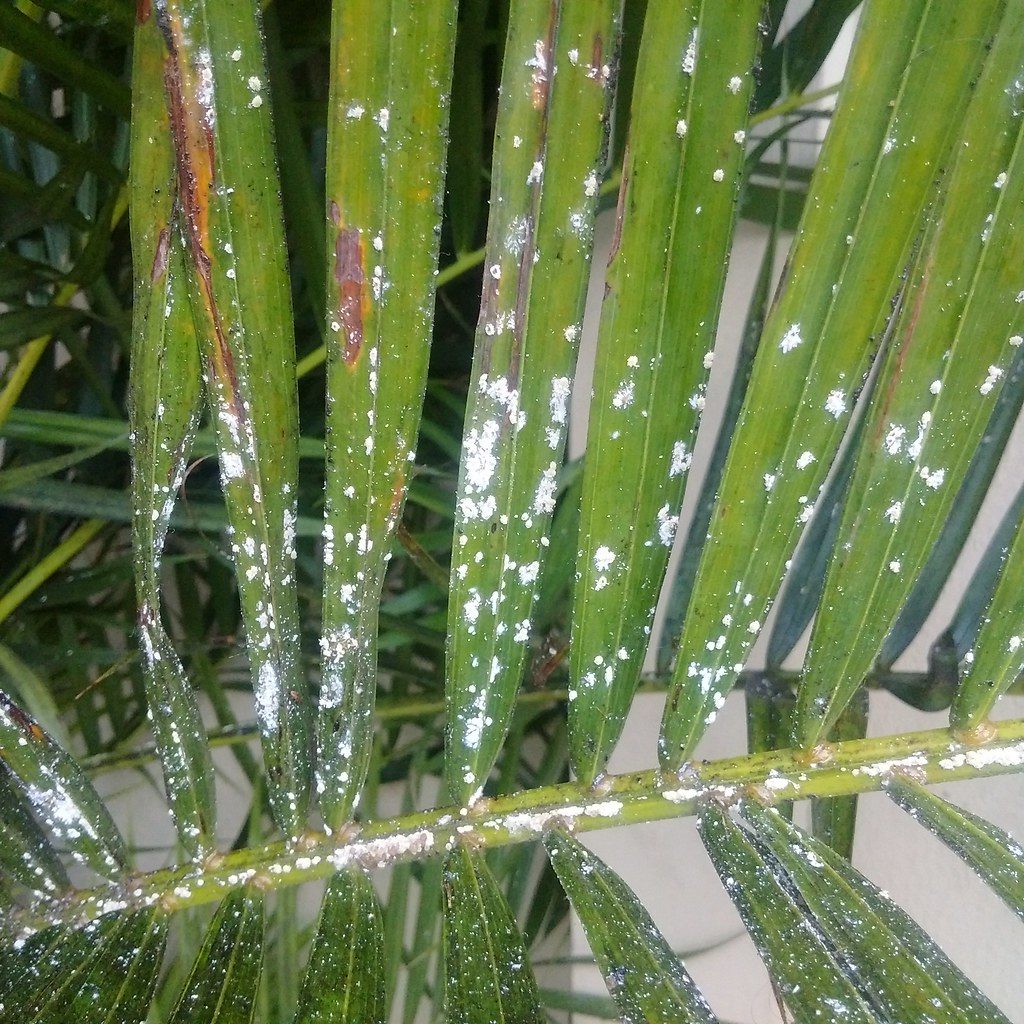
This is what a mealybug infestation looks like!
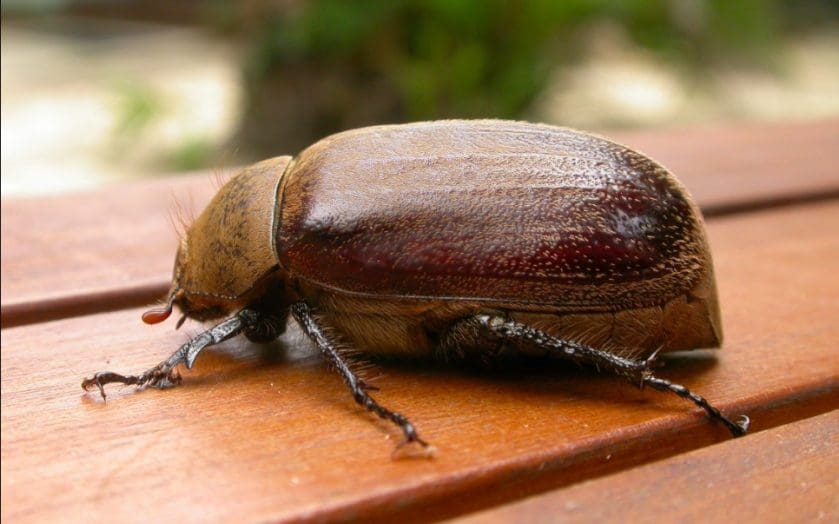
Not all bugs are bad, so it’s important to know your bugs before you spray anything, even organics. A few bugs here and there is most likely not cause for alarm. If you do get an infestation, cut the plant back first, give it some fertilizer, then treat for bugs. By pruning first, you won’t have to treat every leaf on the whole plant. We see plants come back better than ever using this method. If you’re not sure about bugs or pruning, we’re here to help.

5. Train Your Plant Sitter

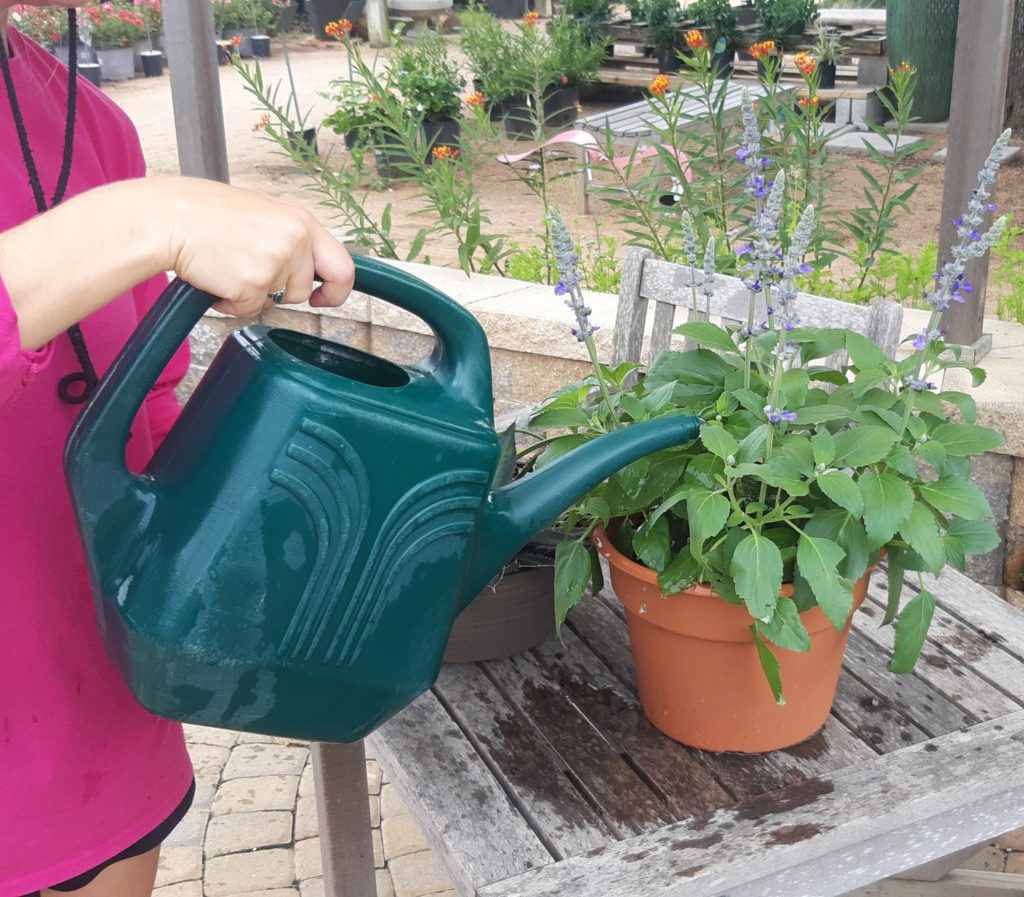
Be sure to have a trusted plant-sitter come water your plants while you’re away on summer excursions! It’s a good idea to spend a little time showing them how you water. Make them a list, draw them a map, and walk them through it. You know your plants and which ones get tired and thirsty the fastest.

6. Collect Cool New Houseplants

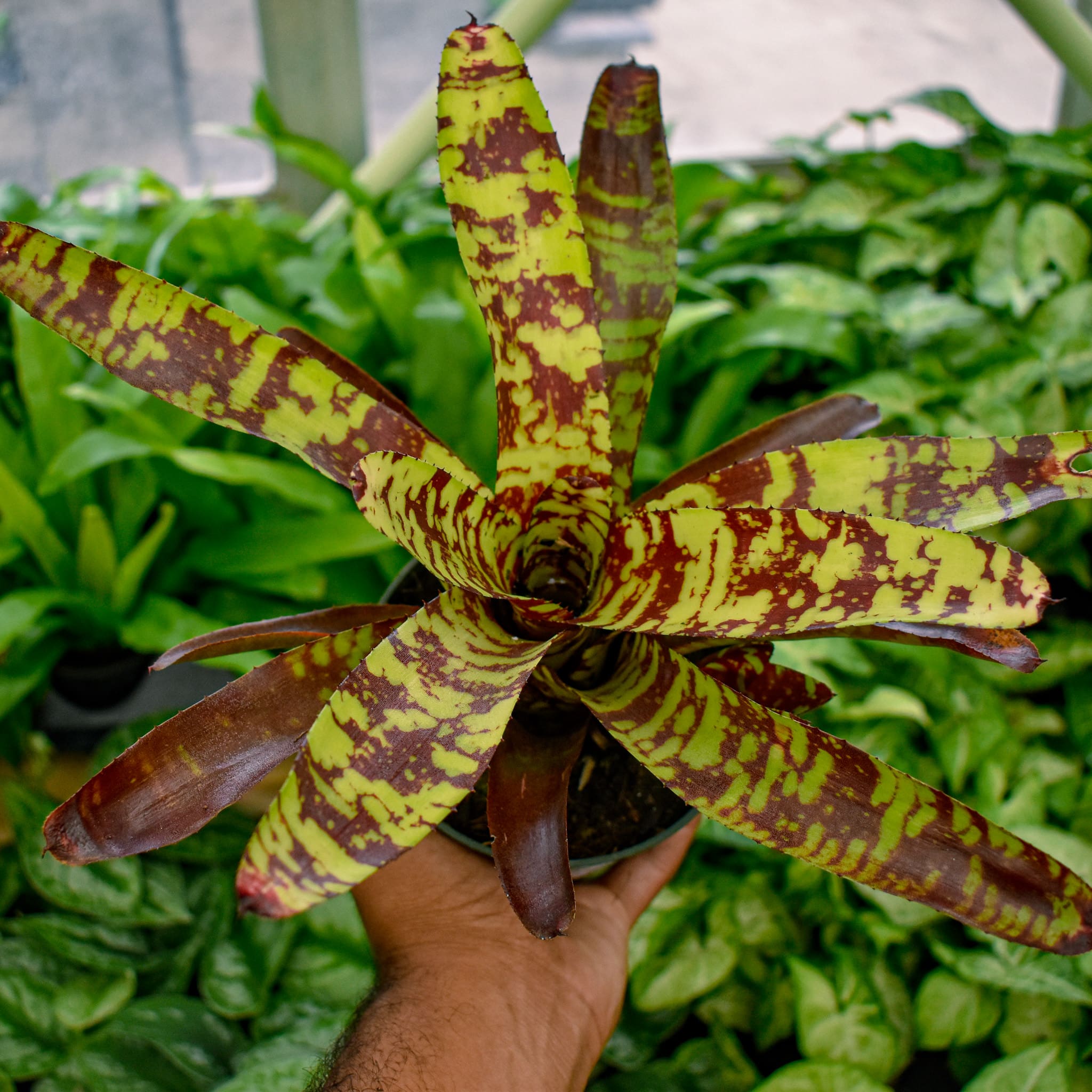
Now’s a great time of year to work on your houseplant jungle. The greenhouse is restocked with all kinds of interesting houseplant choices, including lots of new Bromeliad varieties! Keep in mind that constant A/C indoors will dry out plants. Keep an eye on watering (use a moisture meter) and don’t place houseplants near an A/C vent. You might also try experimenting with a humidifier near your plants to help regulate moisture. 


Temperatures may not feel like it yet, but it’s time to start making the transition into an exciting new Fall planting season! There’s a lot to do in August to set yourself up for big garden success this Fall and beyond. Here are our top must-do’s!

Check out our August Garden Guide for more tips and remember that trees, shrubs, and perennials can be planted 12 months out of the year! The only difference is the amount of water they need depending on temperatures and wind!

1. Water to Maintain Depth Moisture!

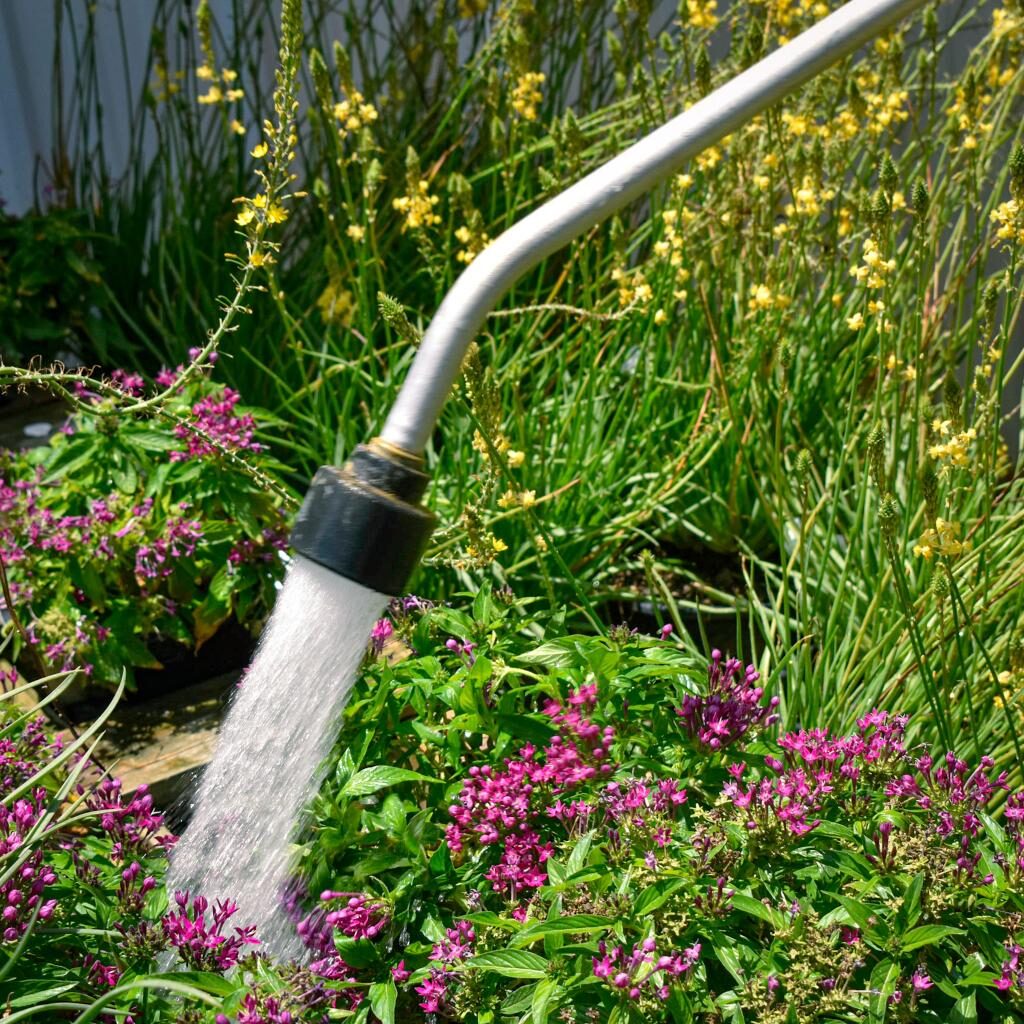
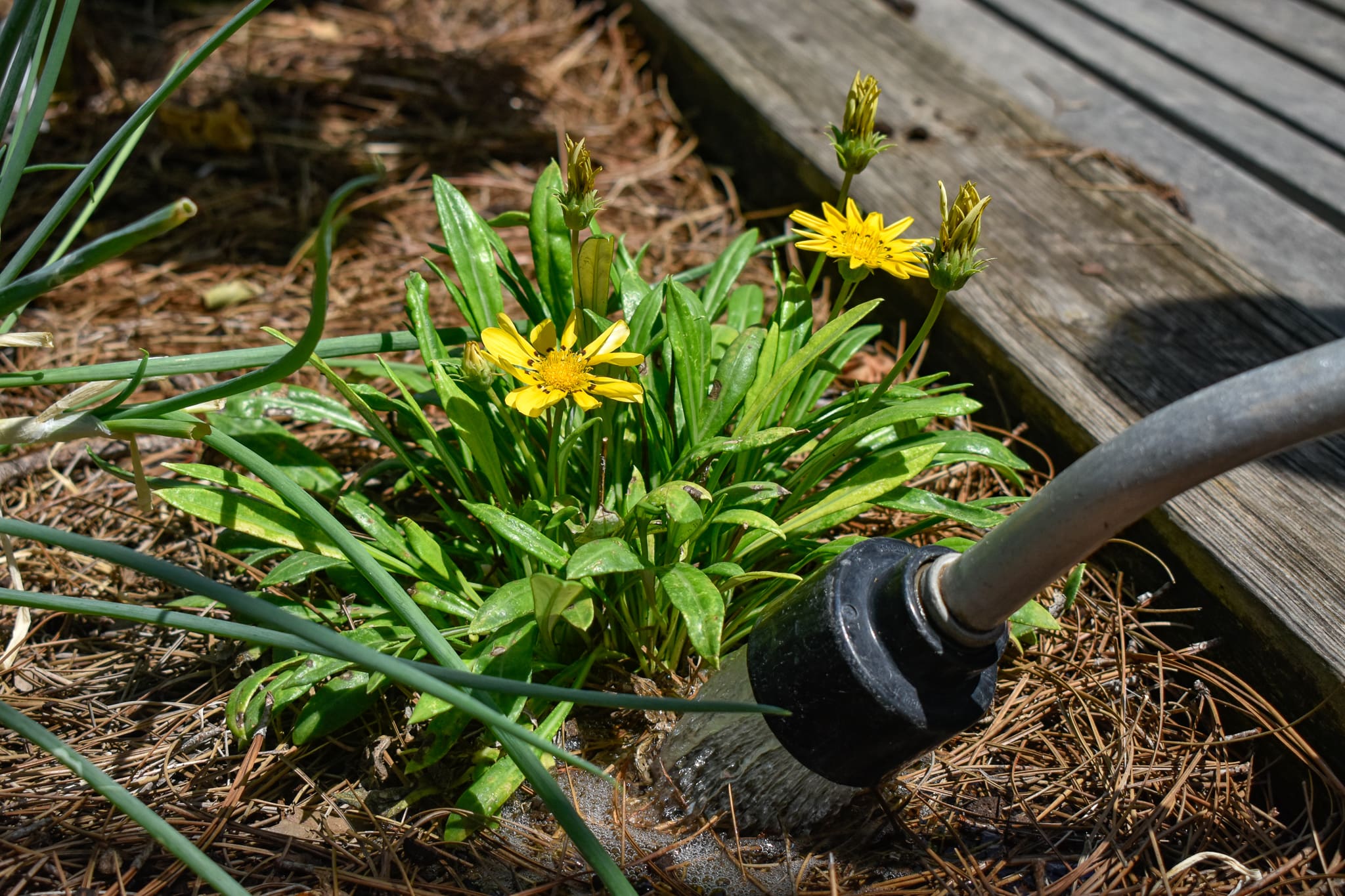
Yay for rain!! It looks like there might even be some more in the forecast late next week! Since we have the luxury of good depth moisture, our goal with watering this month should be to maintain it. For lawns and established plants and trees, this means watering less frequently, but watering deeply when you water. New plantings will require water every day for the first couple weeks to get the roots established, but again, think deep drinks so the roots dive deeper. Use a water wand with a cut-off valve to make it easy on you and conserve water. Pro tip: Conserve water by watering at ground level, not spraying from above. This way, water soaks down to the roots rather than evaporating off the leaves. 

2. Start Planting for Fall Pollinators!

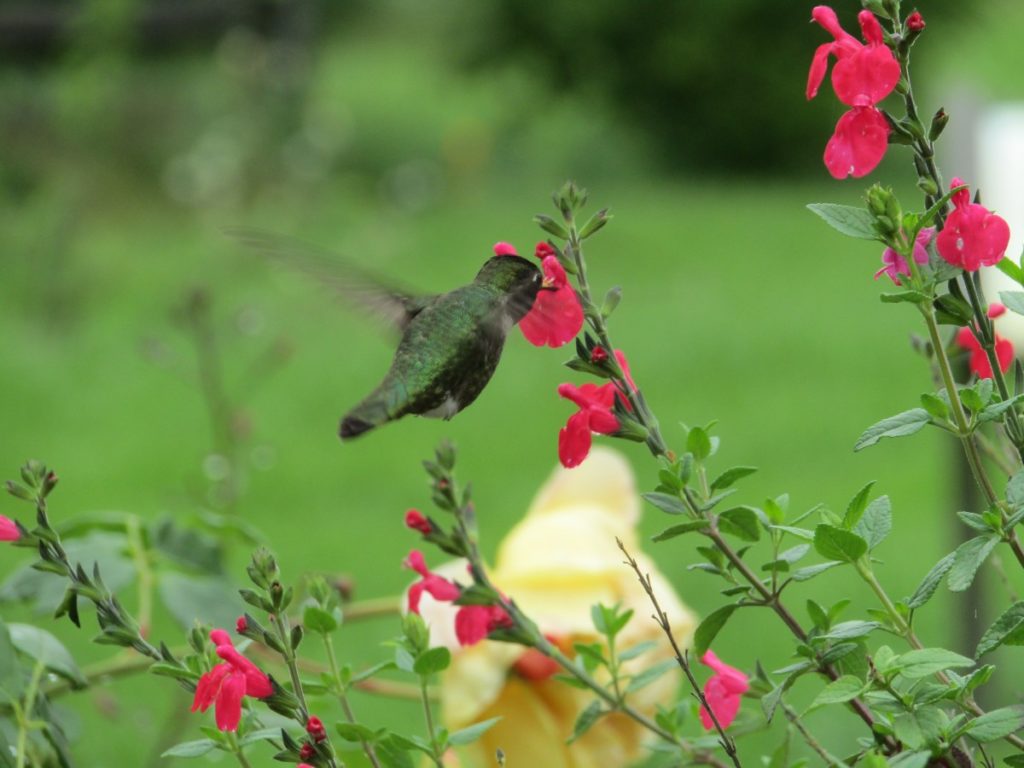
Important fact: birds, bats, bees, butterflies, beetles, and small mammals that pollinate plants are responsible for bringing us one out of every three bites of food. Plants attract and provide food for them to keep the cycle going. For example – plant Zinnia and sunflower seeds now, and they’ll be ready to feed migrating birds this Fall. Plant salvias now, get roots established, and they’ll be gorgeous this Fall and covered in hummingbirds, butterflies, and bees. Take it a step further and plant Texas natives! They provide for pollinators and require less water once established. If you’re excited about planting natives for pollinators, check out Homegrown National Park! It’s a nationwide movement to plant natives and restore native biodiversity at home. Just by planting a few native plants, you can get your yard on the map and become part of the Homegrown National Park.

3. Pick Out Your Seeds!

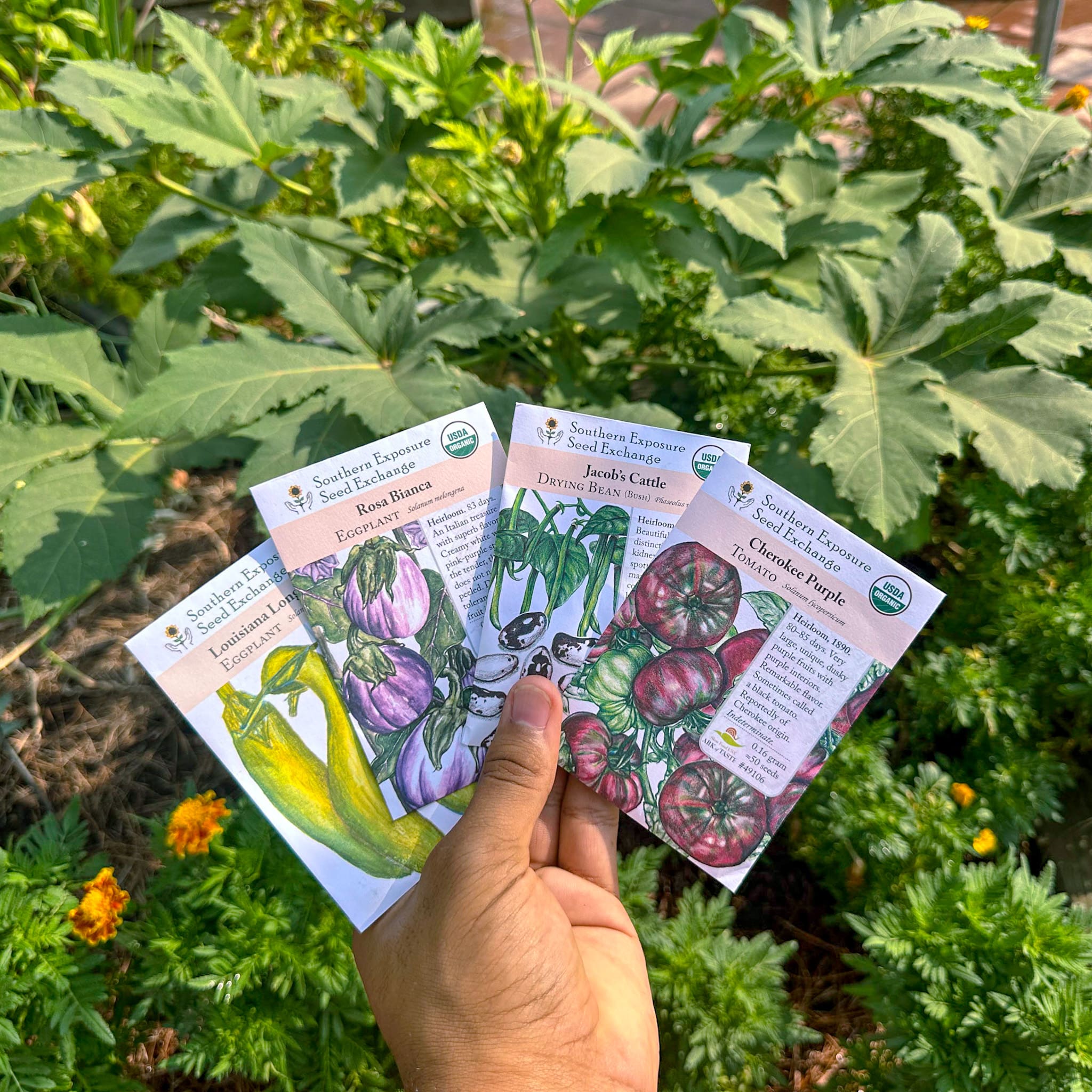
Watching your plants grow from a tiny seed is exciting and rewarding! Our Fall Vegetable Planting Guide provides the specific seed-planting dates to help plan your Fall garden. In early August, we’ll receive the new 2024-2025 seeds from our favorite seed suppliers, including heirloom vegetables, new releases, and wildflower seeds. Use peat pots or seed starting trays to start seeds indoors this month, then move to a covered patio once they sprout. This will protect the seedlings and slowly acclimate them to outdoor temps.

4. Prep Your Garden Beds

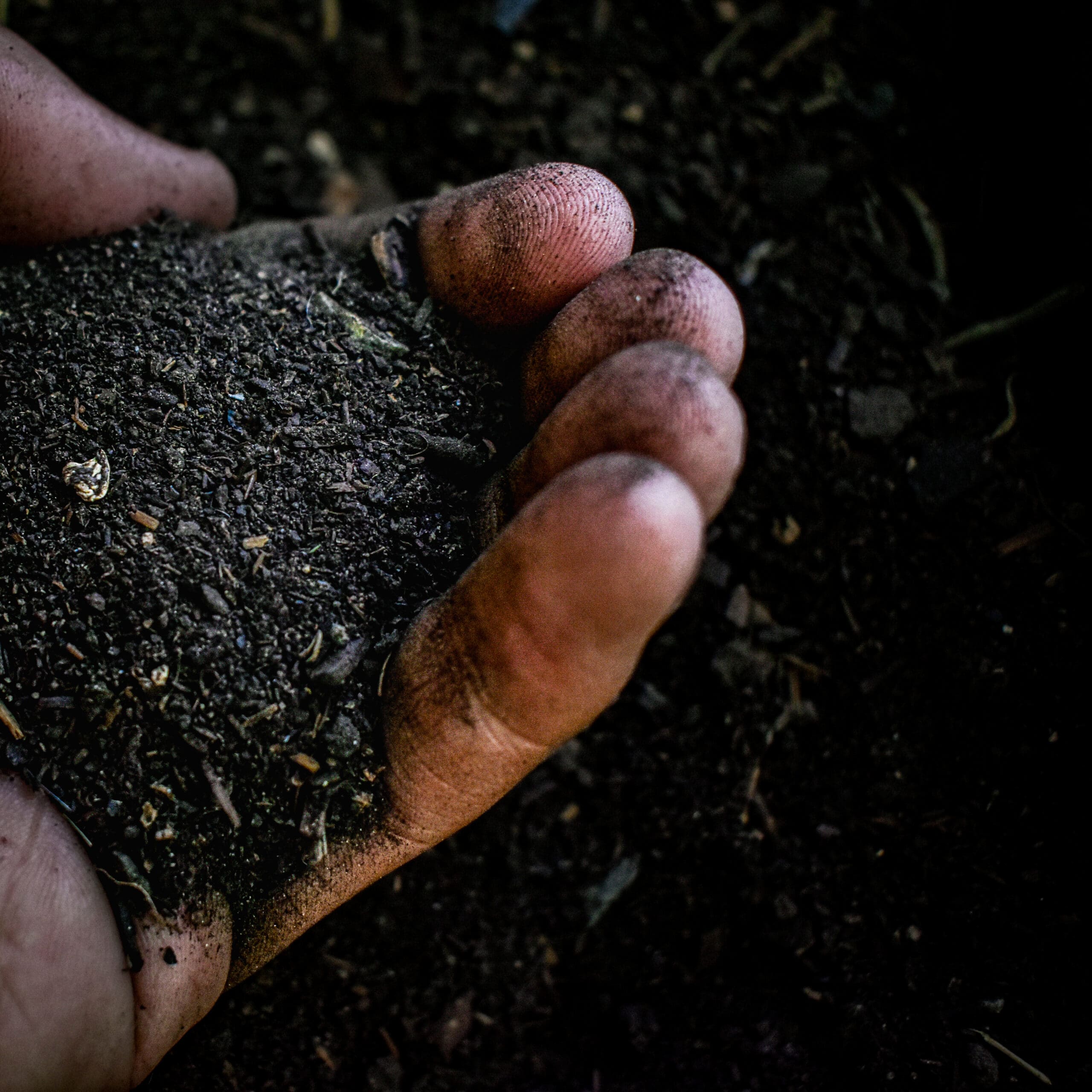
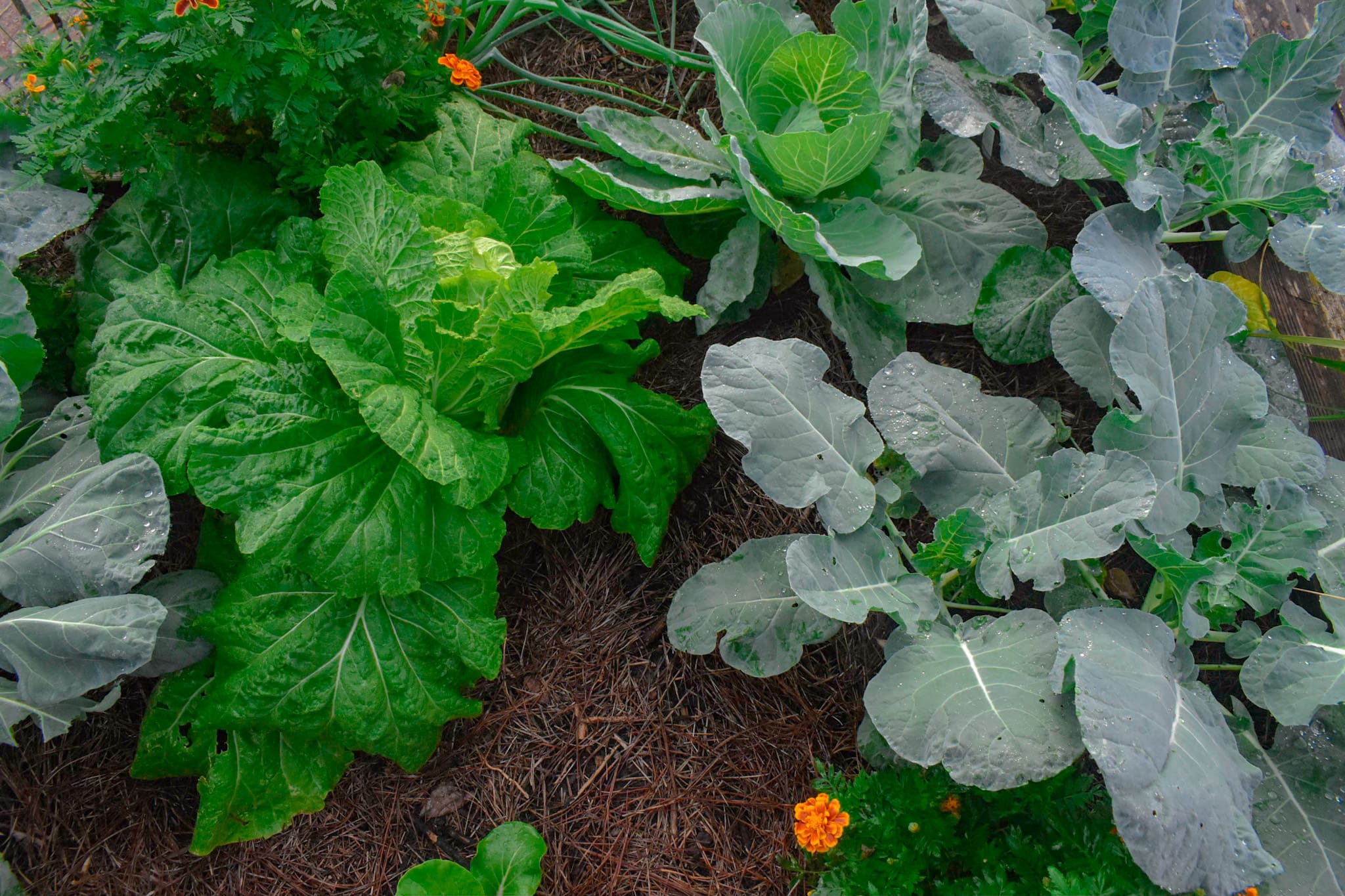
August is the time to start prepping Fall veggie beds! Finish your Summer harvesting, clean out your beds, and pull weeds. To get your soil ready, we recommend mixing Nature’s Blend Compost or Cotton Burr Compost into your soil to replenish nutrients and loosen the soil before planting. About 1 bag per 12 sq. ft. is good. Once prepped, add a thick layer of pine straw mulch, which will help retain moisture, keep weeds from sprouting, and keep the soil cooler until you’re ready to plant. As you plan your space, think crop rotation – don’t plant the same veggies in the exact same place you planted them last season, or you encourage pests and diseases. 

5. Mulch for Moisture Retention

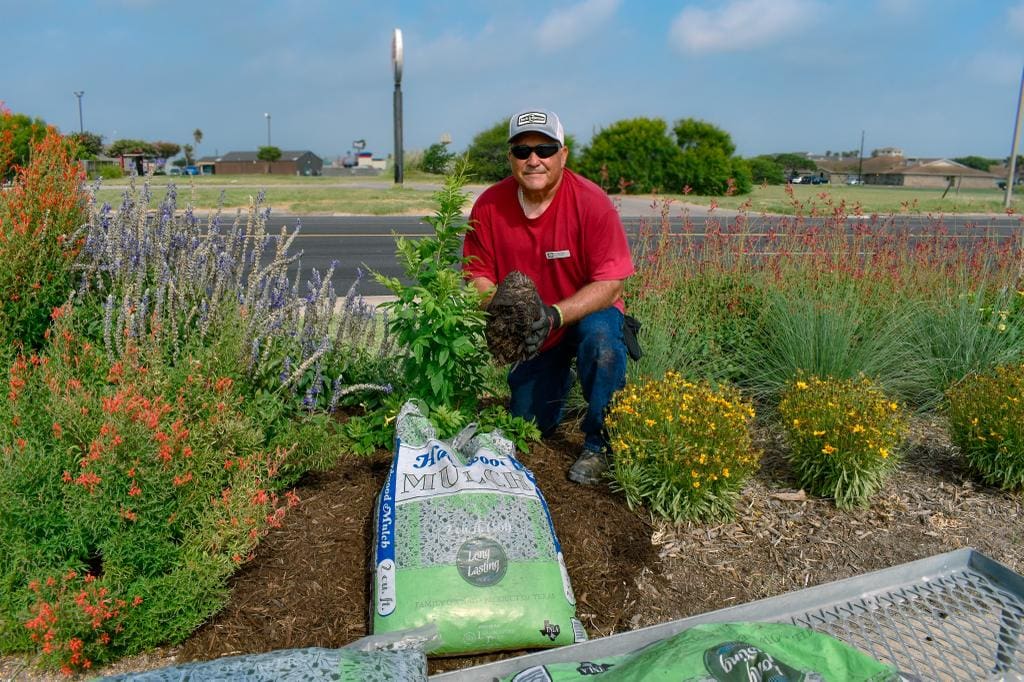
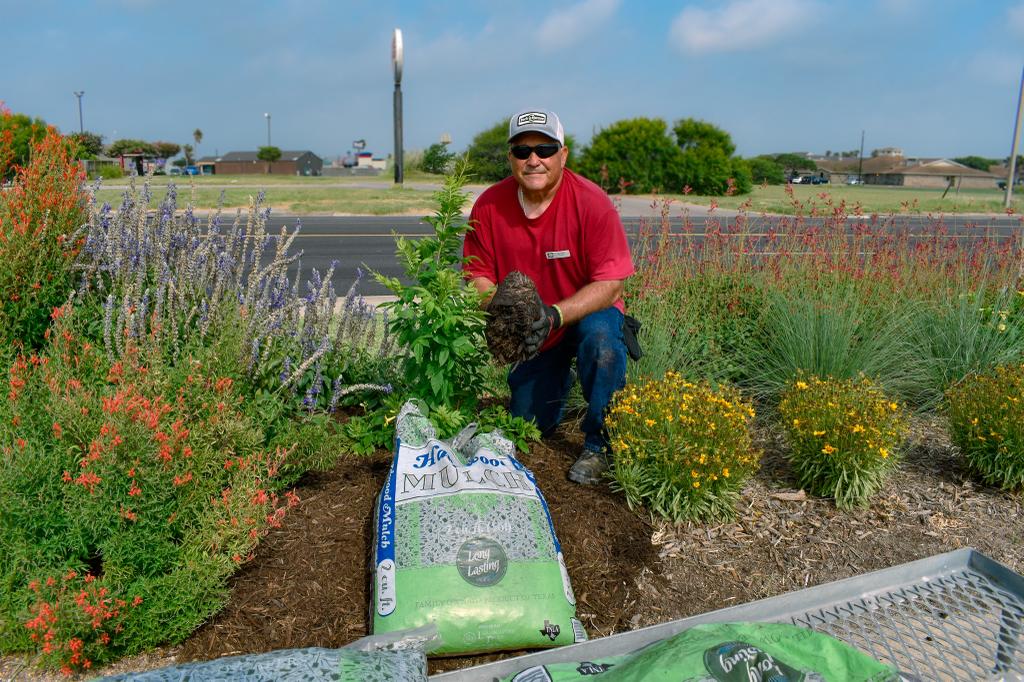
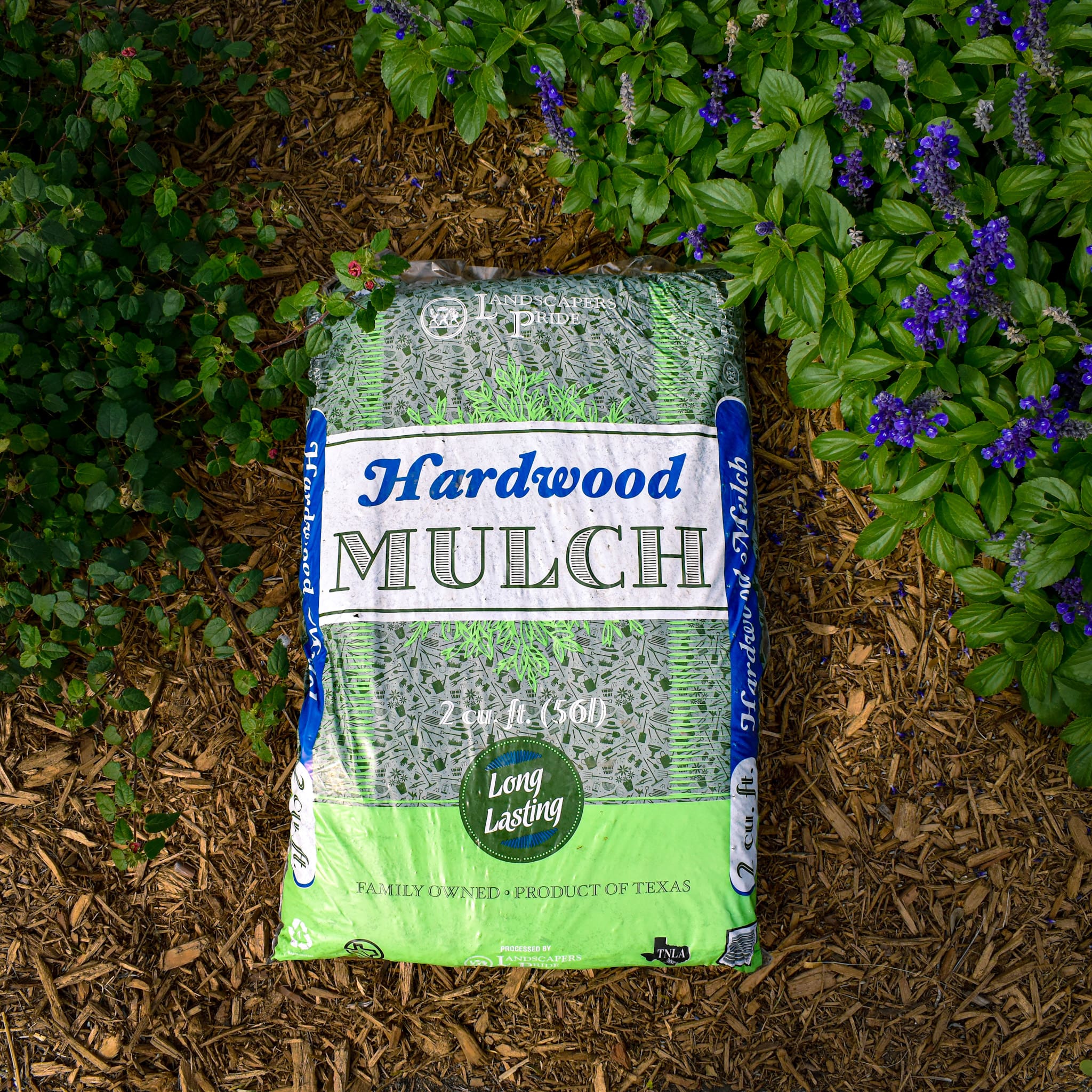
We know fresh mulch is the quickest way to refresh the look of your landscape. Proper mulching has other big benefits, especially during hot weather. A good 3” deep layer of mulch will keep your plants and the soil moist and cool for longer after you water or after it rains. Not just a little cooler – we’re talking more than 25 degrees cooler!! Give the main trunks or stems of your plants a little space – mulch 3” deep throughout the bed, but no more than 1” deep against the main trunks/stems of plants.  

6. What About All the Weeds??

With all this amazing rain comes lots of weeds! We can’t apply weed killer to lawns right now because temperatures are still too high – we need to stay below 90 degrees to be able to treat existing lawn weeds. For now, keep the lawn mowed to prevent weeds from going to seed, and apply pre-emergent Weed Stopper with Dimension to prevent new weeds from sprouting. For landscape beds, we recommend spot treating weeds with an organic contact killer like Horticultural Vinegar or Captain Jack’s Deadweed Brew. For pesky Bermuda grass in beds, spot treat with Grass-B-Gon, and for our old friend nutsedge (aka nut grass), use Sedgehammer. Keep in mind, Bermuda grass and nutsedge will likely require several applications to eradicate. 

It sure feels like summer outside, but in order for fall tomatoes and peppers to have time to produce lots of fruit, we gotta plant em now! Here are a few tips for growing the most and the tastiest tomatoes and peppers.

1. Count Your Days to Maturity

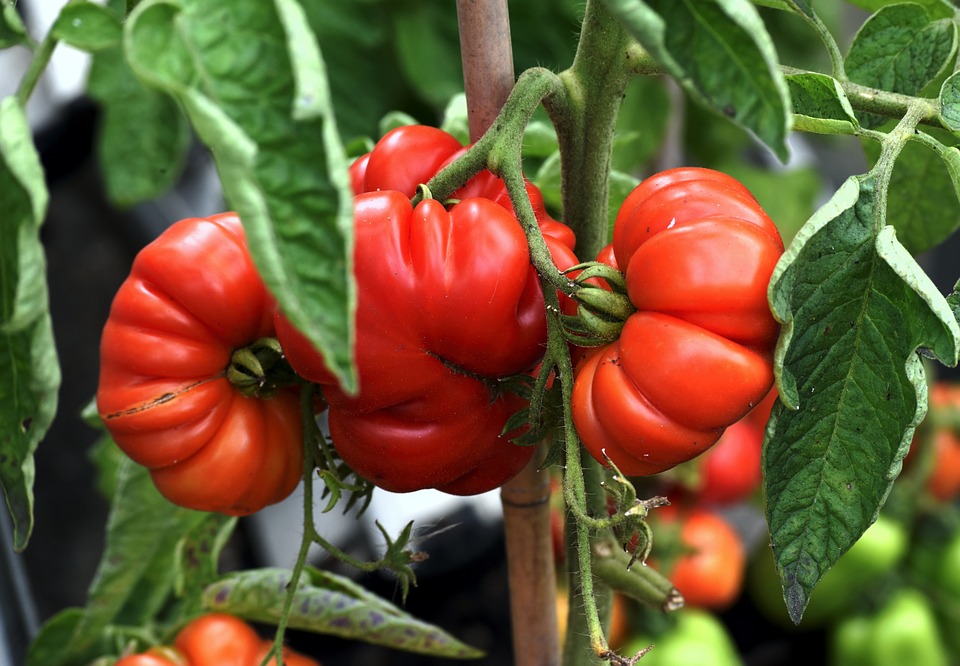
The average tomato, like our beloved Celebrity slicing tomato, needs about 70-80 days to mature and produce fruit. That means they’ll be ready around the beginning of November if we plant today. Similarly, Jalepenos and bell peppers need 60-80 days to maturity. Be sure to get them planted now or very soon so you can get a good harvest before we have chances of cold weather which tomatoes and peppers can’t handle. 

2. Adequate Spacing + Cages for Support

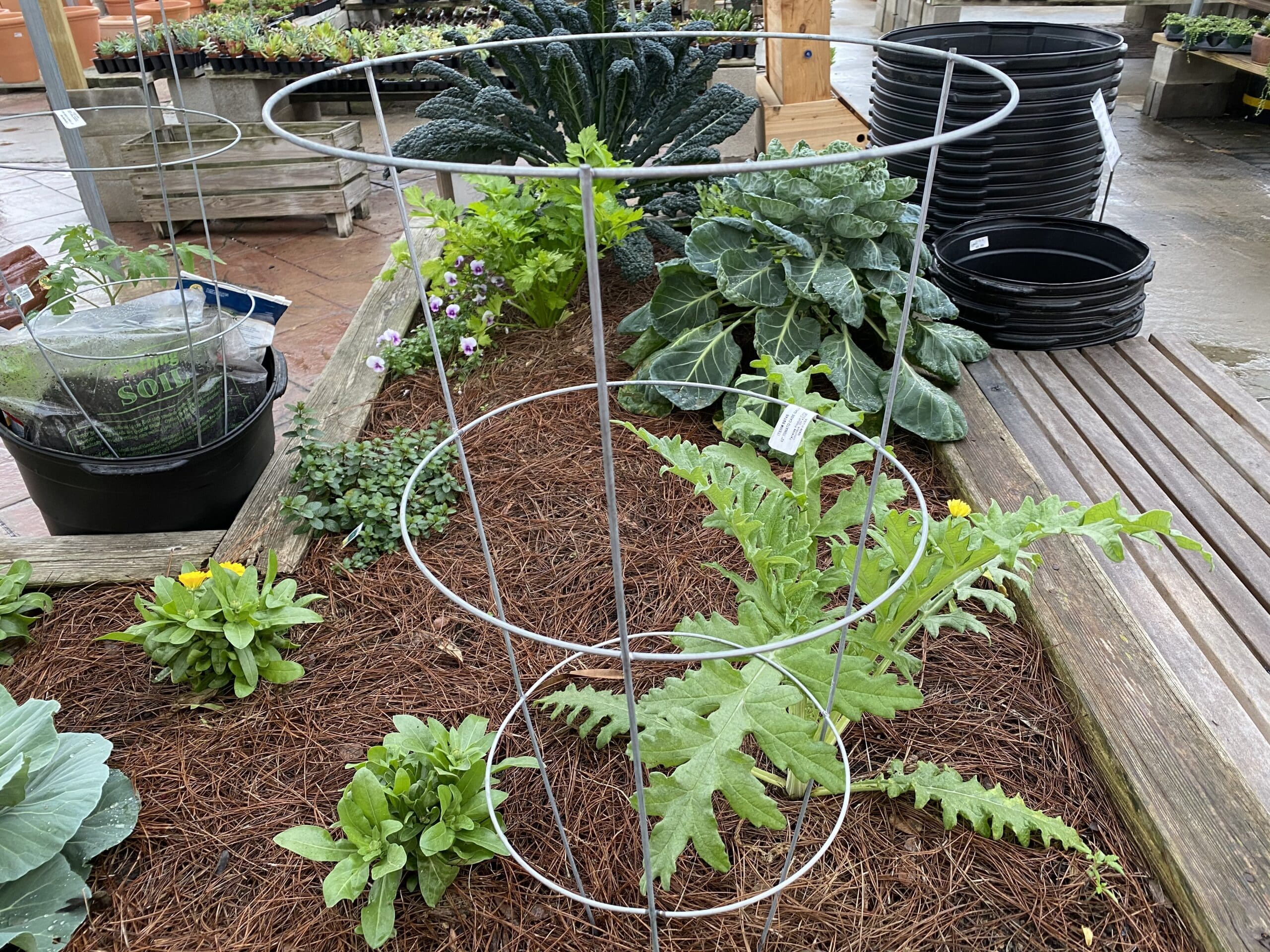
When planting, keep in mind that tomatoes should be planted a good 4 feet apart, and peppers should be 2.5-3 feet apart. This gives them room to grow to their full potential, ensures good airflow around the plants, and helps prevent pest outbreaks. Remember – tomato cages are your friends! It’s important to cage the tomato right when you plant so you don’t risk breaking branches if you try to add a cage later. A tomato cage works great for supporting pepper plants too. And be sure to have some flexible green garden tie tape to help secure floppy branches, especially when they get heavy with fruit! The flexible tape is nice because it’s soft and won’t cut into the plant like string or wire would. Yes, we have some!

3. Follow DeAnna’s Tried & True Feeding Schedule

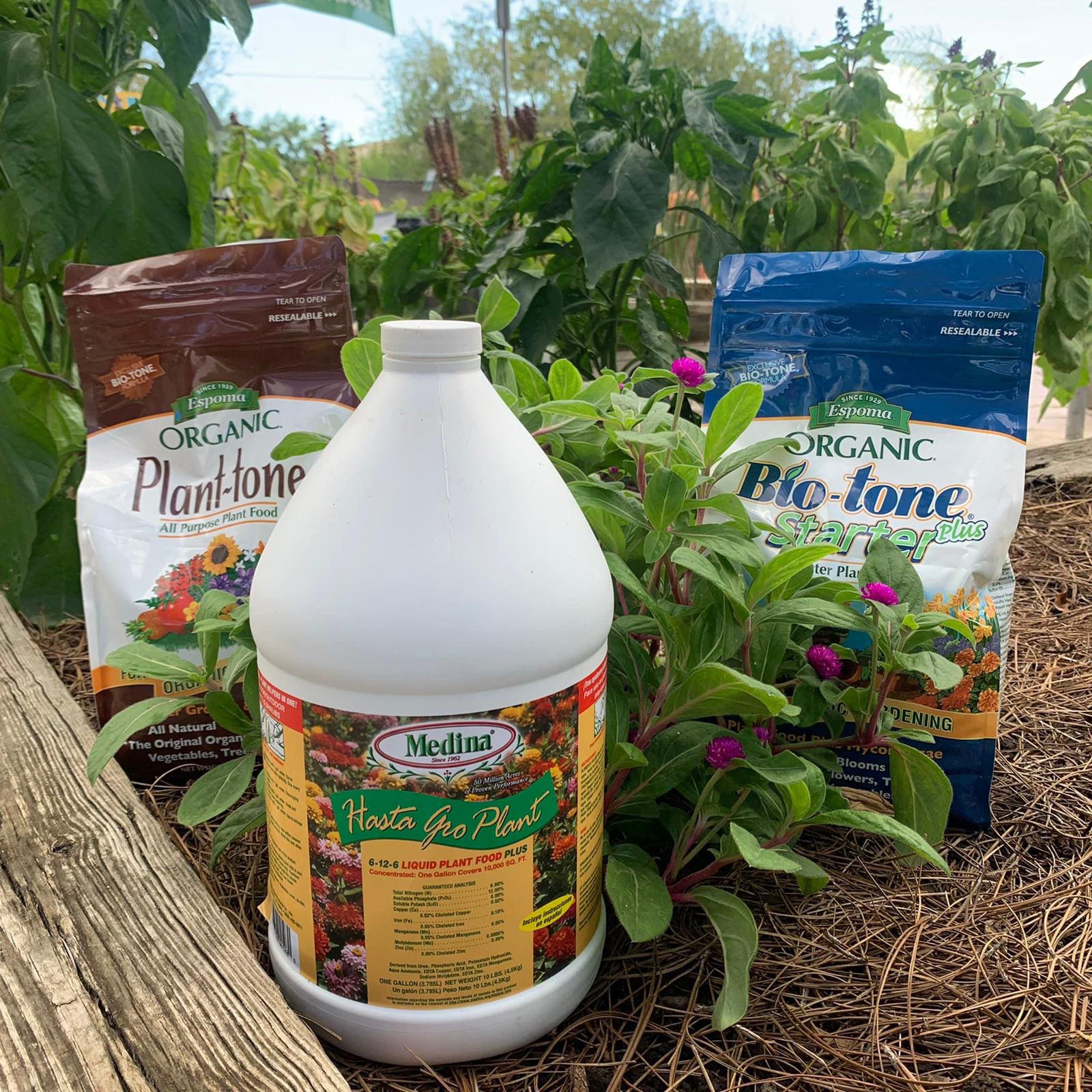
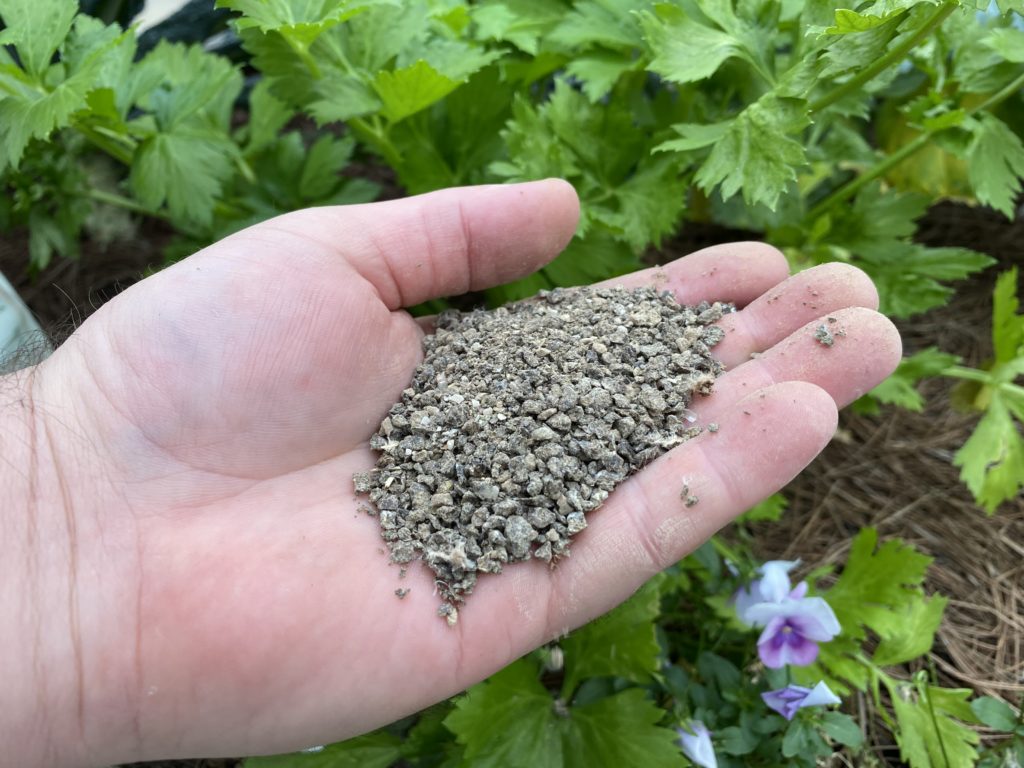
Remember that plants use lots of energy to produce fruit, so they need plenty of good food! Use compost and Biotone Starter Plus you plant to promote good soil microbes and bigger roots. Then take DeAnna’s advice on feeding:  apply a quality granular fertilizer (Plant Tone or Medina Growin Green) on the 1st of the month, then supplement with liquid Hasta Gro on the 15th. Add these reminders to your calendar to make it easy. Follow this schedule and you’ll have tomatoes & peppers to share!


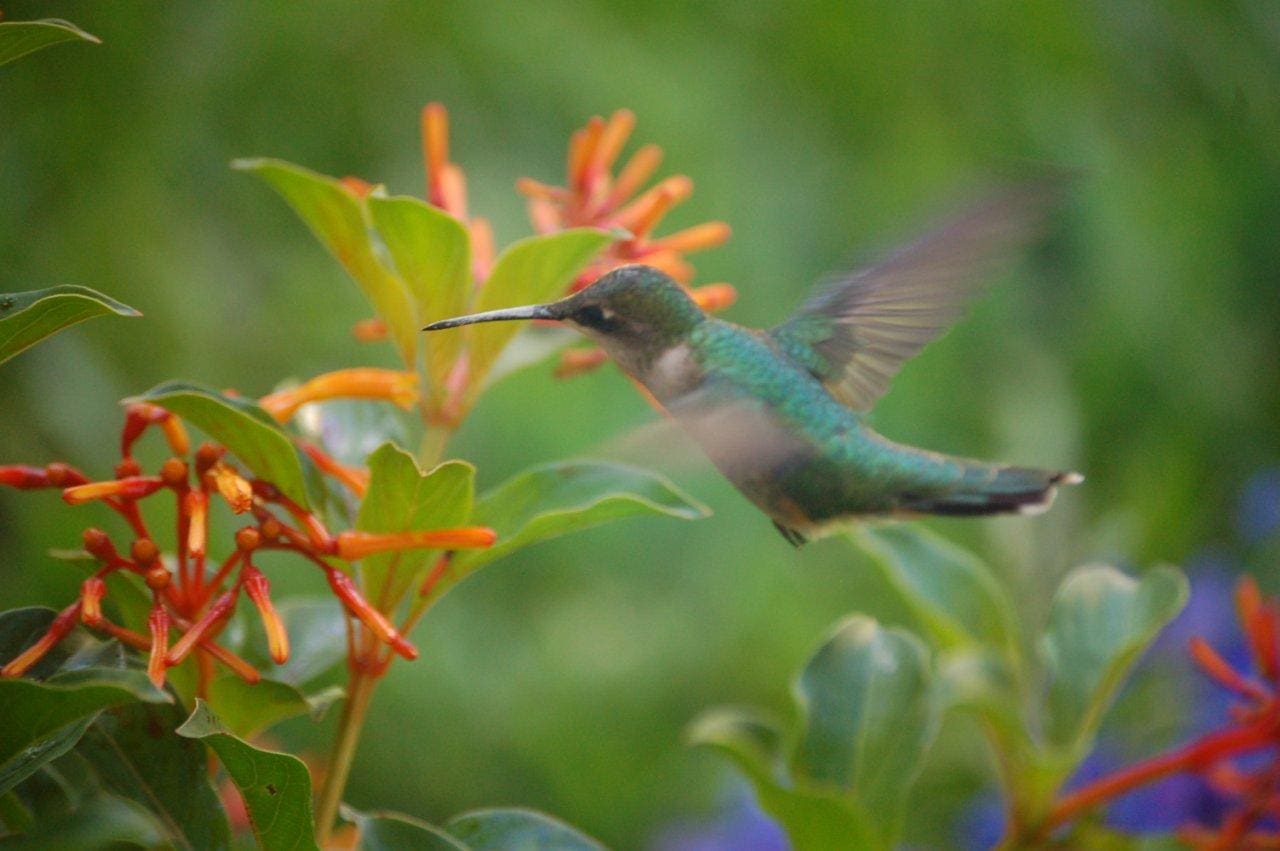
It’s almost that magical time of year again when ruby-throated hummingbirds make their way through the Coastal Bend on their way south for the winter! Expect to start seeing hummingbirds around town any day now, with peak numbers around mid-late September, right in time for the Rockport-Fulton Hummerbird Celebration. With our hungry guests arriving very soon, it’s time to set the table with all the right hummingbird plants! Here’s what and how to plant to make your yard a preferred stop on the migration path. 

1. Plant Tubular Blooms in Shades of Orange and Red


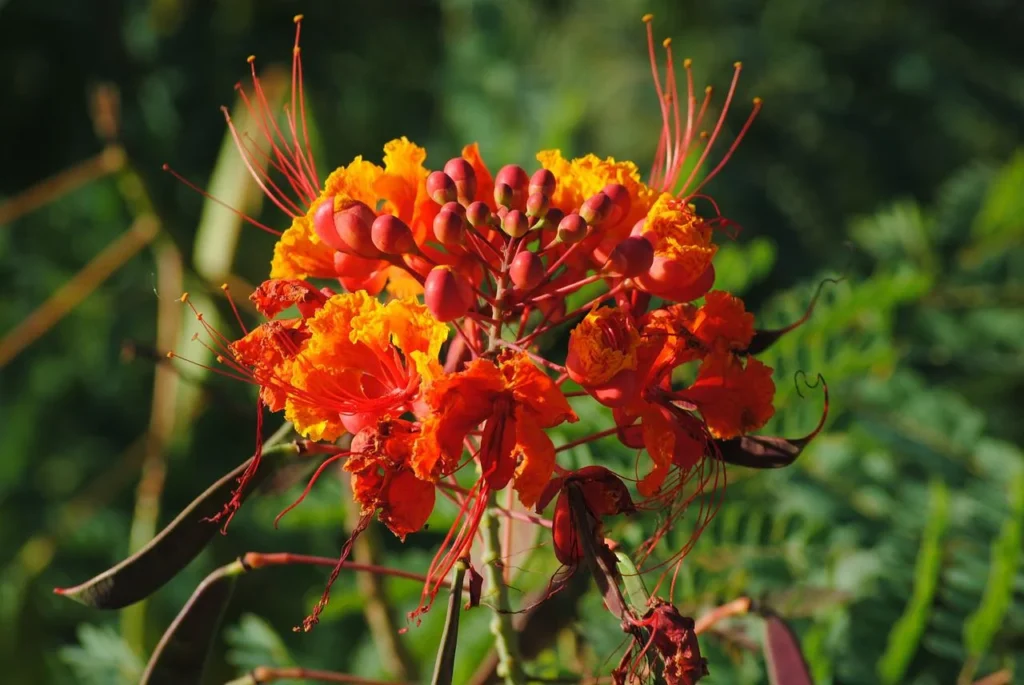
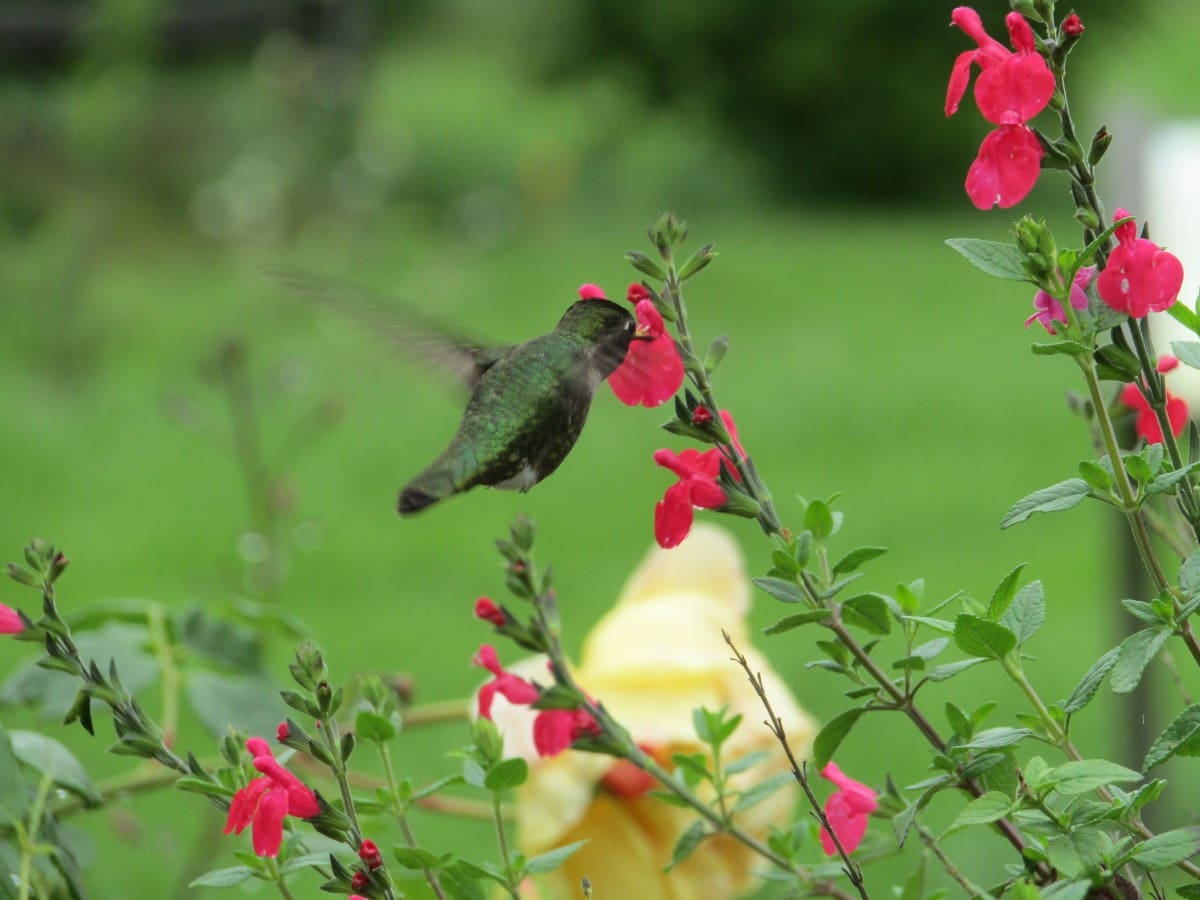
If we think about our list of top-notch hummingbird-attracting plants like Firebush (pictured), Flame Acanthus, Firecracker (russelia), Salvia greggii, and Coral Honeysuckle, to name a few, they all have tubular blooms that are perfect for a hummingbird’s long, skinny beak. And their blooms are all shades of orange and red! Hummingbirds have a high concentration of cones in their retinas which filter color differently than what we see. To hummingbirds, the red spectrum appears more vividly while blues appear more muted. That said, scientists have run experiments with different color blooms and found that hummingbirds learn very fast which blooms have the most nectar, regardless of bloom color. As a local example, we know that hummingbirds also love Duranta‘s blooms which are purple and not tube-shaped. Lantanas are another plant that hummingbirds seem to love in all colors. 

2. Plant in Groups, Not Just 1 or 2

When planting for hummingbirds and other pollinators, make your food sources easy to find. Instead of planting 1’s and 2’s of hummingbird plants spread out across the yard, plant a few or several of the same plant in a group. This helps mimic how most plants are found in nature, helps the hummingbirds spot them more easily, and provides a higher concentration of nectar. If you have limited space, go with 3 of the same plant rather than 1 of each. We had a customer call Gill’s this week to ask about hummingbird plants for her balcony…on the 13th floor! That may seem like a stretch, but hummingbirds can fly up to 500 feet – if they have a good reason to fly up to your balcony, they can and will!

3. Supplement with High Quality Organic Food and Shallow Water

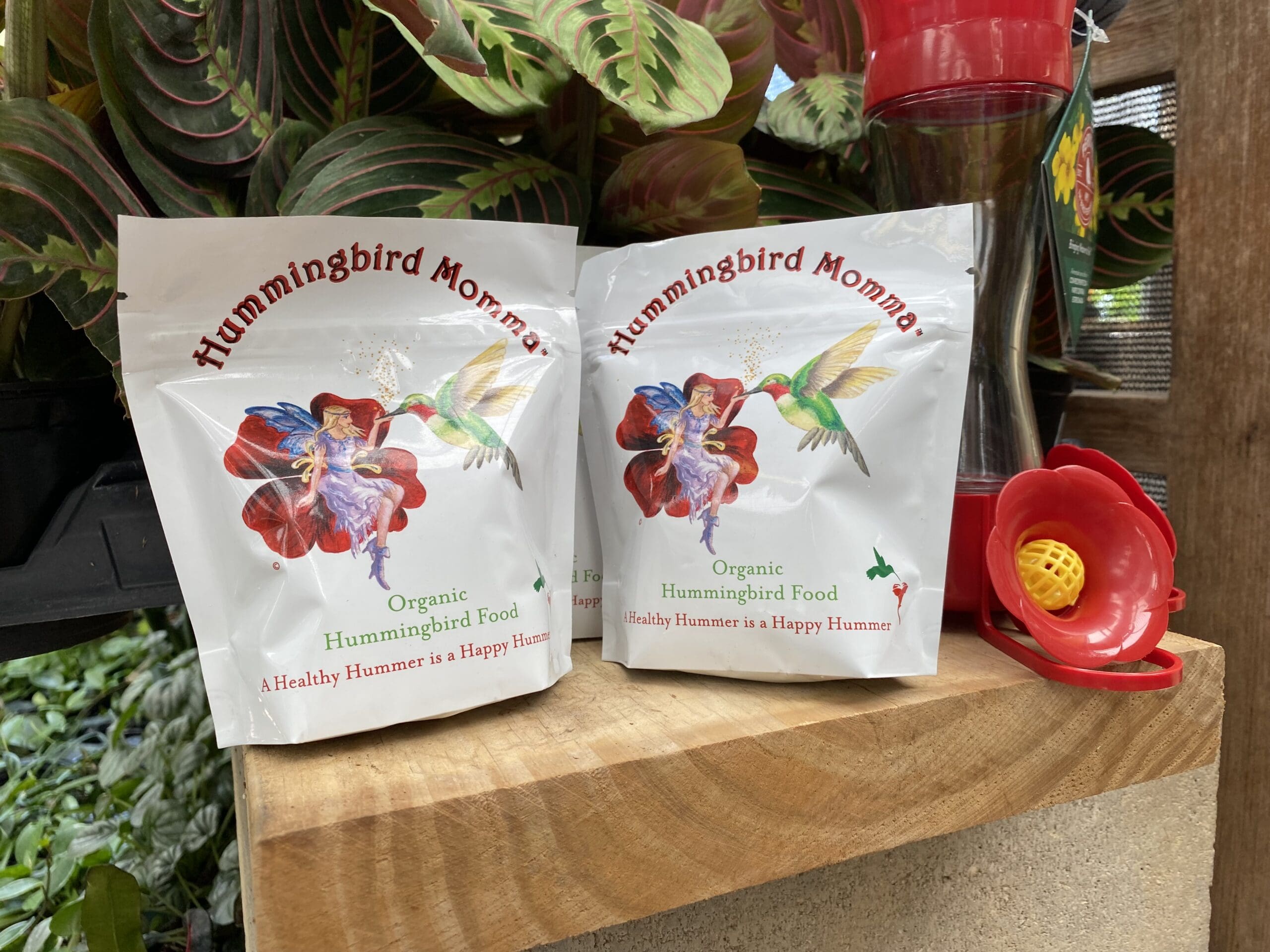
The right plants will get you more hummingbirds, but it doesn’t hurt to supplement with some feeders too. They need all the energy they can get for their long journey. Place your feeders in easy to access spots since they need to be cleaned regularly. And don’t use the fake red dyed “nectar” that you might find at big box stores. Use a high-quality, nutritious food that’s truly made for hummingbirds.  We’re big fans of organic Hummingbird Momma, which is the only nectar we carry. And don’t forget about water! No hummingbird haven is complete without a shallow bird bath or fountain. They can’t stand in deeper water, so look for something very shallow!


Now it’s finally starting to feel like Fall! November in South Texas…one of our most beautiful months! Now’s the time for fall flowers and planting trees. And there’s still time for veggies, too. Good timing this month will keep us looking good through the fall and winter and set us up for showtime next spring. Here are our top must-do’s for November.

Check out our November Garden Guide for more tips and remember that trees, shrubs, and perennials can be planted 12 months out of the year! The only difference is the amount of water they need depending on temperatures and wind!

1. Fill Pots and Spots with Fall Flowers

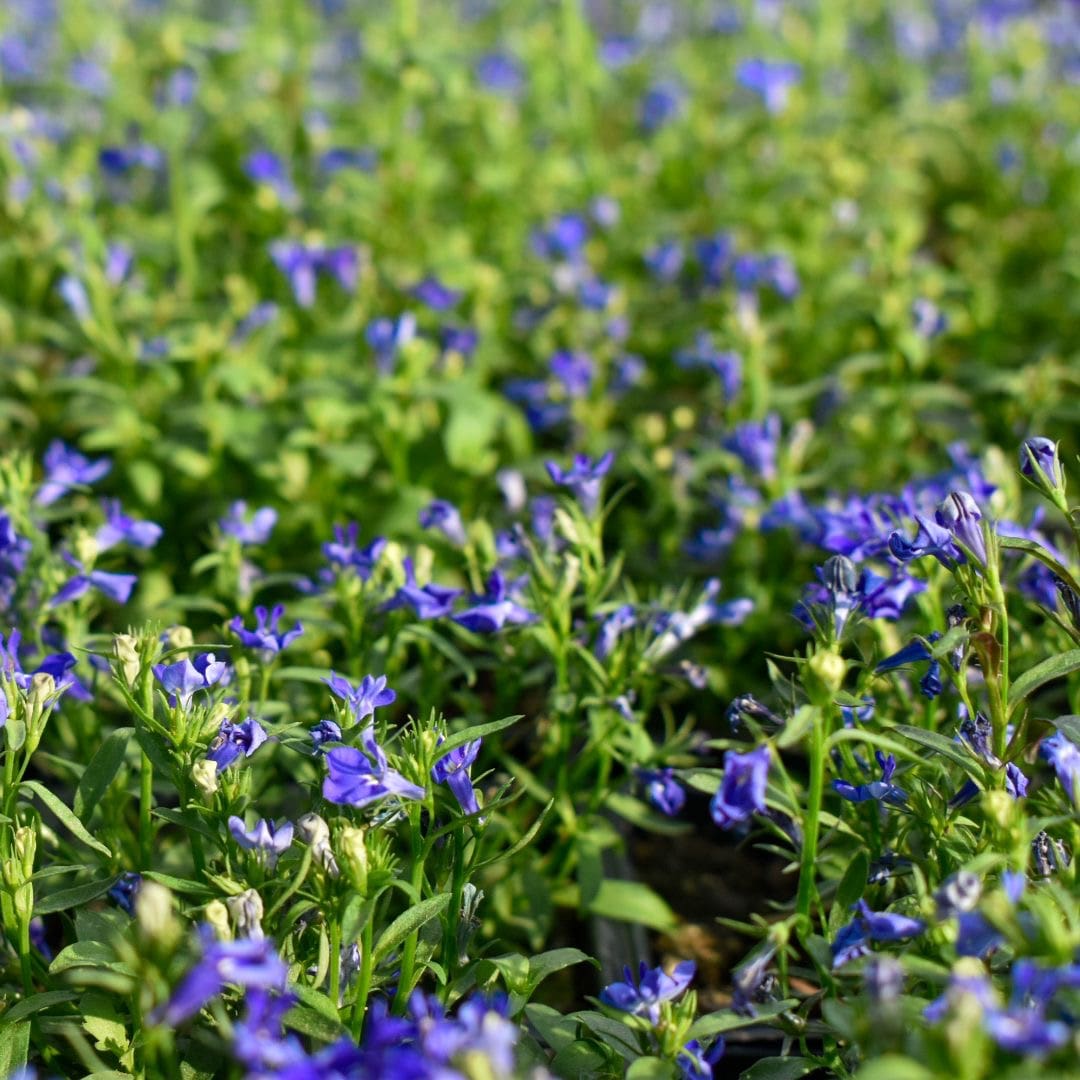
Here’s our list of Fall/Winter flowers – tons of choices for outdoor color to redo pots & inground plantings. Flowers take a little time to grow and bloom. Plant early this month so they can be WOW for the holidays! Many of these fall flowers, like Snapdragons, Lobelia, Violas (our longer-lasting alternative to Pansies), and Geraniums will look great through the winter and look their very best next spring. Good reason to plant now! Once they’re all planted, give them a good meal of granular organic Plant Tone, Rose Glo, or Medina Growin Green. To keep them growing and blooming through the fall and winter, they’ll need regular feedings about once a month. For an extra boost, follow up with liquid Hasta Gro every 2 weeks in between your monthly feedings.

2. Plant Trees and Shrubs Now for Better Growth Next Spring

Now is the very best time to plant cold-hardy shrubs and trees! They focus energy this fall and winter on building a good root system, which allows them to explode with growth next spring, and prepares them to withstand hot weather next summer. Other benefits to planting now – easier digging and not as much watering as during warmer seasons! Always fertilize when you plant and follow our watering instructions.

3. Still Time to Plant Veggies and Holiday Herbs!

We’re still bringing in lots of fresh cool-season crops like broccoli, kale, lettuce mixes, Swiss chard, spinach, cauliflower, beets, onions, and more! Plus all the herbs like rosemary, thyme, cilantro, sage, and dill that you need for holiday cooking. Three big tips for fall/winter veggies and herbs: 1) Mulch well to help protect tender young plants 2) Water well, but not too much 3) Keep feeding! Organic Plant Tone or Medina Growin Green once a month, followed by liquid Hasta Gro every 2 weeks for a bountiful harvest!

4. Last Chance Lawn Care

Early this month is our last chance to fertilize aka “winterize” lawns for strong roots and healthy growth next spring and summer. Our tried and true favorite lawn food is organic Medina Growin Green. November is also the time to prevent spring weeds in your lawn by applying Weed Beater Complete or Hi-Yield Weed & Grass Stopper with Dimension.

Read: Fall Lawn Care

5. Feed Your Landscape Too!

Landscape plants, including trees, perennials, and hardy shrubs need food early this month while they are still actively growing. Just like lawns, the idea is to give them a boost before they head into dormancy this winter. We love organic granular fertilizer Medina Growin’ Green for trees and shrubs, and Rose Glo or Plant Tone for blooming perennials.

6. HO HO HO! Fresh Christmas Trees Coming Very Soon!

We are beyond excited for fresh-cut Christmas trees and holiday plants to begin arriving this month! Look for our Noble, Nordmann, and Fraser fir trees around the week of November 18th, then poinsettias the following week. Amaryllis and Paperwhite bulbs are already here and Christmas cactus will arrive any minute! 

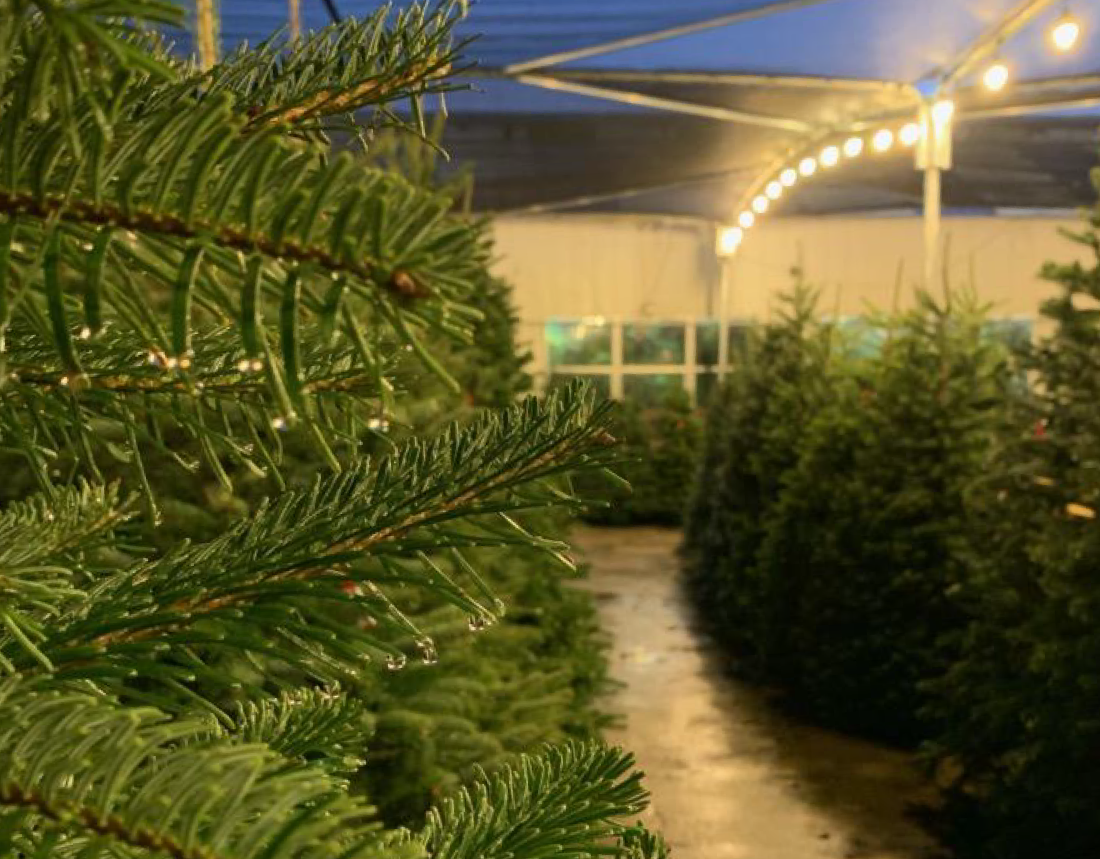
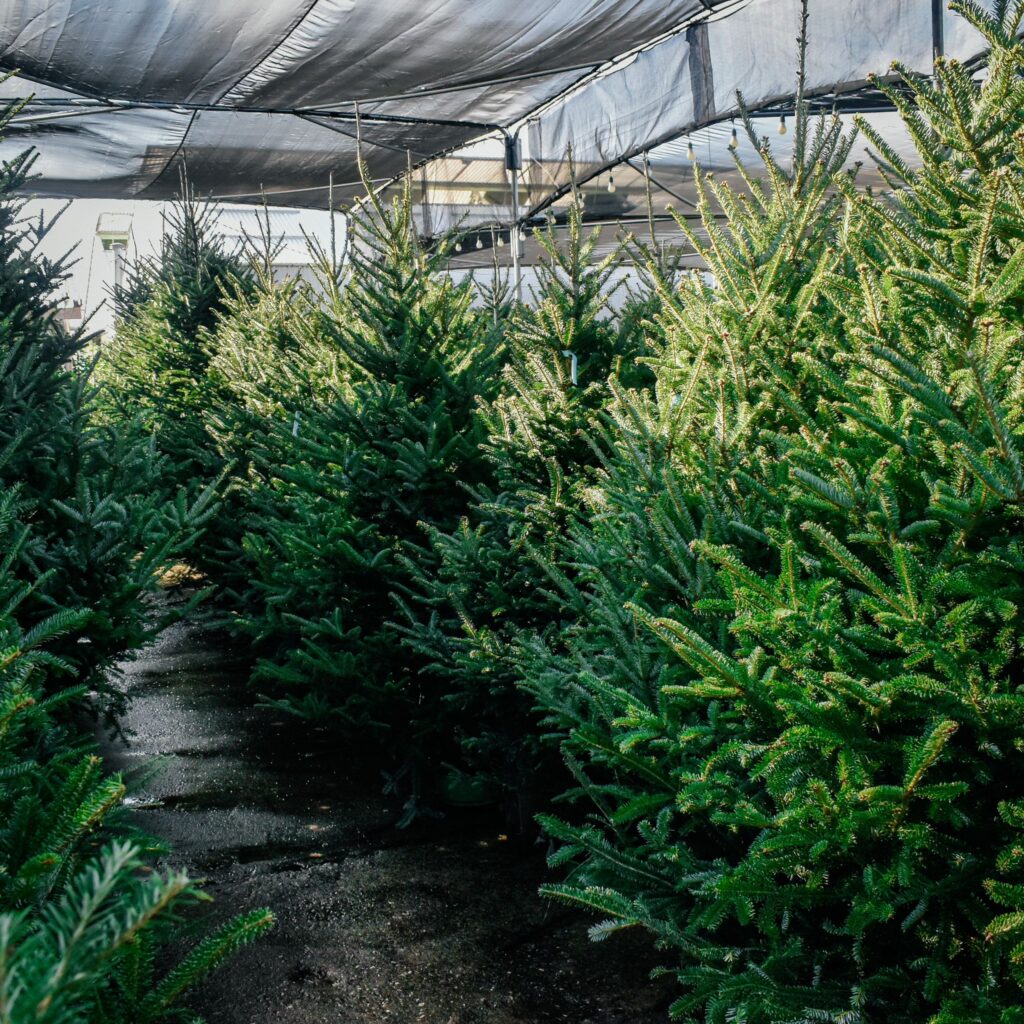
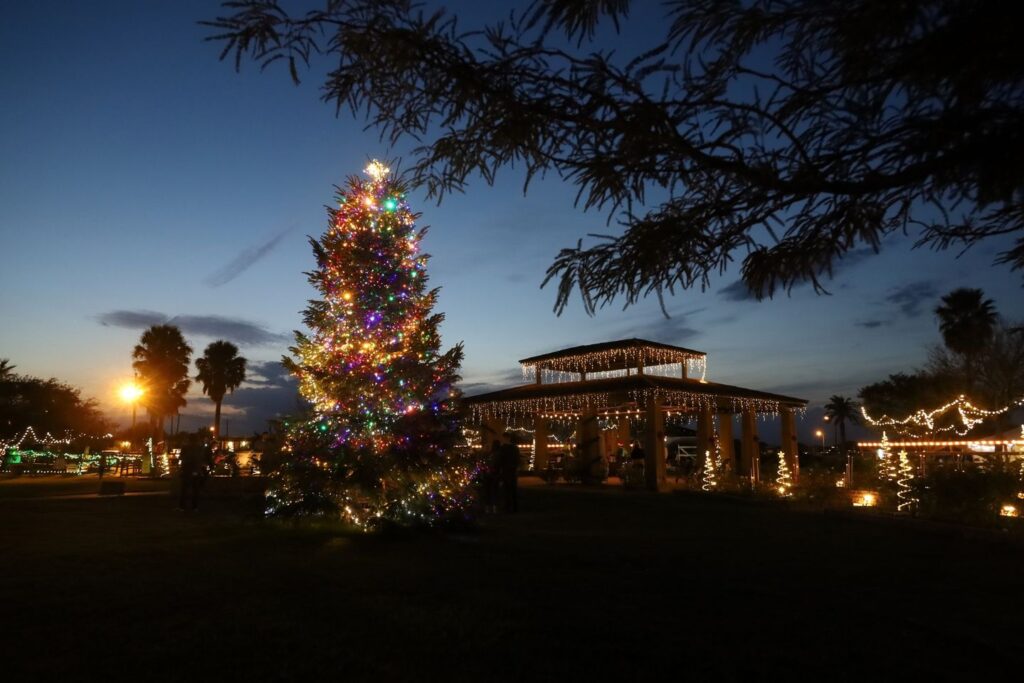
We’re happy to report that Christmas trees are here and they look….AMAZING!! We are so pleased with the sizes and shapes and freshness this year! The garden center is stocked with fresh-cut trees ranging from 5ft to 11ft, and the Gill’s crew has delivered one very special Nordmann Fir measuring 18ft at The South Texas Botanical Gardens! Here’s some more info about our Christmas tree varieties this year plus a few important care tips. We can’t wait to help you find your perfect tree 🙂

Did You Know Real Fresh-Cut Christmas Trees are the Environmentally Friendly Option?

Real Christmas trees help support forests and don’t require the carbon emissions that it takes to produce plastic trees. We work with sustainably-managed Christmas tree farms in Washington state and North Carolina who plant 3 new saplings for each tree they harvest. Their forests of Christmas trees consume several thousand pounds of carbon dioxide per year helping to clean our atmosphere and provide oxygen. After the season, recycled trees can be used for building barrier sand dunes on Padre Island, creating artificial reefs in local bay waters, creating bug and pollinator habitat, chipped for garden mulch, and more. No waste!


Tree Varieties at Gill’s

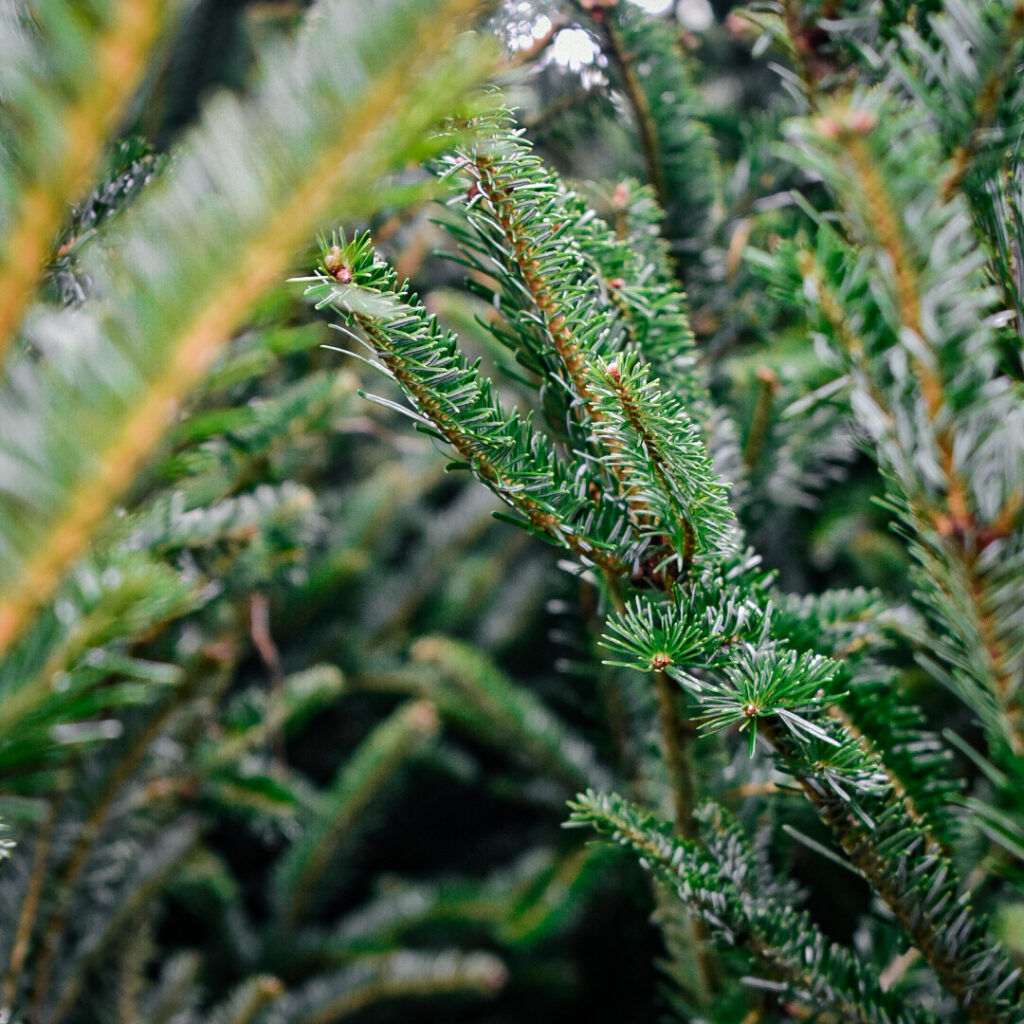
Fraser Fir is one of the most popular trees for the classic look. They are highly sought after for their needle retention, tolerance to warmer climates, soft silvery foliage, and fragrance. Our Frasers are especially fragrant this year. We have seen Frasers in March look almost as good as they did in December!

Noble Fir in traditional form or the trendy layered look. Nobles are known for their long-cut life, darker green foliage, and stiff branches that hold ornaments well. They’re also very fragrant for those of us who love the smell of Christmas trees. 

Nordmann Fir has a soft needle and little to no fragrance, which makes it a great choice for those with allergies. Nordmanns have a very full look with contrasting silver and dark green foliage. Gorgeous!

We offer delivery + set-up as well as Xmas tree takeaway after the season. 


2 Very Important Xmas Tree Care Tips:

#1 – Keep your tree in water! Our trees have had a fresh cut and have been immediately placed in water to maximize freshness. As soon as you get your tree home, get the base of the trunk in water. If you need to wait to put it on the stand, get it in a bucket of water. If you plan to give your tree a fresh cut when you get home, only cut ½” off the base, and you must get it in water within 10 mins, or the cut will seal over and not allow the tree to take up water. For the first few days, your tree will drink a lot of water! Keep monitoring your water level in the stand those first few days and throughout the season. We carry the Watering Elf long water funnel which makes refilling super easy.

#2 – Keep your tree away from heating and A/C vents (if a vent is nearby, close it). Heating and A/C will dry out the tree quickly – you don’t want that! You want to keep the needles as hydrated as possible.


Go See The Big Tree!

We are happy to be a part of the annual Botanical Gardens holiday light display. Visit the Botanical Gardens website for more info about holiday hours. Can’t wait to see this year’s big tree!