Garden Center Hours: Mon-Sat 9am - 5:30pm • Sun 10am - 5:30pm

Temperatures don’t feel like it yet, but it’s time to start making the transition into an exciting new fall planting season! There’s a lot to do in August to set yourself up for big garden success this fall and beyond. Here are our top must-do’s!

1. Pick Out Your Fall Veggie and Flower Seeds!

August is the time to start your fall veggie seeds! Next week, we’ll receive the new 2025-2026 seeds from our favorite seed suppliers, including heirloom vegetables, brand new releases, and wildflower seeds. Try Cow Pots (cattle manure pots) or seed starting trays to start seeds indoors this month, move to a covered patio once they sprout, then into your garden beds once they’re robust enough to live outside. This will protect the seedlings and slowly acclimate them to outdoor temps. Our Fall Vegetable Planting Guide provides the specific seed-planting dates to help plan your fall garden. Remember – if you want bountiful fall veggies, you need to get an early start! 

2. Start Planting Now for Fall Pollinators!

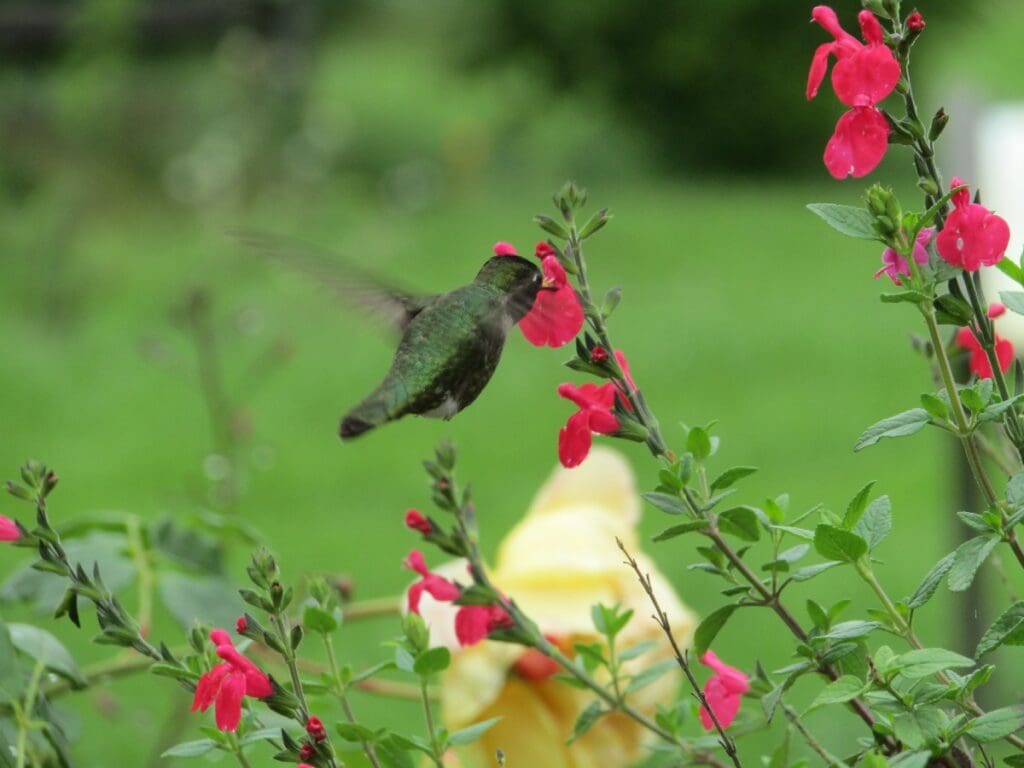
Don’t wait until fall arrives to start planting for fall pollinators – start cooking now so their meal will be ready when they arrive! Important fact: birds, bats, bees, butterflies, beetles, and small mammals that pollinate plants are responsible for bringing us one out of every three bites of food worldwide. Plants attract and provide food for them to keep the cycle going. For example – plant Zinnia and sunflower seeds now, and they’ll be ready to feed migrating birds this fall. Plant salvias now, get roots established, and they’ll be gorgeous this fall and covered in hummingbirds, butterflies, and bees. If you want to provide the best benefits for the most pollinators, plant Texas natives

3. Prep Your Garden Beds

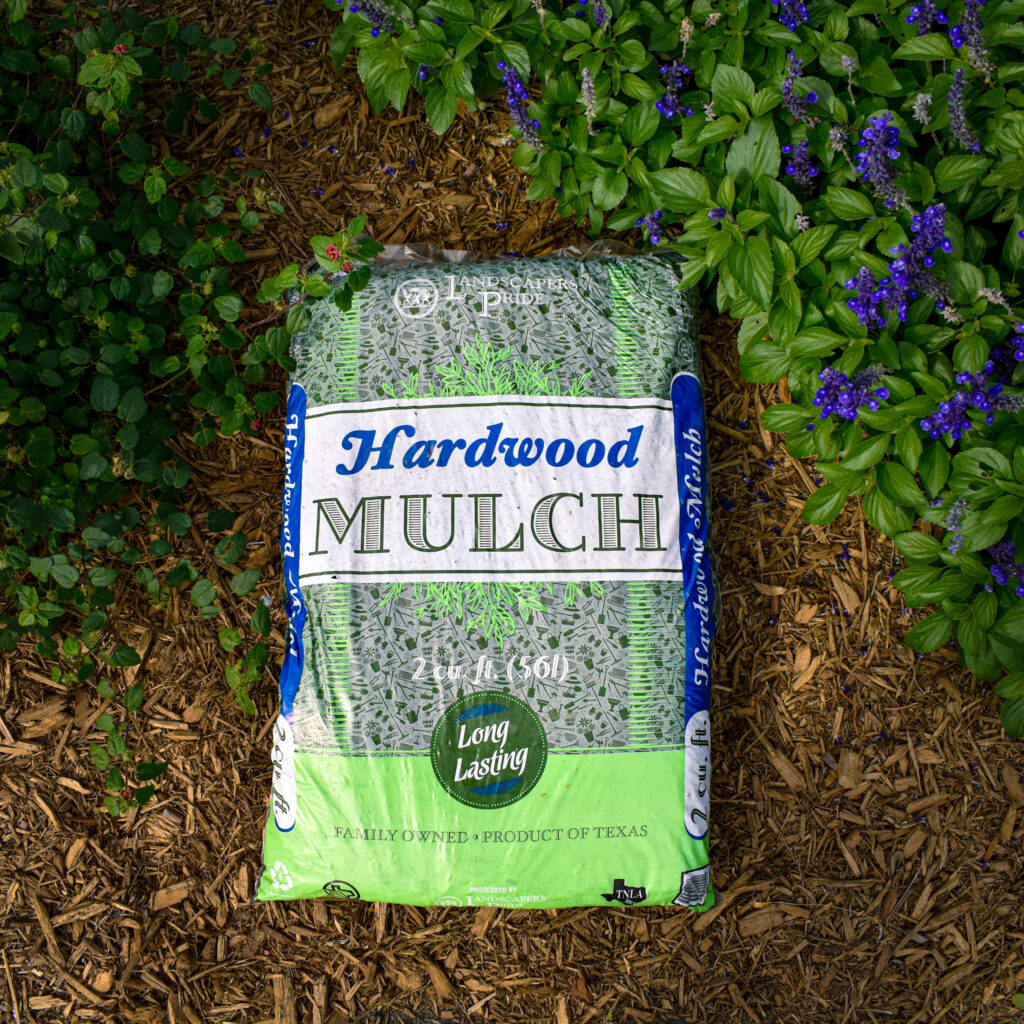
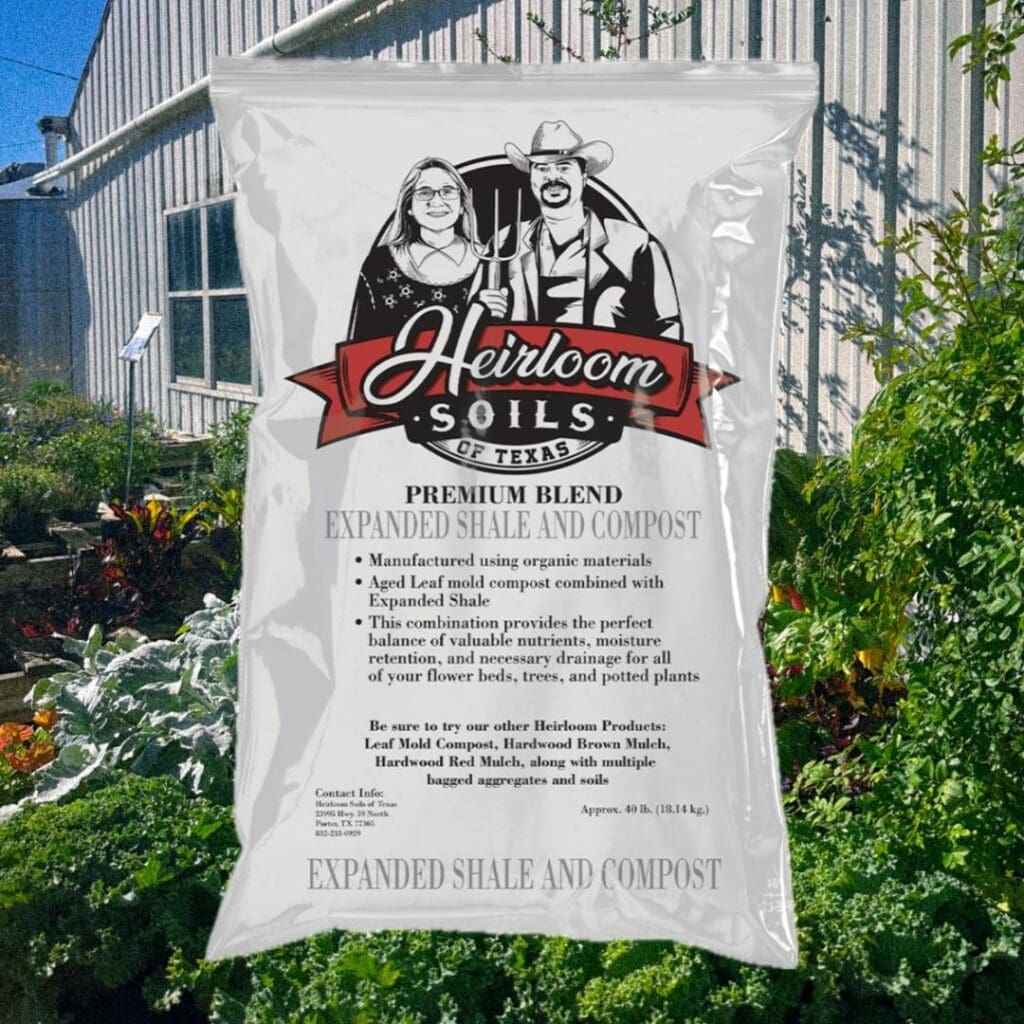
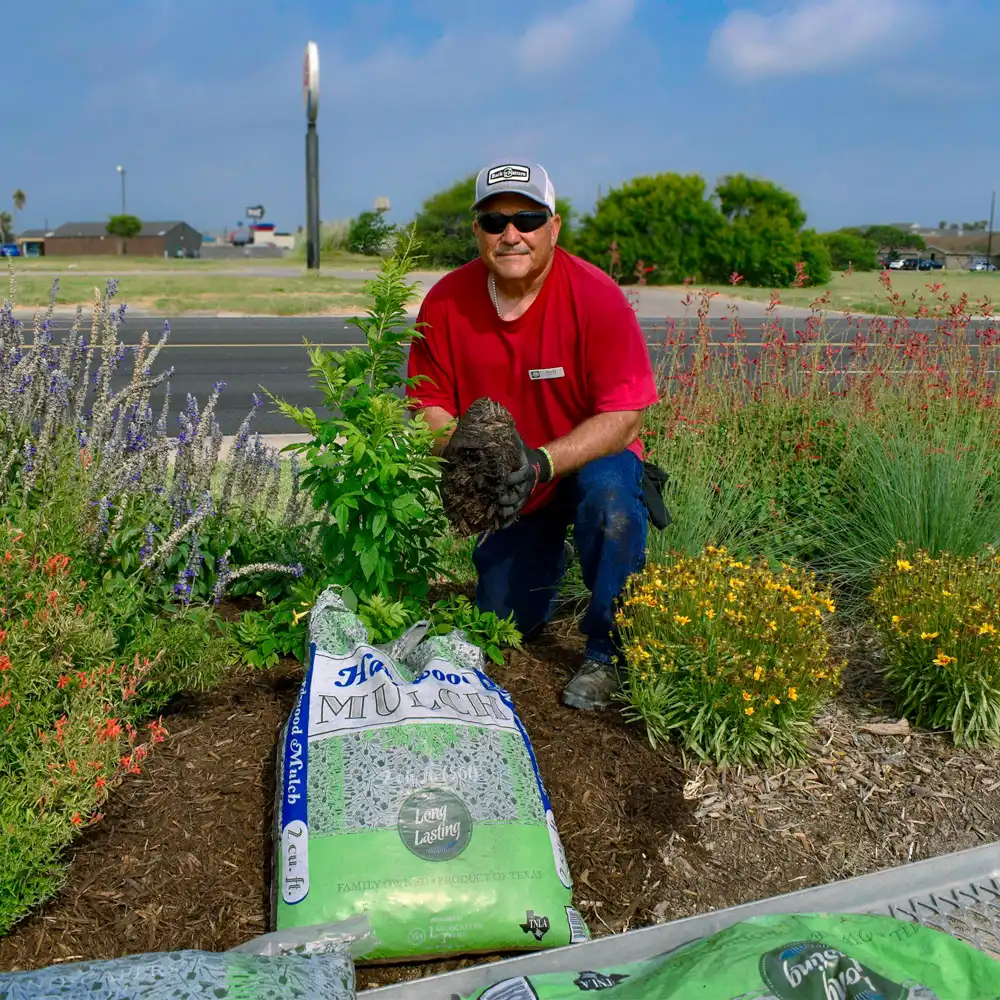
August is the time to start prepping fall veggie beds! Finish your Summer harvesting, clean out your beds, and pull weeds. To get your soil ready, we recommend mixing Nature’s Blend Compost or Cotton Burr Compost into your soil to replenish nutrients and loosen the soil before planting. About 1 bag per 12 sq. ft. is good. Once prepped, add a thick layer of pine straw or hardwood mulch, which will help retain moisture, keep weeds from sprouting, and keep the soil cooler until you’re ready to plant. As you plan your space, think crop rotation – don’t plant the same veggies in the exact same place you planted them last season, or you encourage pests and diseases. 

4. Water to Maintain Depth Moisture!

We’ve been lucky to have some well-timed rain showers this summer, which has created some depth moisture in the soil. Our goal with watering this month should be to maintain it. For lawns and established plants and trees, this means watering less frequently, but watering deeply when you water. New plantings will require water every day for the first couple weeks to get the roots established, but again, think deep drinks so the roots dive deeper. Use a water wand with a cut-off valve to make it easy on you and conserve water. Pro tip: Conserve water by watering at ground level, not spraying from above. This way, water soaks down to the roots rather than evaporating off the leaves. 
5. Mulch = Cool Roots, Dude!

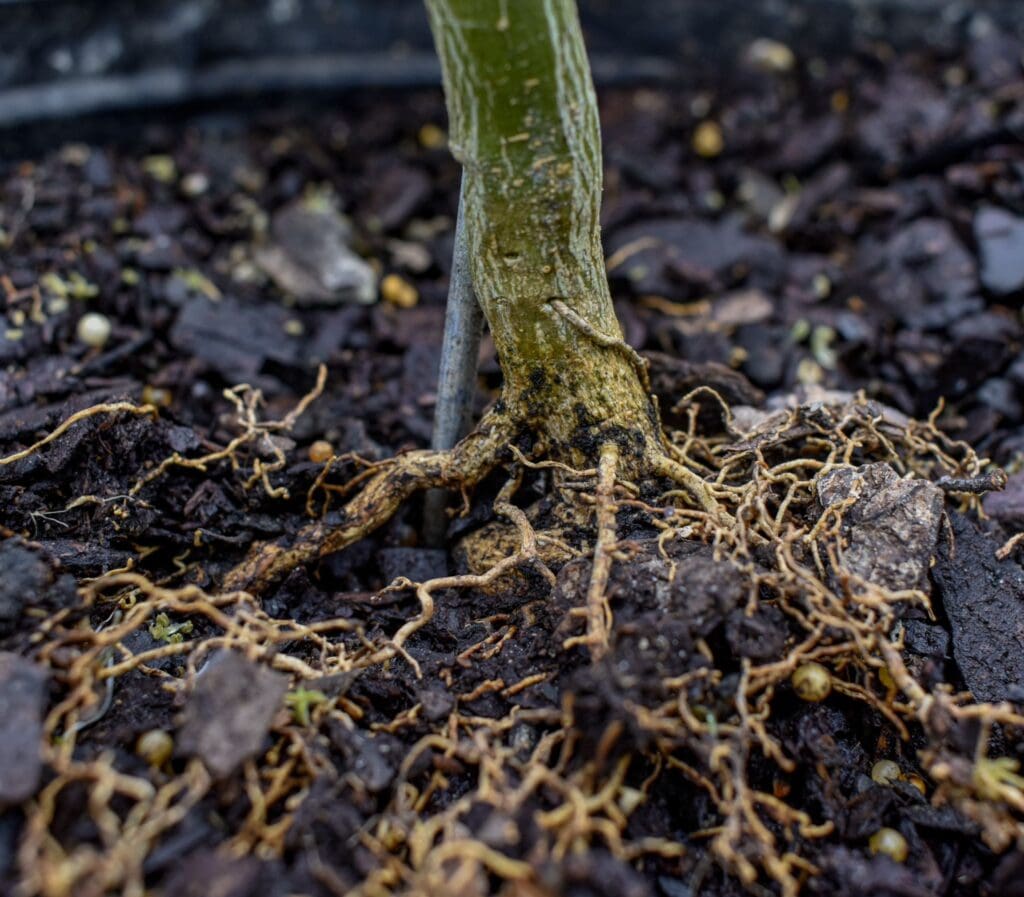
Proper mulching using natural Hardwood or Pine Straw mulch has big benefits, especially during hot weather. A good 3” deep layer of mulch will keep your plants and the soil moist and cool for longer after you water or after it rains. Not just a little cooler – we’re talking more than 25 degrees cooler!! Cooler soil temps allow plant roots and beneficial microorganisms in the soil to flourish. When mulching, give the main trunks or stems of your plants a little space – mulch 3” deep throughout the bed, but no more than 1” deep right up against the main trunks/stems of plants.


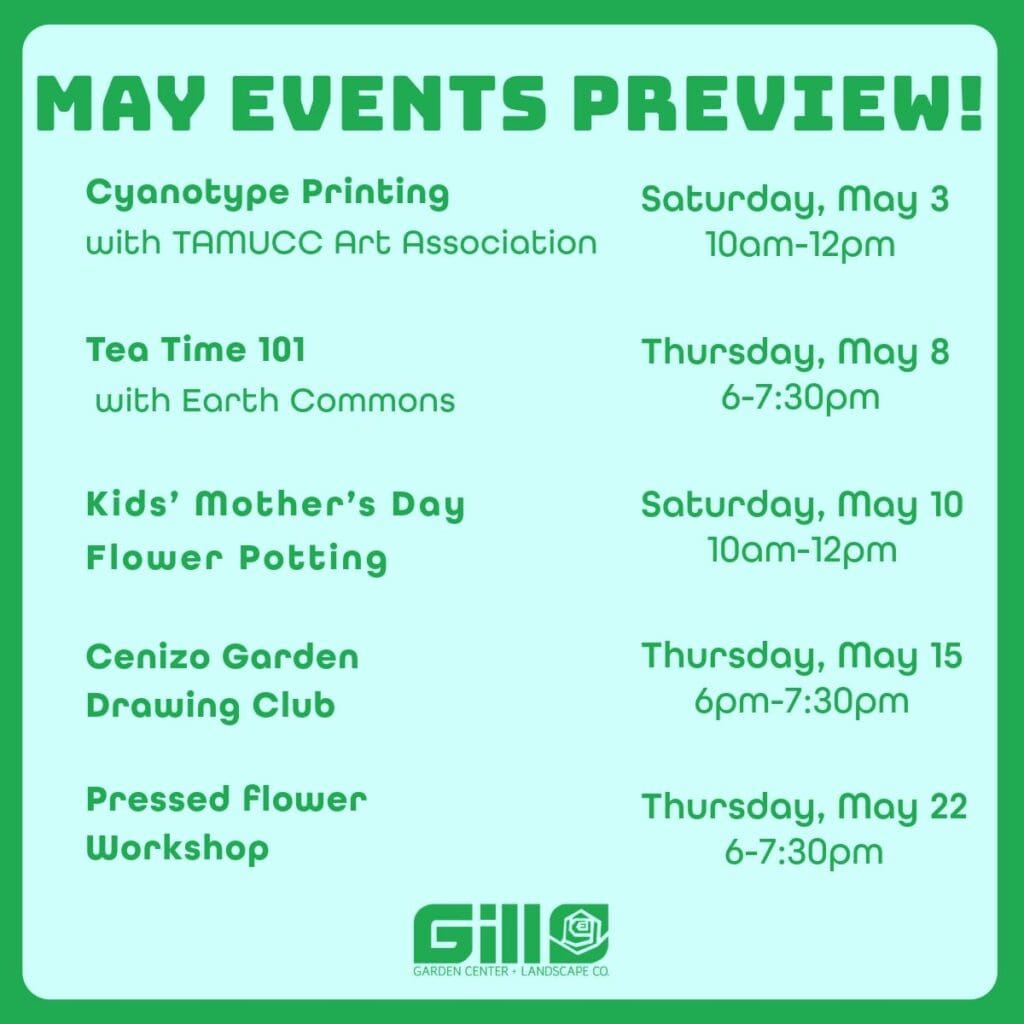
Bring the kids to Gill’s on Saturday, July 11th to celebrate our favorite summer flowers – zinnias! We’ll have stations set up for the kiddos to make their own mud cookies, sprinkle some zinnia seeds into the mud mixture, and cut out cute cookies in the shapes of butterflies! Once you get them home, these zinnia seed cookies can be planted in pots or beds – just water them in, and in a couple weeks, your zinnias will start to sprout and grow!

Free event for kids 12 and under!

Happy National Pollinator Week! Gardeners know that planting to support and protect pollinators like hummingbirds, bees, butterflies, and good bugs creates a healthy local ecosystem. And pollinators return the favor by making our gardens and landscapes so much more beautiful with healthier plants and tons more blooms. Here are our top 11 summer-tough plants to create a pollinator-friendly habitat in your yard – in stock at Gill’s and ready to plant right now!

Pentas 

  • Pollinators:  Butterflies, native bees, hummingbirds
  • Why We Love It:  Pentas are often thought of as just being a gorgeous and easy bedding plant, but they actually attract a ton of pollinators! 

  • Planting Tip: Plant in full sun to partial shade. Excellent in beds or containers. Mulch with pine straw to add a bit of acidity to the soil. 

Firebush (Hamelia patens) 

  • Pollinators: Hummingbirds, butterflies, and bees

  • Why We Love It: Bright orange-red blooms all summer long!

  • Planting Tip: Loves full sun. Foliage dies back in winter. Cut back hard in early spring and it grows back very fast.
Purslane 

  • Pollinators: Native bees and small butterflies

  • Why We Love It: A low-growing, drought-tolerant succulent with vivid blooms in lots of different colors. And Purslane is edible! High in omega-3s and minerals.

  • Planting Tip: Tuck it into hanging baskets, borders, or between rocks—just give it sunshine and dry feet.

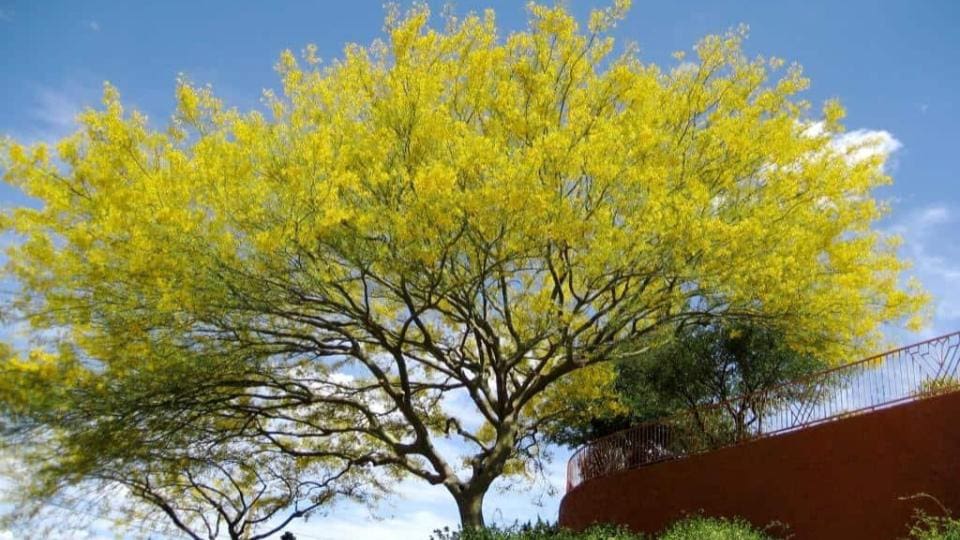
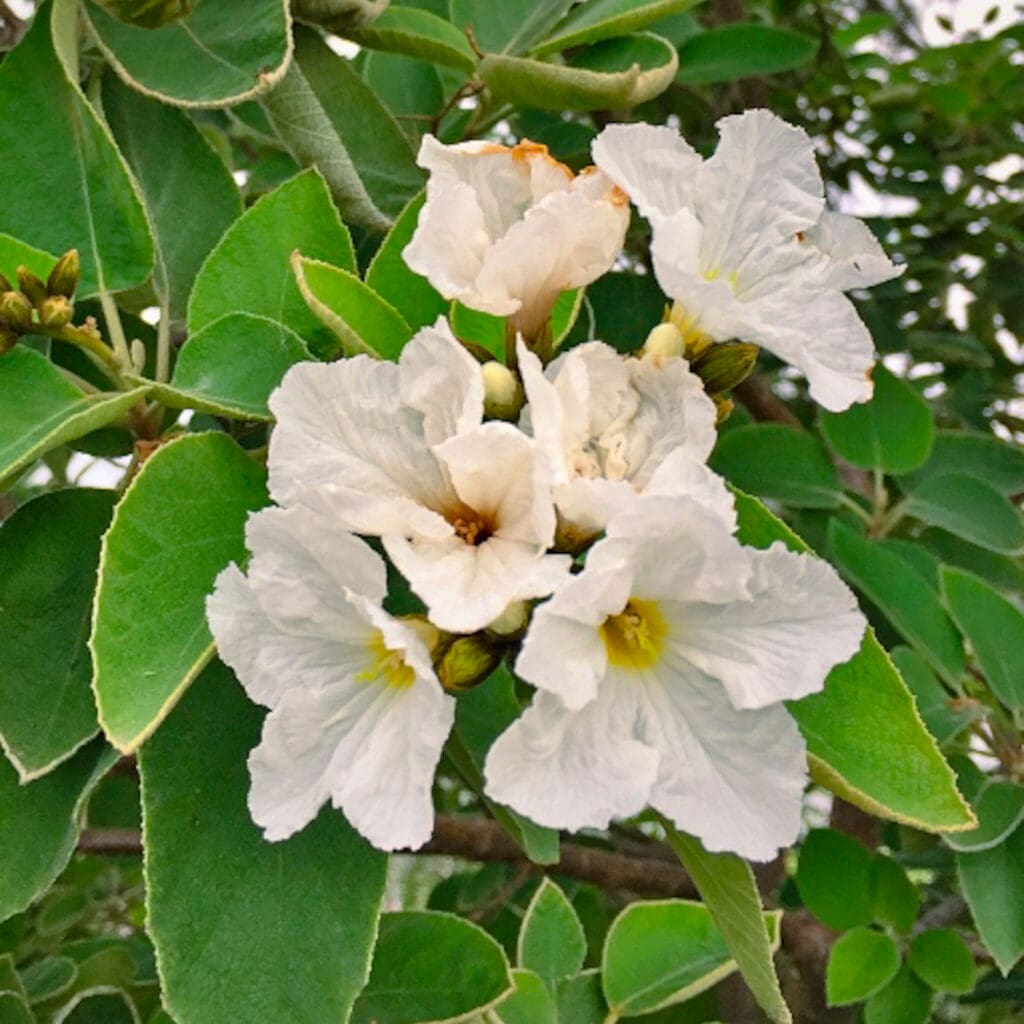
Palo Verde ‘Desert Museum’ 

Pollinators: Butterflies, hummingbirds, carpenter bees

  • Why We Love It:  Cultivar of our South Texas native retama, but without the thorns and a longer blooms cycle. Blooms all the way into the fall!

  • Planting Tip: Plant high for better drainage, especially in clay soil. Berm or mound up so water runs off and away from the tree. Loves hot and dry. Grows to about 20′ tall and wide. 

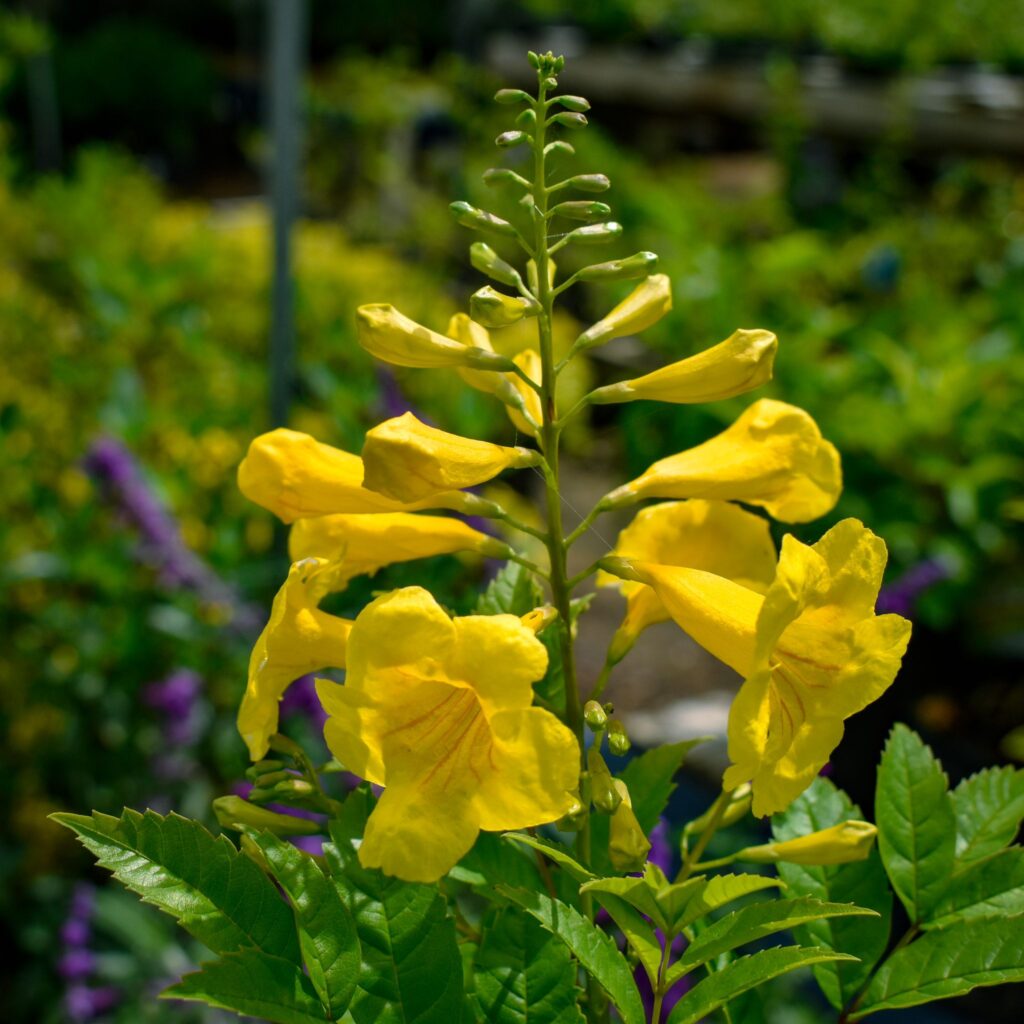
Esperanza – all varieties

  • Pollinators: Bees, butterflies, and hummingbirds

  • Why We Love It: Comes in several different varieties from the tidy, dwarf  ‘Sparklette’ with orange blooms to the large ‘Yellow Bells’ with bright yellow blooms. 

  • Planting Tip: Full sun and low water needs. Plant in your sunniest spots.

Texas Native Blackfoot Daisy

  • Pollinators: Bees, Butterflies, Sphynx Moths

  • Why We Love It:  Delightful and plentiful white blooms, extremely tough, very low water

  • Planting Tip: Full sun + good drainage. Excellent for rocky beds or containers. 

Texas Native Milkweed (Asclepias tuberosa)

  • Pollinators: Monarchs (host plant!), bees, and other butterflies

  • Why We Love It: Orange or yellow blooming varieties + life support for monarch caterpillars = must-have native!

  • Planting Tip: Full sun, well-drained soil, and very little water once established.

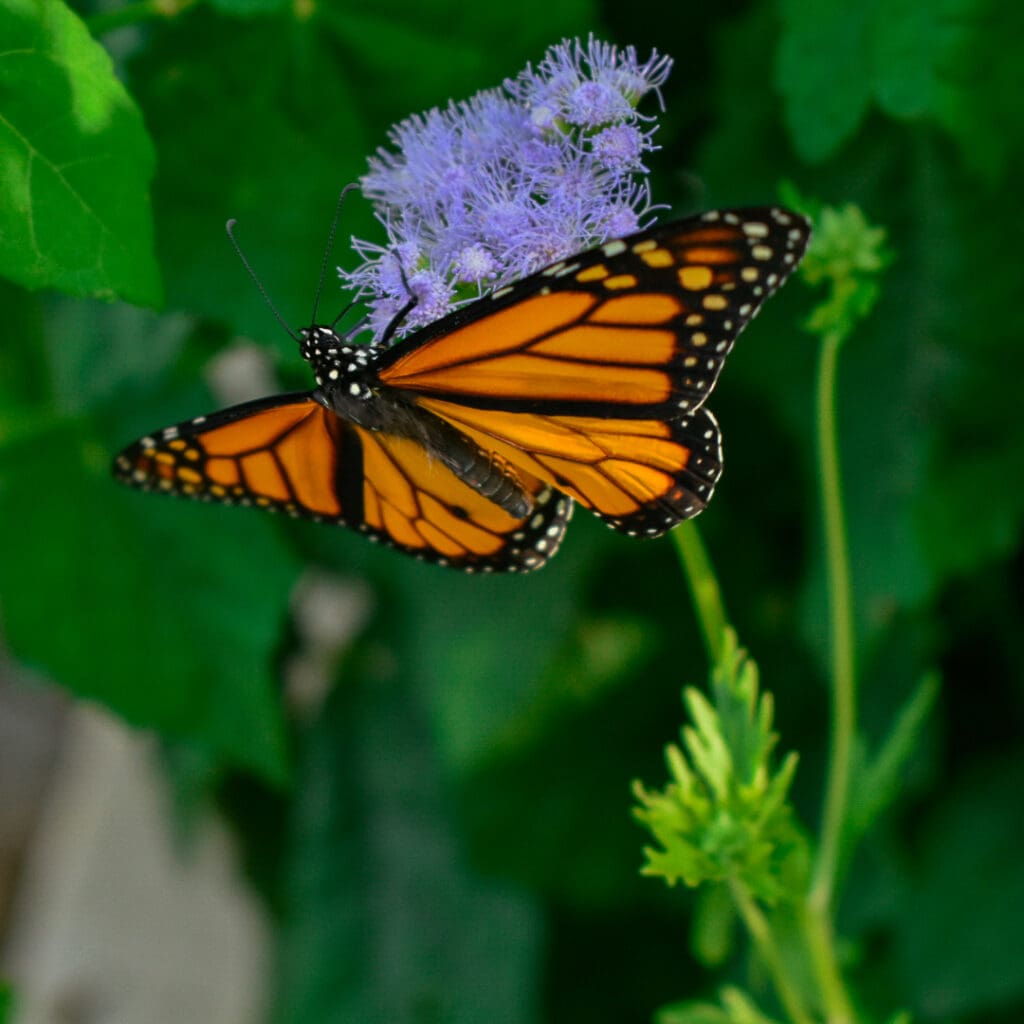
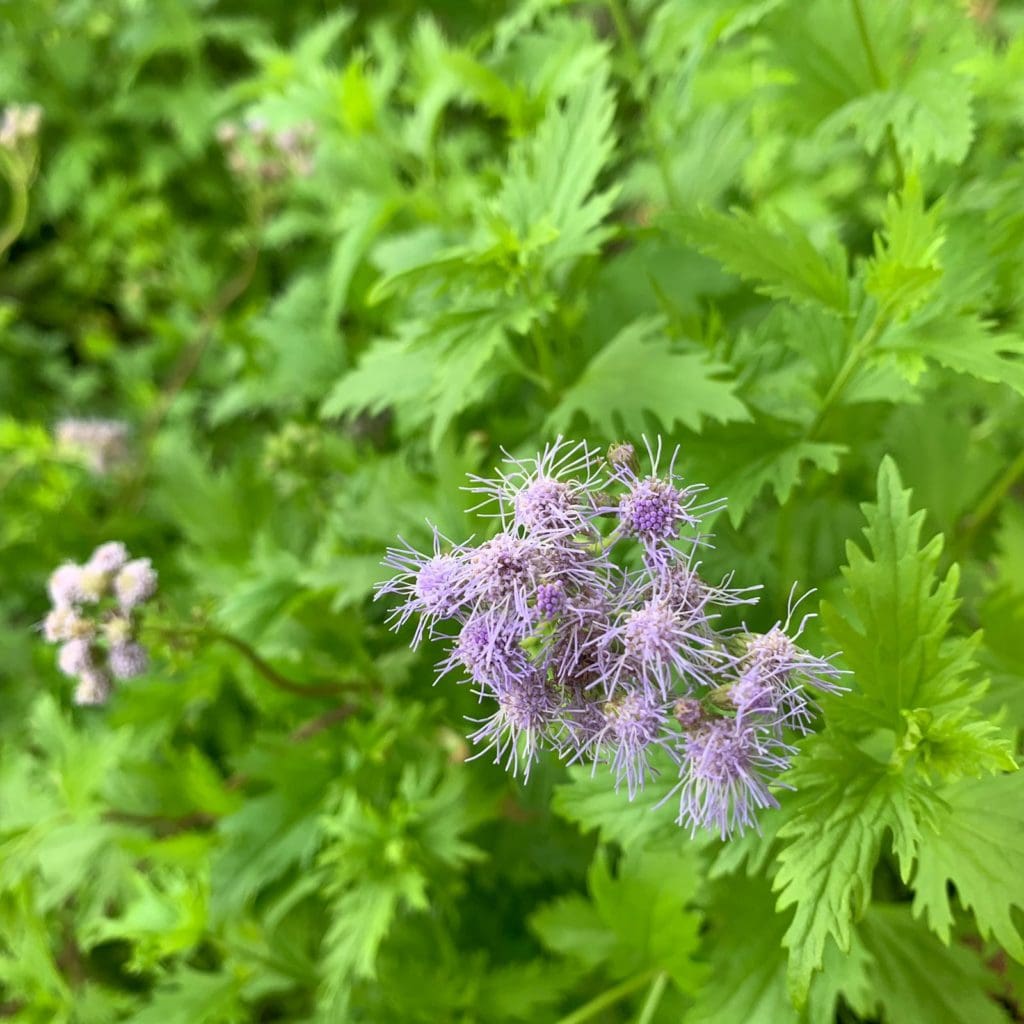
Gregg’s Mistflower

  • Pollinators: Queen butterflies, monarchs, skippers, bees

  • Why We Love It: Soft lavender puffs that butterflies go wild for.

  • Planting Tip: Likes part sun to full sun and moderate moisture. Plant about 3 feet apart and it will spread and fill in beautifully. 

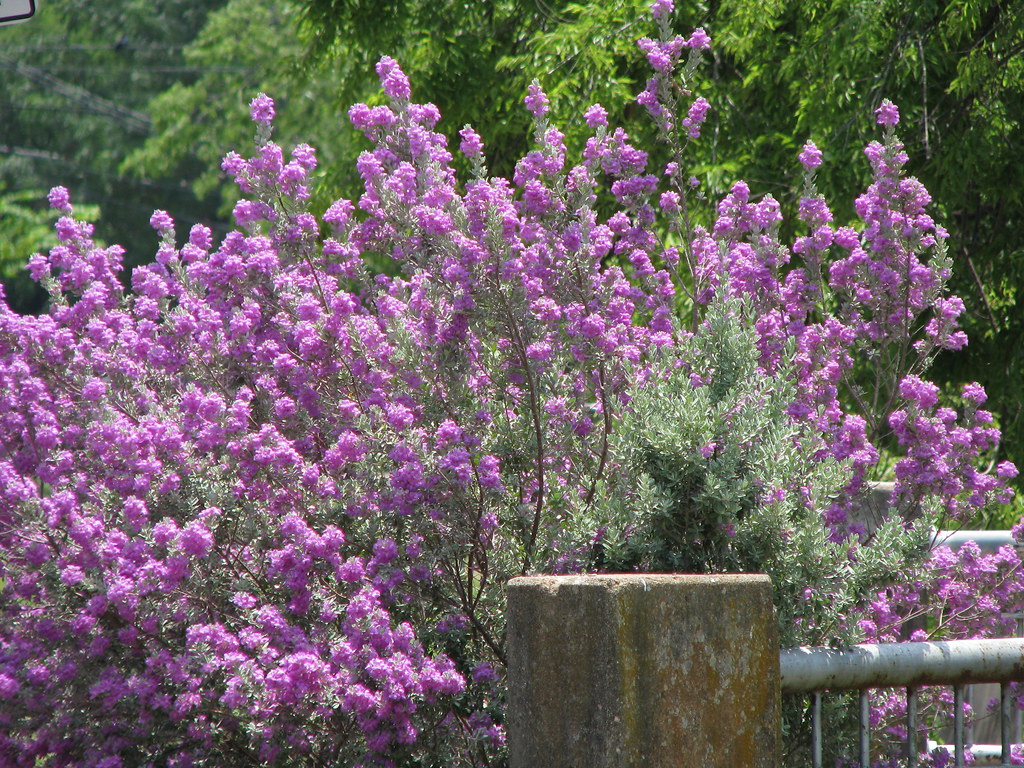
Texas Sage (all varieties)

  • Pollinators: Bees and butterflies

  • Why We Love It: Lavender blooms that pop before and after rain, and it’s practically unkillable.

  • Planting Tip: Plant in your hottest, sunniest spots and avoid overwatering. Choose the right variety for the right space – some stay 3-4′, while some grow 8-10′. 

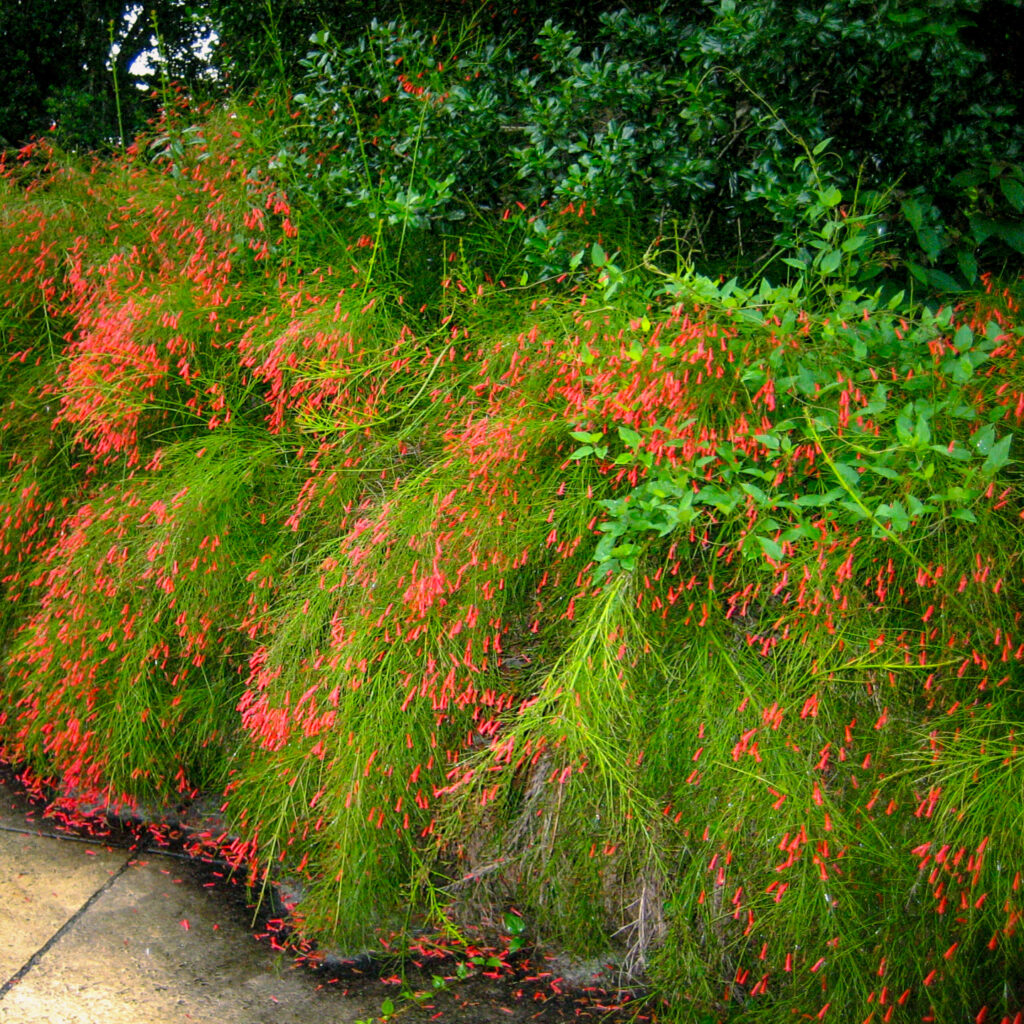
Firecracker Plant (Russelia)

  • Pollinators: Hummingbirds and butterflies

  • Why We Love It: Cascading coral-red blooms that hummingbirds can’t resist.

  • Planting Tip: Likes moist, well-drained soil and full sun. Looks stunning in containers or hanging over walls.

Yaupon Holly

  • Pollinators: Nectar source for bees in the spring and food source for birds (especially mockingbirds) in the fall/winter 

  • Why We Love It: Grows wild all over our area. Versatile and sculptural in landscapes. The only plant native to North America that contains natural caffeine! The leaves can be used for tea. 

  • Planting Tip: Thrives in clay or sandy soil. Full sun to partial shade. Keep bushy or trim up to create a tree form. 

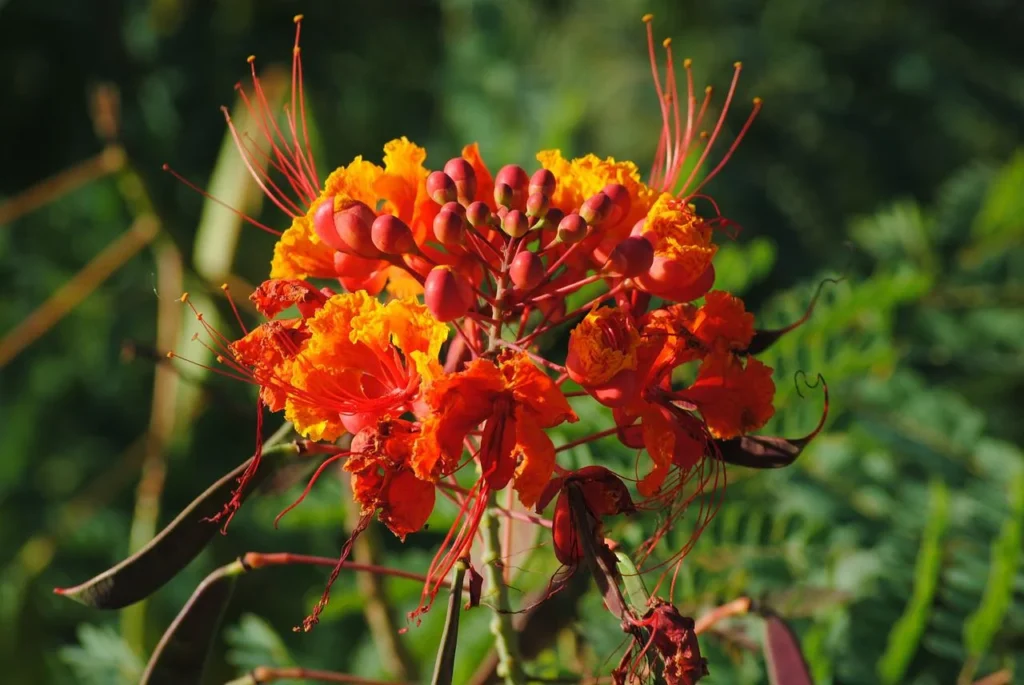
Pride of Barbados aka Dwarf Poinciana

  • Pollinators: Bees, butterflies, and hummingbirds

  • Why We Love It: Tropical drama with vivid red-orange blooms and feathery foliage.

  • Planting Tip: Needs full sun, good drainage, and a little patience in spring—it doesn’t start to perform until temps reach 90!

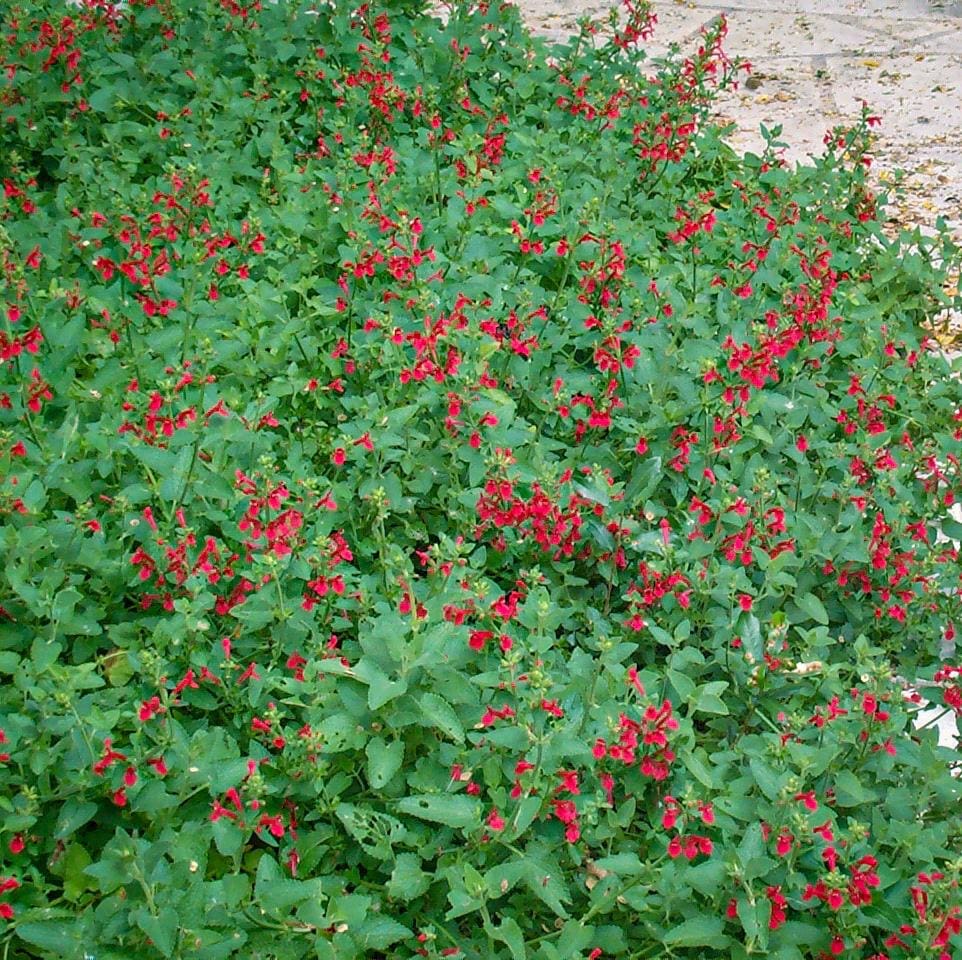
Texas Native Flame Acanthus

  • Pollinators: Hummingbirds and bees

  • Why We Love It: Red tubular flowers that keep hummingbirds zipping around all summer.

  • Planting Tip: Drought-tolerant and easy-going—cut back in winter and it bounces back fast.
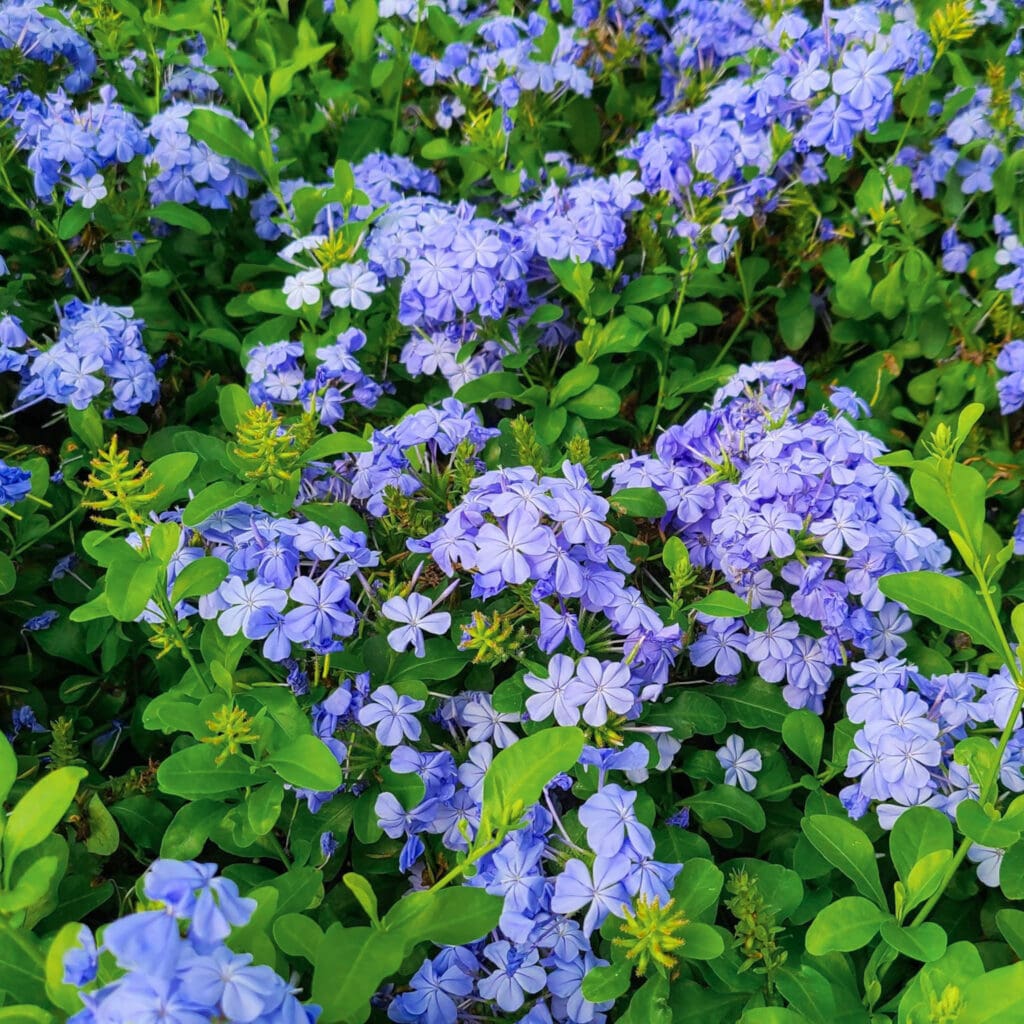
Salvia Mystic Spires

  • Pollinators: Bees, butterflies, and hummingbirds

  • Why We Love It: Spiky deep blue blooms and non-stop action from all pollinators. Our best-performing blue salvia for South TX. 

  • Planting Tip: Plant in full sun and deadhead for more blooms. 

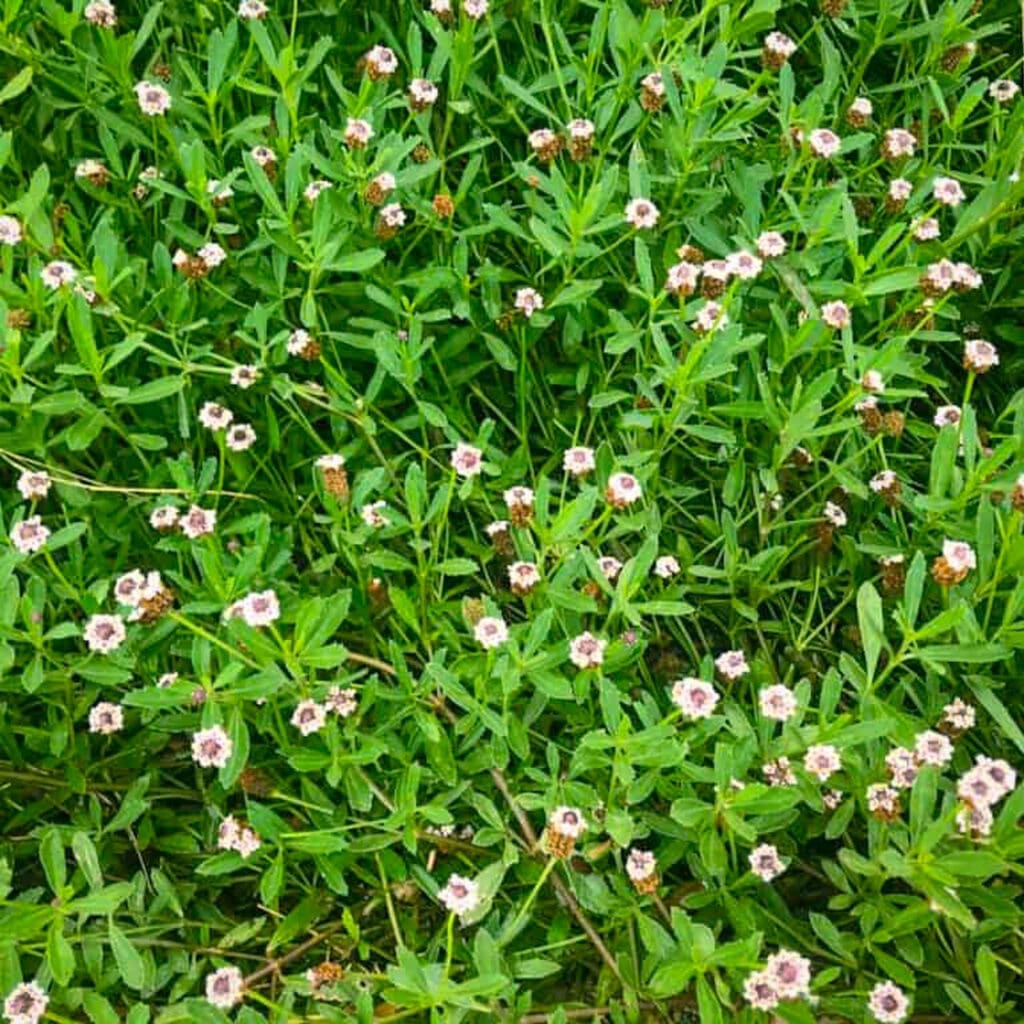
Texas Native Frogfruit

  • Pollinators: Butterflies (especially Phaon Crescent), bees, and skippers

  • Why We Love It: A native groundcover with charming flowers and big ecological value.

  • Planting Tip: Use as a ground cover in beds, lawn alternative, or spilling out of raised beds and containers. Thrives almost anywhere – sun or shade and spreads quickly.