Garden Center Hours: Mon-Sat 9am - 5:30pm • Sun 10am - 5:30pm

Lots going on at Gill’s this weekend in honor of Texas Native Plant Week! We’ve expanded our native plant section, we’re hosting the Native Plant Society of Texas meeting on Saturday 10/22/22 at 2pm, and we’re having a sale on all native plants!

In 2009 the Texas Legislature designated the third week in October as Texas Native Plant Week to help raise awareness of the importance of planting natives. Great timing! This is typically when we feel the weather cool down and when many of our Texas native plants look stunning, and when there are more native varieties available for sale.

Why is planting natives so important? Not only are they better adapted to thrive in our area and require less water once established, native plants are a critical part of delicate local ecosystems. Birds, bees, butterflies, moths, bats, and other wildlife all depend on native plants. By planting natives in our gardens, however big or small, we help restore native habitat that has been altered or removed by humans over the years.

Does this mean I need to replace my entire landscape with native plants immediately? Not necessarily, although that’s doable and can look amazing! Another educational organization that advocates for biodiversity, Homegrown National Park, suggests that the goal ratio for homeowners should be about 70% native and 30% non-native. They have great educational resources for planting native, including their interactive map. When you plant natives, you can register to have your yard light up on the map and be a part of the “homegrown” national park!

Here’s a preview of a few less-common Texas natives that we’ll have on hand this week:

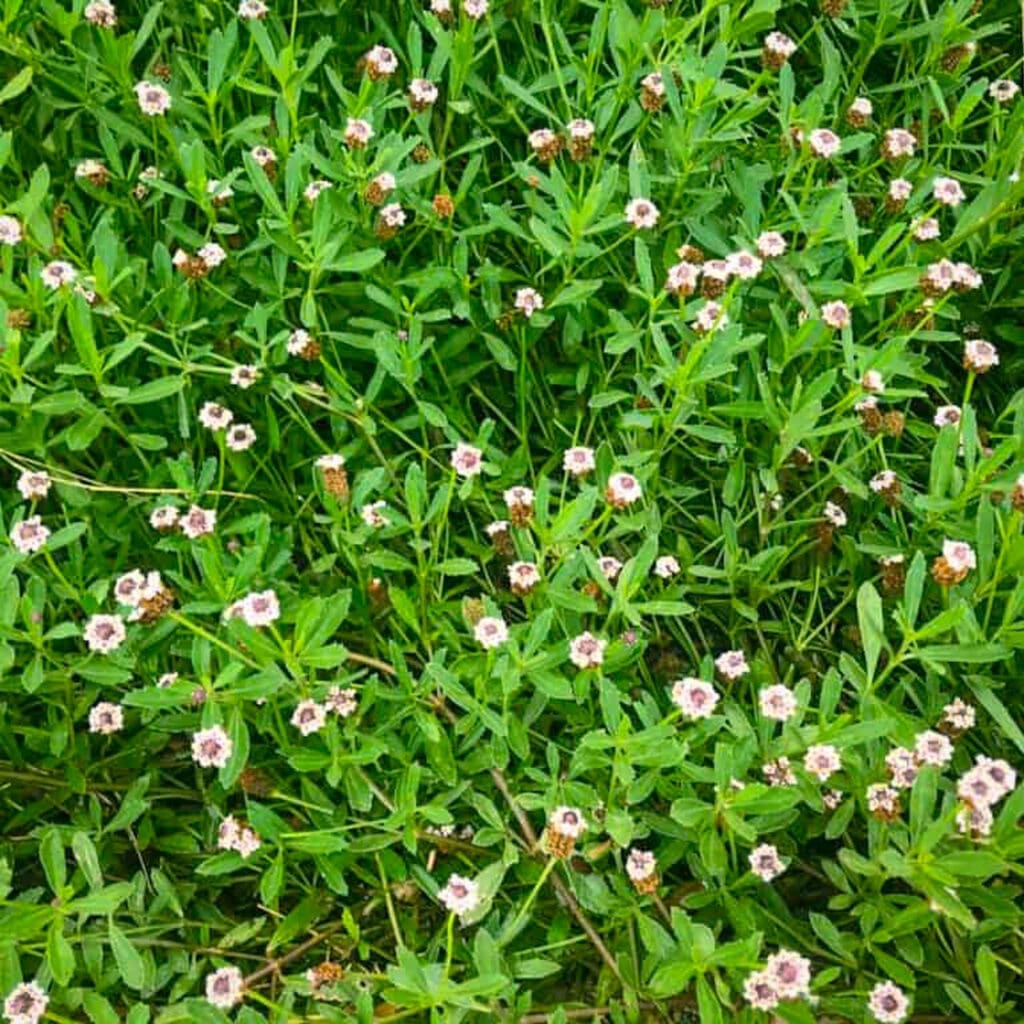
Texas Frogfruit (Phyla nodiflora var. incisa) – a perennial groundcover with creeping stems and small white flowers. Forms a dense groundcover and stays short which makes it a good choice to replace areas of lawn. Likes full sun to partial shade.


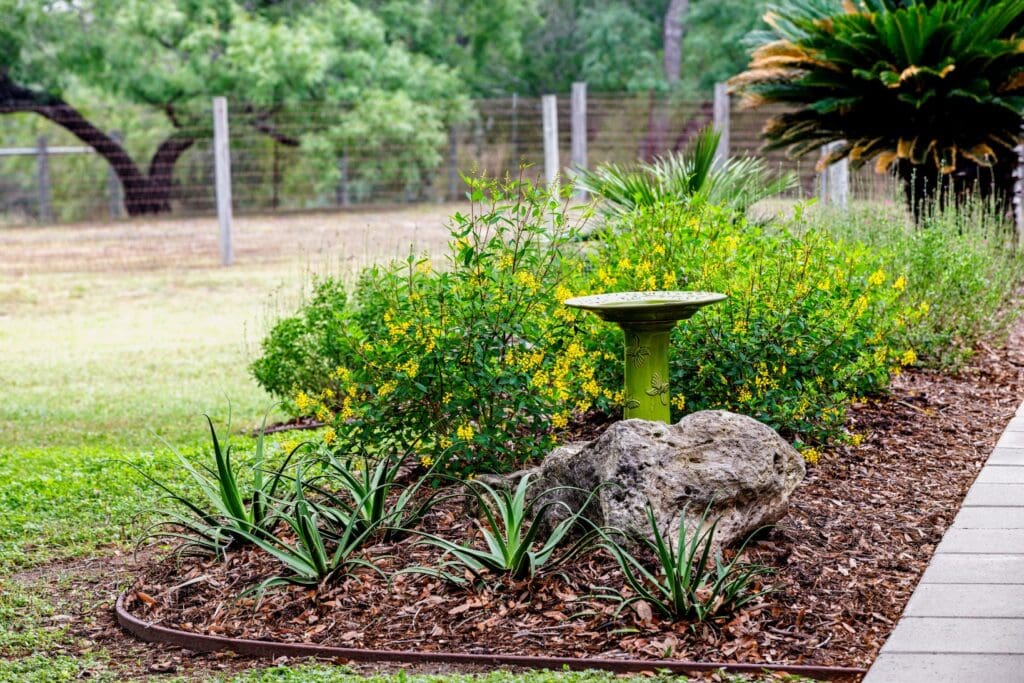
Texas Kidneywood (Eysenhardtia texana) – a beautiful open-structured shrub/small tree with blooms that smell amazing! They can grow to be about 10’ tall and make a great understory plant in an area that gets full sun to dappled shade.  


Skeleton-leaf Goldeneye (Viguiera stenoloba) – extremely drought-tolderant, grows 2-4’ high and provides LOTS of daisy-like flowers. Can handle a variety of soil conditions, too.


Happy National Pollinator Week! Gardeners know that planting to support and protect pollinators like hummingbirds, bees, butterflies, and good bugs creates a healthy local ecosystem. And pollinators return the favor by making our gardens and landscapes so much more beautiful with healthier plants and more blooms. Here are our top 11 summer-tough plants to create a pollinator-friendly habitat in your yard – in stock at Gill’s and ready to plant now!

Firebush (Hamelia patens) 

  • Pollinators: Hummingbirds, butterflies, and bees

  • Why We Love It: Bright orange-red blooms all summer long!

  • Planting Tip: Loves full sun. Foliage dies back in winter. Cut back hard in early spring and it grows back very fast.

Purslane 

  • Pollinators: Native bees and small butterflies

  • Why We Love It: A low-growing, drought-tolerant succulent with vivid blooms in lots of different colors. And Purslane is edible! High in omega-3s and minerals.

  • Planting Tip: Tuck it into hanging baskets, borders, or between rocks—just give it sunshine and dry feet.

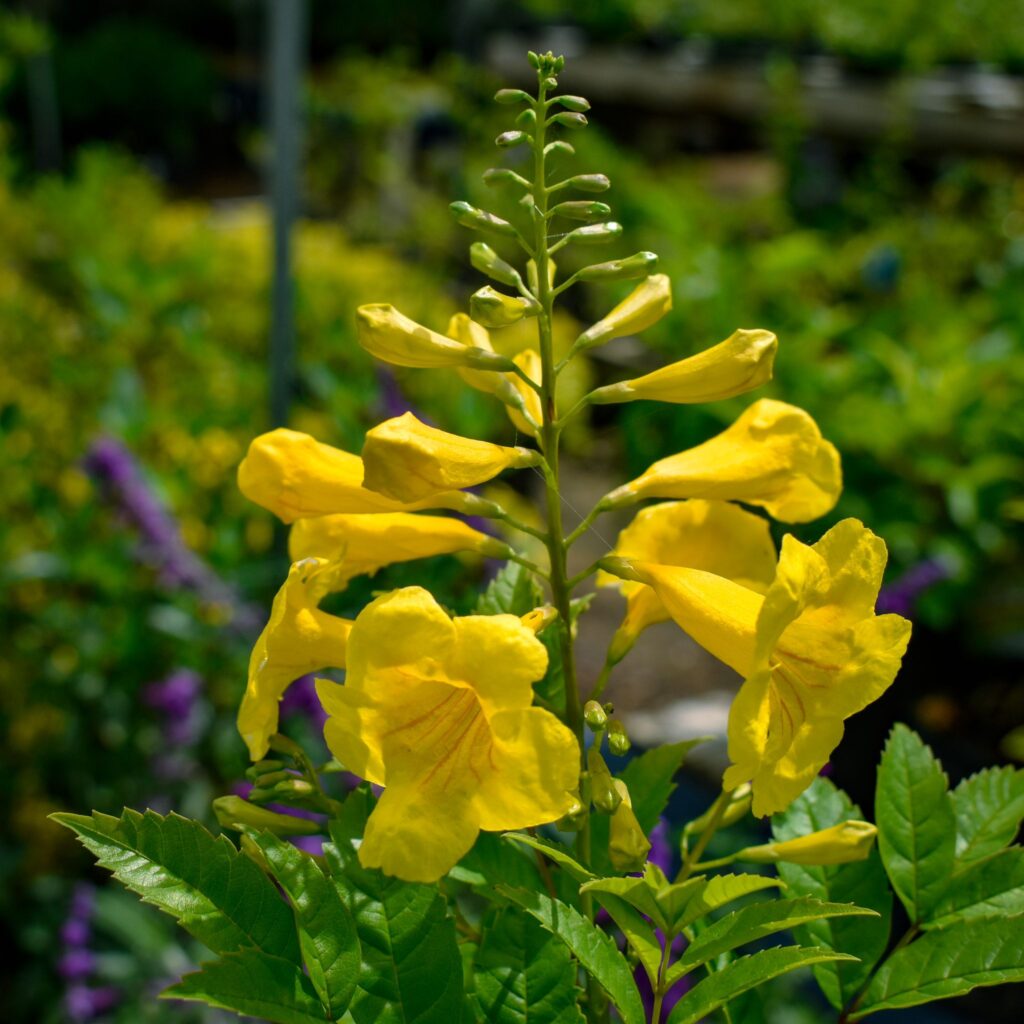
Esperanza – all varieties

  • Pollinators: Bees, butterflies, and hummingbirds

  • Why We Love It: Comes in several different varieties from the tidy, dwarf  ‘Sparklette’ with orange blooms to the large ‘Yellow Bells’ with bright yellow blooms. 

  • Planting Tip: Full sun and low water needs. Plant in your sunniest spots.

Texas Native Milkweed (Asclepias tuberosa)

  • Pollinators: Monarchs (host plant!), bees, and other butterflies

  • Why We Love It: Orange or yellow blooming varieties + life support for monarch caterpillars = must-have native!

  • Planting Tip: Full sun, well-drained soil, and very little water—this one likes it tough.

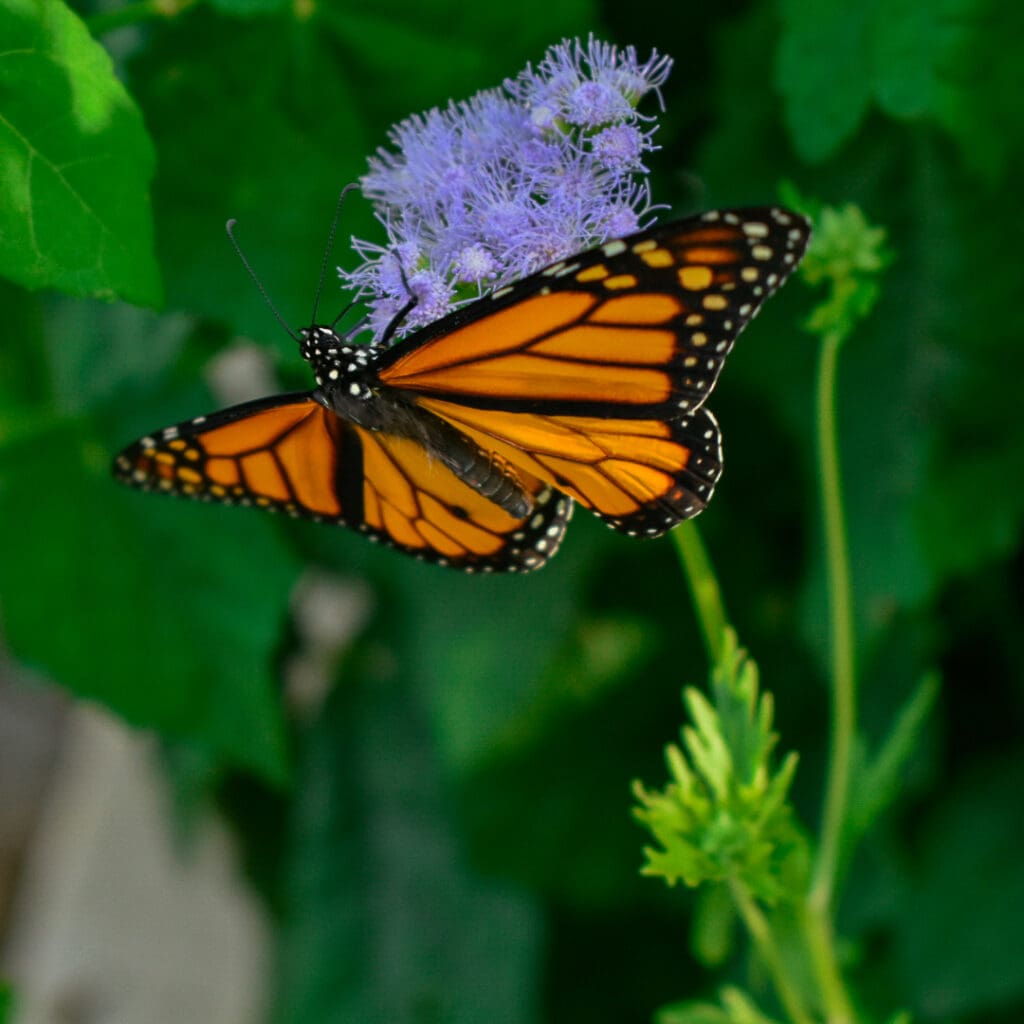
Gregg’s Mistflower

  • Pollinators: Queen butterflies, monarchs, skippers, bees

  • Why We Love It: Soft lavender puffs that butterflies go wild for.

  • Planting Tip: Likes part sun to full sun and moderate moisture. Give it some space—it spreads!

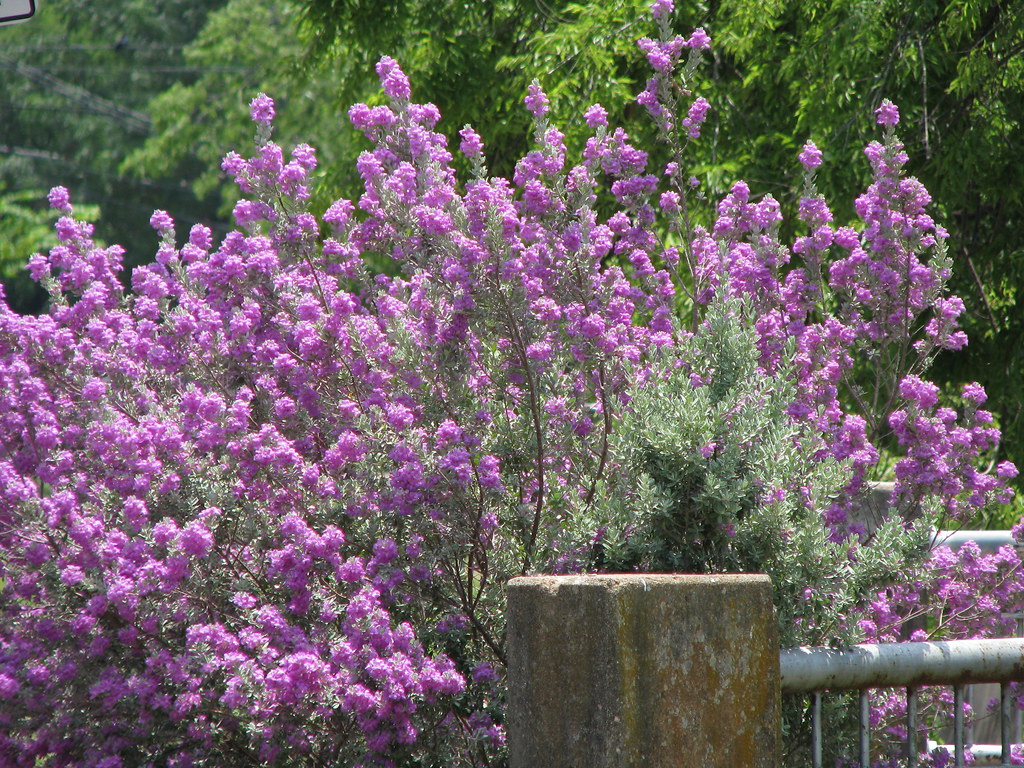
Texas Sage (all varieties)

  • Pollinators: Bees and butterflies

  • Why We Love It: Lavender blooms that pop before and after rain, and it’s practically unkillable.

  • Planting Tip: Plant in your hottest, sunniest spots and avoid overwatering.

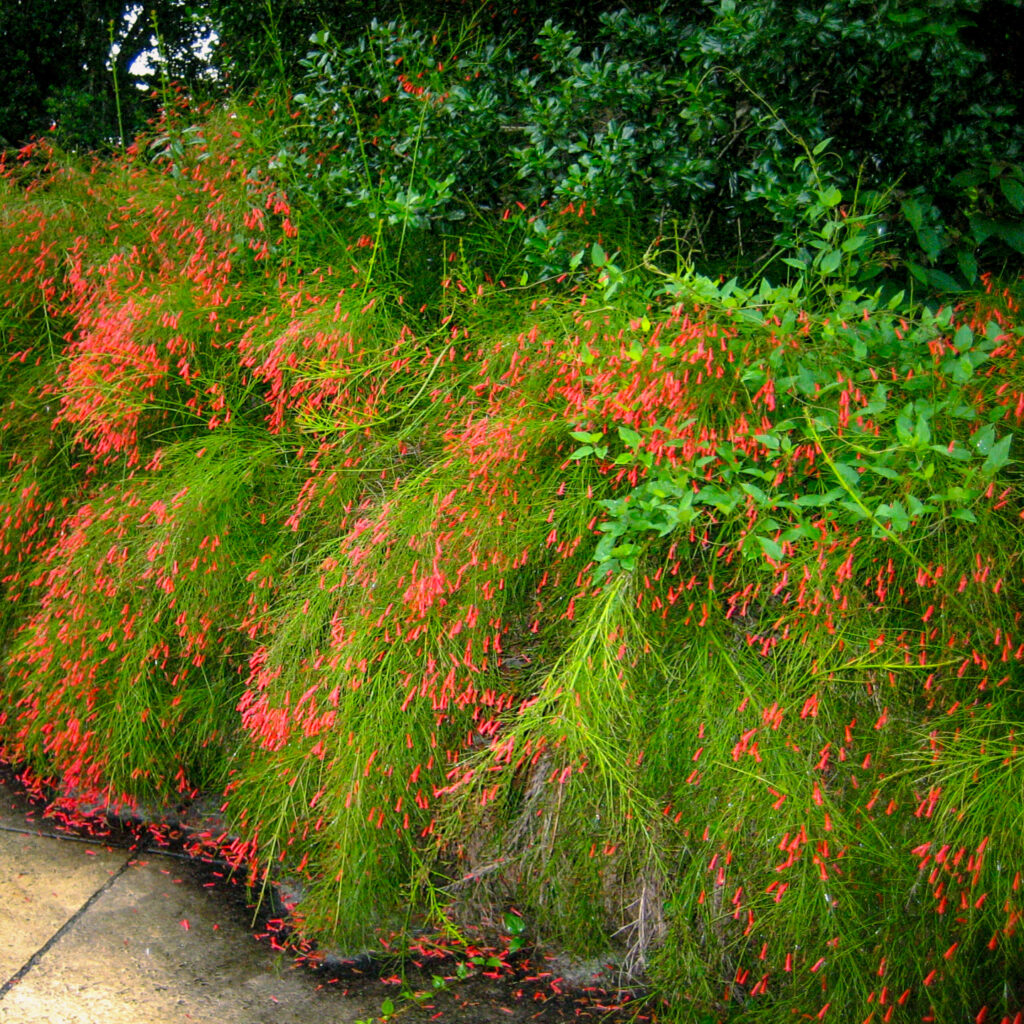
Firecracker Plant (Russelia)

  • Pollinators: Hummingbirds and butterflies

  • Why We Love It: Cascading coral-red blooms that hummingbirds can’t resist.

  • Planting Tip: Likes moist, well-drained soil and full sun. Looks stunning in containers or hanging over walls.

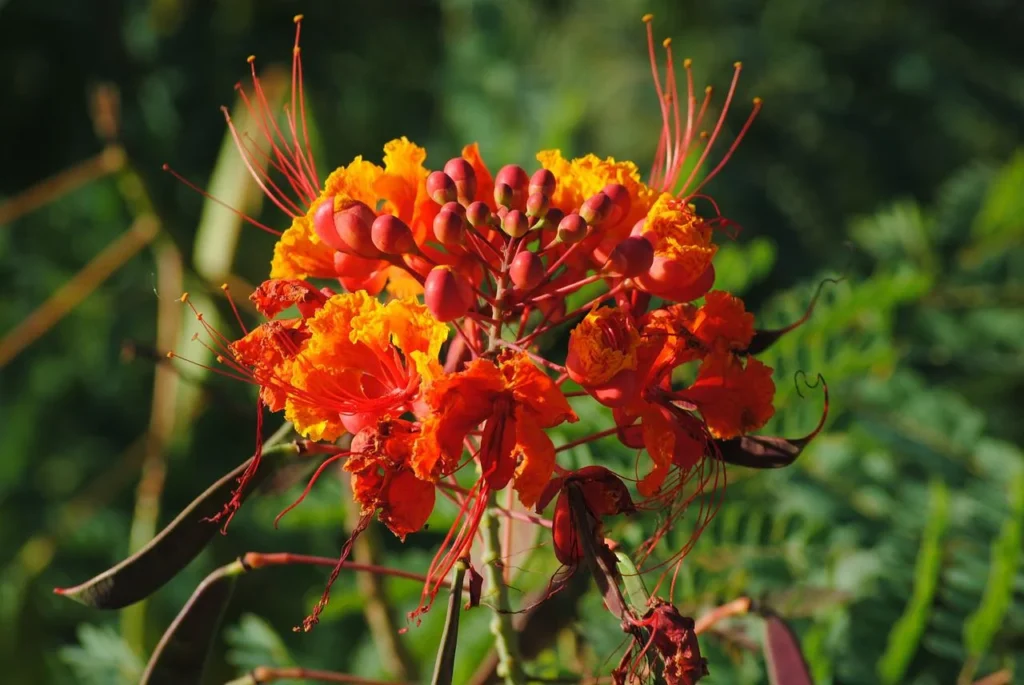
Pride of Barbados aka Dwarf Poinciana

  • Pollinators: Bees, butterflies, and hummingbirds

  • Why We Love It: Tropical drama with vivid red-orange blooms and feathery foliage.

  • Planting Tip: Needs full sun, good drainage, and a little patience in spring—it doesn’t start to perform until temps reach 90!

Texas Native Flame Acanthus

  • Pollinators: Hummingbirds and bees

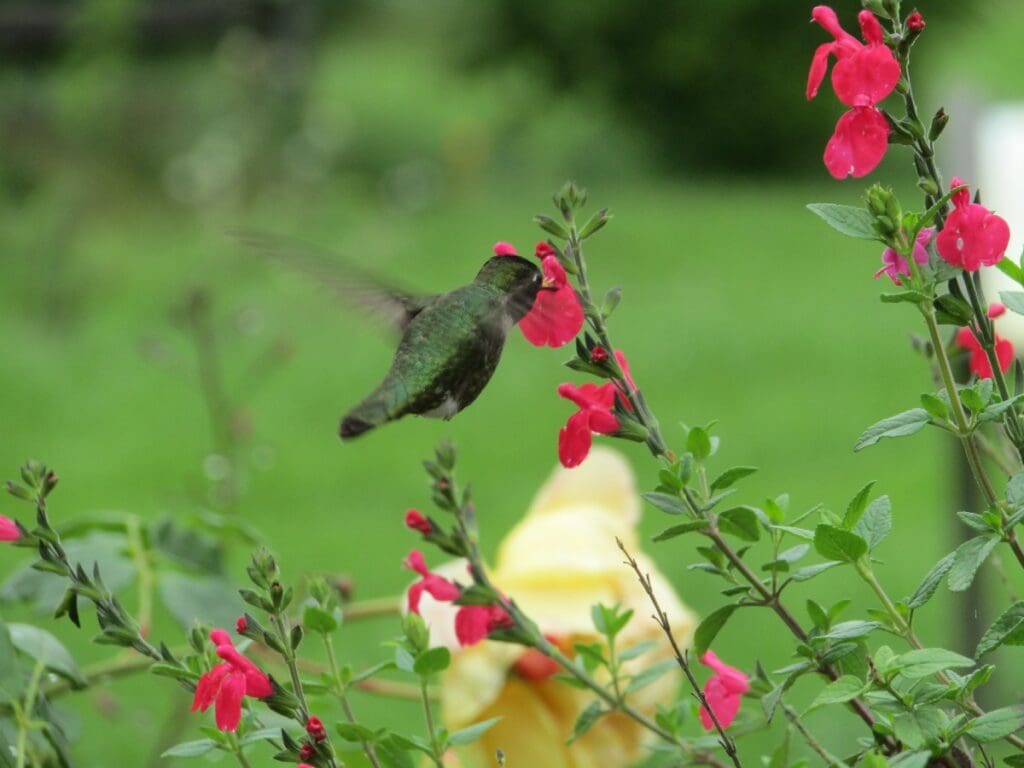
  • Why We Love It: Red tubular flowers that keep hummingbirds zipping around all summer.

  • Planting Tip: Drought-tolerant and easy-going—cut back in winter and it bounces back fast

Salvia Mystic Spires

  • Pollinators: Bees, butterflies, and hummingbirds

  • Why We Love It: Spiky deep blue blooms and non-stop action from all pollinators. Our best-performing blue salvia for South TX. 

  • Planting Tip: Plant in full sun and deadhead for more blooms. 

Texas Native Frogfruit

  • Pollinators: Butterflies (especially Phaon Crescent), bees, and skippers

  • Why We Love It: A native groundcover with charming flowers and big ecological value.

  • Planting Tip: Use as a living mulch or lawn alternative. Thrives almost anywhere – sun or shade and spreads quickly.


Yay for May! Everything’s growing and blooming and we hope you are too! May is Mental Health Awareness Month, which is a good time to think about the peace of mind that gardening brings us. Gardeners know that all the research is true – gardening is good for you! Here are our Top 7 Must Do’s this May to keep you and your garden feelin’ good.

1. Join Us for Garden Talks and Events!

We’ve got a big May planned here at Gill’s, and we’re kicking it off this Saturday, May 3rd with a fun cyanotype printing event with the TAMUCC Student Art Association. Stop by and create your own cyanotype prints using leaves and flowers! Then next weekend we’re inviting kids to come pot up a flower for Mom for Mother’s Day. Sure to be lots of fun and lots to learn and discuss! Click here for more info and tickets!

2. Plant Blooming Perennials and Trees

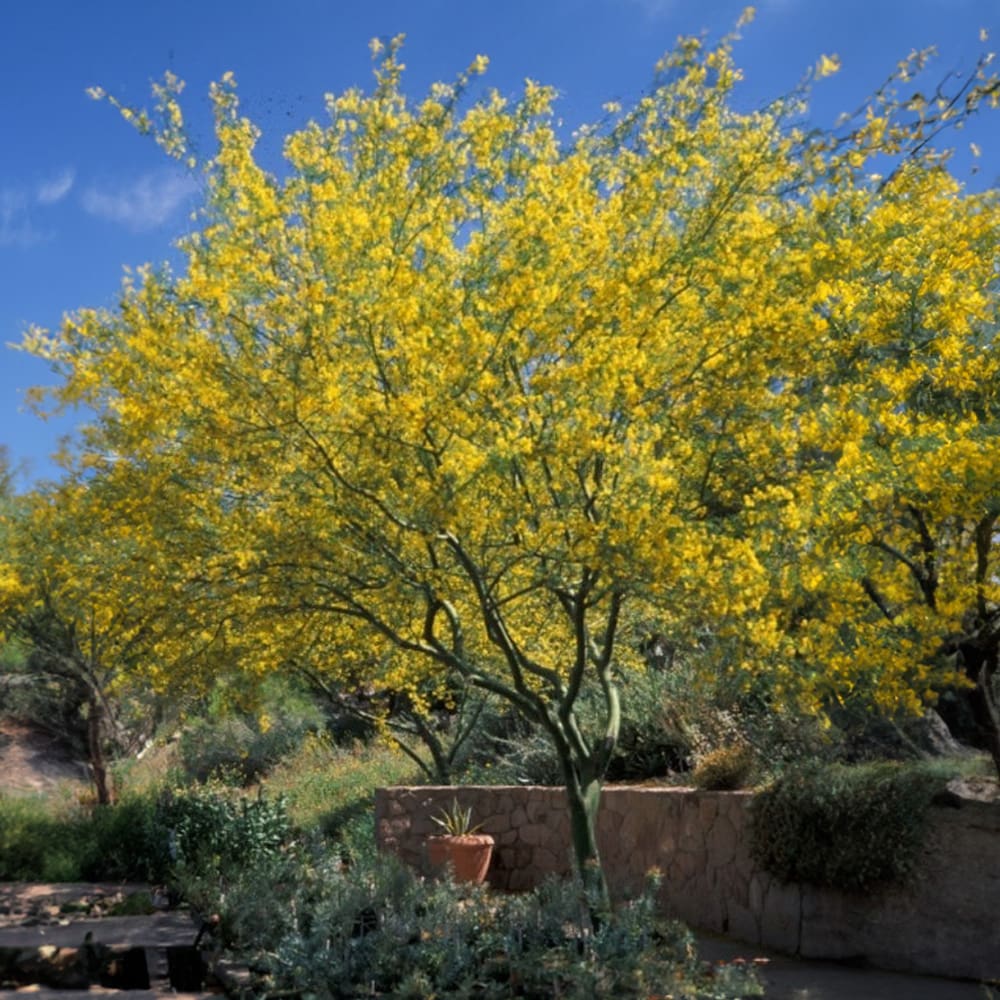
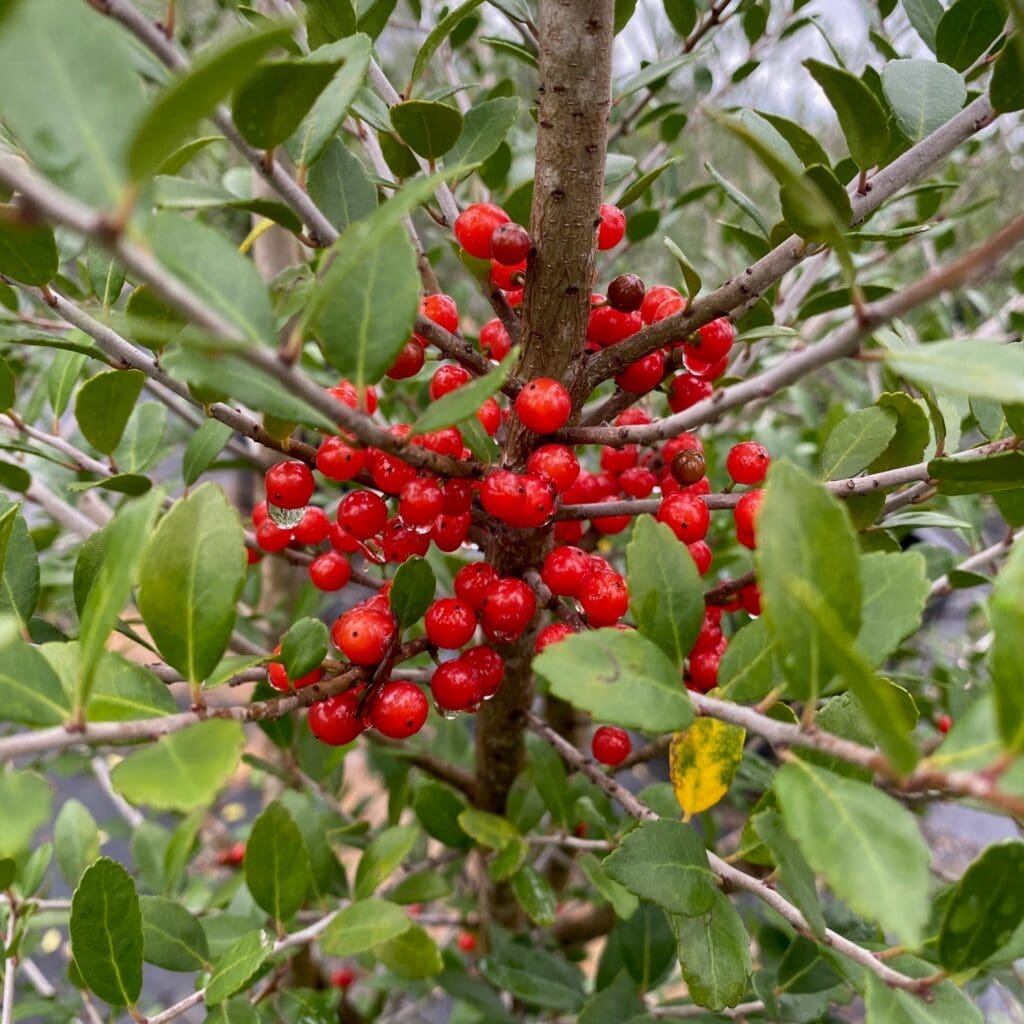
It’s time to plant lots of different blooming perennials and blooming trees. Get them established in May so they are rooted and acclimated to withstand warmer temps this Summer. Staples like Esperanza, many varieties of Salvia, Lantana, and tons more are all blooming beautifully right now. And blooming trees like Vitex, Retama, and Wild Olive are looking great right now. Crape Myrtles will start blooming soon too. Added bonus:  blooming perennials and trees attract lots of butterflies and hummingbirds!

3. Plant and Harvest Veggies

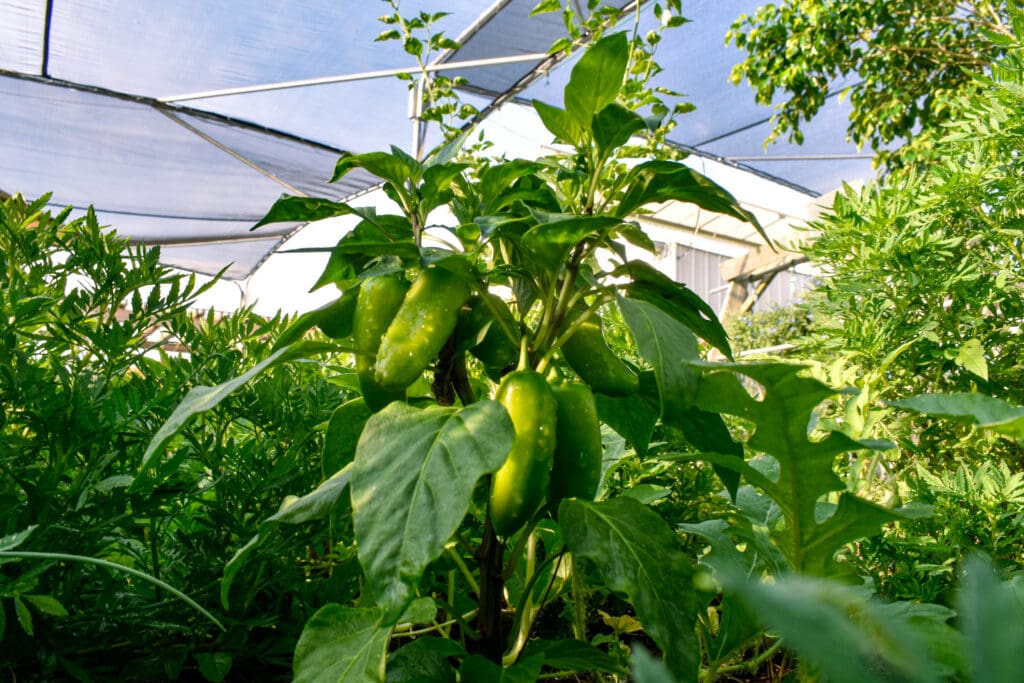
Warm weather veggie time! Plant all kinds of peppers, zucchini, squash, melons, and okra this month for continued harvesting into the Summer months. If you planted tomatoes, cucumbers, and other early Spring veggies, you’ll be harvesting now or very soon. Be sure to harvest often! It keeps birds & insects from finding them first. If you do have insect issues in your veggie garden, our go-to organic control is Spinosad – safe for food but takes care of bugs. Remember to keep watering your veggies as the weather warms up to maintain depth moisture. 

4. Mulch for Many Reasons!

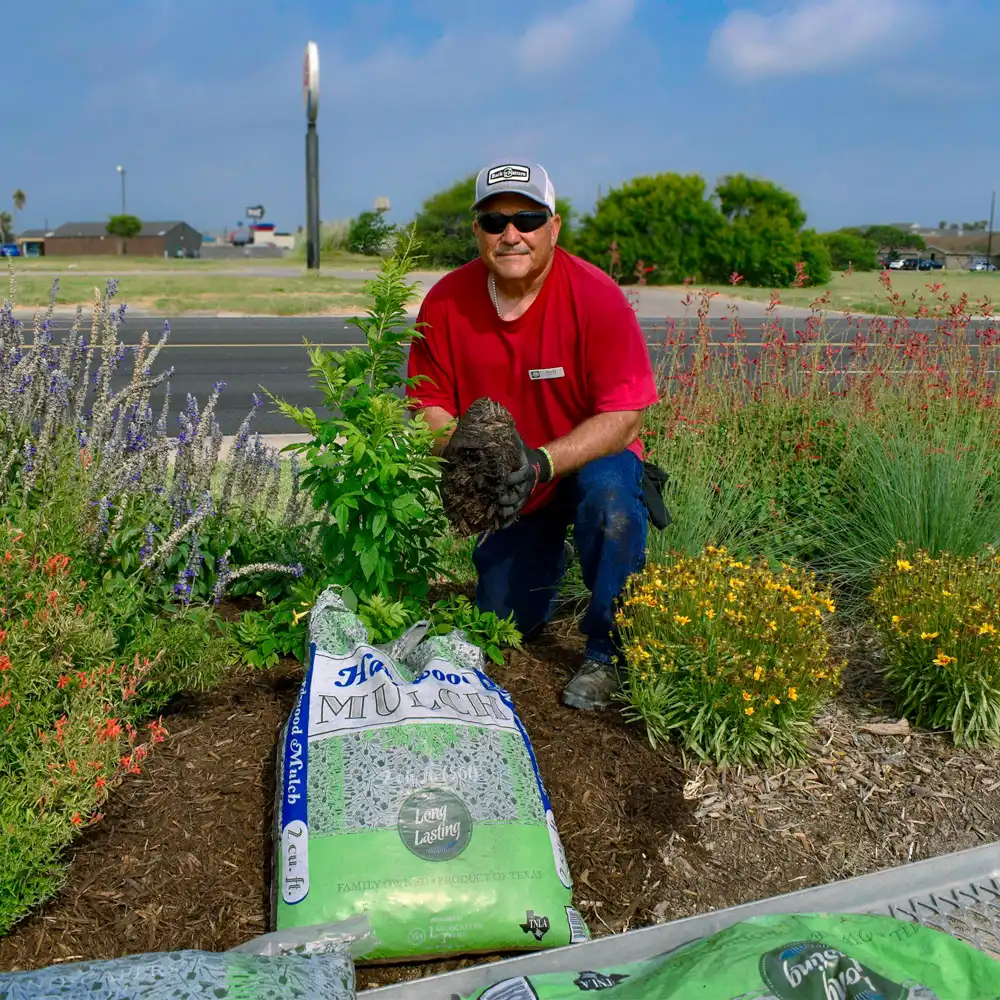
We all know that fresh mulch is like a fresh coat of paint for your garden – instant makeover! But did you know that applying a proper 3” layer of natural mulch keeps underlying soil temps more than 20 degrees cooler?! A good mulch layer keeps weeds at bay, and as it breaks down over time, it add nutrients to your soil. And perhaps most importantly right now, a good mulch layer retains moisture, which means big water savings. 
5. Transition Your Lawn to Summer

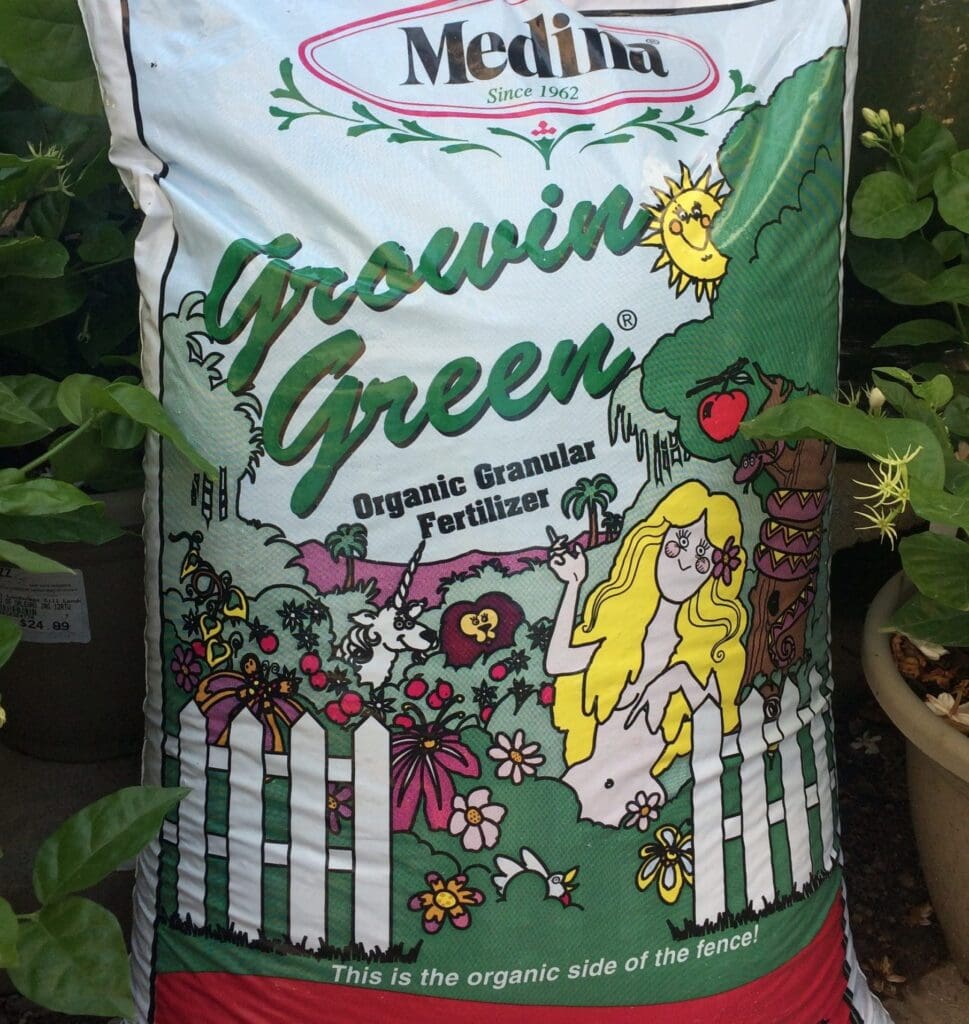
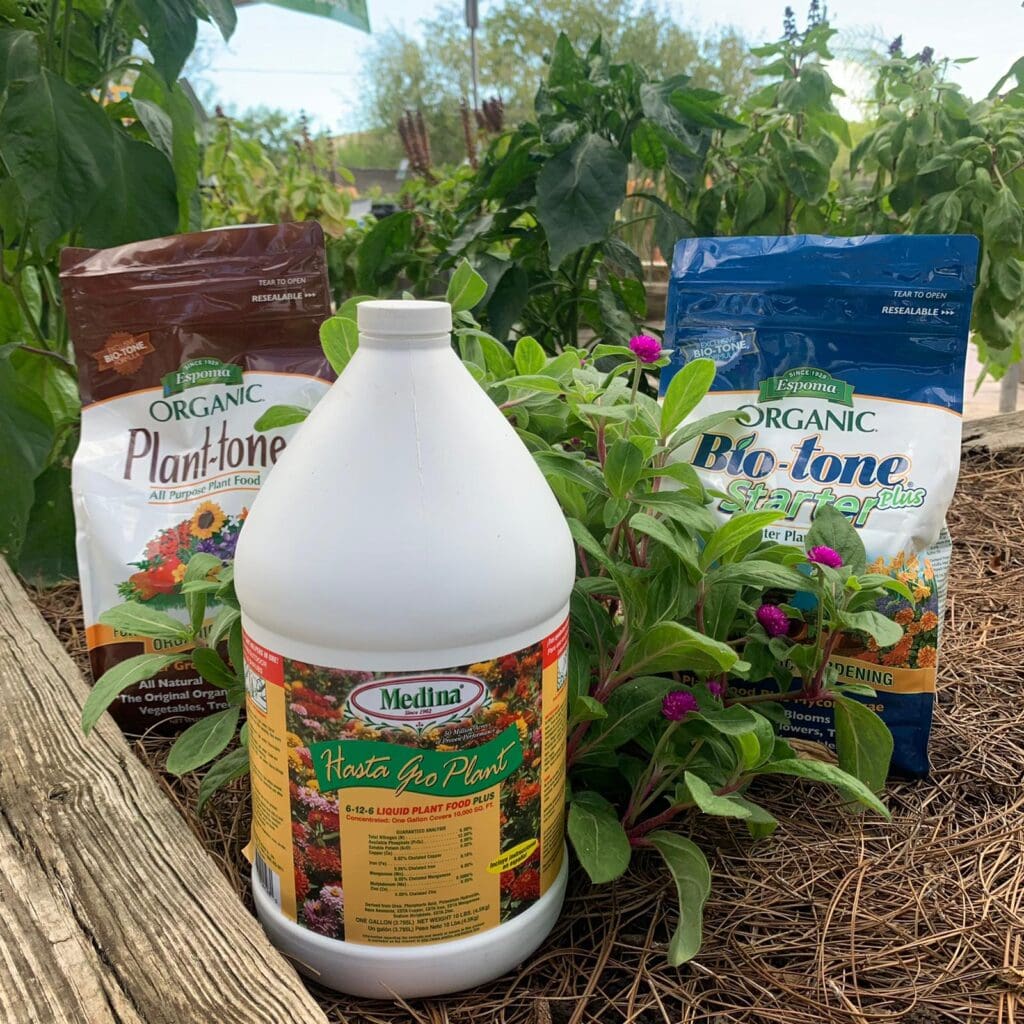
Feed with Natural Fertilizers:  Medina Growin Green or Milorganite. Yes, you can still fertilize your lawn, even though our lawn watering is limited. Using a good organic lawn food, like our go-to Medina Growin Green, promotes root growth and long-term health, which makes lawns more tolerant of less water. Ideally you’d want to water the fertilizer in, but you don’t have to. Medina Growin Green is gentle and won’t burn your lawn. You can apply it now and water it in slowly over a few weeks. If you have trees in your yard, keep in mind that fertilizer and water need to be applied at the drip line, aka where rainwater naturally drips off the outer edge of the canopy. Therefore, if you apply fertilizer to your lawn and water it in for the trees, your lawn will get the benefit too. You can also try to time your lawn fertilizing with a light rain. We typically don’t recommend waiting for rain to fertilize since a heavy rain would wash most of the fertilizer granules away. But, given the watering limitations, taking advantage of a light rain is a good solution. 

Watering:  Homeowners can collect free effluent water at the Oso Wastewater Treatment Plant to use to water lawns, which is a great option. Apply for a quick and easy residential permit from the City of Corpus Christi here.  If you do so, keep in mind that 1,000 gallons can water 1,621 sq ft of lawn at a nice 1” depth or 3,225 sq ft of lawn at ½” depth. 

When mowing, the proper height for St. Augustine lawns is around 3 inches. For Bermuda lawns, keep mowed to around 2-2.5 inches. Buzzing lawns shorter than that will cause lawn stress, and stressed lawns are more susceptible to pests, weeds, and disease.

Watch for lawn insects & treat when needed. Grub worms & chinch bugs are easy to control when caught early but there’s no need to treat unless you have them. BioAdvanced 24-Hour Grub Killer or Season-Long Bonide Insect and Grub Control will do the trick for grubs. Diatomaceous Earth, Spinosad, or Cyonara takes care of chinch bugs. Reminder, you can bring us a grass sample any time you suspect a lawn disease or pest. We’ll diagnose (using our microscope if needed) and get you what you need to knock it out.

Consider reducing your lawn space! Does all this lawn stuff sound like a lot of work? It can be! Many of us are reconsidering whether we really even want all that green lawn space. Why not start converting small portions of lawn to planting beds filled with blooming perennials that benefit the environment and use far less water? One way to start would simply be to deepen existing landscape beds to reduce some lawn. 

6. Set Your Mosquito Traps!

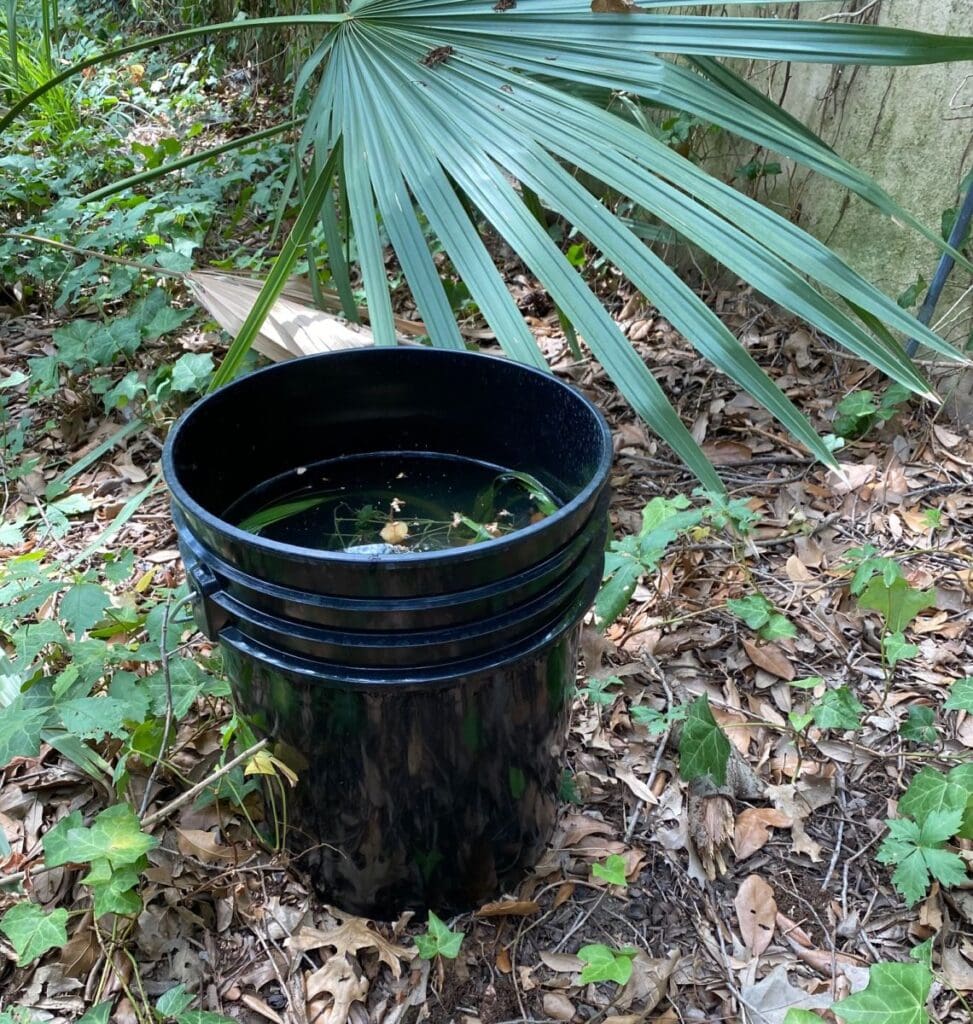
We are big fans of the simple bucket mosquito trap. Just fill a bucket 3/4 with water, add a good handful of lawn or plant clippings, and toss in a Mosquito Dunk or Mosquito Bits. These dissolve in the water and release bacteria that target mosquito larvae and kill them before they hatch. And they’re organic and not harmful to birds, bees, pets or humans! Set a few of these traps, sprinkle some organic Mosquito Beater granules around walkways and patios, spray organic Cedar Repel on your lawn, and use Skeeter Screen incense sticks near where you’re working or hanging out outside. Remember that using chemical mosquito foggers kills all the good bugs too, some of which also help control mosquitos and other bad bugs.

7. Gifts for Mother’s Day and Graduations

Let us help you find something pretty, useful, or both for the gardening moms and grads in your life. Pottery, birdbaths, wind chimes, quality garden tools, hats, gloves, garden decor, plantable greeting cards, gardening books – lots of options. You can purchase Gill gift cards online here and we’ll gift wrap and mail them to your loved one. Or come find the gift that gardeners love most – plants 🙂