Garden Center Hours: Mon-Sat 9am - 5:30pm • Sun 10am - 5:30pm

How is 2025 halfway over already?! We hope you’re having lots of fun this summer – holidays, BBQs, weekend trips, and garden projects! Here are our top must-do’s to keep your plants healthy and happy in July, including tips for planting, watering, and summer pests to watch out for. 

1. Yes, You Can Plant in the Summer!

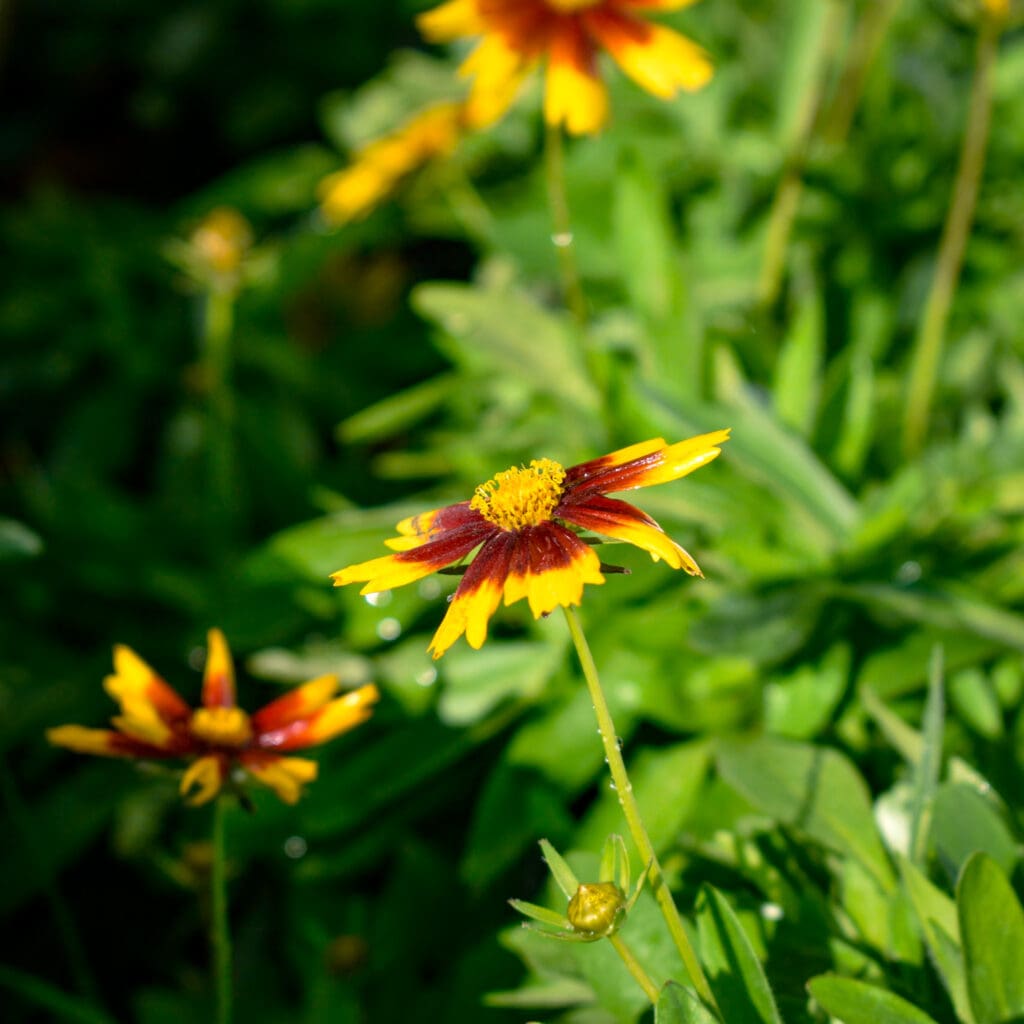
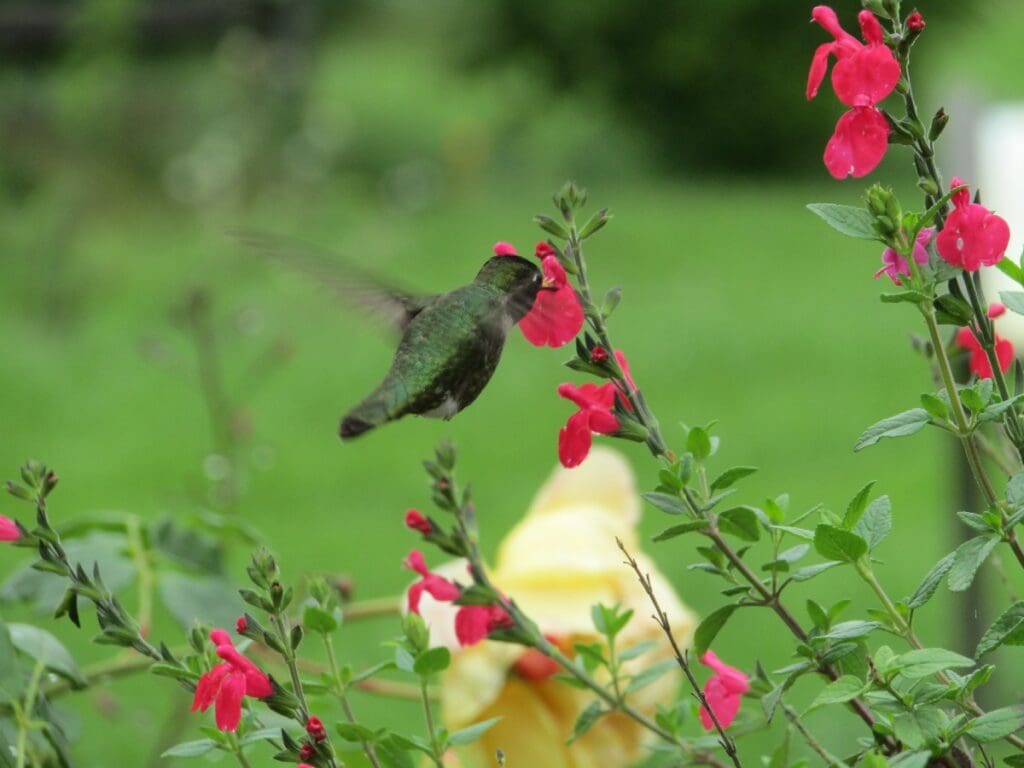
Myth:  I’ve heard that you can’t plant in the summer because its too hot… FACT:  Of course you can!! You can plant just about anything in our summers, including trees, as long as you have a good plan for watering. In fact, summer is a great time to plant crape myrtles because they’re blooming and you get choose the color IRL! While we’re past the season for spring veggies like tomatoes, there are still plenty of summer veggies like okra, peppers, eggplant, and melons to plant now. If you want your own fresh pumpkins for Halloween, start ’em in July. Plus, now’s a great time to set table for the fall hummingbird migration with their fav blooming perennials like Firebush, Firecracker plant (pictured), native flame Acanthus, and Dicliptera aka Hummingbird Bush. Don’t let any myths discourage your summer gardening! 

2. Watering:  Think Depth, Not Frequency

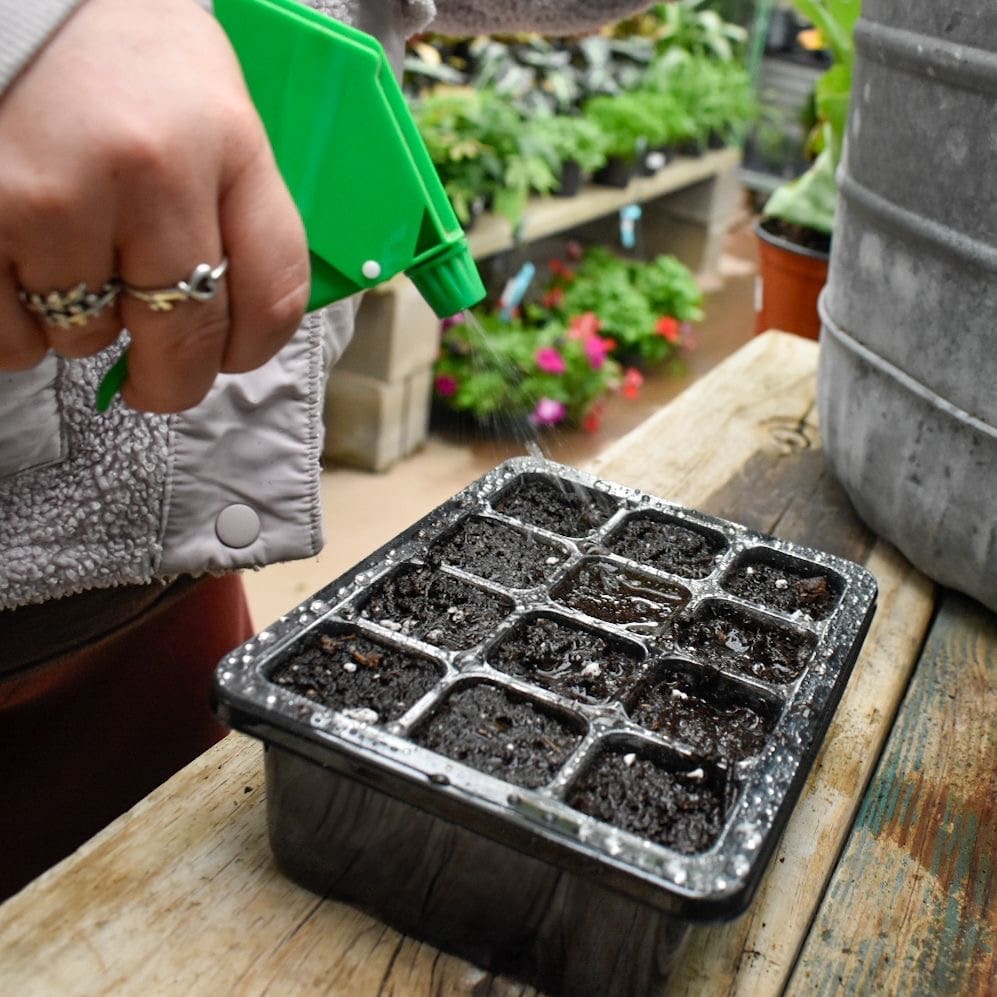
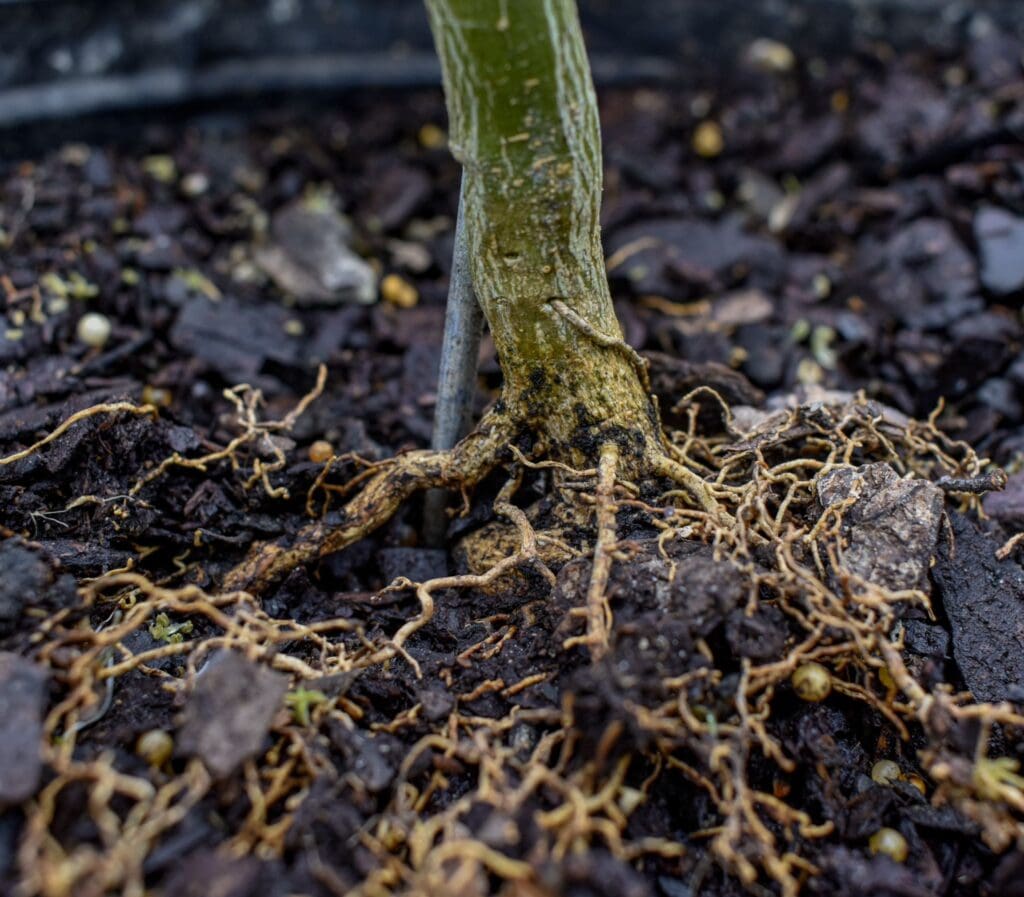
Proper hydration happens when you get water down to the roots of the plant. This means watering deeply, not more frequently. The key for watering plants, lawns, and trees is long, slow, deep drinks! Encourage those roots to dive deeper for water. Even with recent summer rains (yay!!), continue to watch your watering and maintain that depth moisture. If you notice this summer that you’re having to water your potted plants a lot more often, it could be time to re-pot. As the pot fills up with roots, you end up with less soil and therefore less moisture retention. Obviously we have a lot of potted plants here at Gill’s. We just added several more large rainwater collection tanks to help reduce our dependence on City water. And boy do the plants love rainwater! If you’re interested in a rainwater collection system, Gill’s landscape team can design and install at your home.

3. Mulch to Keep Roots Cool
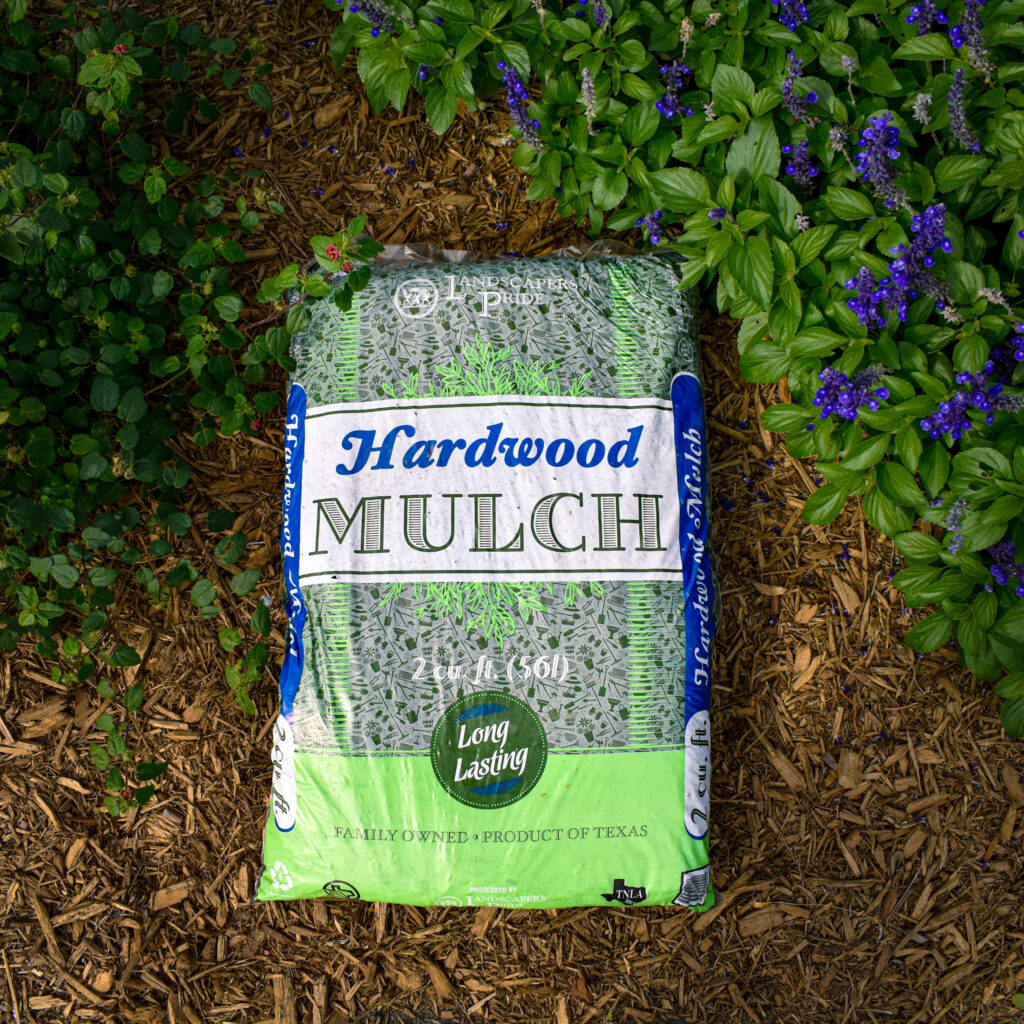
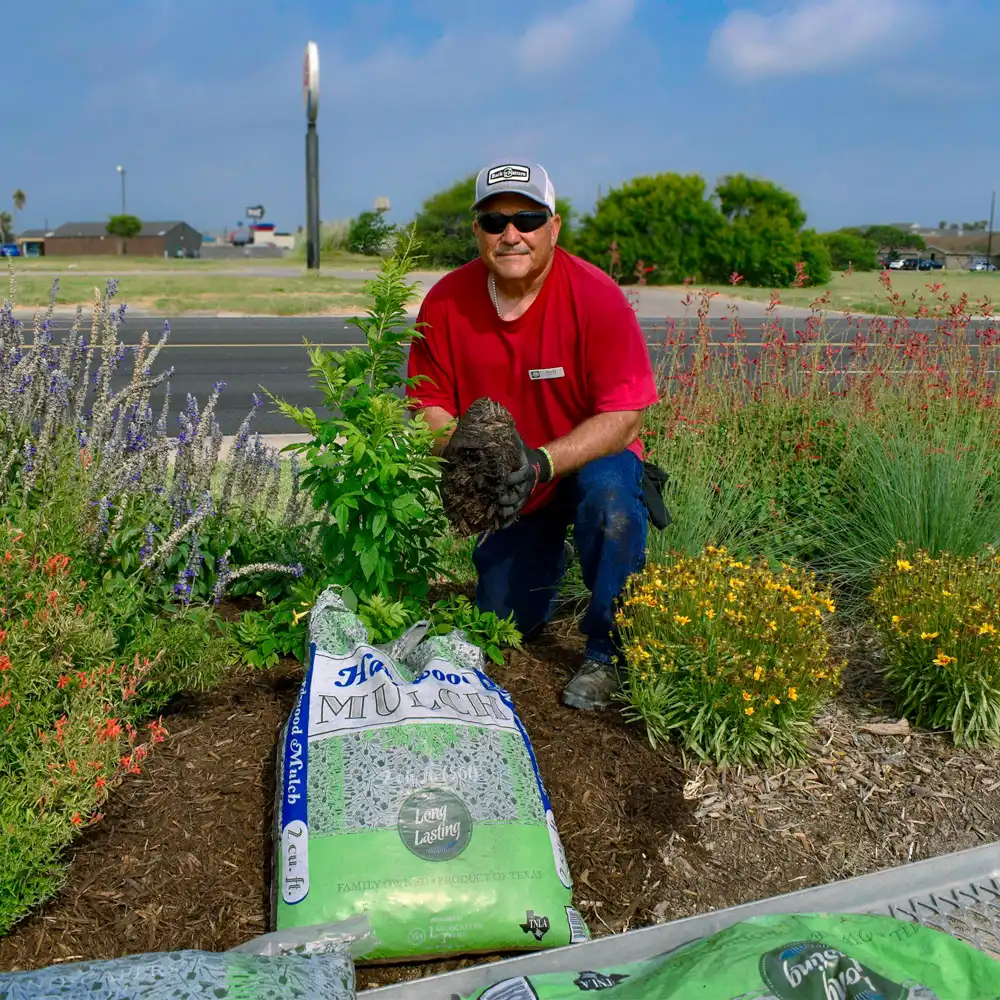
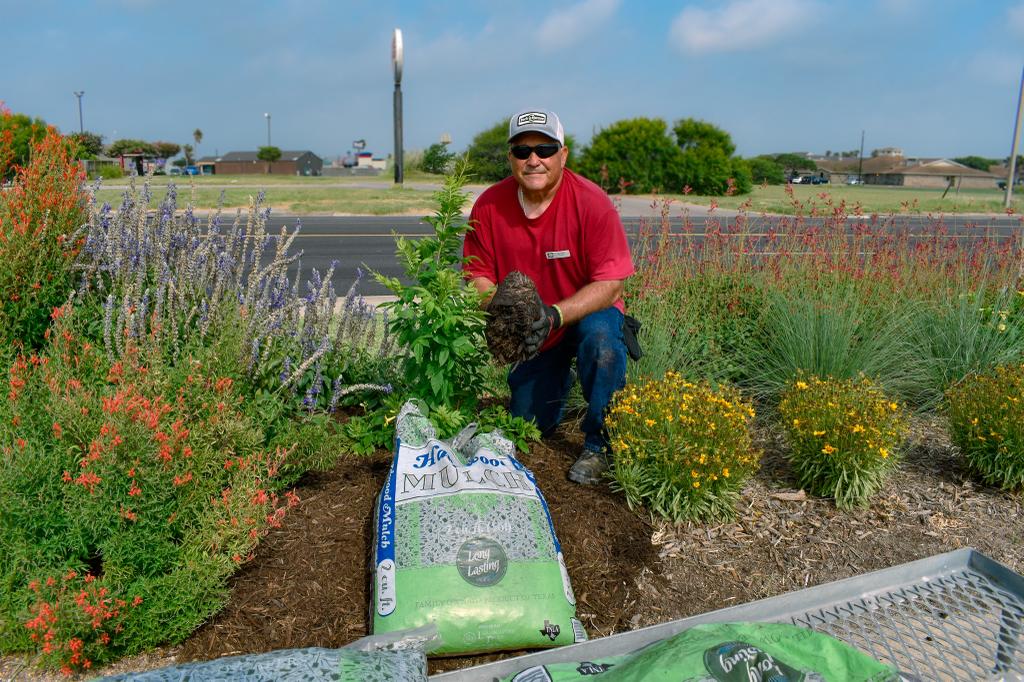
Another way to save water is to keep landscape beds and gardens mulched through the summer. Studies show that a good 3″ layer of mulch will keep your plant roots more than 20 degrees cooler! Not only that, a good mulch layer also helps retain moisture AND keeps weeds at bay. Healthy plants, less watering, and fewer weeds – that’s a win/win/win! It’s important to use natural wood or pine straw mulch that breaks down over time. As it breaks down, it adds nutrients and makes your soil more workable. Keep in mind, mulch is also a great placeholder. If you have areas that you plan to plant later, keep them mulched to keep weeds out and keep your soil healthy and ready to plant when you are.  
4. Watch for More Bugs in Summer
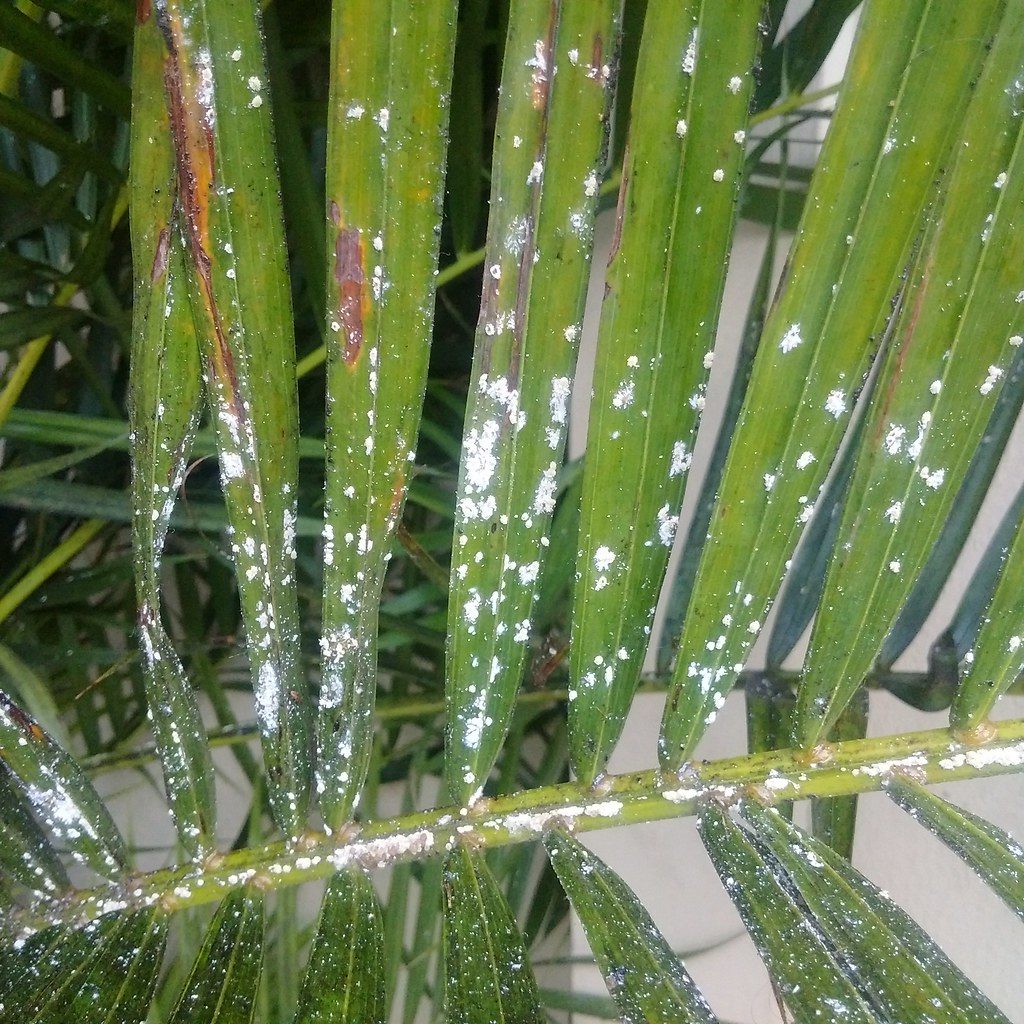
This is what a mealybug infestation looks like!
Not all bugs are bad, so it’s important to know your bugs before you spray anything, even organics. A few bugs here and there is most likely not cause for alarm. If you do get an infestation, cut the plant back first, give it some fertilizer, then treat for bugs. By pruning first, you won’t have to treat every leaf on the whole plant. We see plants come back better than ever using this method. If you’re not sure about bugs or pruning, we’re here to help. During summer, watch out for mealybugs on plants like Hibiscus and Turk’s Cap, lacebugs on Lantana, and chinch bugs in the lawn – especially near sidewalks and driveways! We’ve got solutions for all of the above.

5. Summer Vacays? Train Your Plant Sitter!

Be sure to have a trusted plant-sitter come water your plants while you’re away on summer excursions! It’s a good idea to spend a little time showing them how you water. Make them a list, draw them a map, and walk them through it. You know your plants and which ones get tired and thirsty the fastest. We might even be able to help connect you with a trusted plant sitter…

6. Collect Cool New Houseplants

Now’s a great time of year to work on your houseplant jungle. The greenhouse is restocked with all kinds of interesting houseplant choices, including lots of new Bromeliad and Philodendron varieties, like this fernleaf philodendron aka Philodendron tortum which looks like a small palm! Keep in mind that constant A/C indoors will dry out plants. Keep an eye on watering (use a moisture meter) and don’t place houseplants near an A/C vent. You might also try experimenting with a humidifier near your plants to help regulate moisture. 


Start your engines…fall planting season is here!! September is the best time to plant almost everything – veggies, trees, shrubs, natives, hummingbird plants, and more. Here are our top 7 must-do’s in September as we head into fall, our favorite South Texas gardening season!

1. Ready, Set, PLANT Veggies, Herbs, Citrus, and Fruits!

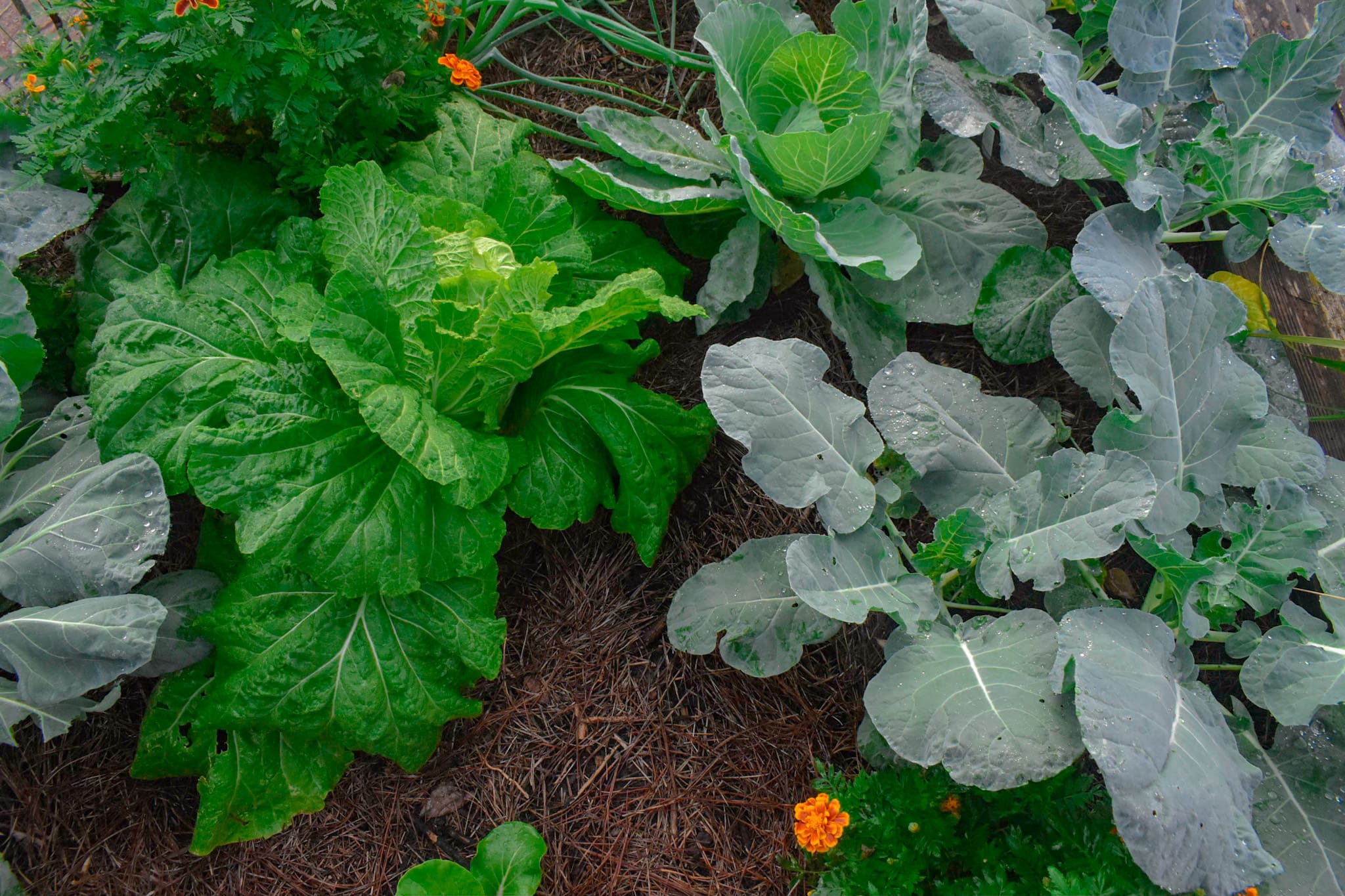
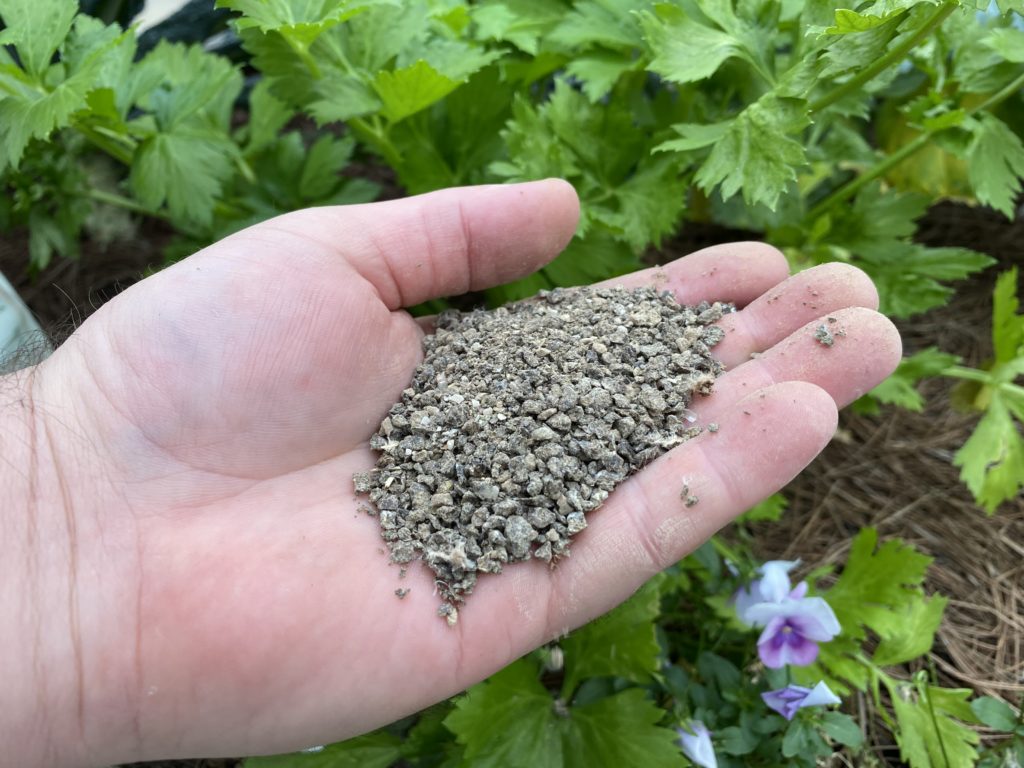
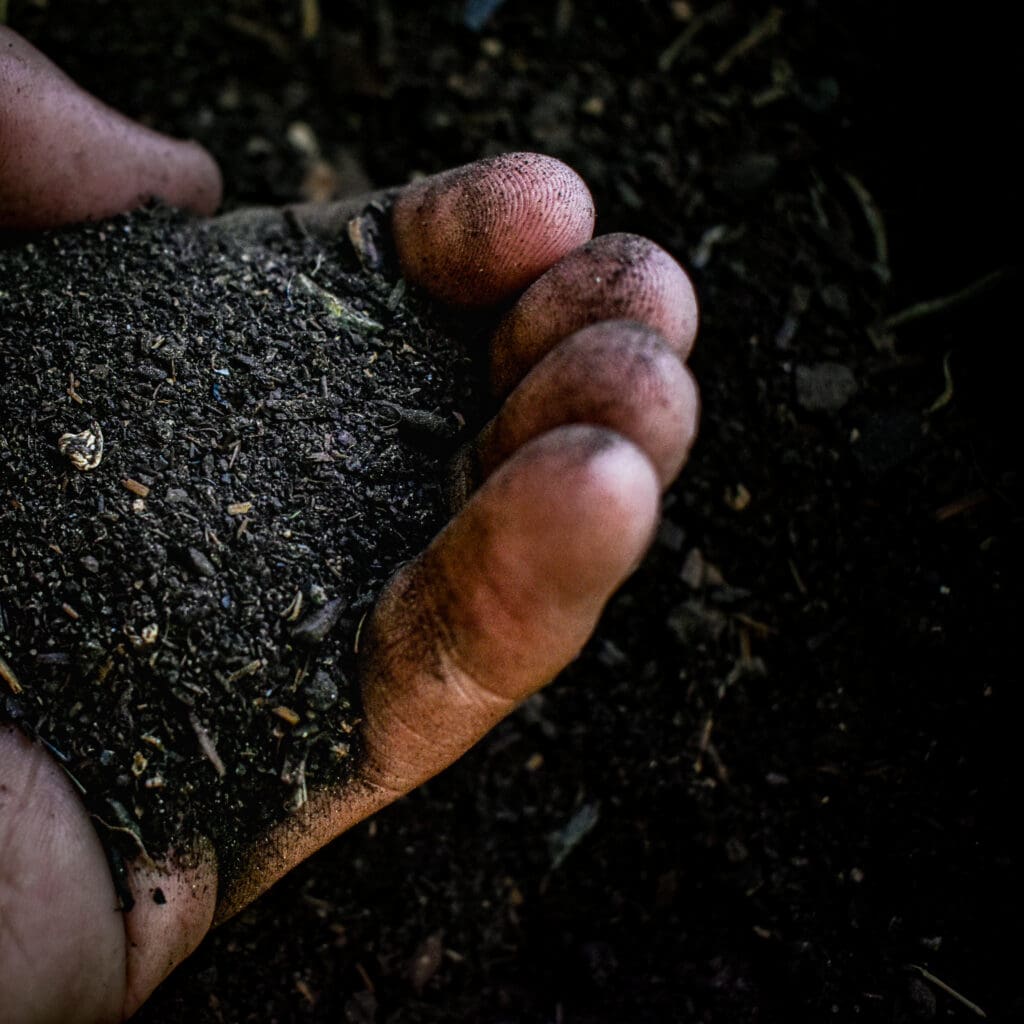
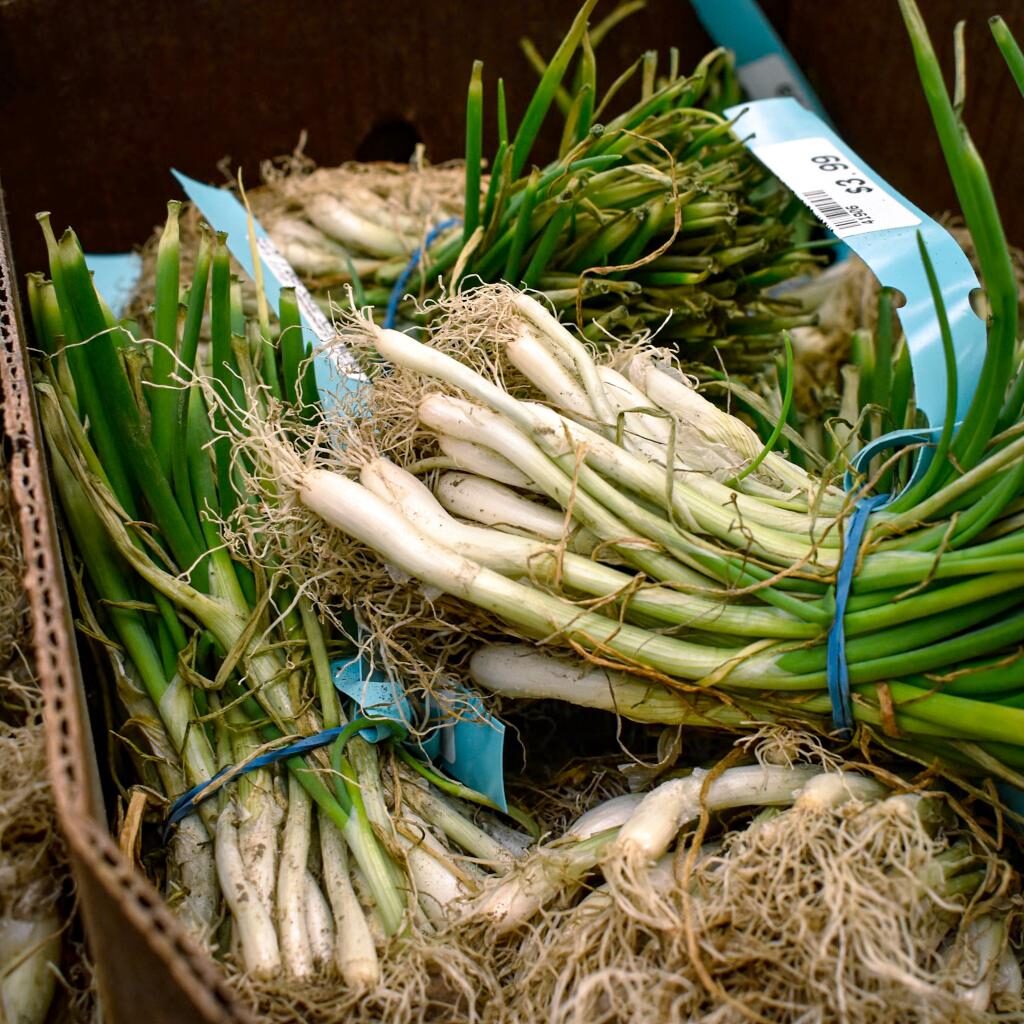
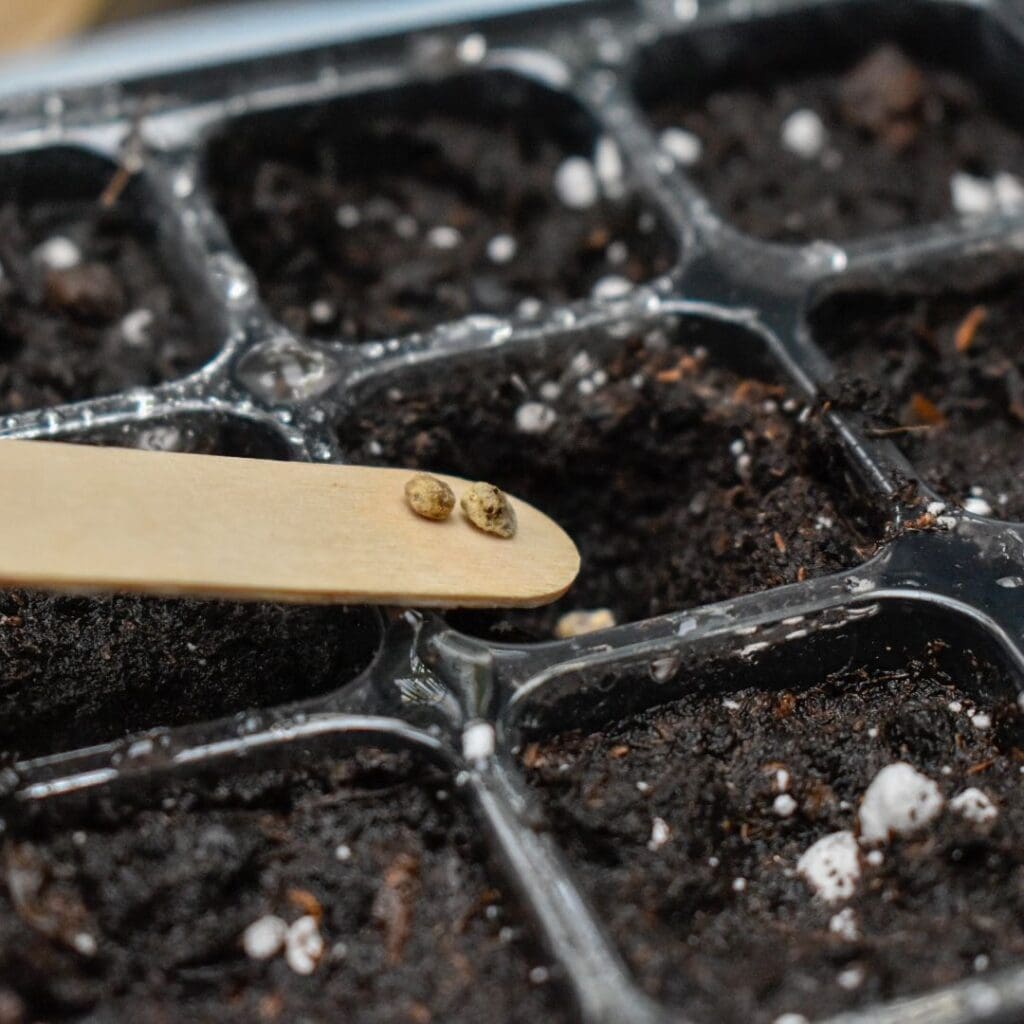
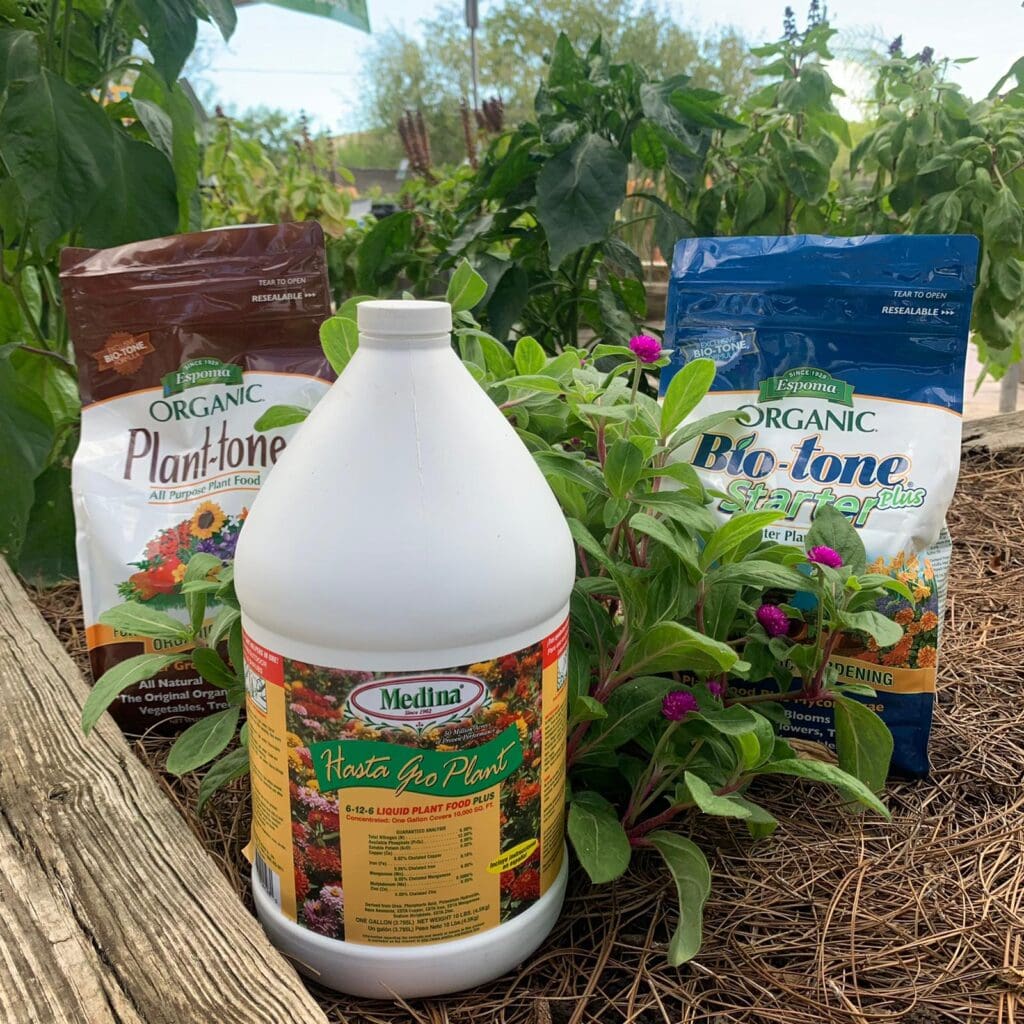
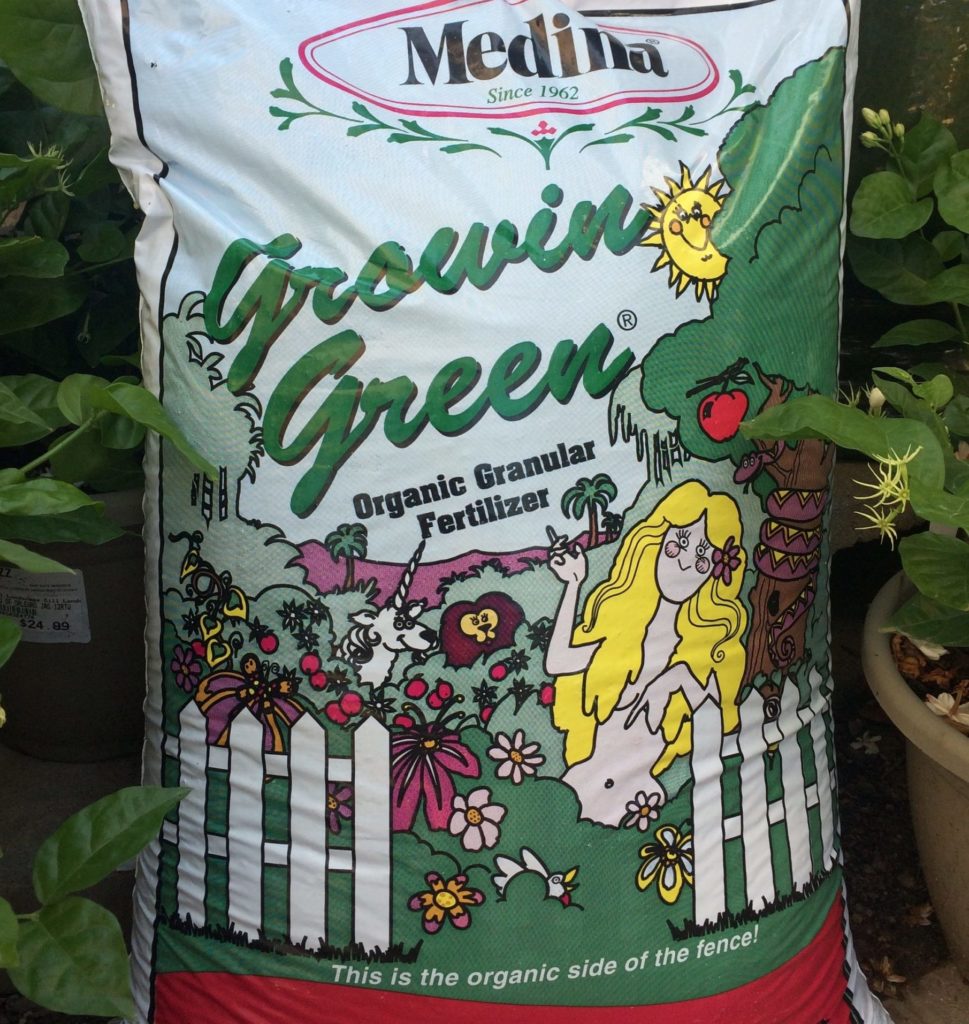
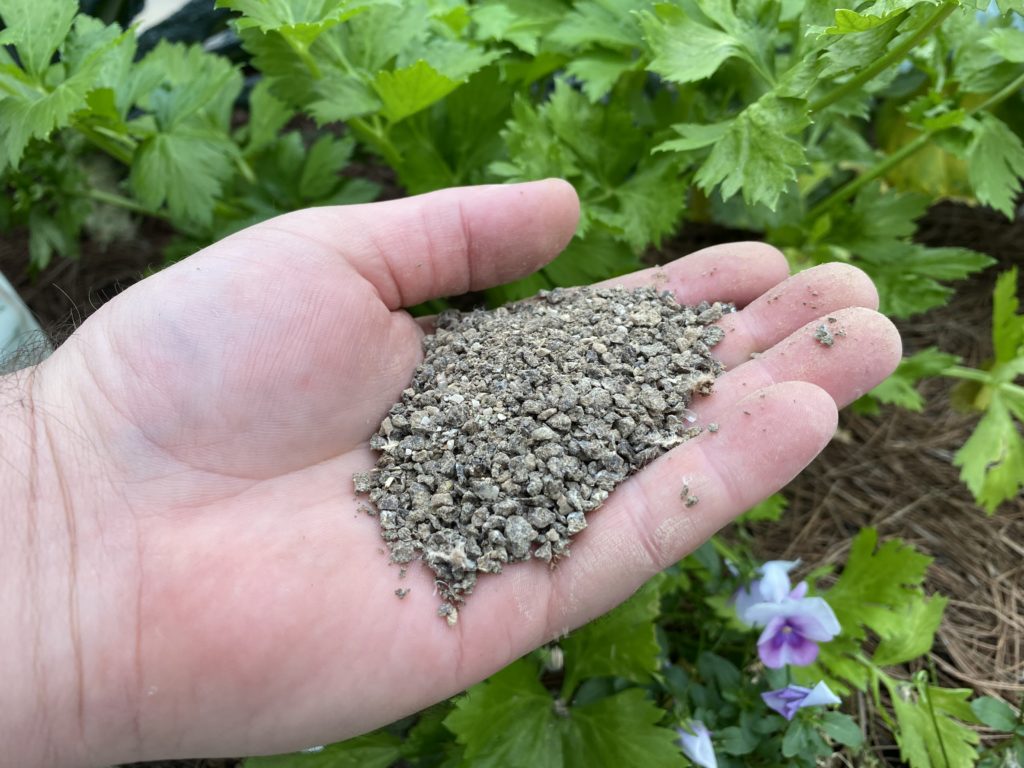
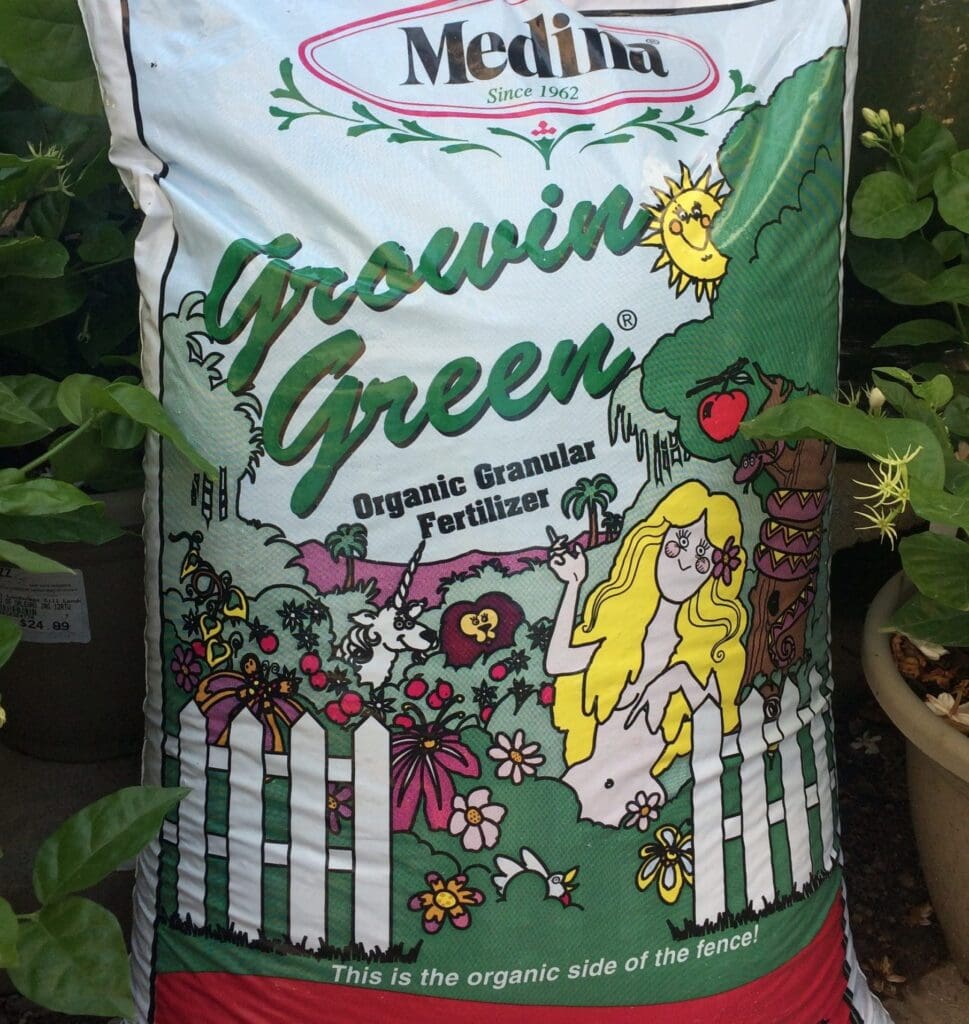
It’s time! Tomatoes, peppers, & warm weather edibles should be planted early in September at the latest. Plant cool weather veggies & herbs anytime in September and remember to shelter them from still-intense sun and keep watered. When planting, you can’t go wrong with organic BioTone starter fertilizer + a good handful of Earthworm Castings. Neither of these require precise measurement, and they make an incredible combo for building stronger, deeper roots, preventing pests, and creating an active soil environment for plants to thrive.

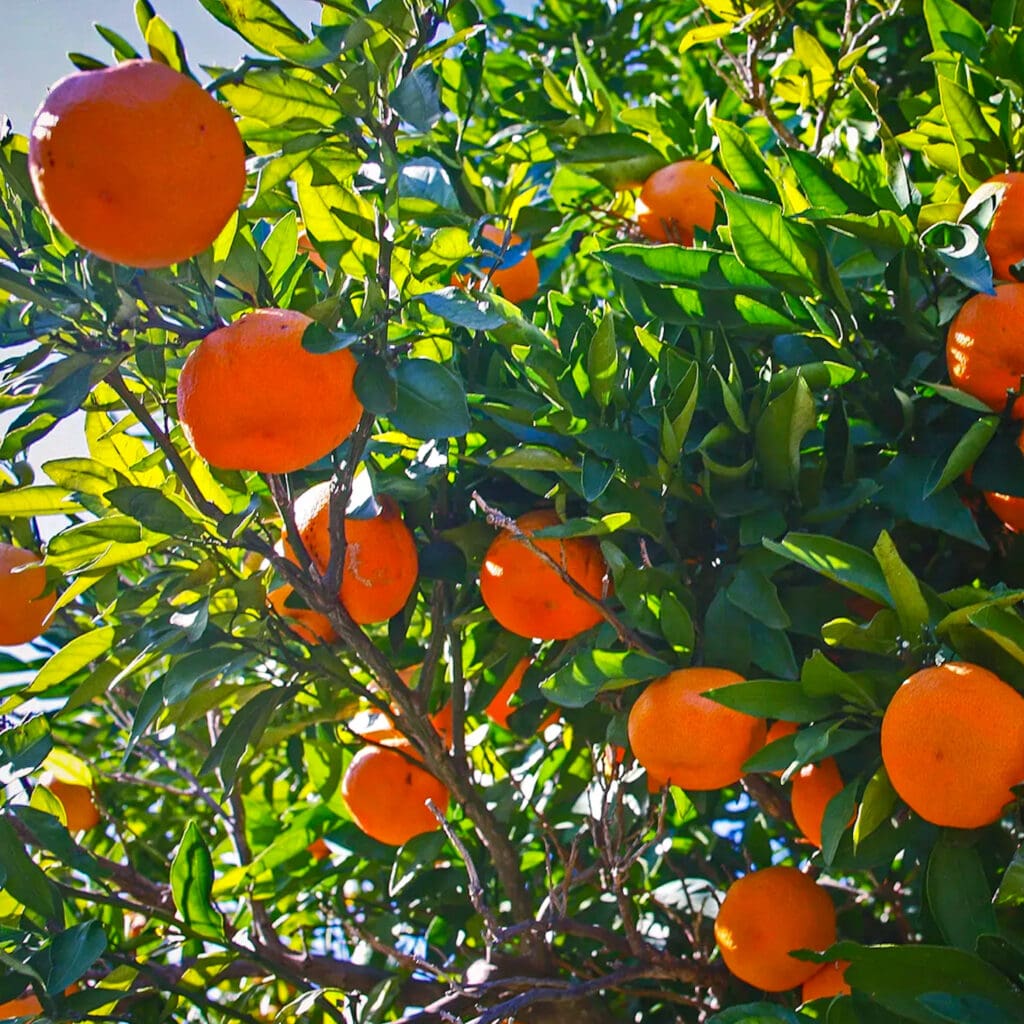
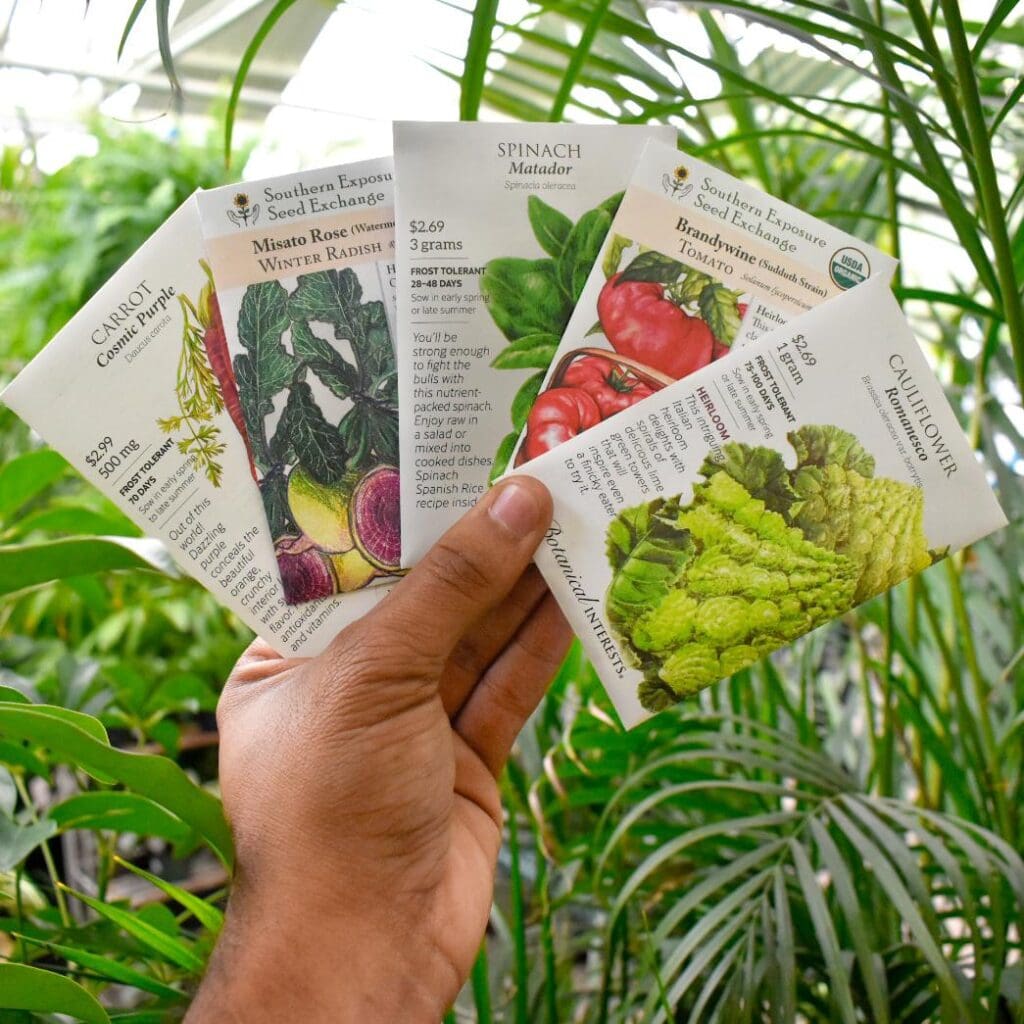
Here’s our Fall veggie planting schedule. And save space for citrus trees, figs, and other fruit trees to round off your garden grocery store! They’ll all be arriving before or right around mid-September. 

2. Make Way for New Growth with Light Pruning and Clean-up

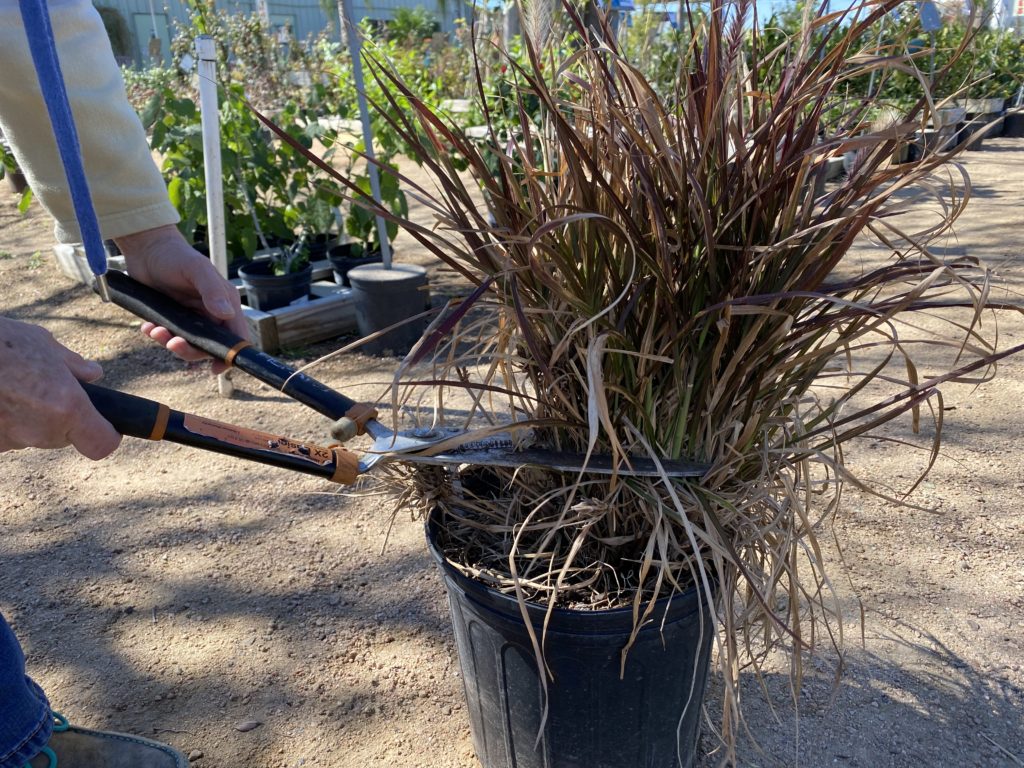
Chances are you have established plants that could benefit from a clean-up after working so hard all summer. Wait until about September 15th and give them a light pruning to make way for new growth this fall. A good rule of thumb for most plants is to prune up to 1/3 (not more) in the fall, then wait until January to do a heavy pruning/cutback. If you have questions about how to prune specific plants, you know who to call! 

3. Plant Trees and Shrubs for the BEST Start

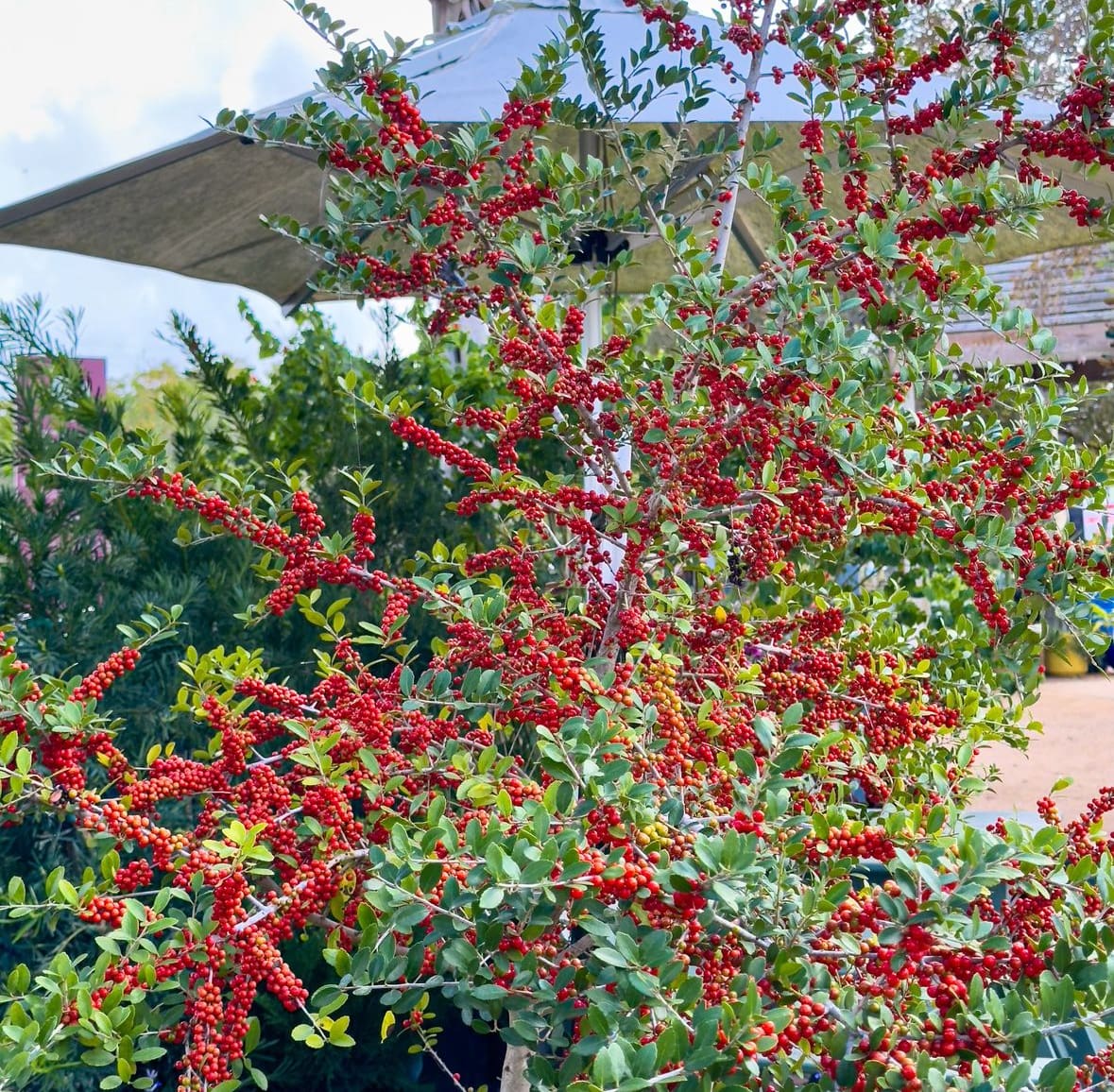
Plants that are cold hardy (trees and woody shrubs) will benefit greatly by planting during our fall season. They’re under less heat stress, and they grow more roots through the fall and winter, making them stronger and ready to take off next spring. More roots, stronger plants, and less watering! Oak trees, Crape Myrtles, Hawthorns, Yaupon Holly, Plumbago, Boxwoods and a host of other trees and shrubs should be planted starting this month for the best possible start.

4. Plant to Support Pollinators!

We’re bringing in lots of new plants this month with our pollinator friends in mind! While you’re choosing what to plant, consider adding Texas Natives like Turk’s Cap and Lantana that birds and bees love. If you want to attract and support butterflies, try native butterfly weed (Asclepias tuberosa), Gregg’s mist flower, and lots of different blooming salvias. So many gorgeous options! Bring in some pictures of your outdoor space and we can help you plan the perfect pollinator garden – big or small. You can DIY or we can plant it for you!

5. YES You Can Hand-Water and Use Drip Irrigation Systems!

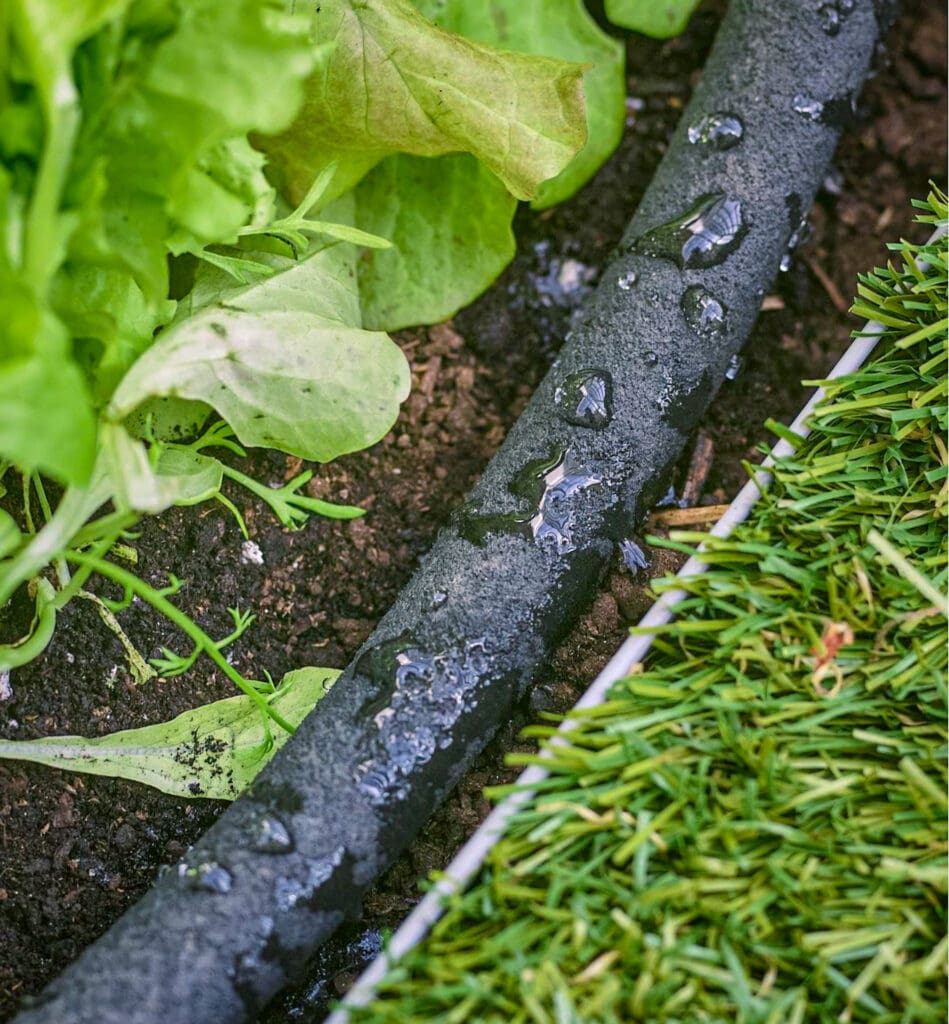
Keep in mind that you can hand water all landscape plants, gardens, and trees on any day under current city watering rules. The good news is, hand watering is the best way to water as long as you’re doing it effectively. That means making sure you water at ground level, not over the top of your plants. This gets more water down to the roots, prevents water loss due to evaporation, and prevents fungal issues that can arise from too much moisture on leaves and stems. When hand watering, be sure you’re giving your plant roots a deep soaking. Water once, give it some time to soak in, then water again. Keep in mind, under current rules, you can also use drip irrigation systems for landscaped beds every other week on your watering day. The same principal applies – deep soaking!

6. Set the Table for the Fall Hummingbird Migration!

Ruby-throated hummingbirds will soon make their way through for the fall migration! These tiny birds are BIG eaters. They stop here in the Coastal Bend to fuel up before their non-stop flight across the Gulf of Mexico. Host them in your yard by planting some of their favorite foods! Hummingbirds find plants using their excellent vision and are attracted to bright colored blooms, which indicate a high-sugar food source. Some of our favs for South Texas are Flame Acanthus (aka hummingbird bush), Salvias (like native Salvia greggii and Salvia leucantha), Cape Honeysuckle, Firebush, Firecracker plant, Coral bean – the list goes on! Plant a few of these and hummingbirds will find them. And don’t forget to visit the Rockport-Fulton HummerBird Celebration September 18-21!

7. You’re Invited! Fall Garden Talks and Events at Gill’s!

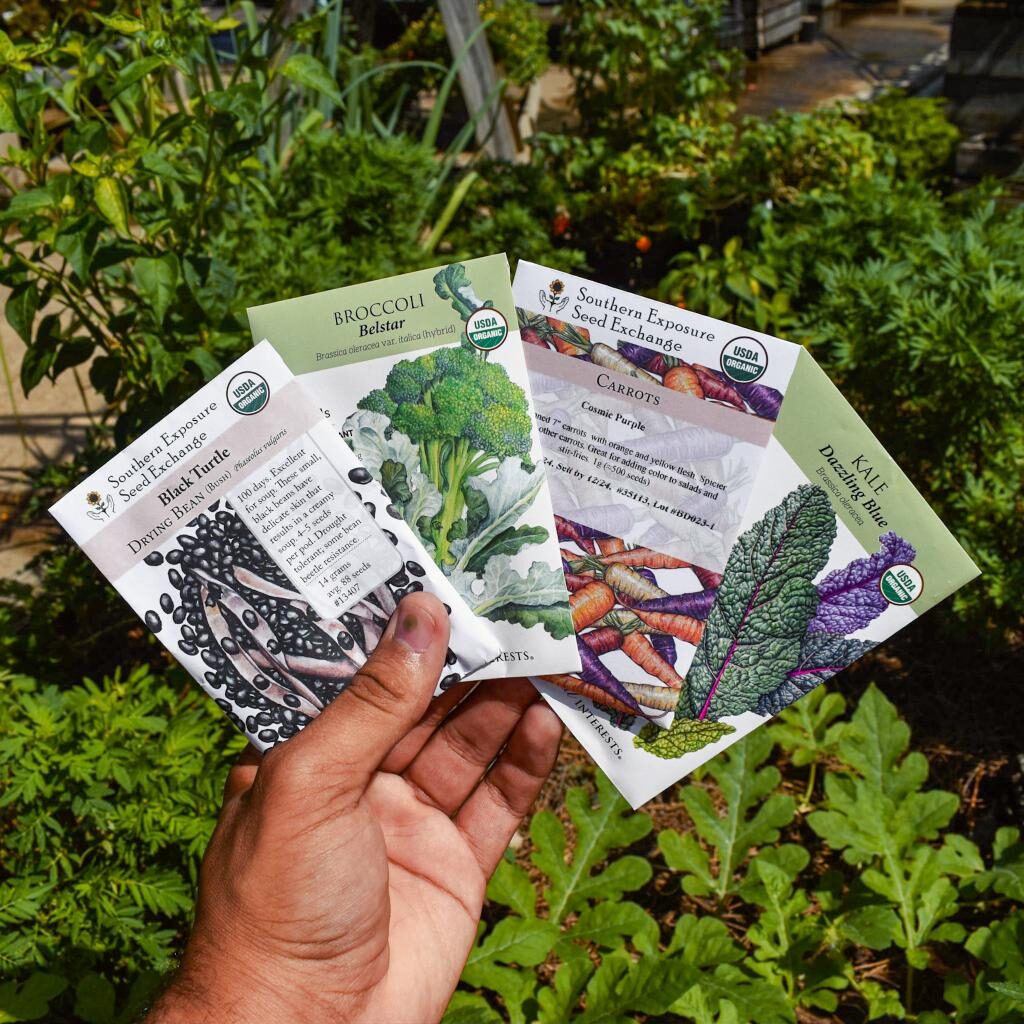
Gill Garden Talks and Events are back this Fall! We’re kicking it off with DeAnna and Wyatt’s Fall Veggie Gardening Talk on Saturday, September 13th!  Based on your suggestions, we decided to do 2 veggie talks this year. Part 1 will focus on early fall veggies like tomatoes, peppers, and squash, and part 2 will focus on cooler season crops like broccoli, greens, and cabbage. Stay tuned on our events page and on Instagram and Facebook for details of each event. We can’t wait!