Garden Center Hours: Mon-Sat 9am - 5:30pm • Sun 10am - 5:30pm

Fall is OUR ABSOLUTE BEST TIME for planting veggies, trees, flowers, and just about everything else! We’ve got lots of fun events planned at Gill’s this month, plus everything you need to bring the fall magic to your outdoors. Here are our top must-do’s this October to set your garden and landscape up for success for seasons to come.

1. Join Us for October Events – Including Fall Plant Fest This Saturday!

We are so excited about our fall event lineup! Join us this Saturday, October 4th from 10am-2pm for our first ever Fall Plant Fest. We’ll have our friends Mimi’s Mini Farm with their farm animal petting zoo, pumpkin painting for kids, balloon animals, fall photo ops, tons of fall plant specials, lovely fall-themed drinks from The Brewery Coffee Cart, and the Smokeville Turkey Legs food truck will be here too! Check out our full event schedule for the rest of October and beyond. 

2. Plant & Feed Your Fall Veggies

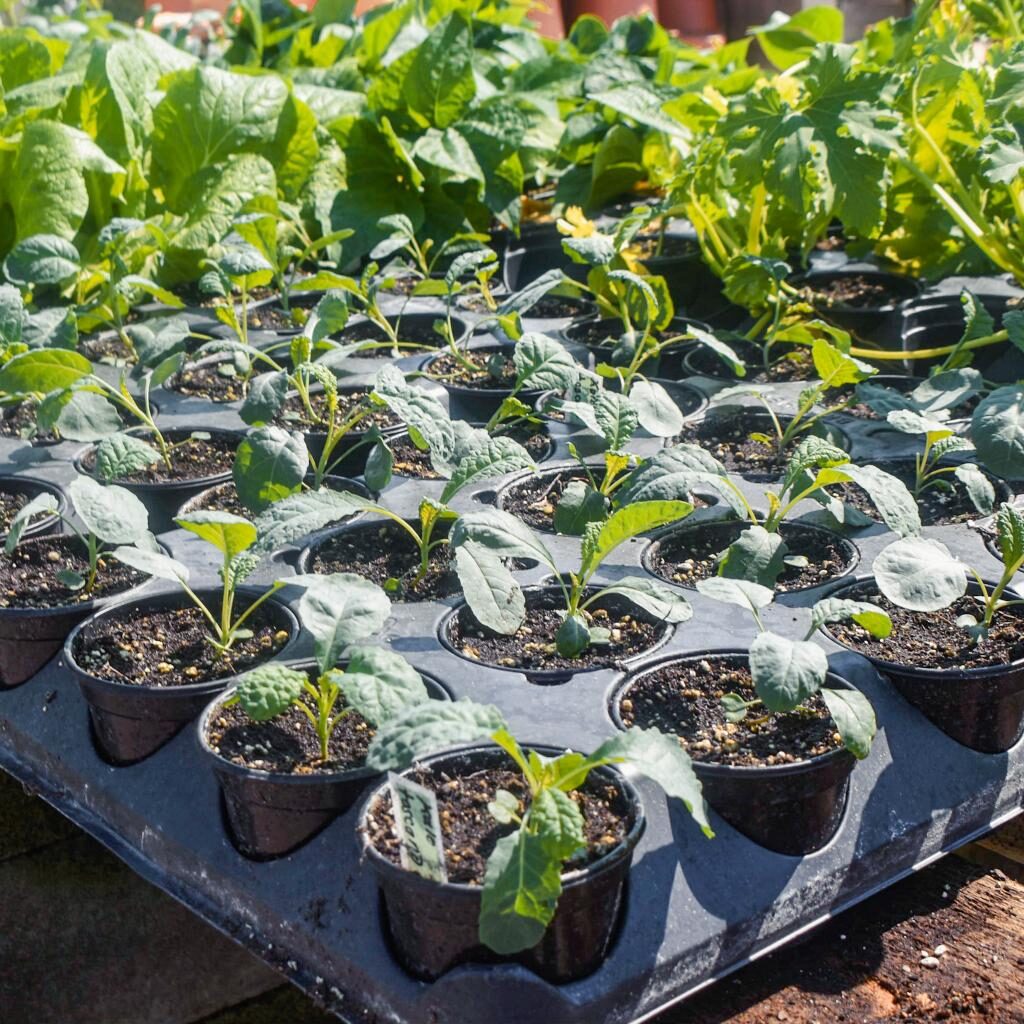
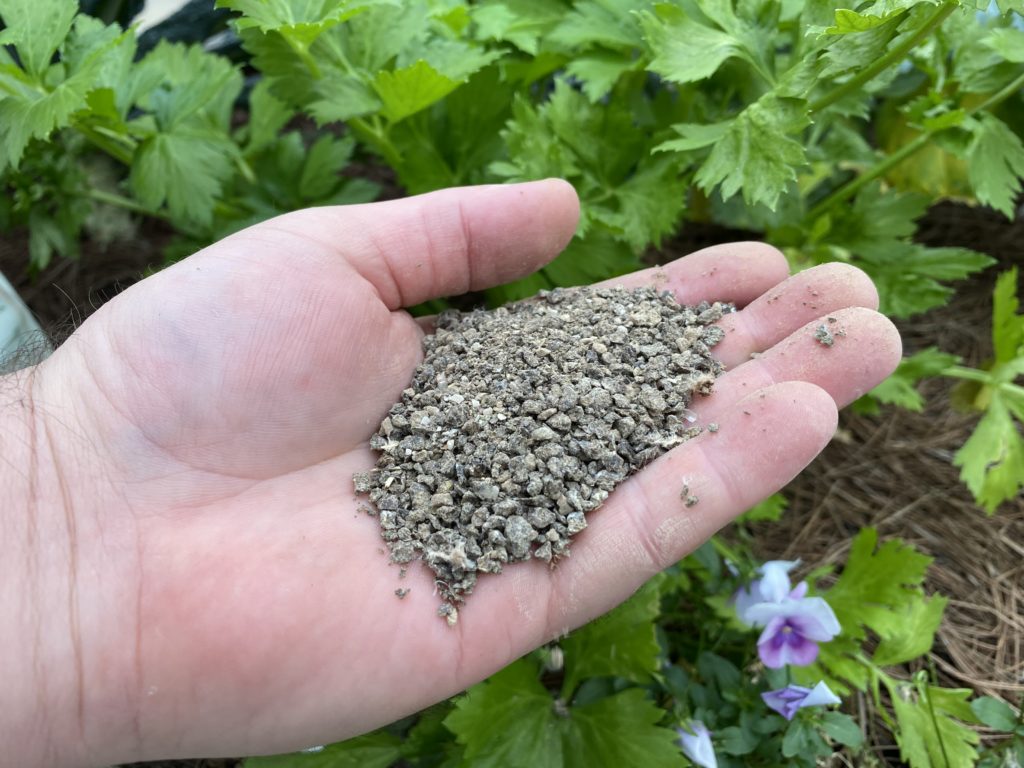
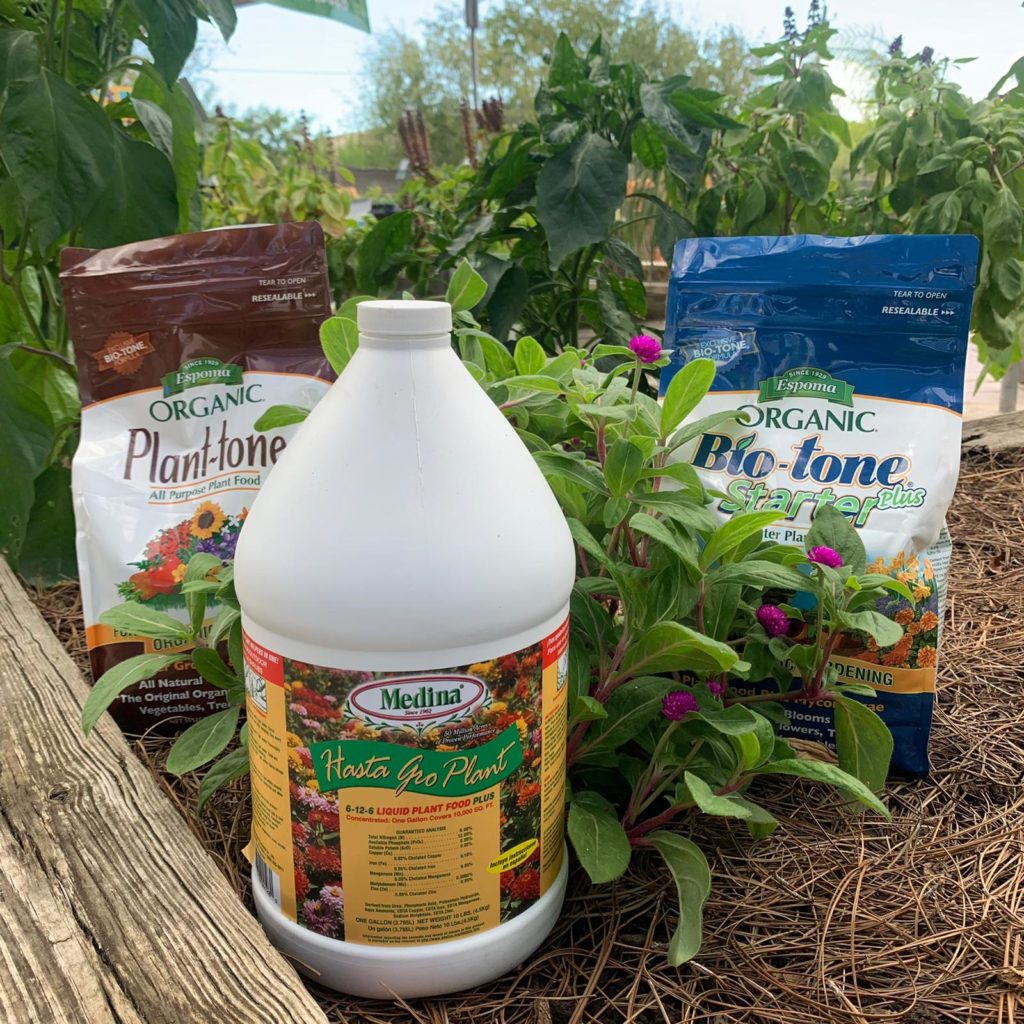
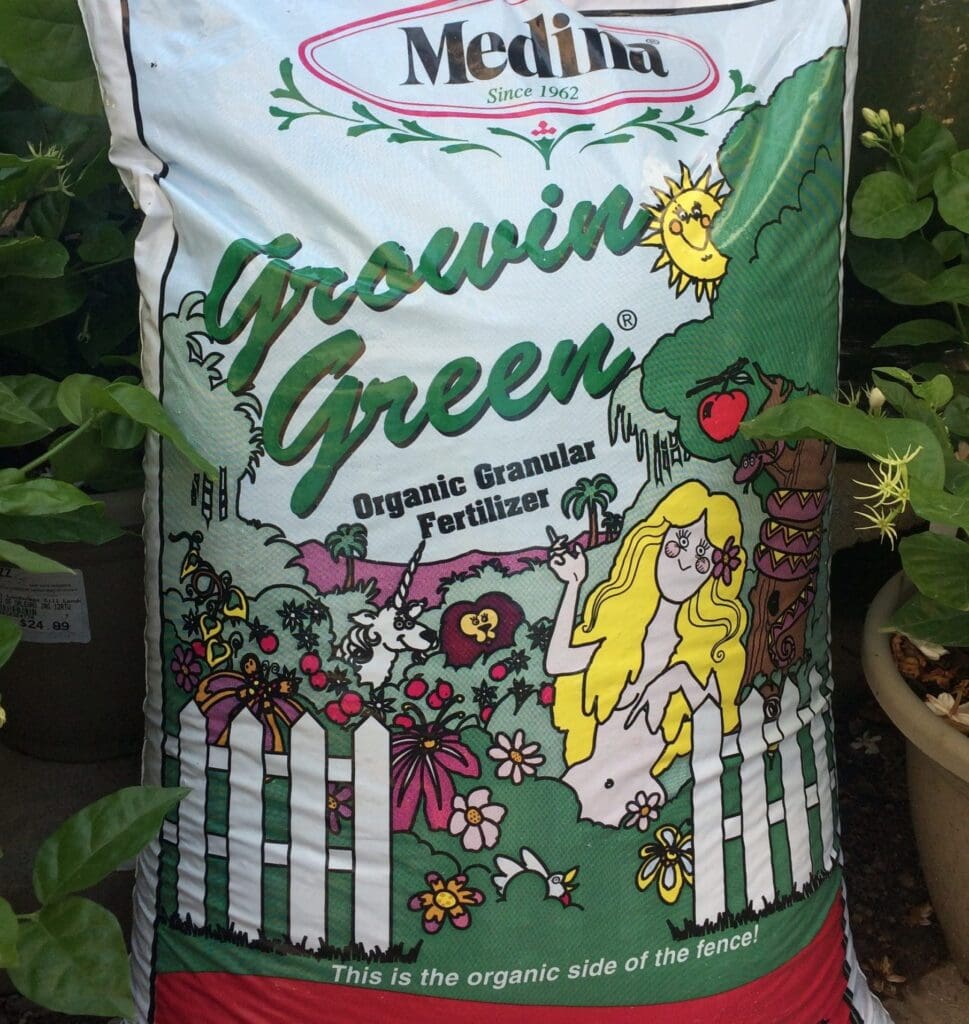
Some of the best… Broccoli, Cauliflower, Lettuces, Cabbage, Carrots, Beets, Radishes, Cilantro, Arugula, Thyme, Chives, Sage, and the list goes on! October is our window for planting! Remember – veggies are heavy feeders, so it’s important to keep fertilizing throughout the season. We recommend using BioTone Starter when you plant, followed by a good organic granular like Medina Growin Green or Plant Tone on the 1st of each month, then supplement with liquid Hasta Gro on the 15th of each month. Set these reminders on your phone/calendar and you’ll have BIG harvests with plenty to cook and share. 

Watch:  Coastal Bend Veggie Gardening Guide

3. Plant Trees Now for the Best Start – Citrus Too!

Successful tree planting is all about growing roots. Trees planted in fall grow more next spring & summer because they spend time all fall and winter working on their root system. Having a well-established root system also helps prepare them for hot temps next summer. Live Oak, Burr Oak, Magnolia, Anacua, Cedar Elm, & Wild Olive are some of our South Texas fav’s and we’ve been getting some gorgeous specimens, big and small. And don’t forget about citrus trees! We have a nice fall crop of lemons, different lime varieties, mandarins, and more. 

Read: The Advantages of Fall Planting

4. Plant Fall Flowers Galore

Take advantage of the weather while the days are still long. It’s the perfect time to start cool weather Marigolds, Alyssum, Snapdragons, Violas, Petunias, Supertunias, Calendula, Begonias, Stocks – the flowers and colors that say, “FALL!”. Warm days help flowers develop roots so they can look their best during the cooler months ahead. Since we don’t experience dramatic changing of the seasons here in South Texas, we create that fall feeling with gorgeous fall colors!

5. Prevent Weeds + Fertilize Your Lawn 

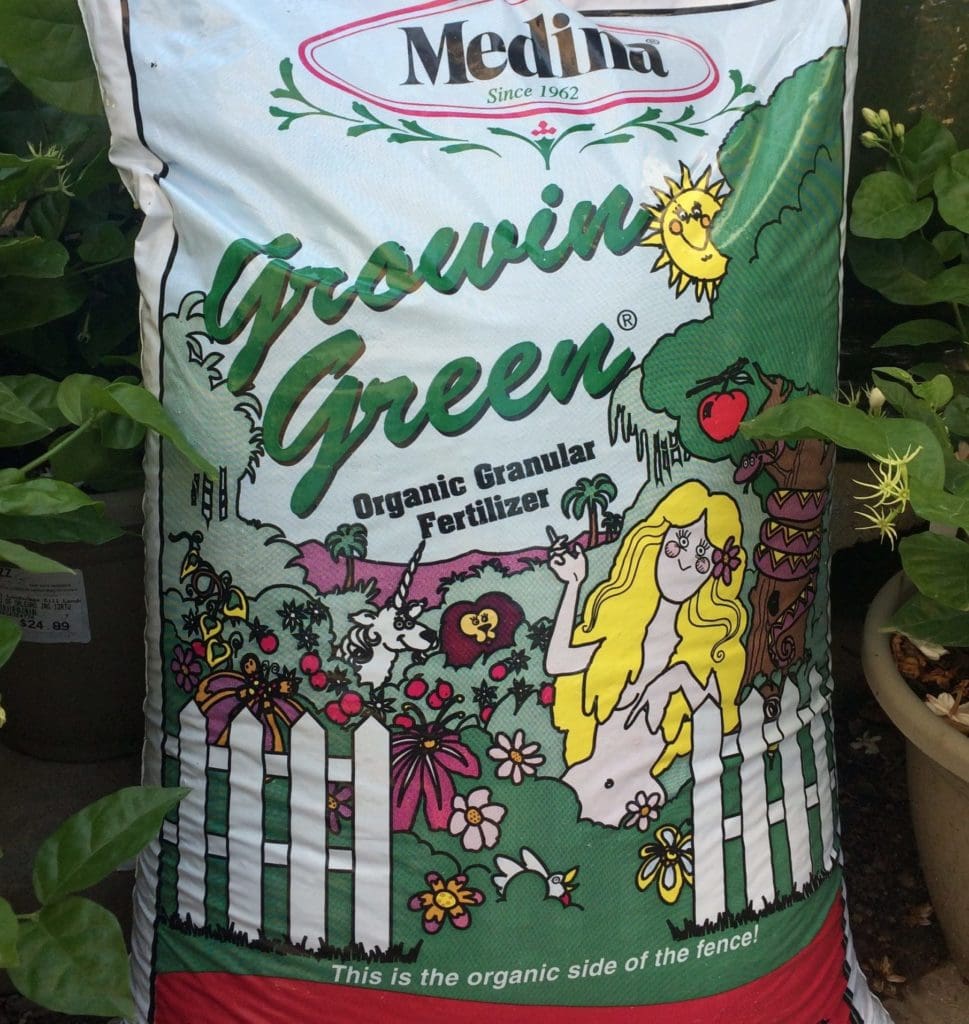
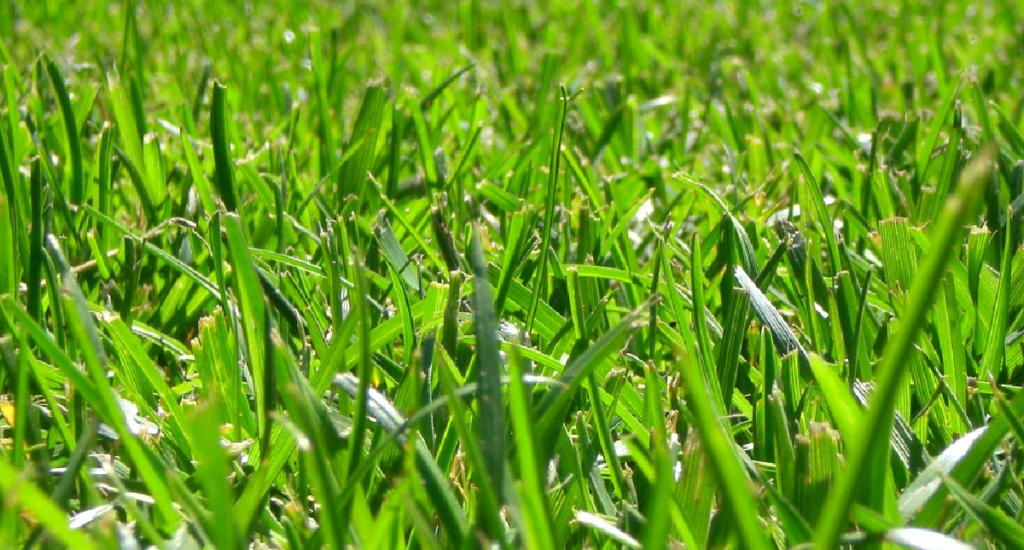
Fertilizing lawns this month is essential for developing strong roots and healthy growth next spring and summer. We emphatically recommend organic Medina Growin Green! Amazing stuff! A 40lb bag covers 3000 sq ft of lawn, and for a small fee, we can rent you a spreader which makes it very easy to apply. Not only does Medina Growin Green work wonders on lawns, you can use it in all areas of your landscape, including your veggie garden. If you want to prevent lawn weeds, now’s the time to apply preemergent Weed Beater Complete or Hi-Yield Turf & Ornamental Weed & Grass Stopper. Remember this:  treat for weeds, wait 2-3 weeks, then fertilize. Do not use “weed & feed” products! 

Read: Fall Lawn Care

6. Plant for Hummingbirds and Migratory Birds

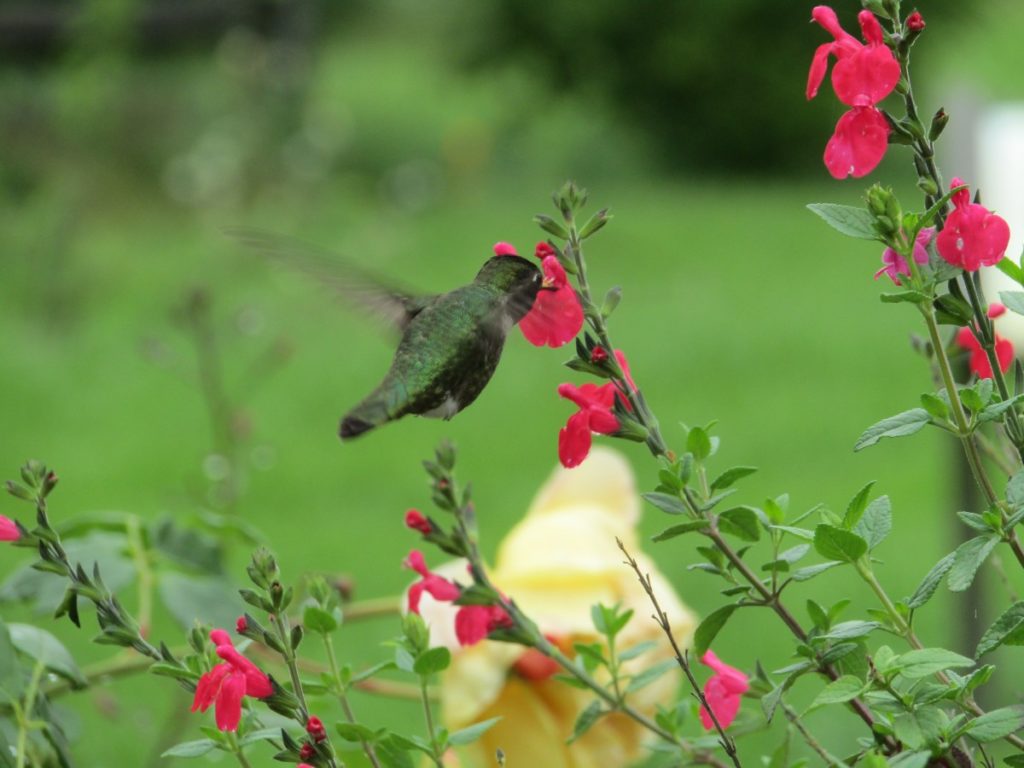
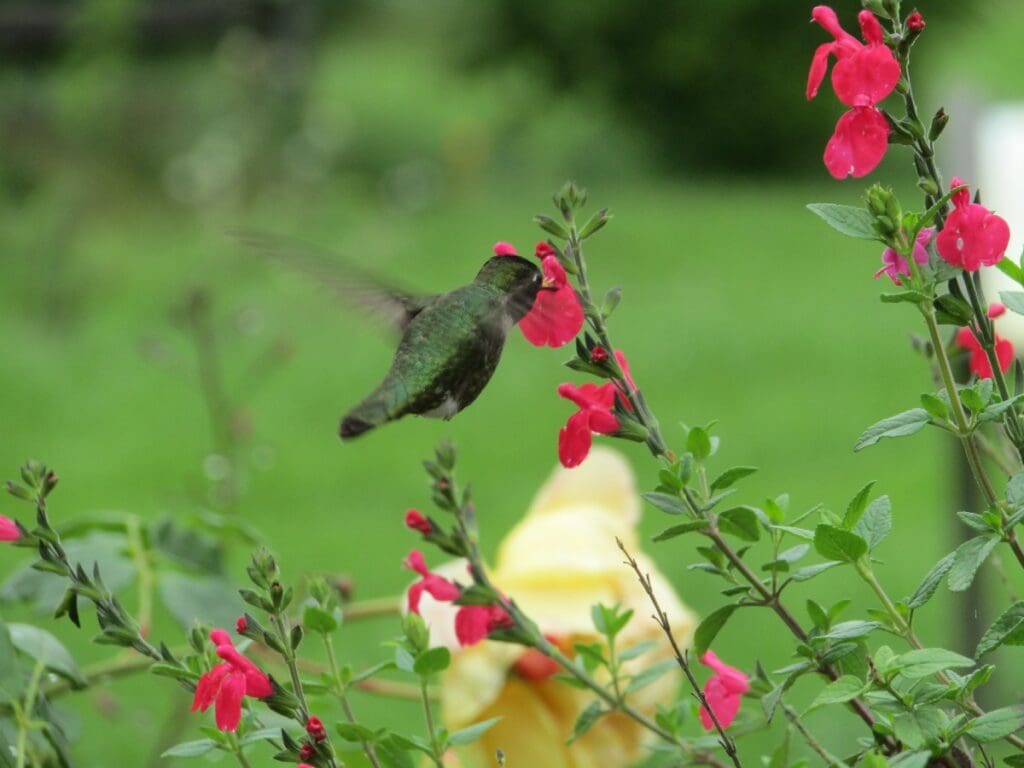
Right now is a great time to plant all kinds of blooming plants that hummingbirds and other migratory birds need. Some of our favs for South Texas are native Flame Acanthus (aka hummingbird bush), Salvias (like native Salvia greggii and Salvia leucantha), Cape Honeysuckle, native Turk’s Cap, native Beautyberry, Loquat, Firecracker plant, Coral bean – the list goes on and on. We have been covered in hummingbirds here at Gill’s!

7. Mulch Beds for Moisture Retention & Other Key Benefits

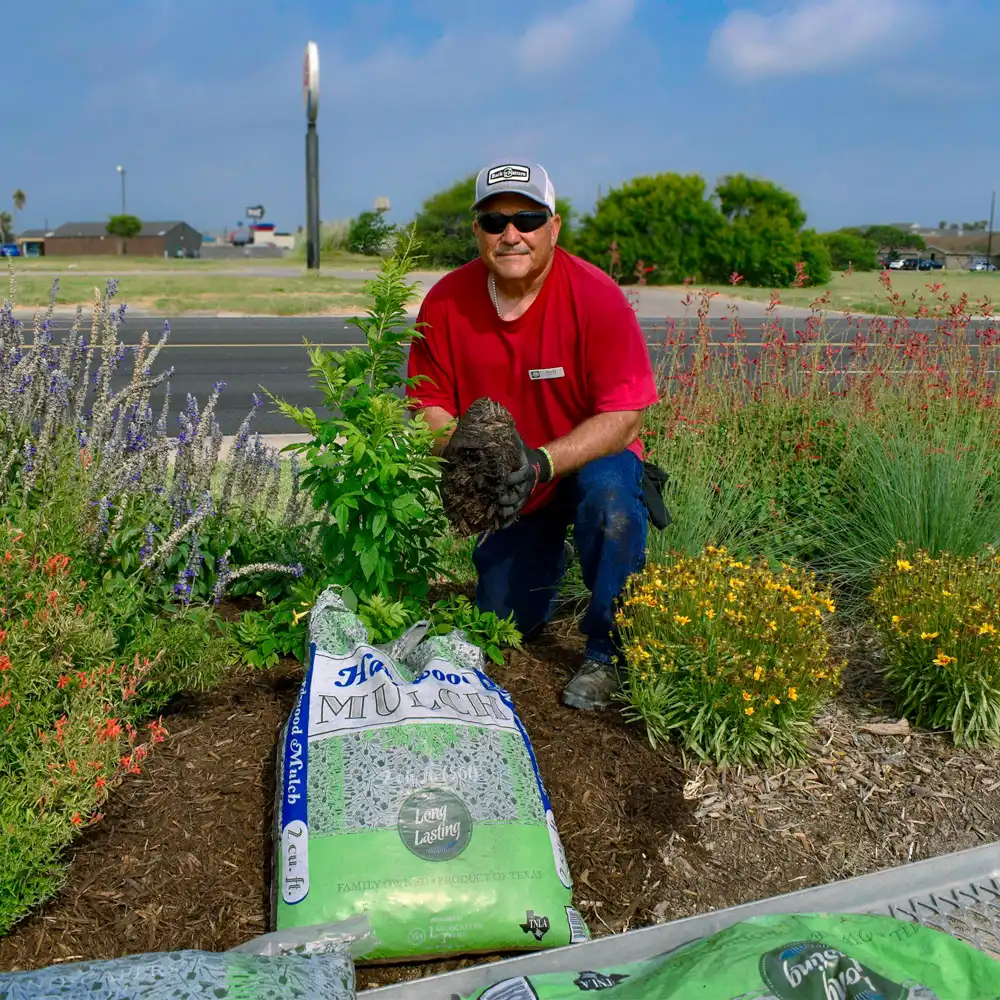
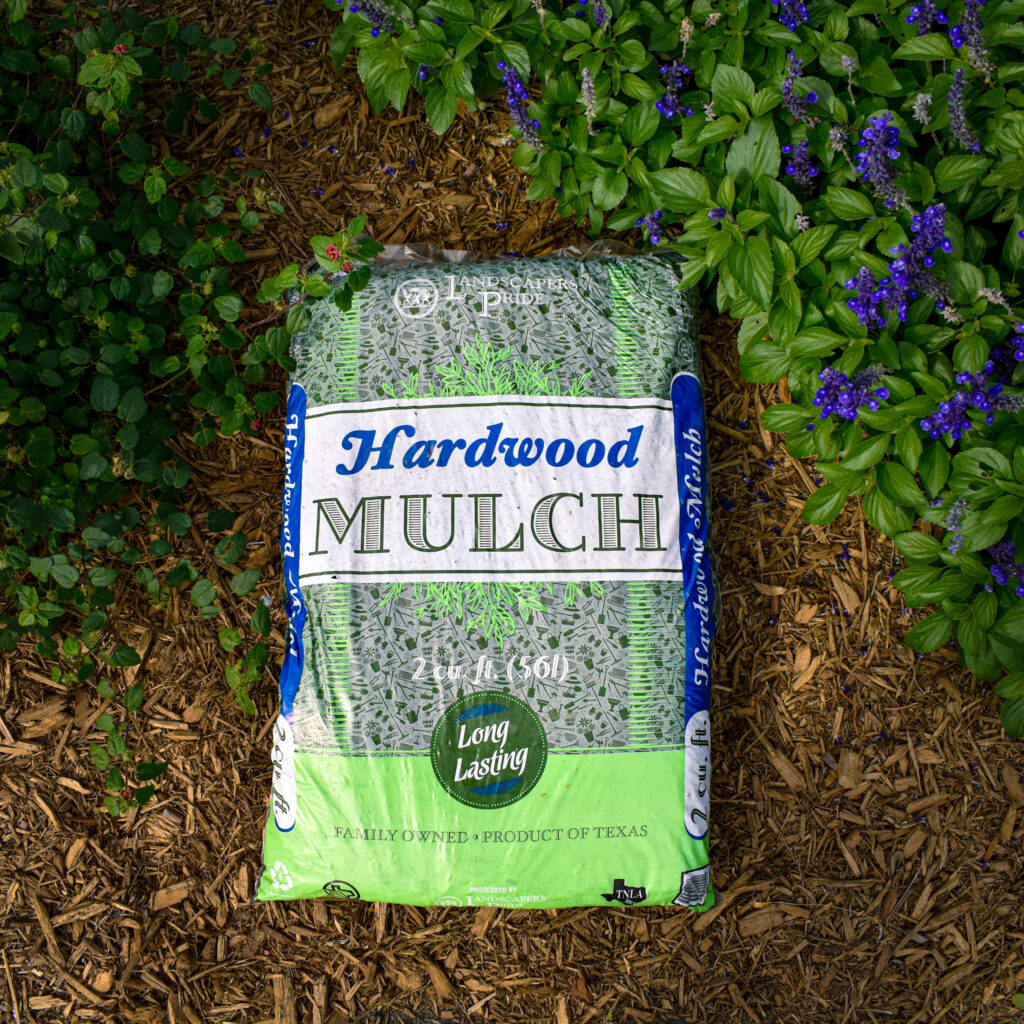
Proper mulching using natural Hardwood, Pine Straw, or our new natural GardenStraw mulch has big benefits throughout the landscape, including in veggie gardens. A good 3” deep layer of mulch will keep your plants and the soil moist for longer after you water or after it rains. When mulching, give the main trunks or stems of your plants a little space – mulch 3” deep throughout the bed, but no more than 1” deep right up against the main trunks/stems of plants. Using mulch in veggie beds also helps keep wet soil from splashing up onto your plants when you water, which prevents common fungal diseases. Not to mention…a good mulch layer will help keep weed seeds from sprouting. 

Now it’s finally starting to feel like Fall! November in South Texas…one of our most beautiful months! Now’s the time for fall flowers and planting trees. And there’s still time for veggies, too. Good timing this month will keep us looking good through the fall and winter and set us up for showtime next spring. Here are our top must-do’s this November.

1. Fill Pots and Beds with Fall Flowers

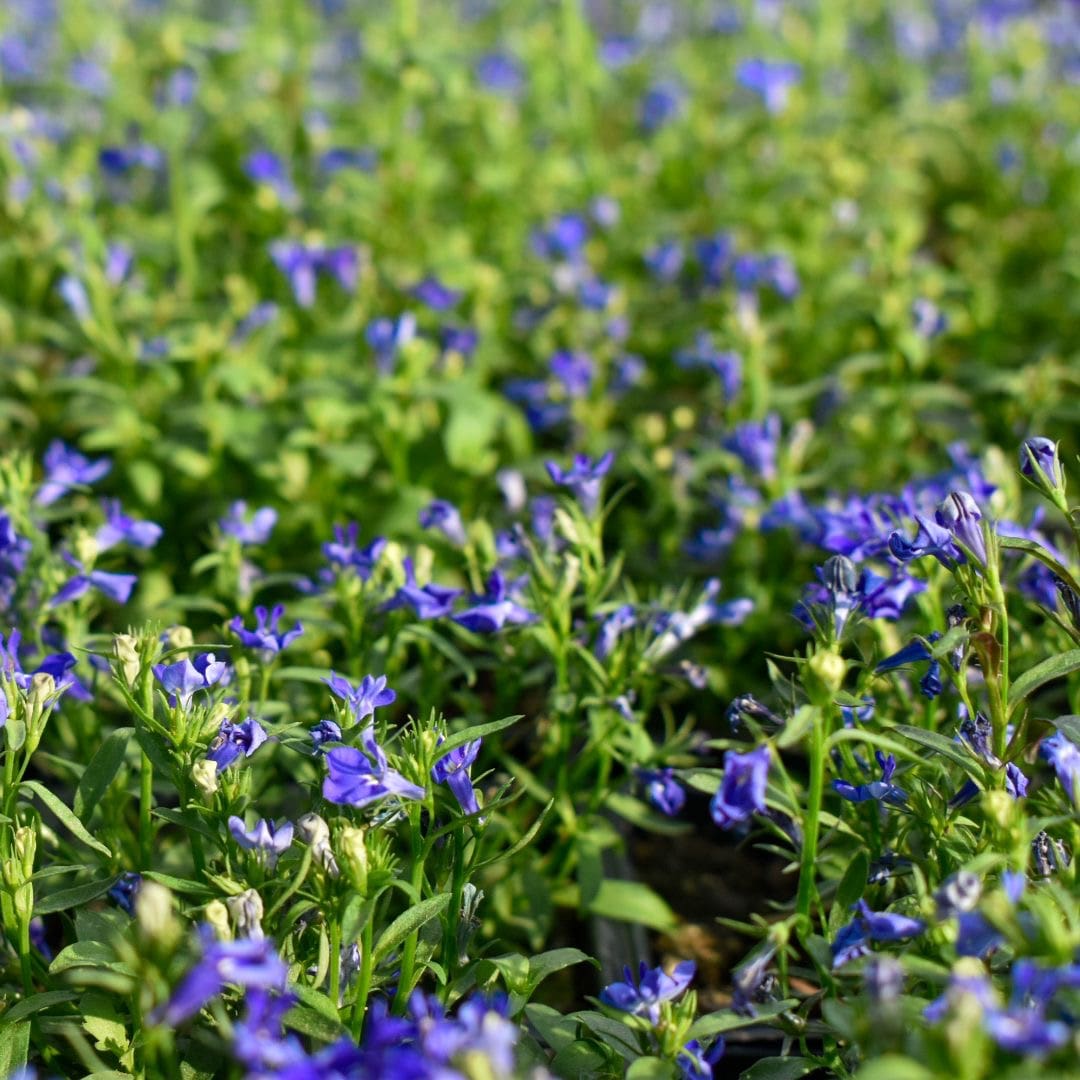
Here’s our list of Fall/Winter flowers – tons of choices for outdoor color to redo pots & inground plantings. Flowers take a little time to grow and bloom. Plant early this month so they can be WOW for the holidays! Many of these fall flowers, like Snapdragons, Lobelia, Violas (our longer-lasting alternative to Pansies), and Geraniums will look great through the winter and look their very best next spring. Good reason to plant now! Once they’re all planted, give them a good meal of granular organic Plant Tone, Rose Glo, or Medina Growin Green. To keep them growing and blooming through the fall and winter, they’ll need regular feedings about once a month. For an extra boost, follow up with liquid Hasta Gro every 2 weeks in between your monthly feedings.

2. Plant Trees and Shrubs Now for Better Growth Next Spring

Now is the very best time to plant cold-hardy shrubs and trees! They focus energy this fall and winter on building a good root system, which allows them to explode with growth next spring, and prepares them to withstand hot weather next summer. Other benefits to planting now – easier digging and not as much watering as during warmer seasons! Always fertilize when you plant shrubs and trees and follow our watering instructions.

3. Still Time to Plant Veggies and Holiday Herbs!

We’re still bringing in lots of fresh cool-season crops like broccoli, kale, lettuce mixes, Swiss chard, spinach, cauliflower, beets, onions, and more! Plus all the herbs like rosemary, thyme, cilantro, sage, and dill that you need for holiday cooking. Three big tips for fall/winter veggies and herbs: 1) Mulch well to help protect tender young plants 2) Water well, but not too much 3) Keep feeding! Organic Plant Tone or Medina Growin Green once a month, followed by liquid Hasta Gro every 2 weeks for a bountiful harvest!

4. Last Chance to Fertilize Lawns & Prevent Weeds

Early this month is our last chance to fertilize aka “winterize” lawns for strong roots and healthy growth next spring and summer. Our tried and true favorite lawn food is organic Medina Growin Green. Since lawn watering is restricted, you can try to time your fertilizing with a rain. Don’t worry if it doesn’t all get watered in. Medina Growin Green is all organic and won’t burn your grass. It’s designed to slowly work it’s way down to the roots over the course of a few waterings. November is also the time to prevent spring weeds in your lawn by applying Weed Beater Complete or Hi-Yield Weed & Grass Stopper with Dimension.

5. Feed Your Landscape Too!

Landscape plants, including trees, perennials, and hardy shrubs need food early this month while they are still actively growing. Just like lawns, the idea is to give them a boost before they head into dormancy this winter. We love organic granular fertilizer Medina Growin’ Green for trees and shrubs, and Rose Glo or Plant Tone for blooming perennials. Once again, follow up between granular feedings with liquid Hasta Gro. Hasta Gro is designed as a foliar feed, meaning it can be sprayed directly on the leaves. Not only does it help with blooming and overall health, it makes your leaves thicker and tougher!

6. HO HO HO! Fresh Christmas Trees Coming Very Soon!

We are beyond excited for fresh-cut Christmas trees and holiday plants to begin arriving this month! Look for our Noble, Nordmann, and Fraser fir trees around November 15th, then poinsettias the following week. Paperwhite bulbs are already here, Amaryllis bulbs very soon, and Christmas cactus will arrive the week of Thanksgiving!

February is time to really get going on pruning, prepping, and planting to kick off spring! We always say – spring in the Coastal Bend starts on Valentine’s Day. We’re stocking up on veggies, Texas native plants, trees, lots of flowers and blooming perennials, and we’re hosting lots of garden talks and events starting this Saturday! Here are our top 8 gardening tasks to focus on this month as we head into an amazing garden season. 

1. Join Us for James Gill’s Annual Get Ready for Spring Talk – This Saturday at 10!

If you want to make a really good gardening game plan for spring, join us here at Gill’s this Saturday, February 7th at 10am for James Gill’s annual Get Ready for Spring garden talk. James will go over proper pruning techniques, what to plant, how to fertilize, watering tips, and lots more. James is a walking encyclopedia of local gardening and landscaping knowledge – bring your questions! This talk is free and open to everyone. One attendee will win a $100 Gill’s gift card, and we’ll do some other giveaways too! Take a look at all our upcoming talks and events here. Next up is our Valentine’s Potted Arrangement Workshop on Thursday, February 12th at 6pm.

2. Prep Beds & Plant Your Veggies!

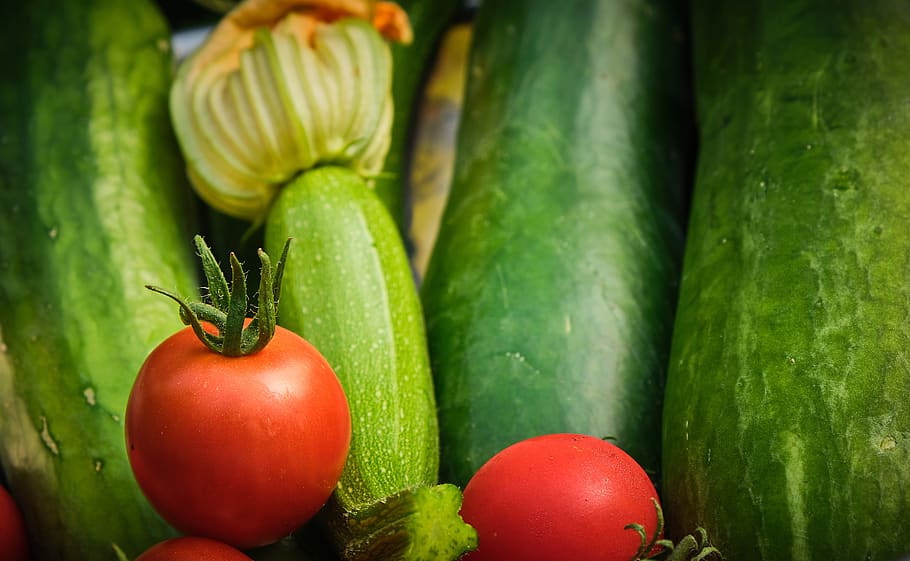
It’s time to start veggie favs like tomatoes, squash, cucumbers, beans, lettuces/greens, & more! Work some Nature’s Blend compost into your beds and get going. Or fill containers and raised beds with Gardener’s Magic soil and plant! Stop by and we’ll help you plan your veggie garden and get you everything you’ll need for a bountiful harvest. We’ve also got our Spring Veggie Garden Talk with DeAnna and Wyatt coming up on February 21st. Come learn and share with a group of seasoned and aspiring gardeners!

3. Start Your Spring Cleanup & Pruning Now

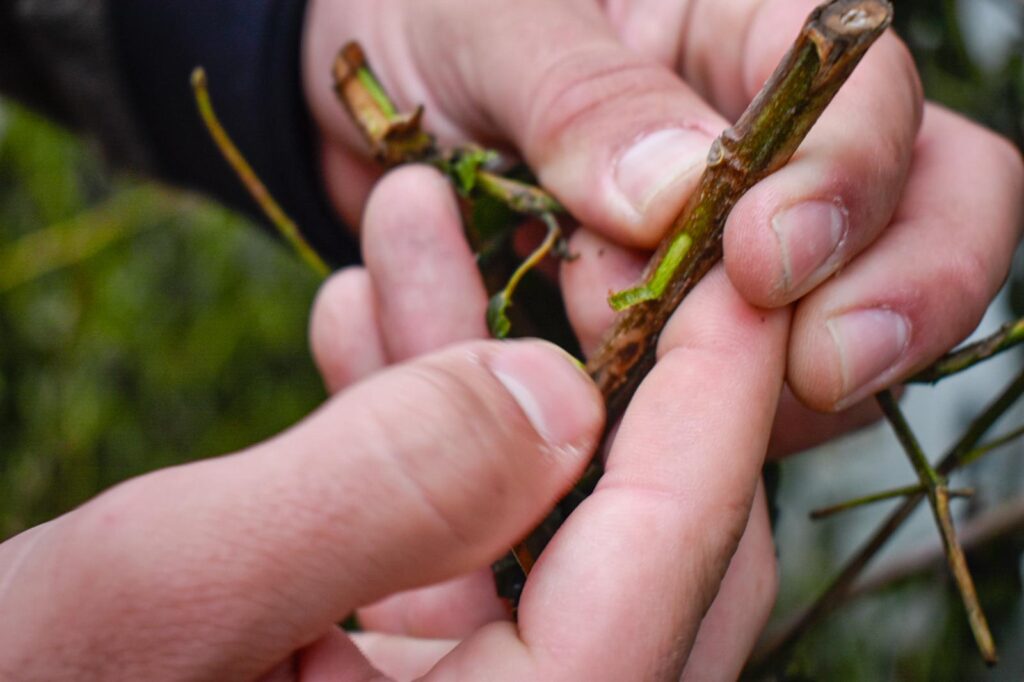
February is the time to get plants cut back to make way for big spring growth! Typically, we recommend waiting until February 15th to prune, but since the weather is warm and the forecast looks good, game on now! Most perennials like Lantana, Turk’s Cap, and Salvias need a good pruning back to about 4-8″ – don’t be shy! For any plants with woody stems/branches (like Esperanza and Hibiscus) that look dead or damaged from our recent freeze, do the scratch test before pruning. Start up high and scratch with your fingernail, a dime, or the back side of a knife. Don’t scratch too deep. If you see the bright green cambium layer (like the photo), that means it’s still alive! If you see brown/gray when you scratch, keep working your way down the plant until you see green. That will tell you where to cut. As always, contact Gill’s if you’re not sure or have questions about whether or how to prune specific plants.

4. Bring Back the Color!

All our favorite spring annuals, perennials, natives, roses, and bright-blooming tropical plants are arriving at Gill’s daily! We’ve entered February and the forecast looks warm and sunny, so it’s time to create bursts of color in the garden and landscape. Yes, there’s always a chance for a late freeze, but given our forecast this year, those chances are getting slimmer every day. Better to plant early and get a head start on root growth. Plus, small plants are easy to cover if need be. 

5. Keep Feeding Veggies & Flowers on a Regular Schedule

Blooming plants need food! Veggies are especially heavy feeders – they need to be able to sustain blooming and producing fruit. We recommend mixing in a little Bio-Tone Starter when you plant, which contains mycorrhizal fungi that promotes root growth. Then feed with a good organic, granular plant food like Plant-Tone or Medina Growin Green once a month, and supplement with liquid organic Hasta Gro in between. An easy way to remember this is to set an alarm or calendar event for granular feeding on the 1st of the month, then Hasta Gro on the 15th. These will add nutrients to your plants and keep your soil alive and healthy too.

6. Keep Watch for Scale Insects

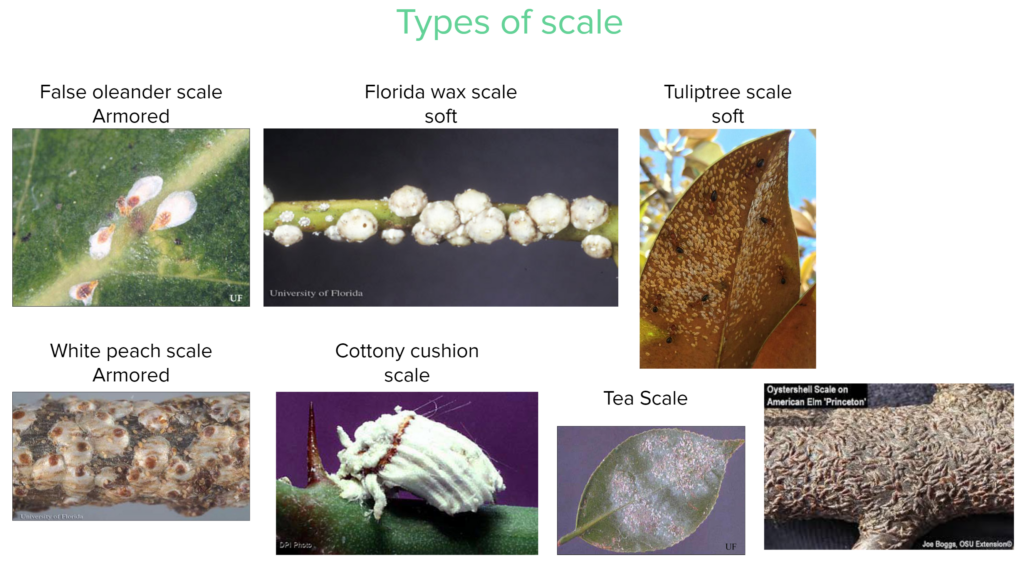
Scale is a variety of hard bodied sucking insects that range in appearance from white oyster shells to brown boogers stuck to the leaves of plants. Some of their favorites are Burford Holly, Bird of Paradise, Flax Lily, & Irises. They are easily controlled with a spray of organic All Seasons Oil Spray, but it must be done now before temps get too warm. The oil spray literally coats and suffocates the the eggs that are waiting for spring to hatch. It’s also good for treating houseplants that may have scale or spider mites. 

Check out our February Garden Guide for more tips!

If you’re interested in rethinking your lawn space due to watering restrictions and/or supporting more wildlife, this talk is for you! Join Harry Villarreal, Gill’s Landscape Designer, for an informative and practical talk about other things you can do aside from a traditional turfgrass lawn. Harry will show off many such projects he’s completed and discuss a whole world of options including replacing lawns with native groundcovers, reducing lawn space by expanding planting beds, designing with stone, creating outdoor living spaces, and more.

FREE event – No RSVP required.

Click below to watch Harry’s preview video:

We can’t wait to see everyone! Stay tuned to our events page and follow us on Facebook and Instagram where we’ll continue to post updates about talks and events. Lots more to come!

Rain in the forecast, wonderful temperatures, holidays with family and friends = AMAZING time to garden! We’re all busy planting, re-designing, fertilizing, and getting ready for outdoor fun with guests. Here are our top tips for making the most of a very important month in the garden. 

1. Feed Your Plants, Trees, and Lawns Too

Feeding your plants this month is a must. This includes lawns, trees, and most plants. Everything is actively growing, which means they’ll need more food to continue looking their best. Medina Growin Green is a great multi-purpose food for landscape plants, shrubs, trees, veggies, lawns, you name it! For blooming perennials, annual flowers, and veggies we really like using a good organic granular food like Medina Growin Green, Plant Tone by Espoma, or Rose Glo in combination with Medina Hasta Gro liquid. Feed with the granular on the 1st of each month, then follow up with liquid Hasta Gro on the 15th. Add these reminders to your calendar and you can’t go wrong!

Yes, you can still fertilize your lawn, even though our lawn watering is limited. Using a good organic lawn food, like our go-to Medina Growin Green, promotes root growth and long-term health, which makes lawns more tolerant of less water. Ideally you’d want to water the fertilizer in, but you don’t have to. Medina Growin Green is gentle and won’t burn your lawn. You can apply it now and water it in slowly over a few weeks. If you have trees in your yard, keep in mind that fertilizer and water need to be applied at the drip line, aka where rainwater naturally drips off the outer edge of the canopy. Therefore, if you apply fertilizer to your lawn and water it in for the trees, your lawn will get the benefit too. You can also try to time your lawn fertilizing with a light rain. We typically don’t recommend waiting for rain to fertilize since a heavy rain would wash most of the fertilizer granules away. But, given the watering limitations, taking advantage of a light rain is a good solution. 

2. Watering Wands Win!

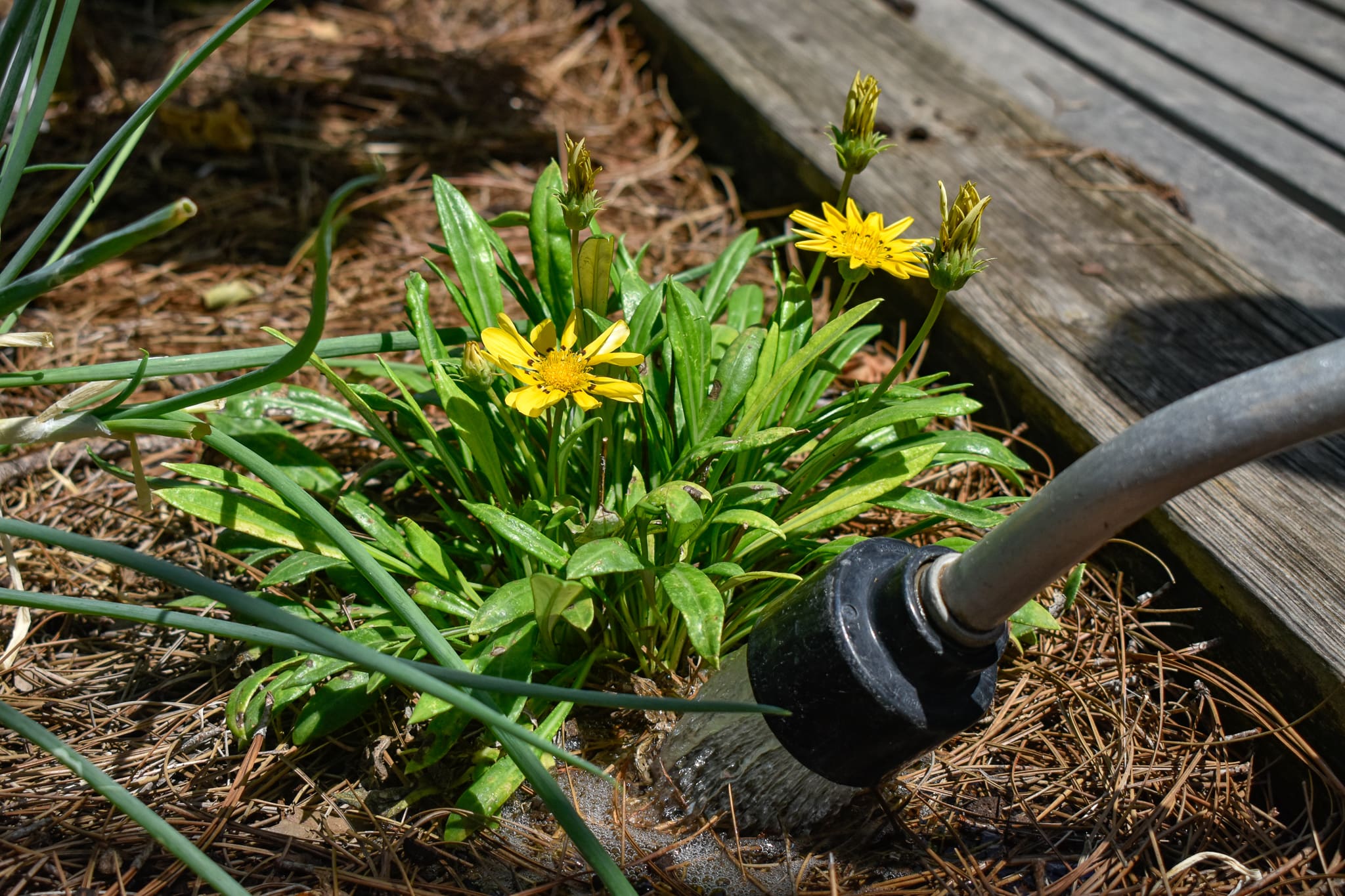
Hand watering with a watering wand that has a cutoff valve is the most efficient and best way to water, especially for new plantings. Watering plants low to the ground keeps water from escaping via wind and evaporation and keeps water off the leaves which can invite fungal issues. Watering slowly (by turning down the pressure on your watering wand or kinking your hose) ensures that more water gets down to the roots instead of running off the surface.

Keep in mind that hand watering and drip irrigation are allowed during current watering restrictions. You can hand water any day before 10am or after 6pm, and you can supplement with drip irrigation once every other week. We carry the pro watering wands that we use here at Gill’s as well as moisture meters, timers, and other supplies to help make the most of your water.

For any new plantings, including turfgrass, you can apply for a temporary exemption to watering restrictions and use sprinklers and irrigation systems in order to help get plants, lawns, and trees established. We can help you file for the exemption if you like – it’s a straightforward process.

3. Plant Blooming Perennials for Pollinators

April is time to add some blooming perennials to attract pollinators like butterflies, bees, and birds to your garden. You support pollinators (and the planet!) and in return they help you have more blooms, better production on your veggies, and a more vibrant landscape! Remember – April is when we start seeing hummingbirds! Add a few of their favorites like this native salvia greggii, native flame acanthus, red yucca, or firebush and make your backyard a preferred stop.

4. Plant Your Warm Weather Veggies

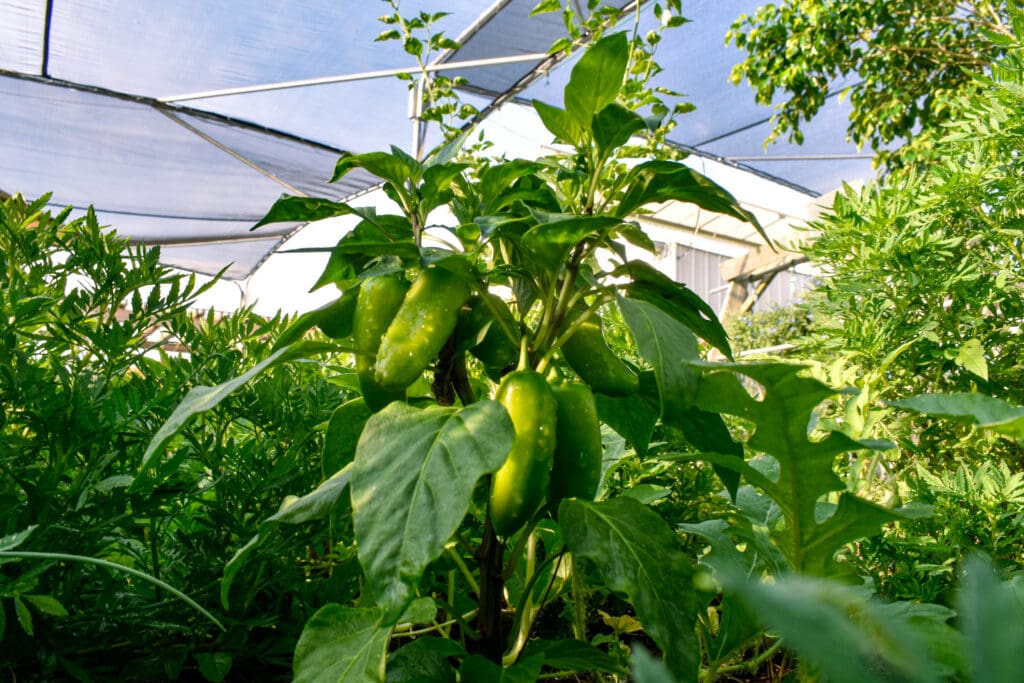
It’s time to plant hot peppers, squash, zucchini, basil, beans, and more! When starting veggies, the trick is to get the soil as active and alive as possible. Amend your existing soil with Nature’s Blend Compost (about 1 bag per 12 sq. ft.), then add a little Bio Tone starter fertilizer with mycorrhizal fungi and a good handful of worm castings when you plant each plant. Then follow our trusted fertilizer schedule – granular food (like Medina Growin Green or Plant Tone) on the 1st of the month and liquid Hasta Gro on the 15th! Remember that veggies use a lot of energy and need these regular feedings to produce – you WILL get more and better-tasting fruit with a good fertilizer schedule. Plus, strong, vigorous veggie plants are less susceptible to pest damage.

5. Mulch! Not Just for Good Looks…

We all know that fresh mulch is like a fresh coat of paint for your garden – instant makeover! But did you know that applying a proper 3” layer of natural mulch keeps underlying soil temps more than 20 degrees cooler?! A good mulch layer keeps weeds at bay, and as it breaks down over time, it add nutrients to your soil. And perhaps most importantly right now, a good mulch layer retains moisture, which means big water savings. 

6. Get Ready for Guests

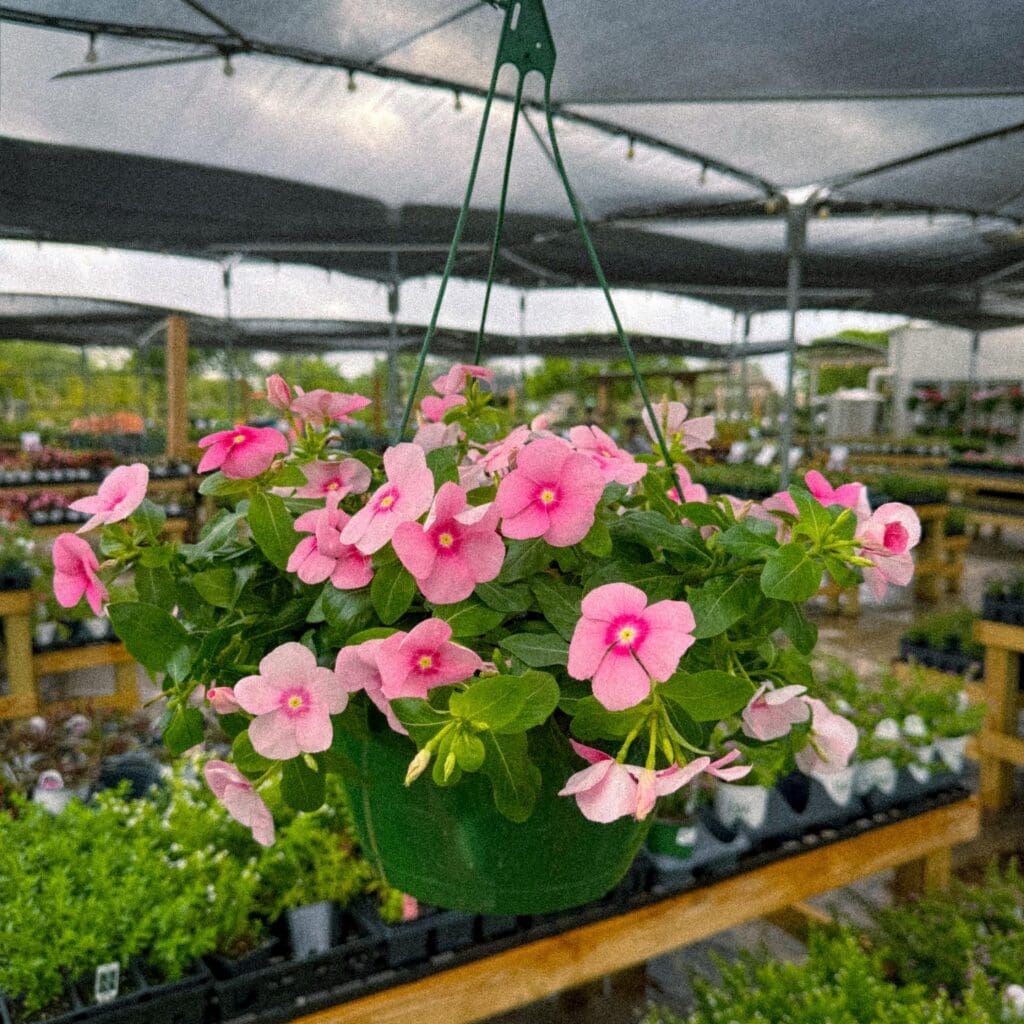
Get outside and enjoy the gorgeous weather and prep for gathering with family and friends! For the quickest and easiest impact outdoors, think hanging baskets full of periwinkles, coleus, hummingbird falls salvia, bougainvillea, and more overflowing with color. Some pops of color plus fresh mulch in your beds and you’re ready to host! For indoors, our favorite flower arrangements are those cut fresh from the garden and landscape, or we have some cute dried arrangements too!


How is it almost June already?! It doesn’t feel like it! Mild temperatures and wonderful rainfall are making our transition into summer a breeze. Here are our top priorities in the garden this month, including what to plant, how to adjust watering, pests to watch out for, and how to keep plant roots cool and happy. Plus, we’re hosting lots of fun events throughout the month!

1. Water Low & Slow to Maintain Depth Moisture

Our goal this month is to maintain the depth moisture that recent rains have created. It’s much easier and takes far less water to maintain that depth moisture than it does to build it back up again if we let the soil get too dry. The key is  watering low, as in as in low to the ground to avoid evaporation, and slow as in not with your hose open full-blast. This helps decrease runoff and get more water down to the roots. Consider setting up your own automatic drip irrigation system – they’re easy to DIY and they operate on the low & slow principle. Also, be sure to use the cycle & soak method, which simply means water once, let it soak in for several minutes, then come back and water again. This makes sure you’re pushing water down deep. 

Pro tip:  Use a moisture meter in your landscape beds and pots! We carry them for around $10 and can show you how easy they are to use. They have a long soil probe that tells you whether you actually have good moisture (or too much) down deep where it’s needed. They’ve saved many plants!

2. Keep Soil Moist & Roots Cool with Mulch

A good mulch layer (2-3″ deep) has so many benefits. It looks amazing, keeps weeds down, helps retain moisture, adds organic matter to the soil, AND keeps plant roots nice and cool in the summer. Bartlett Tree Research Laboratories shared amazing results with us from a mulch study they conducted in San Antonio a few years back. Soil temperatures were measured at 6″ deep (where plant roots live) on a 105 F summer day. Bare soil, 6″ down was 102 F. Soil under grass was 92 F. Soil beneath a 3″ layer of mulch was only 76 F!! Mulch your beds! Mulch also makes a great placeholder while you’re still deciding what to plant. 

3. Plant Blooming Perennials for Summer!

So many of our favorite plants for South Texas don’t just tolerate warm weather, they only begin to thrive and look their best in the summer. Think of blooming perennials like Firebush, Esperanza, and Pride of Barbados for awesome summer impact. Think of big purslane hanging baskets, Gomphrena, and Periwinkles for bursts of bright color. And browse our Texas native plant section for plants and trees that have thrived through hundreds and even thousands of Texas summers. If you’re still wanting to plant food, you can do that too – okra, basil, eggplant, thyme, watermelon, peppers, black-eyed peas and more are great planted in June.

4. Watch for Summer Bugs, Critters, and Plant Disease

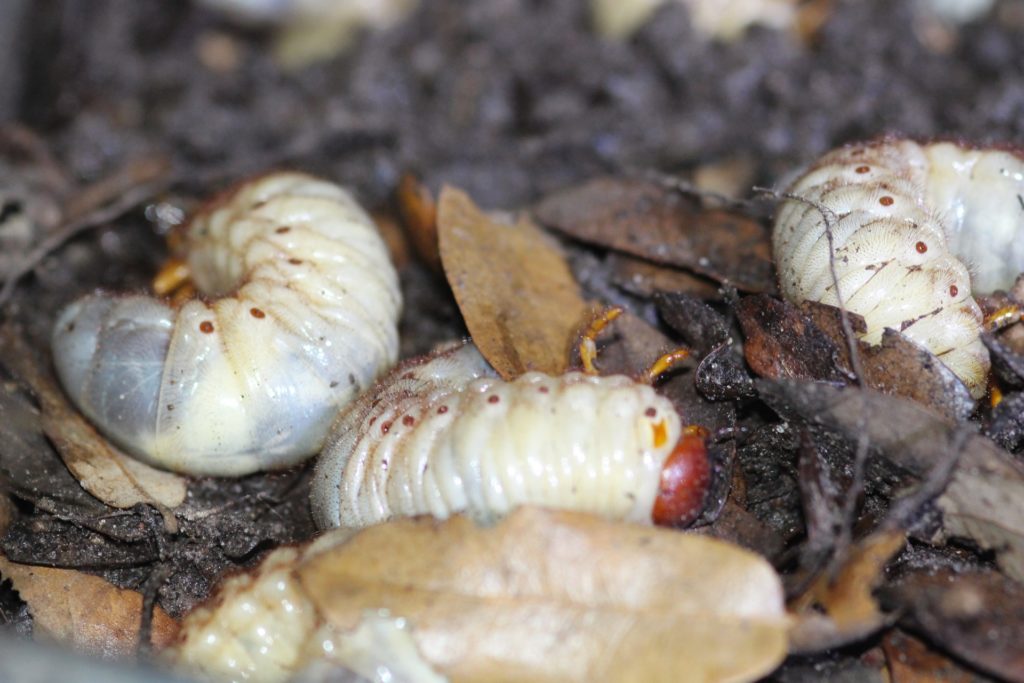
Yes, bad bugs will be around more during the Summer, but don’t treat unless there’s significant damage. We can help identify the pest and if/how to treat. You don’t want to kill too many good bugs while trying to take care of the bad bugs! If you see brown areas in the lawn that are easily pulled up, it’s usually a sign of grubs eating the roots of your grass. You can control grubs with Bonide Insect and Grub Control. Chinch bugs love hot dry areas in lawns. They make the lawn look dried out along sidewalks and pavement. Spot-treat those areas with Cyonara in easy ready-to-spray bottles. For organic control, use Spinosad or Diatomaceous Earth. We’ve also seen a lot more caterpillars than usual this spring munching on veggie gardens. Just a few caterpillars can be relocated, but if you have a lot destroying your plants, you can treat with organic Bt in liquid spray or powder form. 

5. Stay Tuned for Fun June Events at Gill’s!

We’ve been overwhelmed with the response to all our events this spring and we’re not stopping! We absolutely love hosting you all, not just for plant shopping, but for learning and building our wonderful local gardening community. We’ve got a big June planned starting with a Gulf Coast Humane Society pet adoption day on June 6th, then flower bingo, plant trivia night, our 2nd annual Father’s Day cookout, and another Nightbloom Market on June 25th! Stay tuned here for updates. 


march-garden-guide

What To Plant

Most annuals and perennials can now be purchased as transplants this month. Here is a list of some of our favorites: (L-R) caladiums (plants and bulbs), larkspur, petunias, salvia, gerbera daisy, alyssum, false heather, celosia, lantana, coleus.

Read: Fuel For Your Hungry Hummers


Vegetable Seeds

Beans, okra, radish, pumpkins, and watermelons, squash, cantaloupe, basil, corn

Vegetable Transplants

Tomatoes, peppers, cucumbers, squash, eggplant, and strawberries
Garden Guide: Vegetable Planting Dates

Hardy Trees, Shrubs, Vines, Grasses

All hardy and tropical trees, shrubs, vines and grasses. I can’t think of one that can’t be planted now!

Bulbs & Caladiums

Late spring and summer bulbs such as caladiums, and elephant ears


Houseplants

March is a great time to clean, trim, and feed your houseplants. As the sun becomes stronger, plants may require more waterings. Check more often. Consider repotting in Spring. Over Winter, houseplant roots can outgrow their existing pots.

Fertilize

AZALEAS, GARDENIAS, MAGNOLIAS

Fertilize organically with Maestro Gro-Rose Glo or Espoma Azalea Tone.

HIBISCUS & TROPICAL BLOOMERS

Fertilize all hibiscus and tropical bloomers organically with Maestro Gro-Rose Glo, or conventionally with Hibiscus Food.

ALL TREES & SHRUBS

Fertilize organically with Milorganite, Medina Growin Green, Plant Tone, or Hasta Gro. 

ANNUALS & PERENNIALS

Fertilize organically with Medina Growing Green, Hasta Gro, Maestro Rose Glo, or Plant Tone, or conventionally with Osmocote Time Release Granules.

ESTABLISHED ROSES

Fertilize organically with Maestro Rose Glo or Plant Tone.

ESTABLISHED CITRUS TREES

Fertilize organically with Citrus Tone.
Read: Fertilize Your Citrus Now

All granular fertilizer should be watered in well.

Prune

  • All dead and freeze damaged wood from hardy and tropical trees, shrubs, vines and perennials
  • Wait to prune early spring bloomers like Azaleas, Carolina Jessamine, climbing roses, Texas Mountain Laurels, and Indian Hawthorn until after they finish their bloom.

Water

  • During current drought restrictions, you CAN hand water everything except for your turfgrass lawn. You CAN use drip irrigation on your watering day every other week. And you CAN still apply for a temporary watering rules exemption to get new plantings established.
  • Keep in mind - outdoor potted plants dry out quickly, as do hanging baskets and small annuals.
  • Mulch all plants and trees to help hold moisture. Don't mulch right up to the trunks/main stems of plants - give them a little breathing room. And never create a "mulch volcano" against tree trunks!
  • Catch rainwater and A/C condensate to help conserve water - plants love both!

Garden Guide: Good Water Practice for Established Trees, Shrubs, and Lawns

What to Watch Out For

Protect your Lawn from Oak Leaves

Live oaks are following their natural pattern of dropping old leaves before the new leaves come on. Now it’s time to get those oak leaves off your lawn before it suffocates the grass. Under large oaks, since the grass is often thin and stressed anyway because of shade, using a blower is less stressful on the weak turf than a rake.

Control Aphids, Pillbugs, & Caterpillars in Your Veggie Garden

Keep organic Spinosad soap handy for Aphids and Pillbugs, or release some ladybugs. Caterpillars can be controlled organically using Bt (Thuricide spray or Dipel dust). Inspect your veggies every day and you'll catch most pests before they become a problem. 


Lawn Care

Rethink Lawn Spaces

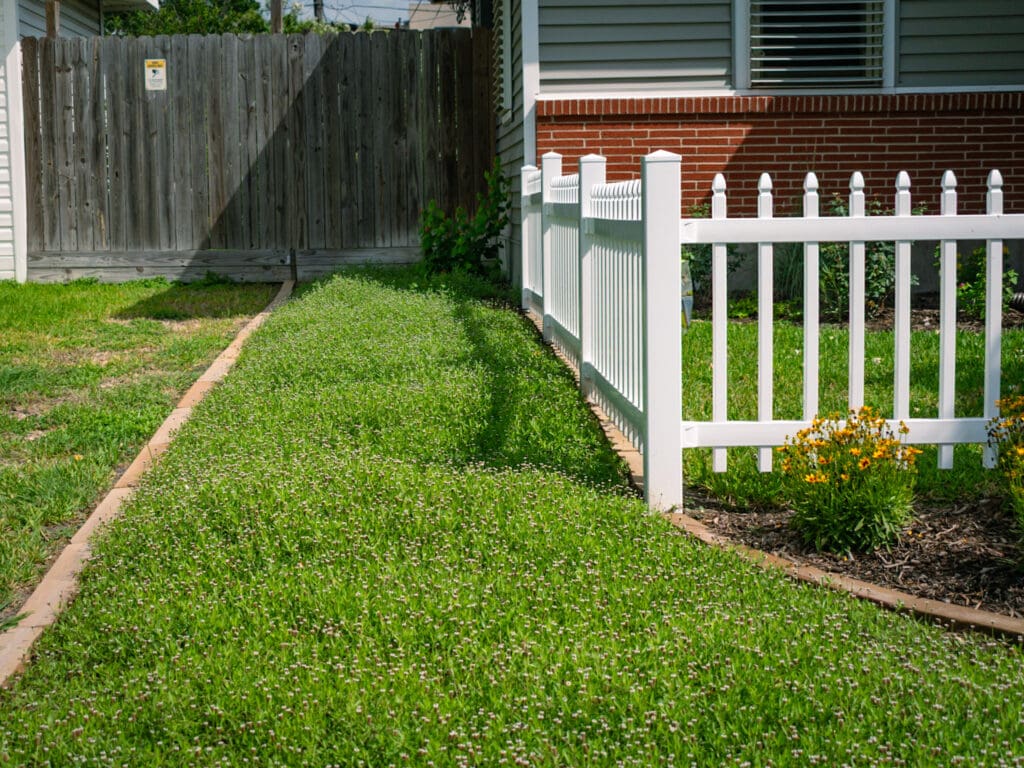
Given our drought situation/lawn watering restrictions, many of us are deciding to reduce lawn space. Traditional turfgrass lawns require lots of water and they don't provide much, if any, benefit to pollinators. Plus, much of our lawn space sits unused. Does every square foot need to be turfgrass, or could you create new beds for blooming perennials? Could you convert areas to native groundcovers like Frogfruit? Could you add some nice pathways or seating areas with a nice firepit? So many options!

Weed Control

Given our drought situation/lawn watering restrictions, decide whether you really want to control weeds. Weeds are green and they don't need much water! Plus they'll help keep the ground cooler. Many of us are choosing to mow the weeds down to keep them from reseeding rather than spraying or removing them. 

If you do need to spray/control, spot treat existing weeds growing now with natural horticultural vinegar or Captain Jack's Deadweed Brew. Both will burn any foliage so take care to not spray your plants or lawn. 

If you want to prevent weeds, apply Hi Yield Grass and Weed Stopper or Weed Beater Complete to help control existing weeds and prevent new ones.

If you want to kill existing weeds, apply Weed-B-Gon for Southern Lawns or Image once our weather warms up to 70-80 degrees with no rain for about 5 days. They are safe for Floratam & Raleigh St. Augustine and Bermuda. Give them 2 weeks to fully work and then it should be time to fertilize the lawn. This is why we don't recommend or sell "weed & feed" type products. Take care of weeds first, then fertilize. 

Fertilize

Fertilize when the grass is actively growing. You can't be too late, you can only be too early in spring. Apply organic Medina Growin Green or Milorganite and water in well (approximately 30 minutes per area). Normally, we wouldn't recommend trying to time your fertilizing with rainfall, since heavy rains can wash away the fertilizer. However, given current watering restrictions, try to take advantage of a light/moderate rain. Lay new sod anytime, bermuda seed anytime this month.

Read: Treat For Take-All Patch in Lawns

Watch: How to Collect a Grass Sample