Garden Center Hours: Mon-Sat 9am - 5:30pm • Sun 10am - 5:30pm

Fall is OUR ABSOLUTE BEST TIME for planting veggies, trees, flowers, and just about everything else! It just feels good! But time is of the essence! A lot of the things we do in the garden this month will set us up for success for seasons to come. Here are our top must-do’s for October.

Check out our October Garden Guide for more tips and remember that trees, shrubs, and perennials can be planted 12 months out of the year! The only difference is the amount of water they need depending on temperatures and wind.

1. Plant Food

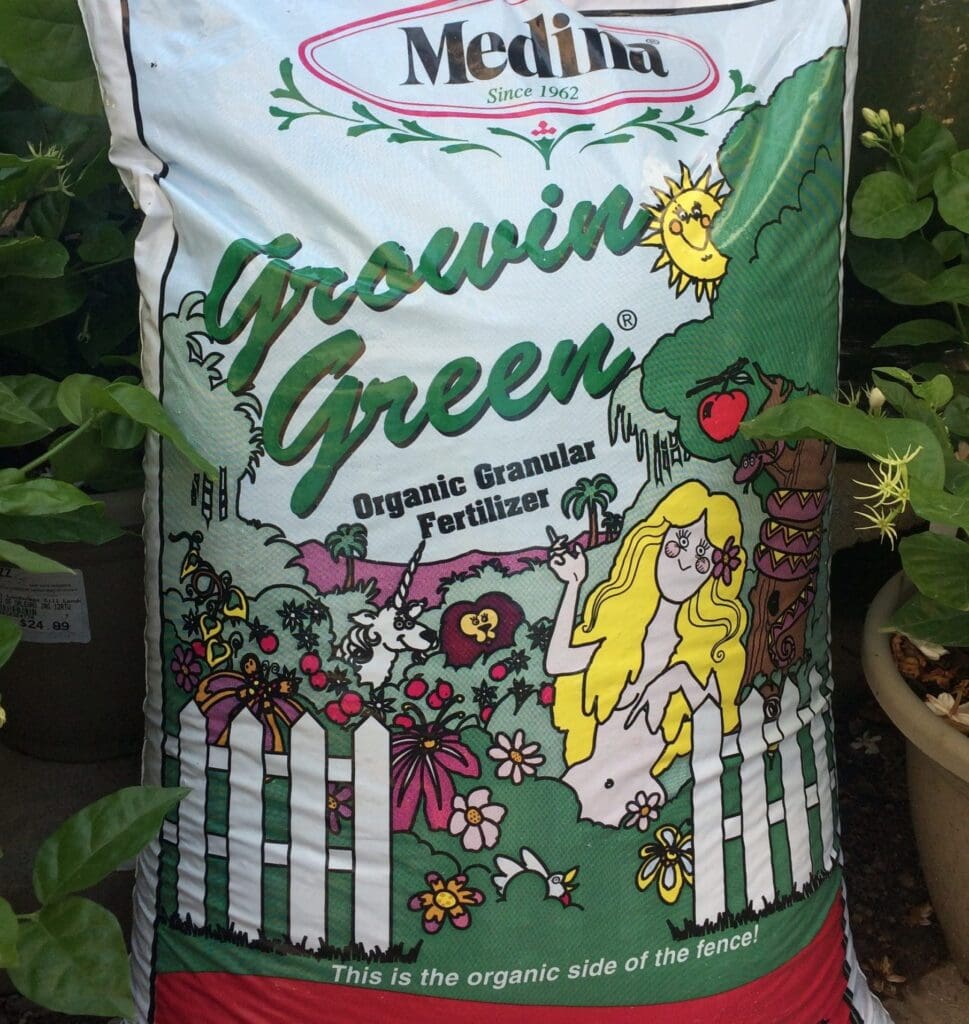
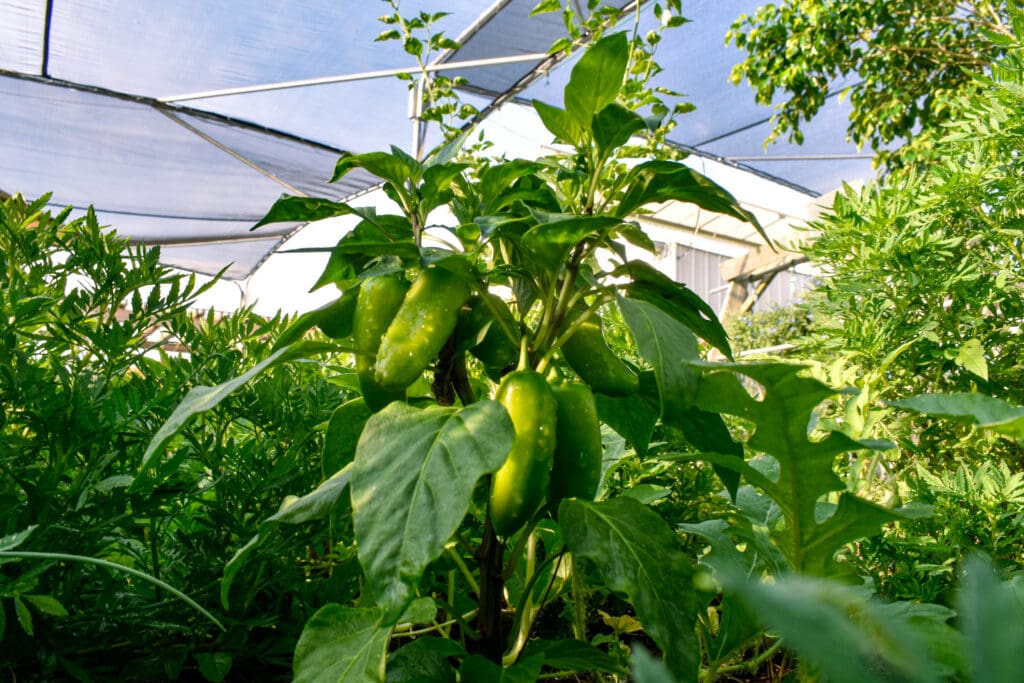
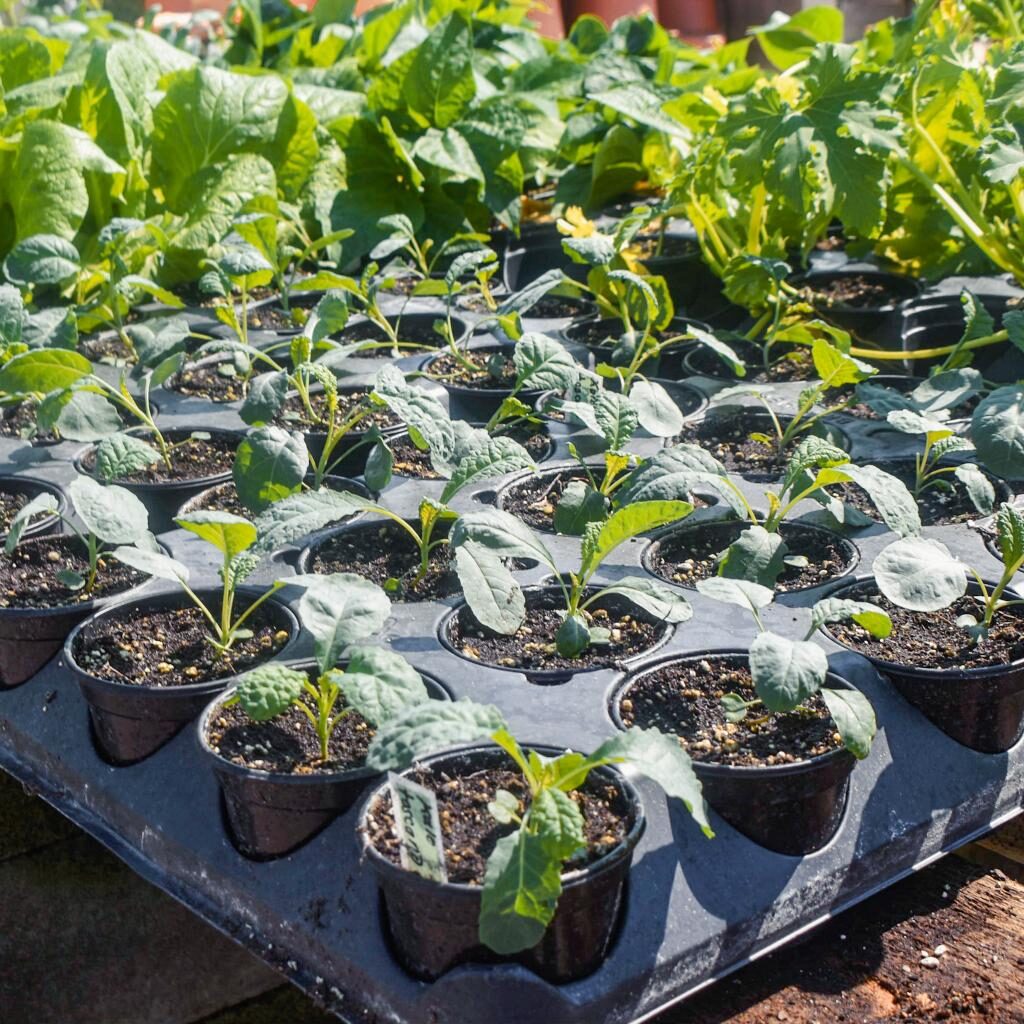
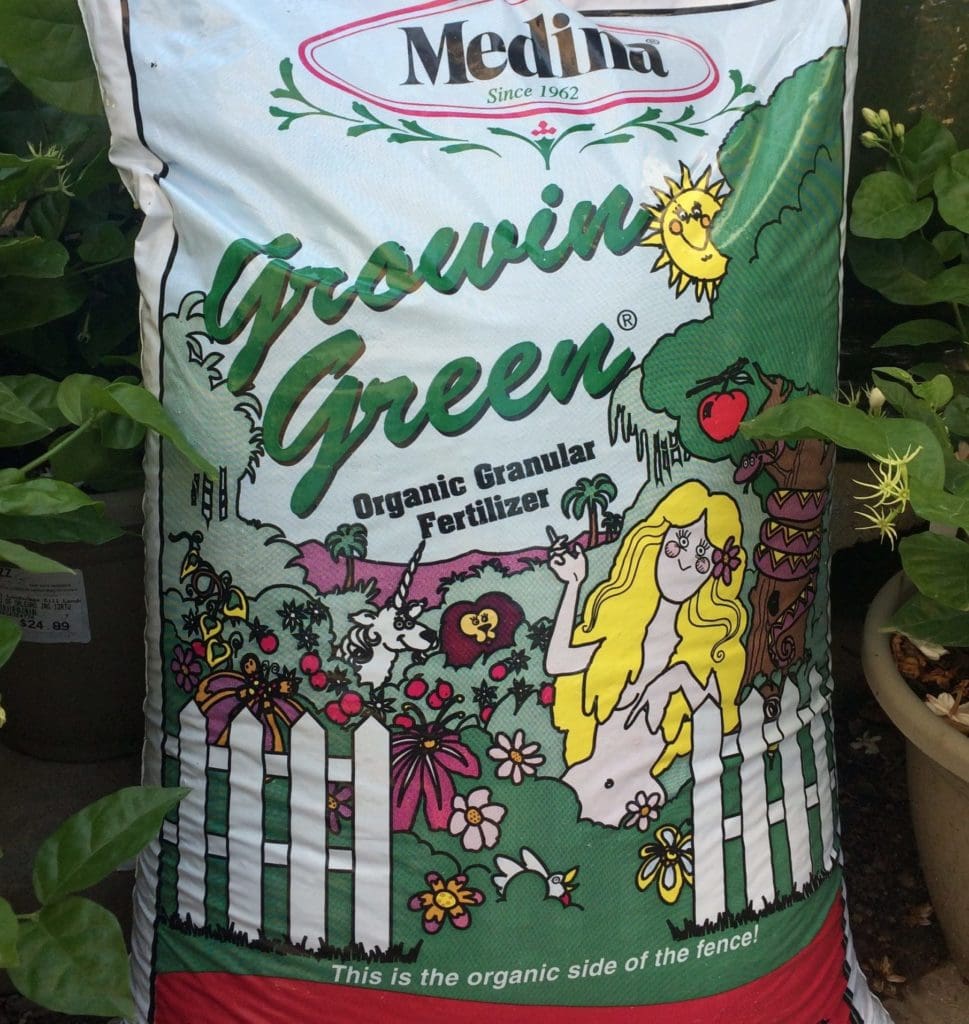
Some of the best… Broccoli, Cauliflower, Lettuce, Cabbage, Carrots, Beets, Radishes, Cilantro, Nasturtiums, and the list goes on. Remember – veggies are heavy feeders. We recommend feeding with an organic granular like Medina Growin Green or Plant Tone on the 1st of each month, and again with liquid Hasta Gro on the 15th. Set these reminders on your phone/calendar and you’ll have much better production.

Watch:  Coastal Bend Veggie Gardening Guide

2. Plant Fall Flowers

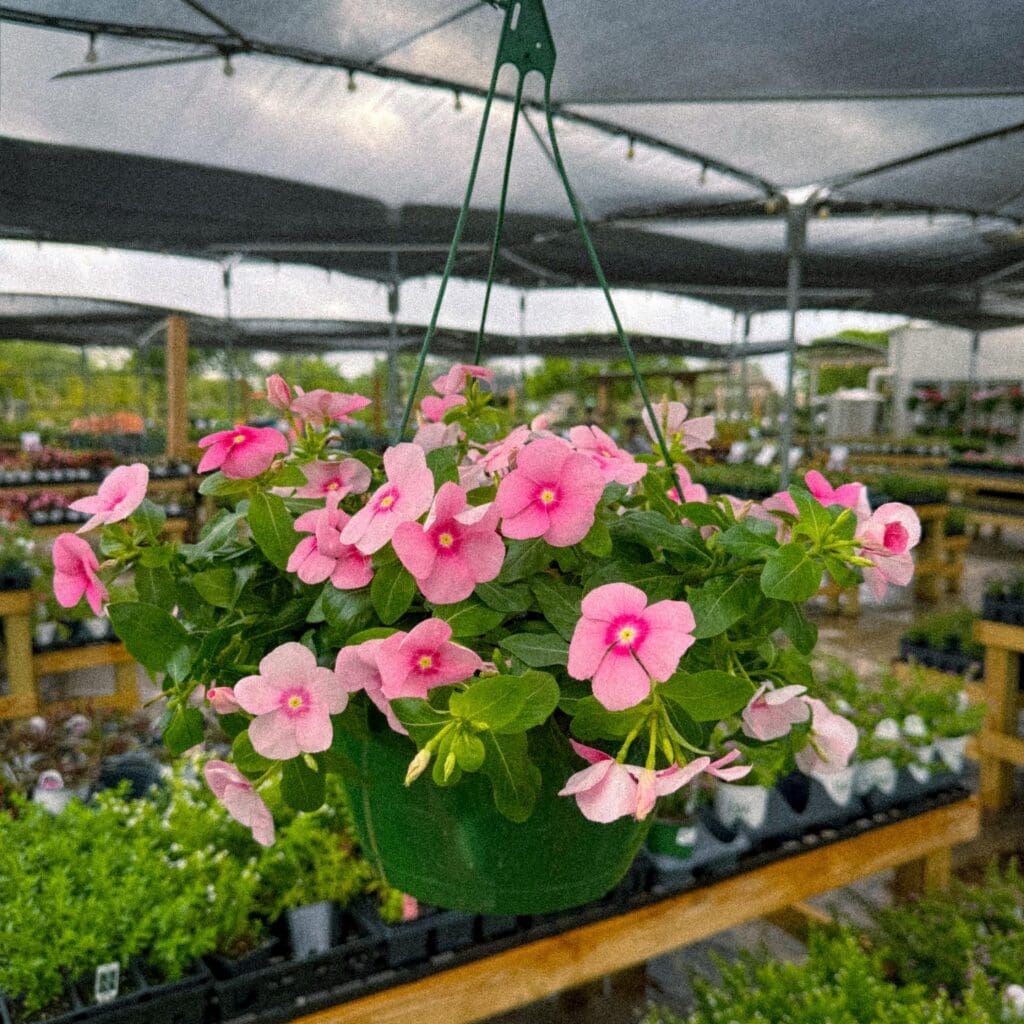
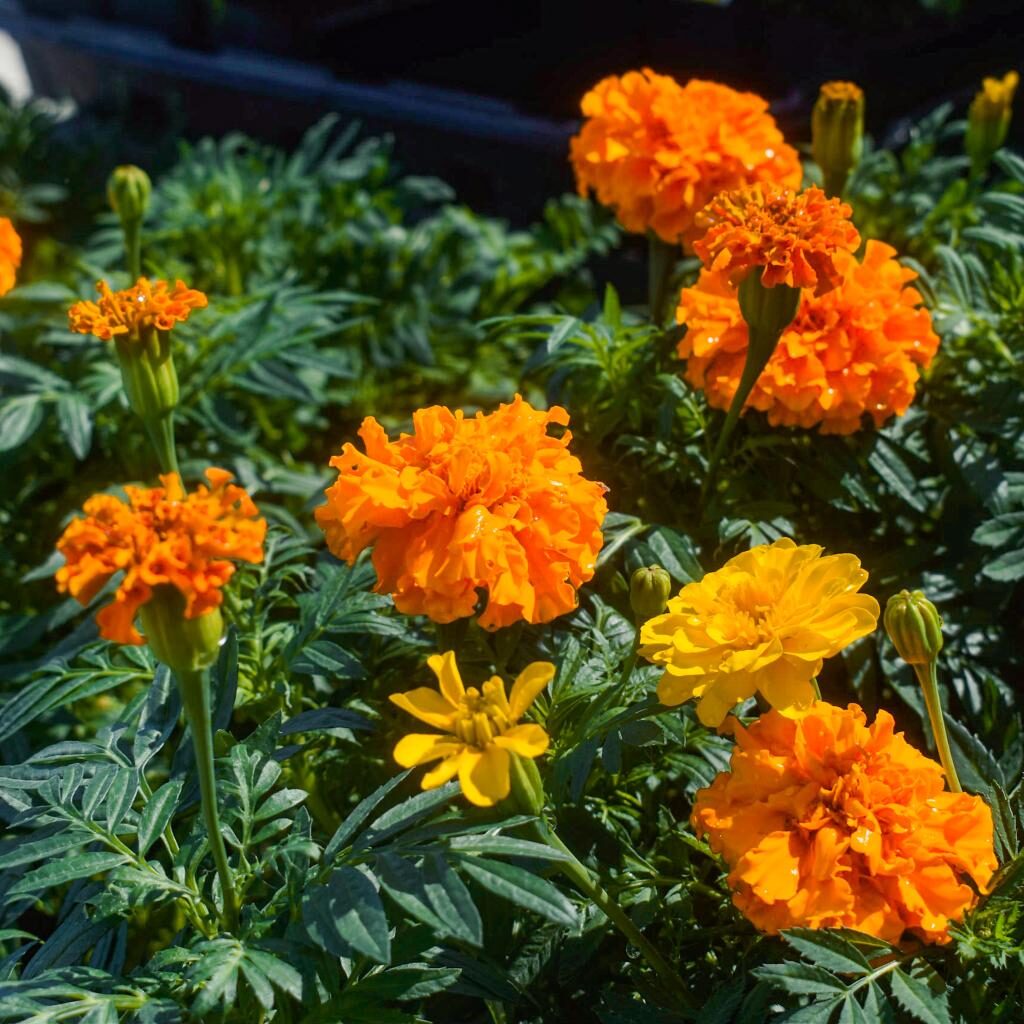
Take advantage of the weather while the days are still long. It’s the perfect time to start cool weather Impatiens, Marigolds, Snapdragons, Violas, Petunias, Calendula, Begonias – the flowers and colors that say, “FALL!”. Warm days help flowers develop roots so they can look their best during the cooler months ahead.

3. Ready, Set, Fertilize Your Lawn + Prevent Weeds

Fertilizing lawns this month is essential for developing strong roots and healthy growth next Spring and Summer. We emphatically recommend organic Medina Growin Green! Amazing stuff! A 40lb bag covers 3000 sq ft of lawn, and for a small fee, we can rent you a spreader which makes it very easy to apply. Not only does Medina Growin Green work wonders on lawns, you can use it in all areas of your landscape, including your veggie garden. If you’re dealing with a weed problem, treat for weeds, wait 2-3 weeks, then fertilize. Do not use “weed & feed” products! Prevent weeds in your lawn by applying Weed Beater Complete or Hi-Yield Turf & Ornamental Weed & Grass Stopper.
Read: Fall Lawn Care

4. Plant for Hummingbirds and Migratory Birds

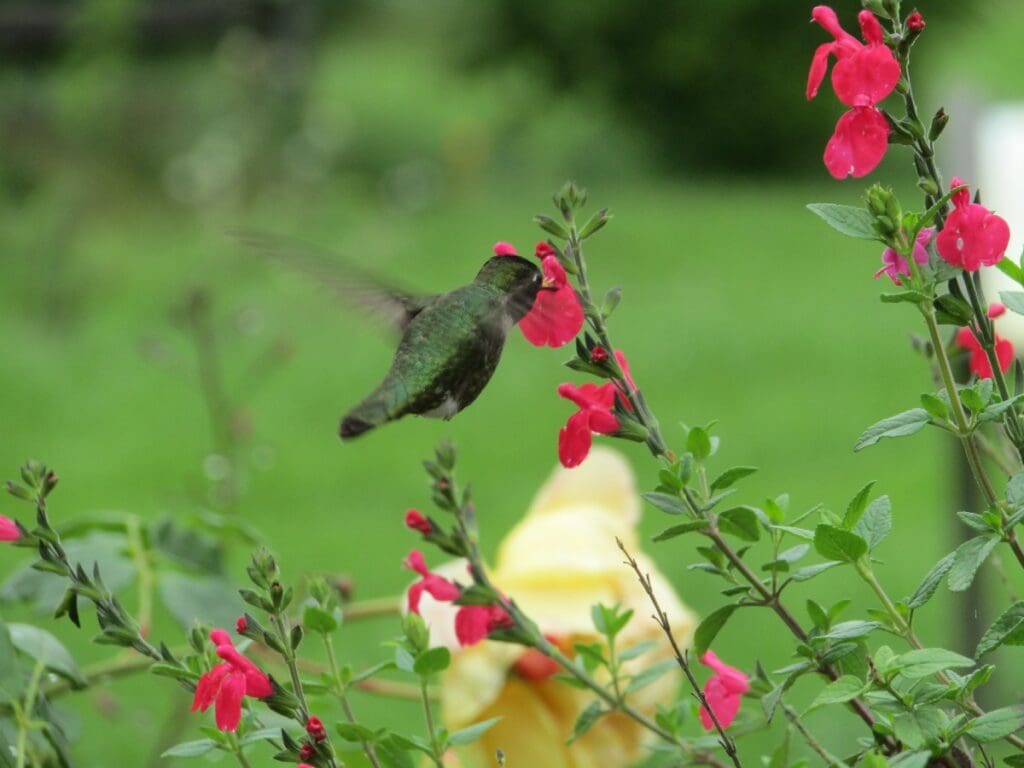
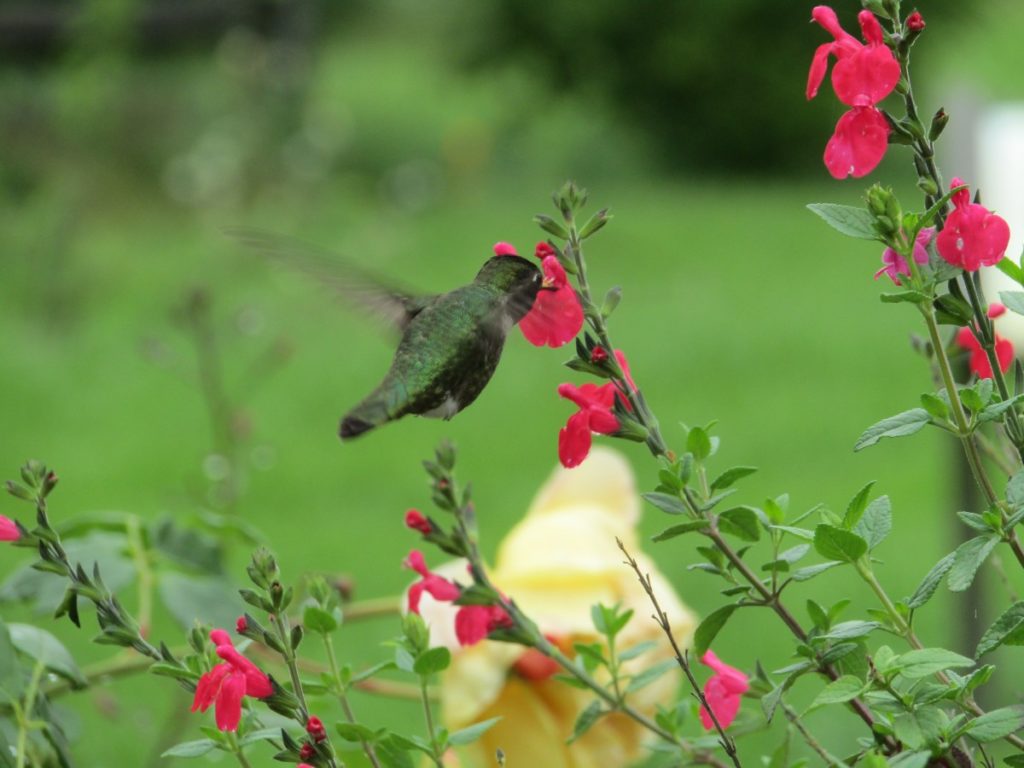
Right now is a great time to plant all kinds of blooming plants that hummingbirds and other migratory birds need. Some of our favs for South Texas are native Flame Acanthus (aka hummingbird bush), Salvias (like native Salvia greggii and Salvia leucantha), Cape Honeysuckle, native Turk’s Cap, native Beautyberry, native Loquat, Firecracker plant, Coral bean – the list goes on and on. We have been covered in hummingbirds here at Gill’s!

5. Plant Trees Now for The Best Head Start

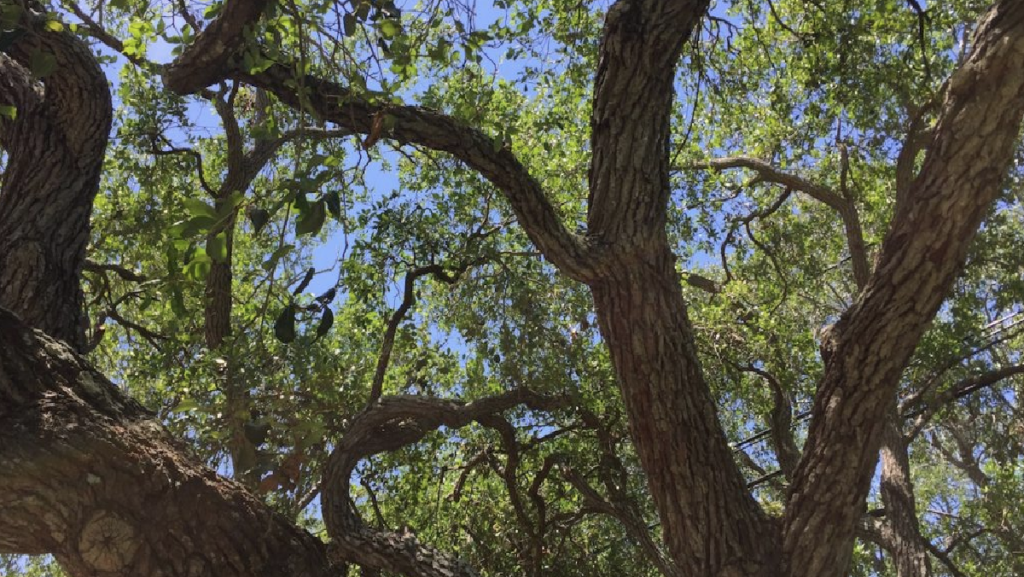
We’ll say it again… planting trees is all about growing roots. Trees planted in Fall grow more next Spring & Summer because they spend time all Fall and Winter working on their root system. It also helps prepare them for hot temps next Summer. Live Oak, Burr Oak, Magnolia, Anacua, Cedar Elms, & Wild Olive are some of our South Texas fav’s and we’ve been getting some gorgeous specimens!

Read: The Advantages of Fall Planting

One of my favorite pastimes, in between planting, fertilizing, trimming, and mulching, is sitting in my backyard and watching the butterflies dance around my garden. Here’s a few tips to entice these beauties to YOUR GARDEN!

Locate a sunny area.

Butterflies and most butterfly attracting plants require bright sunshine.

Plant nectar producing flowers.

Butterflies visit flowers in search of nectar  to eat. Many butterflies seem to prefer purple, yellow, orange and red- orange blossoms. Clusters of short, tubular flowers or flat-topped blossoms provide the ideal  shapes for butterflies to easily land and feed.

Select single flowers rather than double flowers.

The nectar of single flowers is more accessible and easier for butterflies to extract than the nectar of double flowers, which have more petals per flower.

Use large splashes of color in your landscape.

Butterflies are first attracted to flowers by their color. Groups of flowers are easier for butterflies to locate than isolated plants.

Plan for continuous bloom throughout the season.

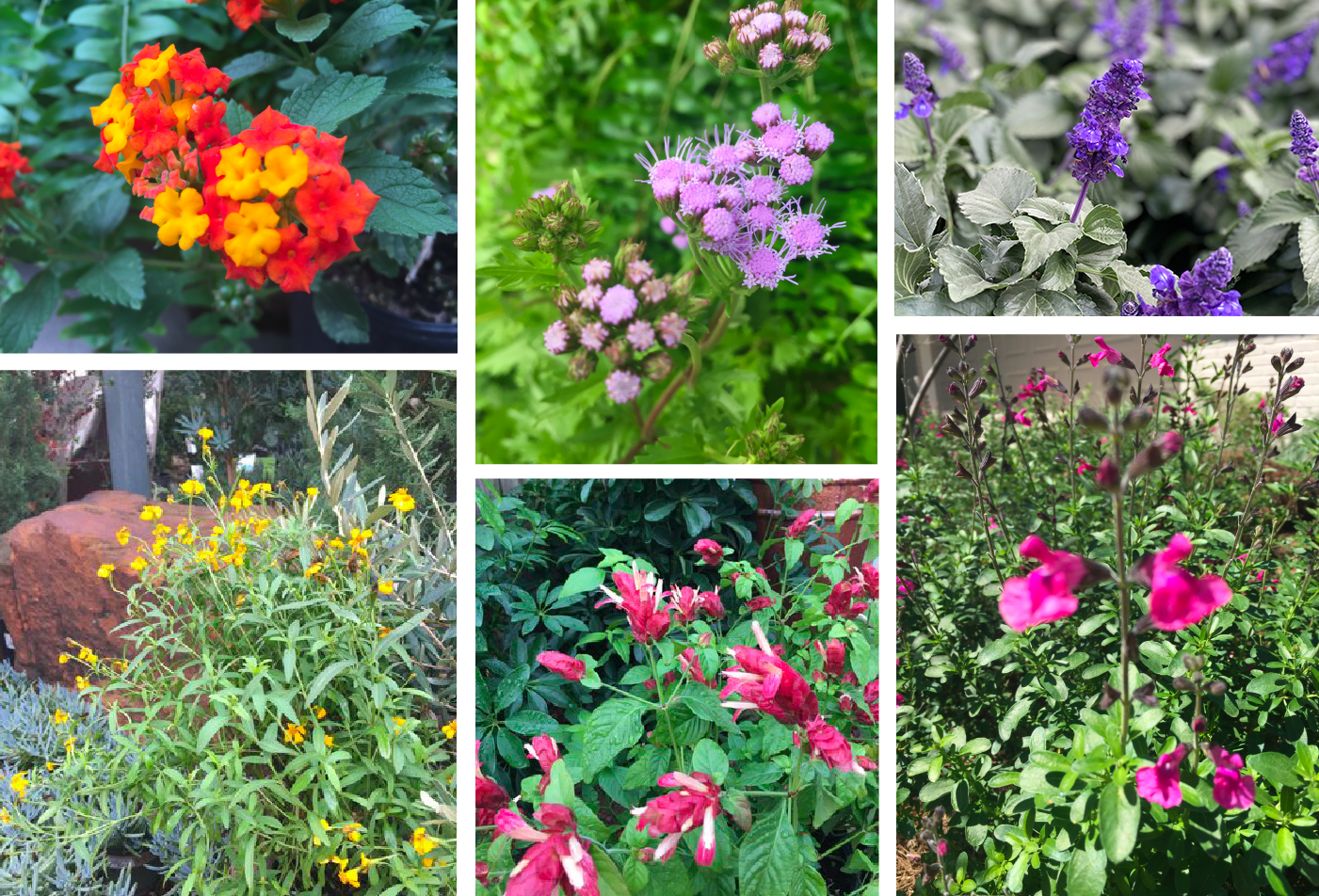
Butterflies are active from early spring until late fall. Plant a selection of flowers that will provide nectar throughout the entire growing season. For blooms throughout the year, plant hamelia, shrimp plant. jatropha, lantana, bulbine, buddleia, mist flower, & penta. For flowers spring and fall, try mexican flame vine, verbena, mexican mint marigold, pavonia, passion vine, salvias, & fall chrysanthemums.

Clockwise from Top Left: Lantana, Mist Flower, Salvia Mystic Spires, Salvia Gregii, Shrimp Plant, Mexican Mint Marigold

Plant for perching.

Plant some evergreen trees or shrubs for perching and rain shelter. Example: Yaupon holly or desert willow.

Include host plants in your garden design.

Host plants provide food for the caterpillar and lure female butterflies into the garden to lay eggs.

  • Common Name:  Larval Food Source
  • Black Swallowtail:  dill, parsley, fennel, carrot tops
  • Fritillaries:  passionflowers
  • Giant Swallowtail:  citrus, rue
  • Julias:  passionflowers
  • Monarchs & Queens:  milkweeds
  • Pipevine Swallowtail:  Dutchman’s pipevine
  • Skippers:  mallows
  • Snouts:  hackberry
  • Sulphurs:  cassias
  • Viceroys:  pear, cottonwood, willow
  • Whites:  mustards, pepper-grass
  • Zebra Longwings:  passionflowers

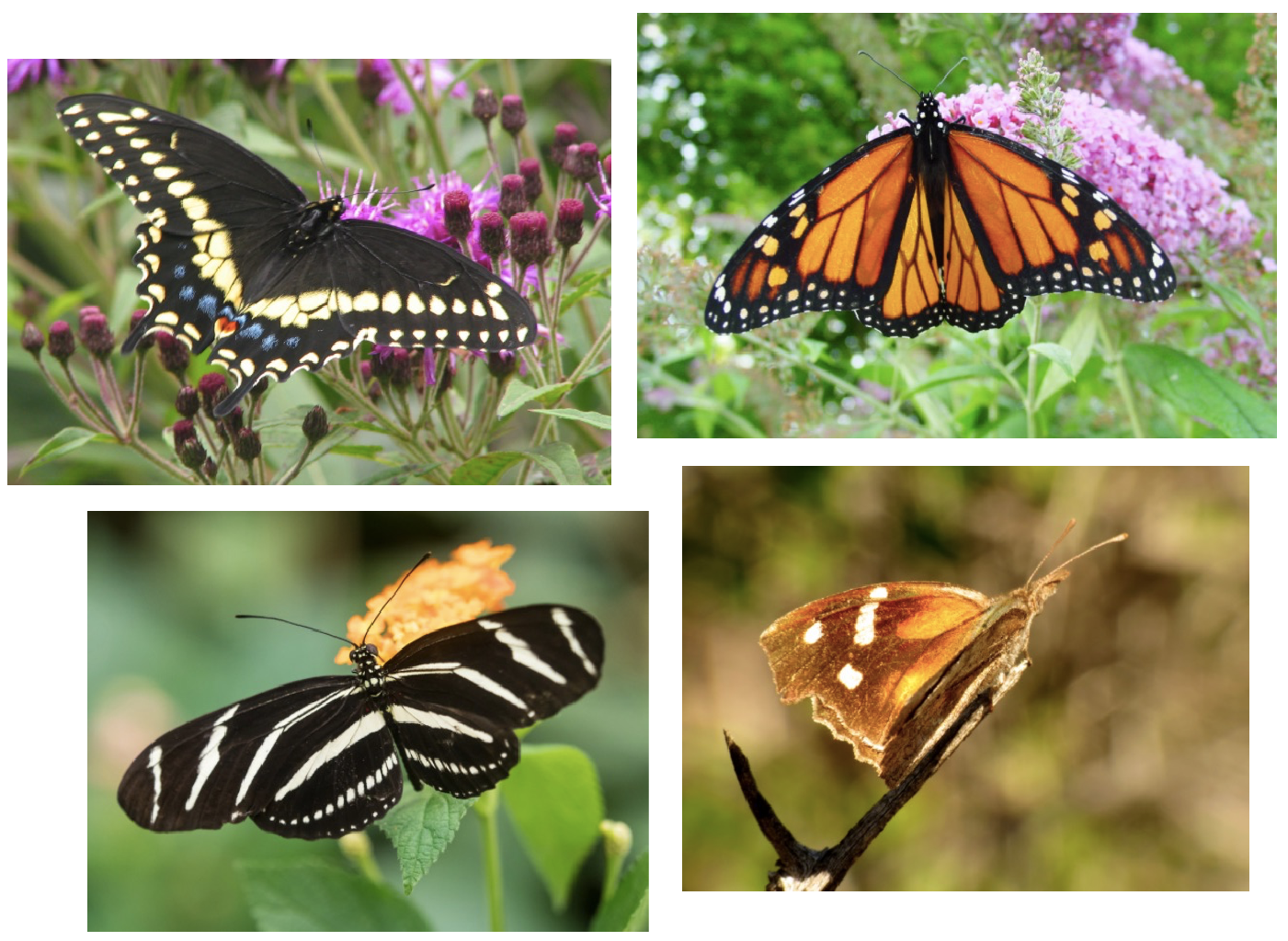
Clockwise from Top Left: Black Swallowtail, Monarch, Snout, Zebra Longwing

Include damp areas or shallow puddles in the garden.

Some butterflies drink and extract salts from moist soil. Occasionally large numbers of male butterflies congregate around a moist area to drink, forming a “puddle club”.

Place flat stones in the garden.

Butterflies often perch on stones, bare soil or vegetation, spread their wings and bask in the sun. Basking raises their body temperature so they are able to fly and remain active.

Do not use pesticides in or near a butterfly garden.

Most traditional garden pesticides are toxic to butterflies. Use predatory insects, insecticidal soap or hand remove the pests if problems occur.

Become a butterfly watcher!

Get to know the colorful butterflies that visit your garden. They are easy to identify with a field guide or butterfly app!

-Sally

Whether your hummingbirds are just passing through or they’re residents to our area, you can be sure they’re hungry! Hummingbirds are most attracted to orange & red blooming plants with tubular blooms.

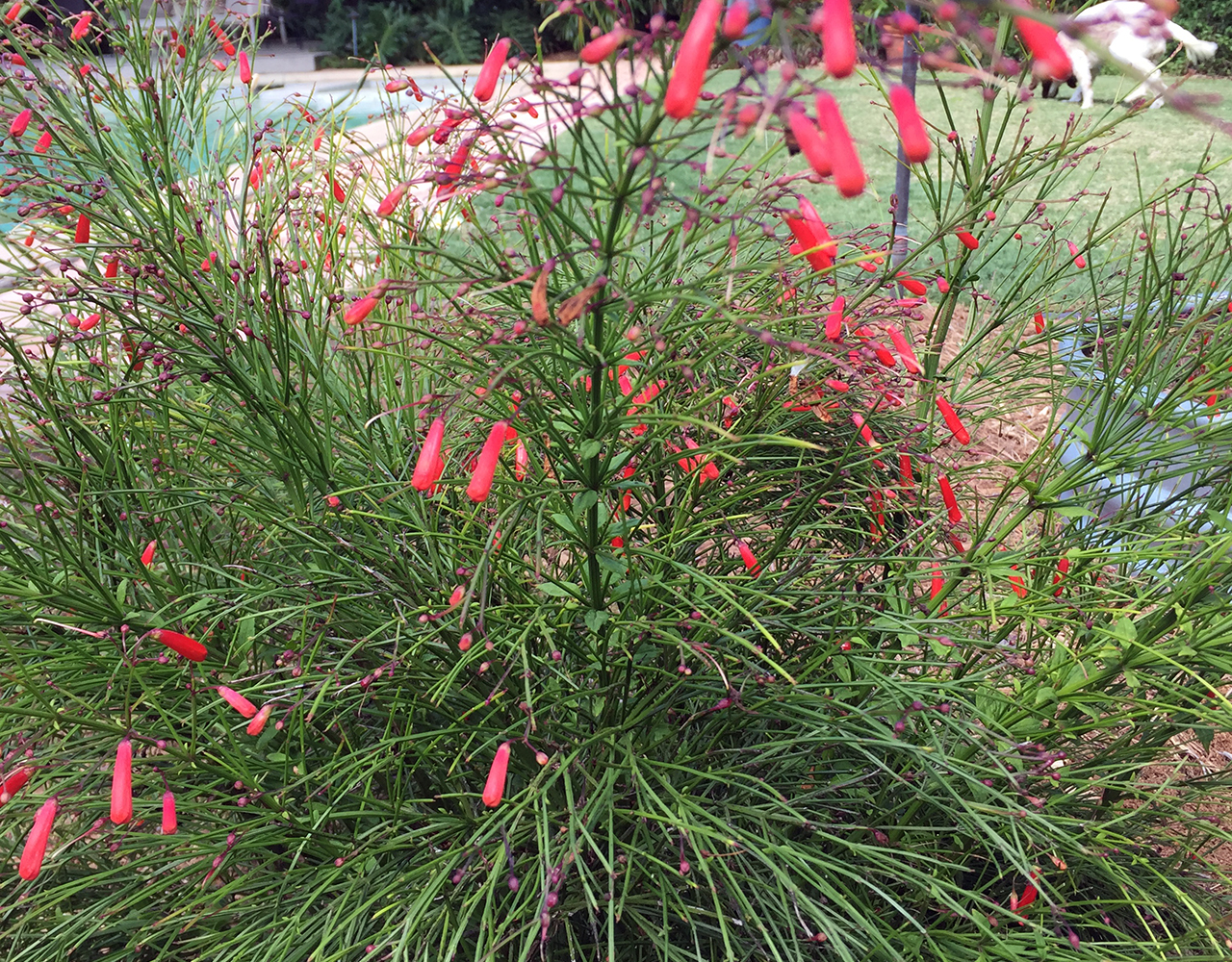
From our observation, one of their favorites in our area is the Firecracker Plant, which blooms spring, summer and fall as long as it gets good hot, full sun.


Firecracker Plant
Firecracker Plant

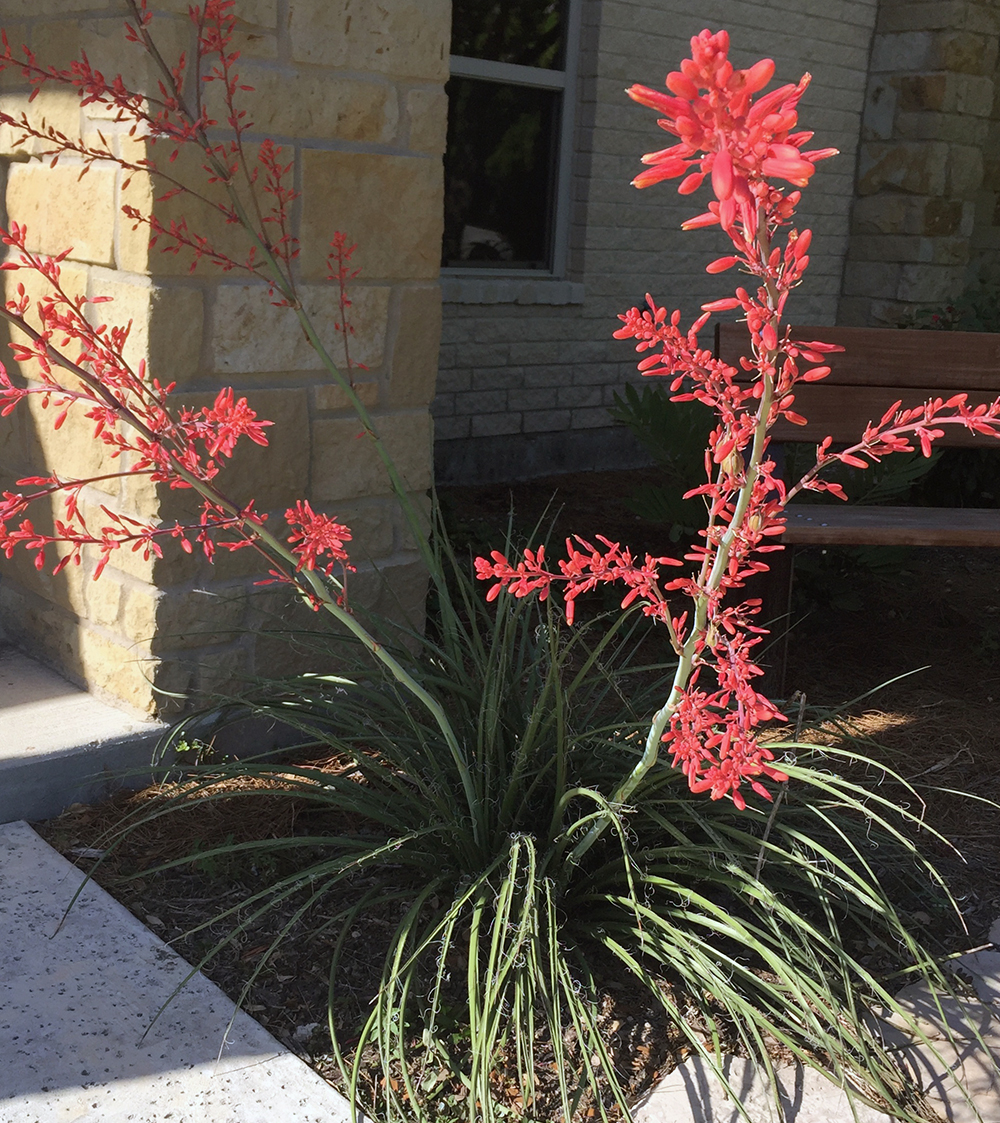
The tubular flowers make it perfect for the hummingbird to feed on. Another sun loving hummingbird plant is Red Yucca, which also has a very generous bloom season.


Red Yucca

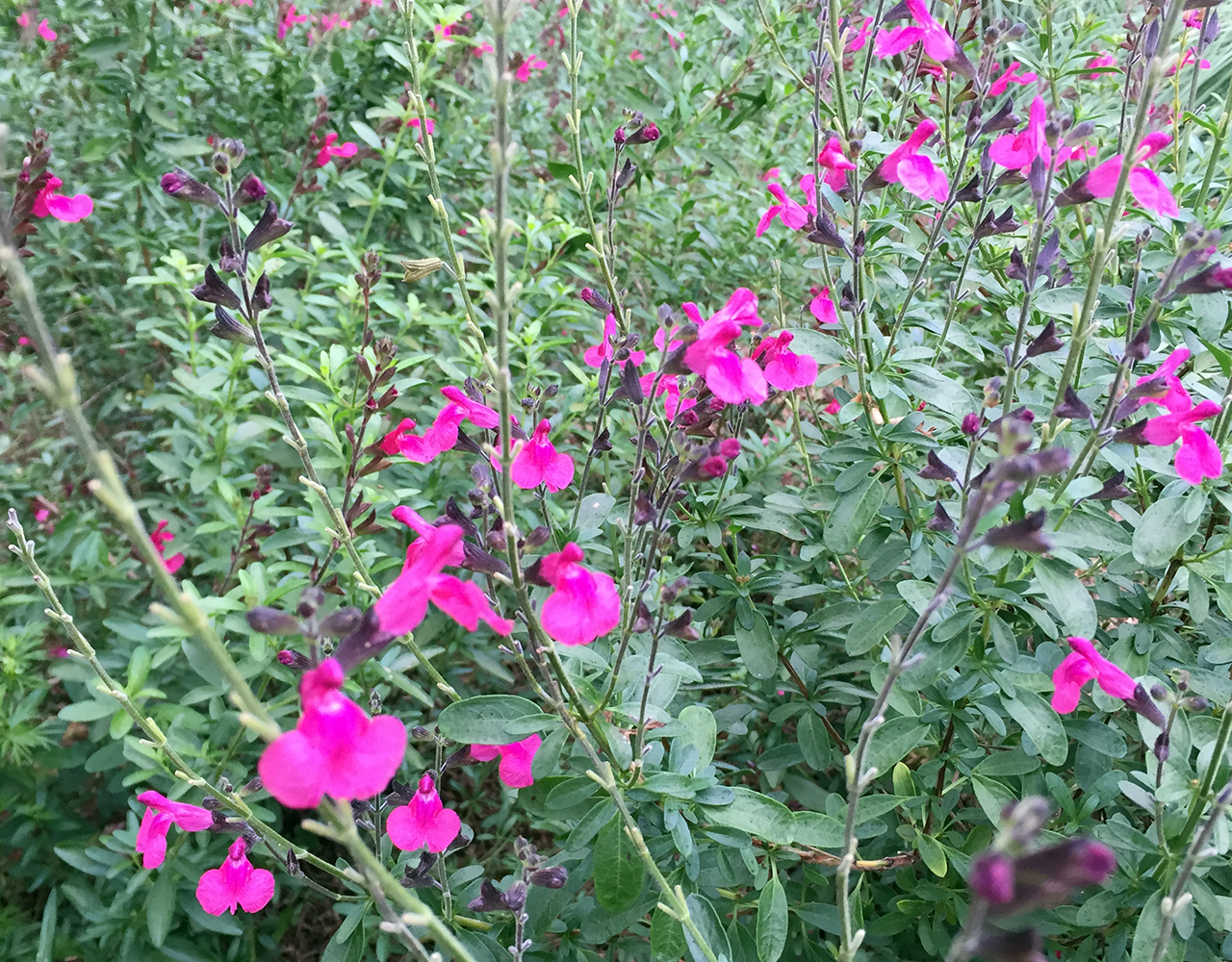
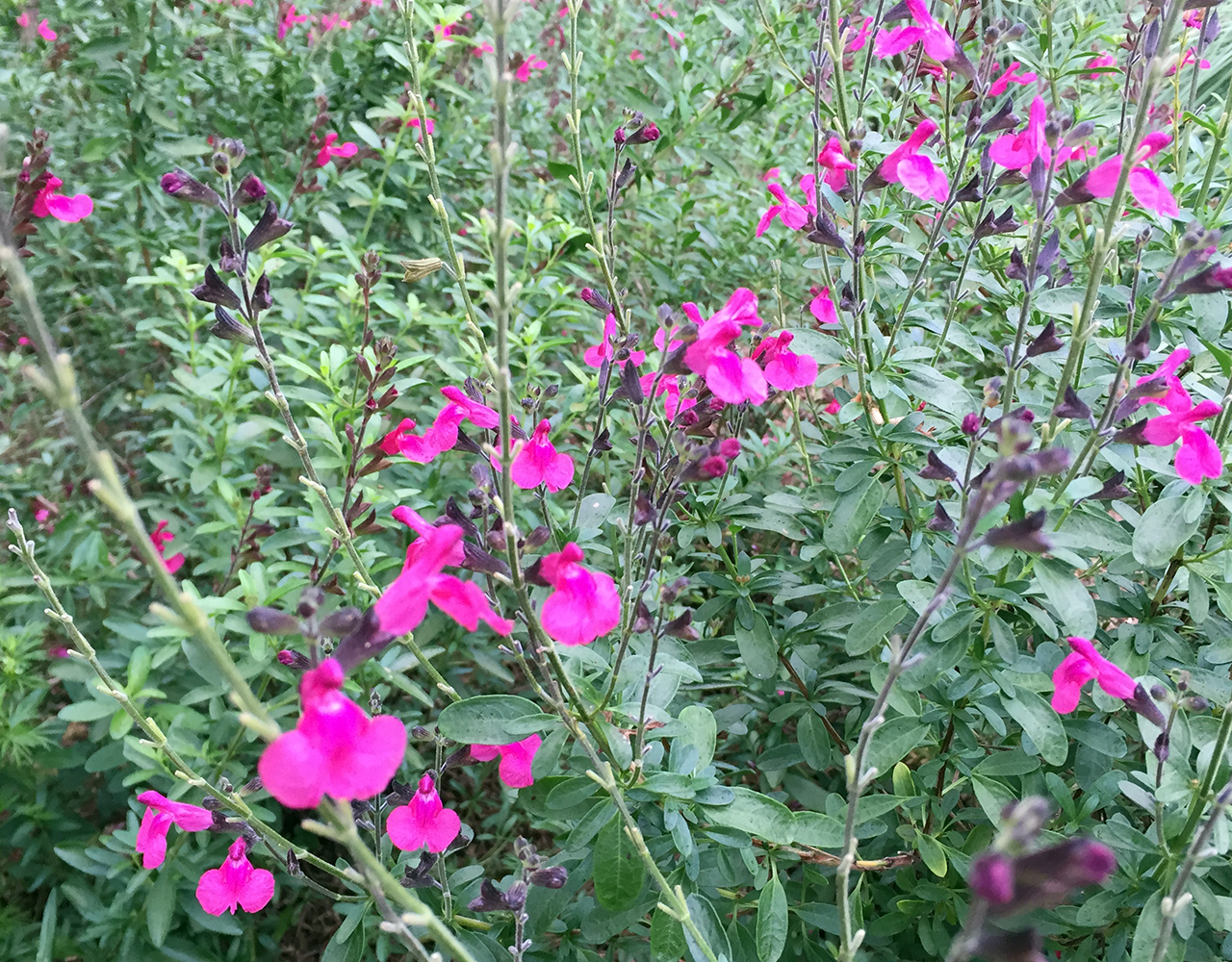
One of my favorites is Salvia gregii. It doesn’t look like much in the garden center because it doesn’t bloom as heavy until it gets established. But boy, the hummingbirds love this one!


Salvia Gregii
Salvia Gregii

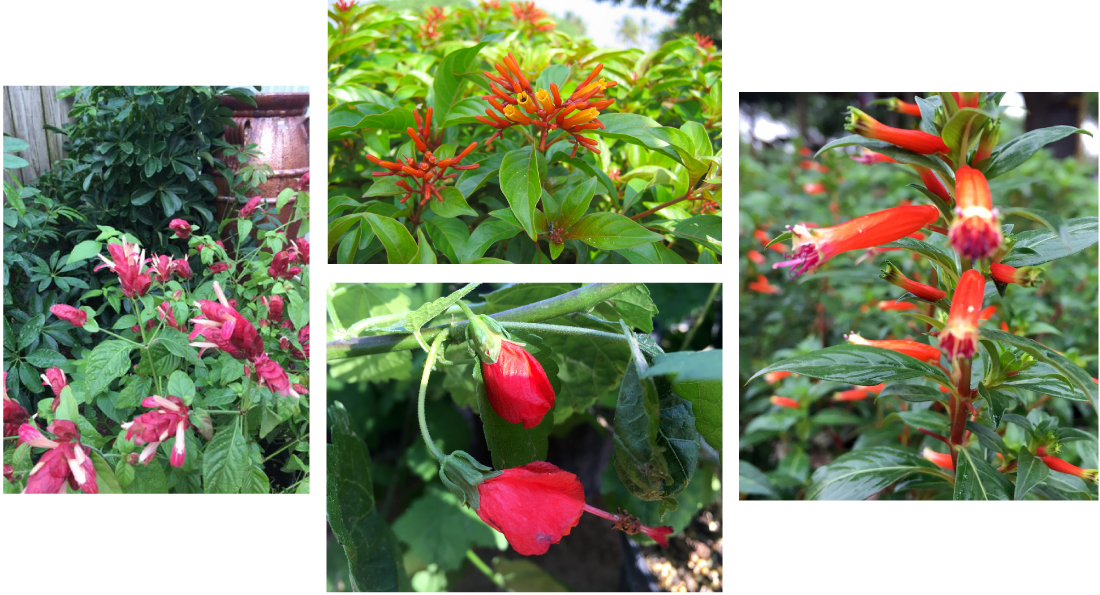
Others are Mexican Honeysuckle, David Verity Cuphea, Firebush (aka Hamelia), Turk’s Cap (native to our area), Shrimp Plant and Cape Honeysuckle. Planting in mass (two or three plants) in full sun is a sure way to get them to stop by your garden for dinner!


Clockwise from top: Hamelia, David Verity Cuphea, Turk’s Cap, Shrimp Plant


Happy Gardening!!


-Sally

You may have asked yourself at some point in your botanical endeavors, what makes the plant world go around, especially for blooming plants?

Bees are the answer, and are undeniably the most important insect on the planet!  They allow us to enjoy all the bounty of our vegetable garden, the bounty of our fruit bearing plants and all the colorful flowers of our landscape. Bees primarily carry out the pollination process, and the impact alone involved in them landing on a flower will sometimes help to start that cycle.  Bees harvest pollen by gathering it on their backs and will transport it from one flower to another. This is critical for vegetables like squash, which have both male and female flowers.

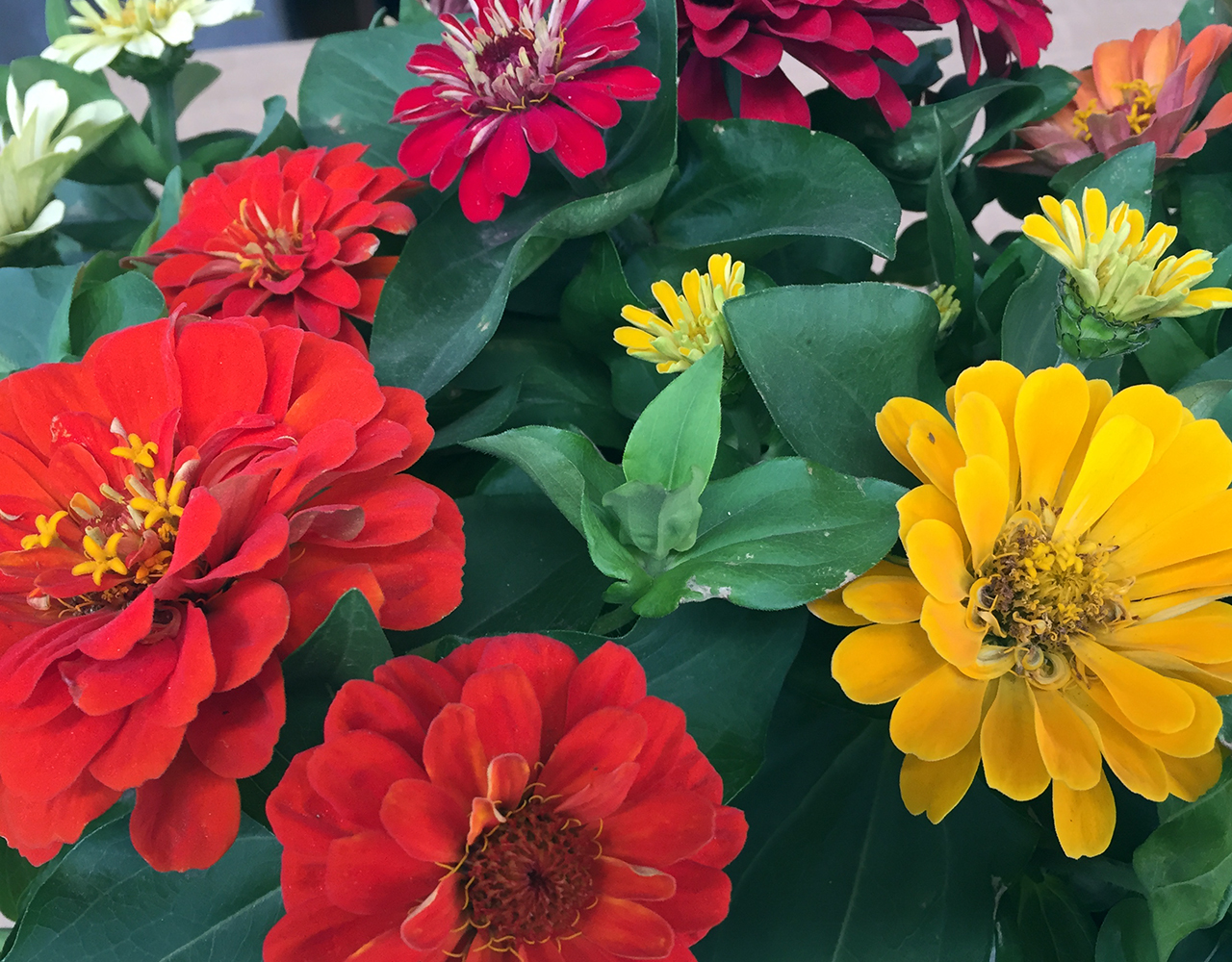
To attract bees, you guessed it, you will need flowers. Flat or shallow blossoms like Zinnias, Salvias, Daisies and Asters will attract the largest variety of bees. I’ve found through my experience that bees also love Magic Mountain Basil. Unlike your other basils, you’ll want to keep the flowers on this one.  There are many other flowering plants you can choose from and here at Gills, we have most of them in stock, readily available.

If you are running out of room in your garden like I have, you can also consider this alternative: I have found that if you go out and tap all the blooms of your vegetables or fruit bearing plants with your finger, you can transport pollen the very same way. So the next time you get scared when you see a bee, don’t be.  We probably wouldn’t be alive if it wasn’t for them. Bee friendly!


-Matt Pinkerton