Garden Center Hours: Mon-Sat 9am - 5:30pm • Sun 10am - 5:30pm

Yay for May! Everything’s growing and blooming and supercharged by recent rains! We hope you are too. May is Mental Health Awareness Month, which is a good time to think about the peace of mind that gardening brings us. Gardeners know all the research is true – gardening is one of the healthiest, most satisfying, and most fulfilling things humans can do! Here are our Top 7 Must Do’s this May to keep you and your garden feelin’ good.
1. Join Us for Workshops & Events!

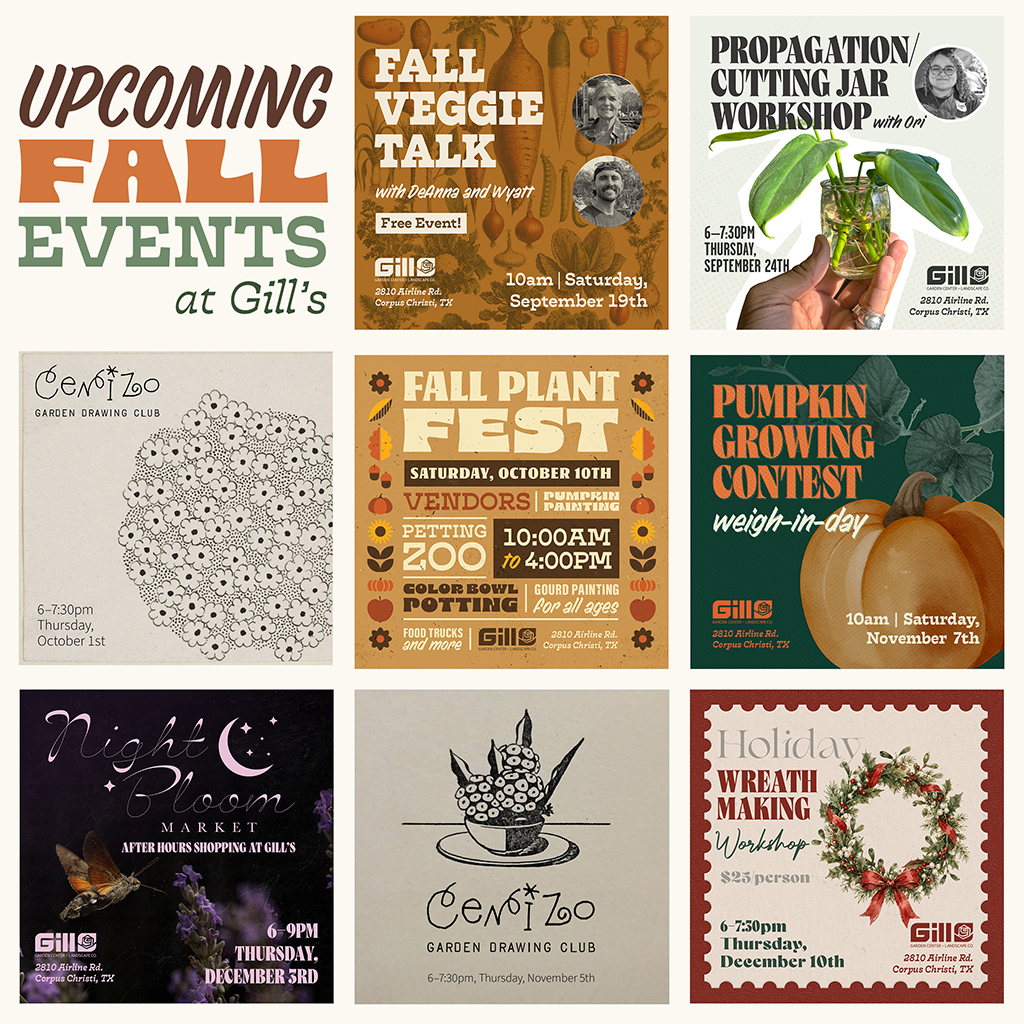
We’ve got a big May planned here at Gill’s with another round of fun workshops and events. Next weekend, on Saturday, May 9th, we’re inviting kids to come pot up a free flower for Mom for Mother’s Day. The following week, we’re hosting our first ever Ikebana workshop led by our fav local floral designer, Julia Prohorova aka Wild Veggie Bouquet! We’ve got Bigfoot’s Rockeaters coming for a cactus growing talk later this month, plus round 2 of our Nightbloom Market after-hours shopping event – this time with more vendors! Click here for more info, RSVPs, and tickets!

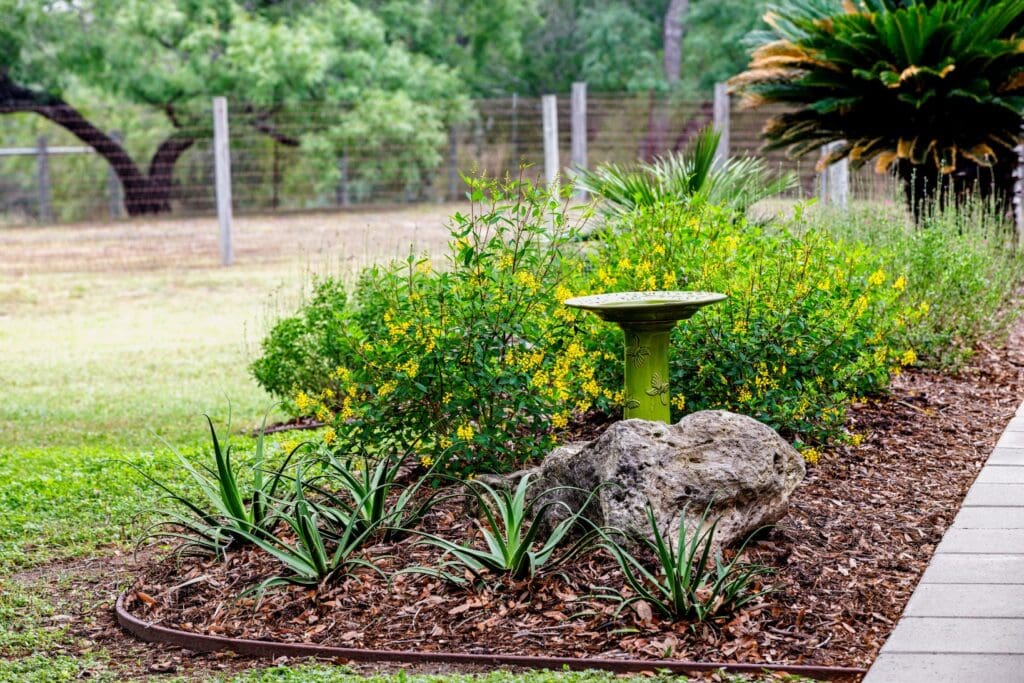
2. Plant Blooming Perennials and Trees

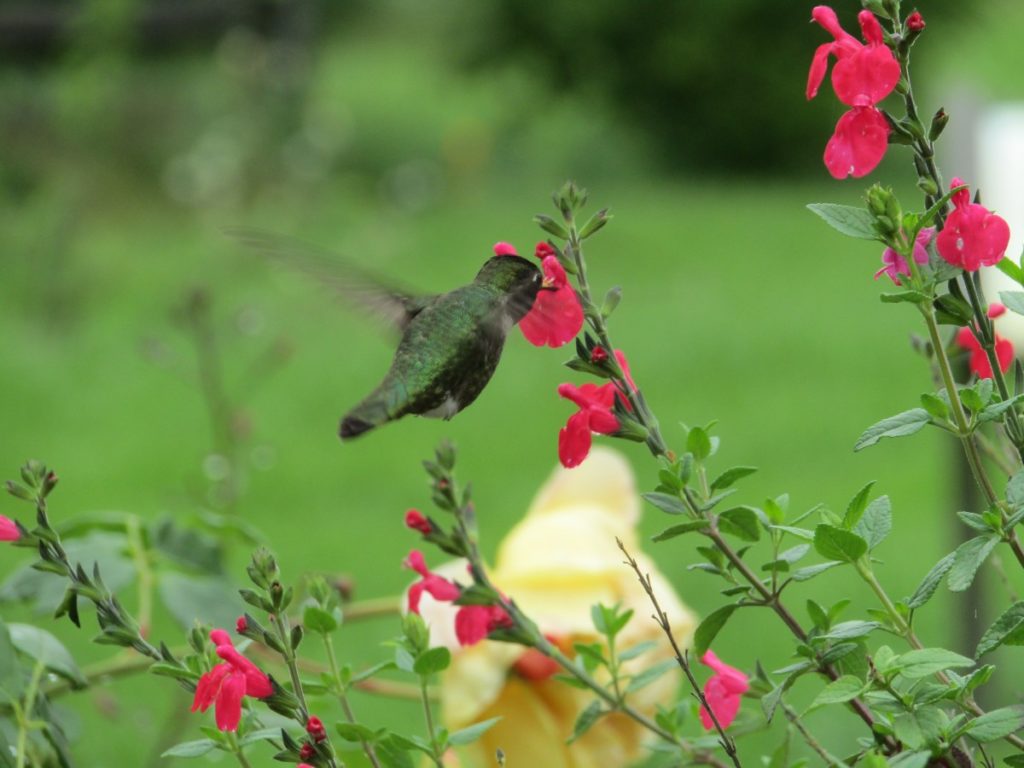
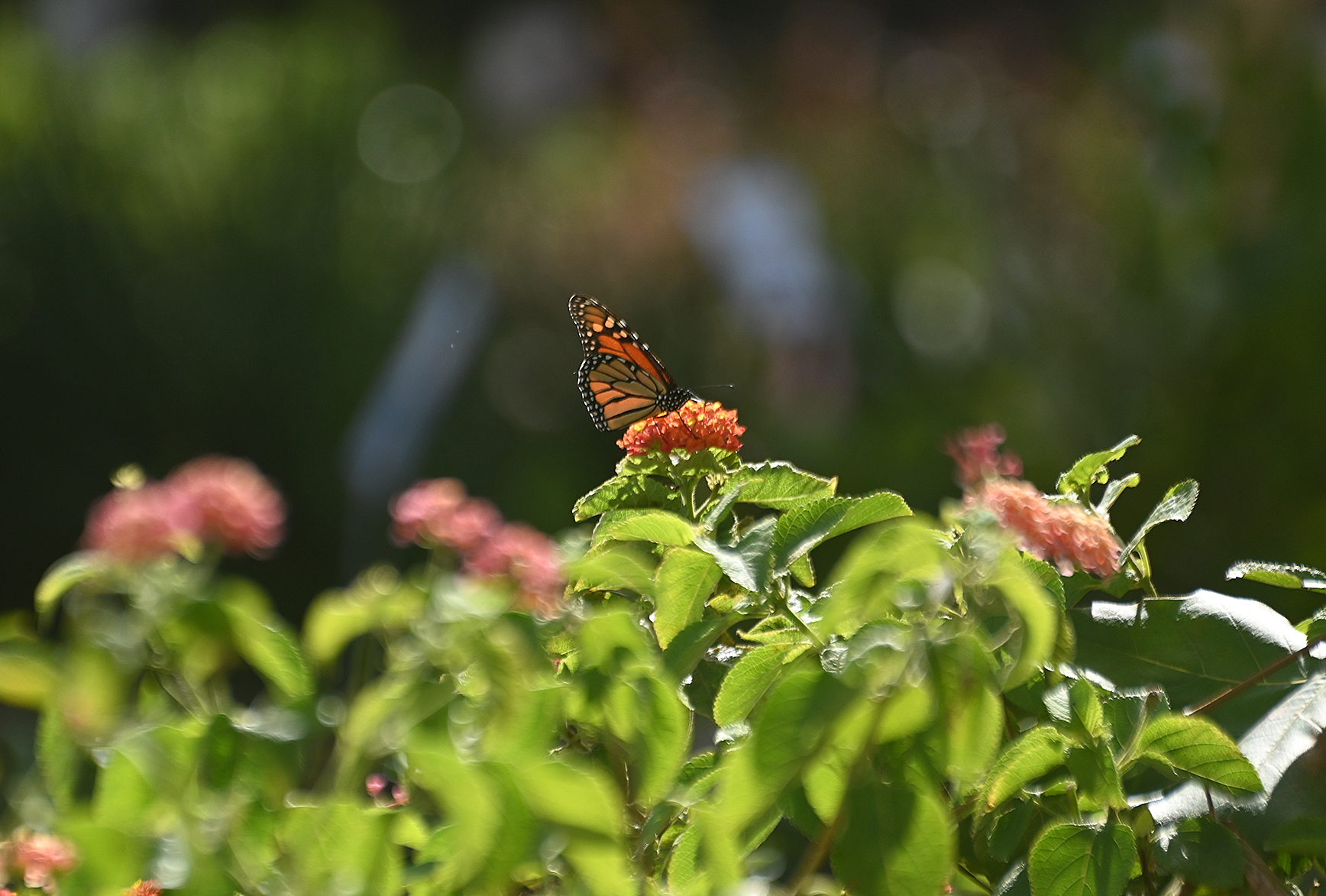
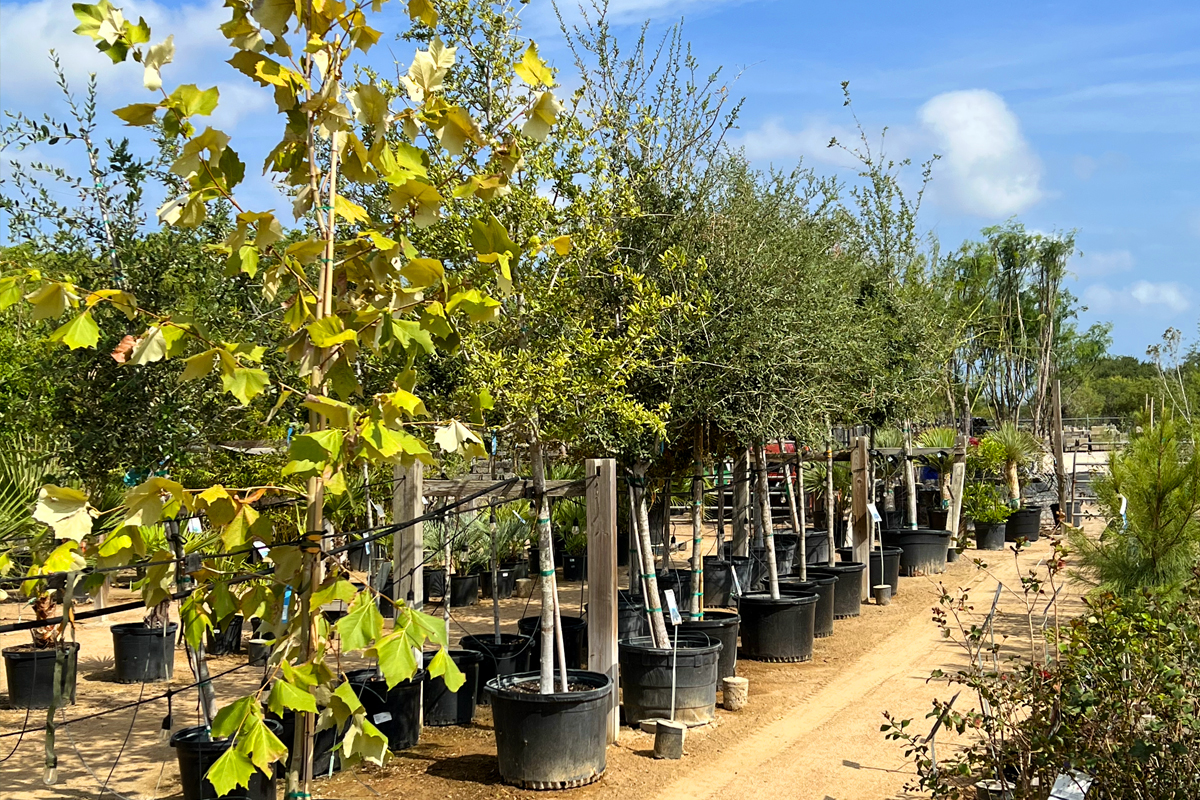
It’s time to plant lots of different blooming perennials and blooming trees. Get them established in May so they are rooted and acclimated to withstand warmer temps this summer. Staples like Esperanza, many varieties of Salvia, Lantana, and tons more are all blooming beautifully right now. And blooming native trees like Retama and Wild Olive are looking great right now. Added bonus:  blooming perennials and trees attract lots of butterflies and hummingbirds!

3. Plant and Harvest Veggies

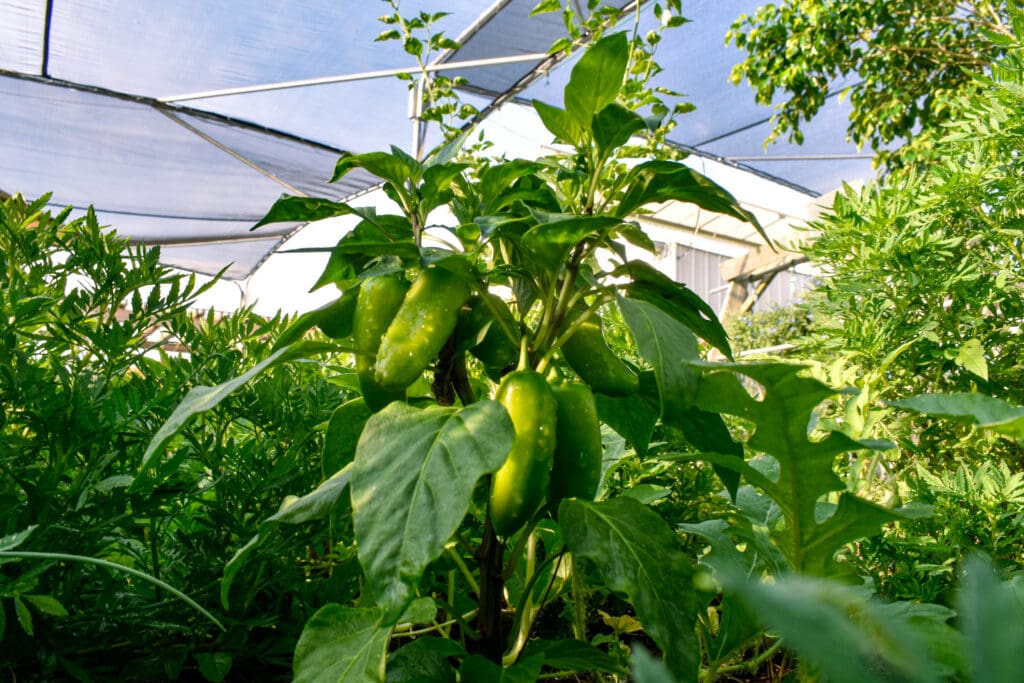
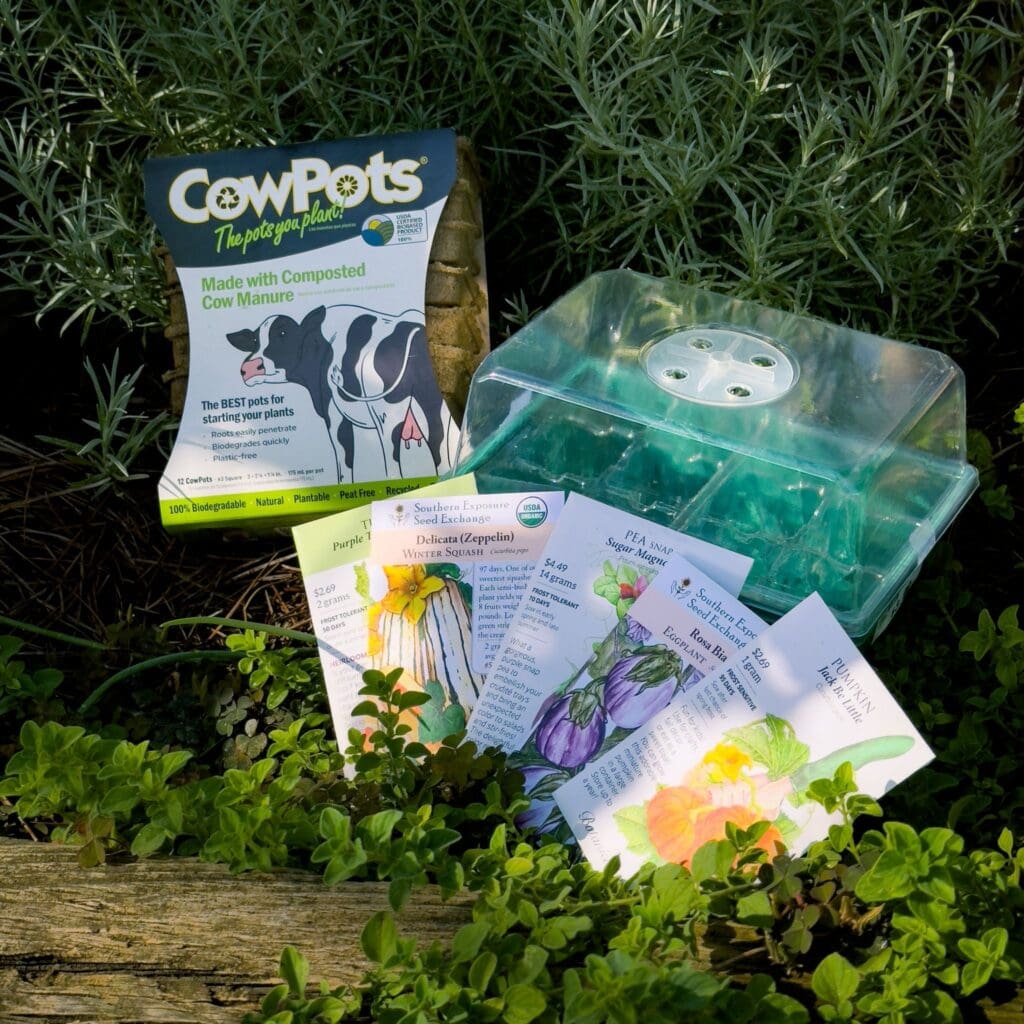
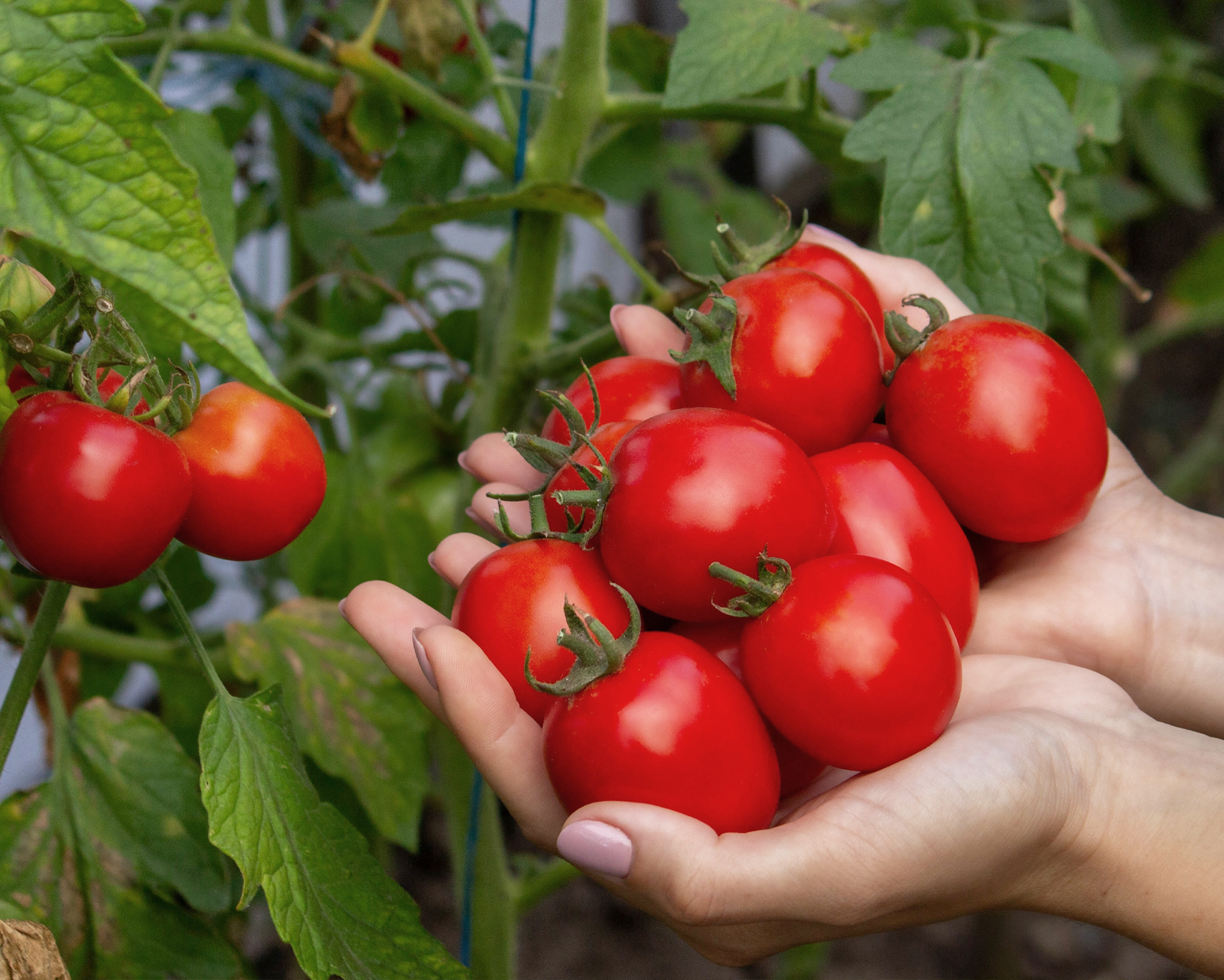
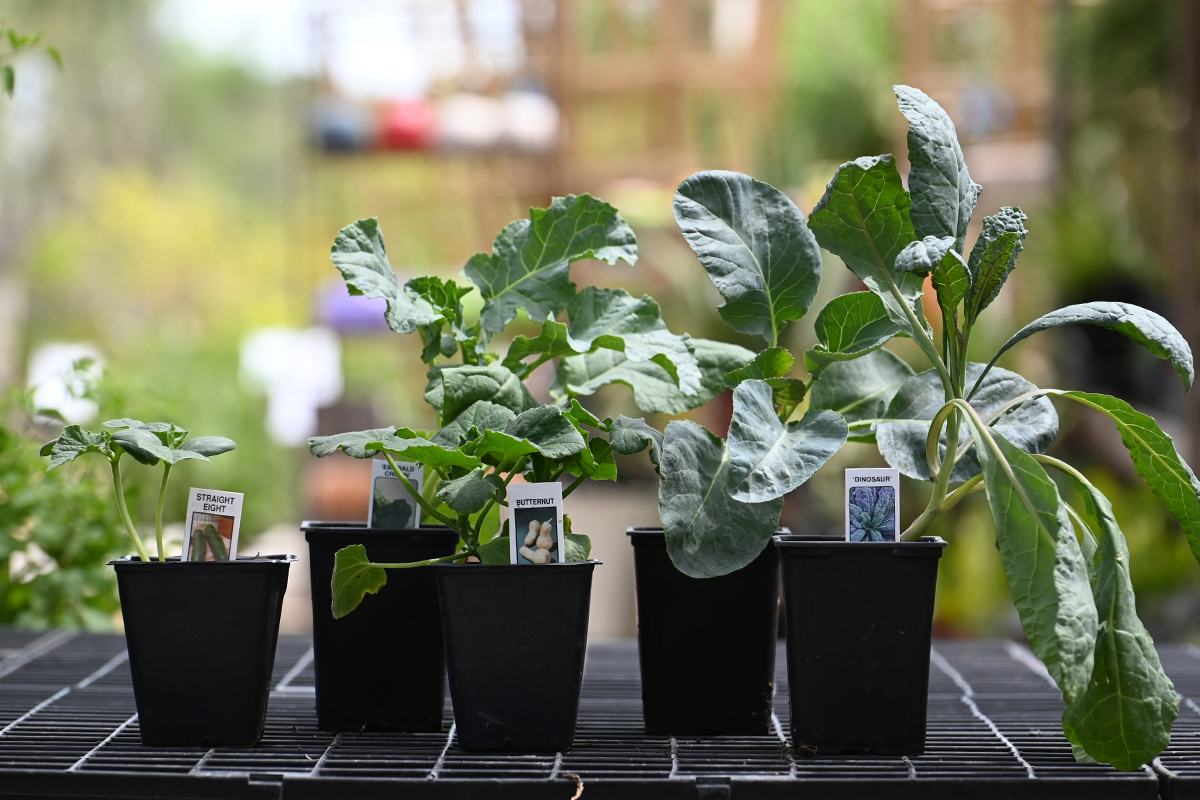
Warm weather veggie time! Plant all kinds of peppers, zucchini, squash, melons, and okra this month for continued harvesting into the summer months. If you planted tomatoes, cucumbers, and other early spring veggies, you’ll be harvesting now or very soon. Be sure to harvest often! It keeps birds & insects from finding them first, and helps redirect energy to produce more fruit. If you do have insect issues in your veggie garden, our go-to organic control is Spinosad soap – safe for food but takes care of a lot of common bad bugs. 

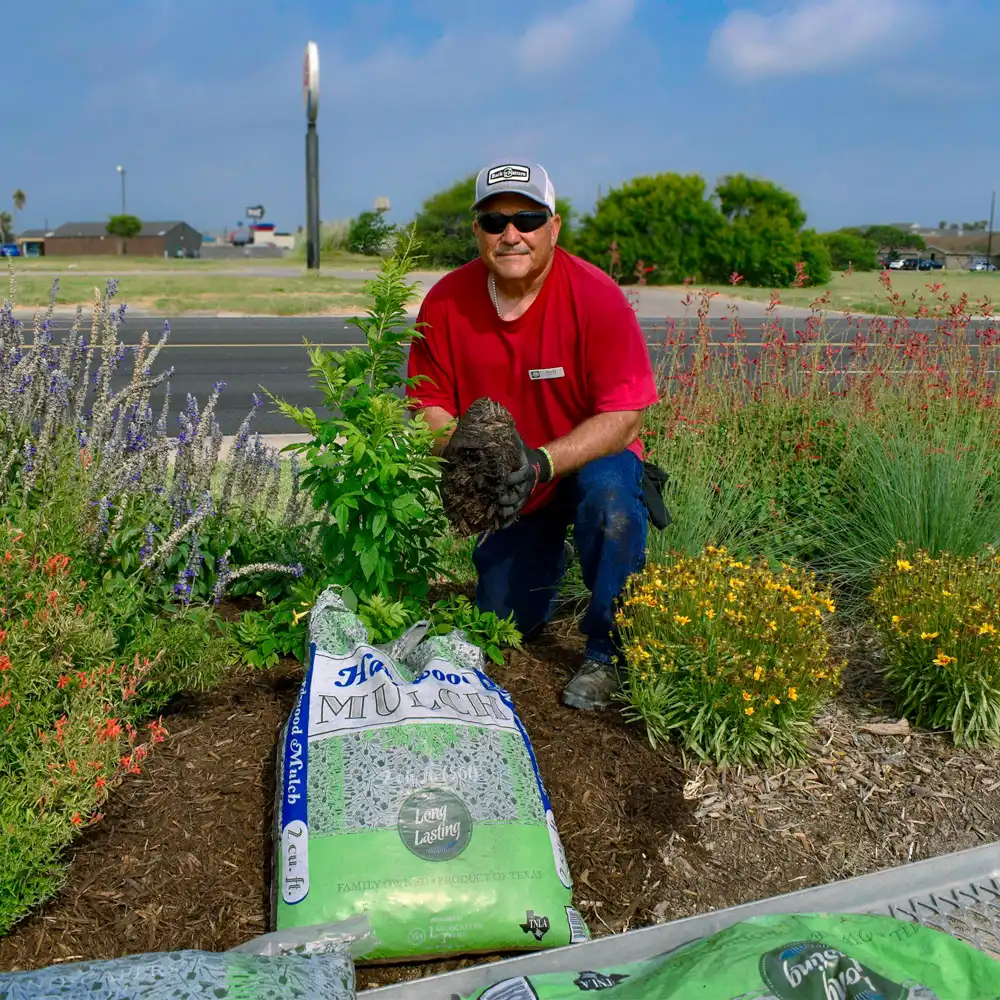
4. Mulch for Many Reasons!

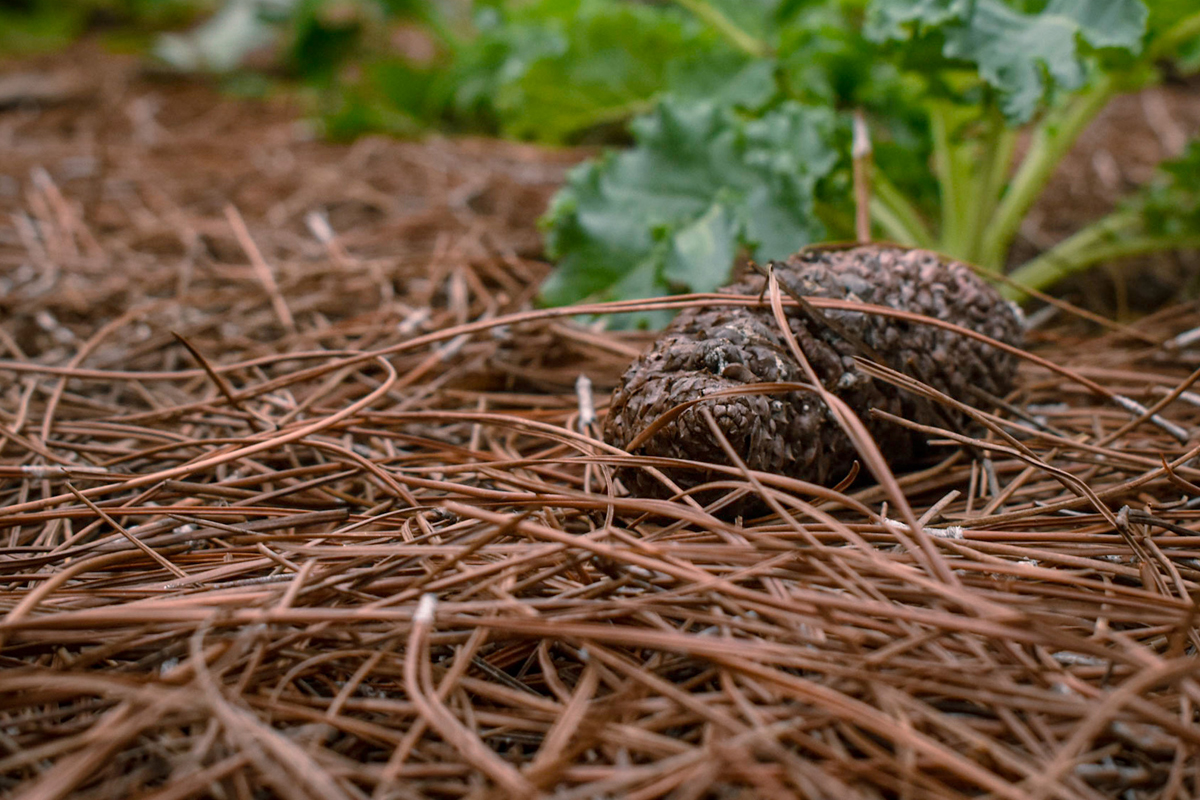
We all know that fresh mulch is the quickest garden makeover! But did you know that applying a proper 3” layer of natural mulch keeps underlying soil temps more than 20 degrees cooler?! A good mulch layer keeps weeds at bay, and as it breaks down over time, it add nutrients to your soil. And perhaps most importantly right now, a good mulch layer retains moisture, which means big water savings. 

5. What About Watering?

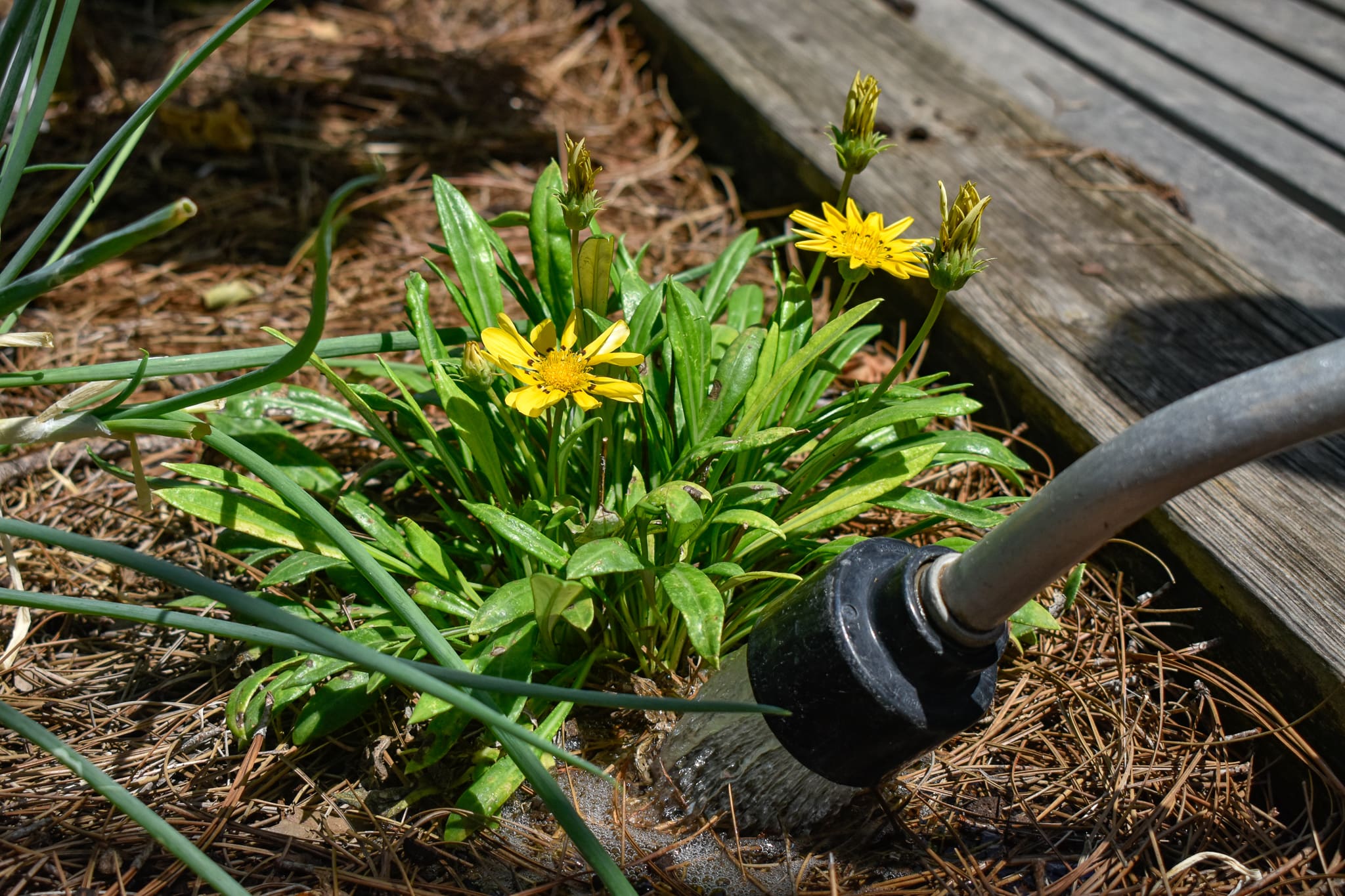
Speaking of watering, despite long-term drought conditions and potential water emergencies in the news, we need to continue to water smartly. Watering consistently now (just enough) will help maintain depth moisture, make the most of rainfall, and help plant roots grow deeper – all of which will reduce water needs and save water in the long run. Does all of our plant water need to come from the tap? Nope! You can conserve a lot of city water by collecting rainwater, A/C condensate, water from dehumidifiers, and re-using gray water from washing machines and dishwashers. If you’re interested in collecting a lot of rainwater, the Gill’s landscape team installs custom rainwater collection systems using stainless steel cisterns that are very attractive in the landscape and last a lifetime. Just 1″ of rain on 1,000 square feet of roof space can catch 600 gallons of rainwater. Get in touch!

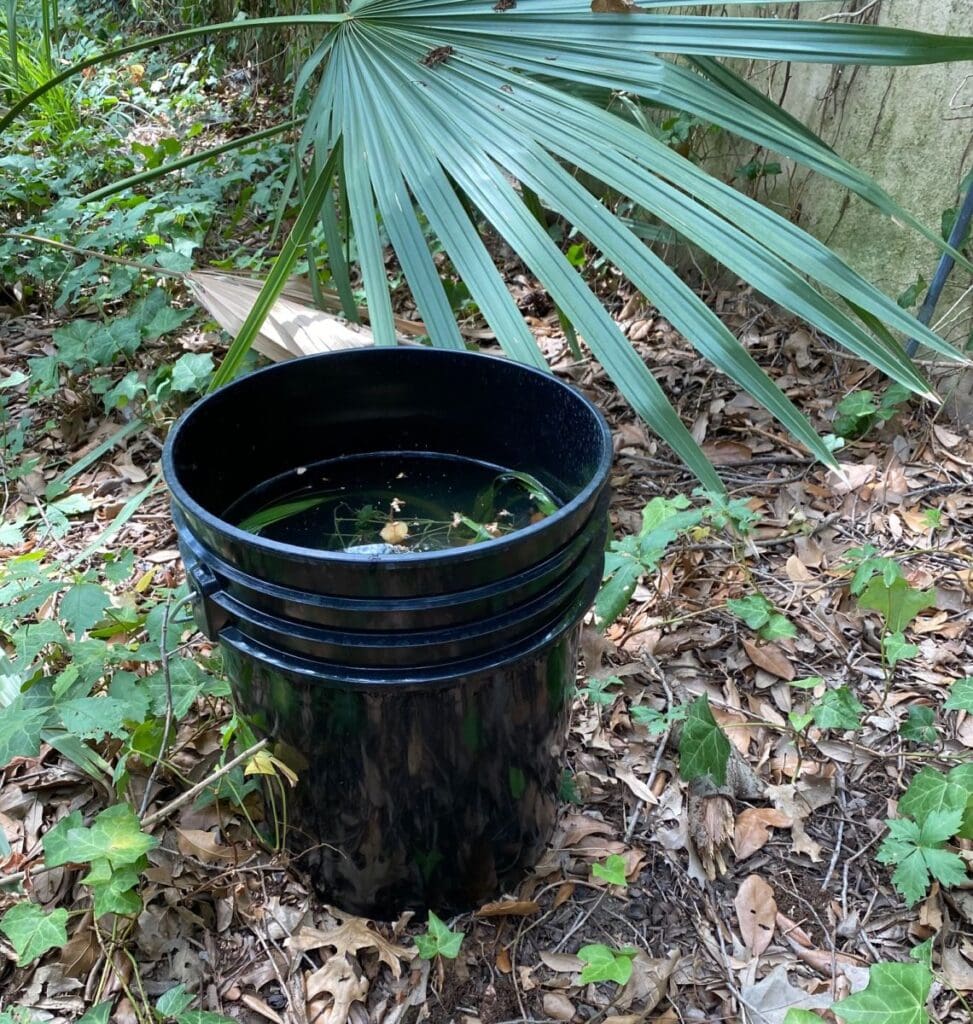
6. Set Your Mosquito Traps!

We are big fans of the simple bucket mosquito trap. Just fill a bucket 3/4 with water, add a good handful of lawn or plant clippings, and toss in a Mosquito Dunk or Mosquito Bits. These dissolve in the water and release bacteria that target mosquito larvae and kill them before they hatch. And they’re organic and not harmful to birds, bees, pets or humans! Set a few of these traps, sprinkle some organic Mosquito Beater granules around walkways and patios, and use Skeeter Screen incense sticks near where you’re working or hanging out outside. Remember that using chemical mosquito foggers kills all the good bugs too, some of which help control mosquitos and other bad bugs.

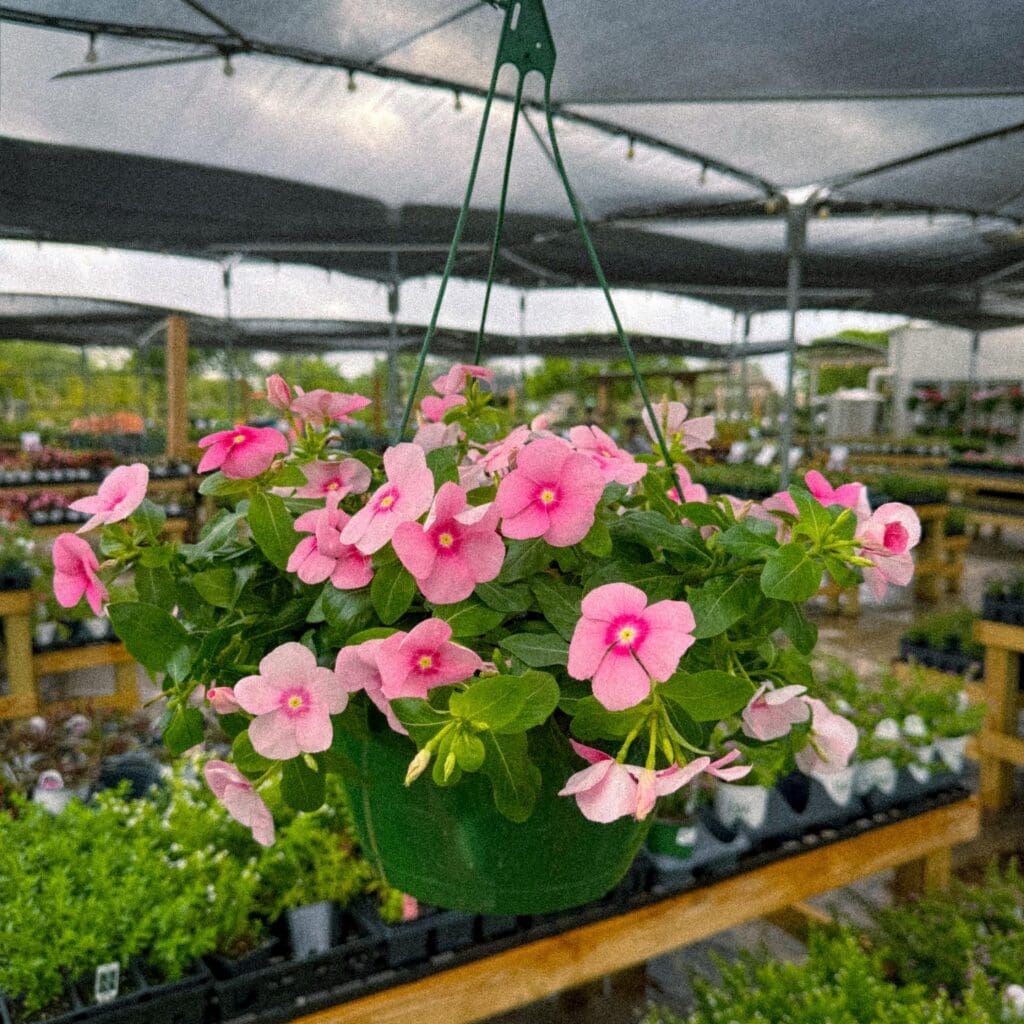
7. Gifts for Mother’s Day and Graduations

Let us help you find something pretty, useful, or both for the gardening moms and grads in your life. Pottery, birdbaths, wind chimes, quality garden tools, hats, gloves, garden decor, plantable greeting cards, gardening books – lots of options. You can purchase Gill gift cards online here. Or come find the gift that gardeners love most – plants 🙂

Fall is OUR ABSOLUTE BEST TIME for planting veggies, trees, flowers, and just about everything else! It just feels good! But time is of the essence! A lot of the things we do in the garden this month will set us up for success for seasons to come. Here are our top must-do’s for October.

Check out our October Garden Guide for more tips and remember that trees, shrubs, and perennials can be planted 12 months out of the year! The only difference is the amount of water they need depending on temperatures and wind.

1. Plant Food

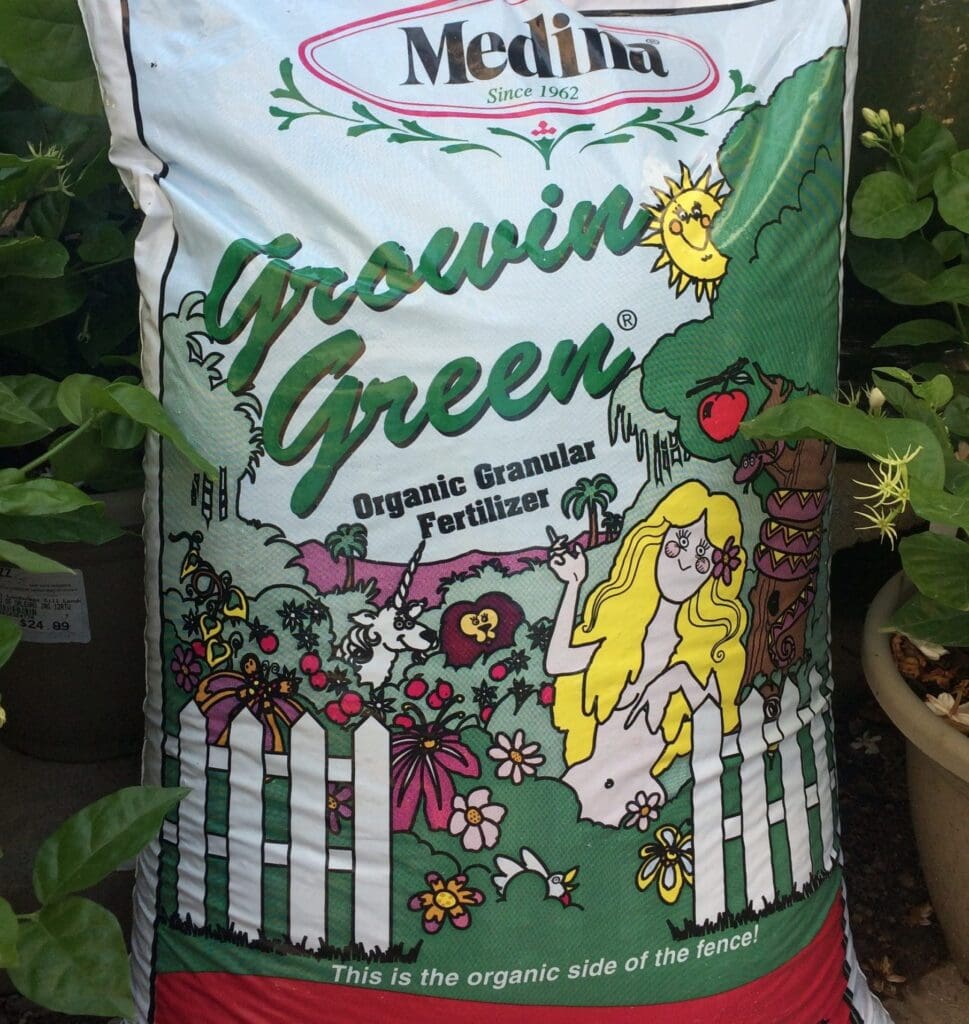
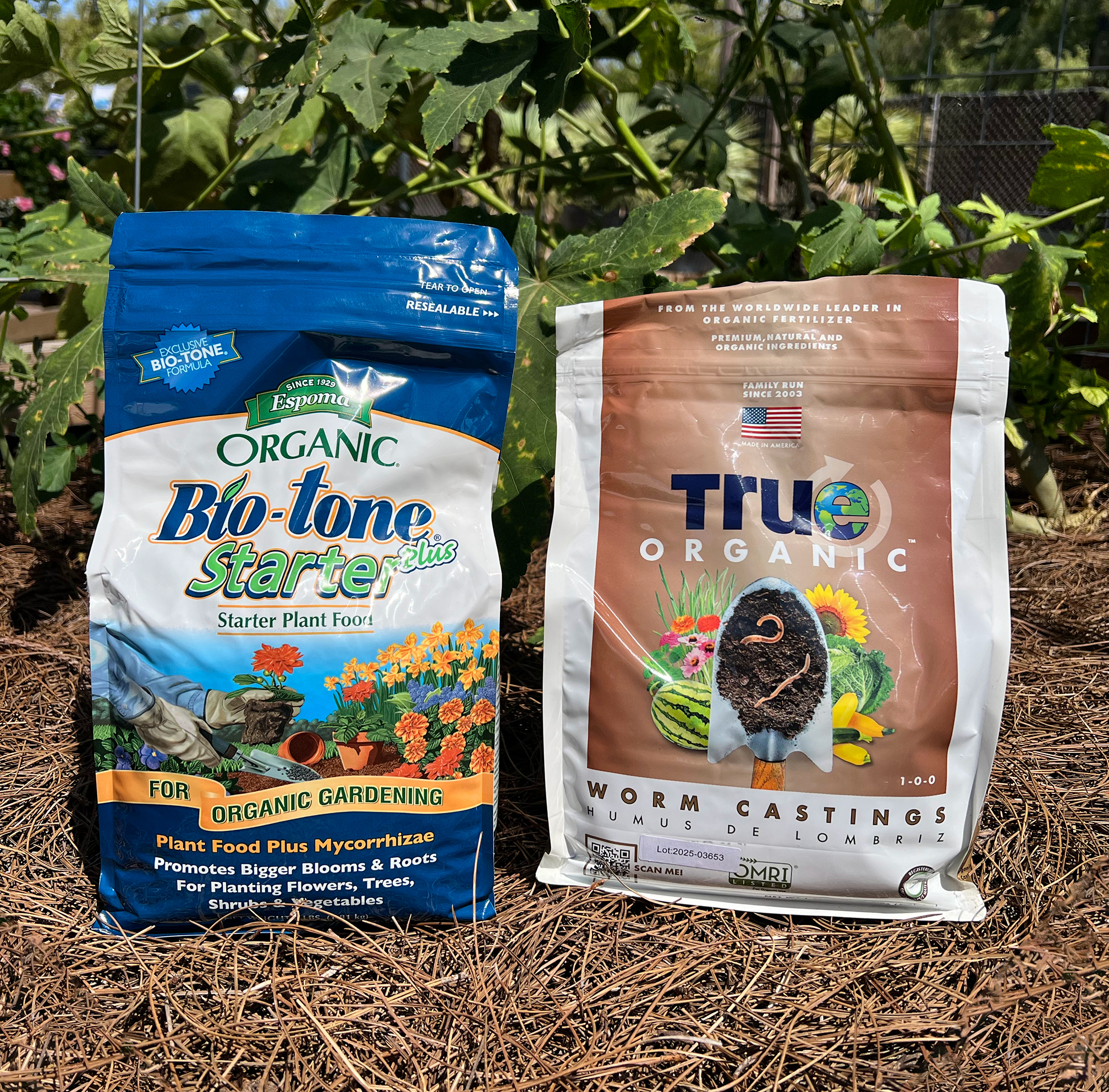
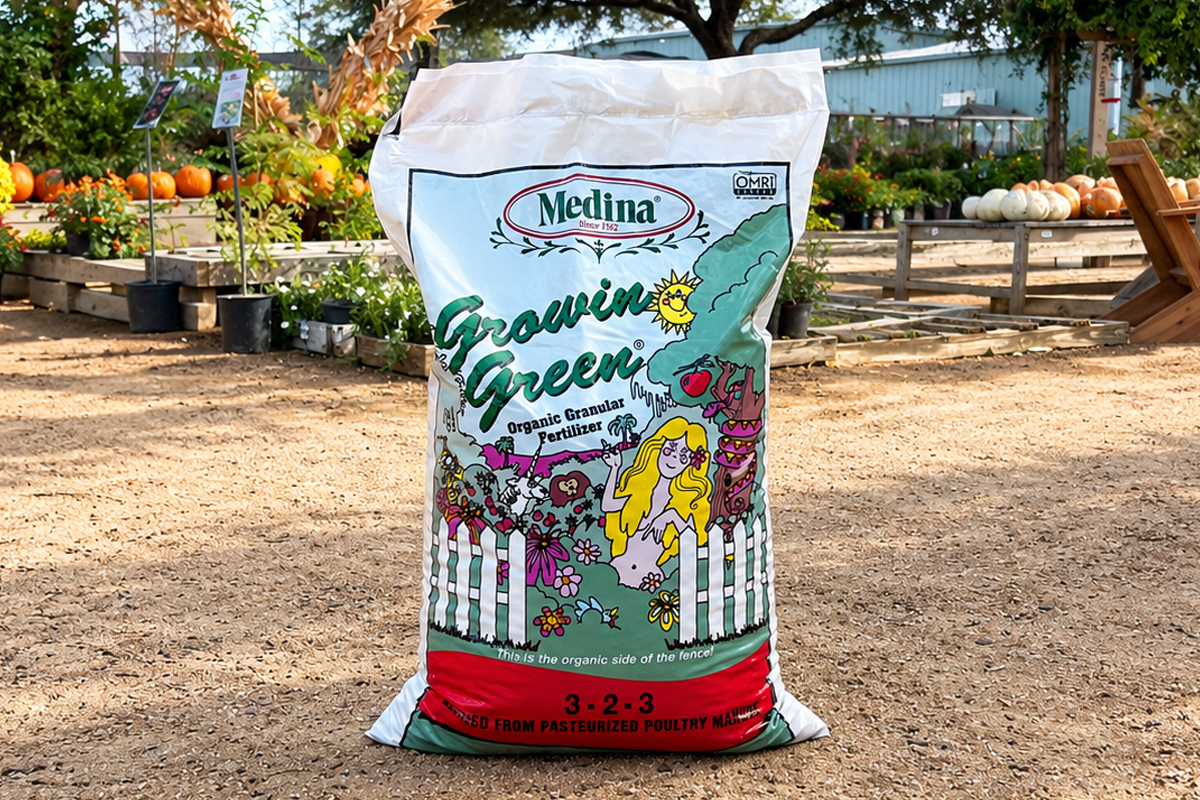
Some of the best… Broccoli, Cauliflower, Lettuce, Cabbage, Carrots, Beets, Radishes, Cilantro, Nasturtiums, and the list goes on. Remember – veggies are heavy feeders. We recommend feeding with an organic granular like Medina Growin Green or Plant Tone on the 1st of each month, and again with liquid Hasta Gro on the 15th. Set these reminders on your phone/calendar and you’ll have much better production.

Watch:  Coastal Bend Veggie Gardening Guide

2. Plant Fall Flowers

Take advantage of the weather while the days are still long. It’s the perfect time to start cool weather Impatiens, Marigolds, Snapdragons, Violas, Petunias, Calendula, Begonias – the flowers and colors that say, “FALL!”. Warm days help flowers develop roots so they can look their best during the cooler months ahead.

3. Ready, Set, Fertilize Your Lawn + Prevent Weeds

Fertilizing lawns this month is essential for developing strong roots and healthy growth next Spring and Summer. We emphatically recommend organic Medina Growin Green! Amazing stuff! A 40lb bag covers 3000 sq ft of lawn, and for a small fee, we can rent you a spreader which makes it very easy to apply. Not only does Medina Growin Green work wonders on lawns, you can use it in all areas of your landscape, including your veggie garden. If you’re dealing with a weed problem, treat for weeds, wait 2-3 weeks, then fertilize. Do not use “weed & feed” products! Prevent weeds in your lawn by applying Weed Beater Complete or Hi-Yield Turf & Ornamental Weed & Grass Stopper.

Read: Fall Lawn Care

4. Plant for Hummingbirds and Migratory Birds

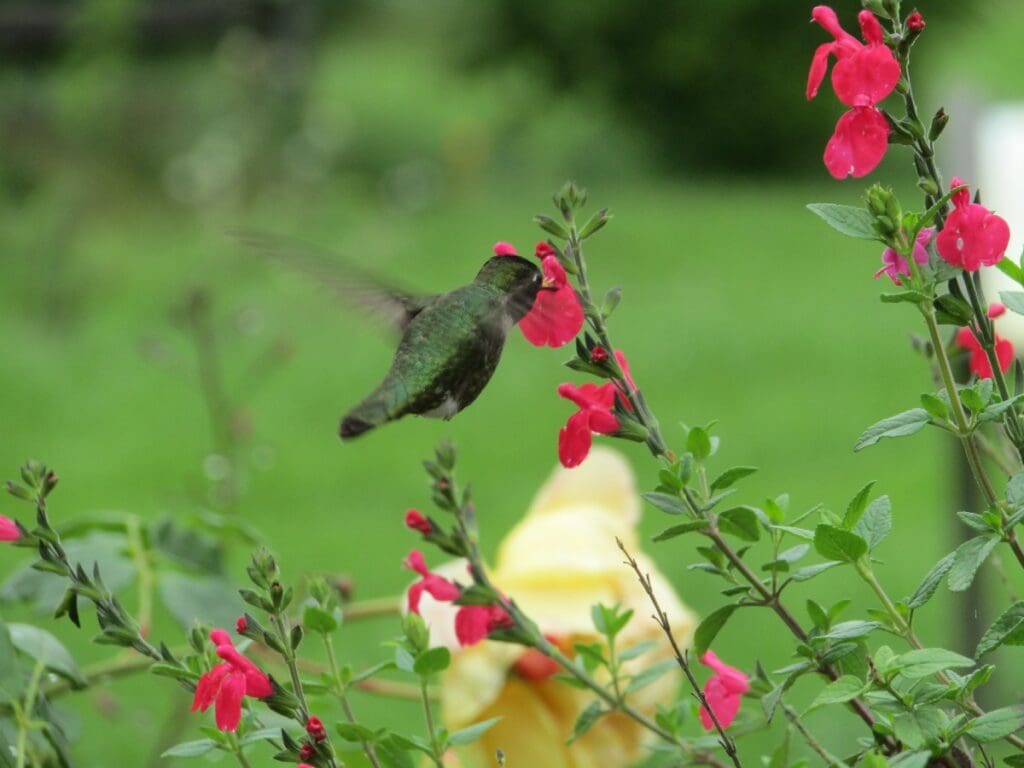
Right now is a great time to plant all kinds of blooming plants that hummingbirds and other migratory birds need. Some of our favs for South Texas are native Flame Acanthus (aka hummingbird bush), Salvias (like native Salvia greggii and Salvia leucantha), Cape Honeysuckle, native Turk’s Cap, native Beautyberry, native Loquat, Firecracker plant, Coral bean – the list goes on and on. We have been covered in hummingbirds here at Gill’s!

5. Plant Trees Now for The Best Head Start

We’ll say it again… planting trees is all about growing roots. Trees planted in Fall grow more next Spring & Summer because they spend time all Fall and Winter working on their root system. It also helps prepare them for hot temps next Summer. Live Oak, Burr Oak, Magnolia, Anacua, Cedar Elms, & Wild Olive are some of our South Texas fav’s and we’ve been getting some gorgeous specimens!

Read: The Advantages of Fall Planting

One of my favorite pastimes, in between planting, fertilizing, trimming, and mulching, is sitting in my backyard and watching the butterflies dance around my garden. Here’s a few tips to entice these beauties to YOUR GARDEN!

Locate a sunny area.

Butterflies and most butterfly attracting plants require bright sunshine.

Plant nectar producing flowers.

Butterflies visit flowers in search of nectar  to eat. Many butterflies seem to prefer purple, yellow, orange and red- orange blossoms. Clusters of short, tubular flowers or flat-topped blossoms provide the ideal  shapes for butterflies to easily land and feed.

Select single flowers rather than double flowers.

The nectar of single flowers is more accessible and easier for butterflies to extract than the nectar of double flowers, which have more petals per flower.

Use large splashes of color in your landscape.

Butterflies are first attracted to flowers by their color. Groups of flowers are easier for butterflies to locate than isolated plants.

Plan for continuous bloom throughout the season.

Butterflies are active from early spring until late fall. Plant a selection of flowers that will provide nectar throughout the entire growing season. For blooms throughout the year, plant hamelia, shrimp plant. jatropha, lantana, bulbine, buddleia, mist flower, & penta. For flowers spring and fall, try mexican flame vine, verbena, mexican mint marigold, pavonia, passion vine, salvias, & fall chrysanthemums.

Clockwise from Top Left: Lantana, Mist Flower, Salvia Mystic Spires, Salvia Gregii, Shrimp Plant, Mexican Mint Marigold

Plant for perching.

Plant some evergreen trees or shrubs for perching and rain shelter. Example: Yaupon holly or desert willow.

Include host plants in your garden design.

Host plants provide food for the caterpillar and lure female butterflies into the garden to lay eggs.

  • Common Name:  Larval Food Source
  • Black Swallowtail:  dill, parsley, fennel, carrot tops
  • Fritillaries:  passionflowers
  • Giant Swallowtail:  citrus, rue
  • Julias:  passionflowers
  • Monarchs & Queens:  milkweeds
  • Pipevine Swallowtail:  Dutchman’s pipevine
  • Skippers:  mallows
  • Snouts:  hackberry
  • Sulphurs:  cassias
  • Viceroys:  pear, cottonwood, willow
  • Whites:  mustards, pepper-grass
  • Zebra Longwings:  passionflowers

Clockwise from Top Left: Black Swallowtail, Monarch, Snout, Zebra Longwing

Include damp areas or shallow puddles in the garden.

Some butterflies drink and extract salts from moist soil. Occasionally large numbers of male butterflies congregate around a moist area to drink, forming a “puddle club”.

Place flat stones in the garden.

Butterflies often perch on stones, bare soil or vegetation, spread their wings and bask in the sun. Basking raises their body temperature so they are able to fly and remain active.

Do not use pesticides in or near a butterfly garden.

Most traditional garden pesticides are toxic to butterflies. Use predatory insects, insecticidal soap or hand remove the pests if problems occur.

Become a butterfly watcher!

Get to know the colorful butterflies that visit your garden. They are easy to identify with a field guide or butterfly app!

-Sally

Whether your hummingbirds are just passing through or they’re residents to our area, you can be sure they’re hungry! Hummingbirds are most attracted to orange & red blooming plants with tubular blooms.

From our observation, one of their favorites in our area is the Firecracker Plant, which blooms spring, summer and fall as long as it gets good hot, full sun.


Firecracker Plant
Firecracker Plant

The tubular flowers make it perfect for the hummingbird to feed on. Another sun loving hummingbird plant is Red Yucca, which also has a very generous bloom season.


Red Yucca

One of my favorites is Salvia gregii. It doesn’t look like much in the garden center because it doesn’t bloom as heavy until it gets established. But boy, the hummingbirds love this one!


Salvia Gregii
Salvia Gregii

Others are Mexican Honeysuckle, David Verity Cuphea, Firebush (aka Hamelia), Turk’s Cap (native to our area), Shrimp Plant and Cape Honeysuckle. Planting in mass (two or three plants) in full sun is a sure way to get them to stop by your garden for dinner!


Clockwise from top: Hamelia, David Verity Cuphea, Turk’s Cap, Shrimp Plant


Happy Gardening!!


-Sally