We’re all ready to start our edible gardens. Early veggies & herbs are coming next week beginning August 13th! Starting with fresh peppers, tomatoes, and herbs that can take summer temps. Every week we will add more to the mix.

-Debbie

Gill Garden Center + Landscape Co.
Corpus Christi, TX Garden Center
We’re all ready to start our edible gardens. Early veggies & herbs are coming next week beginning August 13th! Starting with fresh peppers, tomatoes, and herbs that can take summer temps. Every week we will add more to the mix.
-Debbie
August is the homestretch to that next great planting season…Fall! So, no surprise August is about getting ready for cooler days ahead while keeping everything hydrated and pretty.
Check out our August Garden Guide for more tips and remember that trees, shrubs, and perennials can be planted 12 months out of the year! The only difference is the amount of water they need depending on temperatures and wind!
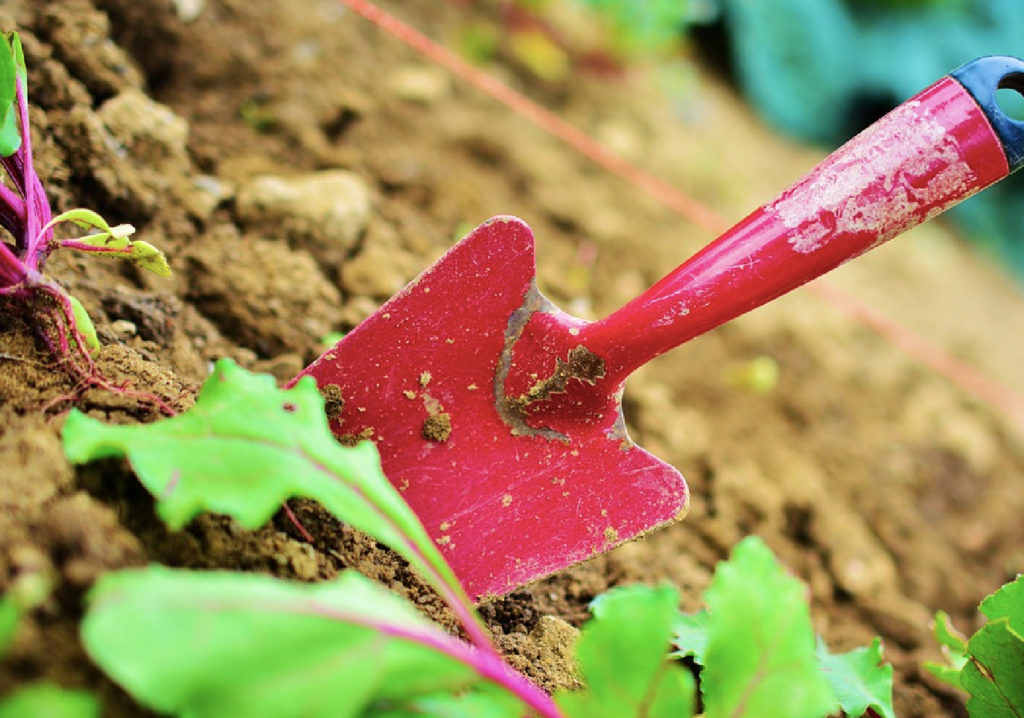
Clean out, pull up tired veggies, herbs, & flowers. Weed garden beds, add Cotton Burr Compost or Nature’s Blend Compost to your planting areas. Healthy soil makes healthy plants!
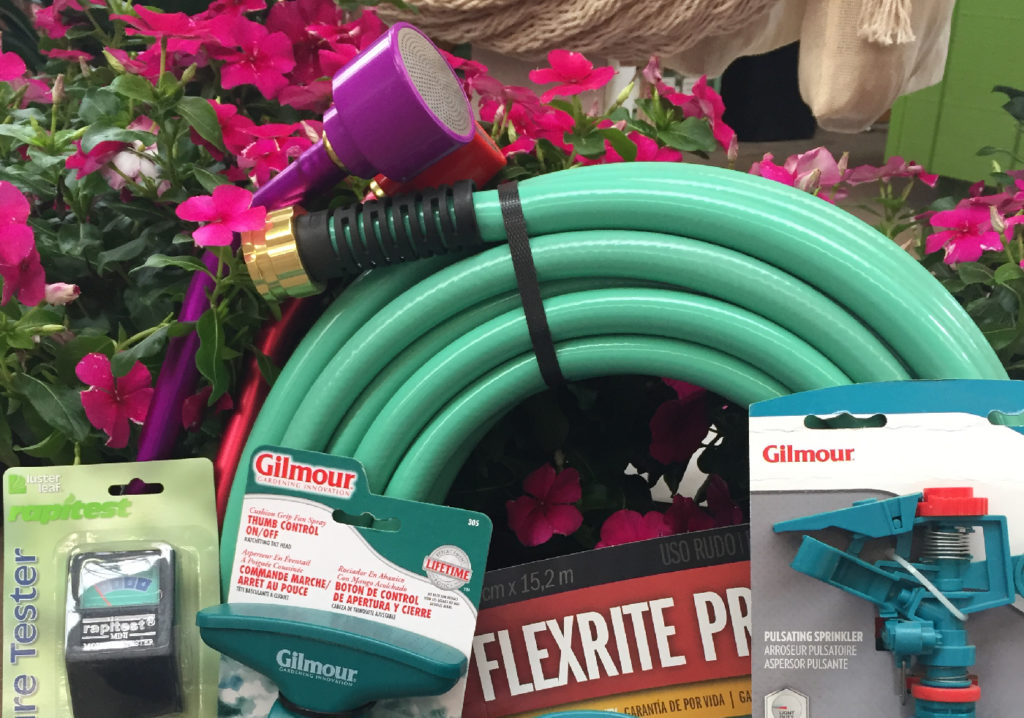
So important that plants, trees, and your lawn get enough H2O. Established trees, shrubs and lawns need an average of 1 inch of water per week if we don’t get rain. Newly planted plants & grass need more.
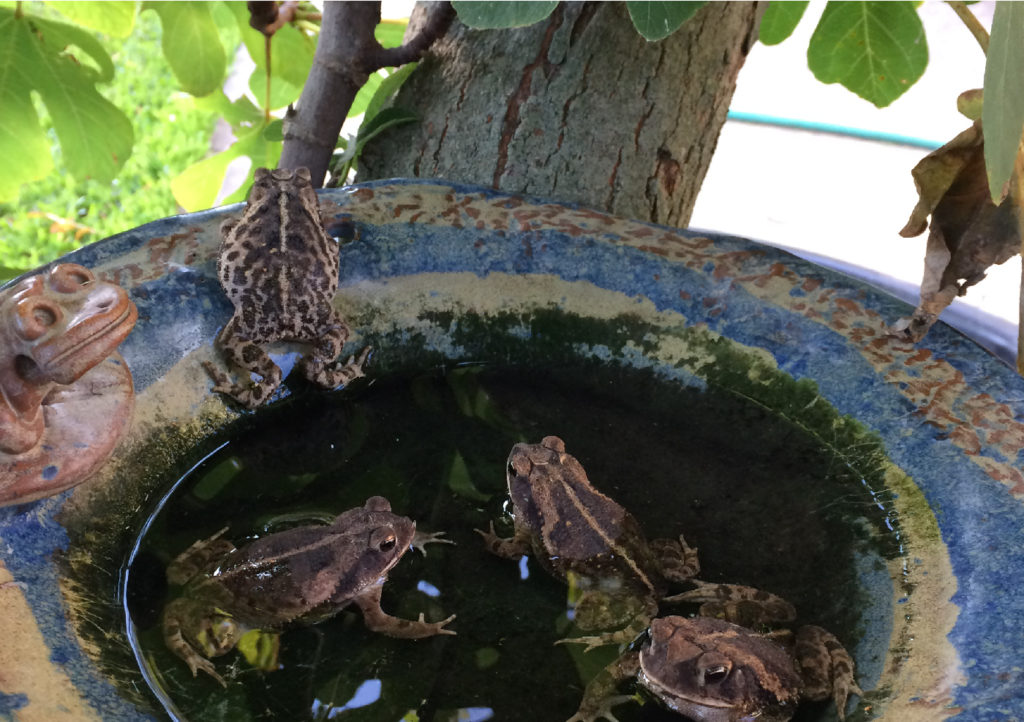
With summer heat, local wildlife is searching for water. Add a place you can keep a birdbath or shallow dish with fresh water for birds, butterflies, frogs, lizards, and others to get a much-needed drink. Change it often.
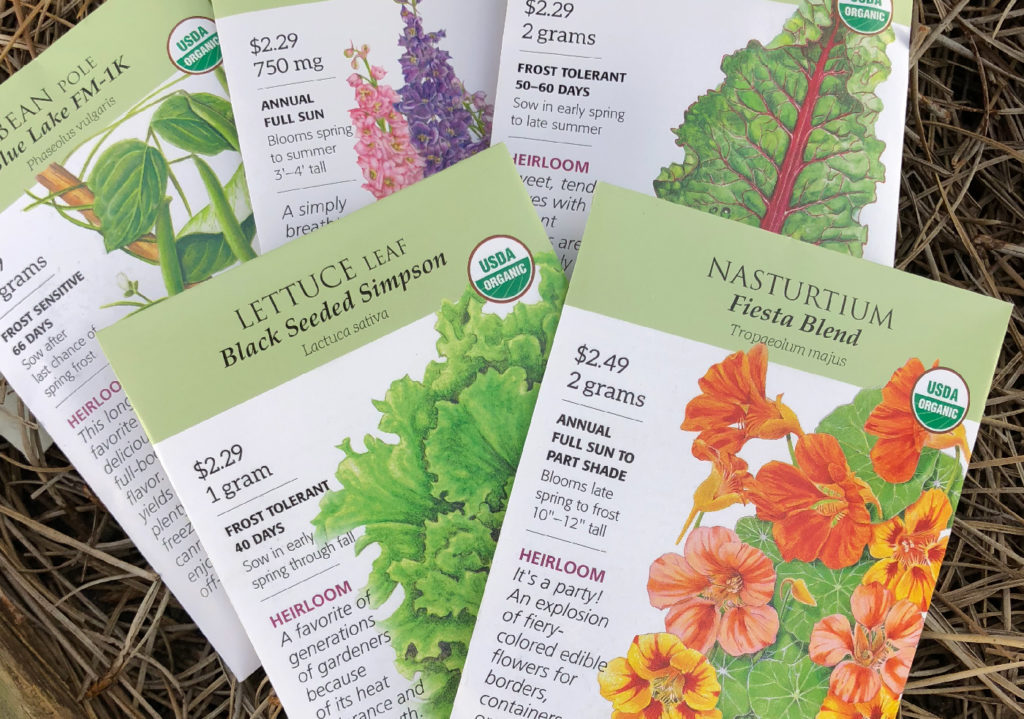
Start them in small pots to transplant later in the month or plant transplants & sow directly into the soil. Keep seed beds and starter plants shaded from afternoon sun until they acclimate to full sun. Tomatoes, peppers, and host of veggies & herbs will be here in seed and transplants. If you want pumpkins for Halloween, you need to start the seeds this month!
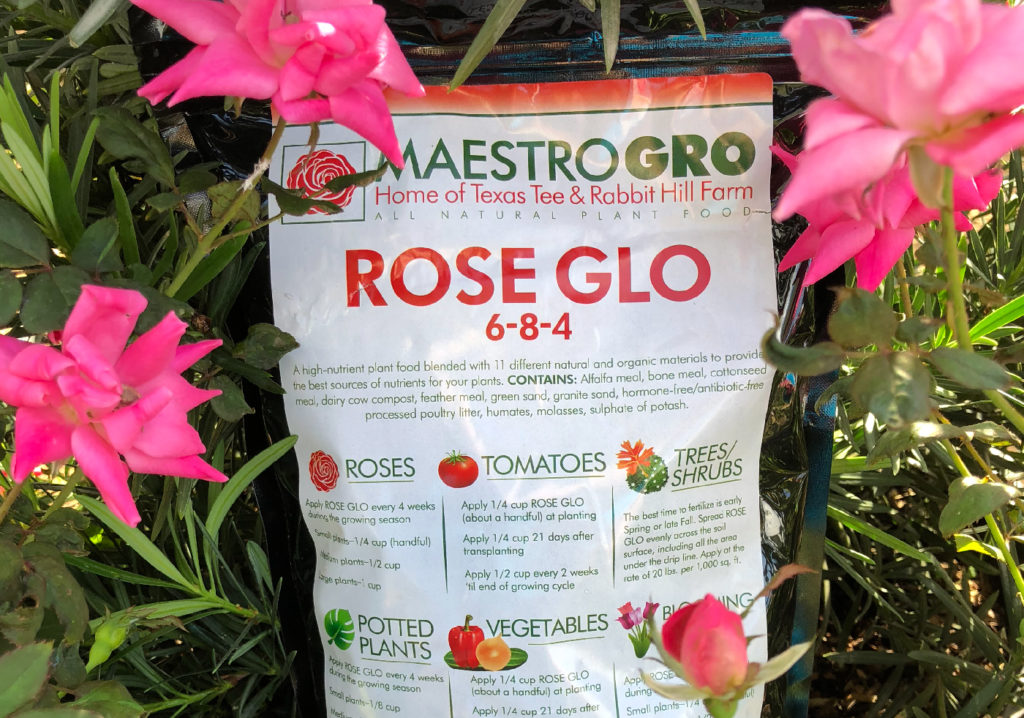
Most tropical plants & summer bloomers will need a good meal by now. Plant Tone, Rose Glo, and Hasta Gro are all effective organic fertilizers that help your plants and soil. Hibiscus Food is a favorite for many as well. All will give your plants a good feeding.
This Saturday, May 25th, bring the kids and we will give them a small blooming plant for them to give to a friend or relative in need of a little kindness – in honor of Mister Rogers’ Day of Kindness.
Last summer, James and I went to the Alamo Drafthouse to see “Won’t You Be My Neighbor”, PBS’s documentary about Fred Rogers. Wow, it’s a tearjerker -in a good way! Academy award-winning filmmaker Morgan Neville “takes us beyond the zip-up cardigan and the land of make-believe, and into the heart of a creative genius who inspired generations of children with compassion and limitless imagination” (Rotten Tomatoes).
The May 12th issue of our Corpus Christi Caller Times had a story on Mister Rogers that got us thinking. Fred Rogers used the number 143 to say, “I love you”, as each digit reflects the number of letters in each word of the phrase. May 23rd is the 143rd day of the year, and there’s a movement in his home state of Pennsylvania to honor Mister Rogers with a day of kindness; Gill’s is getting on board!

This Saturday, bring the kids and we will give them a small blooming plant for them to give to a friend or relative in need of a little kindness – in honor of Mister Rogers’ Day of Kindness.
While you’re here, we’d love your child to write a short note about who is getting their plant and why. We’ll share the responses in an upcoming garden blog!

-Sally Gill
May means Mom’s Day, graduations, and more BBQs and family holidays outside! May is also Mental Health Awareness Month. As gardeners, we know growing plants and being outdoors are necessary for our wellbeing…and so much fun! Here are our Top 5 Must Do’s this May to help you and your garden make the transition to warmer weather.
Check out our May Garden Guide for more tips and remember that trees, shrubs, and perennials can be planted 12 months out of the year! The only difference is the amount of water they need depending on temperatures and wind!
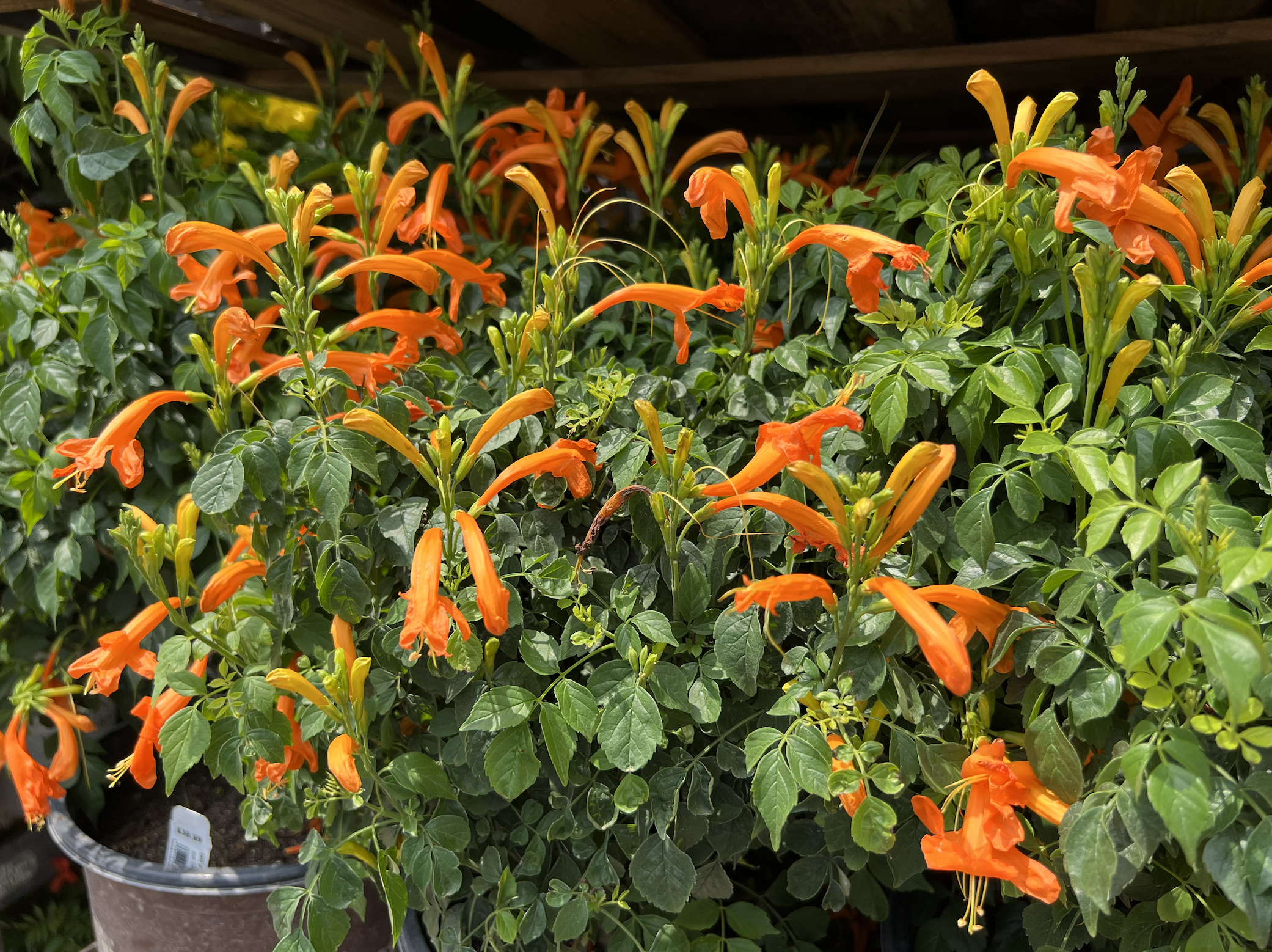
It’s still time to plant lots of different blooming perennials. Get them established now so they are better adapted to withstand warmer temps this Summer. Staples like Esperanza, many varieties of Salvia, Jatropha, Lantana, and more are all blooming beautifully right now. We’re excited about Cape Town Honeysuckle this month (see pic above). It grows to about 4-5’ tall and wide, whereas its relative, Cape Honeysuckle, grows to 8’ or more. Lots of blooms and lots more options for placement. Added bonus: these blooming perennials attract pollinators like butterflies and hummingbirds!
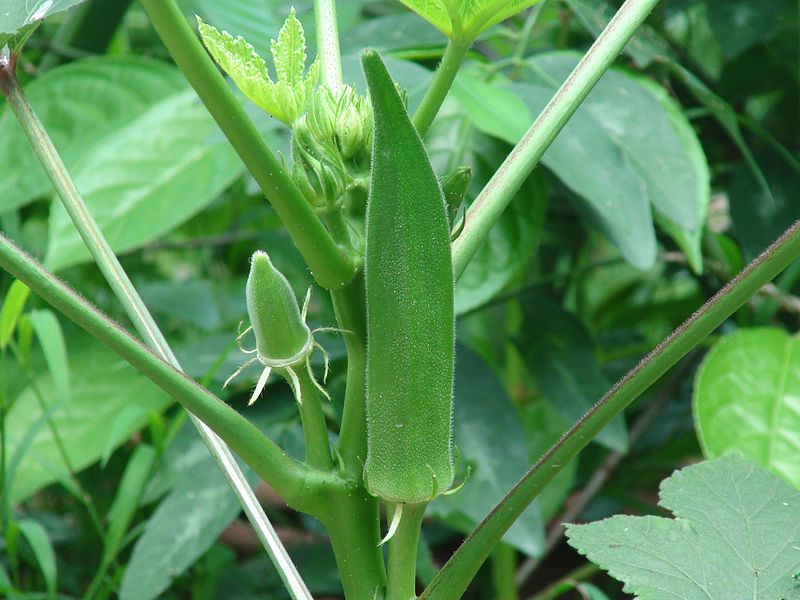
Warm weather veggie time! Plant peppers, zucchini, squash, and okra this month for continued harvesting into the Summer months. If you planted tomatoes, cucumbers, and other early Spring veggies, you’ll be harvesting now or soon. Be sure to harvest often! It keeps birds & insects from finding them first. If you do have insect issues in your veggie garden, our go-to organic control is Spinosad – safe for food but takes care of bugs. And remember to keep watering as the weather warms up. Soaker hoses are great to snake around your plants keeping water close to the ground and root systems.
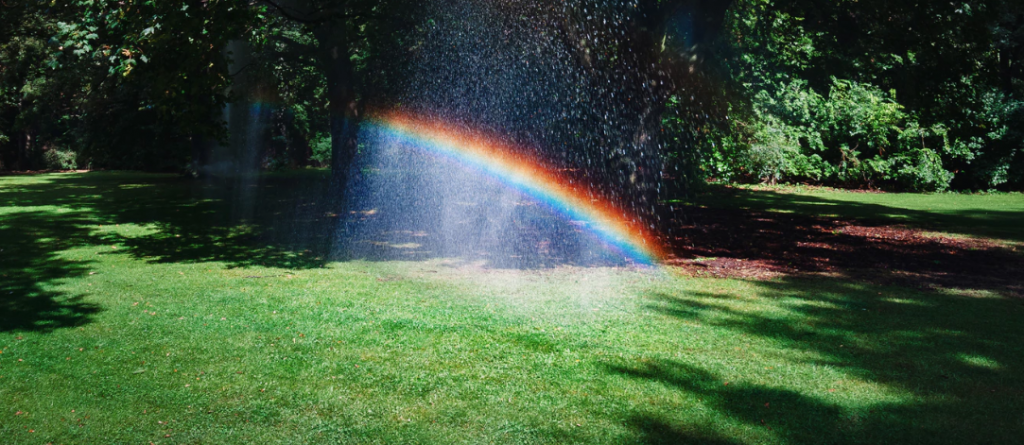
It’s vital to water your lawn once a week unless we have rain. Invest in a sprinkler that’ll do the work – we have them. Hand watering the lawn may feel therapeutic, but you won’t get good coverage and depth.
When mowing, the proper height for St. Augustine lawns is around 3 inches. For Bermuda lawns keep mowed to around 2-2.5 inches.
Feed with Natural Fertilizers: Medina Growin Green or Milorganite. These feed the lawn and the soil with great results. Water in to get them started.
Watch for lawn insects & treat when needed. Grub worms & chinch bugs are easy to control when caught early but there’s no need to treat unless you have them. Bayer Season-long Grub Control will do the trick for grubs. Cyonara takes care of chinch bugs.
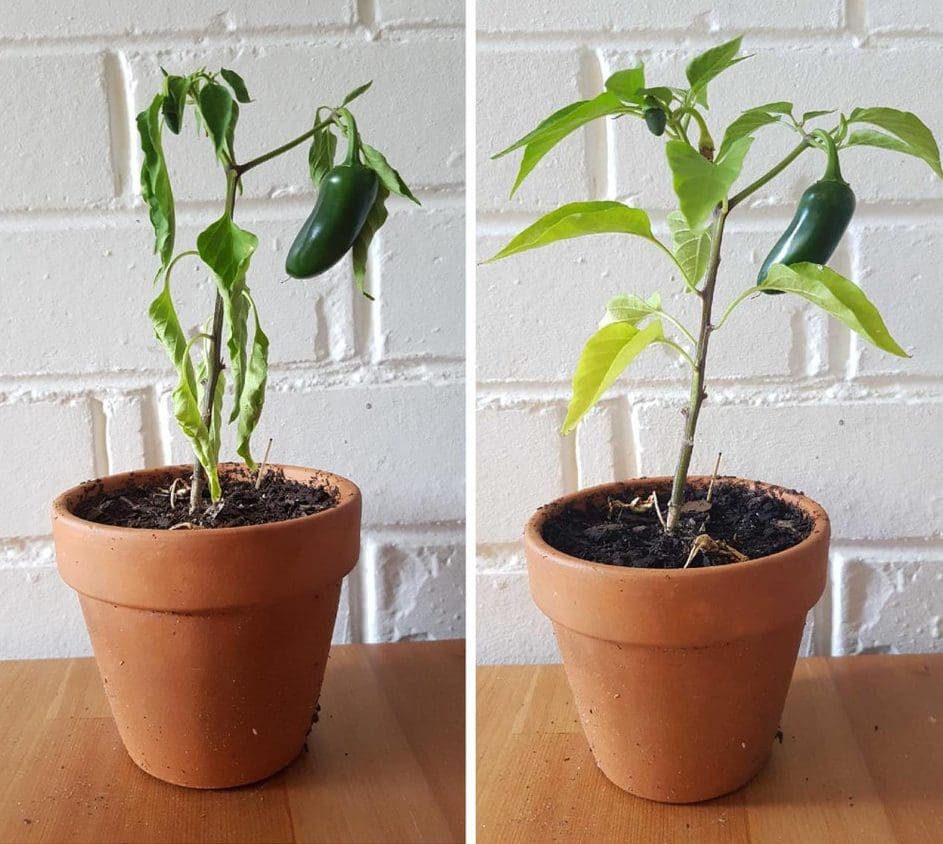
Watch your plants and they will show you when they need a drink. Most show signs of wilting (see photo). That’s a sign they need water soon. Once you give them a drink, they perk up quickly. But some will not tell you until it is too late, like a live oak tree. Invest in a moisture meter. They help to read the moisture with a poke into the soil around the roots. We have them and they’re very easy to use.
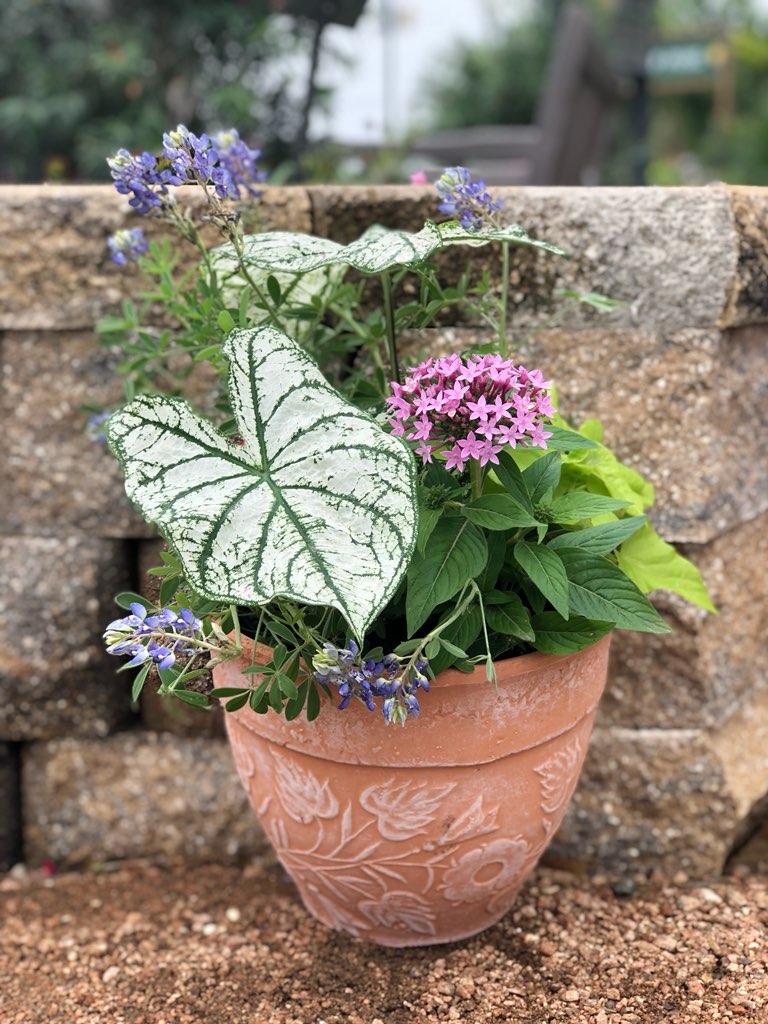
Let us help you find something pretty, useful, or both for the gardening moms and grads in your life. Pottery, birdbaths, wind chimes, garden tools, hats, gloves – lots of options. Or the gift that gardeners love most – plants!
Check out our May Garden Guide for more tips! Happy gardening!
As the spring equinox arrives, I’m wondering if Mr. Sunshine is ever coming back from his southern hemisphere vacation? Well, there’s no time to wait for the sun; I’m making hay without it! So, I’ve started pulling up the winter garden and sharing our final harvest.
The cool cloudy days make working in the yard wonderful! The plants are happy, the pets are frisky, and I’m not having a heat stroke in March. Gardening is an instant boost to the gloomy moods of cloudy days. Tons of research supports those words, but still the best is to get out and “see for yourself”.
Here’s some tips for instant “feel goods” in your garden. No sun needed!
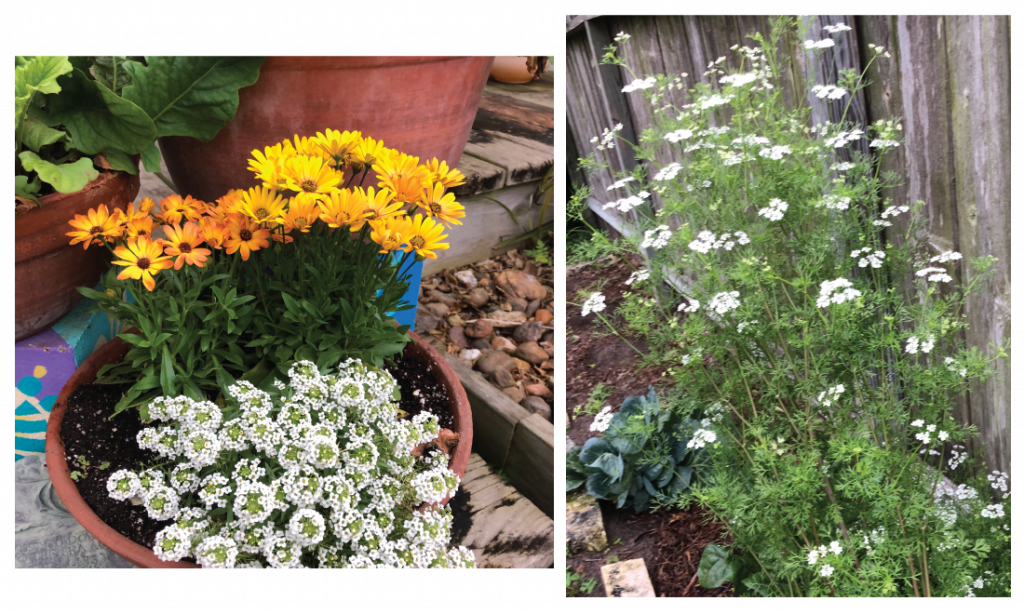
Spring flowers make me smile and my soil has not been too wet to plant. I’m adding color to my pots with new flowers and coleus. We have a new potting mix at Gill’s called Premium Potting Mix. It’s made by Back to Nature and I can’t wait to try it! Every plant’s getting a dose of Hasta Gro plant food.
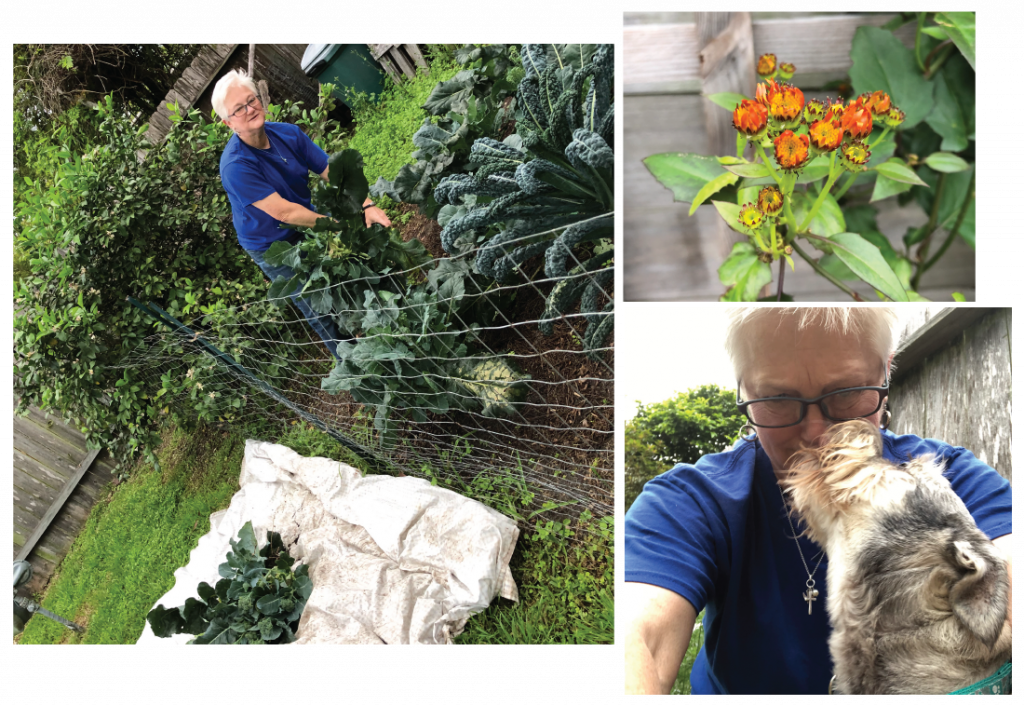
Trimming off damaged branches and ugly foliage is helping my plants and me. I’m getting a great workout and they’ll be healthier with the spring flush of new growth.
Pulling weeds in our courtyard gets me face to face with my dogs; always a happy place!
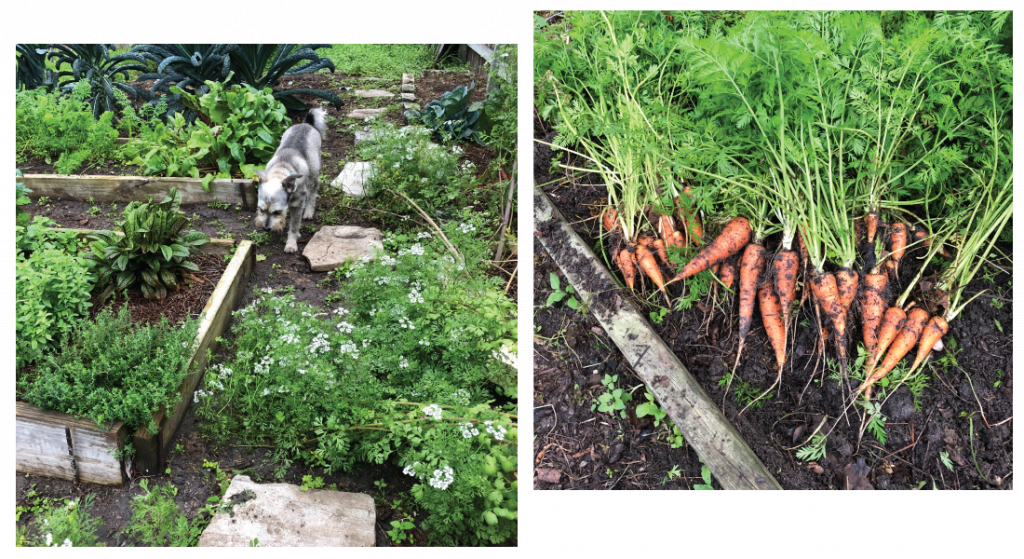
The cool and clouds have prolonged tomato planting time. I’ll be putting in mine this coming weekend, rain permitting…LOL. I’m planning for peppers, squash, tomatillos, basil, maybe cucumbers, and eggplant. The cool cloudy days are keeping the bugs at bay too! At least so far…can I get an Amen?
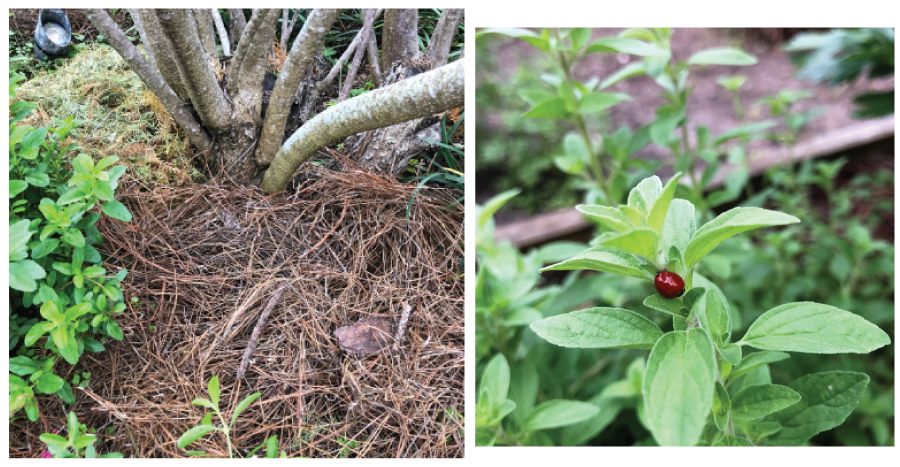
Fresh mulch around your trees and flower beds makes everything look really good…really! I love hardwood mulch and pine straw. It’s a matter of taste; black, red, cypress, cedar, rock…they’re all available at Gills.
If the weather just won’t let you get outside, there’s always something for your indoors. For instance, I did this air bromeliad project last weekend while it was raining. I bought a piece of our new driftwood, several tillandsias, a bag of royal pool moss from the nursery; dug out my old glue gun and had a blast putting this all together!
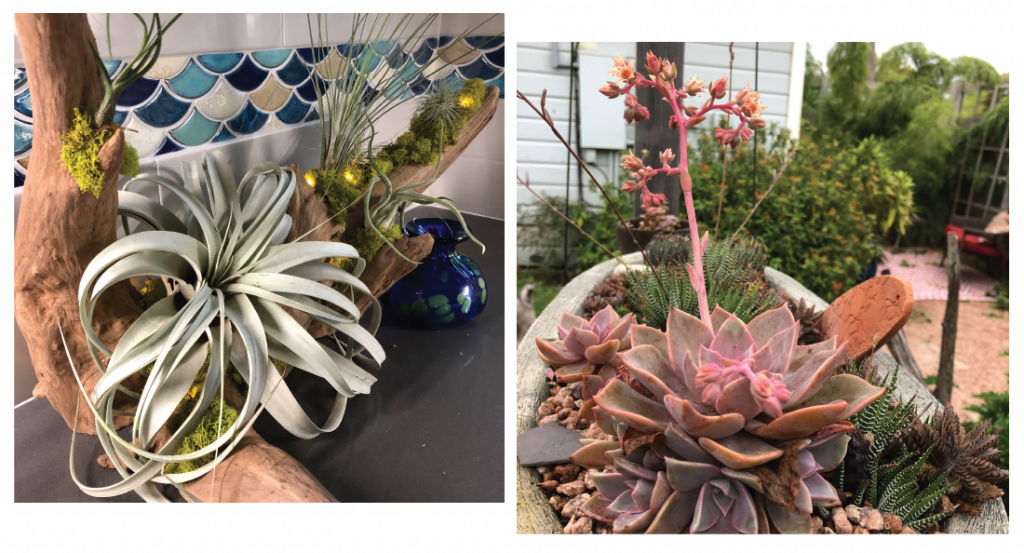
Happy Gardening Anytime! Rain or Shine!
-Debbie
If you’re like us, you cannot wait to get outside and get gardening! The cool, damp weather has hung around too long, but there’s lots to do in preparation for blue skies ahead. Here’s what you need to get done this month.
Check out our March Garden Guide for more tips and remember that trees, shrubs, and perennials can be planted 12 months out of the year! The only difference is the amount of water they need depending on temperatures & wind!
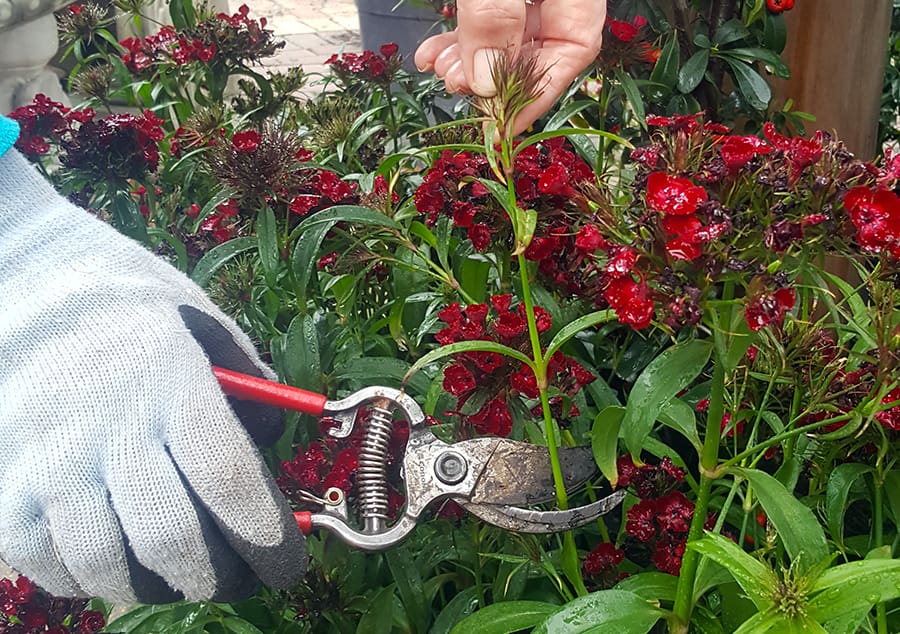
If you still have pruning and clean-up to do, there’s still a little time! Cool temps have delayed the burst of Spring growth a bit. Overwintered perennials like Lantana, Salvias, and Roses need pruning now – cut them back up to 50%.
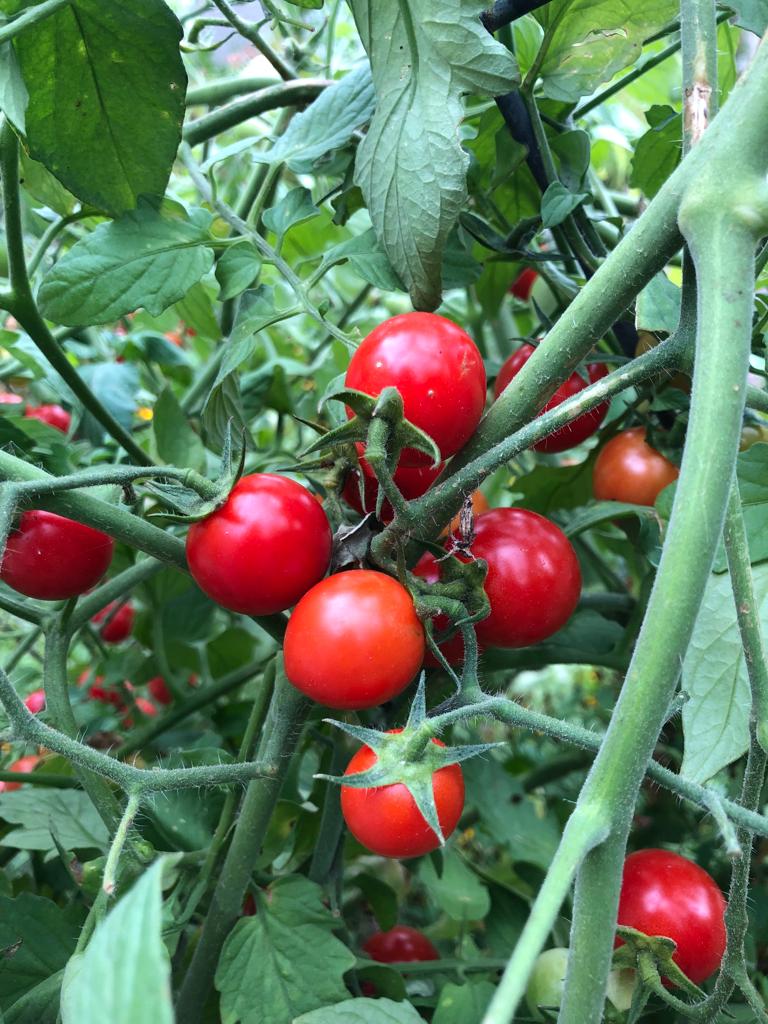
It’s time! We are thrilled to have a big healthy selection of Spring veggies and fruit trees this year. We haven’t seen peach and plum trees this nice in several seasons. One thing we recommend for all plantings, including veggies and fruit trees, is Nature’s Blend compost – the closest thing we’ve seen to ‘magic in a bag’! One bag can amend about 12 sq ft of clay or sandy soil.
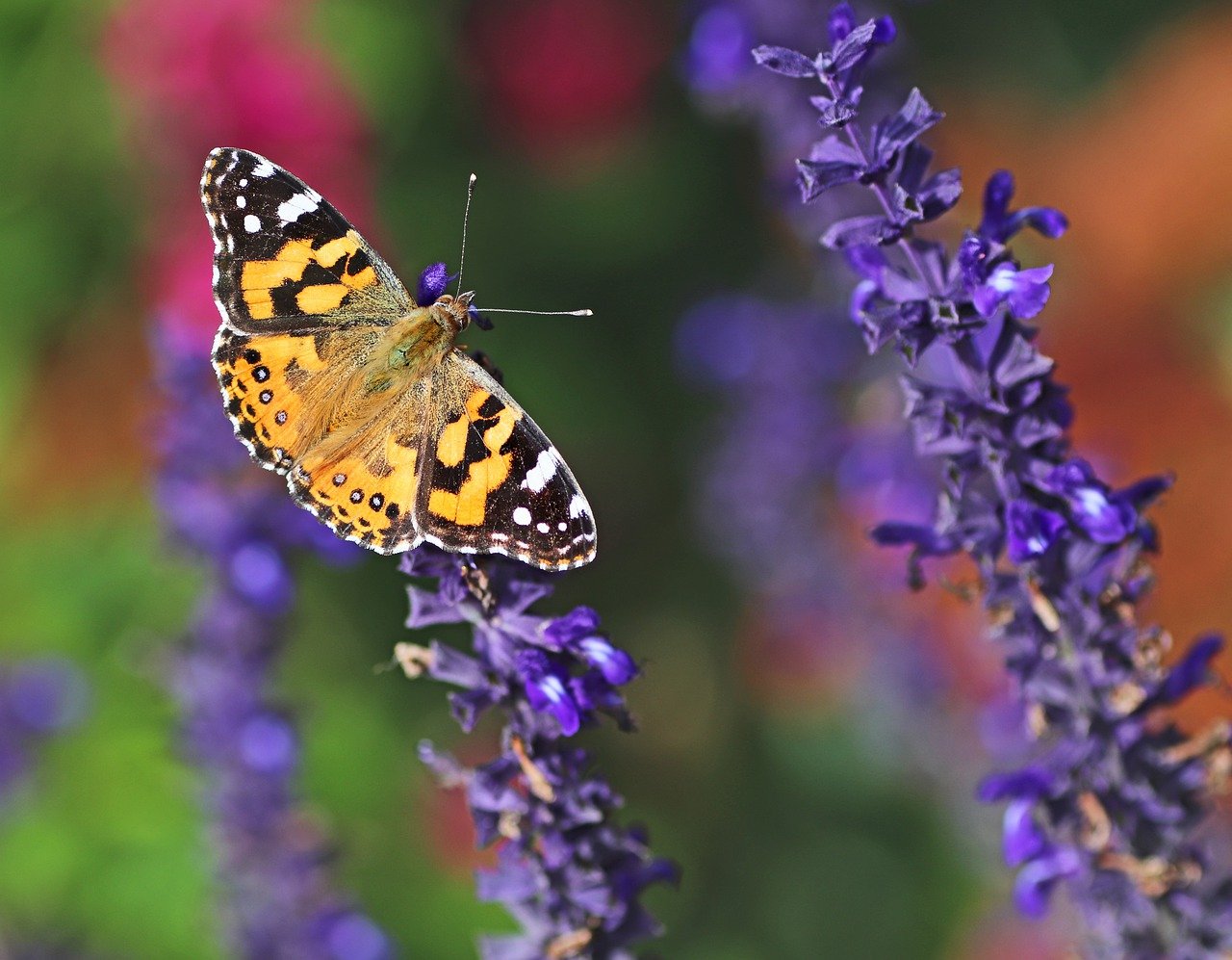
Now is a great time to incorporate plants into your garden that attract & feed the birds, bees, butterflies, and other pollinators. They need your help finding food and shelter, and you need their help pollinating your blooming plants, increasing your veggie production, and eating bad bugs. Bees are drawn to most anything with a bloom but some fav’s are Gregg’s Mist Flower, Esperanza, & Lantana. Butterflies love Butterfly Weed, Salvias, & Mexican Flame Vine. Native plants like Turks Cap produce berries for birds, and Hummers love Duranta, Mexican Honeysuckle, & lots more!
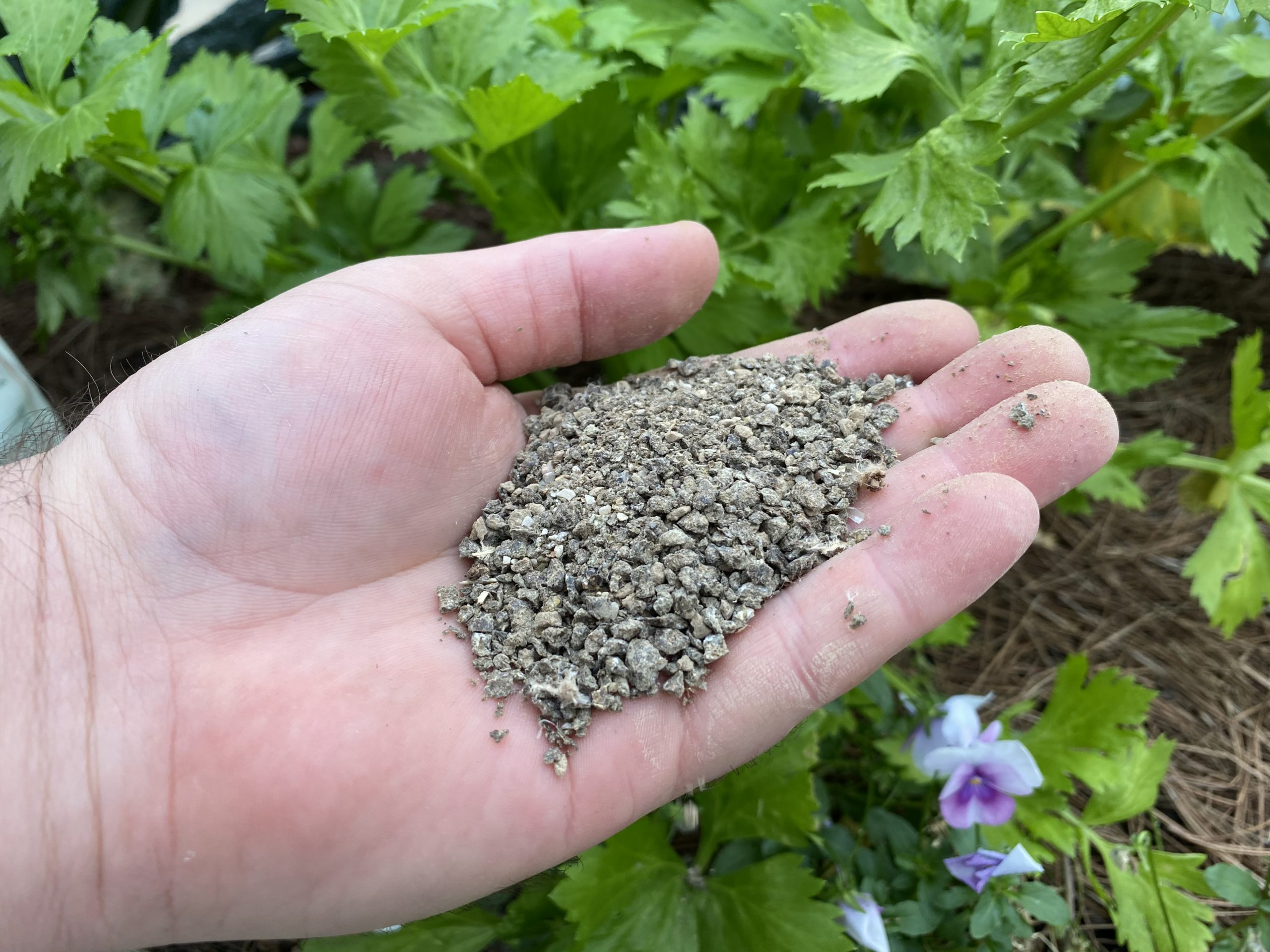
New plantings need a good start with a good organic plant food. We love BioTone, PlantTone, and Hastagro. Add BioTone to your soil when you plant, then use PlantTone once a month and supplement with Hastagro about every 2 weeks to continue feeding throughout the season. For established plants, wait to feed until they are actively growing – typically mid/late March or early April.
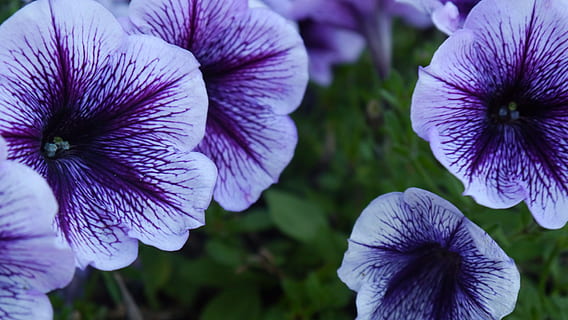
Nothing says Spring like planting flowers! The best choices this month are Petunias, Marigolds, Begonias, and Geraniums. These love the warm days and cool nights of our early Spring. Popular late Spring/Summer flowers like Vinca, Moss Rose, and Zinnias will start to arrive in April as temps stay warmer.
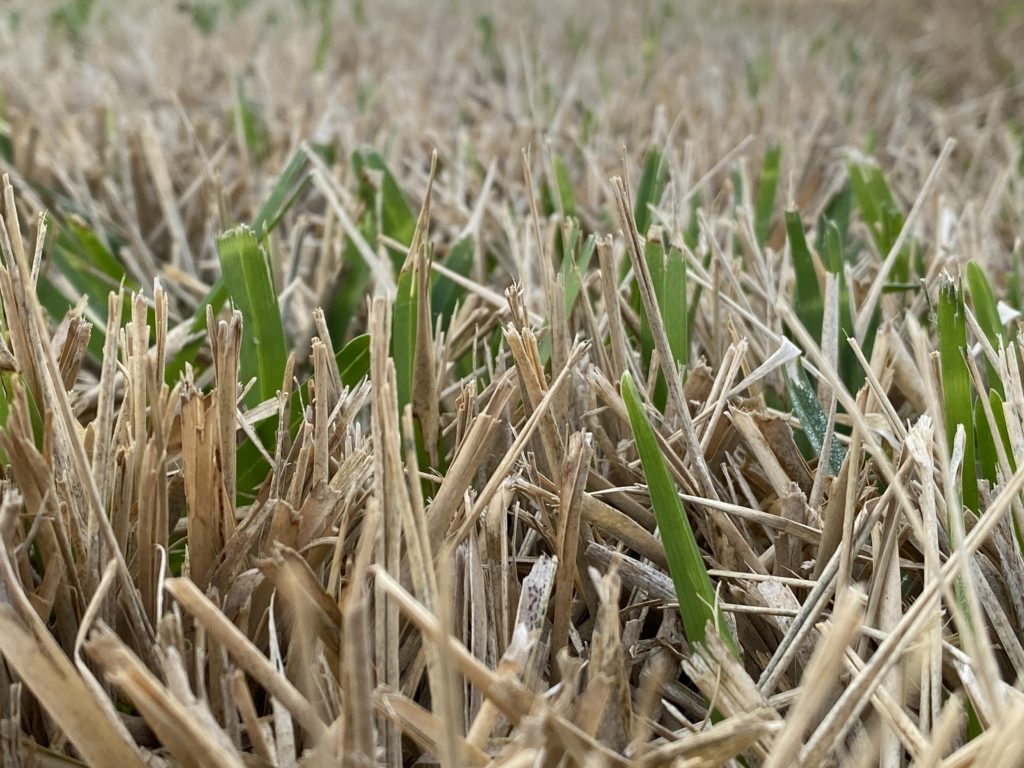
Lawns are still mostly dormant and not yet actively growing. Now is the time to apply pre-emergent weed control before the weeds start growing. We recommend Dura Turf Crab Grass and Weed Preventer. Hold off on watering – water once a week at most, depending on rain. And wait to fertilize lawns until you see enough growth to mow your lawn regularly, typically late March/early April. We recommend Medina Growin’ Green or Gill Lawn and Garden Food.
Check out our March Garden Guide for more tips!
-Debbie
It may not feel like it today, but we are soooo close to a gorgeous Spring, and there’s lots to do in the garden. Here’s our top 5 to focus on in February to prep for an amazing Spring season.
Check out our February Garden Guide for more tips and remember that trees, shrubs, and perennials can be planted 12 months out of the year! The only difference is the amount of water they need depending on temperatures and wind!
As we’re seeing right now, seasonal transitions can be a roller coaster of weather events. Beautiful one day, frigid the next. It’s important to know what’s coming our way so you can plan your gardening projects & protect newly planted gardens if needed. We use NOAA as our go to for current weather & upcoming forecasts.
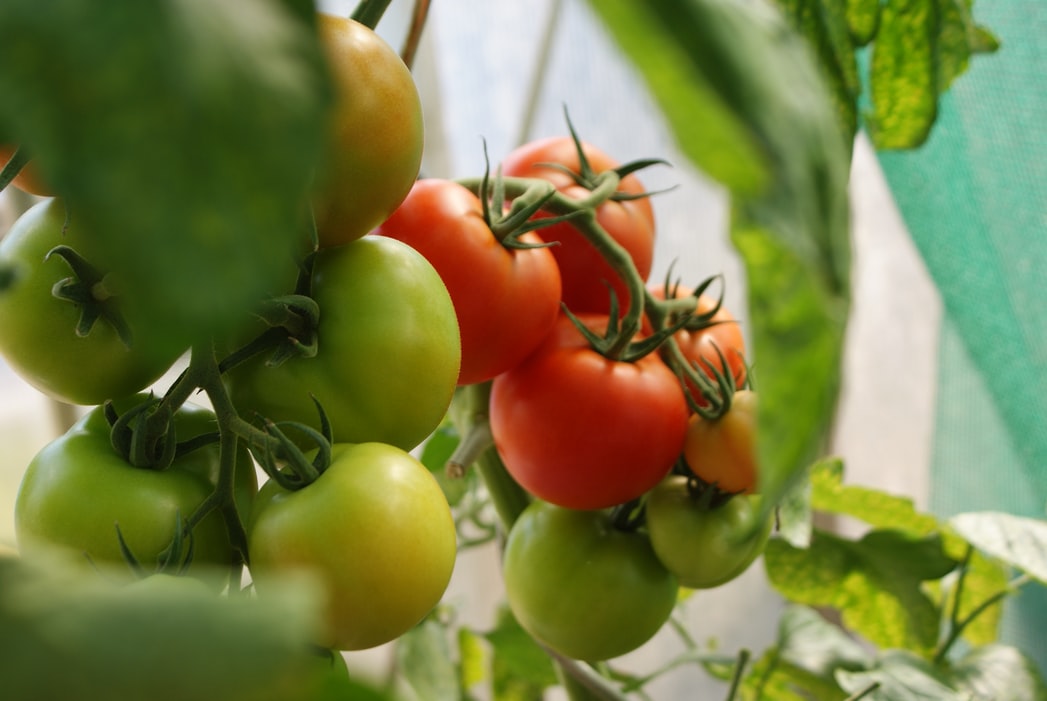
Beloved tomato growing is rewarding and can be challenging. Planting them early this month is a good step toward a bountiful harvest. Tomatoes need cooler nights to have good fruit set. When you buy your tomato starts, buy a tomato cage to install while they’re small. It can act as a frame for cold weather protection (a bag or blanket) if needed and a frame to support your plants as they grow.
Peppers, on the flip side, will be stunted (even killed) by cooler temps. Below 55 is no good for heat-loving peppers. Wait to plant peppers the end of Feb into March. You can go ahead and start other favs like squash, cucumbers, beans, & greens either by seed or transplants mid-Feb.
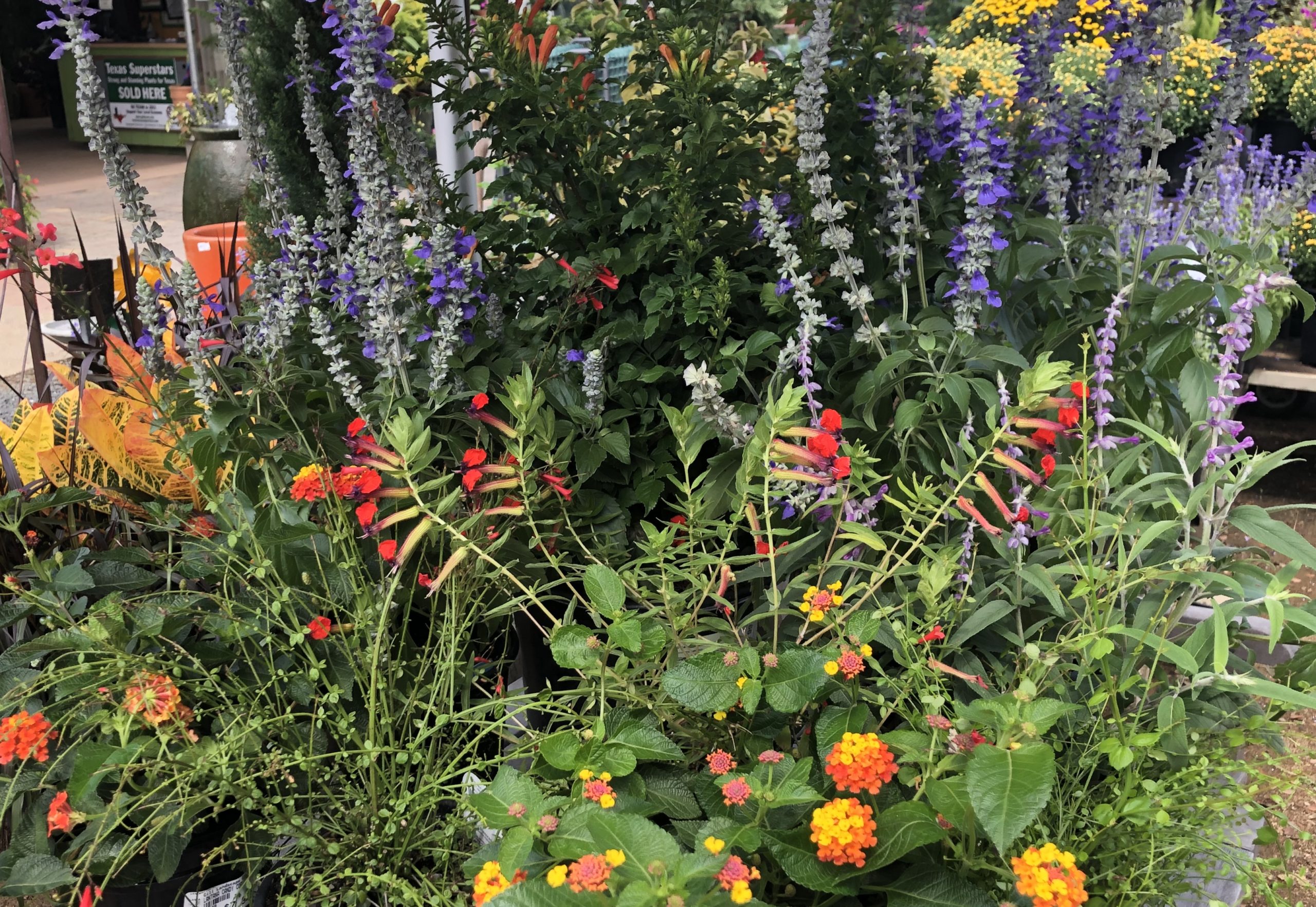
The warm weather has sent most flowers & veggies on a growing spurt. A good meal of organic plant food like Plant Tone or Medina Growin Green will ensure they continue to look and produce their best for your garden. Both of these are granules that can easily be spread around plants then watered in. Plus, they feed the soil to keep it healthy.
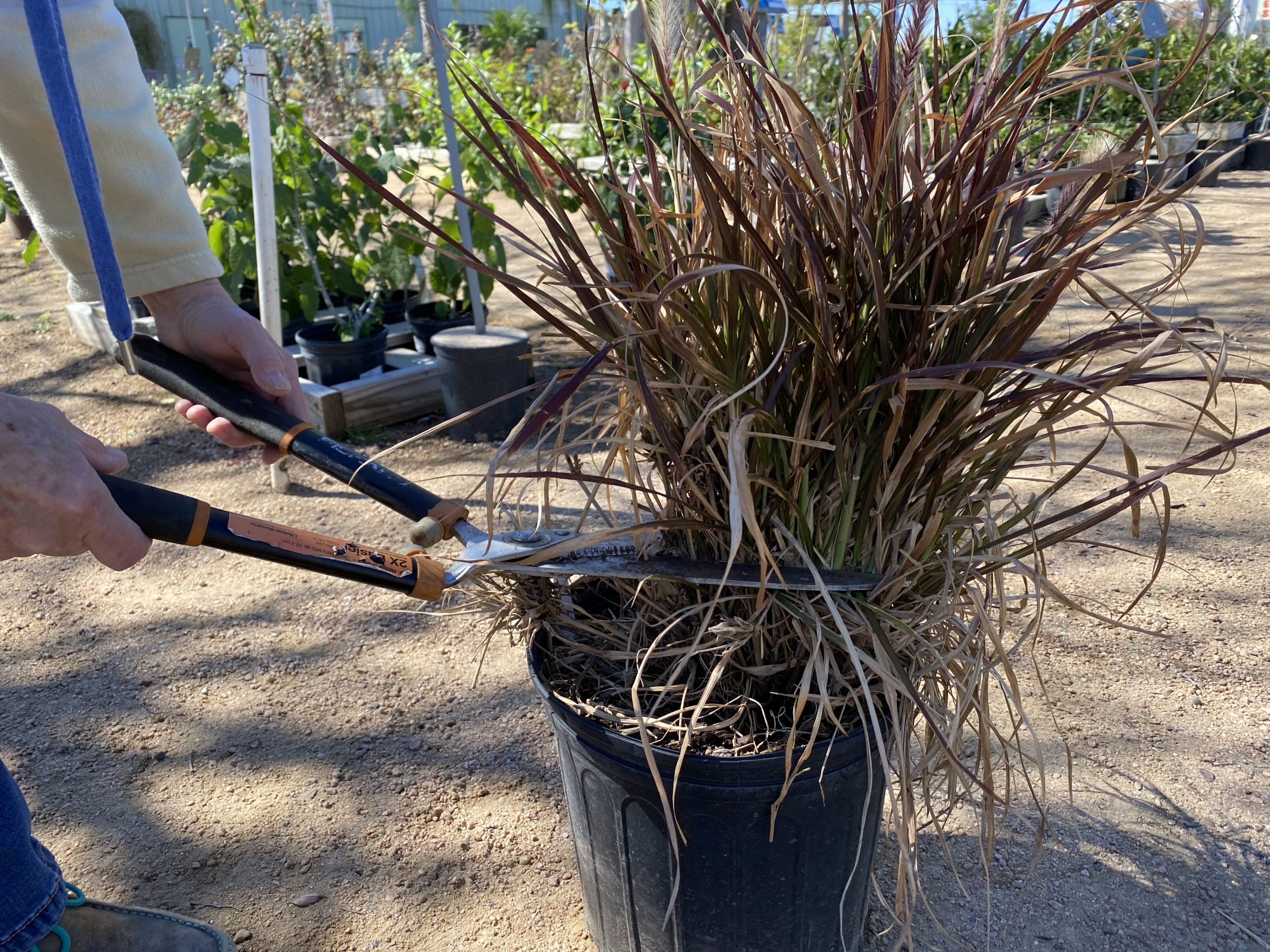
Most of these grasses like Purple Fountain Grass, Muhly Grass, & others are in need of a good shearing to look nice again this Spring. Do this now before the new growth starts. Have a sharp pair of hedge or hand pruners, tie up the grass clump with twine or rope to see the base of the grass. Cut straight across about 4-6in above the ground. This exposes the crown to more light helping to begin their fresh new growth. And you will not have to clean old brown blades out of the new green ones later this Spring.
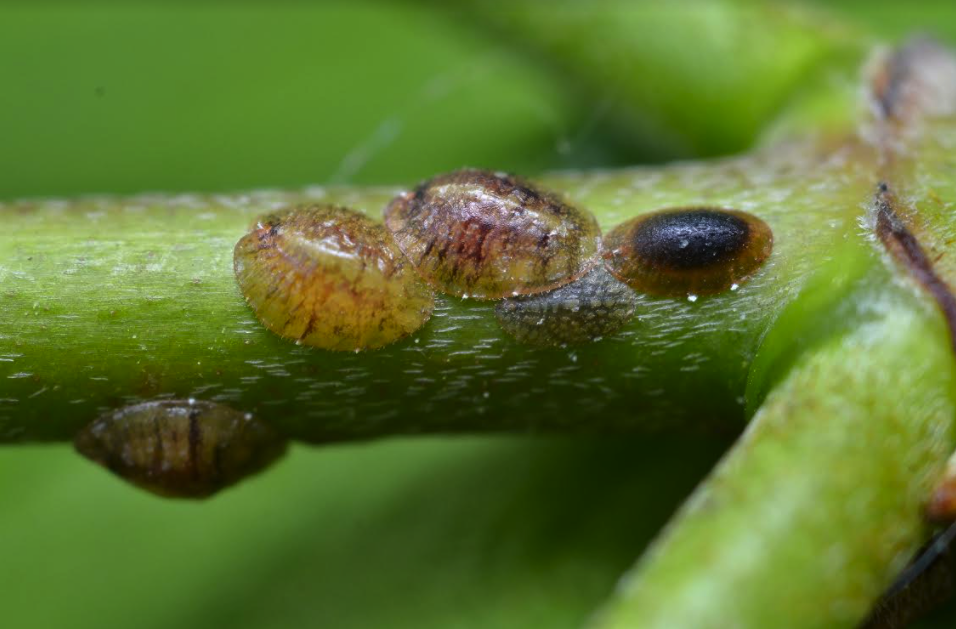
Scale is a hard bodied sucking insect that looks like a brown booger stuck to the leaves of plants. Some of their favorites are Burford Holly, Bird of Paradise, Flax Lily, & Irises. They are easily controlled with a spray of organic All Seasons Oil Spray. It literally coats and suffocates the insect. It’s also good for treating indoor plants that may have scale or spider mites.
Check out our February Garden Guide for more tips!
It’s harvest time around my house and I have to admit the bounty is big this winter.
This past fall, I planted later than usual (Oct 13th) due to rainy days and a total kitchen remodel! Mother Nature was my advocate, though. Rain, sun, and many cool fronts did amazing work with little help from me, other than a feeding of Hasta Gro 4 weeks after planting and pulling a few weeds.
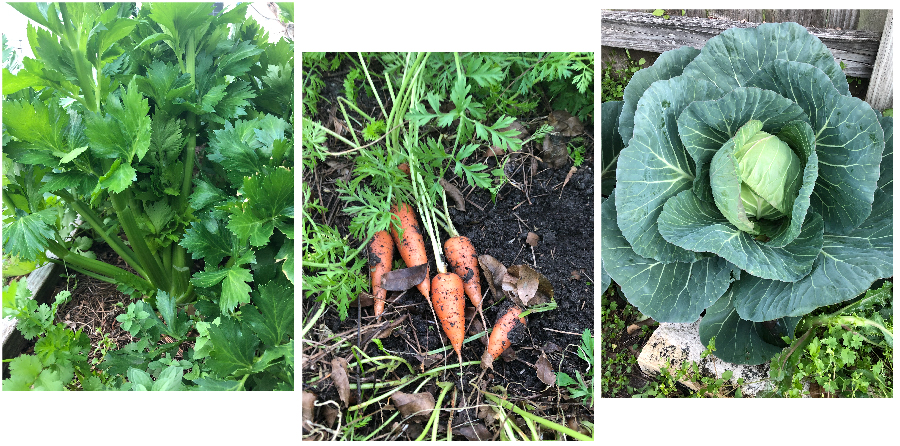
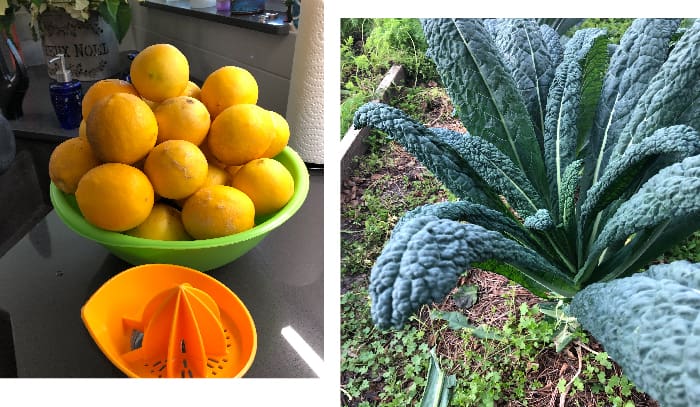
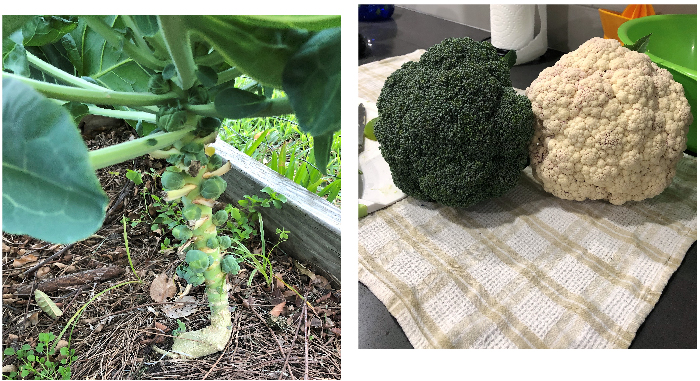
The end result is a fridge full of delicious broccoli, nice size cabbage, sweet carrots, good-for-you kale, a huge stand of cilantro (from seed), celery, and a freezer full of fresh squeezed Meyer Lemon juice. Our Brussels sprouts are looking good, still just a little small. We will wait patiently for these culinary jewels. Life is really good!
So, what’s next? Well, we’ll clean out the old, do a turn of the soil, and set our sights on tomatoes, peppers, basil, zucchini, and whatever else tickles our delight to try… like having fun with potatoes.
James Gill fondly tells a story about how much fun he and his boys had planting potatoes. They were young, so playing in the dirt was a given and harvest time even better as they dug into the dirt to pull out bunches of potatoes from just the one that they planted!
It’s time to plant potatoes now through the end of February, so here’s our recipe for success:
The spring planting season is starting – see you soon!
-Debbie
P.S. – check our Spring Vegetable Planting Guide for more tips!