Garden Center Hours: Mon-Sat 9am - 5:30pm • Sun 10am - 5:30pm

Some of you may know Kevin – he’s one of Gill’s Landscape Crew Leaders. He’s been a valuable member of the team since 2008, and he’s completed thousands of beautiful landscape projects over the years. He’s known around here as a landscape construction expert and a man of few words, unless you get him talking about plants…especially his incredible dragon fruit cacti! Kevin’s been growing and propagating dragon fruit in his backyard for 15+ years, and he gets about 75lbs of the most delicious fruit every season. You can too! Here are Kevin’s tips for how to grow the best dragon fruit in Corpus Christi and beyond. 

Soil Prep & Fertilizer

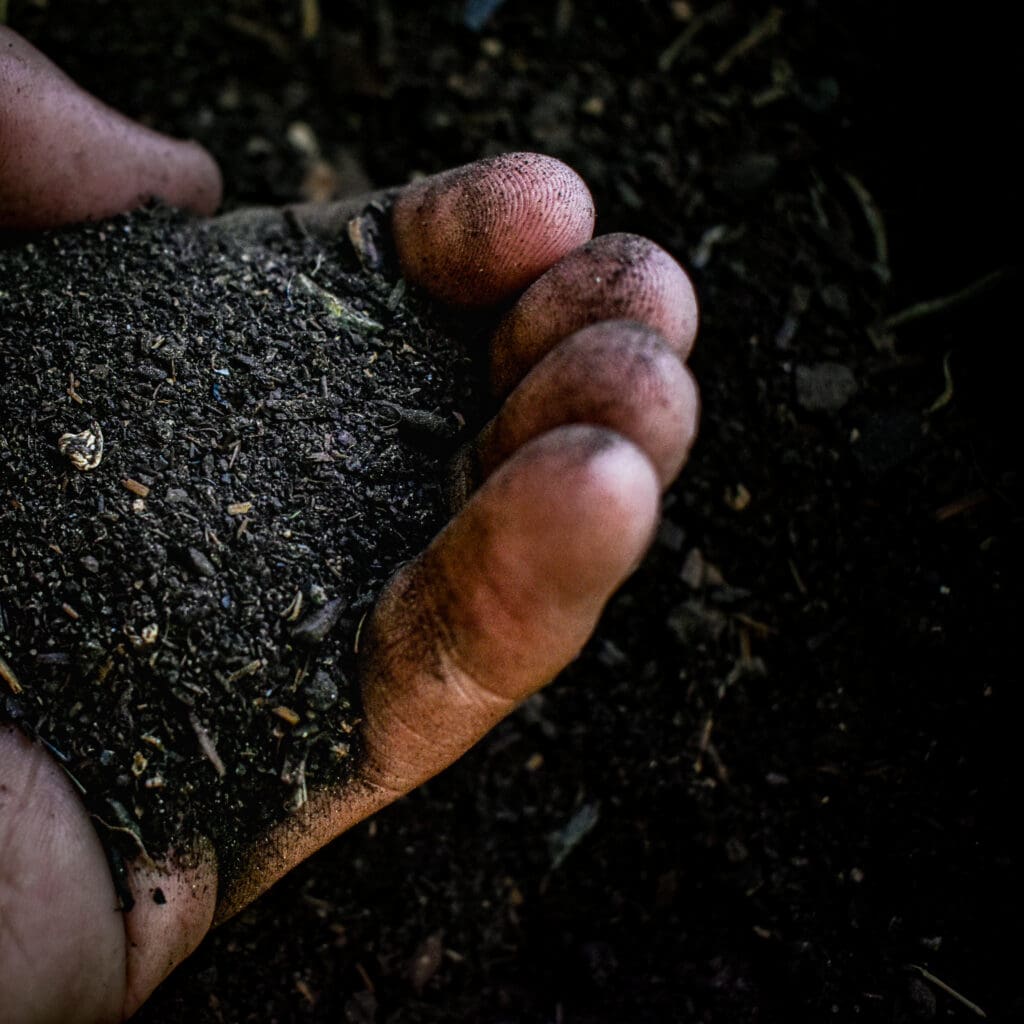
Dragon fruit cacti are epiphytes, meaning they grow onto trees and other plants in nature, and they can climb using aerial roots. With that in mind, you can guess that if they are planted in soil, they prefer a loose, well-drained mix. Our Corpus Christi clay soil is far from loose or well-drained, but it can certainly be achieved. Kevin uses a mixture of both Nature’s Blend and Cotton Burr compost, along with some Expanded Shale to heavily amend the native clay soil before planting to add nutrients and create looseness for roots to grow into. He also advises planting high so water will naturally run away from the plants to prevent fungal issues. A few months before flowers start to arrive in June, Kevin begins fertilizing with a blend of organic Medina Growin Green and Rose Glo once a month, followed by liquid Hasta Gro every 2 weeks. 

Sunlight & Water Requirements

Dragon fruit cacti can grow in more shade than you might think. Kevin says he’d prefer if his got more afternoon shade, but they do well in his mostly sunny backyard. He’s got drip tube irrigation installed around both of his big trellises, but he says he uses it very sparingly if at all. When planted, the cacti need good deep watering for 1-2 months to get established, then very little thereafter. As your cacti grow, they’re also easy to propagate from cuttings. Kevin uses 3 gallon size recycled nursery pots filled with loose potting soil to start new cuttings. After about 6 months in their pot, they’re nice and well-rooted and ready to move to a permanent home in the ground. 

Sturdy Trellis Structure + Good Cross-Pollination

Dragon fruit cacti grow fast and big and heavy. They need something solid to climb on that can support a lot of weight, like Kevin’s 4×4 frame and 2×2 lattice structure. Some gardeners like growing individual dragon fruit cacti on a single pole or post, but Kevin prefers growing several plants on a larger trellis. One of his best tips for getting more fruit is to plant different dragon fruit varieties next to each other on the same trellis to encourage better cross-pollination. On each of his trellises, Kevin’s got 3 different dragon fruit varieties that have all grown together and intertwined – more flowers and more fruit!

Watch Out for Possums!

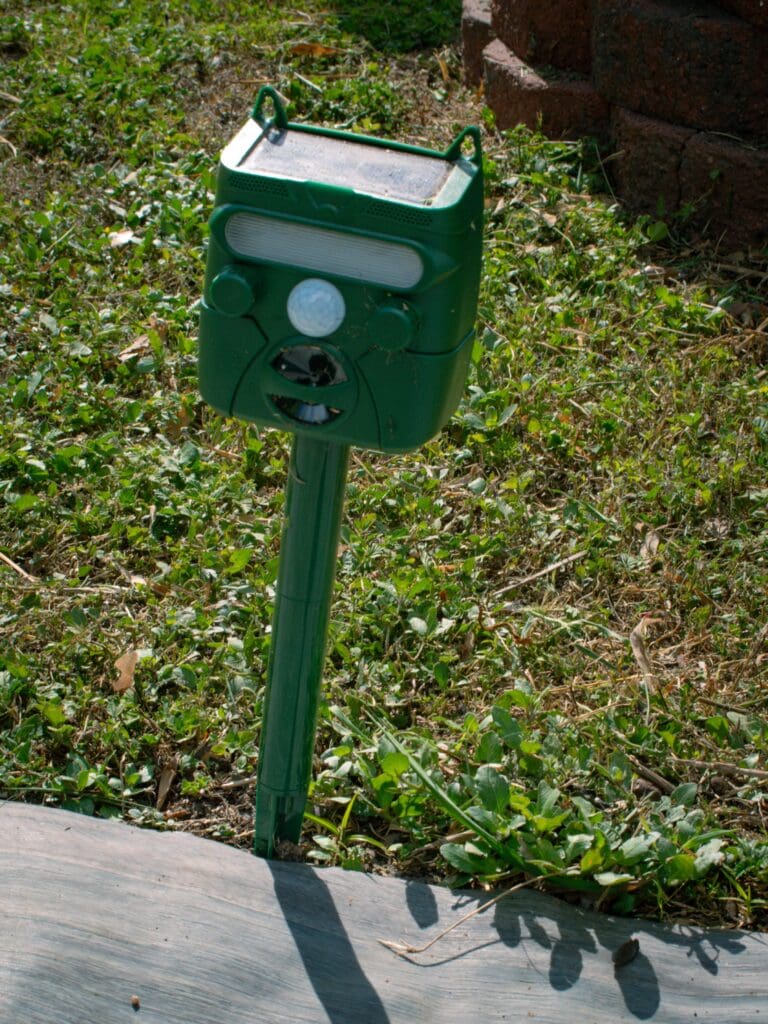
Possums are not bad to have around, but apparently they love dragon fruit as much as we do. This year, Kevin tried something new that has proven to be very effective for keeping possums away from his fruit:  a simple ultrasonic pest repeller. He’s got several of the units that he purchased inexpensively online, placed around his cacti. They’re motion activated, so when a possum strolls by, they flash a light and emit an ultrasonic frequency that the possum can’t stand. The units have different settings for other rodents, cats, dogs, etc. We can’t speak to their effectiveness for other critters, but they seem to be working well against possums. 

Bees in the Morning + Moths at Night

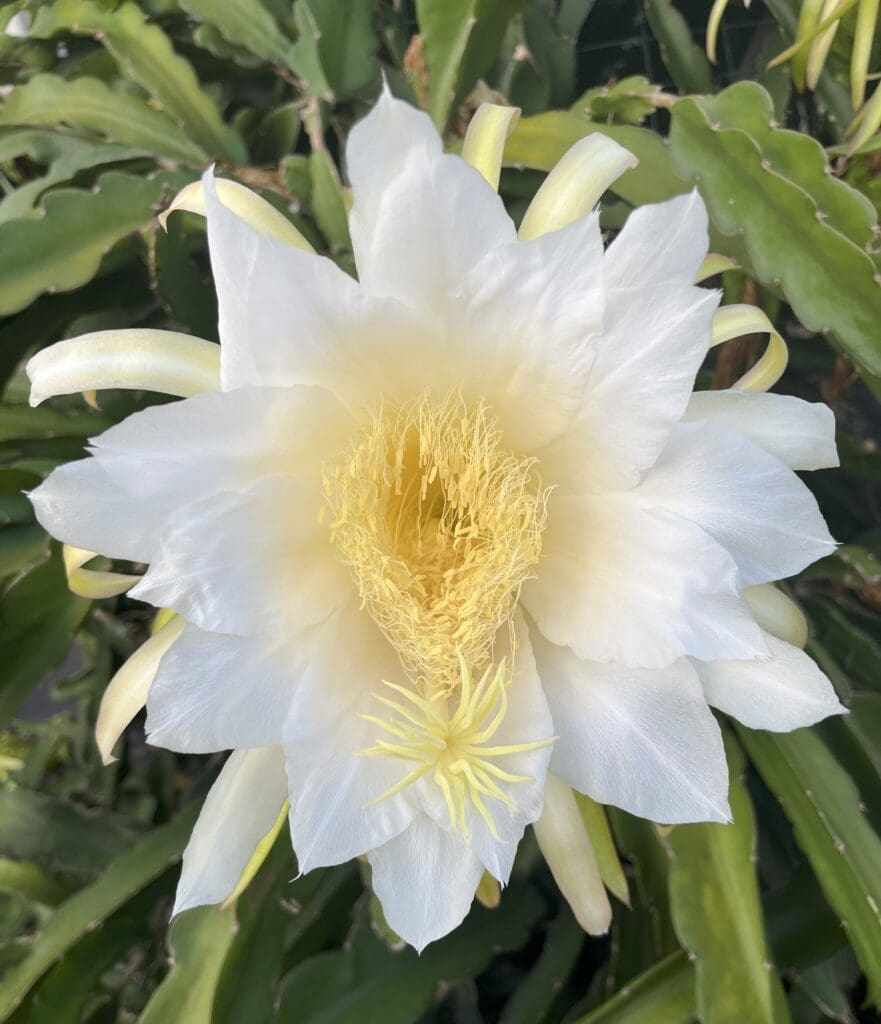
Speaking of flowers, dragon fruit blooms at night. As the blooms emerge at dusk and into the night, they attract all kinds of cool moths. Then, in the early morning, the bees get their turn. The dragon fruit flowers are an awesome source of nectar for moths and bees, who do their work pollinating the flowers to produce more fruit. Take a look at these blooms!

Protect From Freezes!

Yes, dragon fruit cacti will freeze, but they can be protected with great success. Both of Kevin’s huge 15 year old cacti made it through the big freeze in 2021. During freezing weather, Kevin uses a big tarp to make a tent all the way over the whole trellis, all the way to the ground, then uses large stones to weight it down. He also uses low-voltage reptile heat lamps under the tarp for extra heat. The day the weather warmed up and the sun came back out after the 2021 freeze, Kevin pulled back the tarp to find a big bloom – in no time it was covered with hungry bees.

Enjoy Your Delicious Fruit!

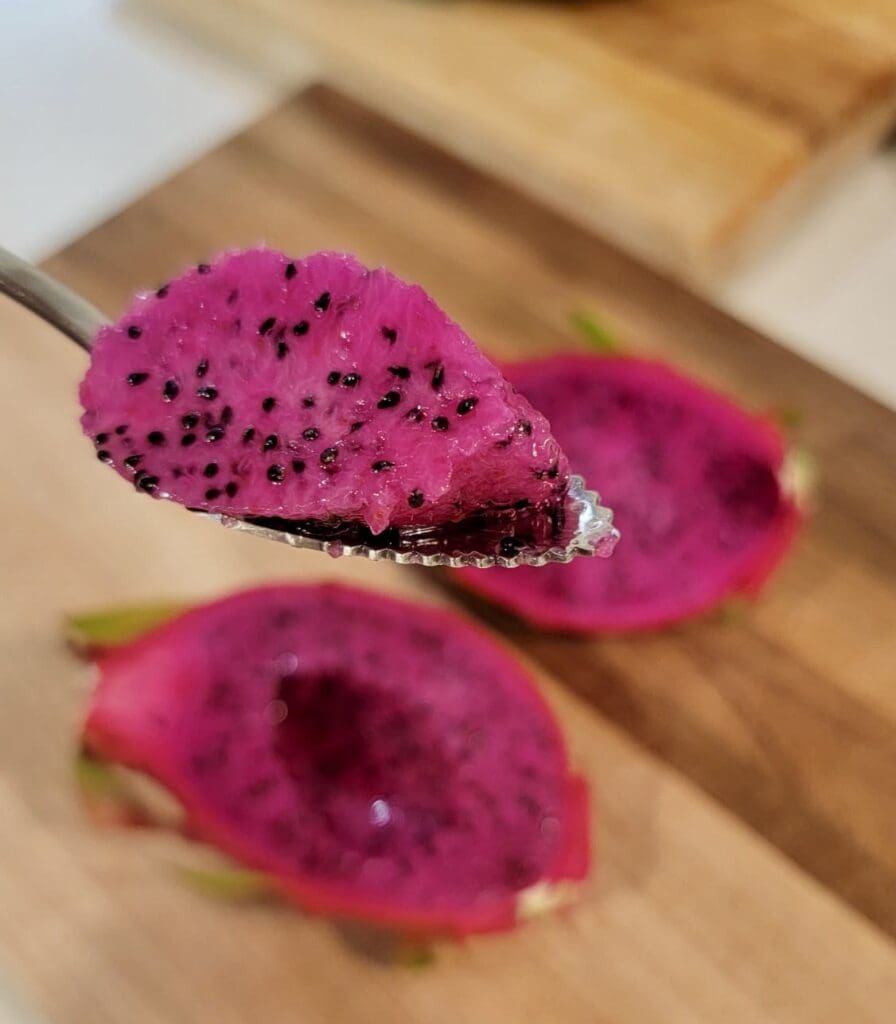
If you’ve never tasted fresh dragon fruit aka pitaya, you’re in for a real treat. The fruit has a similar texture to a kiwi, but softer and no tartness. It’s smooth and sweet. Plus it’s packed with antioxidants and vitamins. Even though it tastes sweet, it actually contains relatively low sugar and is considered a low-glycemic-index food. Kevin likes to cut them in half and eat with a spoon, or add to refreshing smoothies and drinks. He even makes a dragon fruit custard pie!


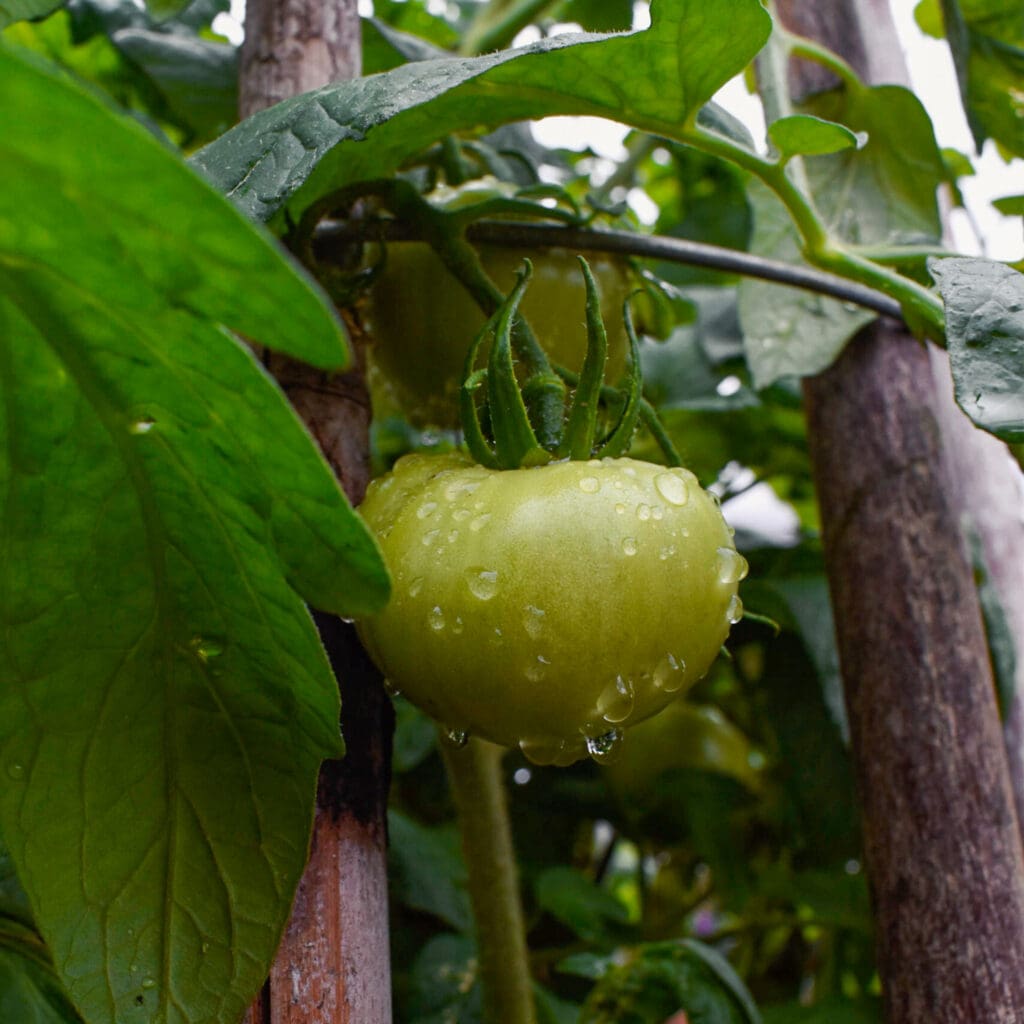
We’re in the dog days of summer right now, but not for long! If you want gorgeous tomatoes this fall, right now’s the time to get started. Depending on the variety, tomatoes take between 60-100 days to produce ripe fruit, which would put us into late October through early December if we start now. Unless you’re growing in a heated greenhouse, you want to harvest your tomatoes before we have chances of cold weather. So, without further ado, here’s the Gill’s formula for fall tomato success!

Start from Seed or Plants

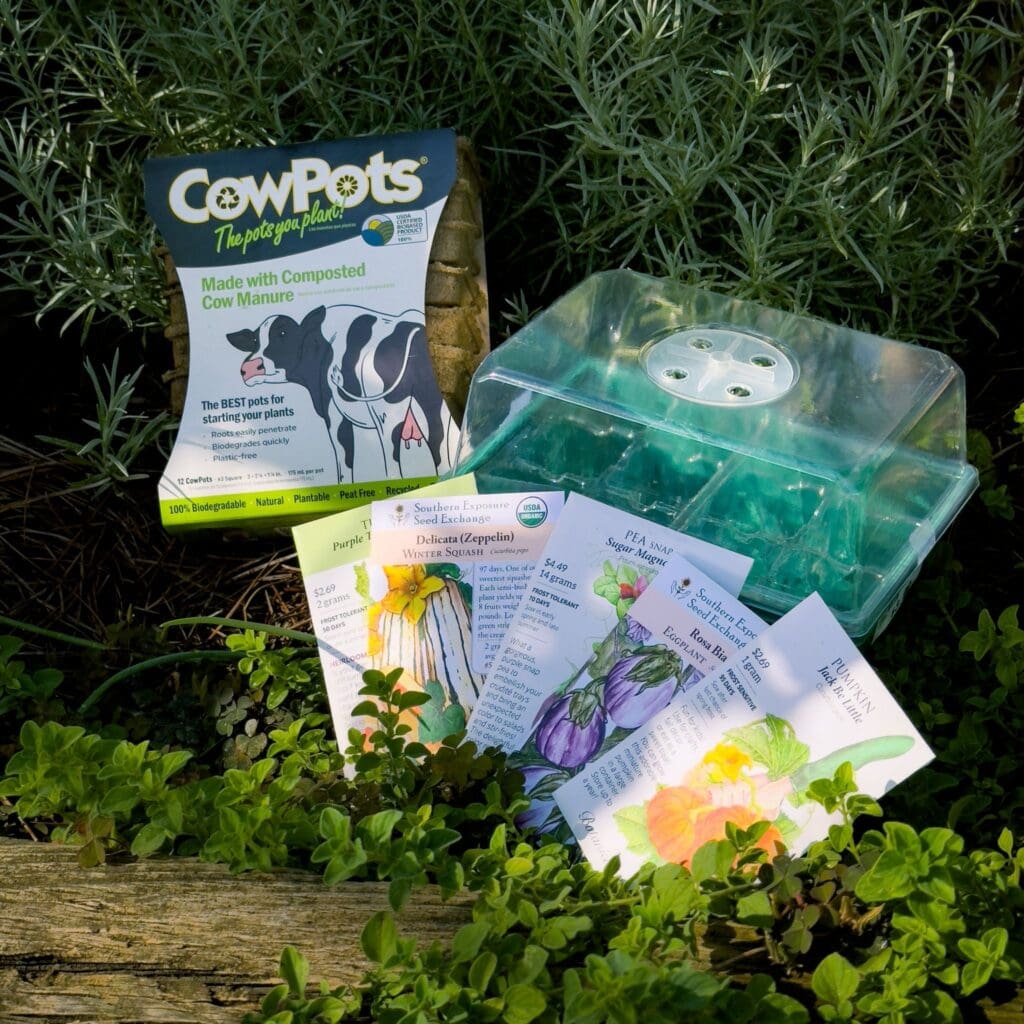
Late August is an exciting time at Gill’s. We’ve received our 2025-2026 veggie seeds, and we’re stocking up on tomato plants too. You have your choice right now – start from seed or start with tomato plants that are ready to go. If you plan to start tomatoes from seed, you need to get them going before the end of August. Sure, starting from seed is more work, but you also have a lot more options, especially for heirloom varieties. We recommend starting seeds indoors or on a shady, protected patio. Try our new Cow Pots + organic Fertilome seed starting soil. Once the seedlings sprout and grow their first true set of leaves, they’re ready to plant outside. Just plant the whole Cow Pot – they’re made of composted cattle manure and will break down and add nutrients to the soil. Or skip the seeds and start growing some tried and true tomato plant varieties now, like Tycoon, Red Snapper, Sun Gold, and the beloved Celebrity. 

Prepare Your Soil & Spot

Pick a spot for your tomatoes that gets at least 6 hours of full sun each day. They’ll need it to be able to produce flowers then fruit. If you’re growing in the ground in clay or sandy soil, you’ll need to add some compost to create a better soil structure and add nutrients. Our fav for veggie gardens is Nature’s Blend Compost. Add about 1 bag per 12 sq. ft. of bed space. If you’ve got your own compost pile, use a similar approximate amount. If you’re growing in raised beds or big pots, you can’t go wrong with Gardener’s Magic soil – it’s specially formulated for container gardening with some compost and other nutrients. Just pour and plant!

Prune Up + Plant Deep

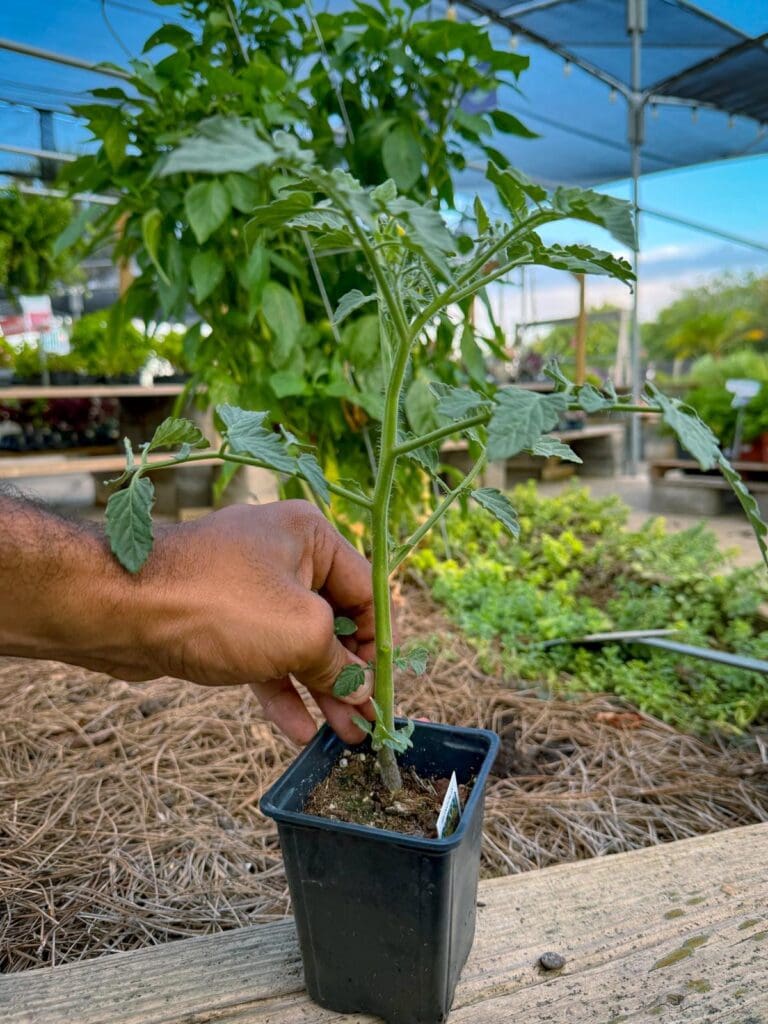
Tomatoes are one of the only plants that you can plant deep without suffocating the plant. In fact, tomatoes benefit from being planted deep because they grow new roots off the main stem. So, simply pinch the lower leaves off the stem, leave the main ones up top, dig a deep hole and plant the tomato all the way up to the top leaves. Some gardeners even like to dig a shallow trench and plant tomatoes on their side to let the roots grow down from the stem. Either way, more roots = more fruits! 

BioTone + Worm Castings When you Plant

This is truly a winning combo for root health. When you dig your hole, mix in a small handful of Bio-Tone starter fertilizer and a large handful of worm castings when you backfill. The Bio-Tone contains mycorrhizal fungi which form a symbiotic relationship with plant roots and gives you a much more robust root system. Worm castings add refined nutrients, make soil more absorbent, and even helps prevent fungal disease and insects. Think of Bio-Tone and worm castings as superfoods for your plants!

Cage Now, Not Later!

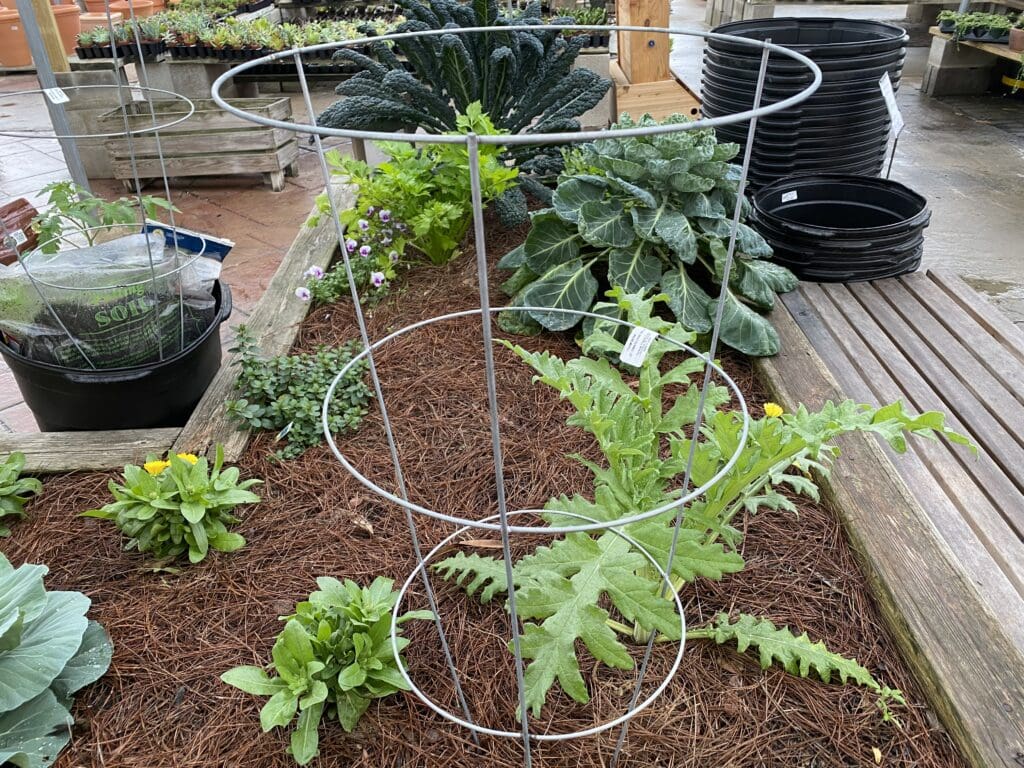
It’s very important to give tomatoes a support structure, whether it’s a tomato cage or a simple trellis system. Either way, the key is to install that support when you plant, not later. That way you can gently train and tie the plant onto the support as it grows, rather than trying to bend and twist a big floppy tomato plant and risk breaking branches. Cage now, not later!

Follow Our Fertilizer Schedule

The most common problem we see with veggie gardens is not enough regular fertilizer to keep them performing their best. Tomato plants use lots of energy to produce fruit, so they absolutely need regular fertilization. Keep it simple and use our tried and true prescription:  feed with a good organic granular fertilizer (like Medina Growin Green, Plant Tone, or Rose Glo) on the 1st of the month, then feed with Medina’s liquid Hasta Gro on the 15th. Add reminders or alarms for these dates in your calendar so you don’t forget. If you stick to this schedule, you’ll have lots of tomatoes to enjoy and share. 

Treat for Pests + Prevent Fungus

Your 2 main issues to watch out for when growing tomatoes are hungry caterpillars and fungus problems. You can prevent fungus by simply mulching around your tomato plants so wet soil doesn’t splash up onto them when you water. Horticultural cornmeal applied around the base of the plant can help also. For caterpillars, you just need to be vigilant. Inspect your plants often and look for chewed leaves and frass aka black specks of caterpillar poop. If it’s just a couple of caterpillars here and there, you can easily relocate them. If you have an infestation, you can use organic Bt spray or Bt powder to control. 

Water Early and Often!

You’ve likely heard us preach about the benefits of watering in the morning vs. the evening. This is especially important for tomatoes. As DeAnna says, you wouldn’t want to run a race all day and only have water at the finish line. Tomatoes need to be well-hydrated in the morning, or they’ll be very unhappy during the hot part of the day. While the weather’s still warm, they will likely need supplemental watering in the afternoon too. Once temps cool down and plants mature, you’ll be able to back off on watering some. Mornings can be hectic – we get it! If you run short on time to water in the morning, consider setting up an automatic soaker hose in your tomato bed. We carry soaker hoses and simple timers that are easy to attach to any hose spigot. 


Start your engines…fall planting season is here!! September is the best time to plant almost everything – veggies, trees, shrubs, natives, hummingbird plants, and more. Here are our top 7 must-do’s in September as we head into fall, our favorite South Texas gardening season!

1. Ready, Set, PLANT Veggies, Herbs, Citrus, and Fruits!

It’s time! Tomatoes, peppers, & warm weather edibles should be planted early in September at the latest. Plant cool weather veggies & herbs anytime in September and remember to shelter them from still-intense sun and keep watered. When planting, you can’t go wrong with organic BioTone starter fertilizer + a good handful of Earthworm Castings. Neither of these require precise measurement, and they make an incredible combo for building stronger, deeper roots, preventing pests, and creating an active soil environment for plants to thrive.

Here’s our Fall veggie planting schedule. And save space for citrus trees, figs, and other fruit trees to round off your garden grocery store! They’ll all be arriving before or right around mid-September. 

2. Make Way for New Growth with Light Pruning and Clean-up

Chances are you have established plants that could benefit from a clean-up after working so hard all summer. Wait until about September 15th and give them a light pruning to make way for new growth this fall. A good rule of thumb for most plants is to prune up to 1/3 (not more) in the fall, then wait until January to do a heavy pruning/cutback. If you have questions about how to prune specific plants, you know who to call! 

3. Plant Trees and Shrubs for the BEST Start

Plants that are cold hardy (trees and woody shrubs) will benefit greatly by planting during our fall season. They’re under less heat stress, and they grow more roots through the fall and winter, making them stronger and ready to take off next spring. More roots, stronger plants, and less watering! Oak trees, Crape Myrtles, Hawthorns, Yaupon Holly, Plumbago, Boxwoods and a host of other trees and shrubs should be planted starting this month for the best possible start.

4. Plant to Support Pollinators!

We’re bringing in lots of new plants this month with our pollinator friends in mind! While you’re choosing what to plant, consider adding Texas Natives like Turk’s Cap and Lantana that birds and bees love. If you want to attract and support butterflies, try native butterfly weed (Asclepias tuberosa), Gregg’s mist flower, and lots of different blooming salvias. So many gorgeous options! Bring in some pictures of your outdoor space and we can help you plan the perfect pollinator garden – big or small. You can DIY or we can plant it for you!

5. YES You Can Hand-Water and Use Drip Irrigation Systems!

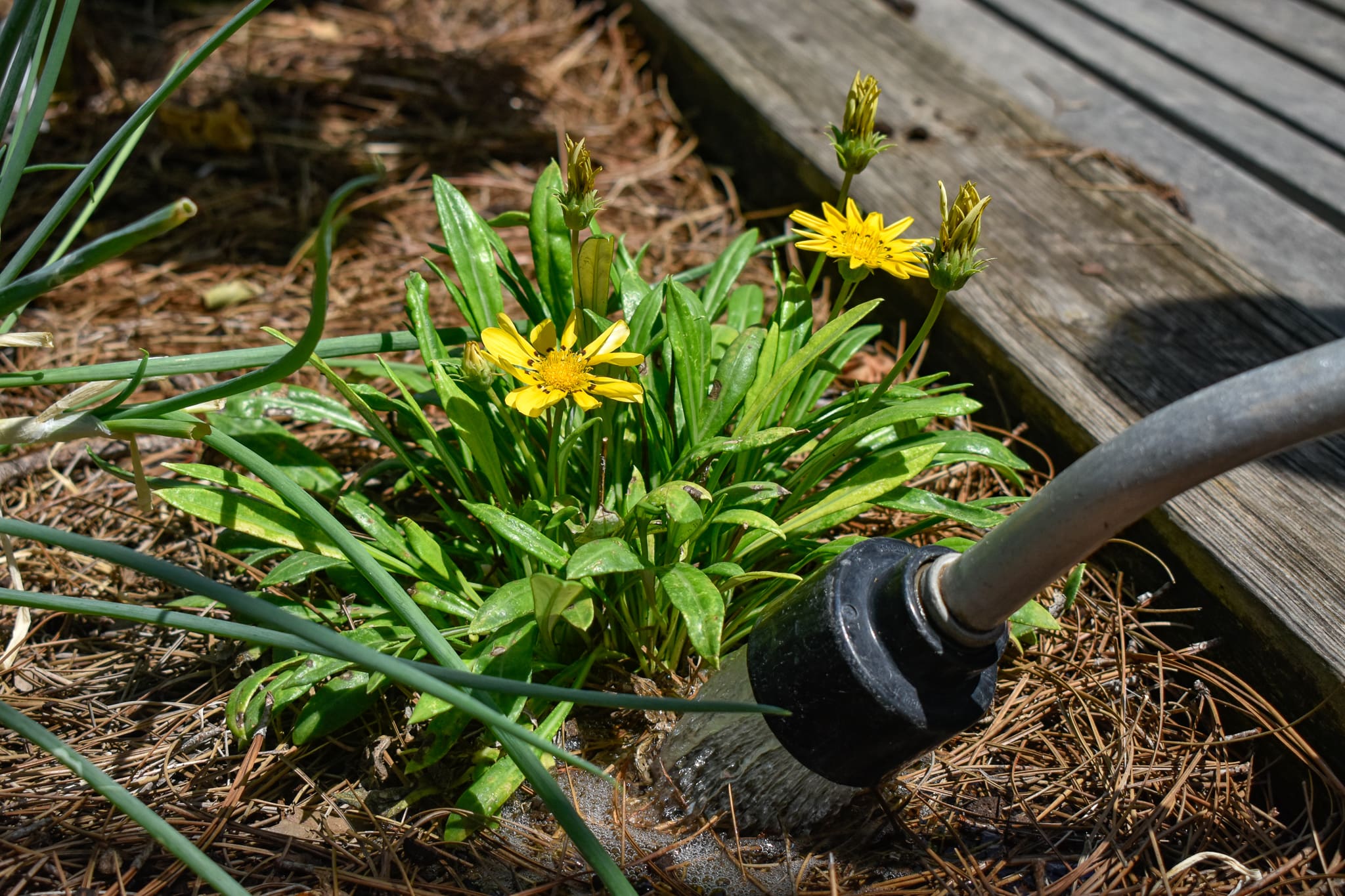
Keep in mind that you can hand water all landscape plants, gardens, and trees on any day under current city watering rules. The good news is, hand watering is the best way to water as long as you’re doing it effectively. That means making sure you water at ground level, not over the top of your plants. This gets more water down to the roots, prevents water loss due to evaporation, and prevents fungal issues that can arise from too much moisture on leaves and stems. When hand watering, be sure you’re giving your plant roots a deep soaking. Water once, give it some time to soak in, then water again. Keep in mind, under current rules, you can also use drip irrigation systems for landscaped beds every other week on your watering day. The same principal applies – deep soaking!

6. Set the Table for the Fall Hummingbird Migration!

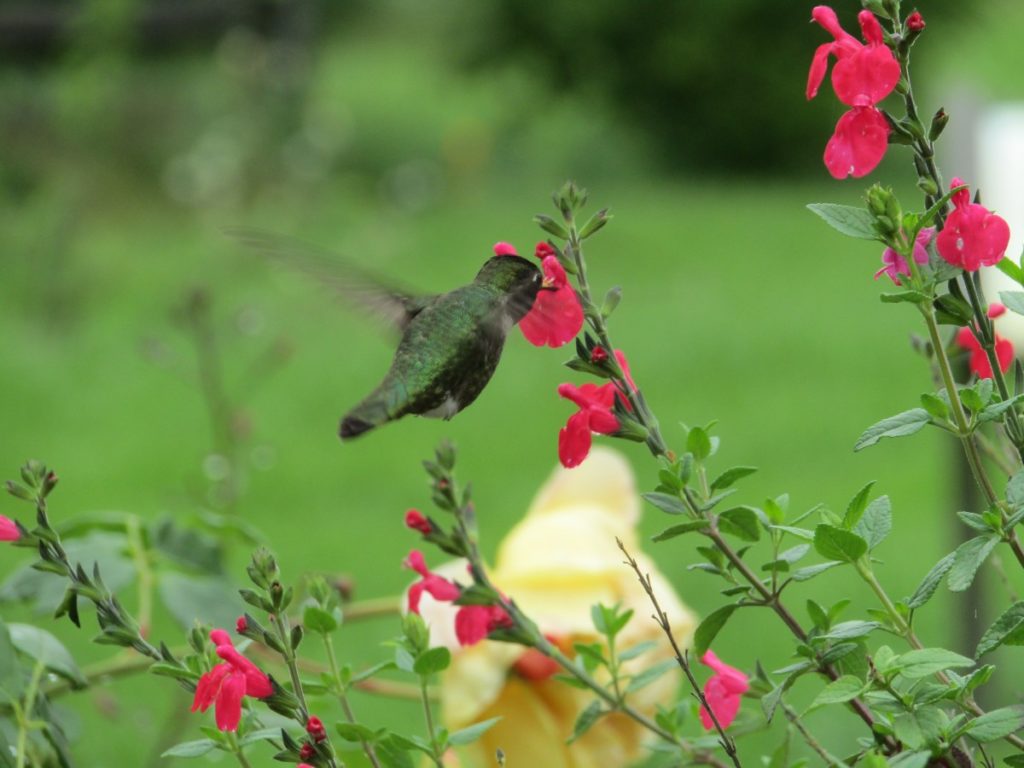
Ruby-throated hummingbirds will soon make their way through for the fall migration! These tiny birds are BIG eaters. They stop here in the Coastal Bend to fuel up before their non-stop flight across the Gulf of Mexico. Host them in your yard by planting some of their favorite foods! Hummingbirds find plants using their excellent vision and are attracted to bright colored blooms, which indicate a high-sugar food source. Some of our favs for South Texas are Flame Acanthus (aka hummingbird bush), Salvias (like native Salvia greggii and Salvia leucantha), Cape Honeysuckle, Firebush, Firecracker plant, Coral bean – the list goes on! Plant a few of these and hummingbirds will find them. And don’t forget to visit the Rockport-Fulton HummerBird Celebration September 18-21!

7. You’re Invited! Fall Garden Talks and Events at Gill’s!

Gill Garden Talks and Events are back this Fall! We’re kicking it off with DeAnna and Wyatt’s Fall Veggie Gardening Talk on Saturday, September 13th!  Based on your suggestions, we decided to do 2 veggie talks this year. Part 1 will focus on early fall veggies like tomatoes, peppers, and squash, and part 2 will focus on cooler season crops like broccoli, greens, and cabbage. Stay tuned on our events page and on Instagram and Facebook for details of each event. We can’t wait!

Join us THIS Saturday, September 13th at 10:00am here at Gill’s for Part 1 of our Fall Veggie Gardening series. Gill’s veggie gardening experts DeAnna Baumgartner and Wyatt Page will lead an informative talk on all things fall veggies. Part 1 will focus on growing early fall season crops like tomatoes, peppers, squashes, cucumbers, and beans. We’ll do some gift card giveaways and field all your veggie gardening questions!

FREE event – 10-11am – No RSVP required.

Click below to watch DeAnna’s preview video:


We can’t wait to see everyone! Stay tuned to our events page and follow us on Facebook and Instagram where we’ll continue to post updates about talks and events. We have lots more to come this fall!


Natural gourd birdhouses are the best! They host a wide variety of birds who use the seeds and pulp inside to make their nests. Join us at Gill’s this Saturday, September 20th from 11am-1pm for a fun garden art project – painting gourd houses! We’ll provide a pre-drilled gourd with a leather hanging strap plus all the painting supplies. Take home your creation and hang it up for birds to make their home this fall!

Limited to the first 50 guests of all ages – $10 per person. Reserve your tickets here, or purchase the day of!

Click to watch Ori & Caleb’s preview video:

We can’t wait to see everyone! Stay tuned to our events page and follow us on Facebook and Instagram where we’ll continue to post updates about talks and events. We have lots more to come this fall!


Join us this Saturday, September 27th at 10:00am here at Gill’s for Part 2 of our Fall Veggie Gardening series. Gill’s veggie gardening experts DeAnna Baumgartner and Wyatt Page will lead an informative talk on all things fall veggies. Part 2 will focus on cool season fall crops like broccoli, greens, cauliflower, and more. We’ll do some fun giveaways and field all your veggie gardening questions!

FREE event – No RSVP required.

Click below to watch Wyatt’s preview video:

We can’t wait to see everyone! Stay tuned to our events page and follow us on Facebook and Instagram where we’ll continue to post updates about talks and events. We have lots more to come this fall!