Garden Center Hours: Mon-Sat 9am - 5:30pm • Sun 10am - 5:30pm

How about that nice rain last Sunday?! And we have chances for more – hooray! Rain makes everybody feel better – plants, people, weeds, bugs… Here are a few important to-do’s for making the most of a good rain and keeping potential issues from getting out of hand.  

Water + Mulch to Maintain Depth Moisture – Very Important!


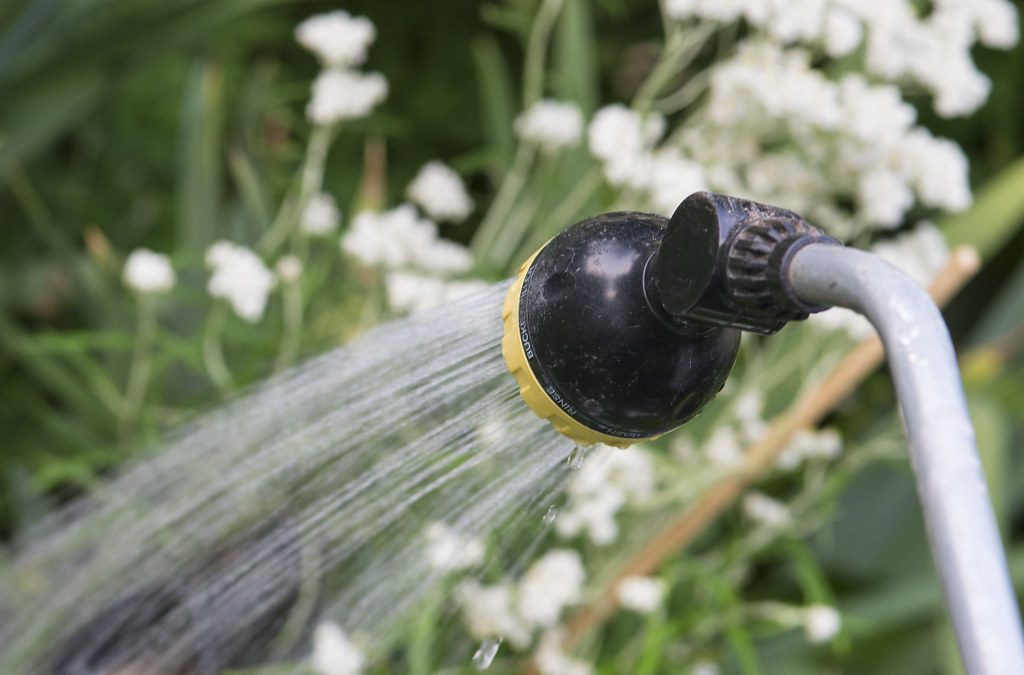
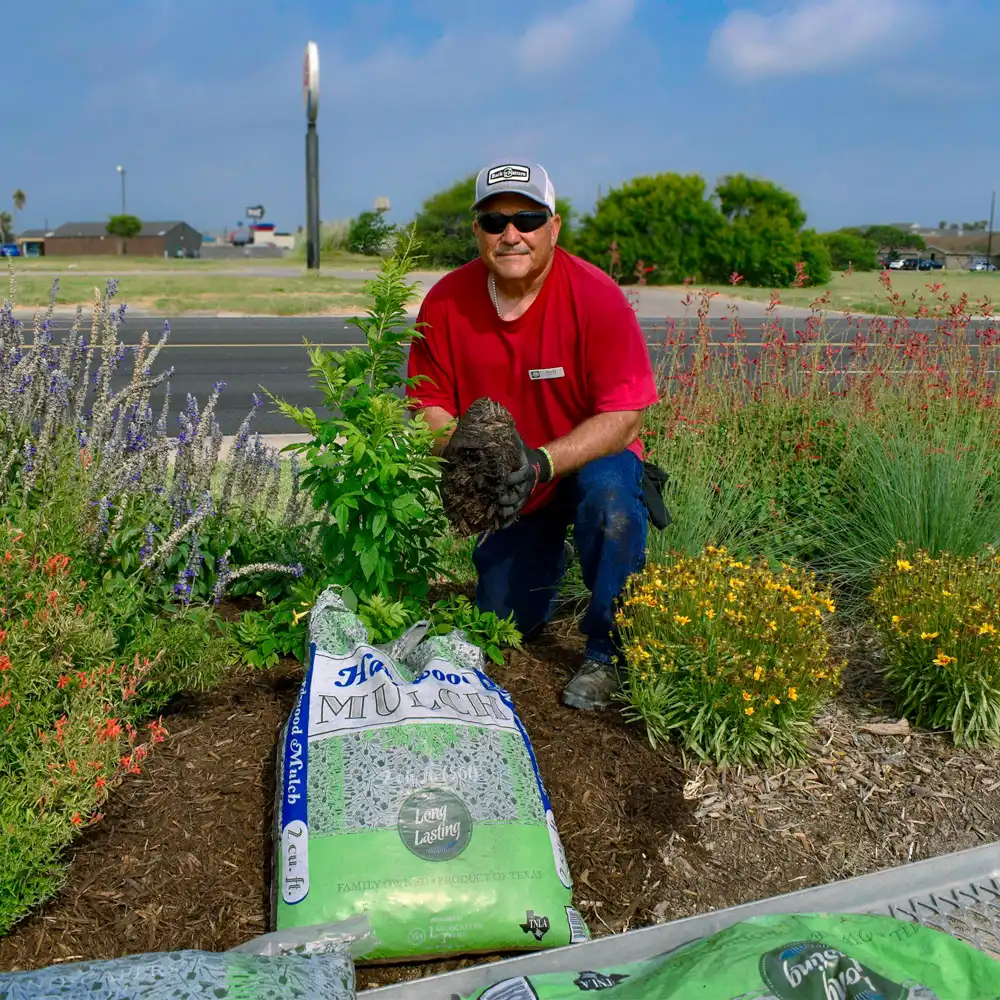
This may sound counterintuitive, but you need to continue watering regularly even when we’re getting good rainfall. Supplemental watering after a rain will help push moisture further down into the soil and allow the soil to hold depth moisture for a longer period. This is very important during spring before we reach warmer summer temps. The better depth moisture we maintain now, the deeper plant roots will grow, which will allow plants to withstand warmer temps and longer periods between waterings. Keep in mind, it takes far less water to improve and maintain depth moisture than it does to rebuild it once the soil gets really dry. And remember – mulch is your best friend! A good 2-3″ mulch layer works wonders for retaining moisture and reducing water needs. It also insulates roots and keeps them cooler and healthier. 

If you’re interested in capturing a large amount of rainwater every time it rains, reach out to us here to discuss adding rainwater cisterns to your landscape. You’d be surprised how much you can collect. Just 1 inch of rain on 1,000 sq ft of roof = 600 gallons of water!

A Few Easy Solutions for Bugs After a Rain

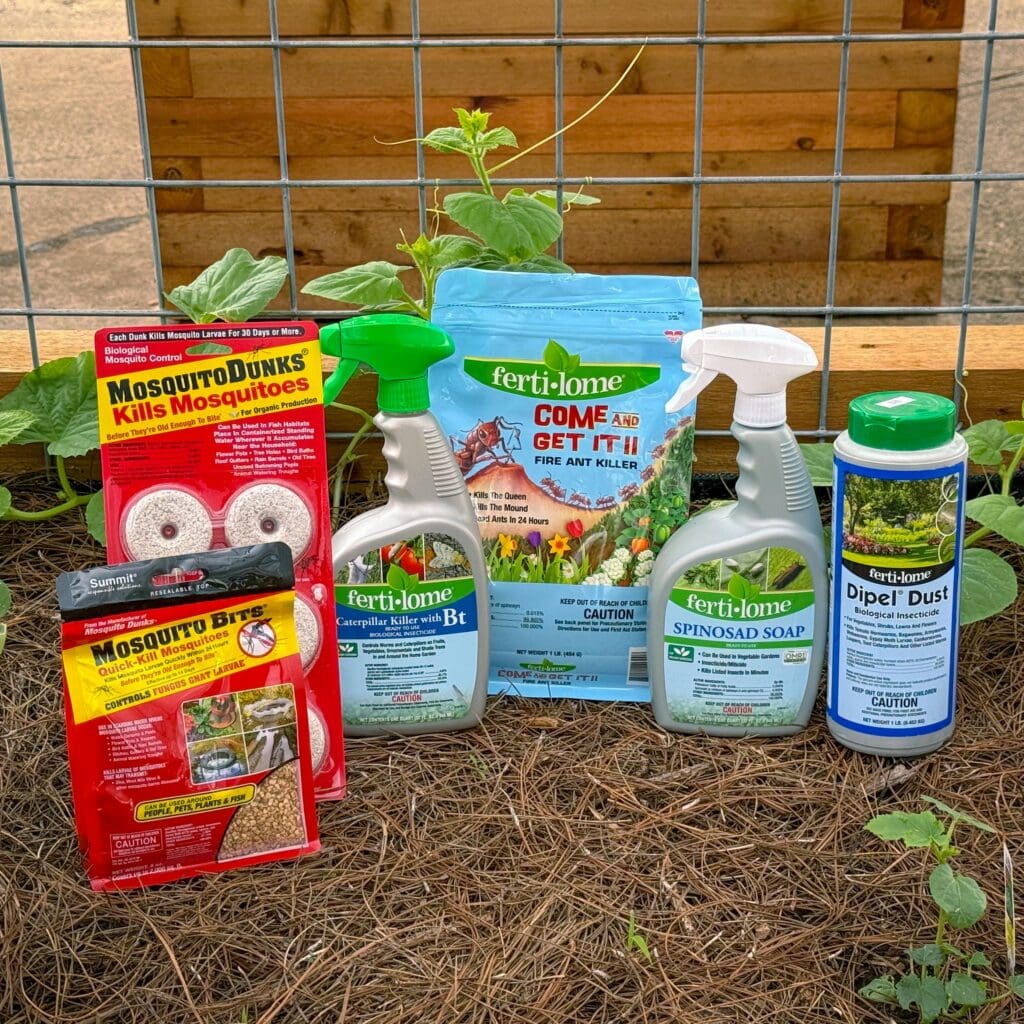
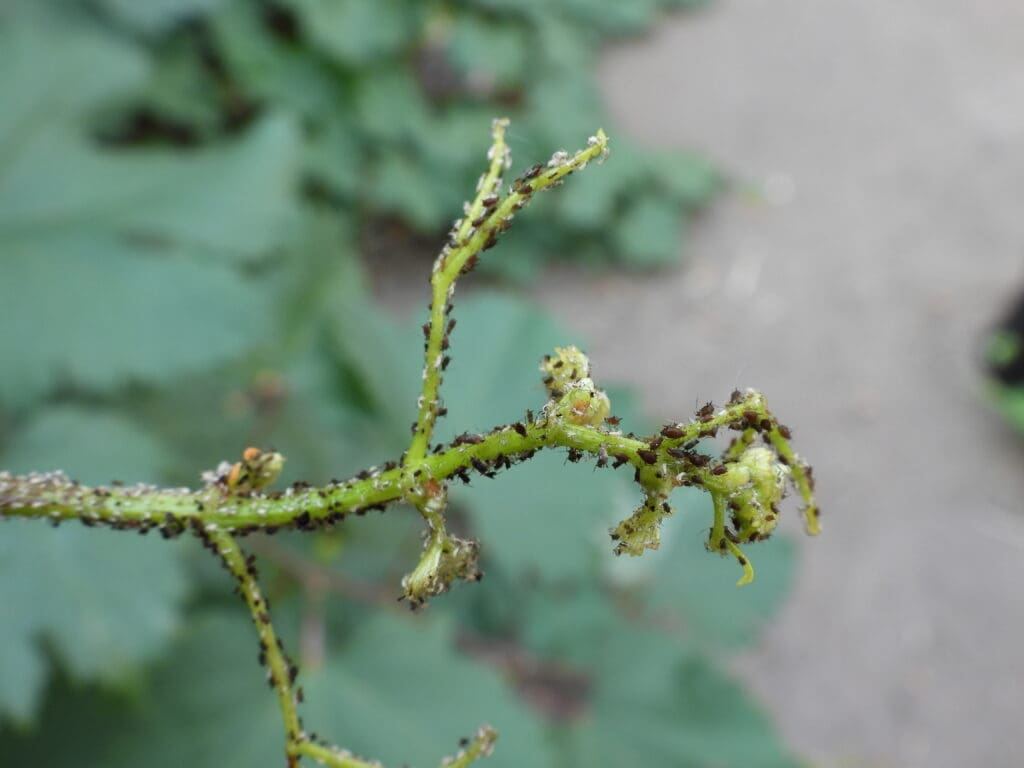
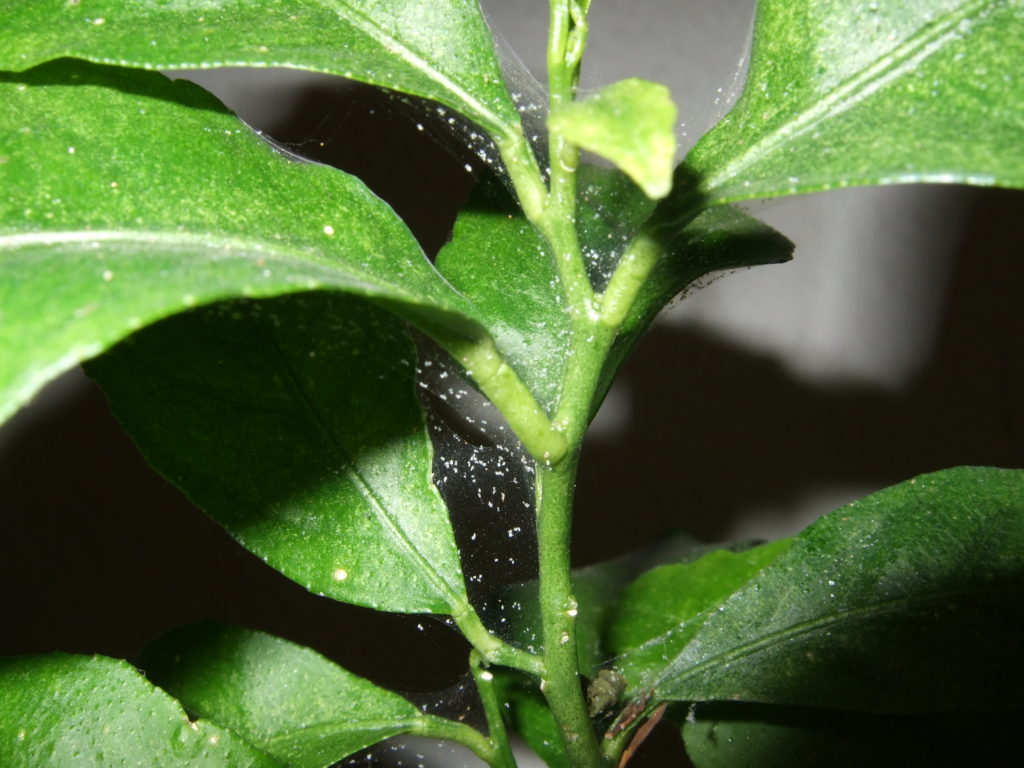
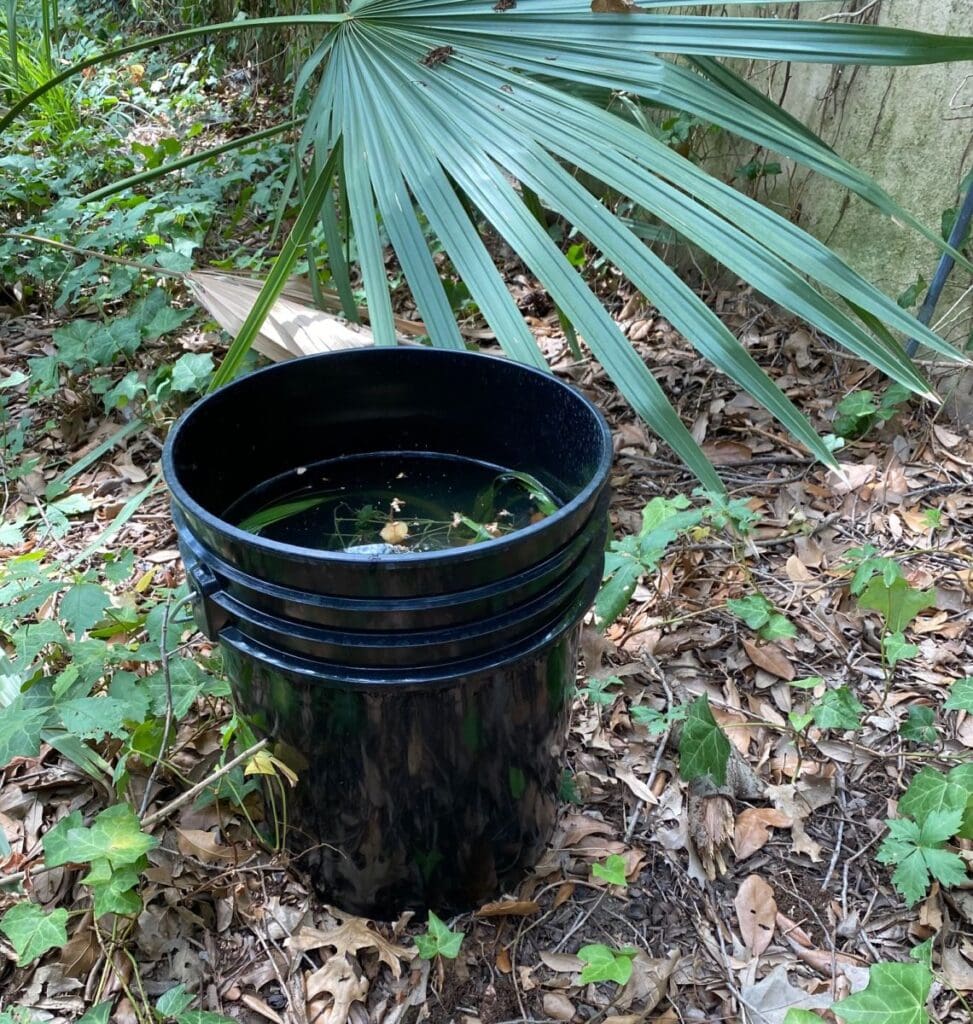
If you haven’t noticed already, you’ll soon notice a lot more bug activity in your garden. Don’t worry, and don’t over-treat, just stay observant. For 2 very common culprits, aphids and spider mites, use organic Spinosad Soap. If caterpillars are causing a lot of damage in the veggie garden, you can use organic Bt spray or dust. To prevent mosquitos, use organic Mosquito Dunks or Bits in your rain barrels, bird baths, and anywhere you have standing water. They’re harmless to birds, pets, and other bugs, but they prevent mosquito larvae from hatching. These can also be used to create very effective mosquito traps. Just fill a bucket with water and some leaf/grass clippings, and add a dunk or granular bits. 

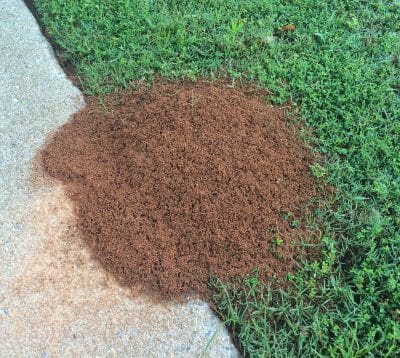
You may have also seen fire ant mounds appear out of nowhere after the rain. We’ve had good success using organic Come & Get It Bait to take care of them. If you have other bug questions, give us a call or stop by. 

What About Weeds? 

If you’re thinking of treating for weeds, keep in mind that most weed killers need several days of sunshine to be effective. So, not a good idea to use them when we have intermittent rain in the forecast. Instead, the best plan of attacking weeds right now is to take advantage of the soft ground and pull em up! One of the most satisfying sounds in the garden is that “pop” you hear when you pull a weed and get the entire root. And once again, mulch is your best friend for suppressing weeds too! 

-Jesse


sept-garden-guide

Plant

September is vegetable and seed month.

There are numerous selections of vegetables to be started in the garden or in containers. Come in and pick up our fall vegetable guide.

Tomatoes & Peppers

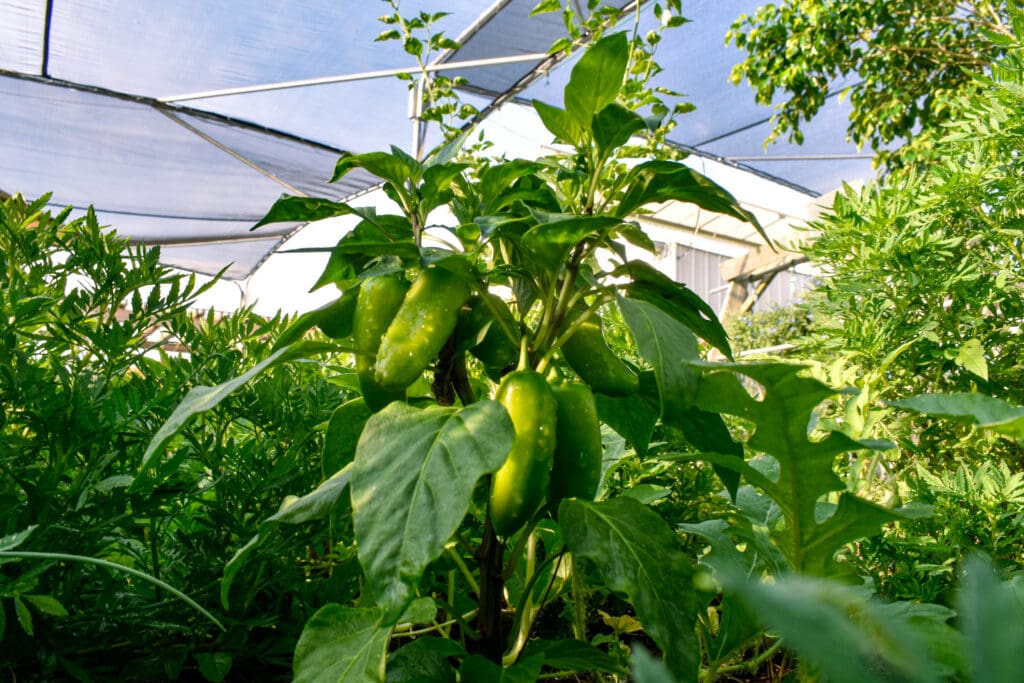
Tomatoes and peppers can be planted through the middle of the month.

Planting Guide: Our Tomato Varieties
Read: New! Grape Tomato ‘Ruby Crush’
Read: Fall Tomatoes

Herbs

A large selection of herbs will be ready to add spice to your garden.
Garden Guide: Herbs

Bluebonnets & Other Wildflowers, Nasturtiums & Fall Marigolds

Plant by seed or transplants.

Read: Fall is Wildflower Time!Benefits of Marigolds in Your Veggie Garden, Nasturtiums – Super Pretty & Easy (Yummy Too!)

Don’t plant pansies or snapdragons until temperatures have cooled down!


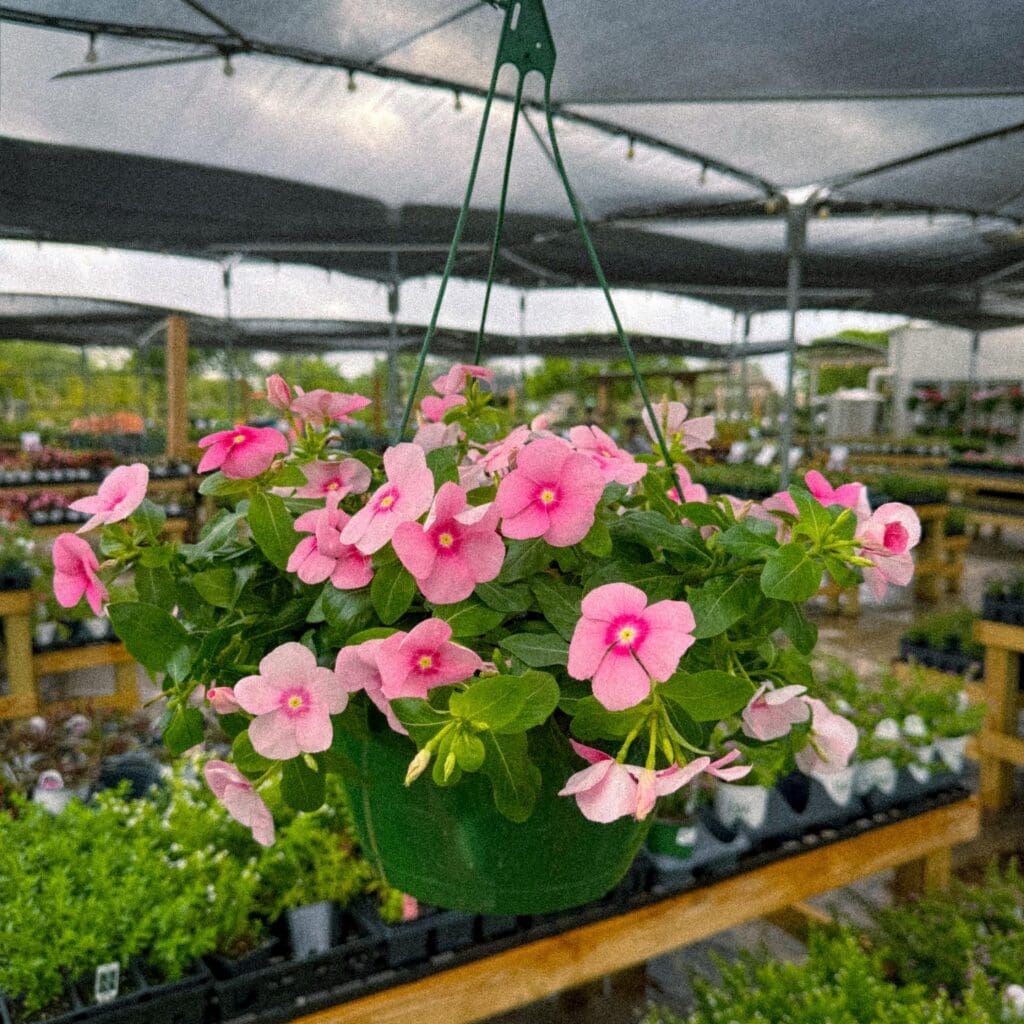
There is still time to add quick summer color such as zinnias, coleus, purslane, moss rose and periwinkles.
Read: Success with Fall Flowers, Best Tips of Planting Trees This Fall, Organic Gardening, Fuel For Your Hungry Hummers

Fertilize

Tropicals

We recommend organic Maestro Rose Glo, or conventional Hibiscus Food

Vegetables

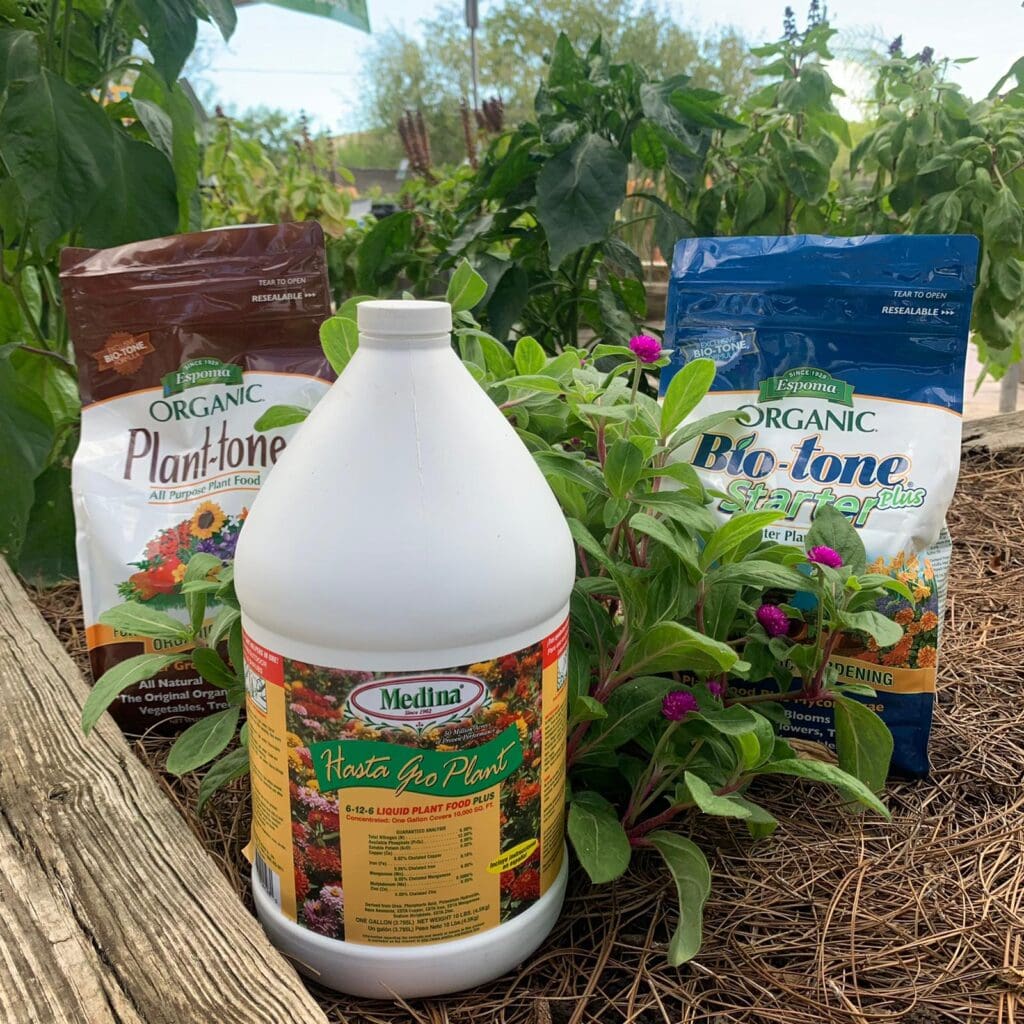
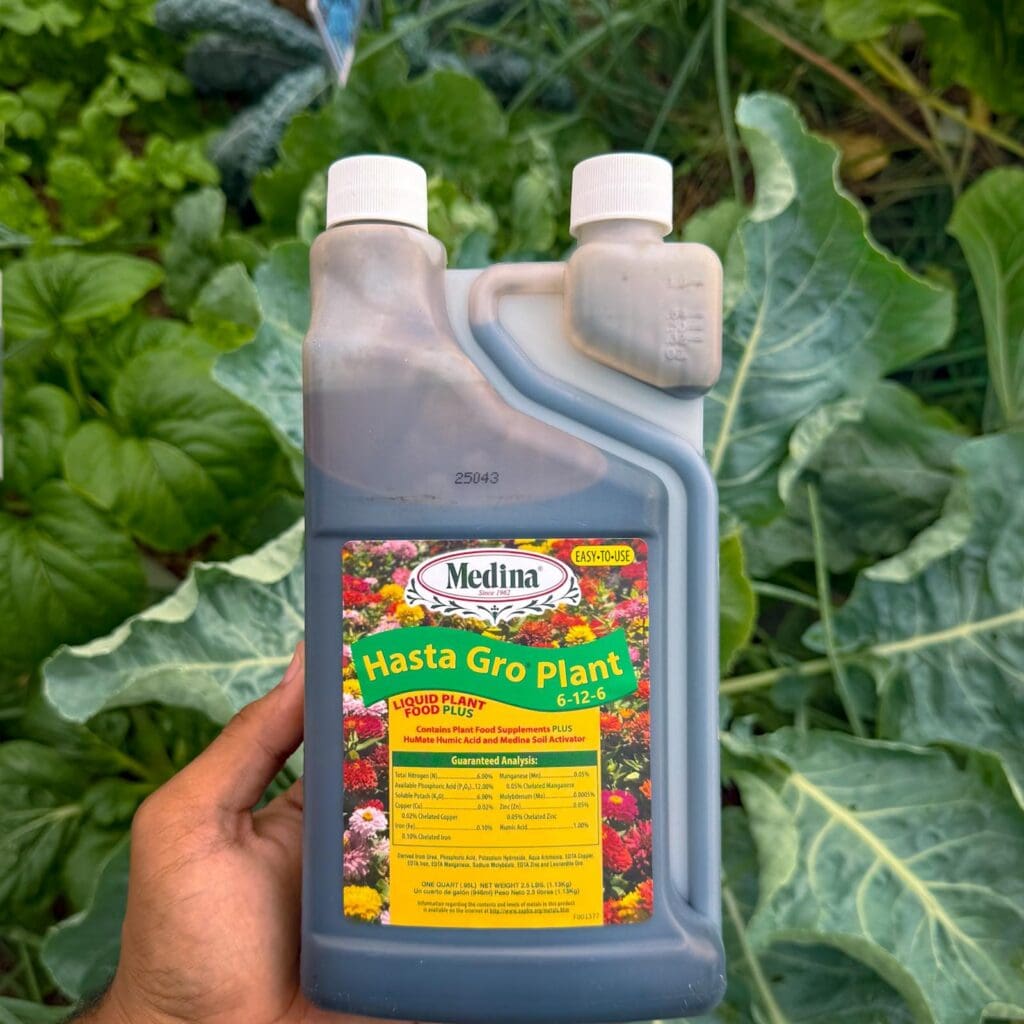
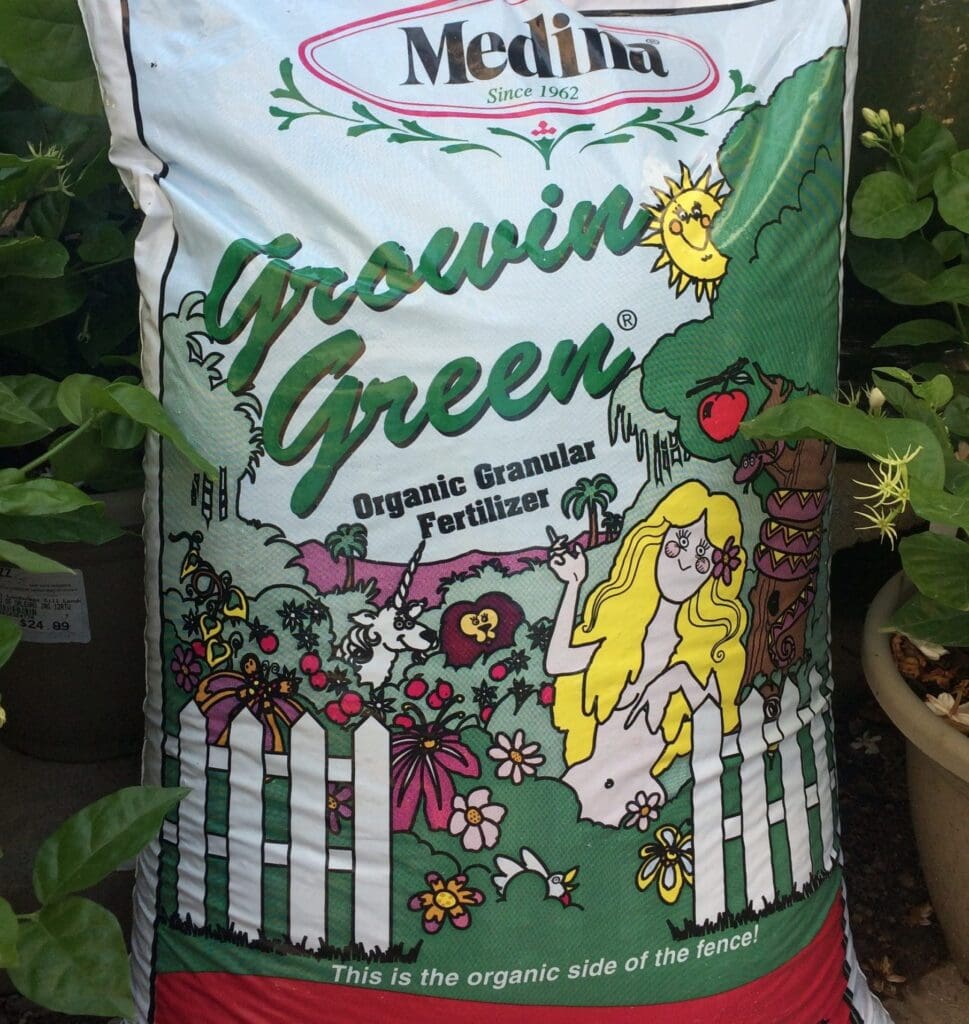
We recommend organic Medina Growin’ Green, Hasta Gro, Maestro Rose Glo or Plant Tone, or conventional Hi Yield Ammonium Sulphate.

Roses

We recommend organic Maestro Rose Glo.

Poinsettias

We recommend organic Maestro Rose Glo or Hasta Gro.

Blooming Annuals and Perennials

We recommend Organic: Medina Growin Green, Hasta Gro or Maestro Rose Glo, or conventional Hibiscus Food.

All plants that are especially stressed, or recently transplated

We recommend organic Hasta Gro Organic Fertilizer or Super Thrive

Christmas Cactus

We recommend organic Hasta Gro.

Read: How to Get Your Christmas Cactus to Bloom!
Read: It's Time to Fertilize For Fall!

Prune

  • Continue removing faded flowers from annuals and perennials to encourage new blooms.
  • Faded blooms and seedpods from crape myrtles to promote additional blooming.
  • Rule of thumb for fall pruning is no more than 1/3. Wait until January for heavy cutbacks.

Read: Sharp Tools for Fall Pruning!

Lawns


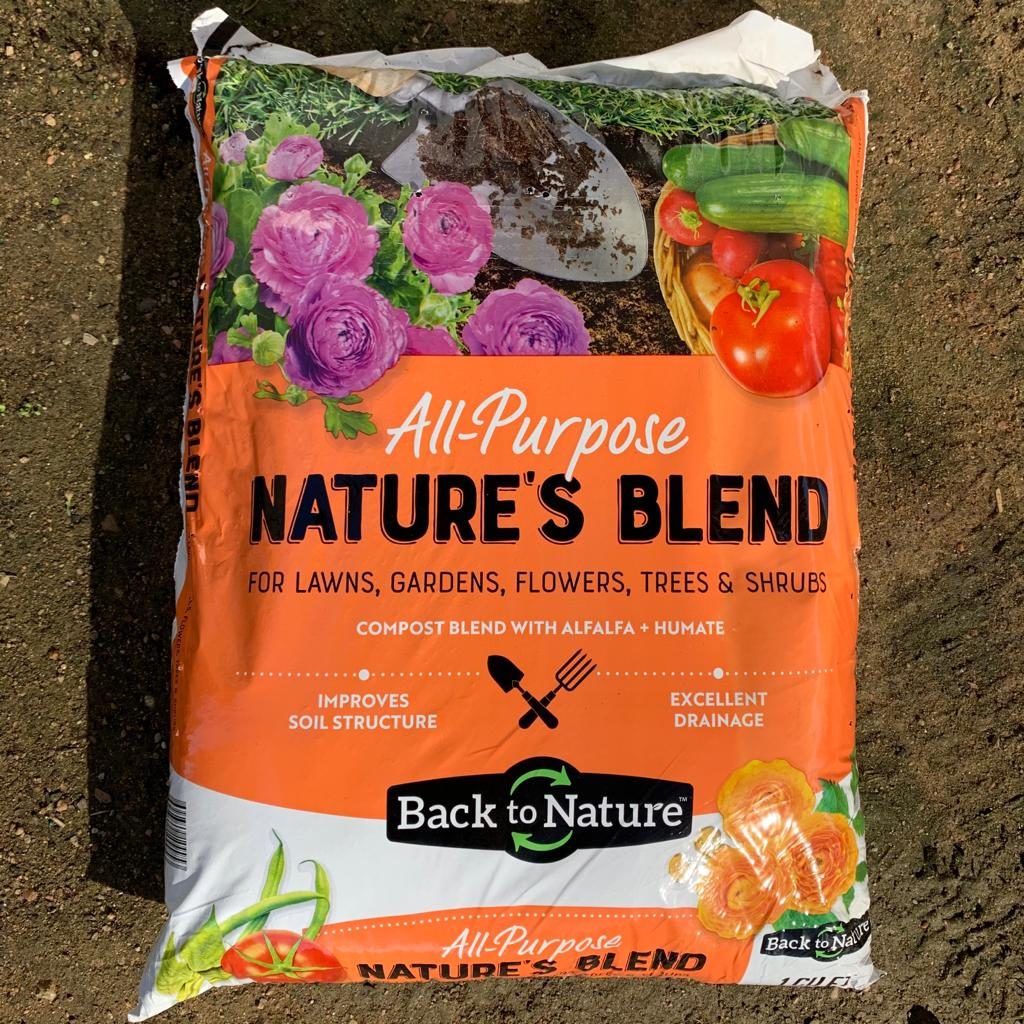
Apply organic Nature's Blend or Peat Moss for lawns, or conventional  F-Stop granules as a preventative to brown patch fungus, which shows up as temperatures drop during fall and winter months.

Watch: Brown Patch Fungus

Apply organic Nature's Blend, Peat Moss or conventional Hi Yield Iron Plus to yellowing lawns.

Apply Nature’s BlendPeat Moss, or Scotts Disease Ex to lawns prone to Take All Patch Fungus.

Continue to water deeply every 1 to 2 weeks if little rainfall.

Wait to apply fall fertilizer until October!

Watch: How to Collect a Grass Sample

Water

  1. Check all newly planted material for water every day.
  2. Check pots, containers and hanging baskets often as they dry out quickly and need more water.
  3. Apply mulch as needed to help conserve moisture.
  4. Make arrangements for someone to water if leaving for more than 2 days, especially with new plants.
  5. Follow City Guidelines.

Weed Control

Spray only growing weeds with Captain Jacks Deadweed Brew or Horticultural Vinegar. These products kill all vegetation; so protect plants from drift or over spray.

Apply organic Corn Gluten meal, or Weed and Grass Stopper with Dimension in the fall and spring to prevent seeds from sprouting. It will not control already growing weeds.

Weed B Gon or Image can be applied once we cool down into the 80’s temps. An organic option is Captain Jack’s Lawn Weed Brew.

Watch For

Masses of worms eating your oak tree.

Treat with organic Spinosad or Thuricide, or conventional Cyonara. Read: Oak Tree Caterpillars

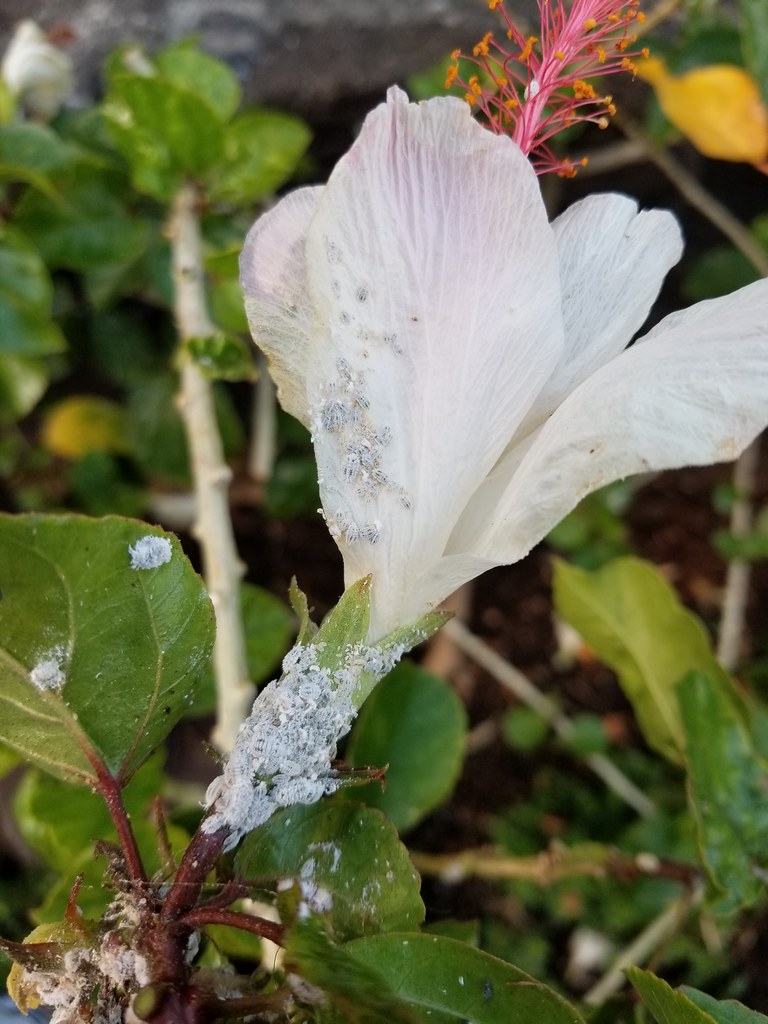
White Flies on tropicals and perennials, especially lantana and hibiscus.

Treat with organic Insecticidal Soap, Neem Oil, Spinosad Soap, Bee Safe 3-in-1 Spray, or conventional Cyonara or a long acting drench like Fertilome Tree & Shrub

Watch: Yucky Whitefly

Fleas and Ticks

Treat lawns with organic Spinosad, or Diatomaceous Earth Crawling Insect Killer, or conventional Cyonara

Mealy Bugs

Treat with organic Bee Safe 3-in-1 Spray or Insecticidal Soap or Spinosad Soap, or conventional Cyonara, or Bonide Systemic Liquid or Granule

Read: Mealy Bugs are Here!

Caterpillars or their damage (chewed leaves).

Spray organically with Spinosad or Thuricide.

Read: Not All Caterpillars are Bad!

Mosquitoes

Use Mosquito Beater Liquid for quick kill or Mosquito Beater Granules to repel.

Read: Mosquito Solutions

Note: Please, Please, Please, don’t kill the bees!

They are one of the best sources we have to pollinate our fruits, vegetables, flowers, and shrubs.

oct-g-guide

Planting Season!

Fall is Our Best Planting Season!

Trees, shrubs, and perennials get a great bonus when planted in fall. South Texas enjoys relatively warm soil temperatures through fall and winter, and cooler air  temperatures direct the new plant to grow roots all through this time. So, a plant put into the ground in fall will grow twice as fast the following spring as one planted in spring due to having developed twice the root system, and it will also suffer much less stress in its first South Texas summer. We are lucky that we can garden year round here, but fall is our best season for planting!

Plant

Vegetable Seeds

Beet, carrot, cilantro, collards, lettuce, mustard, onion, parsley, radish, Swiss chard, spinach, and turnip.

Read: Best Timing for Popular Fall VeggiesKeith’s Swiss Chard Success Story

Flower Seeds

Bluebonnets and other wildflowers, larkspur, sweet peas, nasturtiums.

Read: Fall is Wildflower Planting Time!
Vegetable Transplants

Broccoli, Brussels sprouts, cabbage, cauliflower, strawberries, parsley, cilantro, and other herbs.

Read: How to Keep Your Vegetable Garden Healthy This Fall, Get Your Greens! Sally’s Kale Smoothie Recipe

Flower Transplants

Alyssum, begonias, bluebonnet, calendula, chrysanthemum, dianthus (pinks) dusty miller, flowering cabbage and kale, geraniums, gerbera daisy, impatiens, lobelia, marigolds, pansies, petunias, phlox, salvia, snapdragons, stock, verbenas, and viola.

Read: Success with Fall FlowersMarigolds & Mums!

Flower Bulbs

Begin refrigerating bulbs that require chilling such as paperwhites. Amaryllis can be planted now.

Read: Amaryllis & Paperwhites

All container grown trees and shrubs

Read: Burr Oak – an Awesome South Texas Tree
Read: Best Tips of Planting Trees This Fall

Indoor Plants

  • Check the window lighting for your indoor plants. The sun is moving with the change of the season and may bring more or less light indoors. 
  • Heater vents can cause blemished foliage and dry plants out more quickly. Watch your placement of any new plants coming indoors. 
  • With cold fronts coming, plan to move your house plants indoors, if you have moved any outside during warmer weather. Provide adequate lighting & adjust watering. 
  • Let this be your last feeding for your outdoor tropical plants that are becoming houseplants for the winter. They need to rest.
  • Keep watch for any tagalong critters or insects & move them back outdoors. Treat if needed.

Fertilize

Read: Organic Gardening

Winterize Your Lawn

Winterize your lawn with organic Milorganite or Medina Growin’ Green.

Tropicals

We recommend:  Organic Maestro Rose Glo, Hasta Gro, or conventional Hibiscus Food

Roses

Organic: Maestro Rose Glo

Poinsettias

Organic: with Maestro Rose Glo

Blooming Annuals and Perennials

Organic: Medina Growin Green, Hasta Gro or Maestro Rose Glo

Conventional: Hibiscus Food, or Osmocote 14-14-14 Time Release

Read: Success with Fall Flowers

Vegetables

Organic: Hasta GroMedina Growin Green, Maestro Rose Glo, or Plant Tone

Conventional: Hi Yield Ammonium Sulphate, or Osmocote 14-4-14 Time Release Granules

Christmas Cactus

Organic: Hasta Gro

Read: How to Get Your Christmas Cactus to Bloom!

All plants that are especially stressed, or recently transplanted

We recommend organic Hasta Gro.

Read: It’s Time to Fertilize for Fall!

Lawn Care

Apply conventional Fertilome F-Stop as a preventative to brown patch fungus, which shows up as temperatures drop during  fall and winter months.


Apply organic Nature’s Blend or Peat Moss to lawns prone to Take All Patch Fungus, or conventional Scotts Disease X.

Read: Protect Your Lawn: Recent Take All Root Rot Sightings (TARR)


Continue to water deeply every 1 to 2 weeks if little rainfall.

Read: Top Five Tips for a Beautiful Fall LawnFall and Winter Lawn Care

Watch Out For

Masses of worms eating your oak tree.

Treat with organic Spinosad or Thuricide or conventional Cyonara

Read: Oak Tree Caterpillars

Grub Worms in Lawns

Treat with Bayer 24 hour Grub Control Granules

White Flies on tropicals and perennials, especially lantana and hibiscus.

Treat with organic Spinosad Soap, Bee Safe 3-in-1Neem Oil, or conventional Eight Garden Spray Tree & Shrub drench, or Bonide Systemic Garanules. 

Chinch Bugs in Lawns

Treat with organic Diatomaceous Earth, Spinosad or conventional Cyonara

Mealy Bugs

Treat with organic Neem OilSpinosad Soap, or Bee Safe 3-in-1,  or conventional Cyonara, or Bonide Systemic Liquid or Granule

Read: Mealy Bugs are Here!

Mosquitoes

Use Mosquito Beater Liquid for quick kill or Mosquito Beater Granules to repel

Read: Mosquito Solutions

Fleas and Ticks

Treat lawns with organic Spinosad, or Diatomaceous Earth Crawling Insect Killer or conventional Cyonara

Powdery Mildew on Crape Myrtles & Roses

Use organic Neem Oil or conventional Fertilome Systemic Fungicide

Note: Please, Please, Please, don’t kill the bees!

They are one of the best sources we have to pollinate our fruits, vegetables, flowers, and shrubs.

Read: Best for Bees!

Water

Water your newly planted vegetables and bedding plants regularly, but take care not to overwater with cooler nighttime temperatures.

Cut back on watering your established plants and lawn as temperatures cool down, since they use less water. If you are unsure when to water, use a moisture meter to take out the guesswork.

Prune

Your hardy, woody ornamentals and tropicals only to shape, not severely.

Summer perennials.