Garden Center Hours: Mon-Sat 9am - 5:30pm • Sun 10am - 5:30pm

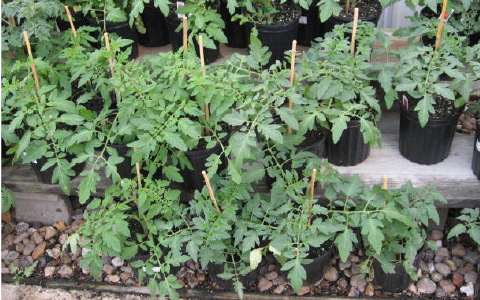
We’re in the dog days of summer right now, but not for long! If you want gorgeous tomatoes this fall, you need to get them started right now. Depending on the variety, tomatoes take between 60-100 days to produce ripe fruit, which would put us into late October through early December if we start now. Unless you’re growing in a heated greenhouse, you want to harvest your tomatoes before we have chances of cold weather. So, without further ado, here’s the Gill’s formula for fall tomato success!

Start from Seed or Plants

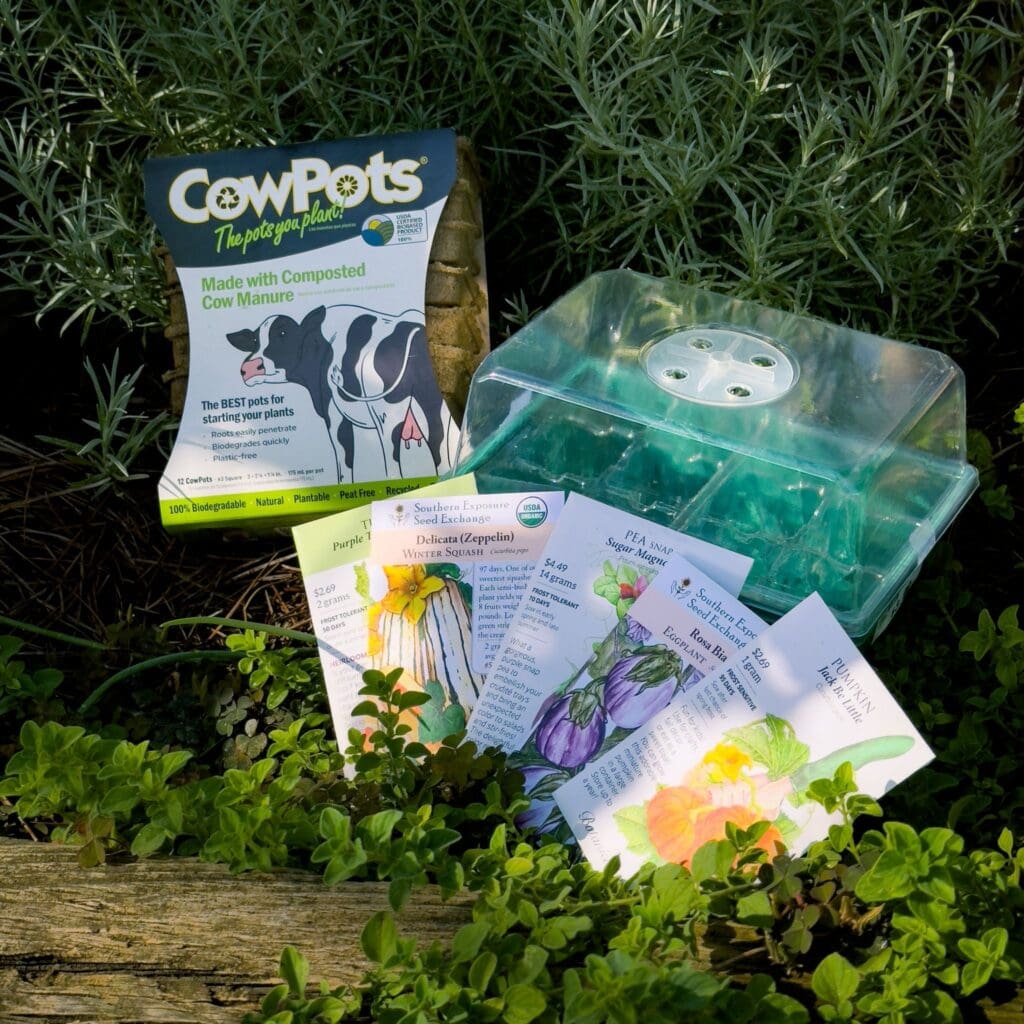
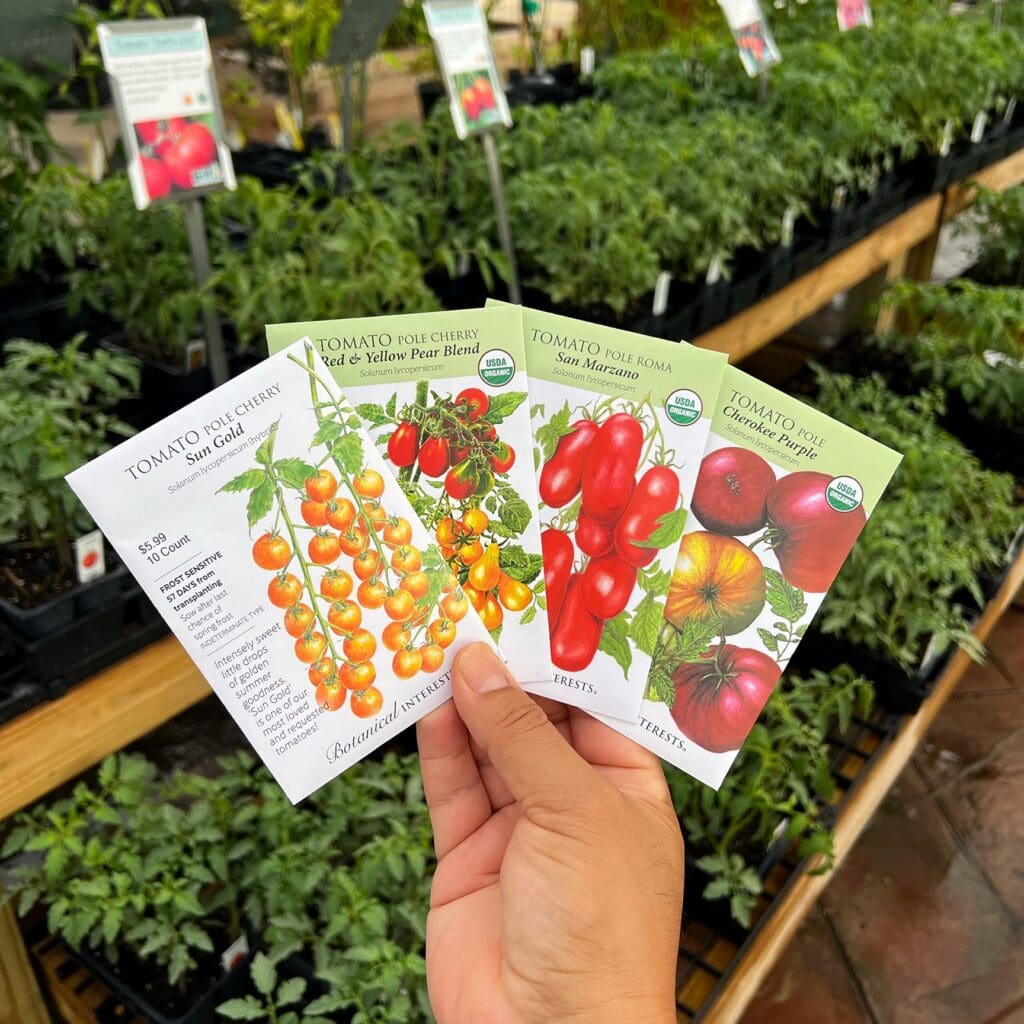
Late August is an exciting time at Gill’s. We’ve received our 2026-2027 veggie seeds, and we’re stocking up on tomato plants too. You have your choice right now – start from seed or start with tomato plants that are ready to go. Sure, starting from seed is more work, but you also have a lot more options, especially for heirloom varieties. We recommend starting seeds indoors or on a shady, protected patio. We like using plantable Peat Pots or our growing trays with lids + organic Espoma seed starting soil. Once the seedlings sprout and grow their first true set of leaves, they’re ready to plant outside. Or skip the seeds and start growing some tried and true tomato plant varieties now, like Tycoon, Juliette, Early Girl, and the beloved Celebrity. 

Prepare Your Soil & Spot

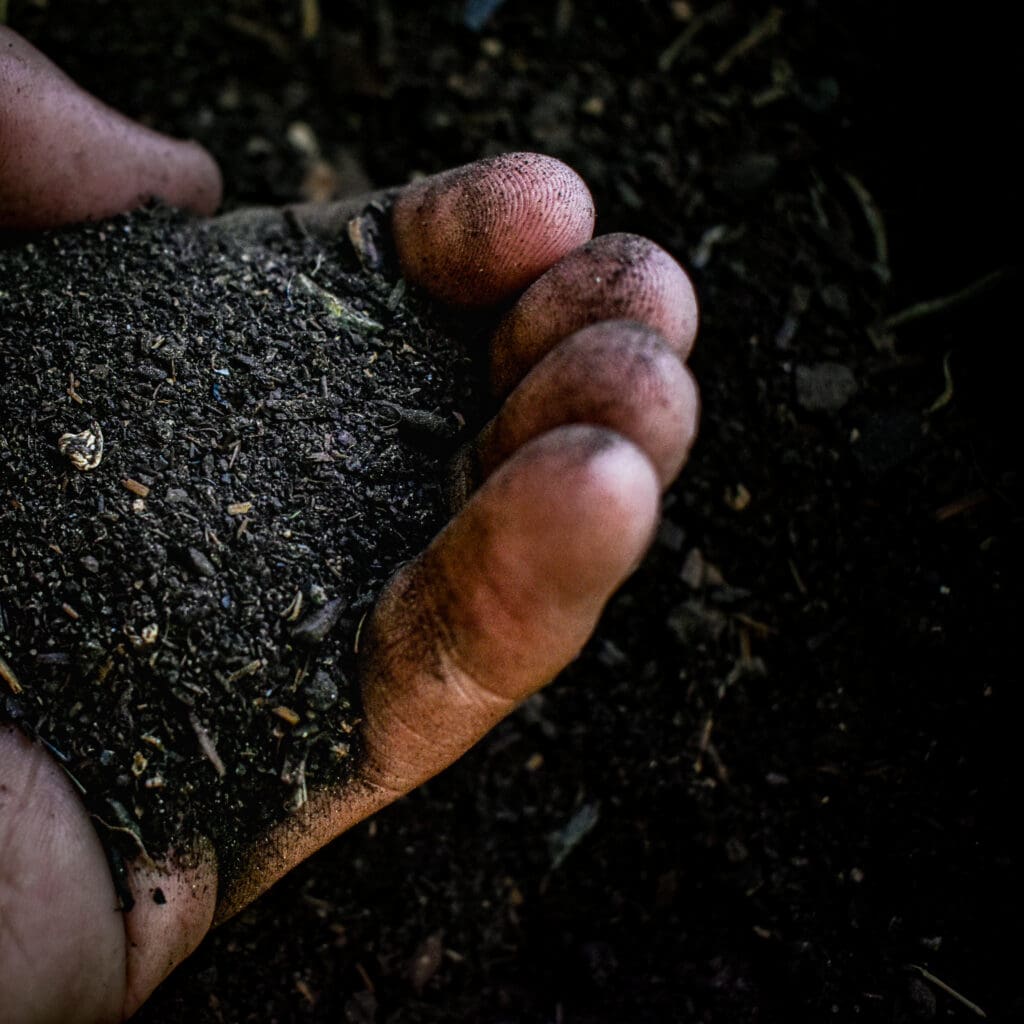
Pick a spot for your tomatoes that gets at least 6 hours of full sun each day. They’ll need it to be able to produce flowers then fruit. If you’re growing in the ground in clay or sandy soil, you’ll need to add some compost to create a better soil structure and add nutrients. Our fav for veggie gardens is Nature’s Blend Compost. Add about 1 bag per 12 sq. ft. of bed space. If you’ve got your own compost pile, use a similar approximate amount. If you’re growing in raised beds or big pots, you can’t go wrong with Gardener’s Magic soil – it’s specially formulated for container gardening with some compost and other nutrients. Just pour and plant!

Prune Up + Plant Deep

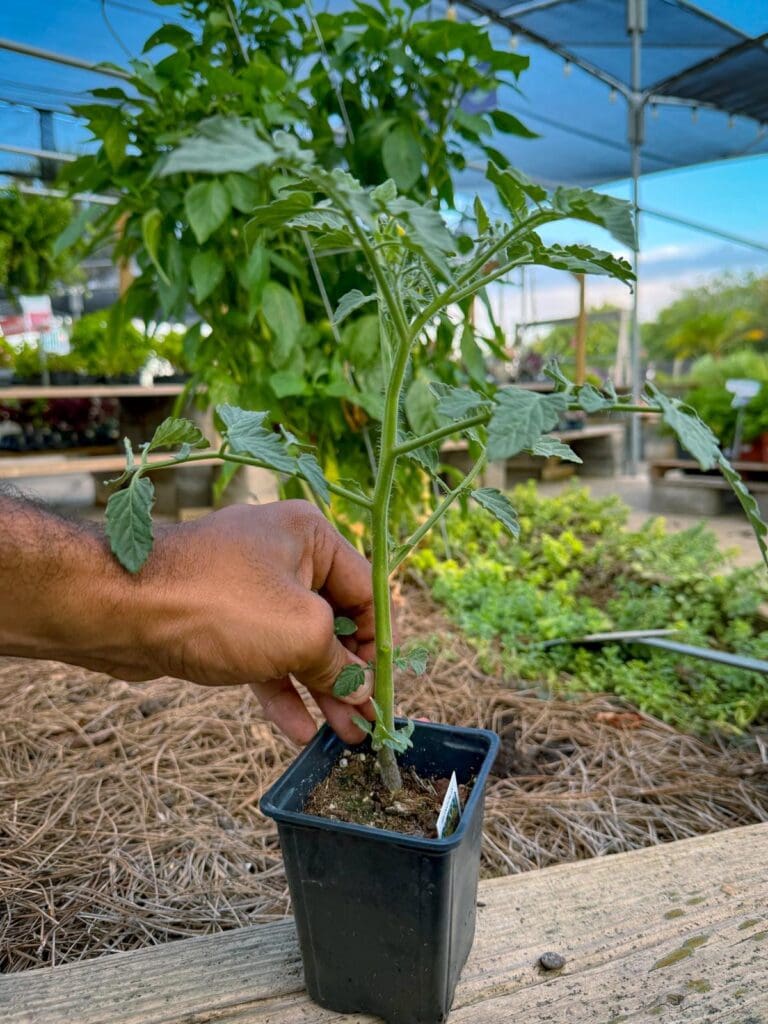
Tomatoes are one of the only plants that you can plant deep without suffocating the plant. In fact, tomatoes benefit from being planted deep because they grow new roots off the main stem. So, simply pinch the lower leaves off the stem, leave the main ones up top, dig a deep hole and plant the tomato all the way up to the top leaves. Some gardeners even like to dig a shallow trench and plant tomatoes on their side to let the roots grow down from the stem. Either way, more roots = more fruits! 

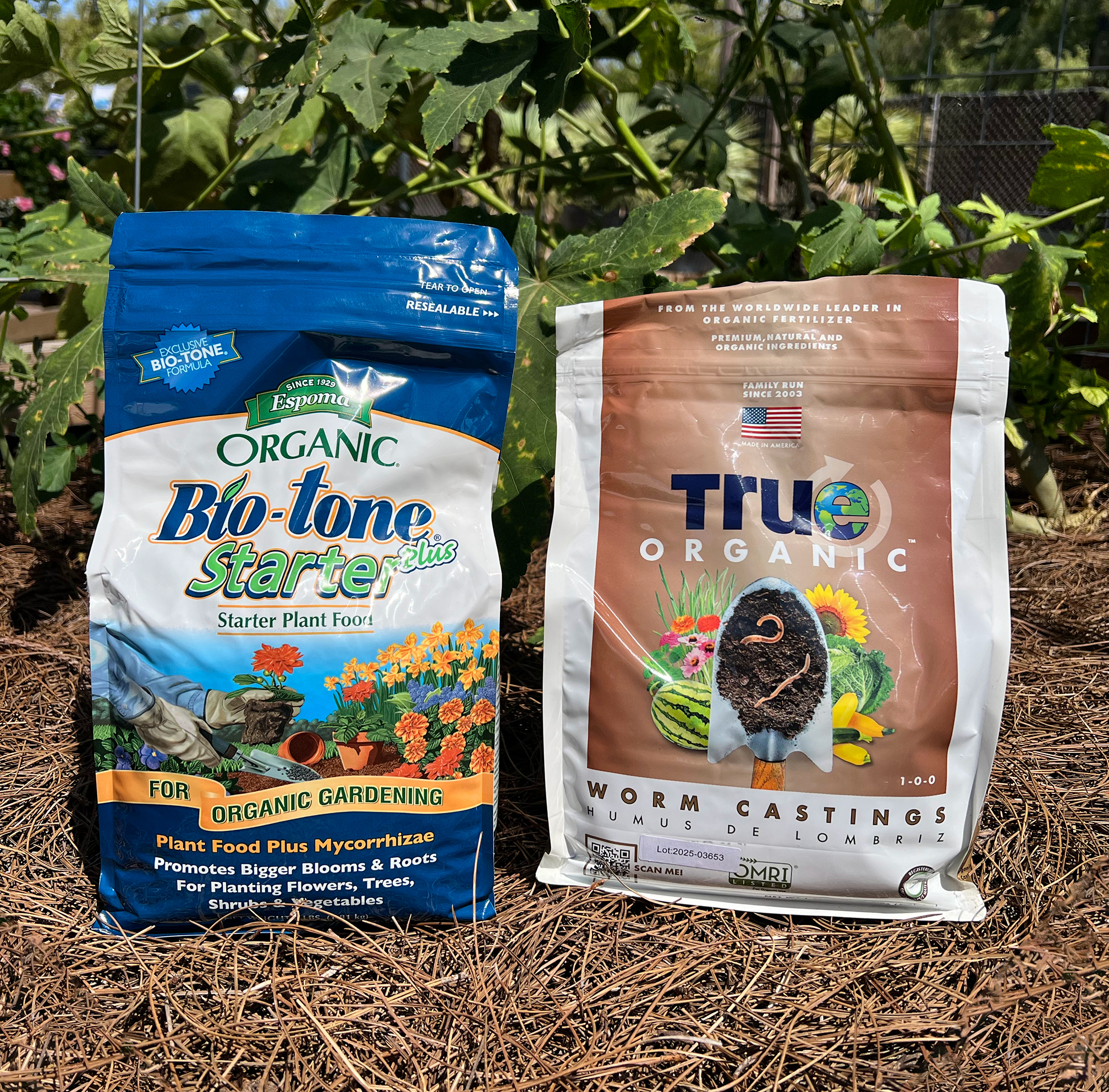
BioTone + Worm Castings When you Plant

This is truly a winning combo for root health. When you dig your hole, mix in a small handful of Bio-Tone starter fertilizer and a large handful of worm castings when you backfill. The Bio-Tone contains mycorrhizal fungi which form a symbiotic relationship with plant roots and gives you a much more robust root system. Worm castings add refined nutrients, make soil more absorbent, and even helps prevent fungal disease and insects. Think of Bio-Tone and worm castings as gentle superfoods for your plants!

Cage Now, Not Later!

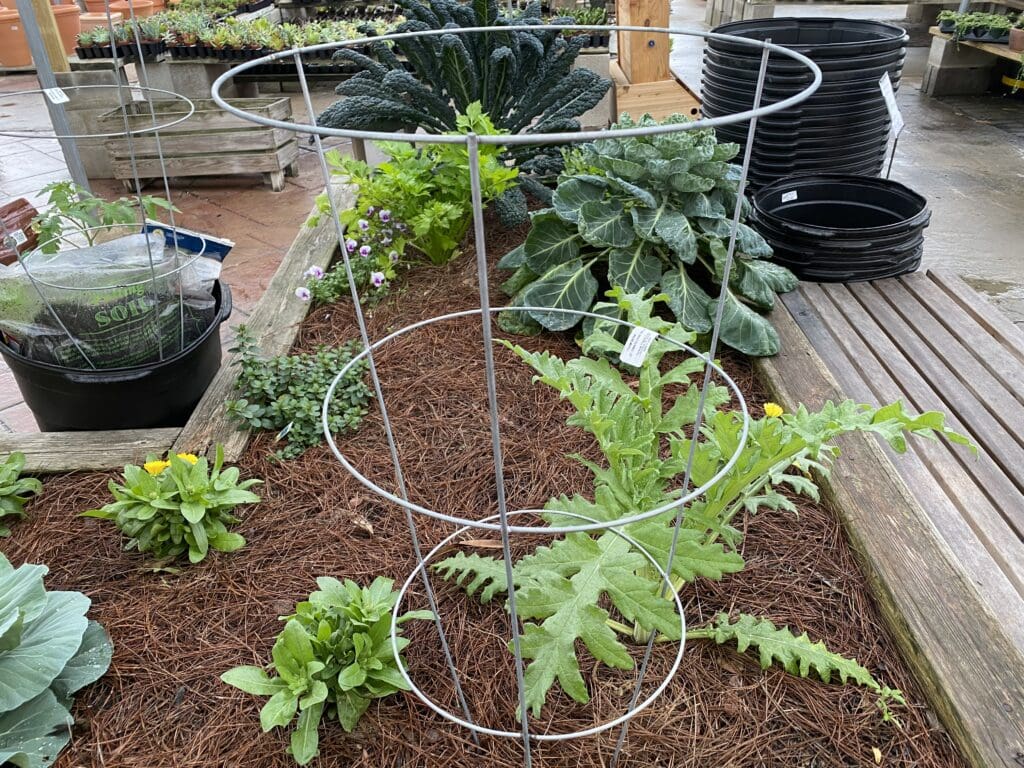
It’s very important to give tomatoes a support structure, whether it’s a tomato cage or a simple trellis system. Either way, the key is to install that support when you plant, not later. That way you can gently train and tie the plant onto the support as it grows, rather than trying to bend and twist a big floppy tomato plant and risk breaking branches. Cage now, not later!

Follow Our Fertilizer Schedule

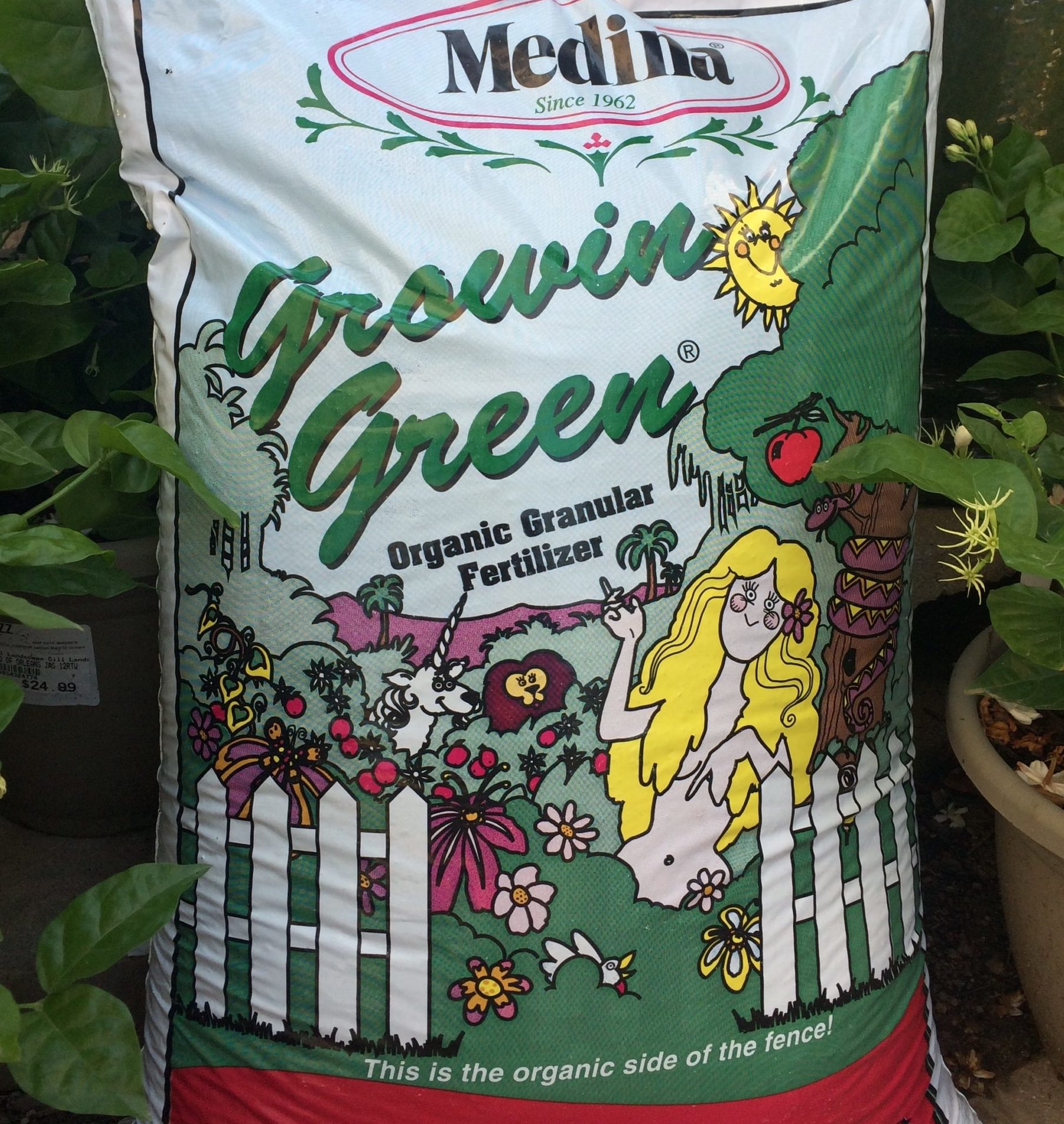
The most common problem we see with veggie gardens is not enough regular fertilizer to keep them performing their best. Tomato plants use lots of energy to produce fruit, so they absolutely need regular fertilization. Keep it simple and use our tried and true prescription:  feed with a good organic granular fertilizer (like Medina Growin Green, Plant Tone, or Rose Glo) on the 1st of the month, then feed with Medina’s liquid Hasta Gro on the 15th. Add reminders or alarms for these dates in your calendar so you don’t forget. If you stick to this schedule, you’ll have lots of tomatoes to enjoy and share. 

Treat for Pests + Prevent Fungus

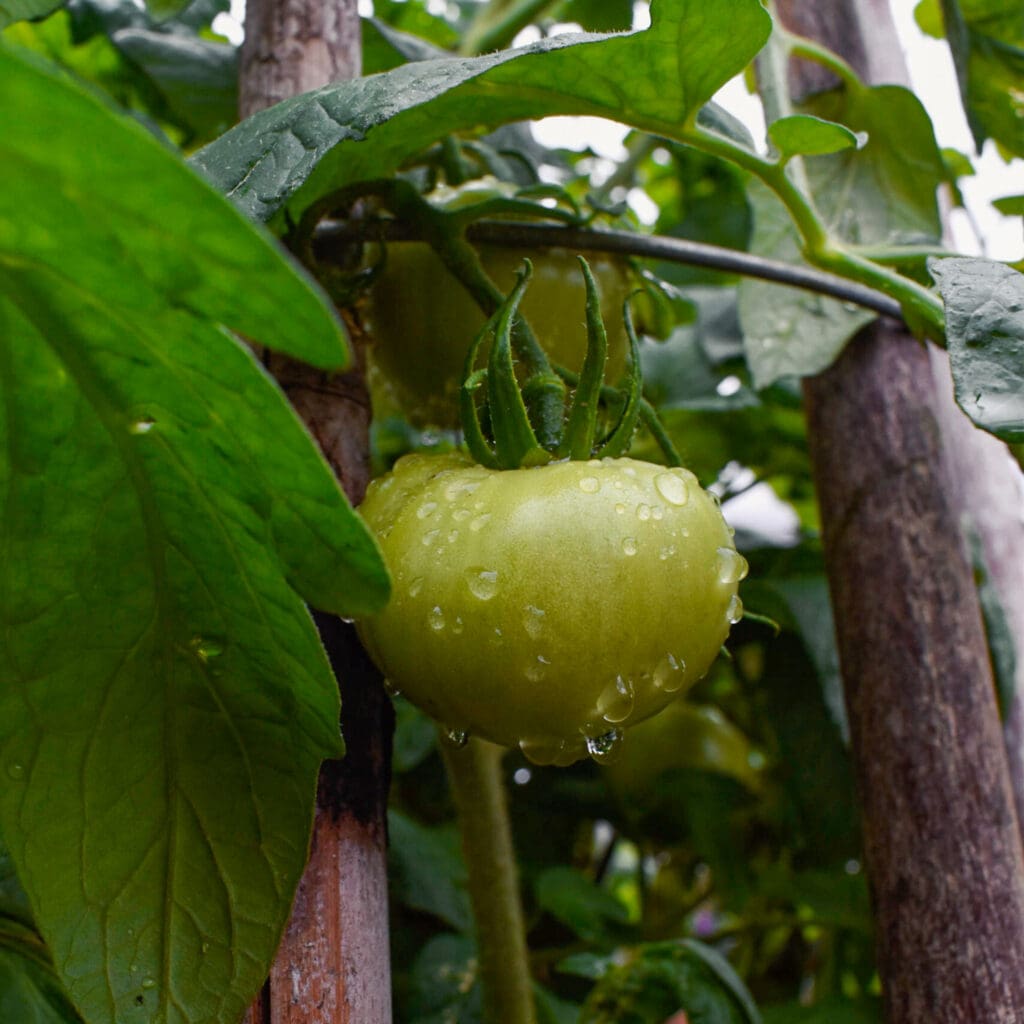
Your 2 main issues to watch out for when growing tomatoes are hungry caterpillars and fungus problems. You can prevent fungus by simply mulching around your tomato plants so wet soil doesn’t splash up onto them when you water. Horticultural cornmeal applied around the base of the plant can help also. For caterpillars, you just need to be vigilant. Inspect your plants often and look for chewed leaves and frass aka black specks of caterpillar poop. If it’s just a couple of caterpillars here and there, you can easily relocate them. If you have an infestation, you can use organic Bt spray or Bt powder (Dipel Dust) to control. 

Water Early and Often + Mulch!

You’ve likely heard us preach about the benefits of watering in the morning vs. the evening. This is especially important for tomatoes. As DeAnna says, you wouldn’t want to run a race all day and only have water at the finish line. Tomatoes need to be well-hydrated in the morning, or they’ll be very unhappy during the hot part of the day. While the weather’s still warm, they will likely need supplemental watering in the afternoon too. Once temps cool down and plants mature, you’ll be able to back off on watering some. Mornings can be hectic – we get it! If you run short on time to water in the morning, consider setting up an automatic soaker hose in your tomato bed. We carry soaker hoses and simple timers that are easy to attach to any hose spigot. And don’t forget to mulch! A nice 2-3″ thick layer of natural mulch will be your best friend especially while temperatures are still hot. Mulch helps retain moisture from watering and insulates plant roots to keep them cool and happy. 


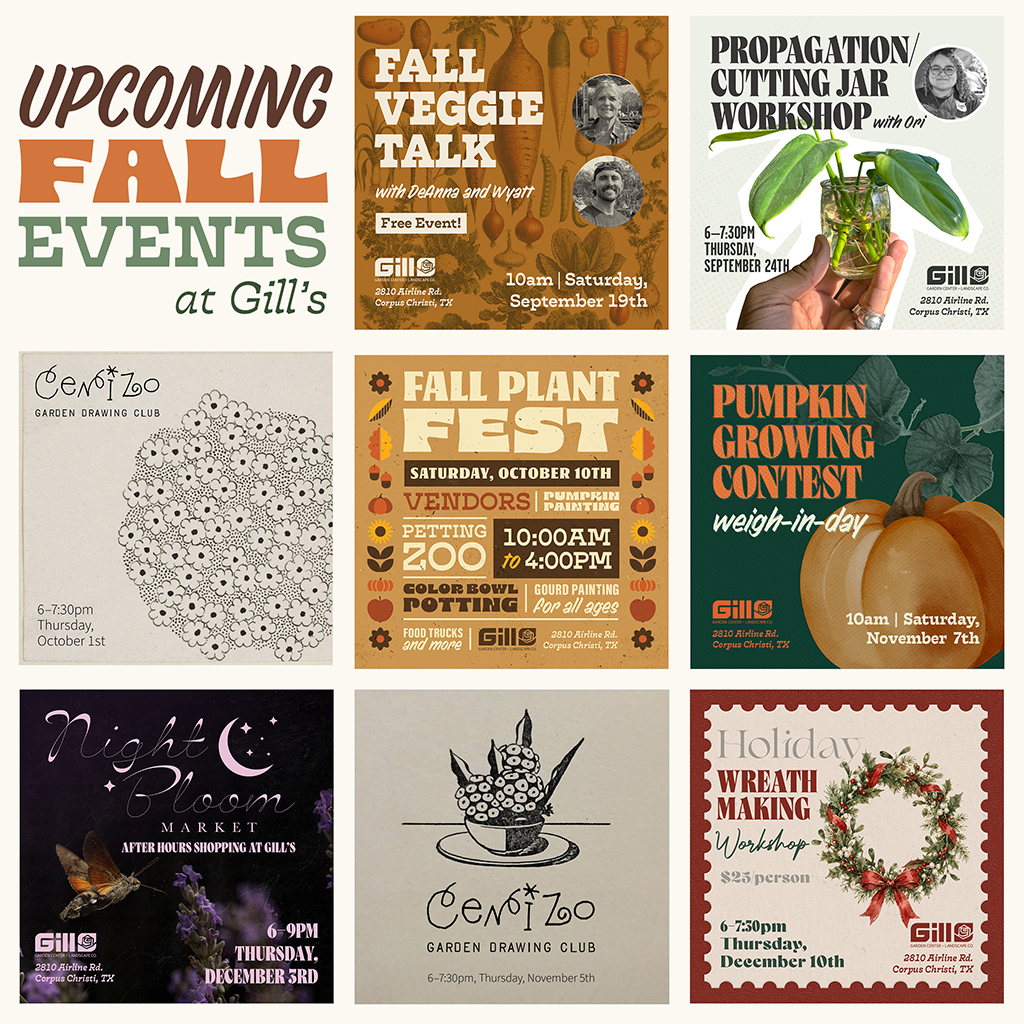
Join us Saturday, September 19th at 10:00 AM here at Gill’s for an informative talk all about fall veggie gardening! Our gardening experts, DeAnna Baumgartner and Wyatt Page, will cover everything you need to know for a successful fall harvest, from early fall favorites like tomatoes, peppers, and squash to cool-season crops like broccoli, greens, cauliflower, and more. Bring your veggie gardening questions and stick around for some fun gift card giveaways!

FREE event – 10-11am – No RSVP required.

Start your engines…fall planting season is here!! September is the best time to plant almost everything – veggies, trees, shrubs, natives, hummingbird plants, and more. Here are our top 7 must-do’s in September as we head into fall, our favorite South Texas gardening season!

1. Ready, Set, PLANT Veggies, Herbs, Citrus, and Fruits!

It’s time! Tomatoes, peppers, & warm weather edibles should be planted early in September at the latest. Plant cool weather veggies & herbs anytime in September and remember to shelter them from still-intense sun and keep watered. When planting, you can’t go wrong with organic BioTone starter fertilizer + a good handful of Earthworm Castings. Neither of these require precise measurement, and they make an incredible combo for building stronger, deeper roots, preventing pests, and creating an active soil environment for plants to thrive.

Here’s our Fall veggie planting schedule. And save space for citrus trees, figs, and other fruit trees to round off your garden grocery store! They’ll all be arriving before or right around mid-September. 

2. Make Way for New Growth with Light Pruning and Clean-up

Chances are you have established plants that could benefit from a clean-up after working so hard all summer. Wait until about September 15th and give them a light pruning to make way for new growth this fall. A good rule of thumb for most plants is to prune up to 1/3 (not more) in the fall, then wait until January to do a heavy pruning/cutback. If you have questions about how to prune specific plants, you know who to call! 

3. Plant Trees and Shrubs for the BEST Start

Plants that are cold hardy (trees and woody shrubs) will benefit greatly by planting during our fall season. They’re under less heat stress, and they grow more roots through the fall and winter, making them stronger and ready to take off next spring. More roots, stronger plants, and less watering! Oak trees, Crape Myrtles, Hawthorns, Yaupon Holly, Plumbago, Boxwoods and a host of other trees and shrubs should be planted starting this month for the best possible start.

4. Plant to Support Pollinators!

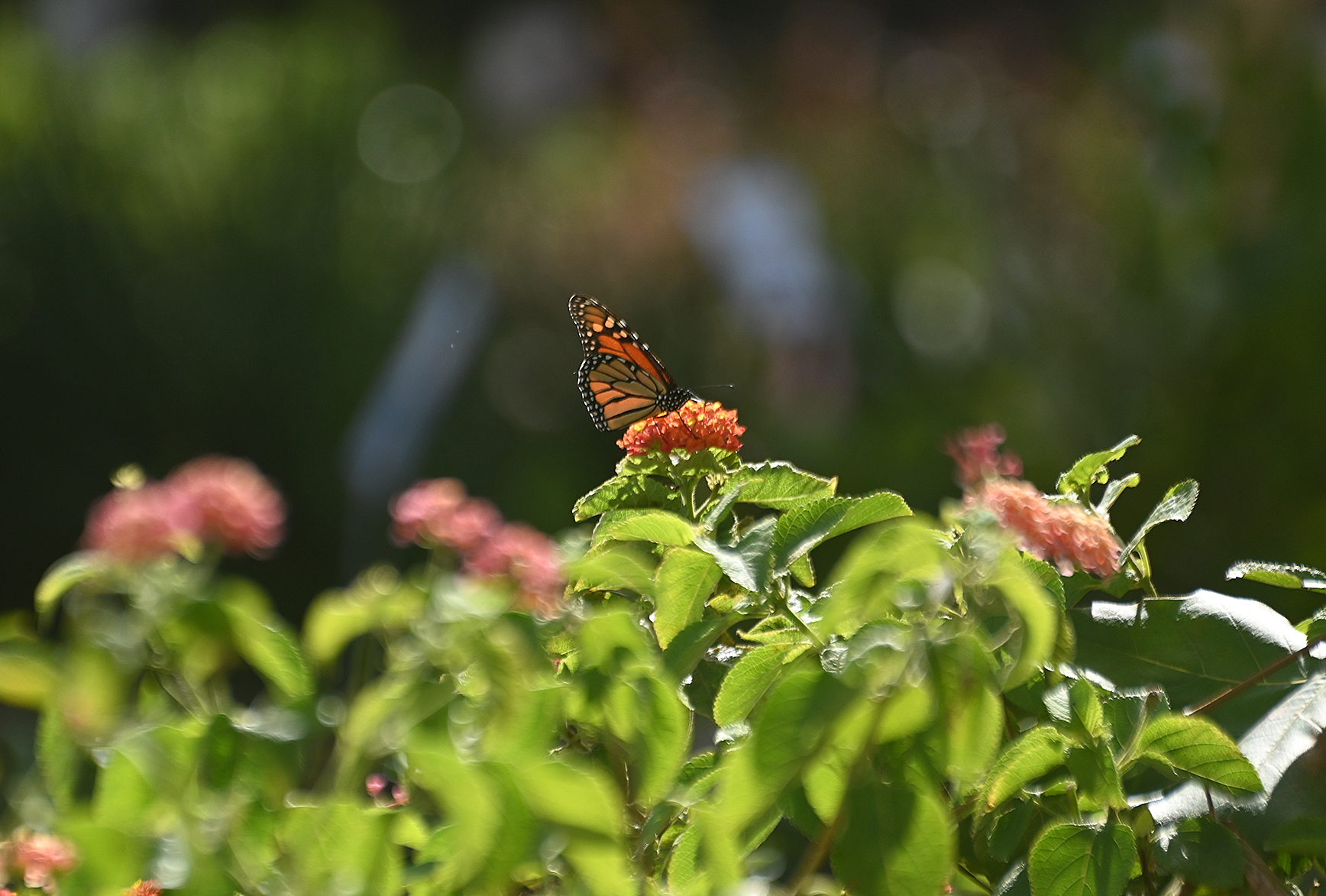
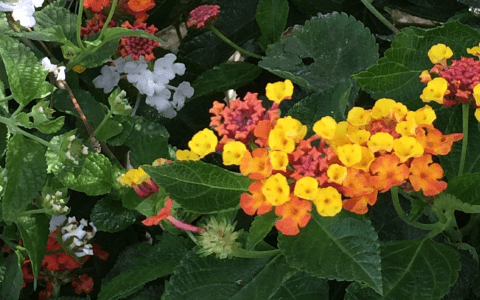
We’re bringing in lots of new plants this month with our pollinator friends in mind! While you’re choosing what to plant, consider adding Texas Natives like Turk’s Cap and Lantana that birds and bees love. If you want to attract and support butterflies, try native butterfly weed (Asclepias tuberosa), Gregg’s mist flower, and lots of different blooming salvias. So many gorgeous options! Bring in some pictures of your outdoor space and we can help you plan the perfect pollinator garden – big or small. You can DIY or we can plant it for you!

5. YES You Can & SHOULD Water!

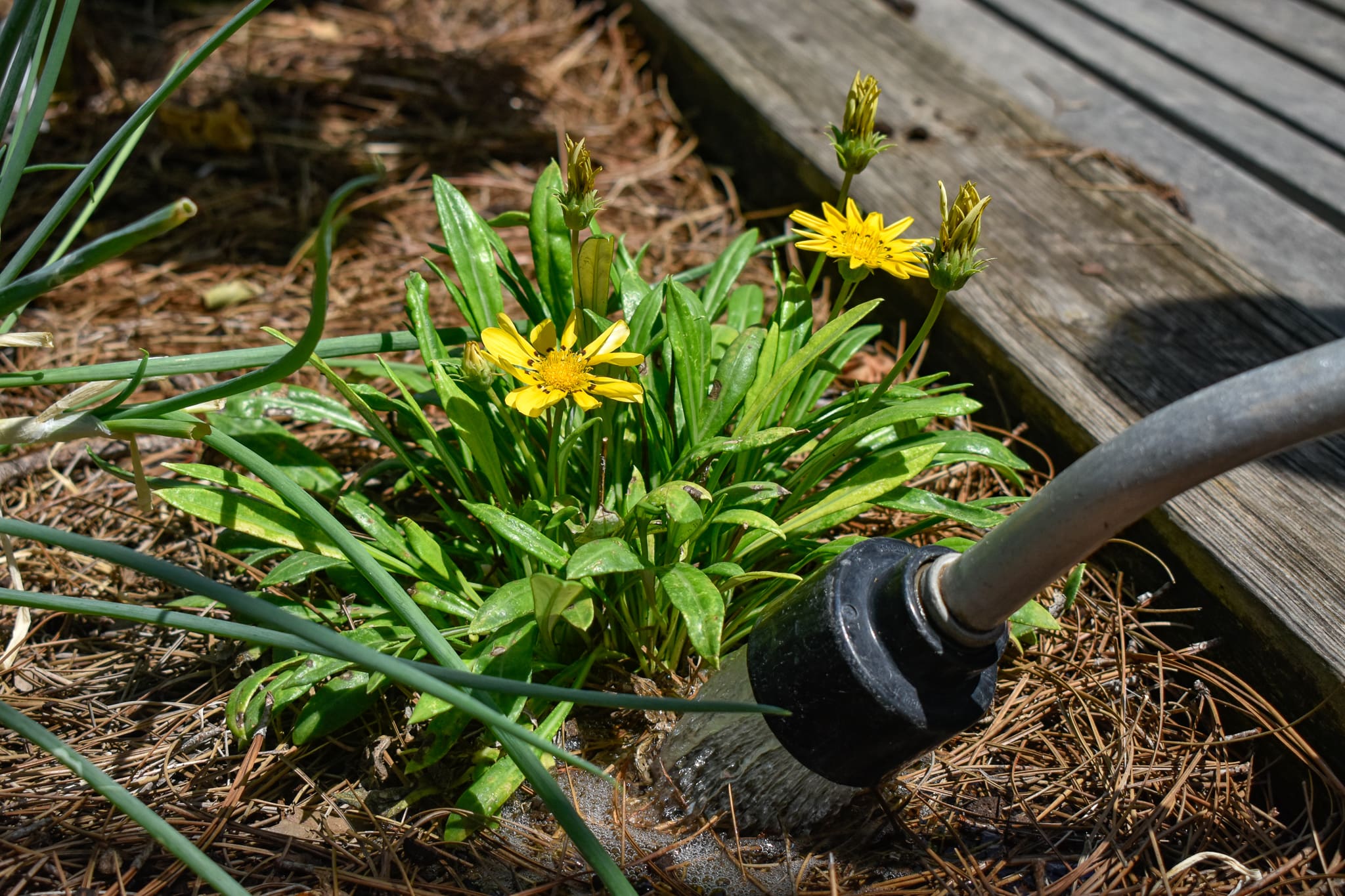
We’re in such a better water situation than we were last summer/fall! You can and should be watering regularly. Under current Stage 1 rules, you can use spray irrigation or hose end sprinklers once a week on your trash day. This is a great schedule for lawns for the month of September. Just be sure you’re applying about 1″ of water each time. As we move into October, cut back lawn watering to once every other week, depending on rain. Hold off on fertilizing lawns until October. For landscape beds and gardens, drip irrigation, soaker hoses, and long watering wands are great – you get water right down to the roots with almost no evaporation. Under current watering rules, you can run drip irrigation systems any day before 10 and after 6. But keep in mind, a good deep drink once a week is better than short durations every day. One more thing – if you want to make the most of your water, be sure to mulch! A good 2-3″ layer of fresh mulch this month will look great and be very effective for retaining moisture when you water. 

6. Set the Table for the Fall Hummingbird Migration!

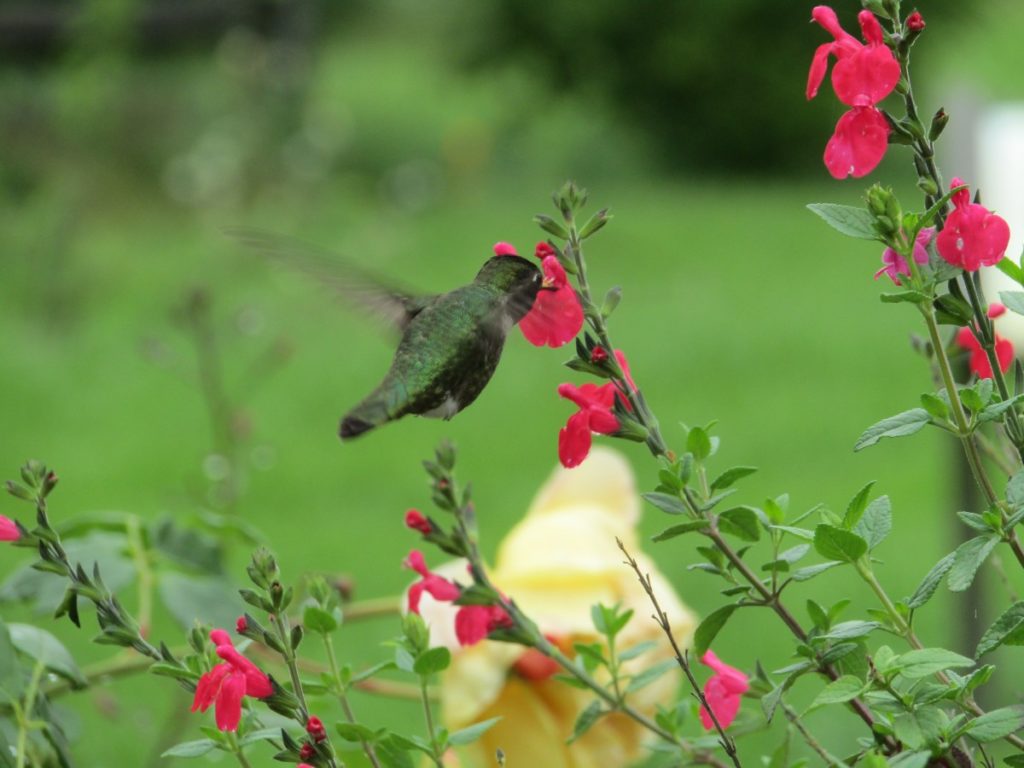
Ruby-throated hummingbirds will soon make their way through for the fall migration! These tiny birds are BIG eaters. They stop here in the Coastal Bend to fuel up before their non-stop flight across the Gulf of Mexico. Host them in your yard by planting some of their favorite foods! Hummingbirds find plants using their excellent vision and are attracted to bright colored blooms, which indicate a high-sugar food source. Some of our favs for South Texas are Flame Acanthus (aka hummingbird bush), Salvias (like native Salvia greggii and Salvia leucantha), Cape Honeysuckle, Firebush, Firecracker plant, Coral bean – the list goes on! Plant a few of these and hummingbirds will find them. And don’t forget to visit the Rockport-Fulton HummerBird Celebration September 17-20!

7. You’re Invited! Fall Garden Talks and Events at Gill’s!

Gill Garden Talks and Events are back this Fall! We’re kicking it off with DeAnna and Wyatt’s Fall Veggie Gardening Talk on Saturday, September 19th!  We’ve got all kinds of fun planned including a houseplant propagation workshop on September 24th and our 2nd Annual Fall Plant Fest on October 10th, . Stay tuned on our events page and on Instagram and Facebook for details of each event. We can’t wait!

sept-garden-guide

Plant

September is vegetable and seed month.

There are numerous selections of vegetables to be started in the garden or in containers. Come in and pick up our fall vegetable guide.

Tomatoes & Peppers

Tomatoes and peppers can be planted through the middle of the month.

Planting Guide: Our Tomato Varieties
Read: New! Grape Tomato ‘Ruby Crush’
Read: Fall Tomatoes

Herbs

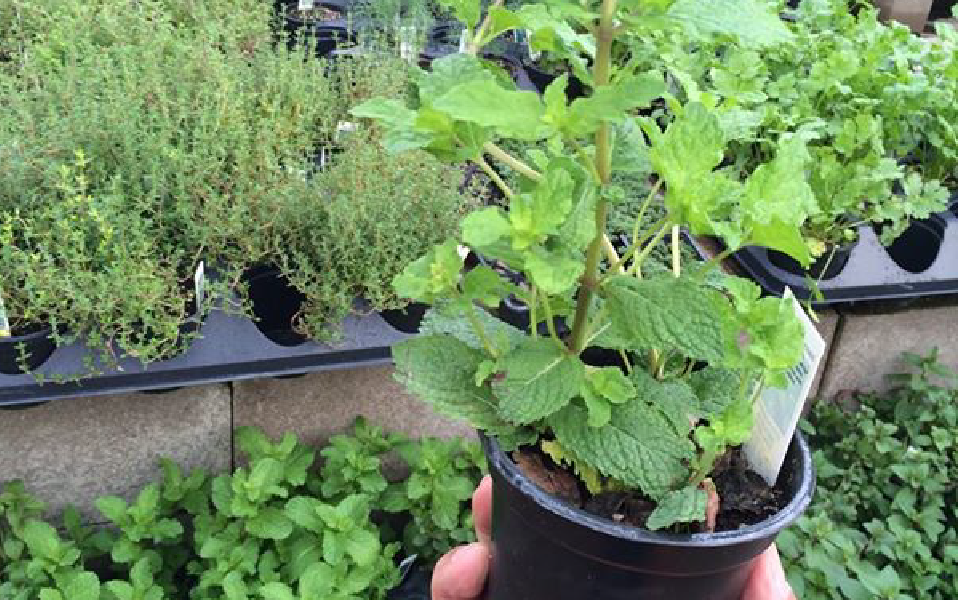
A large selection of herbs will be ready to add spice to your garden.
Garden Guide: Herbs

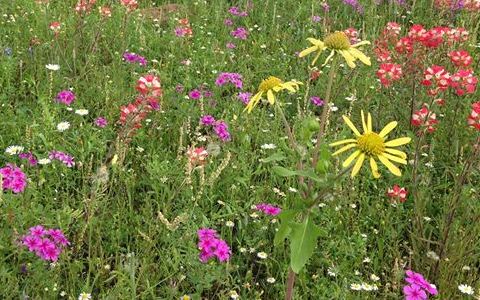
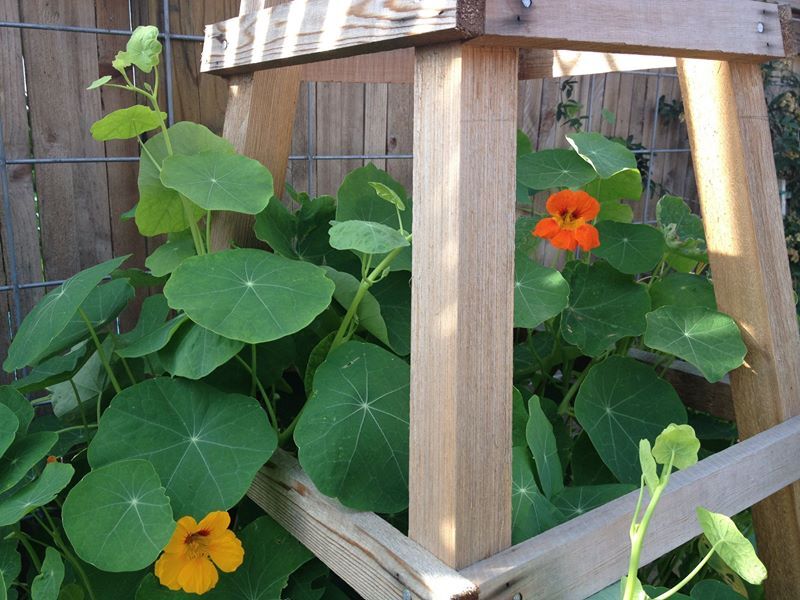
Bluebonnets & Other Wildflowers, Nasturtiums & Fall Marigolds

Plant by seed or transplants.

Read: Fall is Wildflower Time!Benefits of Marigolds in Your Veggie Garden, Nasturtiums – Super Pretty & Easy (Yummy Too!)

Don’t plant pansies or snapdragons until temperatures have cooled down!


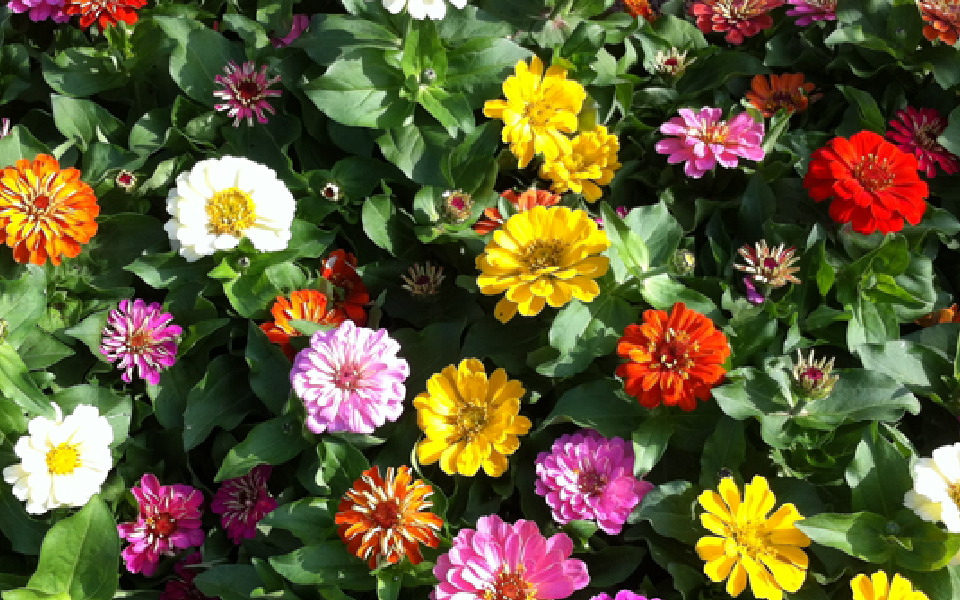
There is still time to add quick summer color such as zinnias, coleus, purslane, moss rose and periwinkles.
Read: Success with Fall Flowers, Best Tips of Planting Trees This Fall, Organic Gardening, Fuel For Your Hungry Hummers

Fertilize

Tropicals

We recommend organic Maestro Rose Glo, or conventional Hibiscus Food

Vegetables

We recommend organic Medina Growin’ Green, Hasta Gro, Maestro Rose Glo or Plant Tone, or conventional Hi Yield Ammonium Sulphate.

Roses

We recommend organic Maestro Rose Glo.

Poinsettias

We recommend organic Maestro Rose Glo or Hasta Gro.

Blooming Annuals and Perennials

We recommend Organic: Medina Growin Green, Hasta Gro or Maestro Rose Glo, or conventional Hibiscus Food.

All plants that are especially stressed, or recently transplated

We recommend organic Hasta Gro Organic Fertilizer.

Christmas Cactus

We recommend organic Hasta Gro.

Read: How to Get Your Christmas Cactus to Bloom!
Read: It's Time to Fertilize For Fall!

Prune

  • Continue removing faded flowers from annuals and perennials to encourage new blooms.
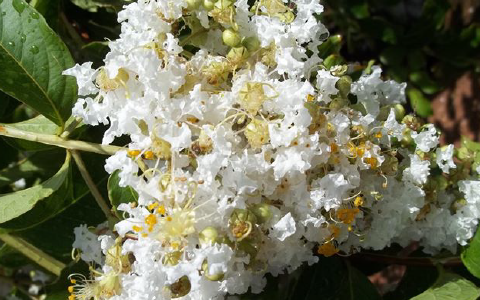
  • Faded blooms and seedpods from crape myrtles to promote additional blooming.
  • Rule of thumb for fall pruning is no more than 1/3. Wait until January for heavy cutbacks.

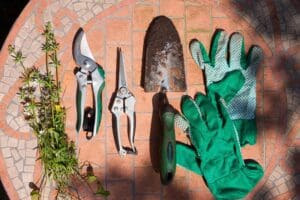
Read: Sharp Tools for Fall Pruning!

Lawns


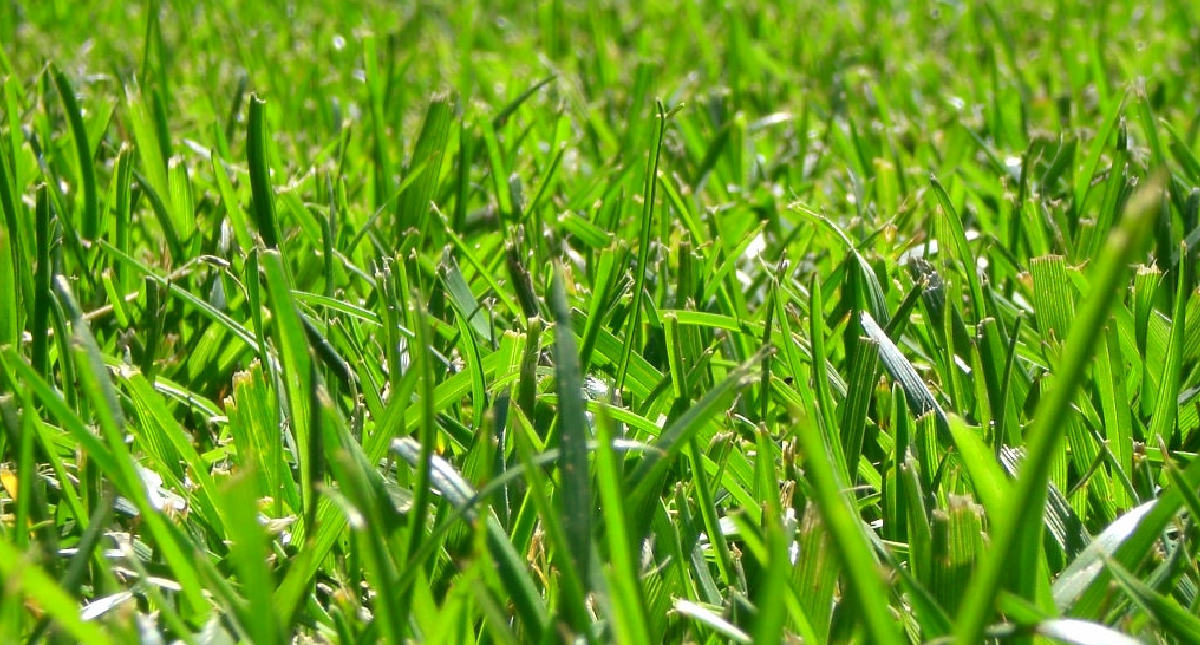
Apply organic Nature's Blend or Peat Moss for lawns, or conventional  F-Stop granules as a preventative to brown patch fungus, which shows up as temperatures drop during fall and winter months.

Watch: Brown Patch Fungus

Apply organic Nature's Blend, Peat Moss or conventional Hi Yield Iron Plus to yellowing lawns.

Apply Nature’s BlendPeat Moss, or Scotts Disease Ex to lawns prone to Take All Patch Fungus.

Continue to water deeply every 1 to 2 weeks if little rainfall.

Wait to apply fall fertilizer until October!

Watch: How to Collect a Grass Sample

Water

  1. Check all newly planted material for water every day.
  2. Check pots, containers and hanging baskets often as they dry out quickly and need more water.
  3. Apply mulch as needed to help conserve moisture.
  4. Make arrangements for someone to water if leaving for more than 2 days, especially with new plants.
  5. Follow City Guidelines.

Weed Control

Spray only growing weeds with Horticultural Vinegar. This product kill all vegetation; so protect plants from drift or over spray.

Apply organic Corn Gluten meal, or Weed and Grass Stopper with Dimension in the fall and spring to prevent seeds from sprouting. It will not control already growing weeds.

Weed B Gon or Image can be applied once we cool down into the 80’s temps.

Watch For

Masses of worms eating your oak tree.

Treat with organic Spinosad or Thuricide, or conventional Cyonara. Read: Oak Tree Caterpillars

White Flies on tropicals and perennials, especially lantana and hibiscus.

Treat with organic Insecticidal Soap, Neem Oil, Spinosad Soap, Bee Safe 3-in-1 Spray, or conventional Cyonara or a long acting drench like Fertilome Tree & Shrub

Watch: Yucky Whitefly

Fleas and Ticks

Treat lawns with organic Spinosad, or Diatomaceous Earth Crawling Insect Killer, or conventional Cyonara

Mealy Bugs

Treat with organic Bee Safe 3-in-1 Spray or Insecticidal Soap or Spinosad Soap, or conventional Cyonara, or Bonide Systemic Liquid or Granule

Read: Mealy Bugs are Here!

Caterpillars or their damage (chewed leaves).

Spray organically with Spinosad or Thuricide.

Read: Not All Caterpillars are Bad!

Mosquitoes

Use Mosquito Beater Liquid for quick kill or Mosquito Beater Granules to repel.

Read: Mosquito Solutions

Note: Please, Please, Please, don’t kill the bees!

They are one of the best sources we have to pollinate our fruits, vegetables, flowers, and shrubs.

oct-g-guide

Planting Season!

Fall is Our Best Planting Season!

Trees, shrubs, and perennials get a great bonus when planted in fall. South Texas enjoys relatively warm soil temperatures through fall and winter, and cooler air  temperatures direct the new plant to grow roots all through this time. So, a plant put into the ground in fall will grow twice as fast the following spring as one planted in spring due to having developed twice the root system, and it will also suffer much less stress in its first South Texas summer. We are lucky that we can garden year round here, but fall is our best season for planting!

Plant

Vegetable Seeds

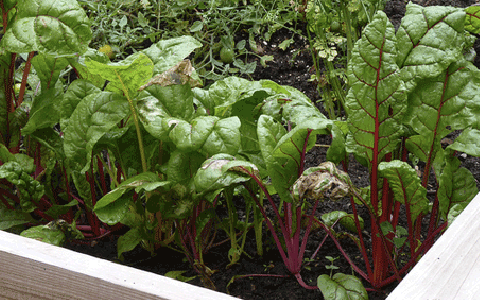
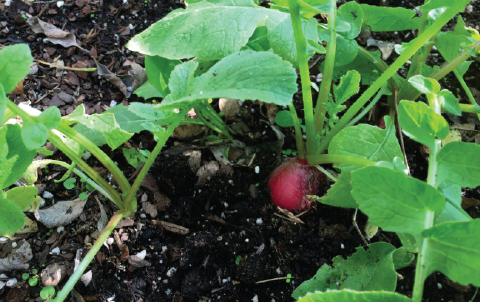
Beet, carrot, cilantro, collards, lettuce, mustard, onion, parsley, radish, Swiss chard, spinach, and turnip.

Read: Best Timing for Popular Fall VeggiesKeith’s Swiss Chard Success Story

Flower Seeds

Bluebonnets and other wildflowers, larkspur, sweet peas, nasturtiums.

Read: Fall is Wildflower Planting Time!

Vegetable Transplants

Broccoli, Brussels sprouts, cabbage, cauliflower, strawberries, parsley, cilantro, and other herbs.

Read: How to Keep Your Vegetable Garden Healthy This Fall, Get Your Greens! Sally’s Kale Smoothie Recipe

Flower Transplants

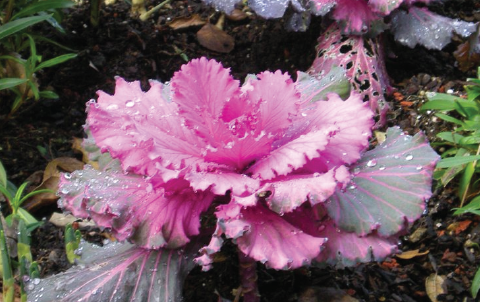
Alyssum, begonias, bluebonnet, calendula, chrysanthemum, dianthus (pinks) dusty miller, flowering cabbage and kale, geraniums, gerbera daisy, impatiens, lobelia, marigolds, pansies, petunias, phlox, salvia, snapdragons, stock, verbenas, and viola.

Read: Success with Fall FlowersMarigolds & Mums!

Flower Bulbs

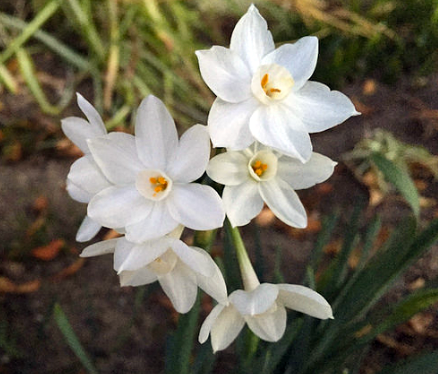
Begin refrigerating bulbs that require chilling such as paperwhites. Amaryllis can be planted now.

Read: Amaryllis & Paperwhites

All container grown trees and shrubs

Read: Burr Oak – an Awesome South Texas Tree
Read: Best Tips of Planting Trees This Fall

Indoor Plants

  • Check the window lighting for your indoor plants. The sun is moving with the change of the season and may bring more or less light indoors. 
  • Heater vents can cause blemished foliage and dry plants out more quickly. Watch your placement of any new plants coming indoors. 
  • With cold fronts coming, plan to move your house plants indoors, if you have moved any outside during warmer weather. Provide adequate lighting & adjust watering. 
  • Let this be your last feeding for your outdoor tropical plants that are becoming houseplants for the winter. They need to rest.
  • Keep watch for any tagalong critters or insects & move them back outdoors. Treat if needed.

Fertilize

Read: Organic Gardening

Winterize Your Lawn

Winterize your lawn with organic Milorganite or Medina Growin’ Green.

Tropicals

We recommend:  Organic Maestro Rose Glo, Hasta Gro, or conventional Hibiscus Food

Roses

Organic: Maestro Rose Glo

Poinsettias

Organic: with Maestro Rose Glo

Blooming Annuals and Perennials

Organic: Medina Growin Green, Hasta Gro or Maestro Rose Glo

Conventional: Hibiscus Food, or Osmocote 14-14-14 Time Release

Read: Success with Fall Flowers

Vegetables

Organic: Hasta GroMedina Growin Green, Maestro Rose Glo, or Plant Tone

Conventional: Hi Yield Ammonium Sulphate, or Osmocote 14-4-14 Time Release Granules

Christmas Cactus

Organic: Hasta Gro

Read: How to Get Your Christmas Cactus to Bloom!

All plants that are especially stressed, or recently transplanted

We recommend organic Hasta Gro.

Read: It’s Time to Fertilize for Fall!

Lawn Care

Apply conventional Fertilome F-Stop as a preventative to brown patch fungus, which shows up as temperatures drop during  fall and winter months.


Apply organic Nature’s Blend or Peat Moss to lawns prone to Take All Patch Fungus, or conventional Scotts Disease X.

Read: Protect Your Lawn: Recent Take All Root Rot Sightings (TARR)


Continue to water deeply every 1 to 2 weeks if little rainfall.

Read: Top Five Tips for a Beautiful Fall LawnFall and Winter Lawn Care

Watch Out For

Masses of worms eating your oak tree.

Treat with organic Spinosad or Thuricide or conventional Cyonara

Read: Oak Tree Caterpillars

Grub Worms in Lawns

Treat with Bayer 24 hour Grub Control Granules

White Flies on tropicals and perennials, especially lantana and hibiscus.

Treat with organic Spinosad Soap, Bee Safe 3-in-1Neem Oil, or conventional Eight Garden Spray Tree & Shrub drench, or Bonide Systemic Garanules. 

Chinch Bugs in Lawns

Treat with organic Diatomaceous Earth, Spinosad or conventional Cyonara

Mealy Bugs

Treat with organic Neem OilSpinosad Soap, or Bee Safe 3-in-1,  or conventional Cyonara, or Bonide Systemic Liquid or Granule

Read: Mealy Bugs are Here!

Mosquitoes

Use Mosquito Beater Liquid for quick kill or Mosquito Beater Granules to repel

Read: Mosquito Solutions

Fleas and Ticks

Treat lawns with organic Spinosad, or Diatomaceous Earth Crawling Insect Killer or conventional Cyonara

Powdery Mildew on Crape Myrtles & Roses

Use organic Neem Oil or conventional Fertilome Systemic Fungicide

Note: Please, Please, Please, don’t kill the bees!

They are one of the best sources we have to pollinate our fruits, vegetables, flowers, and shrubs.

Read: Best for Bees!

Water

Water your newly planted vegetables and bedding plants regularly, but take care not to overwater with cooler nighttime temperatures.

Cut back on watering your established plants and lawn as temperatures cool down, since they use less water. If you are unsure when to water, use a moisture meter to take out the guesswork.

Prune

Your hardy, woody ornamentals and tropicals only to shape, not severely.

Summer perennials.

november-guide

Plant

Vegetable Seeds

Beets, carrot, garlic, lettuce, mustard, onion, parsley, radish, Swiss chard, spinach, turnips, herbs

Read: Best Timing for Popular Fall Veggies

Flower Seeds

Alyssum, bluebonnets, dianthus, delphinium, hollyhocks, larkspur, nasturtium, pansies, petunias, phlox, snapdragons, stock, sweet peas, and violas

Read: Success with Fall Flowers

Flower Transplants

All cool season annuals Alyssum, begonias, bluebonnets, calendulas, dianthus, flowering cabbage and kale, geraniums, lobelia, pansies, petunias, phlox, shasta daisy, snapdragons, stock, violas and dusty miller

Garden Guide: Annuals for Fall and Winter

Fall Bulbs

Fall bulbs like paper whites and amaryllis, will make a spectacular show this winter and spring, and now is the time to buy them. Paper whites need to be chilled for 4 to 6 weeks in your refrigerator then planted in pots or in the ground. They can make beautiful gifts for the holidays. Be sure to get a free instruction sheet on their planting and care.

Read: Amaryllis and Paperwhite Narcissus

Herbs

If you’re cooking for the holidays, you can still plant herbs for that “fresh from the garden” flavor. Even if you’re not cooking, they’re still fun to grow.

Read: Tips for Preserving Herbs

All container grown trees and shrubs.

Garden Guide: Planting Trees, Shrubs, and Groundcovers

Read: Burr Oak – an Awesome South Texas Tree

Indoor Plants

  • Add foliage plants to your indoors for a fresh look and to help keep air clean.
  • Clean indoor plants by removing dust with a damp cloth. 
  • Check where plants are set so that heater vents will not blow on foliage.
  • Stop fertilizing until February to let your indoor plants rest.

Read: Plants, the Perfect Rx for Clean Air

Fertilize

Lawns

Fertilize your lawn with organic Medina Growin’ Green or Milorganite

Read: Top Five Tips for Beautiful Fall LawnProtect Your Lawn: Recent Take All Root Rot Sightings (TARR)

Roses

We recommend: Organic Maestro Rose Glo

Blooming Annuals and Perennials

Use organic Medina Growin’ Green Hasta GroMaestro Rose Glo, or Plant Tone

Vegetables

We recommend organic Hasta GroMaestro Rose Glo, or Plant Tone 

Read: How to Keep Your Vegetable Garden Healthy This Fall

All plants that are especially stressed, or recently transplanted

We recommend organic Hasta Gro or Plant Tone

Water

  • Water your newly planted vegetables and bedding plants regularly, but take care not to overwater with cooler nighttime temperatures.

  • Cut back on watering your established plants and lawn as temperatures cool down, since they use less water. If you are unsure when to water, use a moisture meter to take out the guesswork.

Prune

Woody Ornamentals

Your hardy woody ornamentals to shape, not severely, so as not to encourage new tender growth.

Read: To Prune or Not to Prune?

Fall Bloomers

Your fall blooming plants, like asters and mums, that have finished their bloom. Remove spent blooms from annuals, like petunias, snapdragons and dianthus to encourage more bloom.

Read: How to Trim Your Mums for a Second Bloom

Watch Out For

Read: What's Bugging You Now?

Watch: How to Collect a Grass Sample

Caterpillars

Caterpillars or their damage (chewed leaves). Spray with organic ThuricideDipel Dust, or Spinosad

Read: Oak Tree Caterpillars

Powdery Mildew on Crape Myrtles and Roses

Use organic Fungicide 5 or Neem Oil or conventional Fertilome Broad Spectrum or Fertilome Systemic Fungicide

Fleas and Ticks

Treat lawns with organic Spinosad, or conventional Cyonara

Mosquitoes

Use Mosquito Beater granules to repel and Mosquito Beater liquid to kill.

Note: Please, Please, don’t kill the bees!

They are one of the best sources we have to pollinate our fruits, vegetables, flowers and shrubs.

Read: Best for Bees

gill-december-garaden-guid

Plant

Flowers from Seed

Carnations, larkspur, nasturtium, petunias, poppy

Garden Guide: Planting Fall & Winter Annuals

Flowers from Transplant

Pansies, petunias, alyssum, dianthus, snapdragons, ornamental cabbage and kale, geraniums

Hardy Trees, Shrubs and Vines

The roots of hardy plants grow during our cool months even though their leaves may be changing color or falling from their branches. This provides a better root system so they thrive in spring and can survive the long, hot summer. Live oaks, magnolia, cedar elm, hawthorns, holly, sage, junipers, roses, just to name a few, are winter hardy and would be appropriate to plant now. Read more: Plant Hardy Trees And Shrubs Now

Garden Guide: Planting Trees, Shrubs & GroundcoversRoses

Veggies from Seed

Beets, cabbage (all types), carrots, chard, lettuce, mustard, onions, peas, radish, spinach and turnips


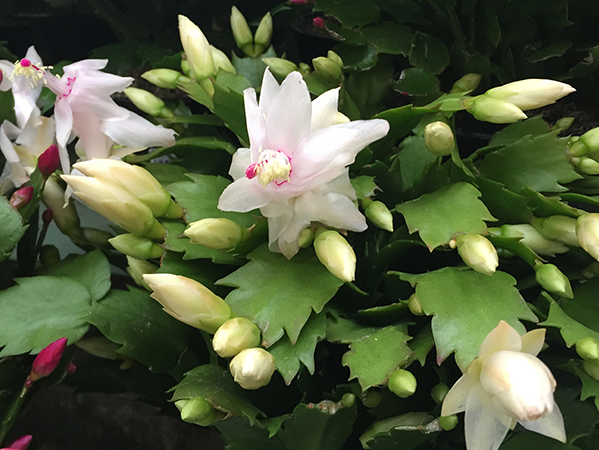
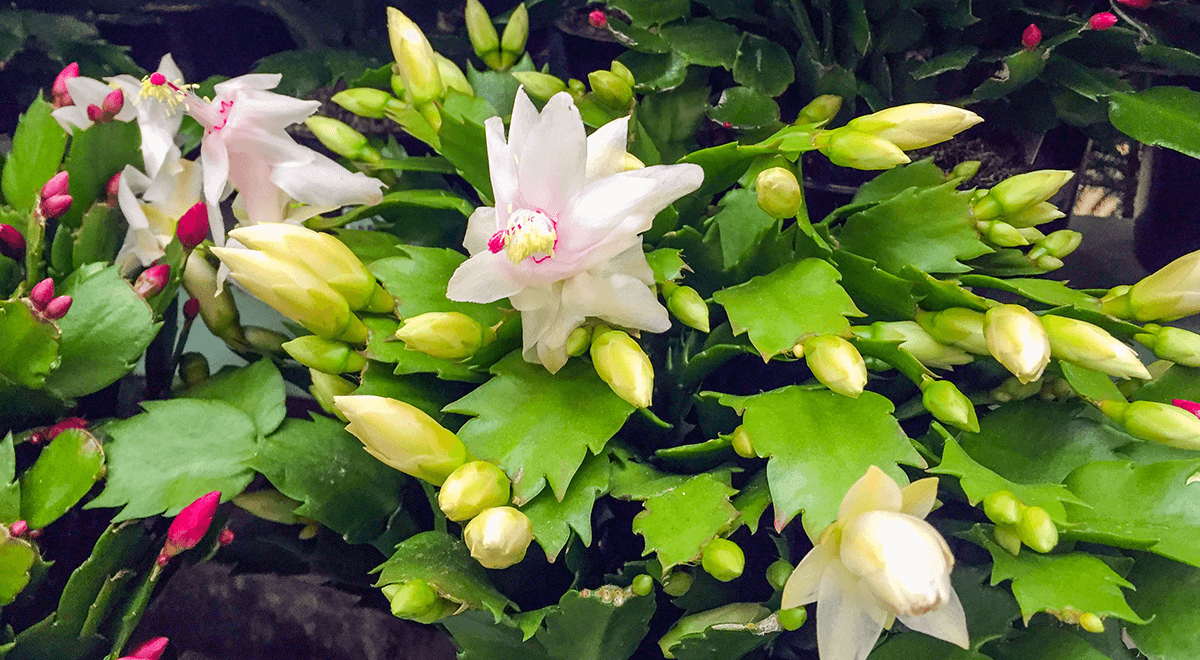
Christmas cactus is one of nature’s gifts for those who are gardening challenged. Just keep them dry and in very filtered light. How’s that for easy?

A beautiful holiday plant, the Christmas Cactus blooms at Christmas and also sometimes around Easter if cared for properly. Keep the plant in a well lit location (like near a window) away from direct sunlight-too much heat and light can stunt the growth and burn the leaves. It should also be away from drafts, heat vents, or other sources of hot air. Feel the soil with your fingers; if it is dry, it’s time to water thoroughly. Before watering again, check to see that the top inch of soil has dried thoroughly first. Mist leaves as well as watering the soil.

Read more: Christmas Cactus.


Fall bulbs like paper whites and amaryllis, will make a spectacular show this winter and now is the time to plant them.

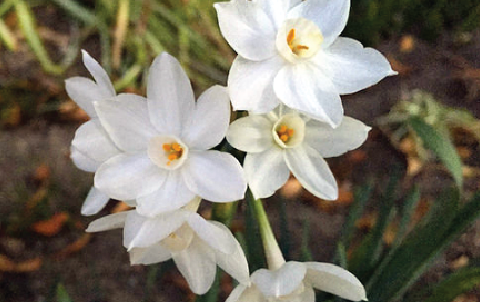
Paperwhite Narcissus
1. Refrigerate for 4-6 weeks prior to planting.
(plant around Thanksgiving for holiday blooms!)
2. Fill a clear vase with a few inches of pea gravel.
3. Nestle bulbs side by side into the gravel.
4. Add water up to the bottom of the bulb and
place near a sunny window.

Amaryllis
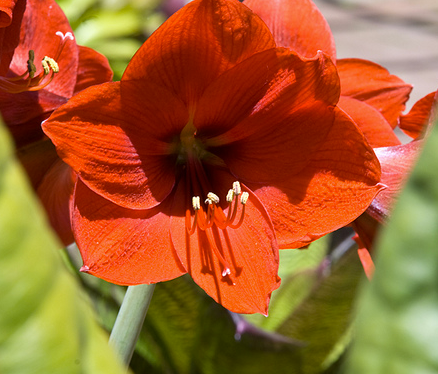
Plant in a pot or in the ground. If planting in the ground, place in morning sun and afternoon shade. Every three years in October, you can dig up and divide these bulbs as they multiply underground! Feed regularly with Hi-Yield Bone Meal every 4-6 weeks.

Indoor Plants

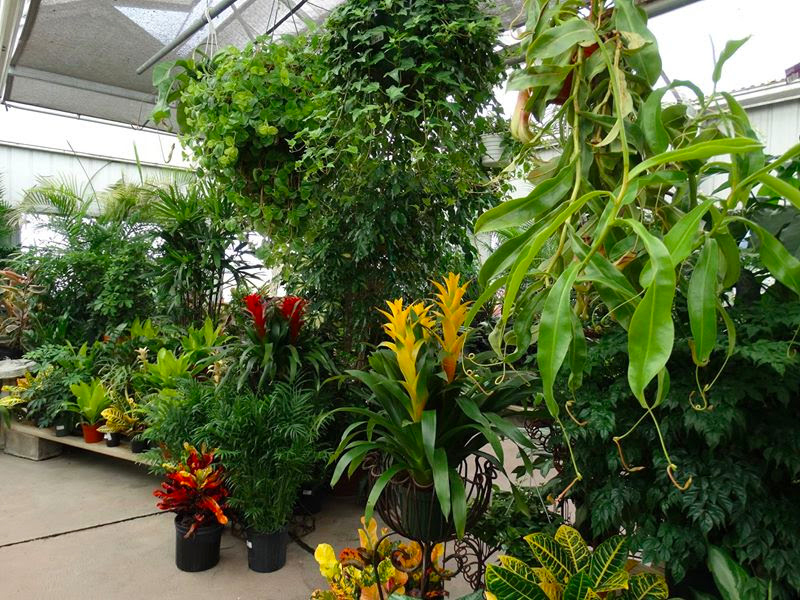
Bring fresh air and interest indoors. Houseplants like schefflera, sanseveria, pothos ivy, & philodendrons bring a clean organic feel to your home. While you move plants in from outdoor areas, be sure to check for insects and treat if needed.

Read:  Plants, the Perfect Rx for Clean Air

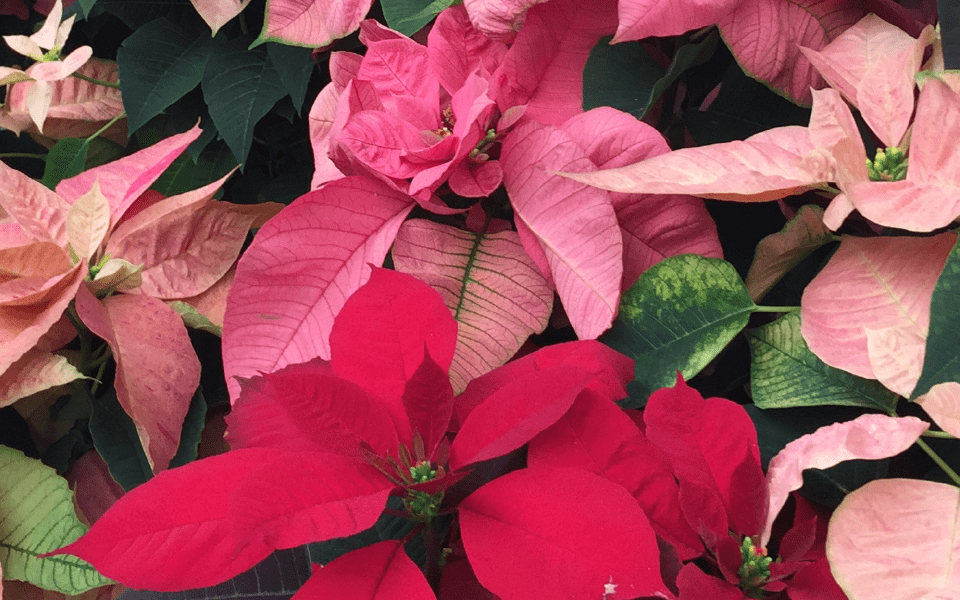
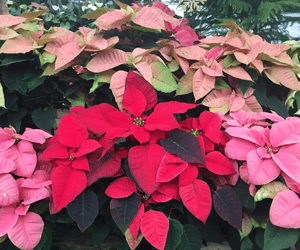
Poinsettias indoors do best in cool dry areas with indirect light. An easy way to water them is with a few ice cubes every few days. Read:  Poinsettia Care

Fertilize

BEDDING PLANTS
Fertilize organically with Hastagro, Medina Growin Green, or Milorganite, or conventionally with Osmocote Time Release 14-14-14.
Do not fertilize TROPICALS this month. They need to rest.

LAWN

If you didn’t fertilize your lawn in October or November, instead of applying a chemical fertilizer, we recommend you use an organic fertilizer such as Medina Growin Green or Milorganite. These products feed the grass & soil microbes slowly and naturally.

Read: Organic Gardening 101: Organic Fertilizers

Watch Out For

Read: Protect Your Lawn – Recent Take-All Root Rot Sightings

SCALE
Insects on hardy trees and shrubs. Spray with Neem Oil spray or Dormant Oil.

Read: What’s Bugging You Now?

LAWN FUNGUS
This can be a major problem after long periods of wet, cool weather or over watering. There are two major kinds of lawn fungus – Take All Patch and Brown Patch. Treat Take All Patch organically with Nature’s Blend Organic Compost, or Peat Moss, or conventionally with Fertilome Systemic Lawn Fungicide or Scotts DiseaseEX.

Treat Brown Patch Fungus with Fertilome F-Stop Granules.

Water

  • Only as needed – but dry cold fronts, high winds and low humidity can dry plants quickly.
  • Established lawns only need water every couple of weeks, provided we don’t get rain.
  • Be sure to check your sprinkler system and adjust accordingly.

Prune

  • Perennials that have finished their bloom.
  • Pick spent flowers from annuals to prolong their bloom season.

Read: To Prune or Not to Prune?

Harvest Citrus

  • Starting in December, and more in January, harvest your lemons, limes, grapefruit, oranges, and other citrus fruits. What a great holiday gift!
  • If you notice any fruits with black gunk on them, it's likely honeydew from insects. Treat with organic All Season Horticultural Oil spray to suffocate any lingering insects.
 

Be Ready for Frost Protection!

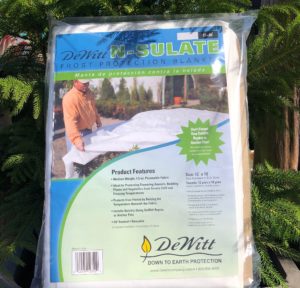
  • We never know if we might get an early freeze in December, so have your frost blankets handy. 
  • When covering plants for a freeze, make a tent to capture ground warmth - not a lollipop! The frost protection cloth should extend all the way to the ground and be pinned to the ground or, better yet, weighed down with bricks or firewood - something heavy so they don't blow away in high winds.