Garden Center Hours: Mon-Sat 9am - 5:30pm • Sun 10am - 5:30pm
april-garden-guide

What To Plant

Late spring/summer blooming annuals and perennials:

For sunny areas:
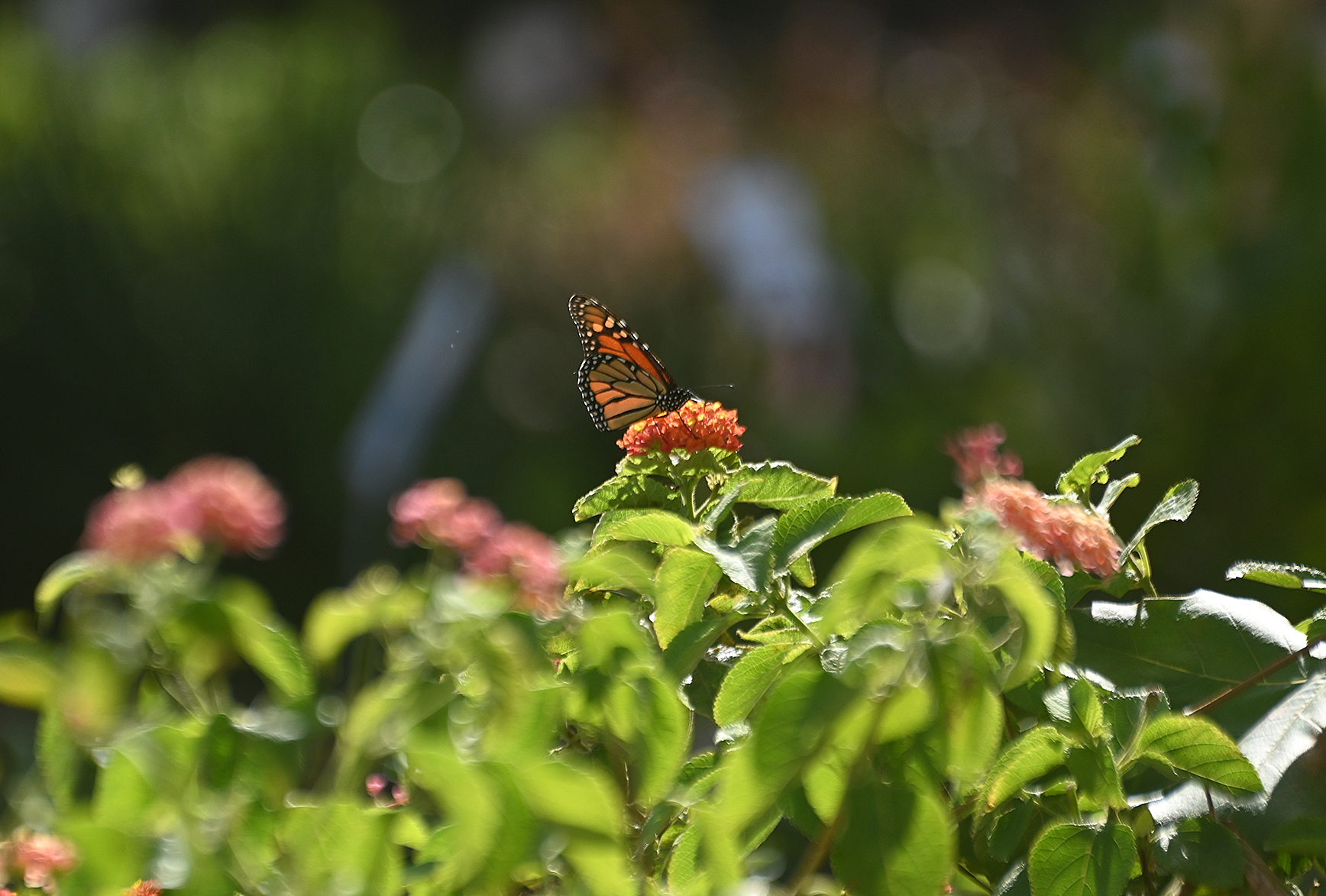
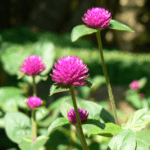
Zinnias, periwinkles, moss rose, purslane, lantana, blue daze, false heather, salvia, ice plant, gomphrena, ruellia, coreopsis, and pentas.

Read: Create Your Own Butterfly Garden

For shady areas:
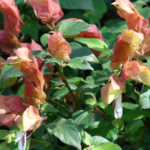
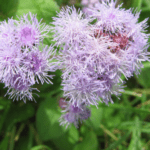
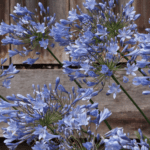
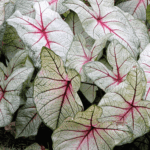
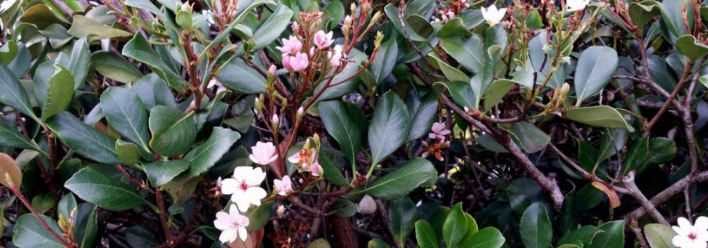
Shrimp plant, ageratum, agapanthus, caladiums, coleus, begonia

Vegetables

Seeds:
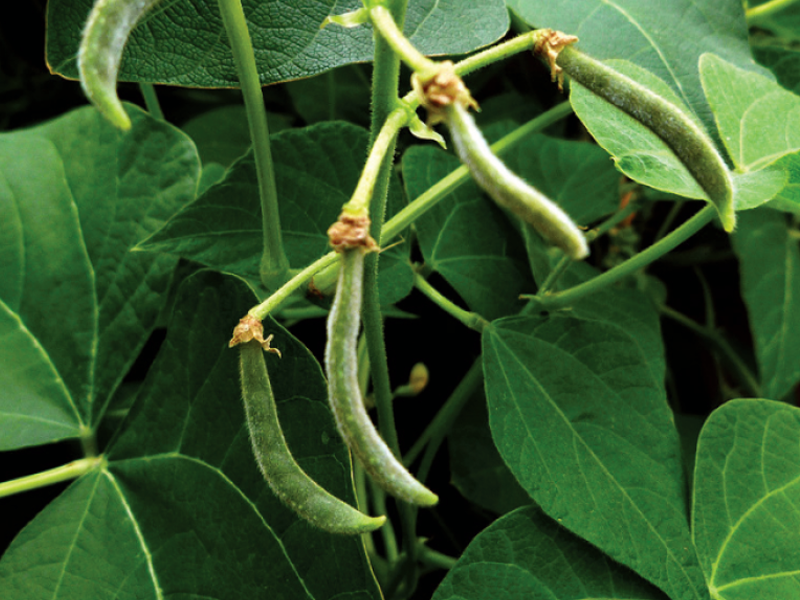
Okra, beans, black eyed peas, watermelon, ornamental gourds, cantaloupe


Transplants:
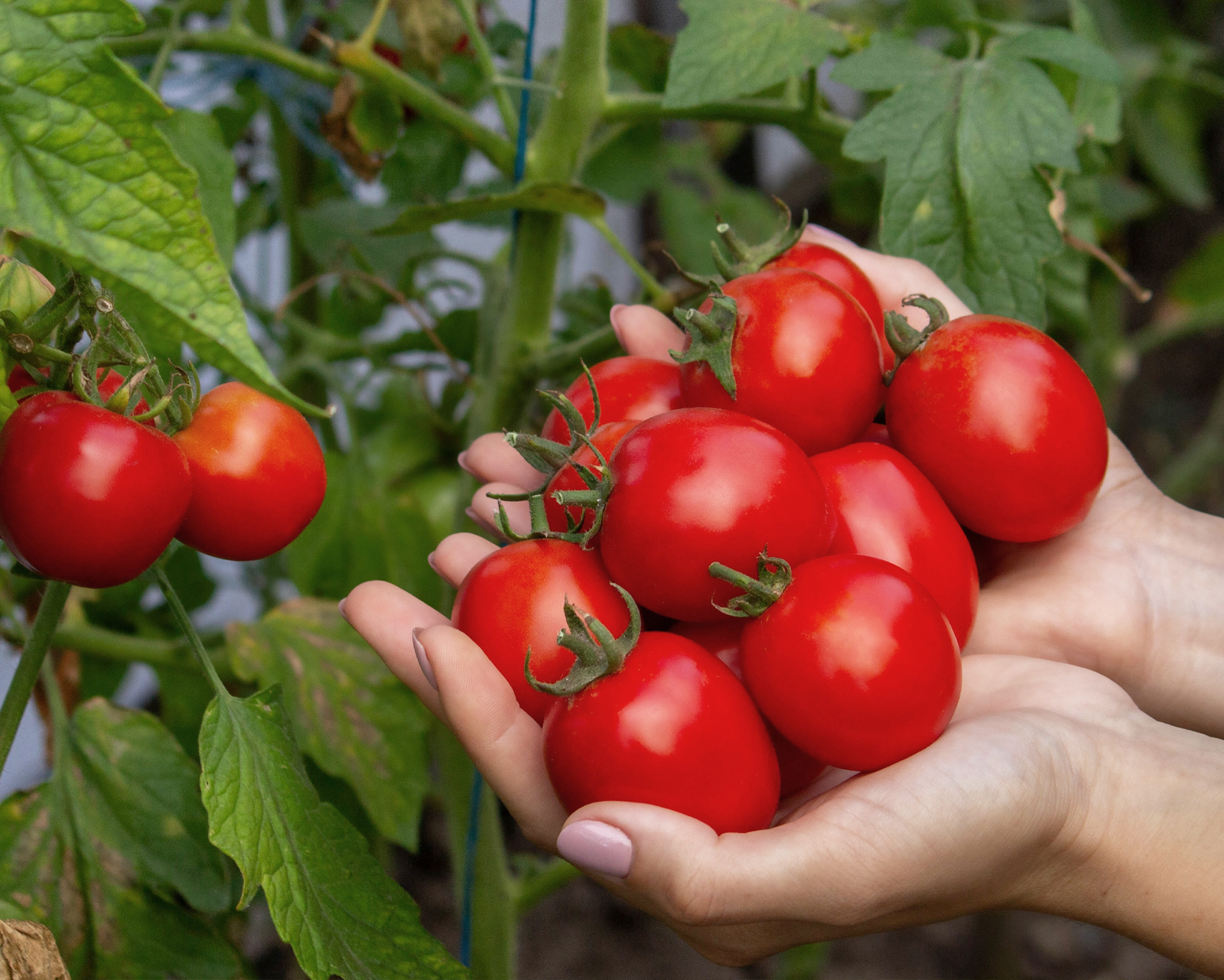
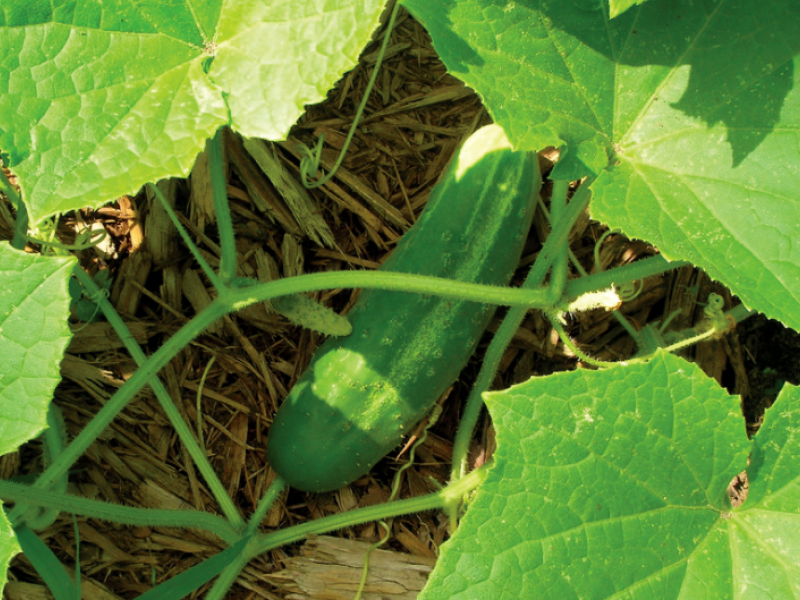
Peppers, cucumbers, squash, eggplant, okra


Indoor Plants

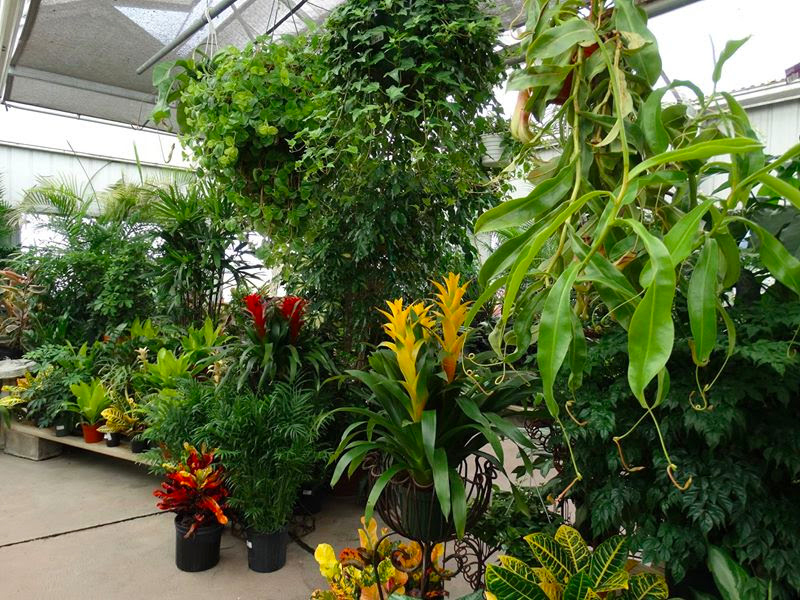
Pro Tips for Houseplants

  • If your houseplant looks unhappy, think location first. It may need to be moved to a different spot with different lighting.
  • Keep them away from the AC vents (they like humidity and the AC dries them out)
  • General rule for watering; water well then re-water once the soil feels dry to the touch
  • Spring is time to start fertilizing your houseplants. Your plants will love organic Hasta Gro
  • If they are getting too big for their pots, bump up to a slightly larger pot. Watch video

Read: Plants, the Perfect Rx for Clean AirPro Planting Tip: Not Too Deep

Fertilize

Established citrus trees

(3 years or older)

Fertilize organically with Citrus Tone, Medina Growin’ Green, Hasta Gro, or Plant Tone.

Azaleas, gardenias, and magnolias

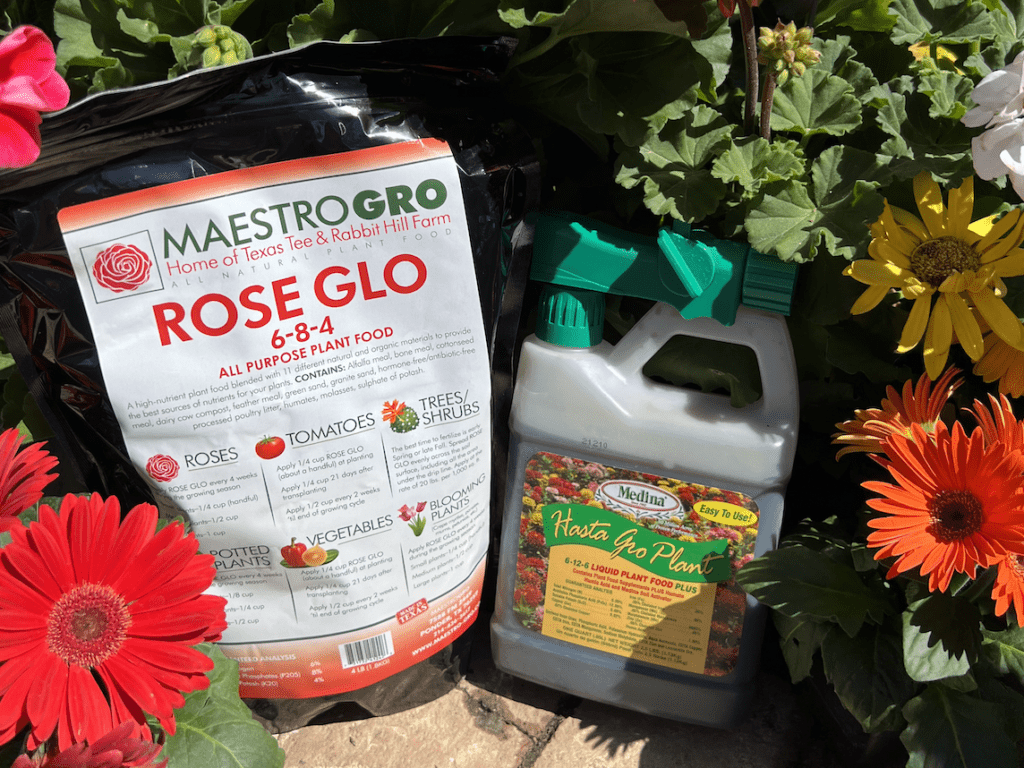
Fertilize organically with Maestro Gro-Rose Glo, or Espoma Azalea Tone.

Annuals and perennials

Fertilize organically with Medina Growin’ Green,  Hasta Gro, Maestro Rose Glo, PlantTone, or conventionally with Hibiscus Food.

Established roses

Treat organically with Maestro Rose Glo, PlantTone, or conventionally with Hibiscus Food

Trees and shrubs

Fertilize trees organically with Medina Growin’ Green or Milorganite. Feed shrubs organically with Medina Growin’ GreenPlant Tone, or Liquid Hasta Gro. 

Warm weather vegetables

Fertilize organically with Medina Growin’ Green, Hasta Gro, Maestro Rose Glo, or Plant Tone.

Prune

Early spring bloomers:

Early spring bloomers: Including azaleas, indian hawthorn and caroline jessamine – wait to prune until AFTER they bloom

Hedges:

Trim hedges as needed to maintain good form.

Poinsettias:

Prune to approximately 12” tall.

Watch Out For

Watch out for pest outbreaks on everything from vegetables to trees. They should be out in full force and hungry. Watch for powdery mildew and blackspot on roses.

Read: With The Spring Flush Comes Insects

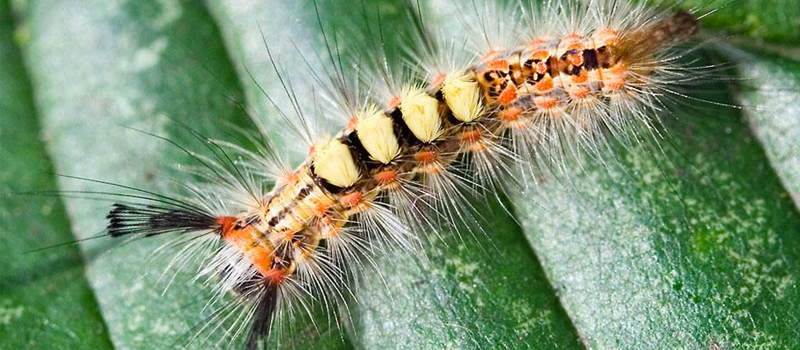
Caterpillars:

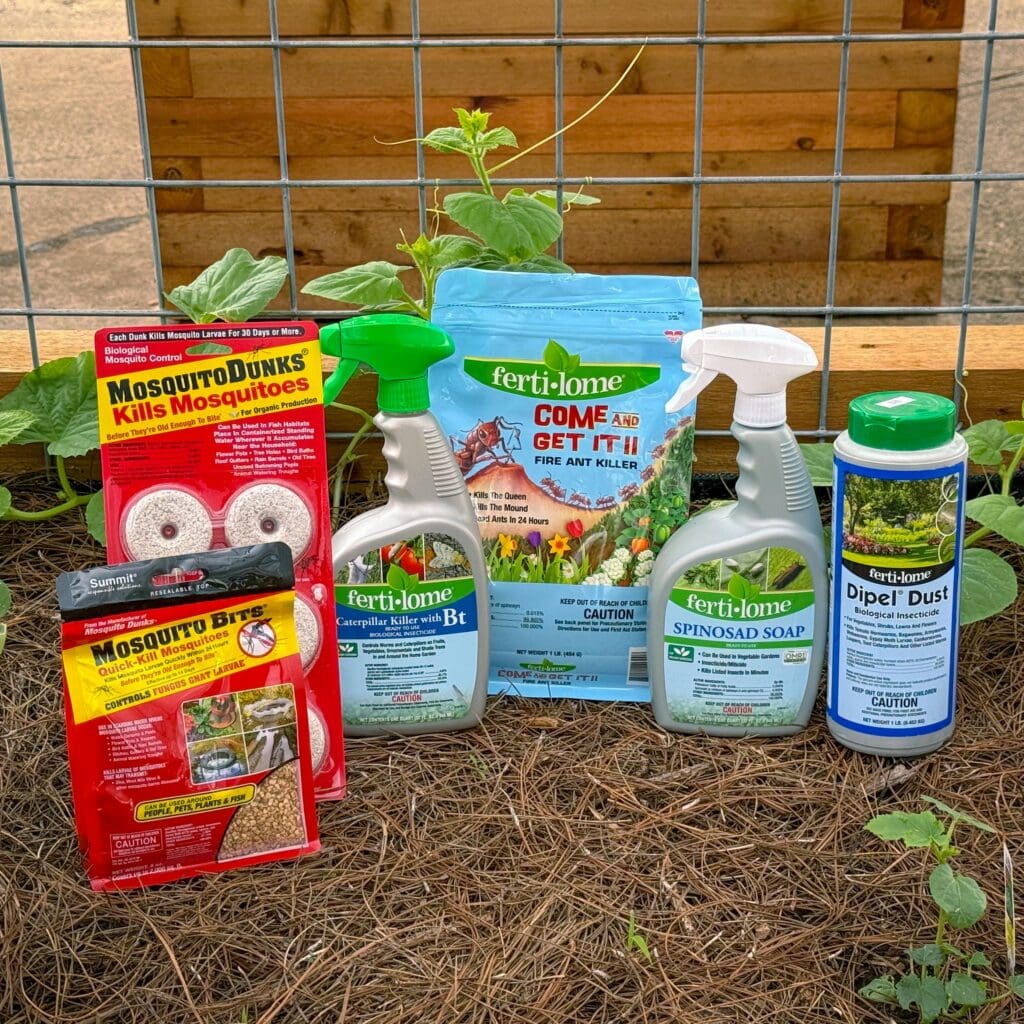
Treat organically with Spinosad or Thuricide, or conventionally with Cyonara.

Read: Caterpillar Alert!

Read: Are Your Bougainvilleas Being Chewed?

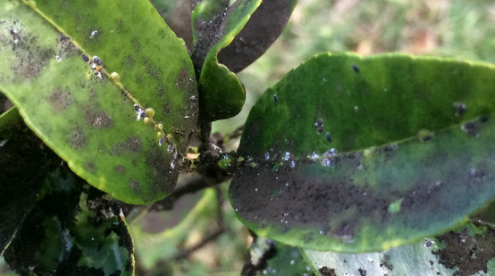
Scale:

Treat organically with Neem Oil Spray, Spinosad Soap, Bee Safe 3 in 1, or conventionally with Cyonara.
Read: Does Your Hackberry Have Wooly Aphids?

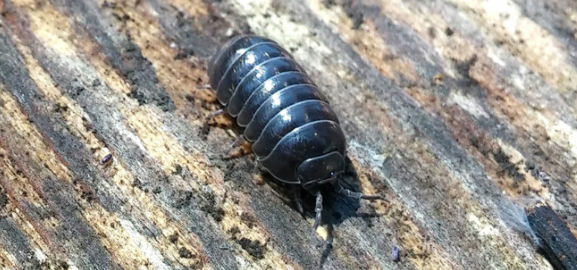
Beetles, Aphids:

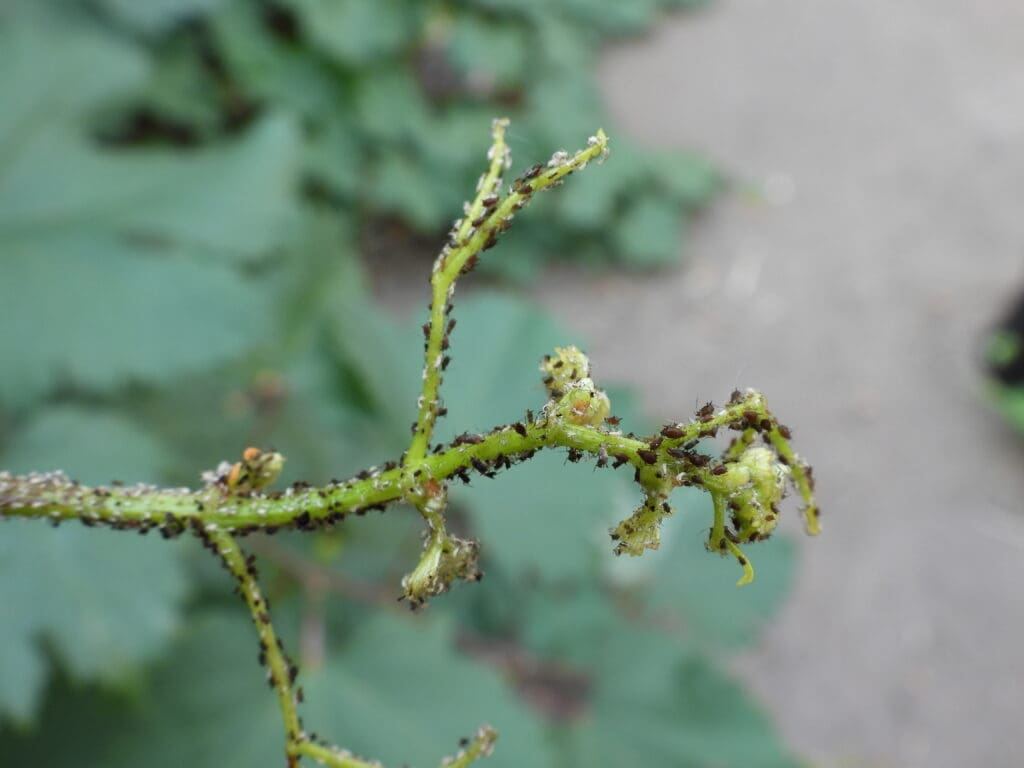
Treat organically with Spinosad Soap, Diatomaceous Earth, Bee Safe 3 in 1, or conventionally with Cyonara.

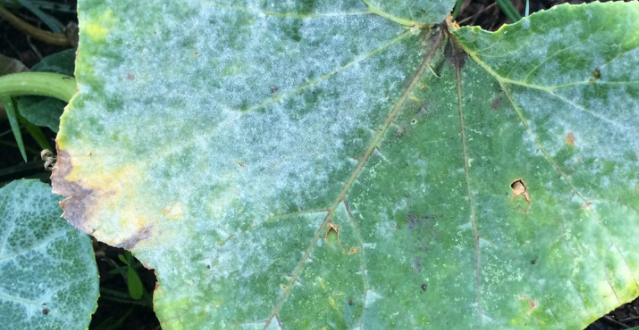
Fungus, Powdery Mildew:

Treat organically with Neem Oil or Revitalize Fungicide 5, or  conventionally with Fertilome Broad Spectrum Fungicide, Systemic Fungicide

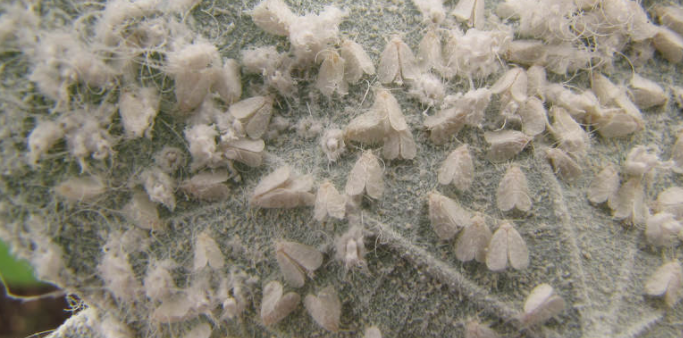
White Fly:

Treat organically with Insecticidal Soap, Neem Oil, Bee Safe 3 in 1, or conventionally with Cyonara.

Mulch

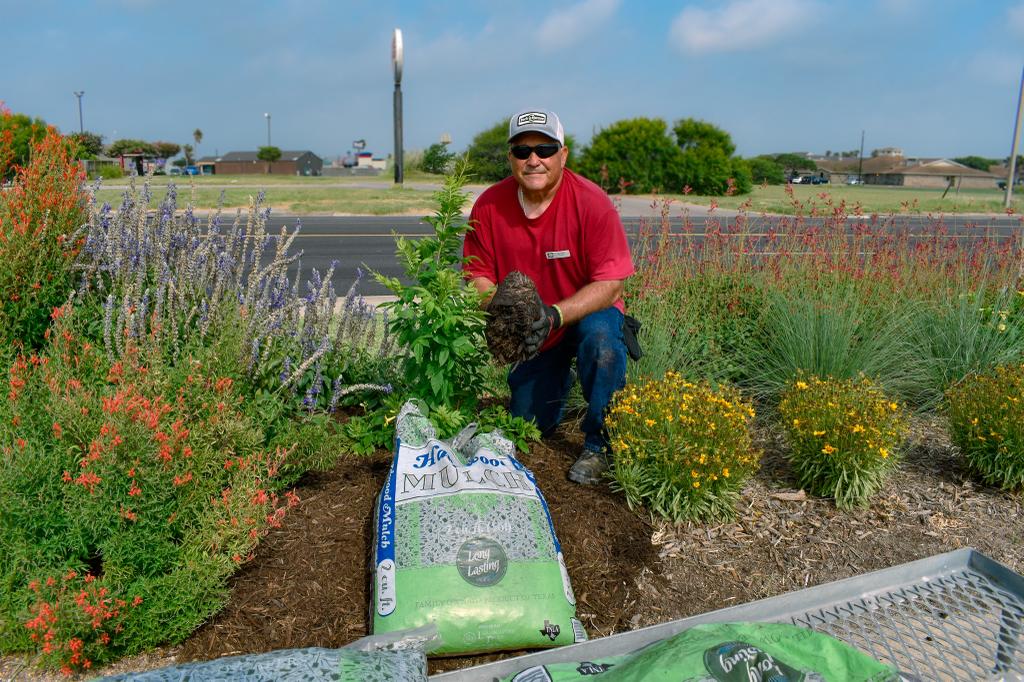
Apply mulch around trees, flowerbeds and vegetable gardens to reduce weeds and help retain moisture. Good mulch layer = less watering!

We recommend:  Hardwood, black velvet, cedar, and pine straw mulch. These reduce weeds well and will not float away. They're all natural and will break down over time and add nutrients to your soil. Plus, they keep underlying roots up to 20 degrees cooler! 

Lawn Care

Fertilize when the grass is actively growing

Feed organically with Medina Growin’ Green or Milorganite. Organic lawn food is best for long-term root and soil health.

Eliminate broadleaf weeds

Treat with Ortho Weed B Gon for Southern Lawns for broadleaf weeds, Image for grassy weeds and sticker burrs.

If you treat for weeds, wait 3 weeks before you fertilize.

Read: Time to Fertilize and Get Rid of the Weeds!

Lay new sod

Lay new sod or plant Bermuda seed anytime this month.

Read: St. Augustine Turf Grass: Varieties We Sell and Their Characteristics

Watch: How to Repair Dead Patches in Your Lawn
Watch: How to Collect a Grass Sample

Water

*While turfgrass lawn watering with city water is prohibited during current watering restrictions, residents can use free reclaimed water from the Oso Wastewater Treatment Plant. Apply for a permit here. Residents can also hand water trees, which should be done at the drip line, therefore lawns can get some benefit from good tree watering. 


may-garden-guide

Plant

Sunny areas:

Zinnias, Periwinkles, Moss Rose, Purslane, Lantana, Blue Daze, False Heather, Salvia, Ice Plant, Gomphrena, Ruellia, Coreopsis, Pentas

Shady areas:

Caladiums, Coleus, Begonias, Ageratum, Shrimp Plant, Torenia, Agapanthus, Snowbush

Seeds:

Morning Glory, Moonflower, Zinnias, Sunflowers, Gomphrena

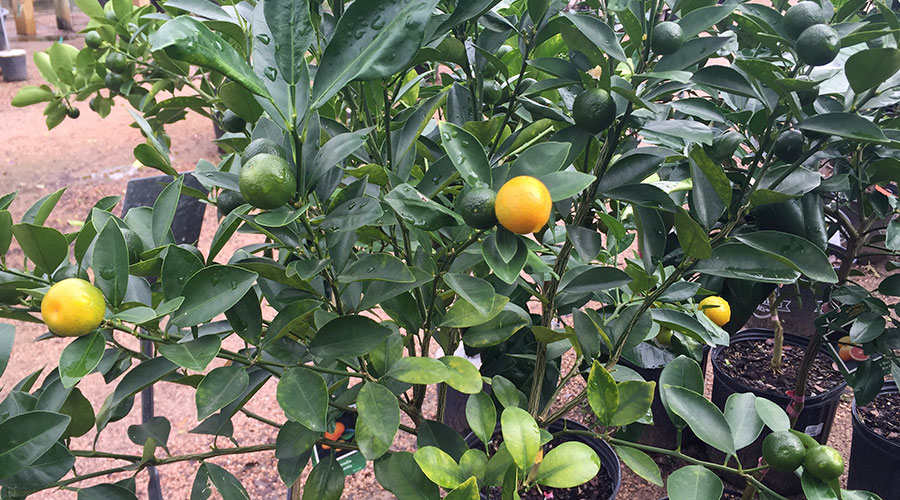
All container grown hardy and tropical trees, shrubs, vines, grasses, groundcover, and citrus trees

Read: Fruit Trees and Citrus in Your Own Backyard

Indoor Plants

Warm temps allow you to take your indoor plants outdoors for some fresh air. Just be sure to keep them protected from the sun. Shady patios are perfect for a short stay. Wash off the dust and bring them back in nice and clean.

Pro Tips for Houseplants

  • If your houseplant looks unhappy, think location first. It may need to be moved to a different spot with different lighting.
  • Keep them away from the AC vents (they like humidity and the AC dries them out)
  • General rule for watering; water well then re-water once the soil feels dry to the touch
  • Spring is time to start fertilizing your houseplants. Your plants will love organic Hasta Gro
  • If they are getting too big for their pots, bump up to a slightly larger pot.

Read: Plants, the Perfect Rx for Clean AirPro Planting Tip: Not Too Deep

Fertilize

All granular fertilizer should be watered in well.

Tomato & Pepper Plants

Fertilize regularly with organic Rose Glo or Hasta GroPlant Tone, or Medina Growin' Green.


Annuals & Perennials

Use organic Medina Growin' GreenRose Glo or Plant Tone, or Hasta Gro.


 Azaleas, Magnolias, Gardenias

Fertilize organically with Maestro Gro-Rose Glo, or Espoma Azalea Food.


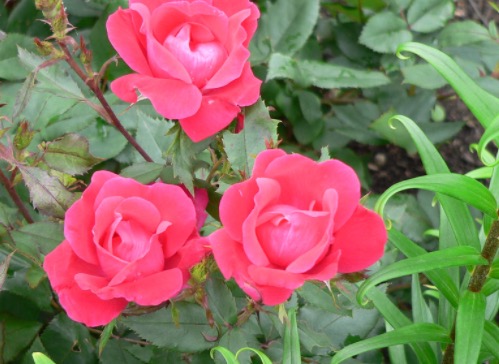
Roses

Fertilize organically with Maestro Gro-Rose Glo.


Hibiscus & Tropical Bloomers

Use organic Maestro Gro-Rose Glo, or conventional Hibiscus Food.


Trees & Shrubs

Fertilize organically with MilorganiteMedina Growin' Green.

Prune

All early spring bloomers if not already done, such as Azaleas, Indian Hawthorn and Carolina Jessamine.
Trim hedges as needed to maintain good form.
Poinsettias to approximately 12” tall.

Watch Out For

Fungus, Powdery Mildew

Treat organically with Neem Oil. Or conventionally with Fertilome Liquid Systemic Fungicide on ornamentals.

Grub Worms

Use organic Spinosad Soap, or conventional BioAdvanced 24-hour Grub Control or Season-Long Bonide Insect and Grub Control

Spider Mites

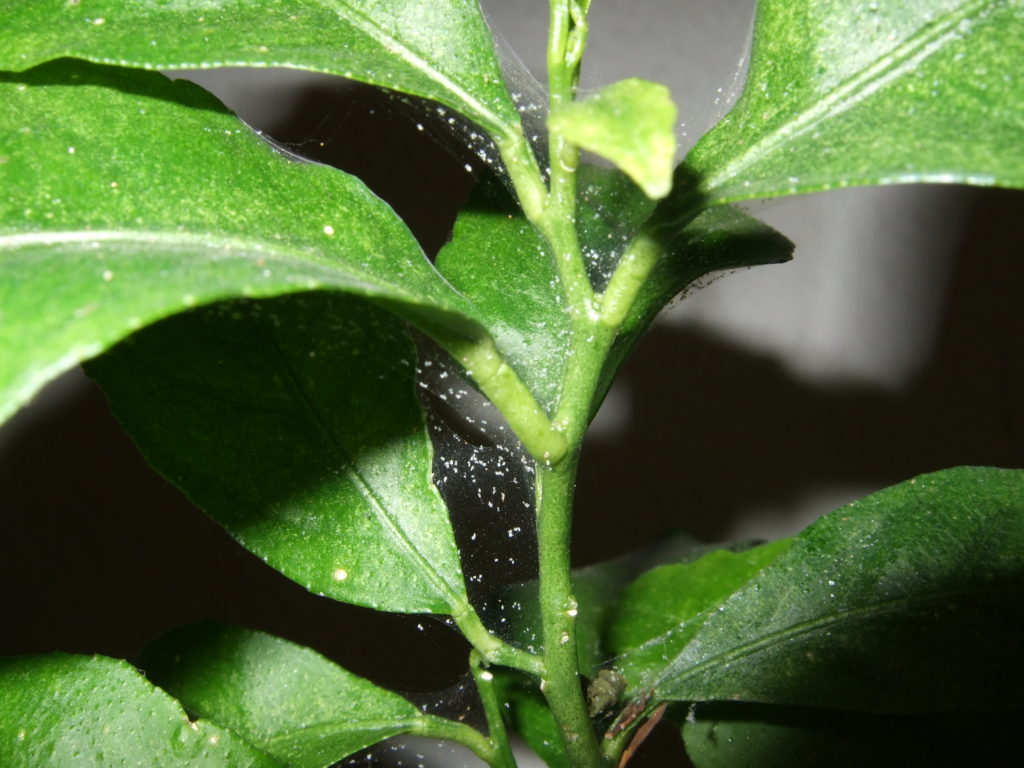
Treat organically with Spinosad Soap or conventionally with Cyonara, Bonide Systemic.

Lace Bugs on Lantana

Use Cyonara.

Read: Lacebugs on Lantana

Chinch Bugs

Use organic Diatomaceous Earth, or Spinosad, or conventional Cyonara.

Read: Check For Chinch Bugs If Your Lawn Looks Dry Even Though You Know It’s Not!

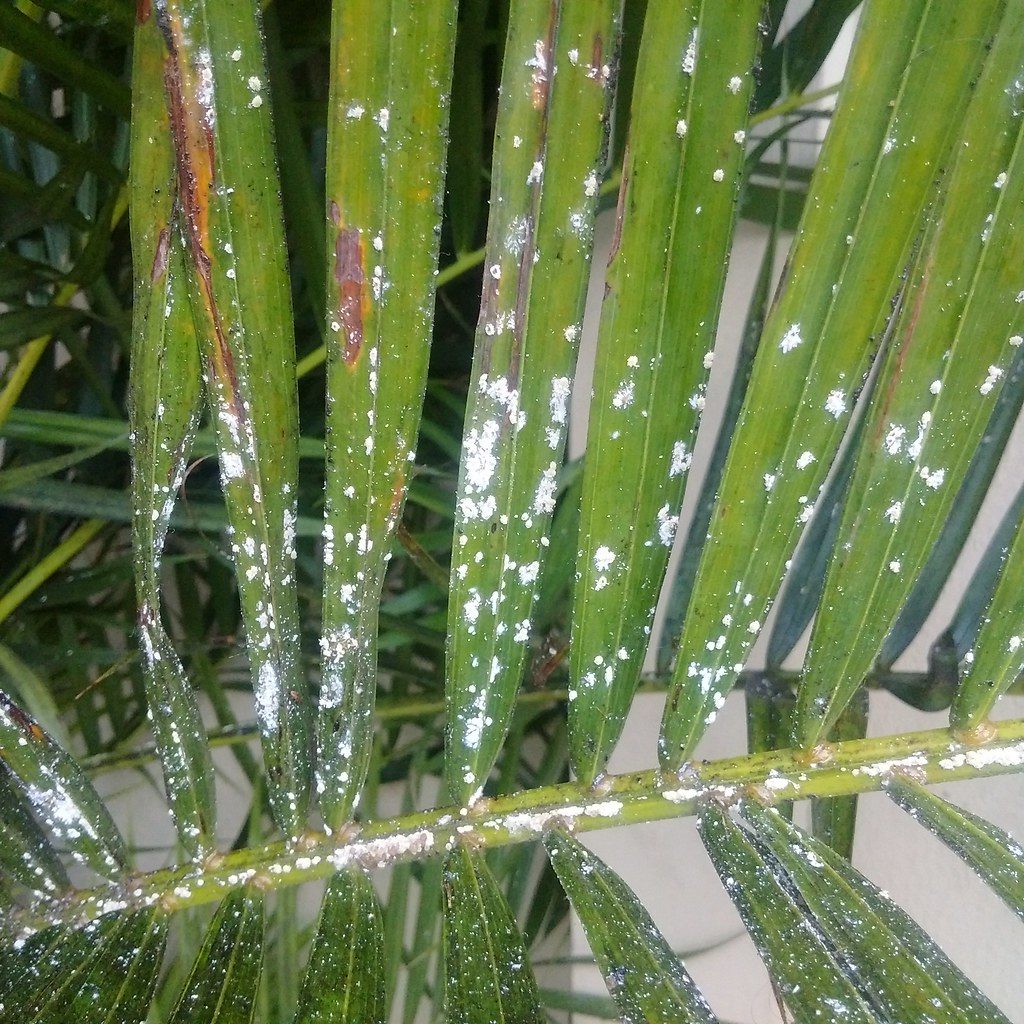
Mealy Bugs

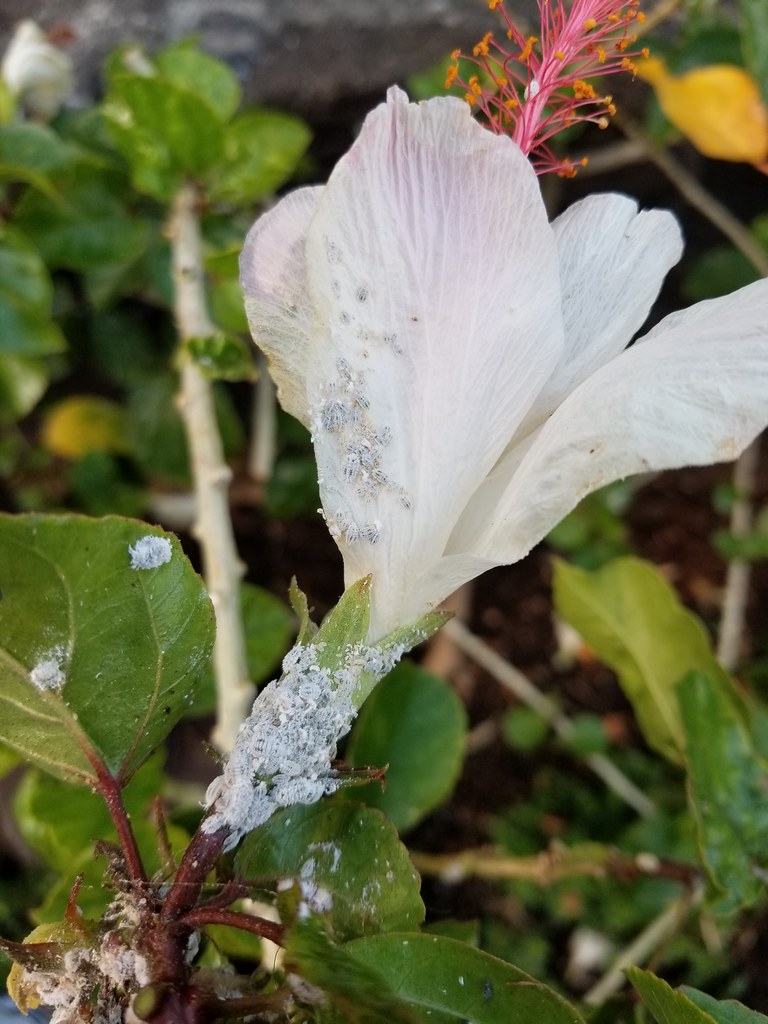
Treat organically with Neem Oil, or Insecticidal Soap, or conventionally with Bonide Systemic.

Read: Mealy Bugs are Here

Fleas & Ticks

Treat organically with SpinosadDiatomaceous Earth, or conventionally with Cyonara.

Read: Got Fleas?

Mulch

Apply mulch around trees, flowerbeds and vegetable gardens to reduce weeds and help retain moisture. We recommend natural mulches like hardwood, cedar, black velvet, and pinestraw mulch. These reduce weeds well and will not float away.

Lawn Care

Fertilize when the grass is actively growing

Feed organically with Medina Growin’ Green or Milorganite. Organic lawn food is best for long-term root and soil health.

Eliminate broadleaf weeds

Treat with Ortho Weed B Gon for Southern Lawns for broadleaf weeds, Image for grassy weeds and sticker burrs.

If you treat for weeds, wait 3 weeks before you fertilize.

Read: Time to Fertilize and Get Rid of the Weeds!

Lay new sod

Lay new sod or plant Bermuda seed anytime this month.

Read: St. Augustine Turf Grass: Varieties We Sell and Their Characteristics

Watch: How to Repair Dead Patches in Your Lawn
Watch: How to Collect a Grass Sample

Water

*While turfgrass lawn watering with city water is prohibited during current watering restrictions, residents can use free reclaimed water from the Oso Wastewater Treatment Plant. Apply for a permit here. Residents can also hand water trees, which should be done at the drip line, therefore lawns can get some benefit from good tree watering. 


gill-december-garaden-guid

Plant

Flowers from Seed

Carnations, larkspur, nasturtium, petunias, poppy

Garden Guide: Planting Fall & Winter Annuals

Flowers from Transplant

Pansies, petunias, alyssum, dianthus, snapdragons, ornamental cabbage and kale, geraniums

Hardy Trees, Shrubs and Vines

The roots of hardy plants grow during our cool months even though their leaves may be changing color or falling from their branches. This provides a better root system so they thrive in spring and can survive the long, hot summer. Live oaks, magnolia, cedar elm, hawthorns, holly, sage, junipers, roses, just to name a few, are winter hardy and would be appropriate to plant now. Read more: Plant Hardy Trees And Shrubs Now

Garden Guide: Planting Trees, Shrubs & GroundcoversRoses

Veggies from Seed

Beets, cabbage (all types), carrots, chard, lettuce, mustard, onions, peas, radish, spinach and turnips


Christmas cactus is one of nature’s gifts for those who are gardening challenged. Just keep them dry and in very filtered light. How’s that for easy?

A beautiful holiday plant, the Christmas Cactus blooms at Christmas and also sometimes around Easter if cared for properly. Keep the plant in a well lit location (like near a window) away from direct sunlight-too much heat and light can stunt the growth and burn the leaves. It should also be away from drafts, heat vents, or other sources of hot air. Feel the soil with your fingers; if it is dry, it’s time to water thoroughly. Before watering again, check to see that the top inch of soil has dried thoroughly first. Mist leaves as well as watering the soil.

Read more: Christmas Cactus.


Fall bulbs like paper whites and amaryllis, will make a spectacular show this winter and now is the time to plant them.

Paperwhite Narcissus
1. Refrigerate for 4-6 weeks prior to planting.
(plant around Thanksgiving for holiday blooms!)
2. Fill a clear vase with a few inches of pea gravel.
3. Nestle bulbs side by side into the gravel.
4. Add water up to the bottom of the bulb and
place near a sunny window.

Amaryllis
Plant in a pot or in the ground. If planting in the ground, place in morning sun and afternoon shade. Every three years in October, you can dig up and divide these bulbs as they multiply underground! Feed regularly with Hi-Yield Bone Meal every 4-6 weeks.

Indoor Plants

Bring fresh air and interest indoors. Houseplants like schefflera, sanseveria, pothos ivy, & philodendrons bring a clean organic feel to your home. While you move plants in from outdoor areas, be sure to check for insects and treat if needed.

Read:  Plants, the Perfect Rx for Clean Air

Poinsettias indoors do best in cool dry areas with indirect light. An easy way to water them is with a few ice cubes every few days. Read:  Poinsettia Care

Fertilize

BEDDING PLANTS
Fertilize organically with Hastagro, Medina Growin Green, or Milorganite, or conventionally with Osmocote Time Release 14-14-14.
Do not fertilize TROPICALS this month. They need to rest.

LAWN

If you didn’t fertilize your lawn in October or November, instead of applying a chemical fertilizer, we recommend you use an organic fertilizer such as Medina Growin Green or Milorganite. These products feed the grass & soil microbes slowly and naturally.

Read: Organic Gardening 101: Organic Fertilizers

Watch Out For

Read: Protect Your Lawn – Recent Take-All Root Rot Sightings

SCALE
Insects on hardy trees and shrubs. Spray with Neem Oil spray or Dormant Oil.

Read: What’s Bugging You Now?

LAWN FUNGUS
This can be a major problem after long periods of wet, cool weather or over watering. There are two major kinds of lawn fungus – Take All Patch and Brown Patch. Treat Take All Patch organically with Nature’s Blend Organic Compost, or Peat Moss, or conventionally with Fertilome Systemic Lawn Fungicide or Scotts DiseaseEX.

Treat Brown Patch Fungus with Fertilome F-Stop Granules.

Water

  • Only as needed – but dry cold fronts, high winds and low humidity can dry plants quickly.
  • Established lawns only need water every couple of weeks, provided we don’t get rain.
  • Be sure to check your sprinkler system and adjust accordingly.

Prune

  • Perennials that have finished their bloom.
  • Pick spent flowers from annuals to prolong their bloom season.

Read: To Prune or Not to Prune?

Harvest Citrus

  • Starting in December, and more in January, harvest your lemons, limes, grapefruit, oranges, and other citrus fruits. What a great holiday gift!
  • If you notice any fruits with black gunk on them, it's likely honeydew from insects. Treat with organic All Season Horticultural Oil spray to suffocate any lingering insects.


Be Ready for Frost Protection!

  • We never know if we might get an early freeze in December, so have your frost blankets handy. 
  • When covering plants for a freeze, make a tent to capture ground warmth - not a lollipop! The frost protection cloth should extend all the way to the ground and be pinned to the ground or, better yet, weighed down with bricks or firewood - something heavy so they don't blow away in high winds.