Garden Center Hours: Mon-Sat 9am - 5:30pm • Sun 10am - 5:30pm

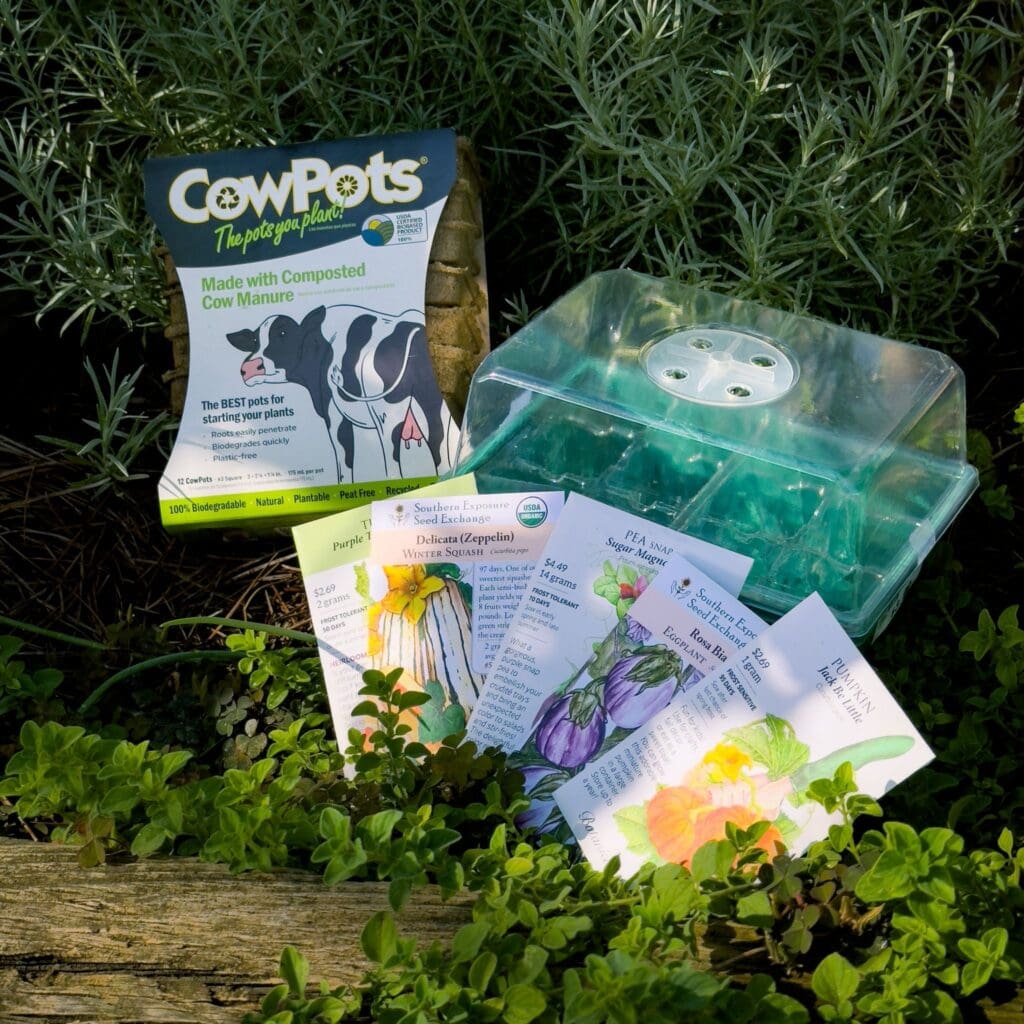
Did you know early August is time to start your pumpkin seeds? We’re celebrating pumpkin season this year with our first-ever pumpkin growing contest! We’ve chosen the perfect pumpkin for South Texas:  Sugar Pie! Since the 1800s, ‘Sugar Pie’ aka the New England pumpkin, has been the standard for making terrific pies, soups, muffins, and casseroles. The small, 6″-7″ fruits are also good for carving decor-size jack o’lanterns.

Stop by Gill’s any time between August 7th-11th to sign up, purchase your seeds, and pick up your contest form. Contest limited to 60 participants, open to all ages and skill levels. We’ll ask you to document progress using the instructions on the form, then show up with your completed form, photos, and prize-winning pumpkin on weigh-in day at 10am on November 7th! The heaviest pumpkin wins a $200 Gill’s gift card, 2nd place gets a $100 gift card, and 3rd place gets a $50 gift card! As always, we’re here to offer you all kinds of pumpkin-growing advice along the way. You might be able to teach us a thing or two!


Hooray for WATER! Gardeners are thrilled to have huge inflows into our lakes and finally be able to take better care of our landscapes. Now that watering restrictions have been eased somewhat, it’s important not to try to overcompensate, but to water efficiently and effectively. Here are our tips for proper watering this summer and setting your gardens, landscapes, and lawns up for a gorgeous fall that’s right around the corner.

Very Important:  Know How Much You’re Watering!

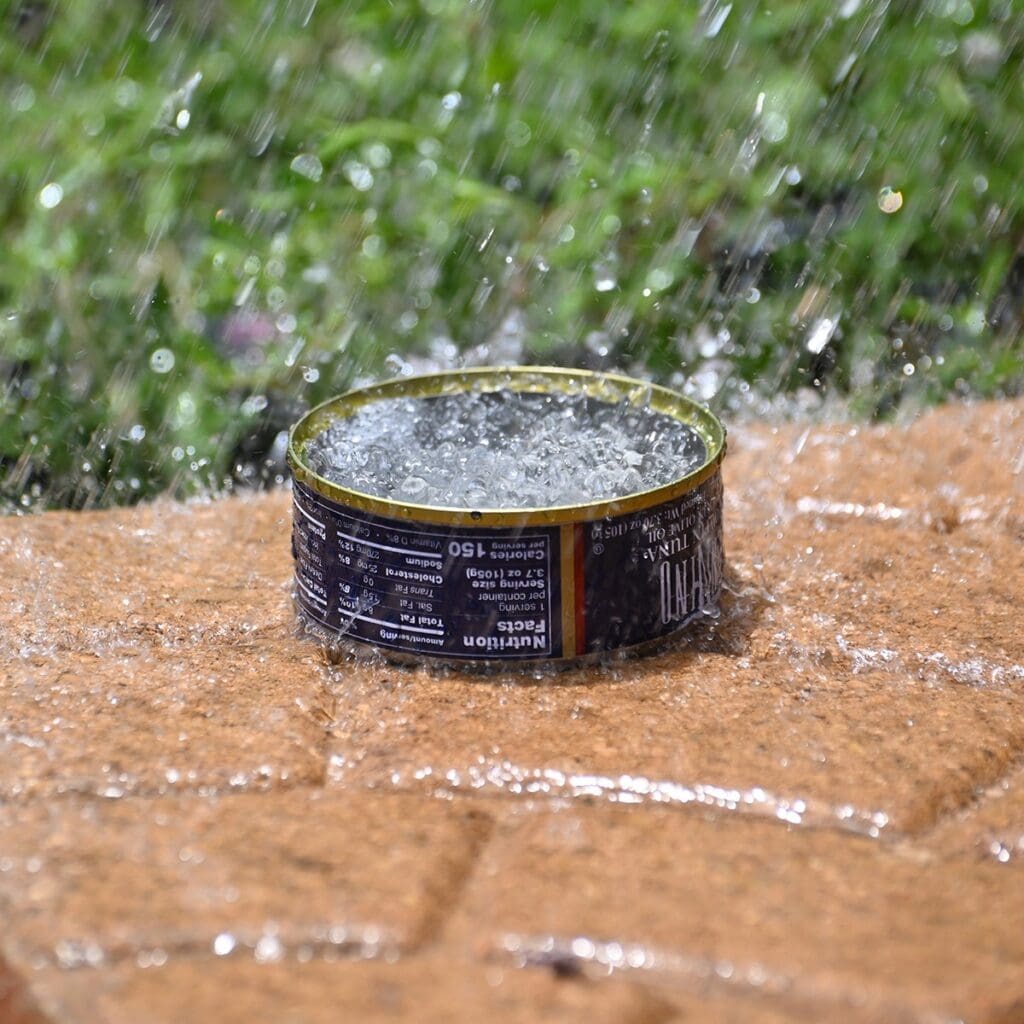
Under the current Stage 2 watering schedule, we’re allowed to run spray irrigation systems, including hose-end sprinklers, once every other week. This is an adequate schedule for lawns even during the heat of summer as long as you’re applying a proper 1″ of water. To measure, use the old gardener’s tuna can trick. Place an empty tuna can (which is 1″ deep) out in the yard while you run your sprinklers. When it fills up, you know you’ve applied enough water. Depending on your sprinkler type, the timing can vary. For example, pro irrigation spray heads and impact sprinklers produce larger water droplets, while hose-end oscillating sprinklers produce smaller droplets and take much longer to apply enough water. Test with your tuna can to find out exactly how long you should be running your irrigation system or your sprinklers.

Slow & Deep Watering Wins


When it comes to watering, think depth not frequency. When you water deeply, you’re creating depth moisture in the soil, and encouraging roots to grow deeper. Deeper, healthier root systems allow plants to take up more water and nutrients, and allow plants to withstand dry periods. Remember, plants are not people – they don’t need drinks of water every day (with some exceptions).

Water Plants at Soil Level


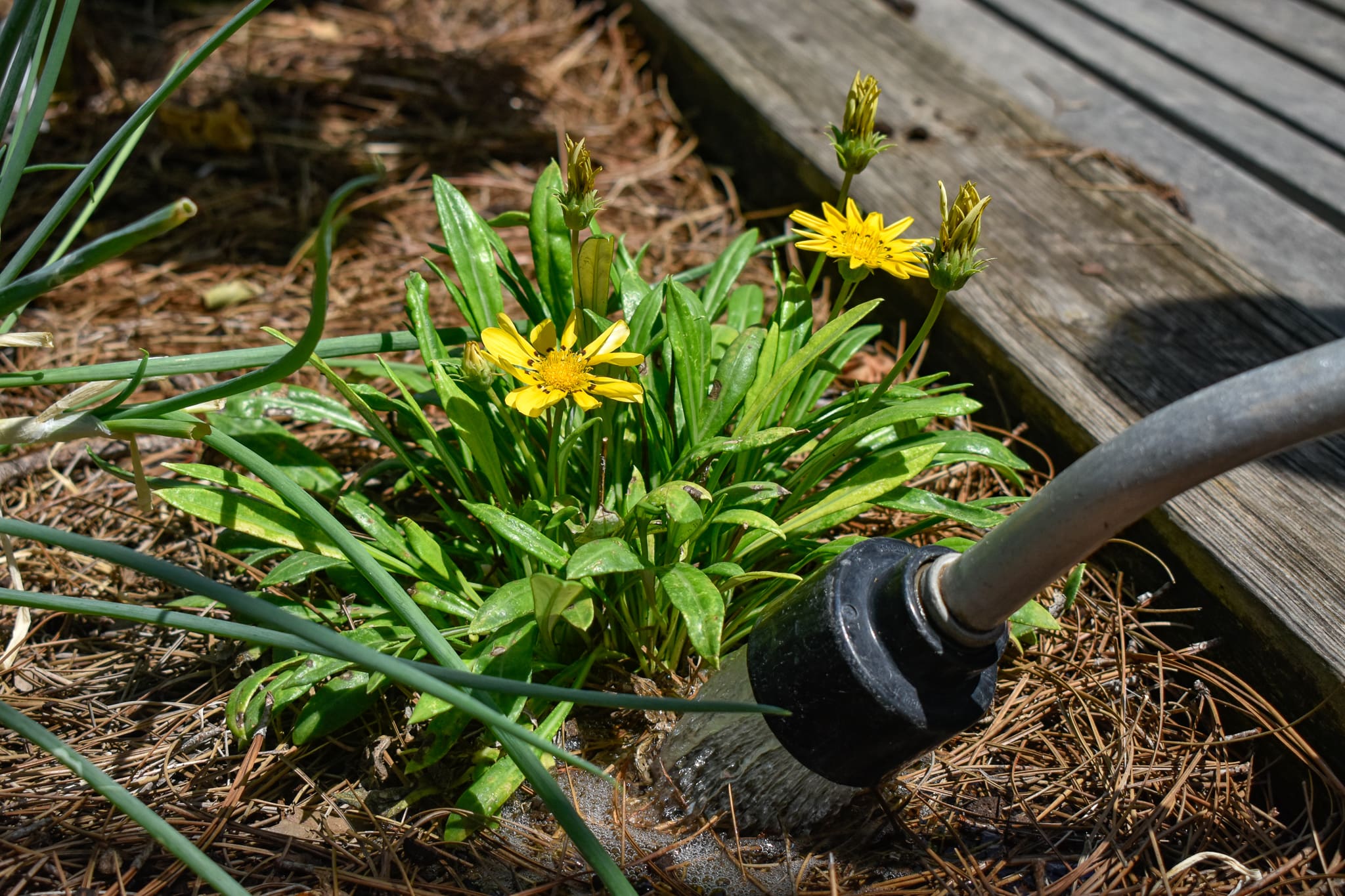
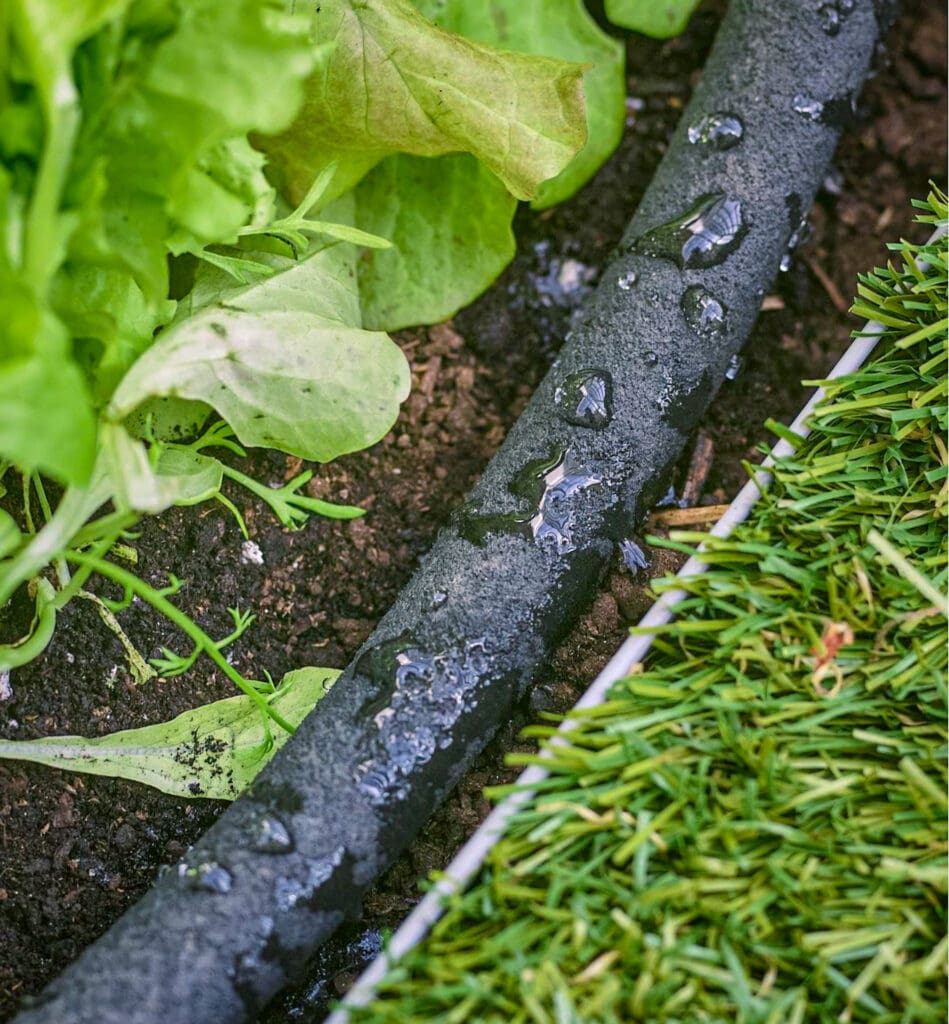
Plants take up water from the roots…so that’s where we need to apply water! Watering over the top of plants opens the door for evaporation and runoff, plus water on the leaves on a hot day can create a magnifying glass effect and scorch your leaves. This is why drip irrigation and soaker hoses are great – it gets water right down to the roots with almost no evaporation. Under current watering rules, you can run drip irrigation systems any day before 10 and after 6. But keep in mind, a good deep drink once a week is better than short durations every day.

New Plantings and Pots = Water More Often


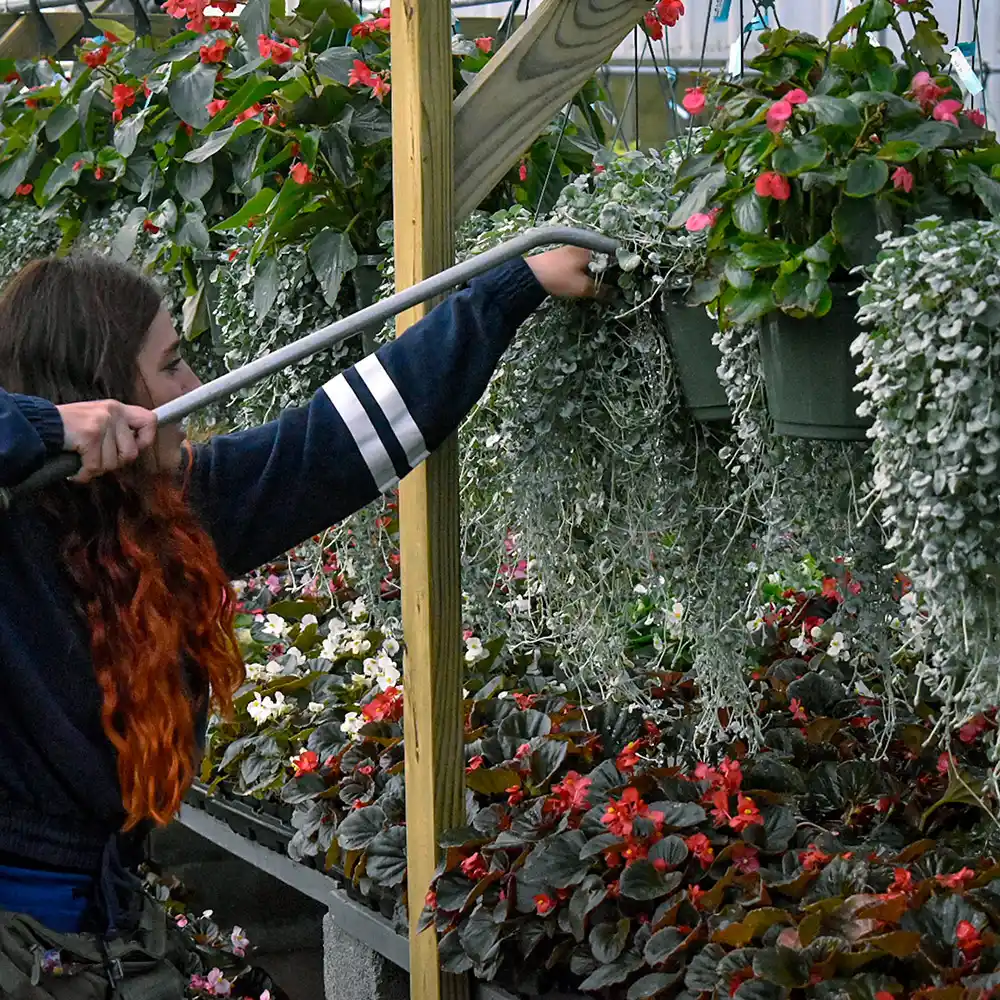
Now that we’ve preached depth vs. frequency, here are the exceptions:  new plants and potted plants! Tender new plants WILL need water every day to get their roots established. A good rule of thumb when planting is to water every day for about 2 weeks, every other day for the next 2 weeks, then about once a week after that, depending on the plant. Of course this can vary depending on temperature, sun/shade, and wind. Watering by hand is great during this establishment period because it keeps you in touch with your plants. You’ll notice which ones are thirstier and adjust accordingly. Similarly, potted plants, even those that are well-established, may need water every day or every other day this summer. Be sure you’re checking the moisture level in your pots and watering deeply.
Invest in Good-Quality Watering Tools


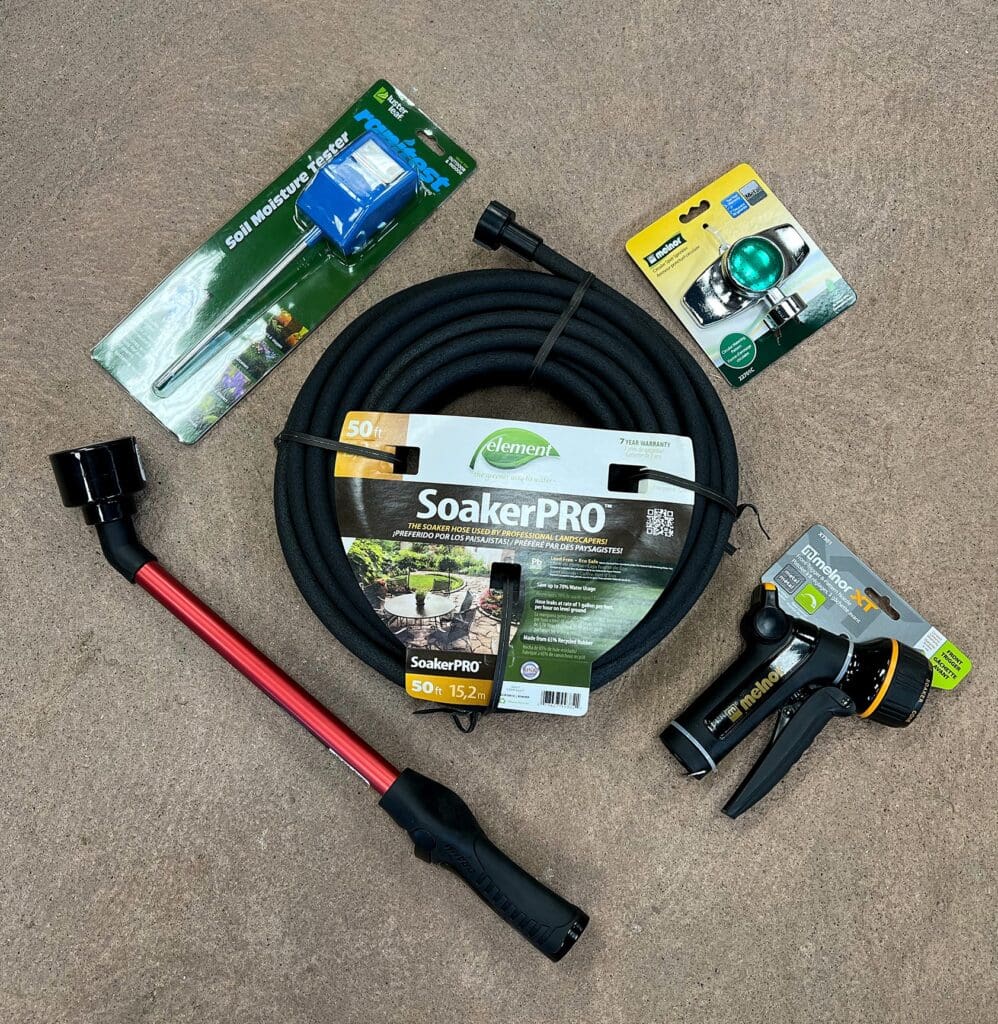
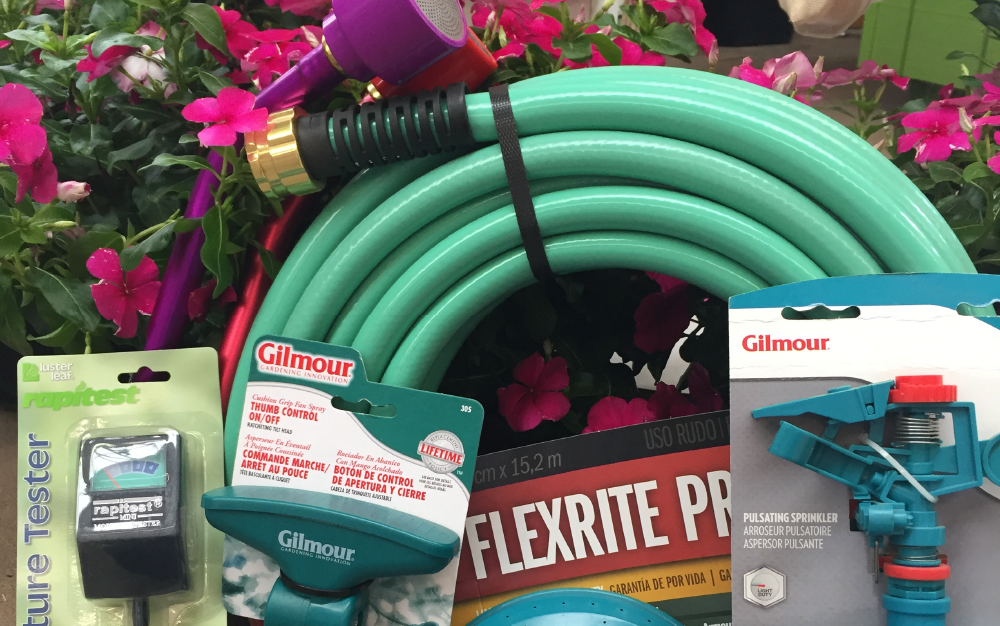
We carry a few different watering wands, sprinklers, soaker hoses, and drip irrigation kits that we’ve tested here in the nursery. Take it from the pros who do a lot of watering – it’s so much more fun when you have good quality tools! Perhaps the most important tool to keep handy is a moisture meter. They’re about $10, and they’re incredibly easy to use – just stick the probe down into the soil at the root ball and surrounding area, and you’ll get an instant moisture reading. This is not cheating! Moisture meters have saved many a plant here at Gill’s and in landscapes all over town.

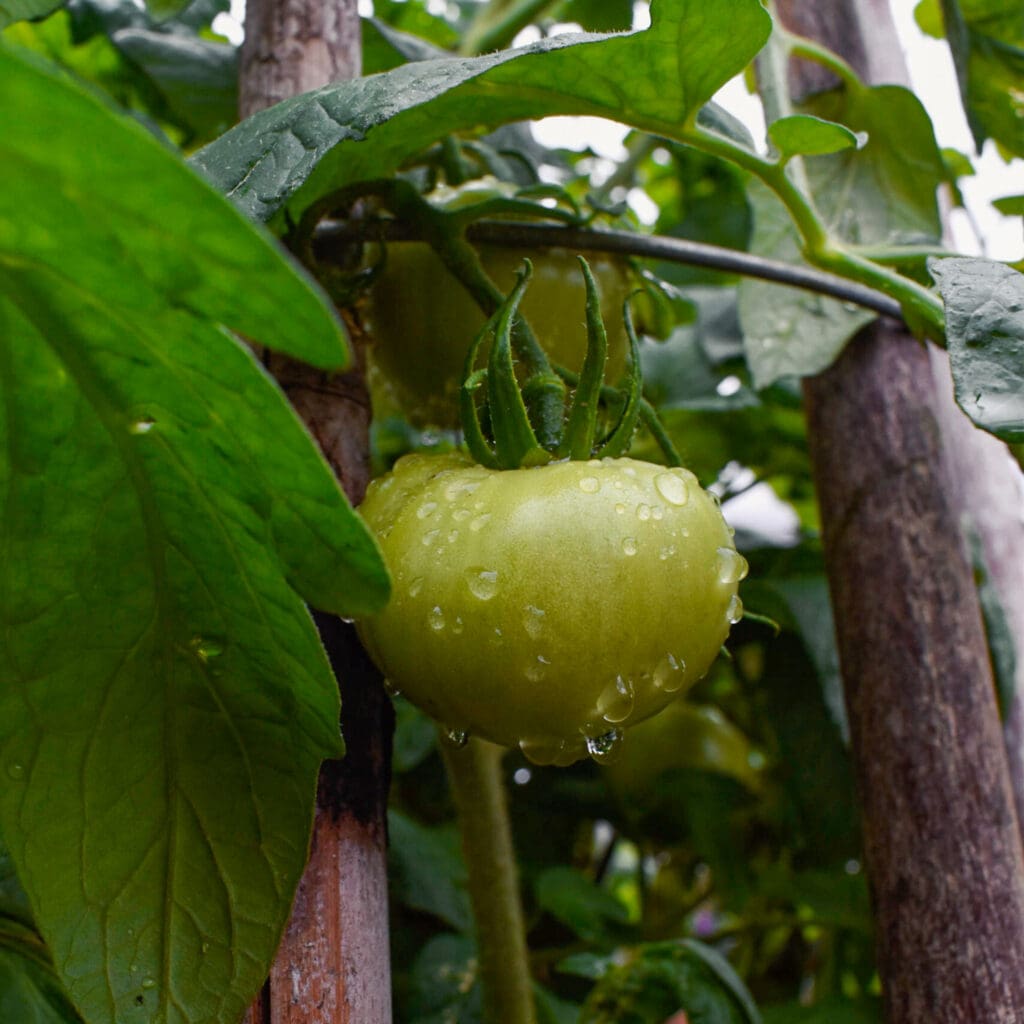
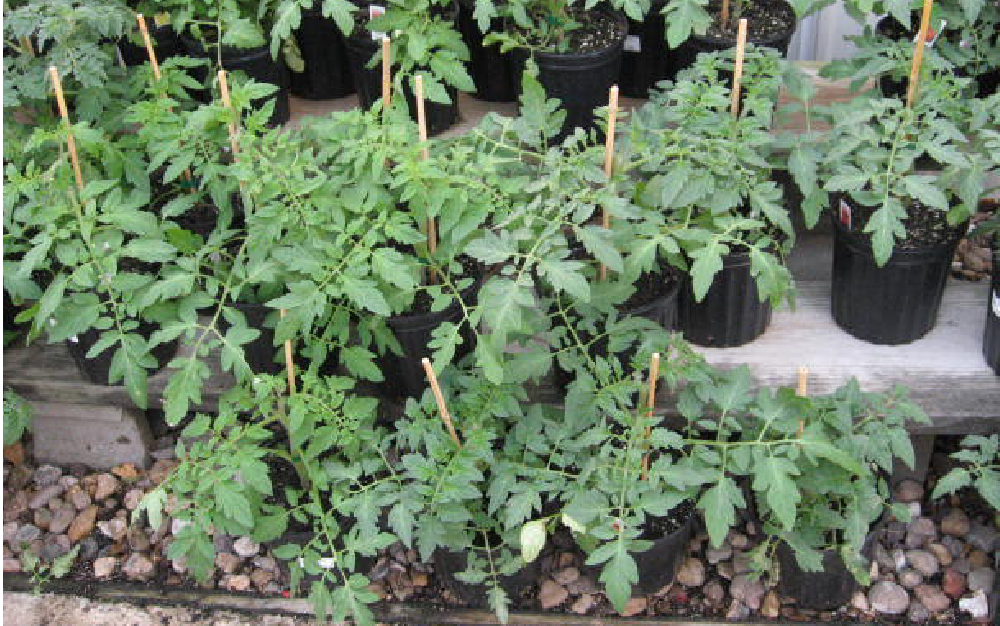
We’re in the dog days of summer right now, but not for long! If you want gorgeous tomatoes this fall, you need to get them started right now. Depending on the variety, tomatoes take between 60-100 days to produce ripe fruit, which would put us into late October through early December if we start now. Unless you’re growing in a heated greenhouse, you want to harvest your tomatoes before we have chances of cold weather. So, without further ado, here’s the Gill’s formula for fall tomato success!

Start from Seed or Plants

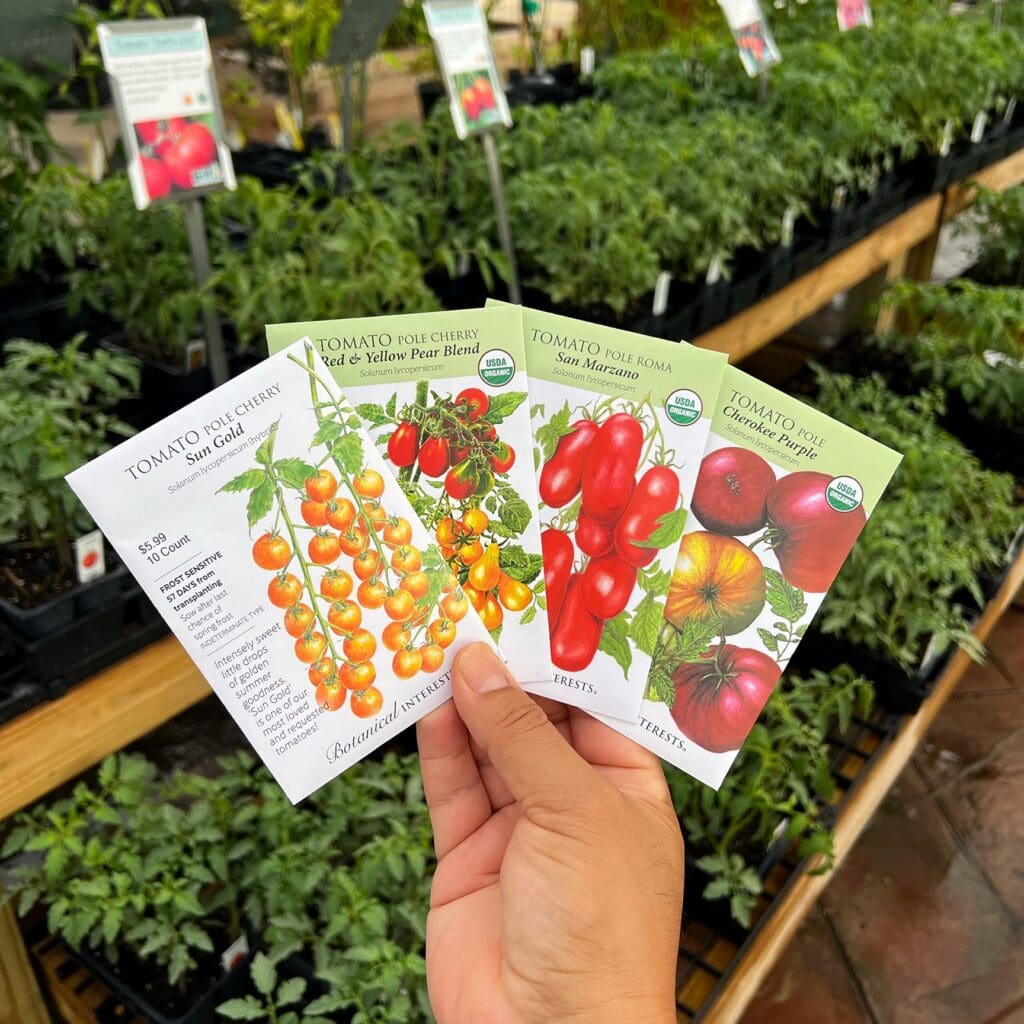
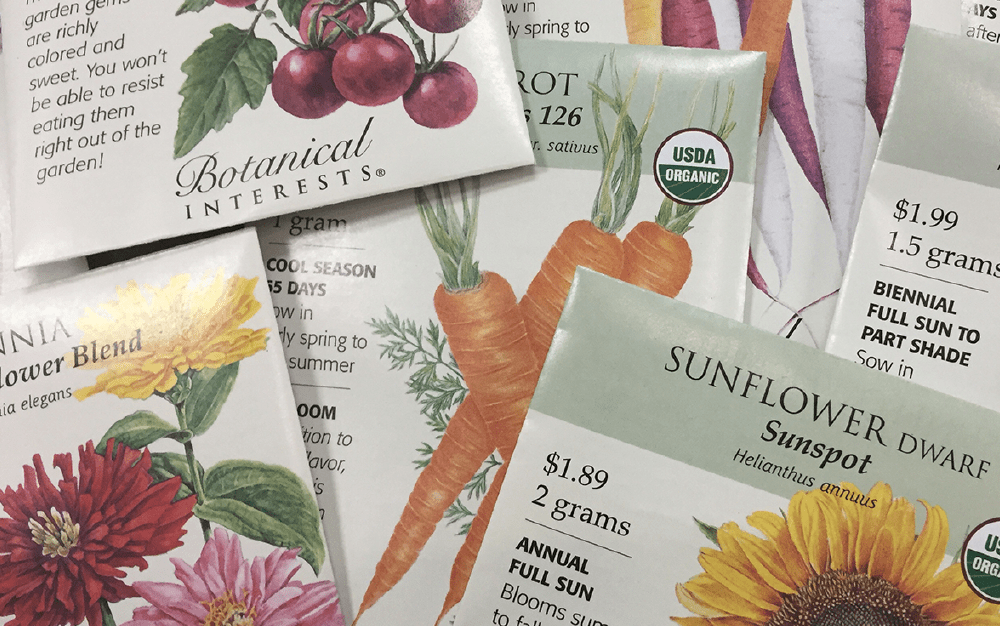
Late August is an exciting time at Gill’s. We’ve received our 2026-2027 veggie seeds, and we’re stocking up on tomato plants too. You have your choice right now – start from seed or start with tomato plants that are ready to go. Sure, starting from seed is more work, but you also have a lot more options, especially for heirloom varieties. We recommend starting seeds indoors or on a shady, protected patio. We like using plantable Peat Pots or our growing trays with lids + organic Espoma seed starting soil. Once the seedlings sprout and grow their first true set of leaves, they’re ready to plant outside. Or skip the seeds and start growing some tried and true tomato plant varieties now, like Tycoon, Juliette, Early Girl, and the beloved Celebrity. 

Prepare Your Soil & Spot

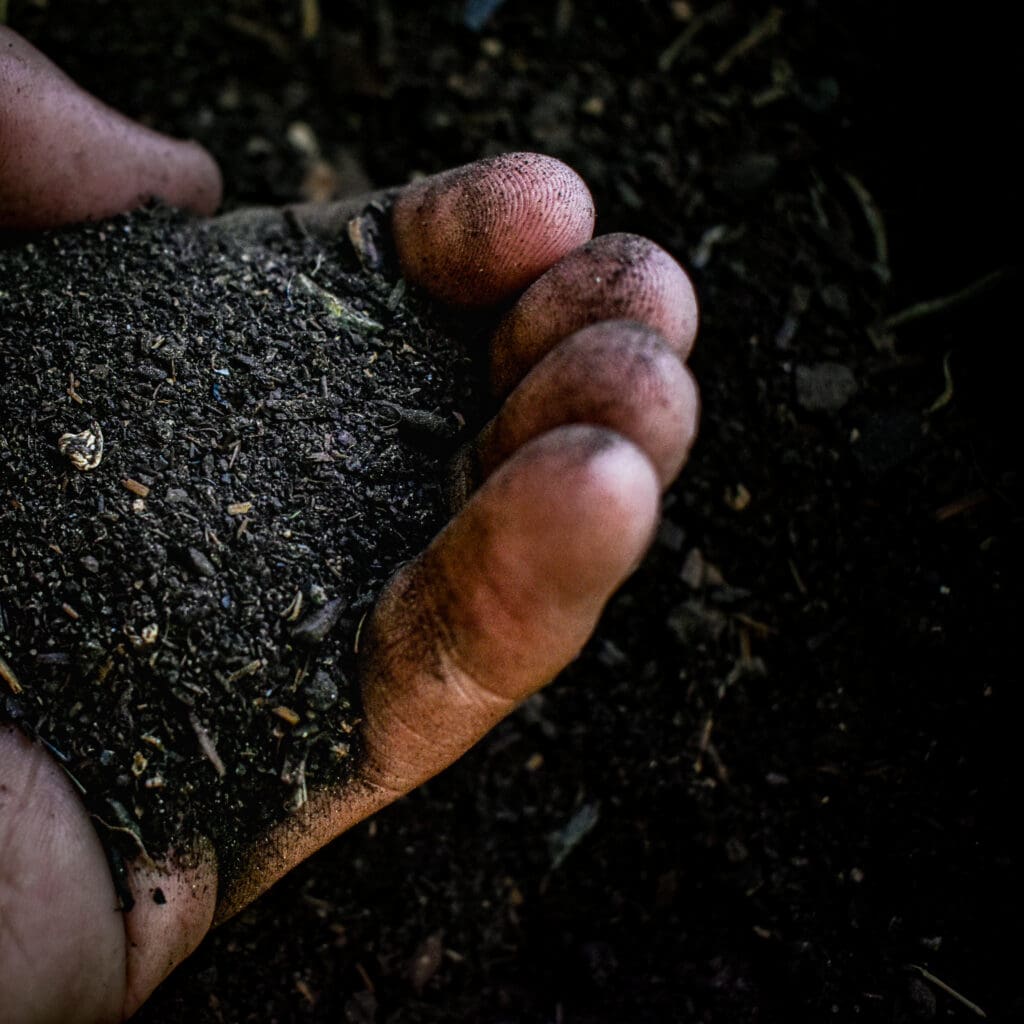
Pick a spot for your tomatoes that gets at least 6 hours of full sun each day. They’ll need it to be able to produce flowers then fruit. If you’re growing in the ground in clay or sandy soil, you’ll need to add some compost to create a better soil structure and add nutrients. Our fav for veggie gardens is Nature’s Blend Compost. Add about 1 bag per 12 sq. ft. of bed space. If you’ve got your own compost pile, use a similar approximate amount. If you’re growing in raised beds or big pots, you can’t go wrong with Gardener’s Magic soil – it’s specially formulated for container gardening with some compost and other nutrients. Just pour and plant!

Prune Up + Plant Deep

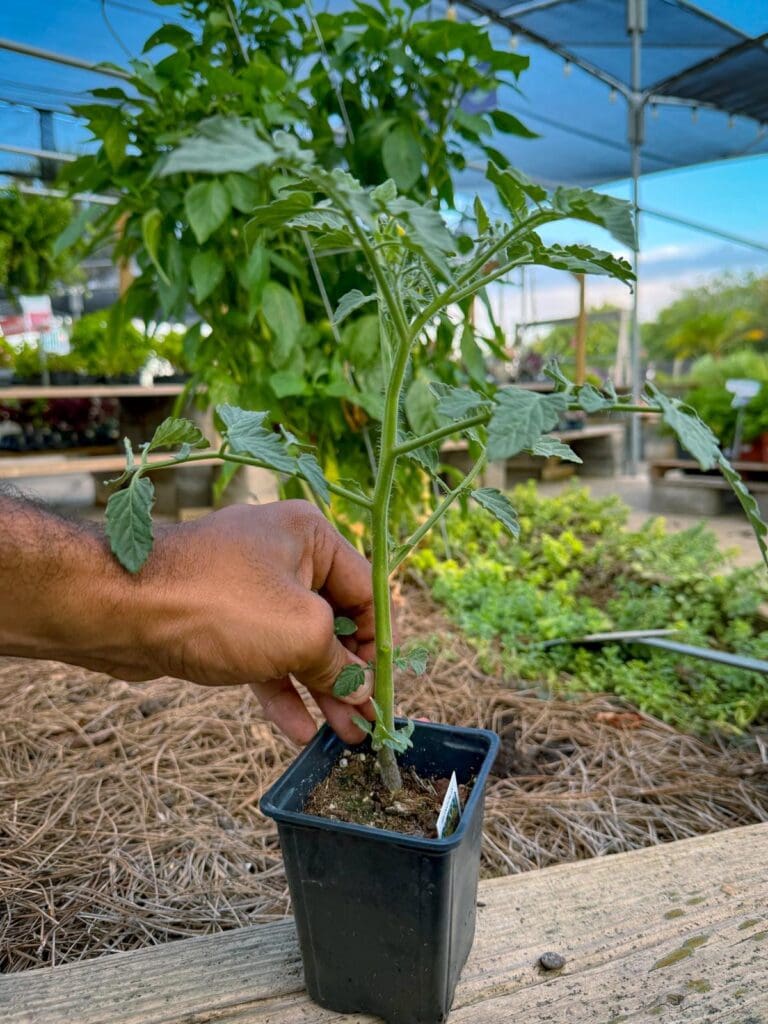
Tomatoes are one of the only plants that you can plant deep without suffocating the plant. In fact, tomatoes benefit from being planted deep because they grow new roots off the main stem. So, simply pinch the lower leaves off the stem, leave the main ones up top, dig a deep hole and plant the tomato all the way up to the top leaves. Some gardeners even like to dig a shallow trench and plant tomatoes on their side to let the roots grow down from the stem. Either way, more roots = more fruits! 

BioTone + Worm Castings When you Plant

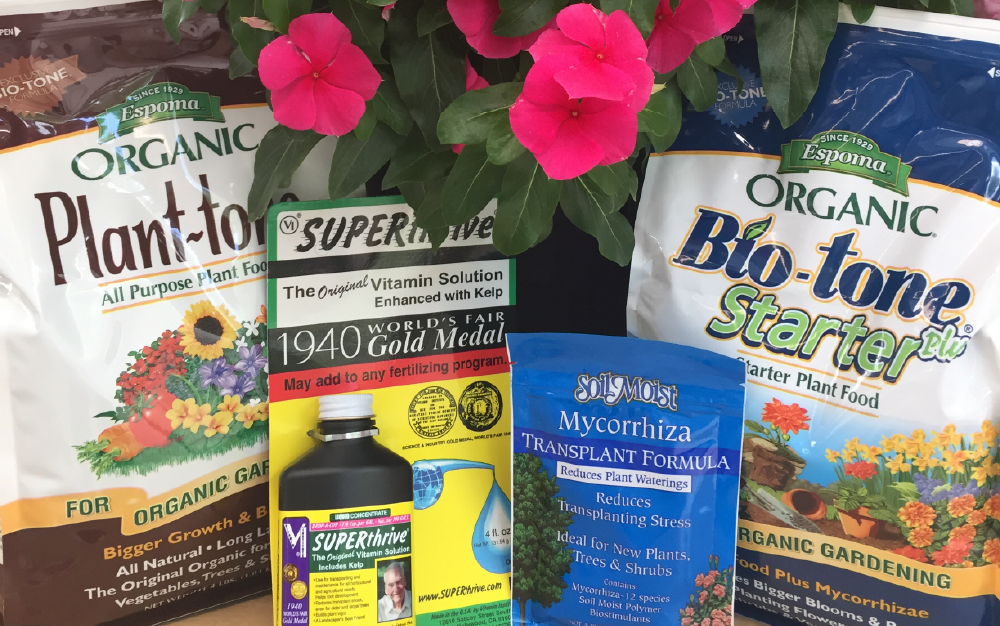
This is truly a winning combo for root health. When you dig your hole, mix in a small handful of Bio-Tone starter fertilizer and a large handful of worm castings when you backfill. The Bio-Tone contains mycorrhizal fungi which form a symbiotic relationship with plant roots and gives you a much more robust root system. Worm castings add refined nutrients, make soil more absorbent, and even helps prevent fungal disease and insects. Think of Bio-Tone and worm castings as gentle superfoods for your plants!

Cage Now, Not Later!

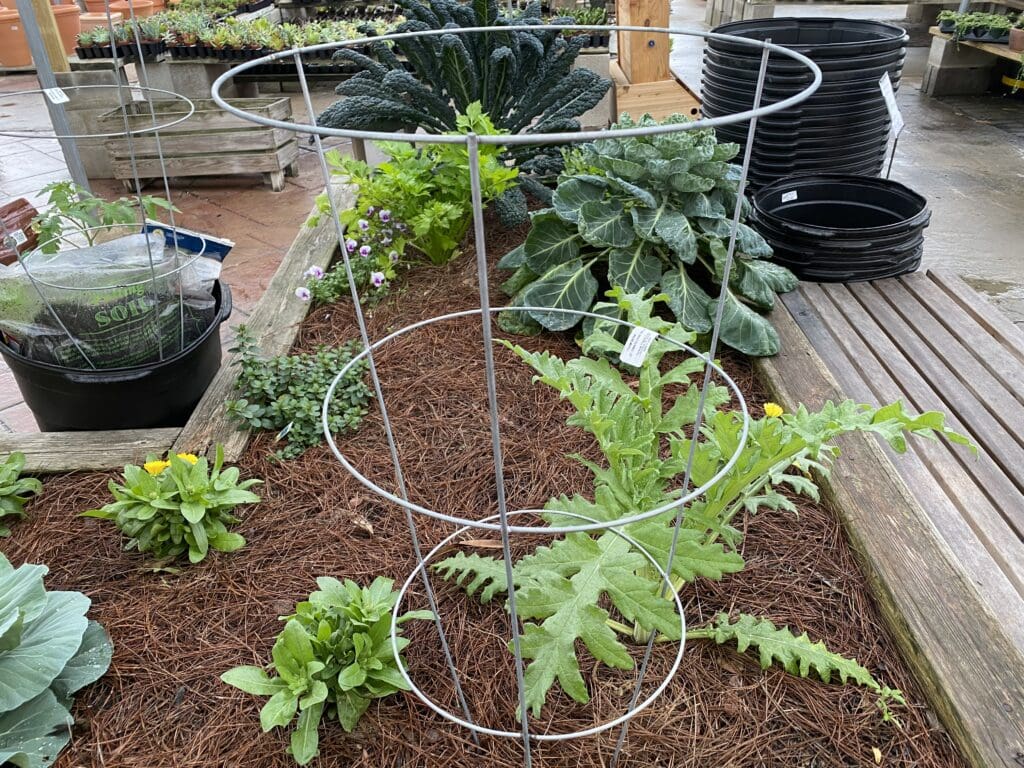
It’s very important to give tomatoes a support structure, whether it’s a tomato cage or a simple trellis system. Either way, the key is to install that support when you plant, not later. That way you can gently train and tie the plant onto the support as it grows, rather than trying to bend and twist a big floppy tomato plant and risk breaking branches. Cage now, not later!

Follow Our Fertilizer Schedule

The most common problem we see with veggie gardens is not enough regular fertilizer to keep them performing their best. Tomato plants use lots of energy to produce fruit, so they absolutely need regular fertilization. Keep it simple and use our tried and true prescription:  feed with a good organic granular fertilizer (like Medina Growin Green, Plant Tone, or Rose Glo) on the 1st of the month, then feed with Medina’s liquid Hasta Gro on the 15th. Add reminders or alarms for these dates in your calendar so you don’t forget. If you stick to this schedule, you’ll have lots of tomatoes to enjoy and share. 

Treat for Pests + Prevent Fungus

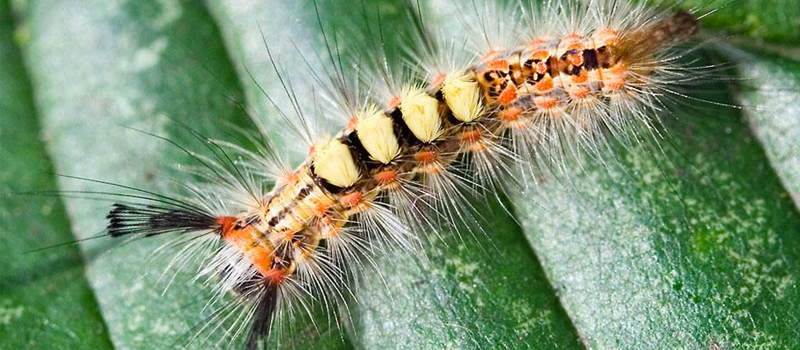
Your 2 main issues to watch out for when growing tomatoes are hungry caterpillars and fungus problems. You can prevent fungus by simply mulching around your tomato plants so wet soil doesn’t splash up onto them when you water. Horticultural cornmeal applied around the base of the plant can help also. For caterpillars, you just need to be vigilant. Inspect your plants often and look for chewed leaves and frass aka black specks of caterpillar poop. If it’s just a couple of caterpillars here and there, you can easily relocate them. If you have an infestation, you can use organic Bt spray or Bt powder (Dipel Dust) to control. 

Water Early and Often + Mulch!

You’ve likely heard us preach about the benefits of watering in the morning vs. the evening. This is especially important for tomatoes. As DeAnna says, you wouldn’t want to run a race all day and only have water at the finish line. Tomatoes need to be well-hydrated in the morning, or they’ll be very unhappy during the hot part of the day. While the weather’s still warm, they will likely need supplemental watering in the afternoon too. Once temps cool down and plants mature, you’ll be able to back off on watering some. Mornings can be hectic – we get it! If you run short on time to water in the morning, consider setting up an automatic soaker hose in your tomato bed. We carry soaker hoses and simple timers that are easy to attach to any hose spigot. And don’t forget to mulch! A nice 2-3″ thick layer of natural mulch will be your best friend especially while temperatures are still hot. Mulch helps retain moisture from watering and insulates plant roots to keep them cool and happy. 


gill-guide-jan

What To Plant

All hardy trees, shrubs, vines, fruit trees, and roses can be planted now. Even citrus trees can be planted now, but they're best in large pots in case we get a freeze. 

Vegetable Seeds

Beets, broccoli, cabbage, carrots, Swiss chard, collards, lettuce, mustard, radish, spinach and turnips.

Start pepper and tomato seeds indoors to transplant into garden later.

Vegetable Transplants

Broccoli, cabbage, cauliflower, onion sets, seed potatoes, and spinach.

Tomato transplants can be nurtured in pots now and set in the garden in February.

Use Nature's Blend compost to prepare the garden soil and frost blankets to protect tender veggies from cold nights.

Flower Seeds

Petunias, alyssum, carnations, larkspur, nasturtium, poppy, dusty miller, stock, calendulas and bluebonnets.

Flower Transplant

Pansies, petunias, alyssum, dianthus, snapdragons, and violas, flowering cabbage & kale.

Read: Flowering Cabbage & Kale - Another Winter Treasure

Houseplants


Give your indoor plants a checkup. Look over the foliage, remove any old or dead leaves to freshen their look and keep them healthy.

Be sure to set your plants in the proper light indoors but watch that the heater and/or AC vents do not blow directly on them. Windows provide good natural light - open blinds and curtains during the day.

Read: Indoor Gardening: EZ as a ZZ!

Water when needed, but plants will not drink as much during Winter months. Remember you can add more water, but hard to take out!

Fertilize houseplants organically with ½ strength Hasta Gro.

If your plants look unhappy, they might need re-potting. Be sure to use a good all-purpose potting mix. 

Read: Plants, the Perfect Rx for Clean Air

Fertilize

Established Citrus Trees

Fertilize organically with Medina Growin Green, Citrus Tone, or Hasta Gro.

Cool Weather Vegetables

Fertilize organically with Medina Growin Green, Hasta Gro, or Plant Tone.

Cool Weather Annuals

Fertilize organically with Medina Growin Green, Maestro Rose Glo, or Plant Tone; or a water-soluble fertilizer like Hasta Gro.

Do not fertilize tropicals in Janurary. They need to rest.

Watch Out For

Scale Insects

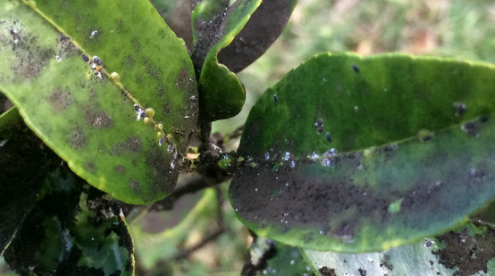
Watch for scale insects on hardy trees and shrubs. Spray with Neem Oil or Dormant Oil spray

Read: Organic Gardening 101 - What's Buggin Ya?

Fungal Disease on Roses (like Black Spot)

We almost always see fungus on roses this time of year, but it can be knocked out with Fungonil multi-purpose fungicide or BioAdvance 3 in 1. 

Lawn Fungus

This can be a major problem after long periods of wet, cool weather. There are 2 major lawn fungus – Take All Patch and Brown Patch.

  • Treat Take All Patch organically with Natures’ Blend Organic Compost or peat moss; or use conventional Fertilome Systemic Lawn Fungicide or Scotts Disease Ex.

  • Treat Brown Patch organically with horticultural corn meal or Nature’s Blend compost, or conventionally with F-Stop Fungus Granules.

Read: Protect Your Lawn: Recent Take All Root Rot Sightings (TARR)

Watch: How to Collect a Grass Sample

Wait to Prune!

We may be tempted to prune wintery-looking perennials, but we should wait! Pruning signals to the plant that it's time to start putting on new growth, which we don't want just yet. Also, more foliage = more freeze protection. 

Fruit Trees

You can prune peaches, plums, and figs lightly to shape. Do not prune citrus.

Hardy Dormant Trees

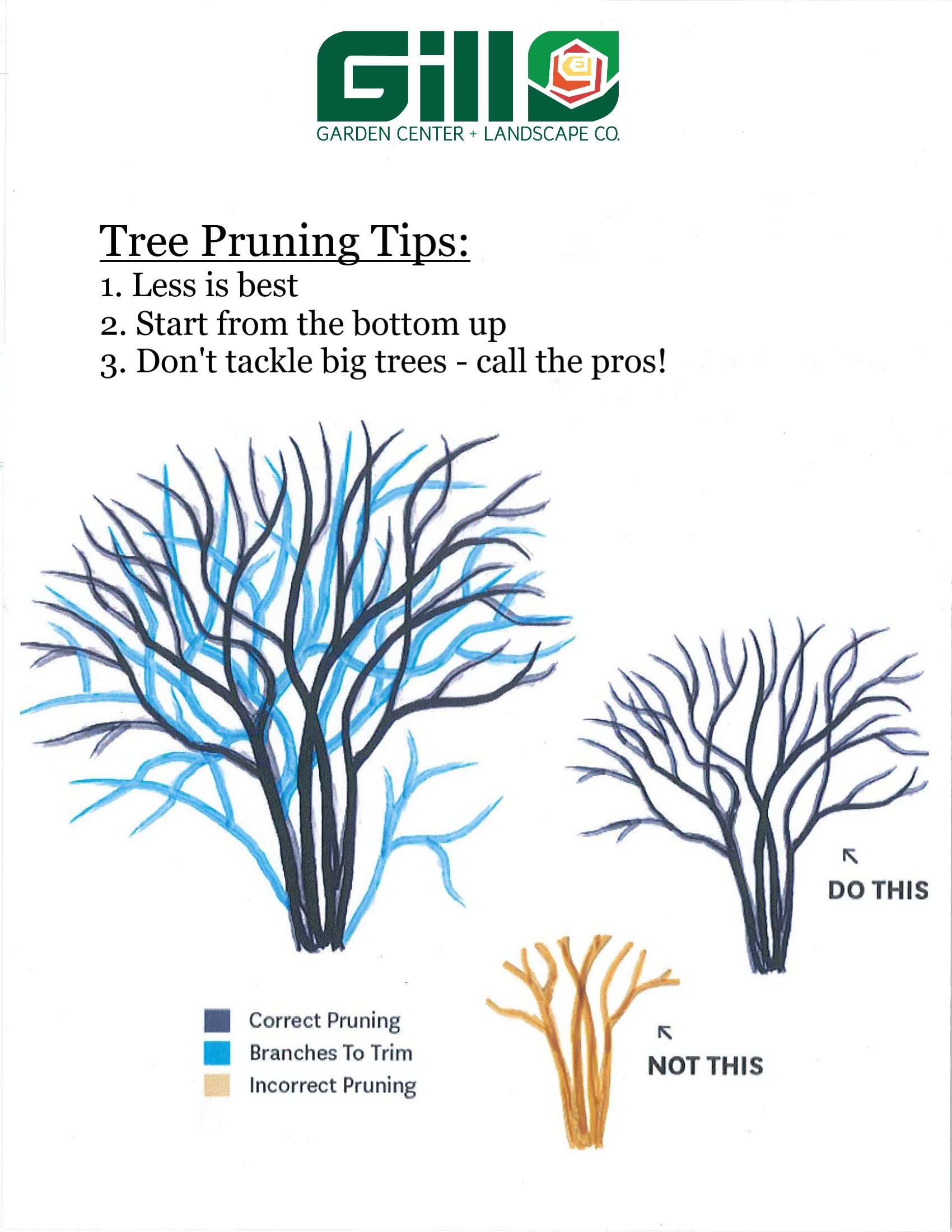
You can prune oak, mesquite, cedar elm, & crape myrtle. Do not top trees! Prune from the bottom up.


When or if temperatures dip below freezing:

Move tropical potted plants inside or group them together in a protected area so they may be easily covered.

Mulch and water newly planted trees and shrubs well; water tropicals and potted plants.
Cover tropicals and tender plants with frost blankets (which we sell), sheets, household blankets or plastic (Note plastic can burn the outer foliage it is touching).

Bring fabric all the way to the ground allowing heat from the soil to be trapped around the plant.

Uncover all plants as temperatures rise to prevent the foliage from scorching.

Read: Some tips on preparing for a freeze in last week's "Freeze Alert"

Lawn Care

Weed Control

Spot treat existing weeds growing now with natural horticultural vinegar or Captain Jack's Deadweed Brew. Both will burn any foliage so take care to not spray your plants or lawn.

Prevent weeds with Hi Yield Weed & Grass Stopper or Weed Beater Complete

Bare Spots & Brown Lawns

You can overseed your lawn now with winter rye grass seed (or fill bare spots with this seed) at the rate of 1 lb. per 100 sq.ft. We have it in 10 to 50 lb. bags.

Do not think about fertilizing until your lawn begins actively growing. Generally this is around early March.

Note:  You cannot apply both winter rye and pre-emergent weed control in the same lawn. The seed will not sprout.

Read: Why Won't My Weed Killer Work?, Our Secret Ingredient for a Happy Lawn

feb-guide

What To Plant

Vegetable Seeds

Beans, beets, broccoli, carrots, collards, dill, lettuce, mustard, parsley, Swiss chard and turnips Herbs, onions, & seed potatoes

Garden Guide: Updated - Vegetable Planting Dates

Vegetable Transplants

Tomatoes any time this month, peppers, squash and watermelon at the end of the month. Protect these from late freezes. We carry frost blankets!

Read: Growing Fresh Food, Pro Planting Tip: Not Too Deep

Read: Organic Gardening

Flower Transplants

Petunias, alyssum, dianthus, snapdragons, dusty miller, begonias, gerbera daisy, geraniums, impatiens, marigolds, phlox and bluebonnets

Garden Guide: Spring/Summer Annual Planting Guide

All hardy trees, shrubs, vines, fruit trees, fruiting vines, citrus (protect from freeze) and roses.

Garden Guide: Planting Trees, Shrubs & Groundcover

Prune

Don't Prune:

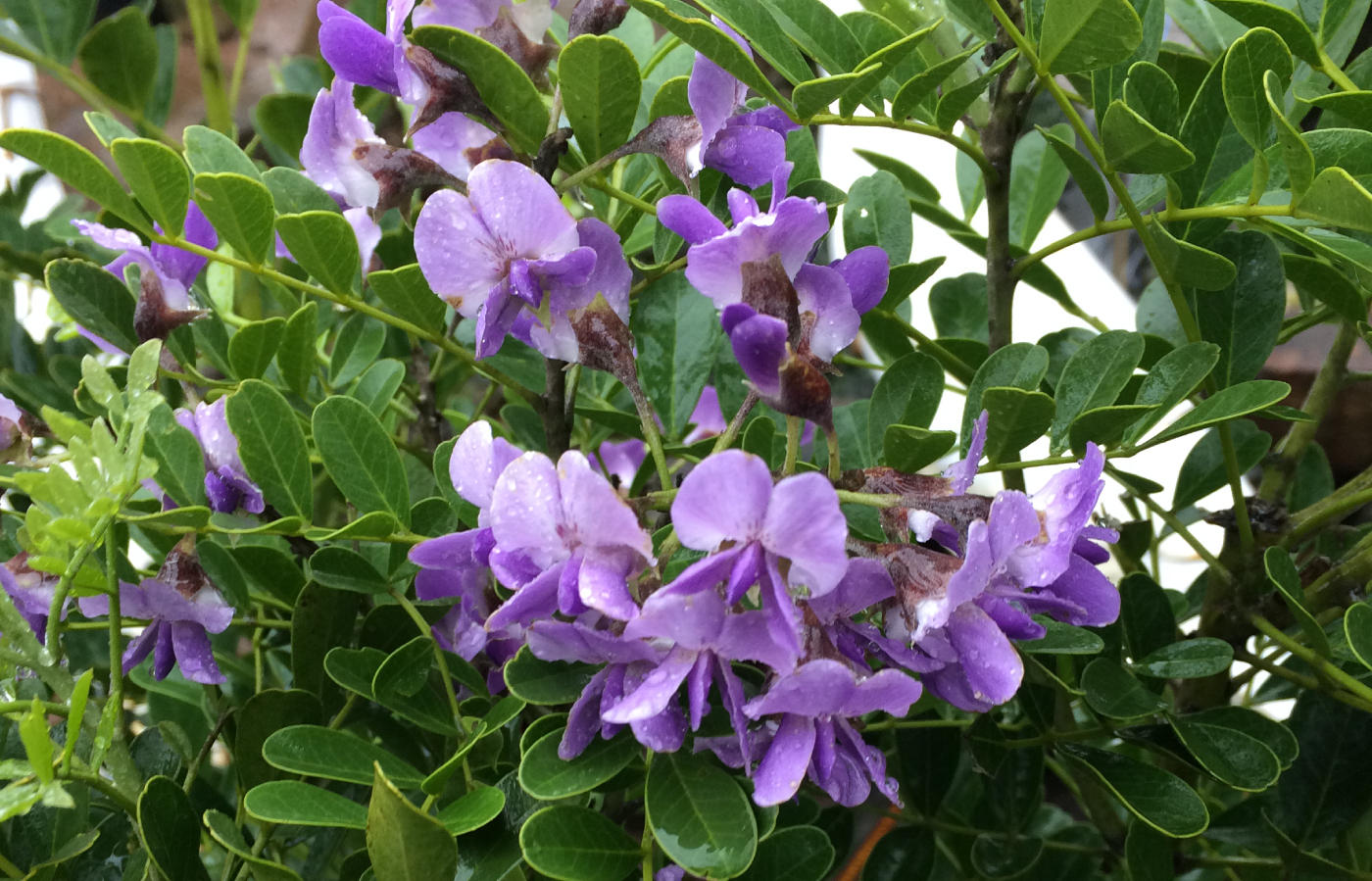
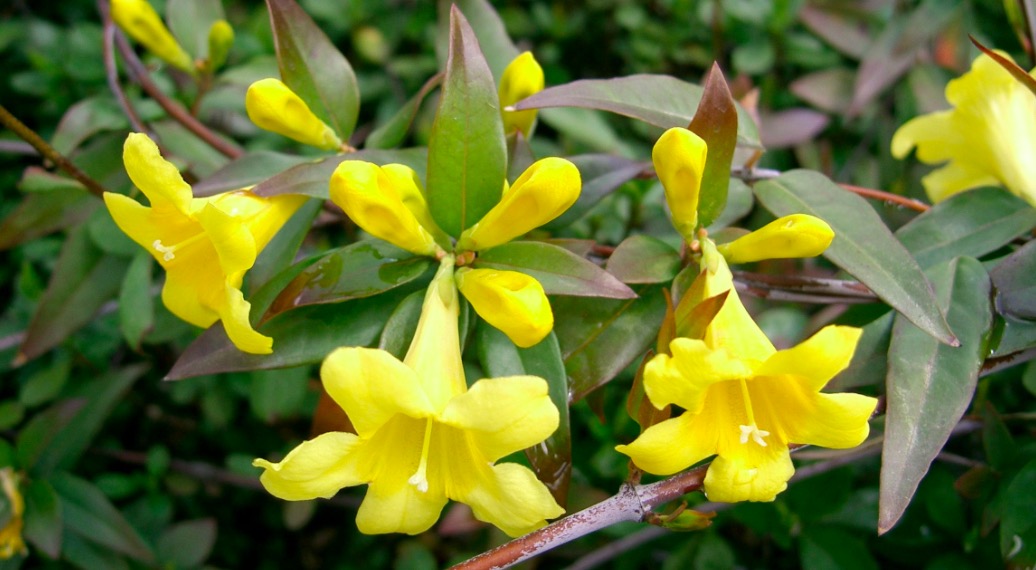
Early spring bloomers such as azaleas, Carolina jessamine, Indian hawthorn, Mountain laurel or Redbud. Prune these after they bloom.

Do Prune:

Fruit trees – peaches, apples, plum, pear lightly to shape (do not prune citrus)
Hardy dormant trees – oak, mesquite, cedar elm, and crape myrtle – Do not top trees!
Perennials that have finished their bloom.
Pick spent flowers from annuals to prolong their bloom season.

Read: Looking Sharp For Spring: How to Sharpen Your Tools

Pruning Roses – do it now!

Prune established garden roses early to mid-February. Remove dead or small twiggy growth, leaving strong healthy canes to a plant height of about 18”. Try to prune back to an outward facing bud to maintain spreading, open growth. Don’t prune climbers until after the heavy spring bloom, then removing only the oldest canes and cutting back healthy, vigorous canes no more than 1/3. Cut the flowers throughout the year. This will encourage new buds to form to cut and enjoy again. 

Houseplants

Give your indoor plants an inspection for insects. Most common are mealybugs, spider mites (not a spider), and scale.

  • White cottony stuff on the backs and crevices of the foliage: mealy bugs.
  • Spotted leaves with a sandpaper feel & tiny red specs: spider mites.
  • Black mold on foliage with waxy bumps on leaves: scale

All of these can be controlled naturally with Neem Oil or Spinosad Soap. It’s a good idea to spray/treat your plants outdoors then bring them back in once they’re dry.

Fertilize your indoor plants with organic Hasta Gro liquid and add nutrients with Worm Castings. 

Give plants a gentle wash either outdoors or in the tub or sink to remove dust

Repot anytime with good potting mix.

Invest in a moisture meter to help with watering decisions.

Fertilize

Annuals & Perennials

Fertilize organically with Medina Growin Green, Hasta Gro, Maestro Rose Glo, or Plant Tone.

Established Roses

Fertilize organically with Maestro Rose Glo or Plant Tone.

Established Citrus Trees

(3 years or older) Fertilize organically with Citrus Tone, Medina Growin Green, Hasta Gro, or Plant Tone, or conventionally with ammonium sulfate 21-0-0 available in 4 to 20 Lb. bags.

Cool Weather Vegetables

Fertilize organically with Medina Growin Green, Hasta Gro, Maestro Rose Glo, or Plant Tone, or conventionally with ammonium sulfate.

All granular fertilizer should be watered in well.
Do not fertilize tropicals - they need to rest.

Water

Only as needed – but dry cold fronts, high winds, and low humidity can dry plants quickly. Established lawns only need water every couple of weeks, provided we don’t get rain. 

Garden Guide: Good Water Practice for Established Trees, Shrubs & Lawns

Watch Out For

Lawn Fungus

This can be a major problem after long periods of wet, cool weather. There are 2 major lawn fungus – Take All Patch and Brown Patch.

Watch: How to Collect a Grass Sample

Read: Protect Your Lawn – Recent Take-All Root Rot Sightings

To Treat: Treat Take All Patch organically with Nature’s Blend Compost or Peat Moss, conventionally with Scotts Disease EX Lawn Fungicide or Fertilome Systemic Lawn Fungicide.

Treat Brown Patch Fungus with Fertilome Systemic Lawn Fungicide, or Fertilome F-Stop Granules.

Watch: Brown Patch Fungus

Scale Insects

Found on hardy trees and shrubs.

To Treat: Spray with Neem Oil Spray or All Season Oil

Leaf Chewing Worms & Insects

To Treat: Thuricide, Spinosad or Dipel Dust

When or if temperatures dip below freezing:

Move tropical potted plants inside or group them together in a protected area so they may be easily covered.

Mulch and water newly planted trees and shrubs well; water tropicals and potted plants.
Cover tropicals and tender plants with sheets, blankets or plastic. (Note plastic can burn the outer foliage it is touching)

Bring fabric all the way to the ground allowing heat from the soil to be trapped around the plant.

Uncover all plants as temperatures rise to prevent the foliage from scorching.

We carry frost blankets!

Lawn Care

You can still apply pre-emergent weed control to your lawn to prevent more weeds from sprouting. We recommend Hi Yield Weed & Grass Stopper with Dimension

You can overseed your lawn now with winter rye grass seed (or fill bare spots with this seed) at the rate of 1 lb. per 100 sq. ft. We have it in 5 to 10 lb. bags. Just remember you cannot use a pre-emergent when planting seed.

Fertilize your lawn when it begins actively growing. This is usually late February to mid March. We recommend organic Medina Growin Green. All fertilizers require water to work, so plan on watering after you apply.

Eliminate broadleaf weeds with Image, Ortho Weed-B-Gon for Southern Lawns.

Control growing weeds naturally with Horticultural Vinegar or Captain Jack's Deadweed Brew treating only the weeds. It will burn all plant foliage.

Lay new sod anytime.

Watch: How to Collect a Grass Sample

march-garden-guide

What To Plant

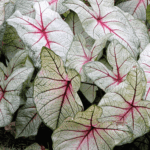
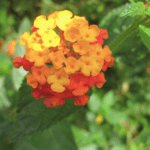
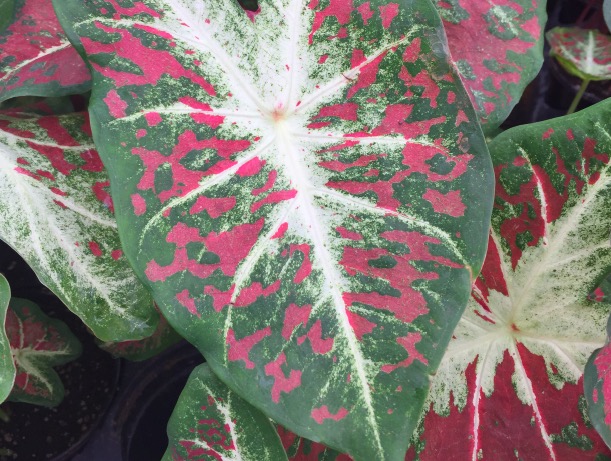
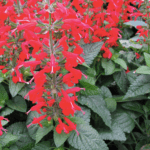
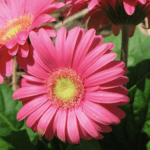
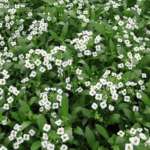
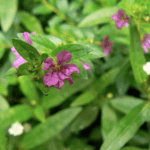
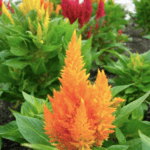
Most annuals and perennials can now be purchased as transplants this month. Here is a list of some of our favorites: (L-R) caladiums (plants and bulbs), larkspur, petunias, salvia, gerbera daisy, alyssum, false heather, celosia, lantana, coleus.

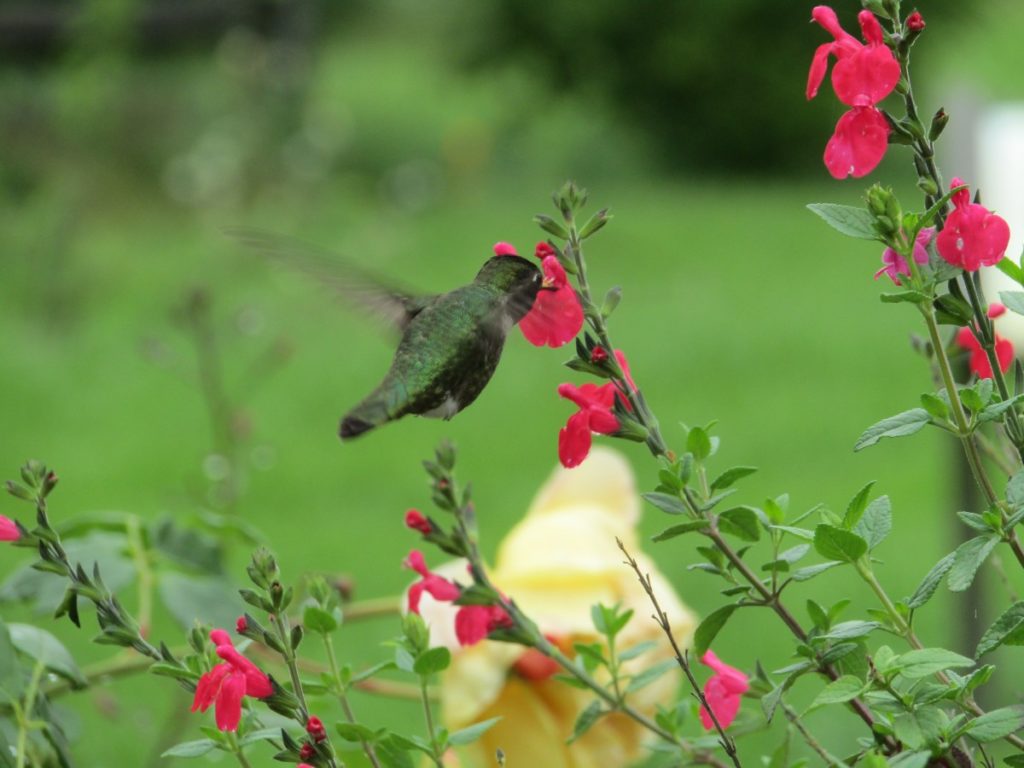
Read: Fuel For Your Hungry Hummers


Vegetable Seeds

Beans, okra, radish, pumpkins, and watermelons, squash, cantaloupe, basil, corn

Vegetable Transplants

Tomatoes, peppers, cucumbers, squash, eggplant, and strawberries
Garden Guide: Vegetable Planting Dates

Hardy Trees, Shrubs, Vines, Grasses

All hardy and tropical trees, shrubs, vines and grasses. I can’t think of one that can’t be planted now!

Bulbs & Caladiums

Late spring and summer bulbs such as caladiums, and elephant ears


Houseplants

March is a great time to clean, trim, and feed your houseplants. As the sun becomes stronger, plants may require more waterings. Check more often. Consider repotting in Spring. Over Winter, houseplant roots can outgrow their existing pots.
Fertilize

AZALEAS, GARDENIAS, MAGNOLIAS

Fertilize organically with Maestro Gro-Rose Glo or Espoma Azalea Tone.

HIBISCUS & TROPICAL BLOOMERS

Fertilize all hibiscus and tropical bloomers organically with Maestro Gro-Rose Glo, or conventionally with Hibiscus Food.

ALL TREES & SHRUBS

Fertilize organically with Milorganite, Medina Growin Green, Plant Tone, or Hasta Gro. 

ANNUALS & PERENNIALS

Fertilize organically with Medina Growing Green, Hasta Gro, Maestro Rose Glo, or Plant Tone, or conventionally with Osmocote Time Release Granules.

ESTABLISHED ROSES

Fertilize organically with Maestro Rose Glo or Plant Tone.

ESTABLISHED CITRUS TREES

Fertilize organically with Citrus Tone.
Read: Fertilize Your Citrus Now

All granular fertilizer should be watered in well.

Prune

  • All dead and freeze damaged wood from hardy and tropical trees, shrubs, vines and perennials
  • Wait to prune early spring bloomers like Azaleas, Carolina Jessamine, climbing roses, Texas Mountain Laurels, and Indian Hawthorn until after they finish their bloom.

Water

  • During current drought restrictions, you CAN hand water everything except for your turfgrass lawn. You CAN use drip irrigation on your watering day every other week. And you CAN still apply for a temporary watering rules exemption to get new plantings established.
  • Keep in mind - outdoor potted plants dry out quickly, as do hanging baskets and small annuals.
  • Mulch all plants and trees to help hold moisture. Don't mulch right up to the trunks/main stems of plants - give them a little breathing room. And never create a "mulch volcano" against tree trunks!
  • Catch rainwater and A/C condensate to help conserve water - plants love both!

Garden Guide: Good Water Practice for Established Trees, Shrubs, and Lawns

What to Watch Out For

Protect your Lawn from Oak Leaves

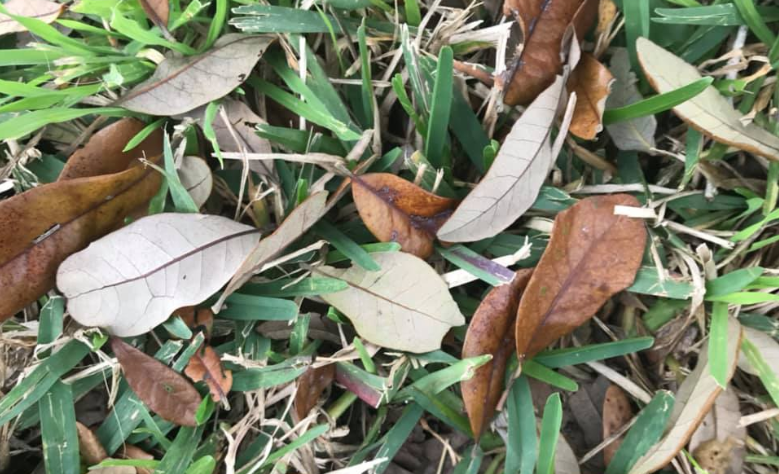
Live oaks are following their natural pattern of dropping old leaves before the new leaves come on. Now it’s time to get those oak leaves off your lawn before it suffocates the grass. Under large oaks, since the grass is often thin and stressed anyway because of shade, using a blower is less stressful on the weak turf than a rake.

Control Aphids, Pillbugs, & Caterpillars in Your Veggie Garden

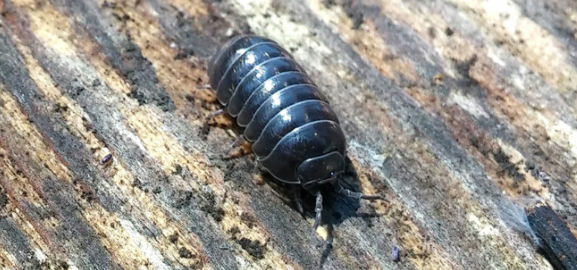
Keep organic Spinosad soap handy for Aphids and Pillbugs, or release some ladybugs. Caterpillars can be controlled organically using Bt (Thuricide spray or Dipel dust). Inspect your veggies every day and you'll catch most pests before they become a problem. 


Lawn Care

Rethink Lawn Spaces

Given our drought situation/lawn watering restrictions, many of us are deciding to reduce lawn space. Traditional turfgrass lawns require lots of water and they don't provide much, if any, benefit to pollinators. Plus, much of our lawn space sits unused. Does every square foot need to be turfgrass, or could you create new beds for blooming perennials? Could you convert areas to native groundcovers like Frogfruit? Could you add some nice pathways or seating areas with a nice firepit? So many options!

Weed Control

Given our drought situation/lawn watering restrictions, decide whether you really want to control weeds. Weeds are green and they don't need much water! Plus they'll help keep the ground cooler. Many of us are choosing to mow the weeds down to keep them from reseeding rather than spraying or removing them. 

If you do need to spray/control, spot treat existing weeds growing now with natural horticultural vinegar or Captain Jack's Deadweed Brew. Both will burn any foliage so take care to not spray your plants or lawn. 

If you want to prevent weeds, apply Hi Yield Grass and Weed Stopper or Weed Beater Complete to help control existing weeds and prevent new ones.

If you want to kill existing weeds, apply Weed-B-Gon for Southern Lawns or Image once our weather warms up to 70-80 degrees with no rain for about 5 days. They are safe for Floratam & Raleigh St. Augustine and Bermuda. Give them 2 weeks to fully work and then it should be time to fertilize the lawn. This is why we don't recommend or sell "weed & feed" type products. Take care of weeds first, then fertilize. 

Fertilize

Fertilize when the grass is actively growing. You can't be too late, you can only be too early in spring. Apply organic Medina Growin Green or Milorganite and water in well (approximately 30 minutes per area). Normally, we wouldn't recommend trying to time your fertilizing with rainfall, since heavy rains can wash away the fertilizer. However, given current watering restrictions, try to take advantage of a light/moderate rain. Lay new sod anytime, bermuda seed anytime this month.

Read: Treat For Take-All Patch in Lawns

Watch: How to Collect a Grass Sample

april-garden-guide

What To Plant

Late spring/summer blooming annuals and perennials:

For sunny areas:
Zinnias, periwinkles, moss rose, purslane, lantana, blue daze, false heather, salvia, ice plant, gomphrena, ruellia, coreopsis, and pentas.

Read: Create Your Own Butterfly Garden

For shady areas:
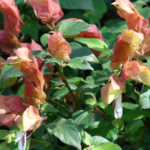
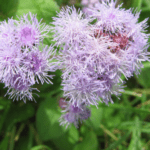
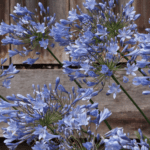
Shrimp plant, ageratum, agapanthus, caladiums, coleus, begonia

Vegetables

Seeds:
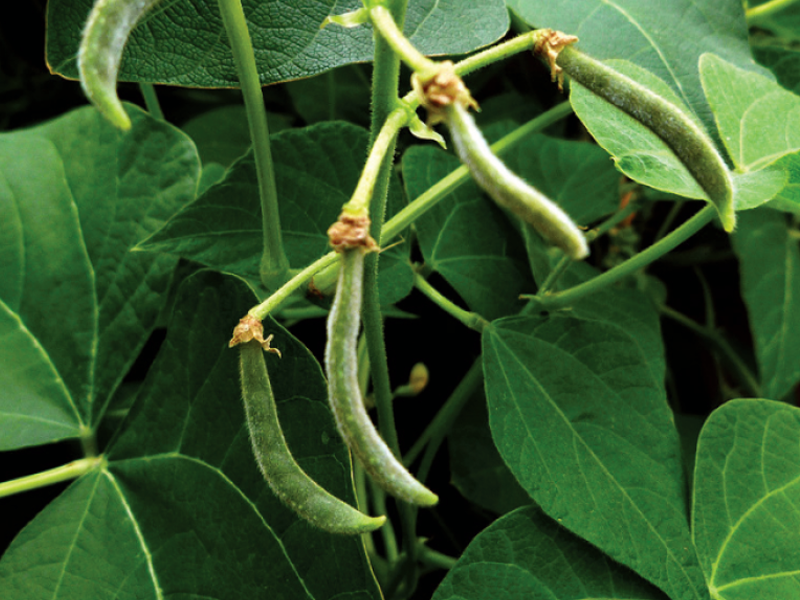
Okra, beans, black eyed peas, watermelon, ornamental gourds, cantaloupe


Transplants:
Peppers, cucumbers, squash, eggplant, okra


Indoor Plants

Pro Tips for Houseplants

  • If your houseplant looks unhappy, think location first. It may need to be moved to a different spot with different lighting.
  • Keep them away from the AC vents (they like humidity and the AC dries them out)
  • General rule for watering; water well then re-water once the soil feels dry to the touch
  • Spring is time to start fertilizing your houseplants. Your plants will love organic Hasta Gro
  • If they are getting too big for their pots, bump up to a slightly larger pot. Watch video

Read: Plants, the Perfect Rx for Clean AirPro Planting Tip: Not Too Deep

Fertilize

Established citrus trees

(3 years or older)

Fertilize organically with Citrus Tone, Medina Growin’ Green, Hasta Gro, or Plant Tone.

Azaleas, gardenias, and magnolias

Fertilize organically with Maestro Gro-Rose Glo, or Espoma Azalea Tone.

Annuals and perennials

Fertilize organically with Medina Growin’ Green,  Hasta Gro, Maestro Rose Glo, PlantTone, or conventionally with Hibiscus Food.

Established roses

Treat organically with Maestro Rose Glo, PlantTone, or conventionally with Hibiscus Food

Trees and shrubs

Fertilize trees organically with Medina Growin’ Green or Milorganite. Feed shrubs organically with Medina Growin’ GreenPlant Tone, or Liquid Hasta Gro. 

Warm weather vegetables

Fertilize organically with Medina Growin’ Green, Hasta Gro, Maestro Rose Glo, or Plant Tone.

Prune

Early spring bloomers:

Early spring bloomers: Including azaleas, indian hawthorn and caroline jessamine – wait to prune until AFTER they bloom

Hedges:

Trim hedges as needed to maintain good form.

Poinsettias:

Prune to approximately 12” tall.

Watch Out For

Watch out for pest outbreaks on everything from vegetables to trees. They should be out in full force and hungry. Watch for powdery mildew and blackspot on roses.
Read: With The Spring Flush Comes Insects

Caterpillars:

Treat organically with Spinosad or Thuricide, or conventionally with Cyonara.

Read: Caterpillar Alert!
Read: Are Your Bougainvilleas Being Chewed?

Scale:

Treat organically with Neem Oil Spray, Spinosad Soap, Bee Safe 3 in 1, or conventionally with Cyonara.
Read: Does Your Hackberry Have Wooly Aphids?

Beetles, Aphids:

Treat organically with Spinosad Soap, Diatomaceous Earth, Bee Safe 3 in 1, or conventionally with Cyonara.

Fungus, Powdery Mildew:

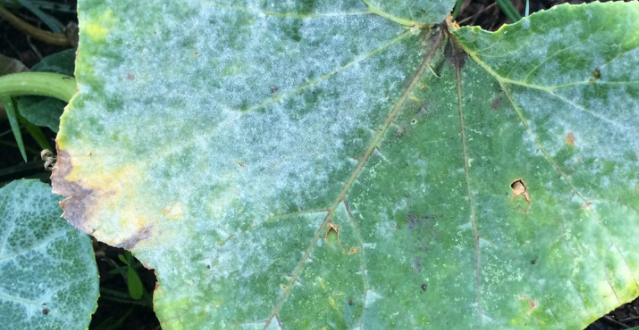
Treat organically with Neem Oil or Revitalize Fungicide 5, or  conventionally with Fertilome Broad Spectrum Fungicide, Systemic Fungicide

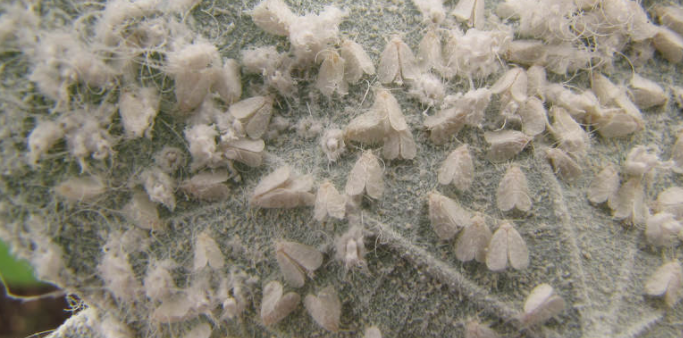
White Fly:

Treat organically with Insecticidal Soap, Neem Oil, Bee Safe 3 in 1, or conventionally with Cyonara.

Mulch

Apply mulch around trees, flowerbeds and vegetable gardens to reduce weeds and help retain moisture. Good mulch layer = less watering!

We recommend:  Hardwood, black velvet, cedar, and pine straw mulch. These reduce weeds well and will not float away. They're all natural and will break down over time and add nutrients to your soil. Plus, they keep underlying roots up to 20 degrees cooler! 

Lawn Care

Fertilize when the grass is actively growing

Feed organically with Medina Growin’ Green or Milorganite. Organic lawn food is best for long-term root and soil health.

Eliminate broadleaf weeds

Treat with Ortho Weed B Gon for Southern Lawns for broadleaf weeds, Image for grassy weeds and sticker burrs.

If you treat for weeds, wait 3 weeks before you fertilize.

Read: Time to Fertilize and Get Rid of the Weeds!

Lay new sod

Lay new sod or plant Bermuda seed anytime this month.

Read: St. Augustine Turf Grass: Varieties We Sell and Their Characteristics

Watch: How to Repair Dead Patches in Your Lawn
Watch: How to Collect a Grass Sample

Water

*While turfgrass lawn watering with city water is prohibited during current watering restrictions, residents can use free reclaimed water from the Oso Wastewater Treatment Plant. Apply for a permit here. Residents can also hand water trees, which should be done at the drip line, therefore lawns can get some benefit from good tree watering.