Garden Center Hours: Mon-Sat 9am - 5:30pm • Sun 10am - 5:30pm

Spring has SPRUNG!! Gorgeous weather, rain in the forecast, and the nursery is bursting at the seams with all kinds of blooms! Here are our top must-do’s in the garden this March – time to get planting!
1. Get Your Veggies Going Right Now

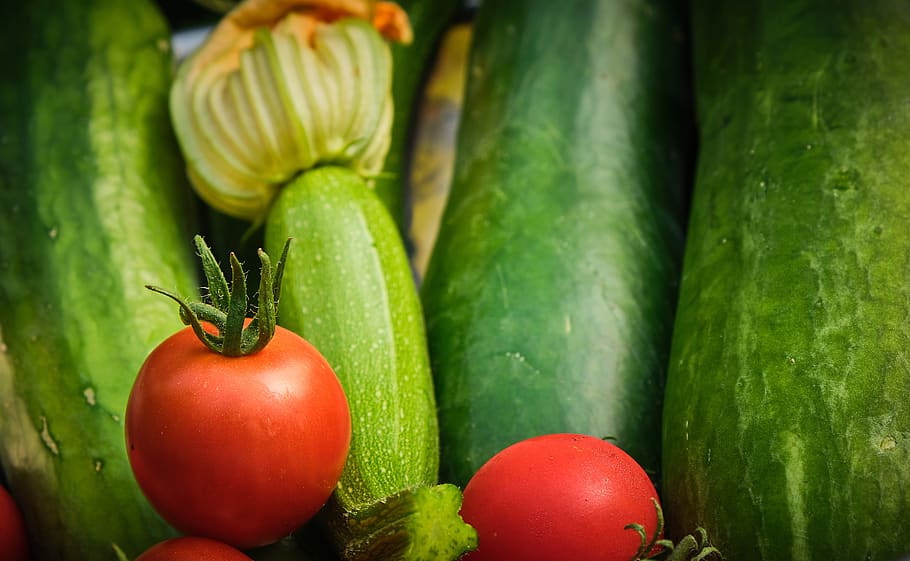
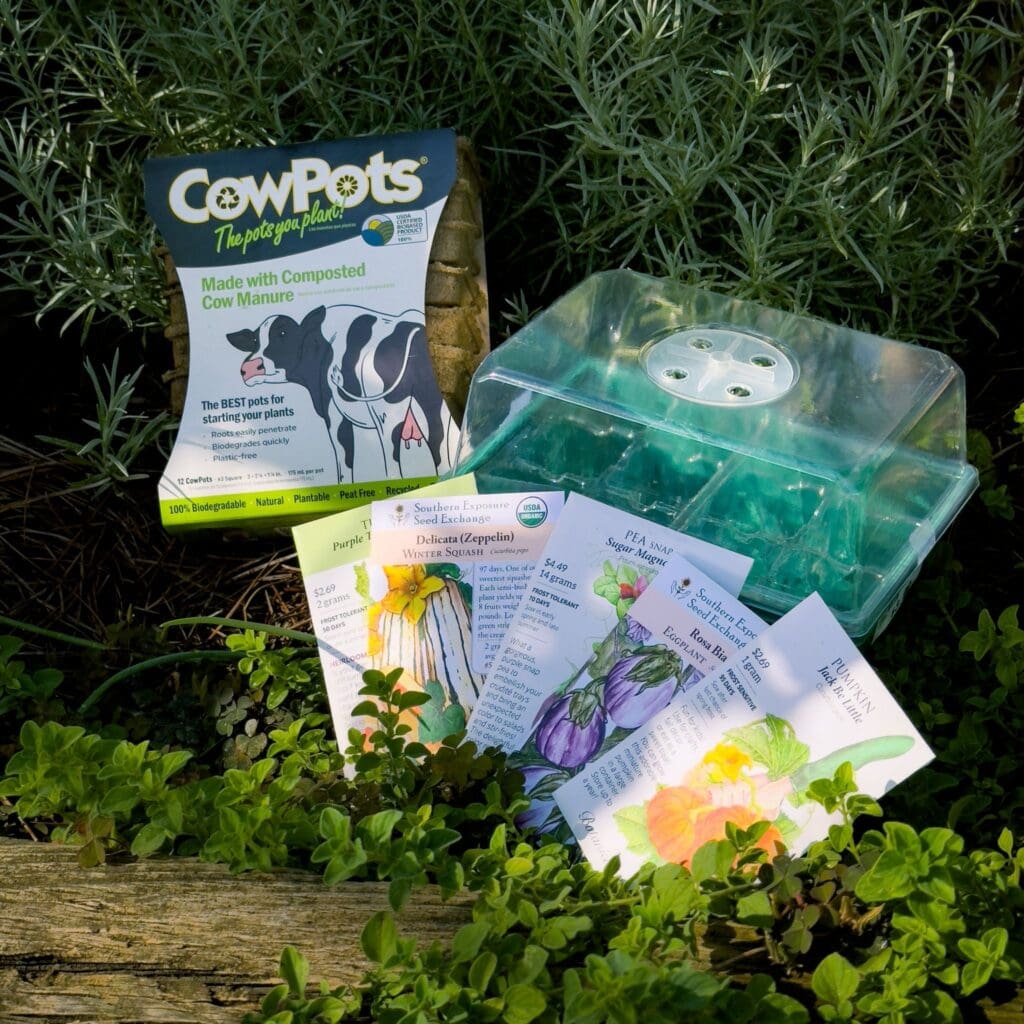
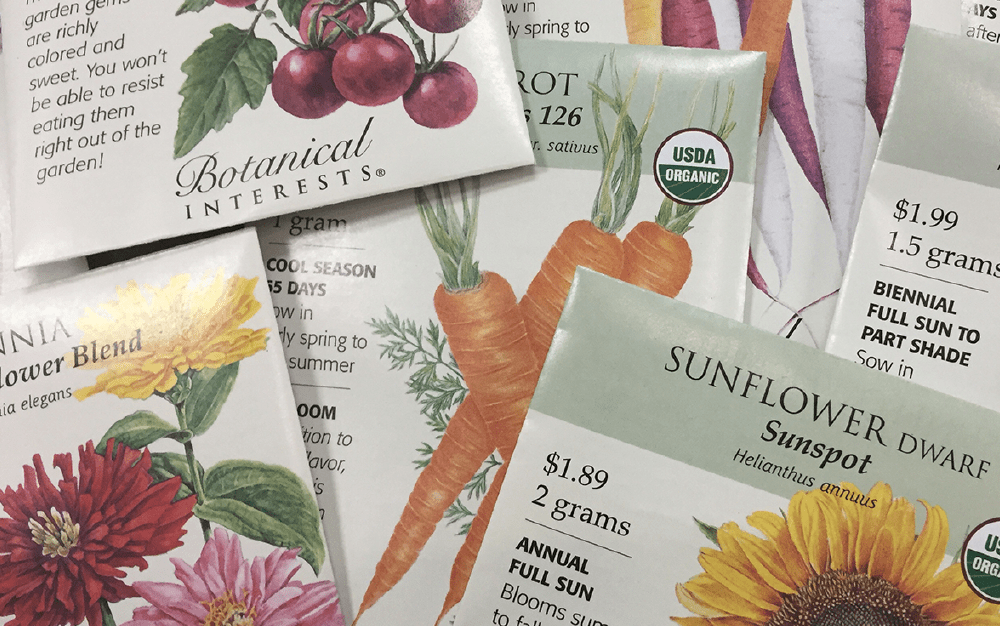
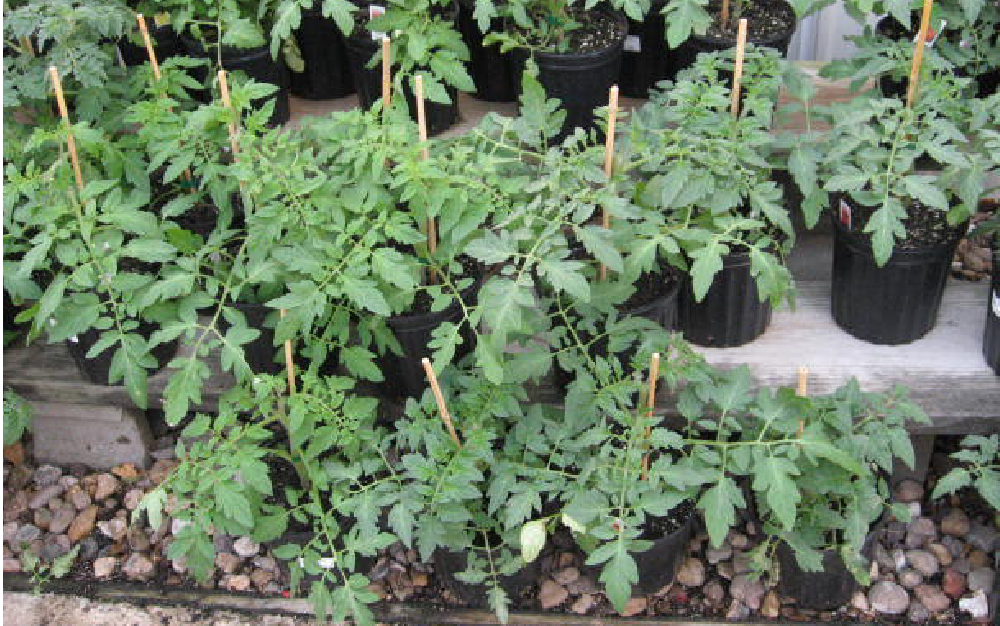
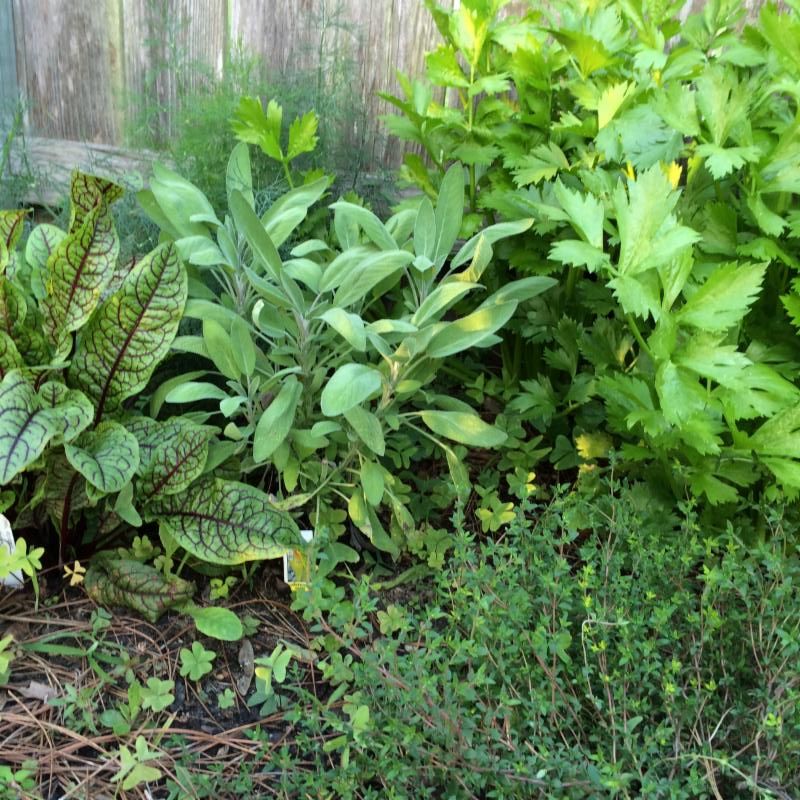
We must say…our veggie and herb section is looking mighty good right now! We’ve got tons of different tomatoes, jalapenos, super hot Carolina Reapers, cucumbers, squash, eggplant, asparagus, lemongrass, basil, and lots more ready for your garden. Be sure to get your tomatoes going early this month so they have time to produce before it gets too warm – don’t miss your window. The rest of these can be planted any time this month, but you don’t want to wait much longer. Take advantage of the perfect weather!

2. Fertilize Regularly Starting Now (except for lawns!)

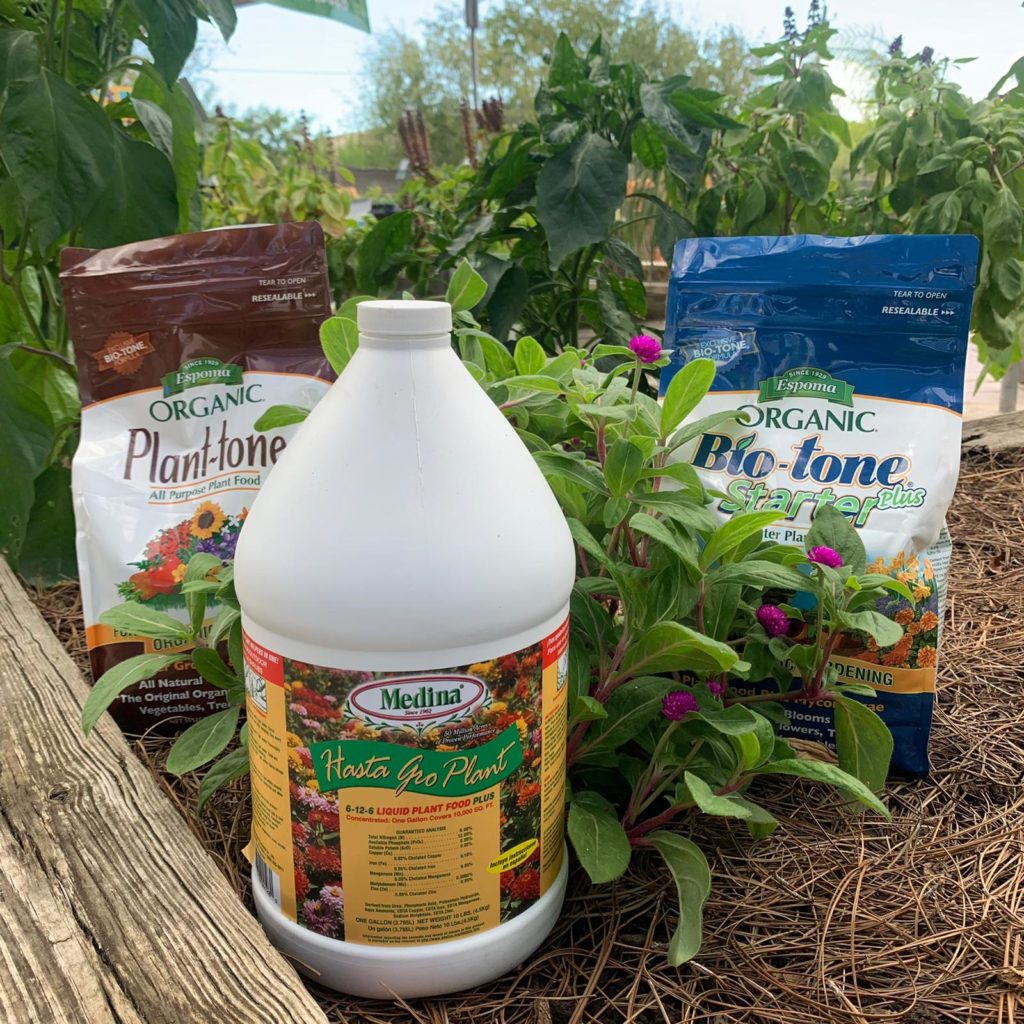
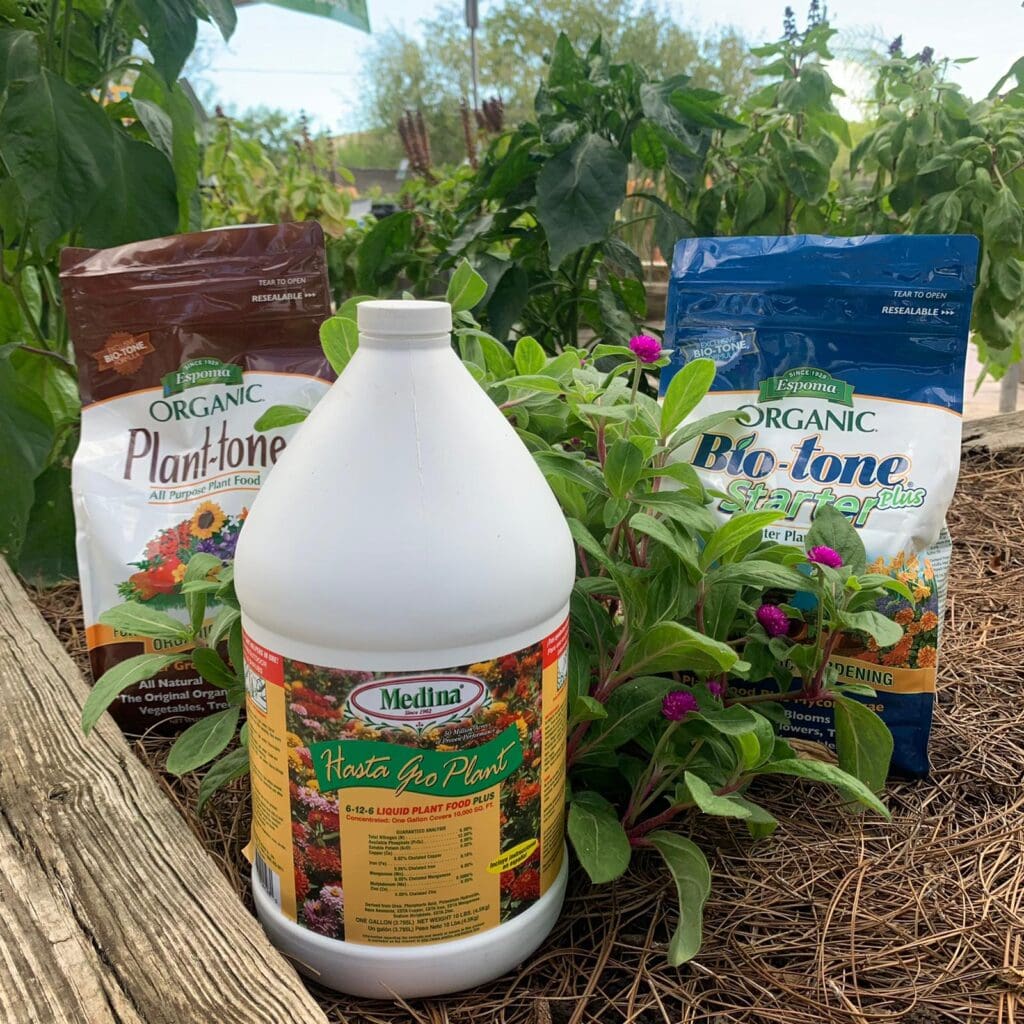
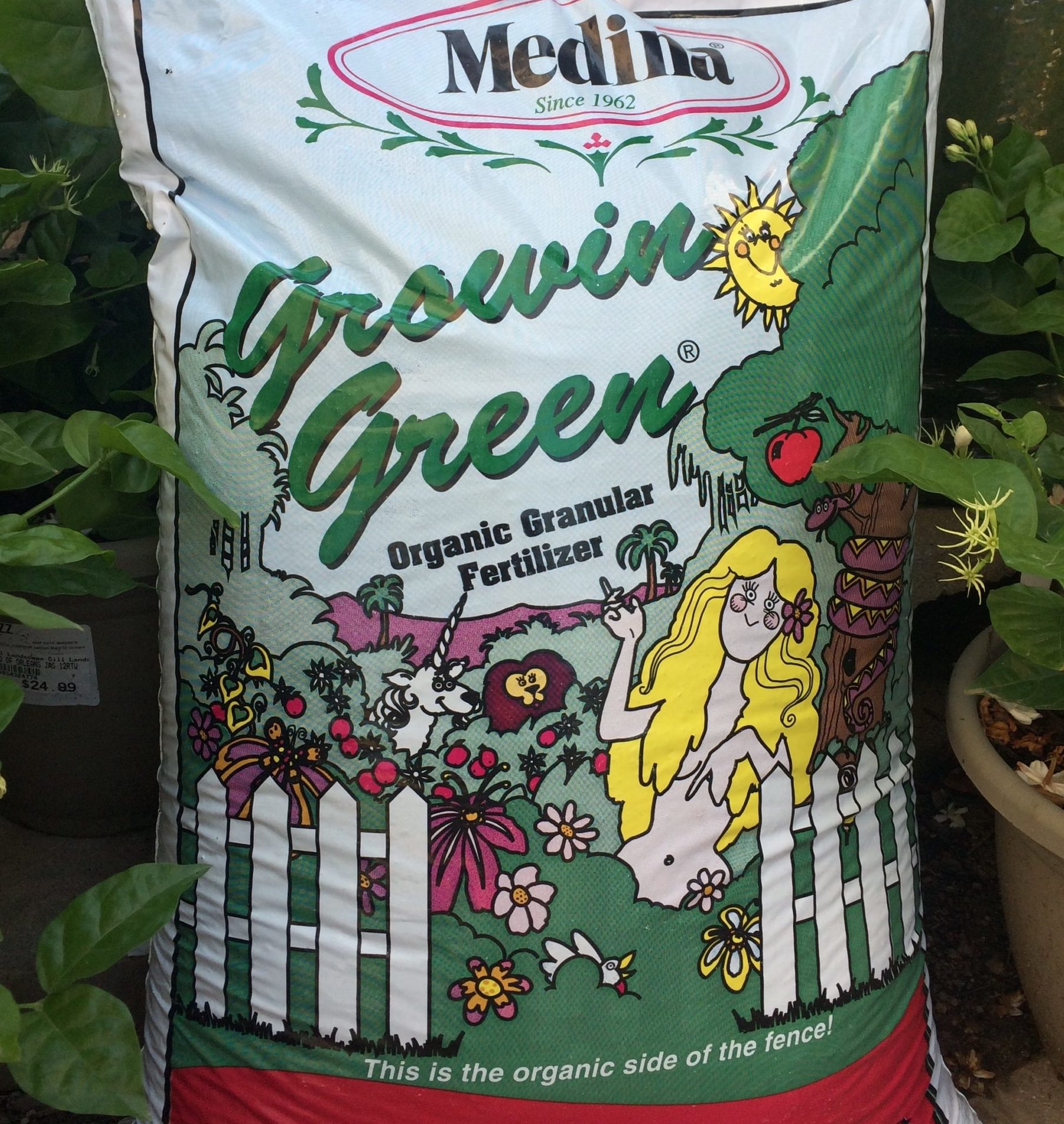
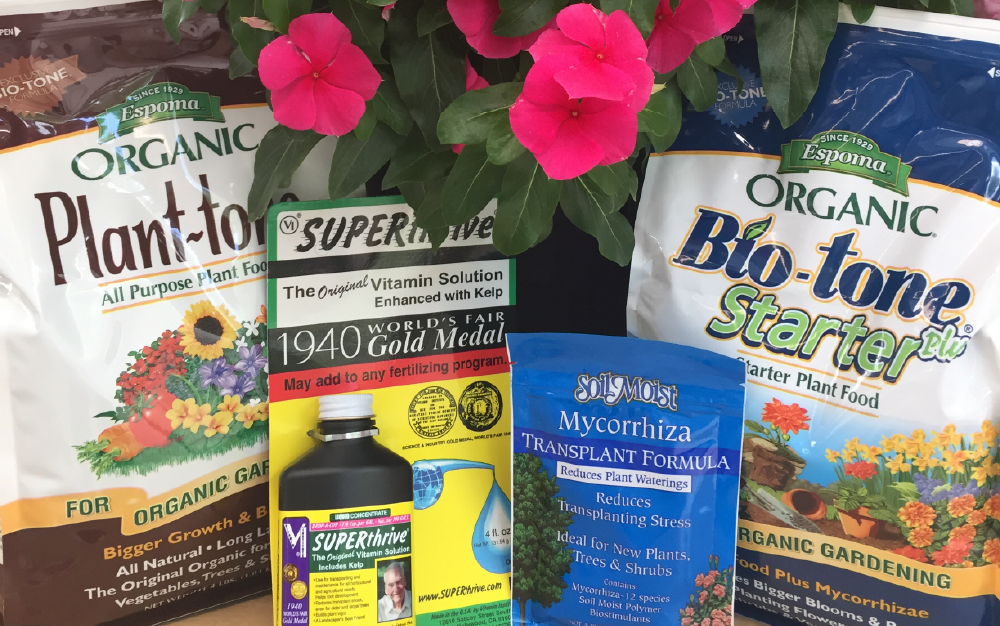
The time to fertilize is when plants are actively growing. That’s when they take up nutrients and get the most benefit from a good feeding. Flowers and veggies are especially heavy feeders because they’re working to produce a bloom and fruit. And you will certainly notice a difference with your landscape plants as well. Apply a good all-purpose organic food like Plant Tone, Medina Growin Green, or Rose Glo once a month for great results. Don’t sprinkle your granular fertilizer right up against the trunk of the plant. Instead, sprinkle at the drip line, aka where rainwater would drip off the outermost leaves. That’s the zone where plants take up the most nutrients. After you’ve applied your granular food, circle back every 2 weeks to supplement with liquid Hasta Gro. Almost everything should be fed starting now, except lawns! Wait to fertilize lawns until late March/early April.

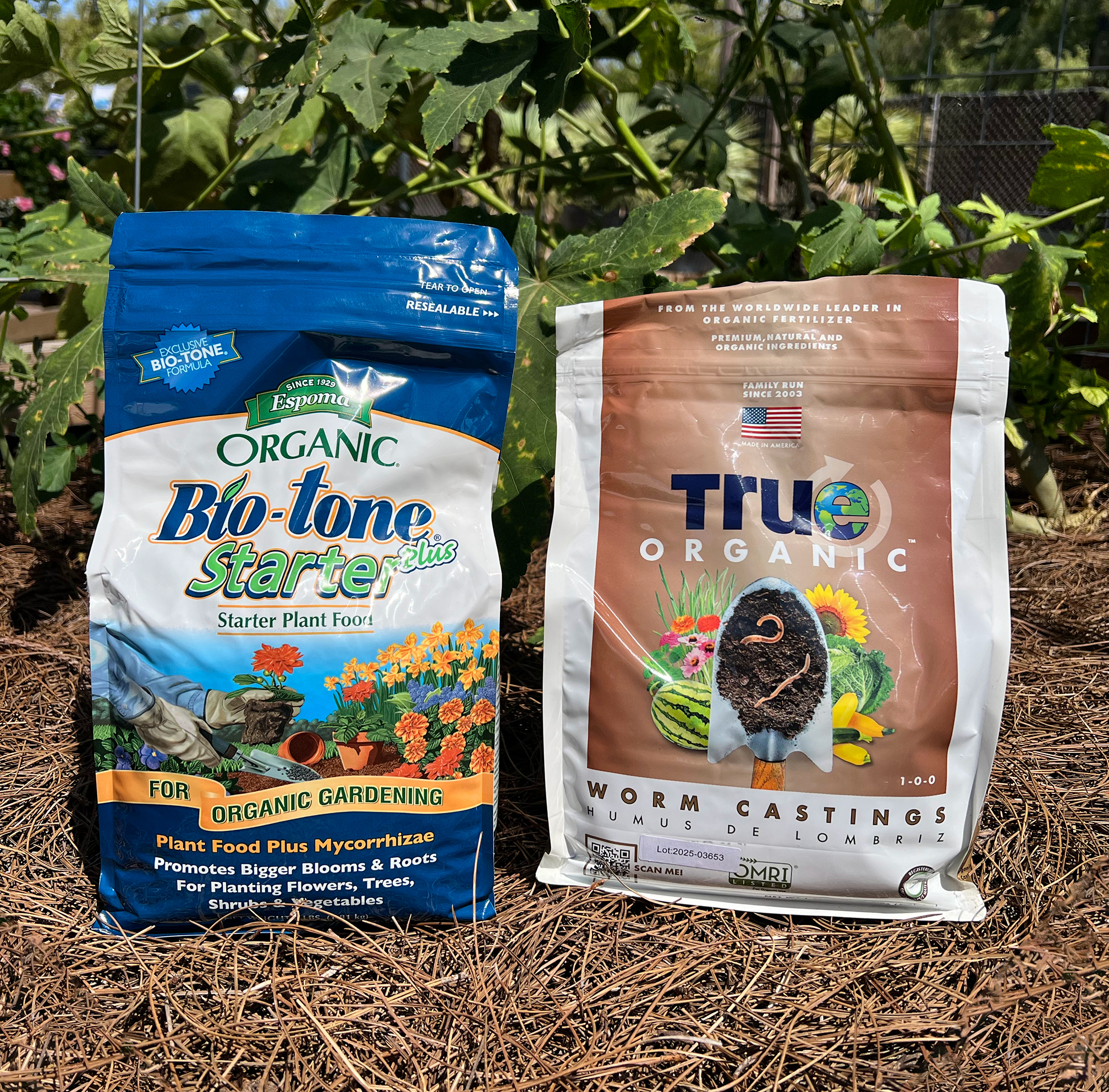
Added bonus: When planting, add a little Bio Tone starter fertilizer to the soil when you backfill. It contains all sorts of beneficial organic matter, including mycorrhizal fungi which help stimulate better root growth. Amazing stuff!

3. Whatever You’re Planting – Add Compost!

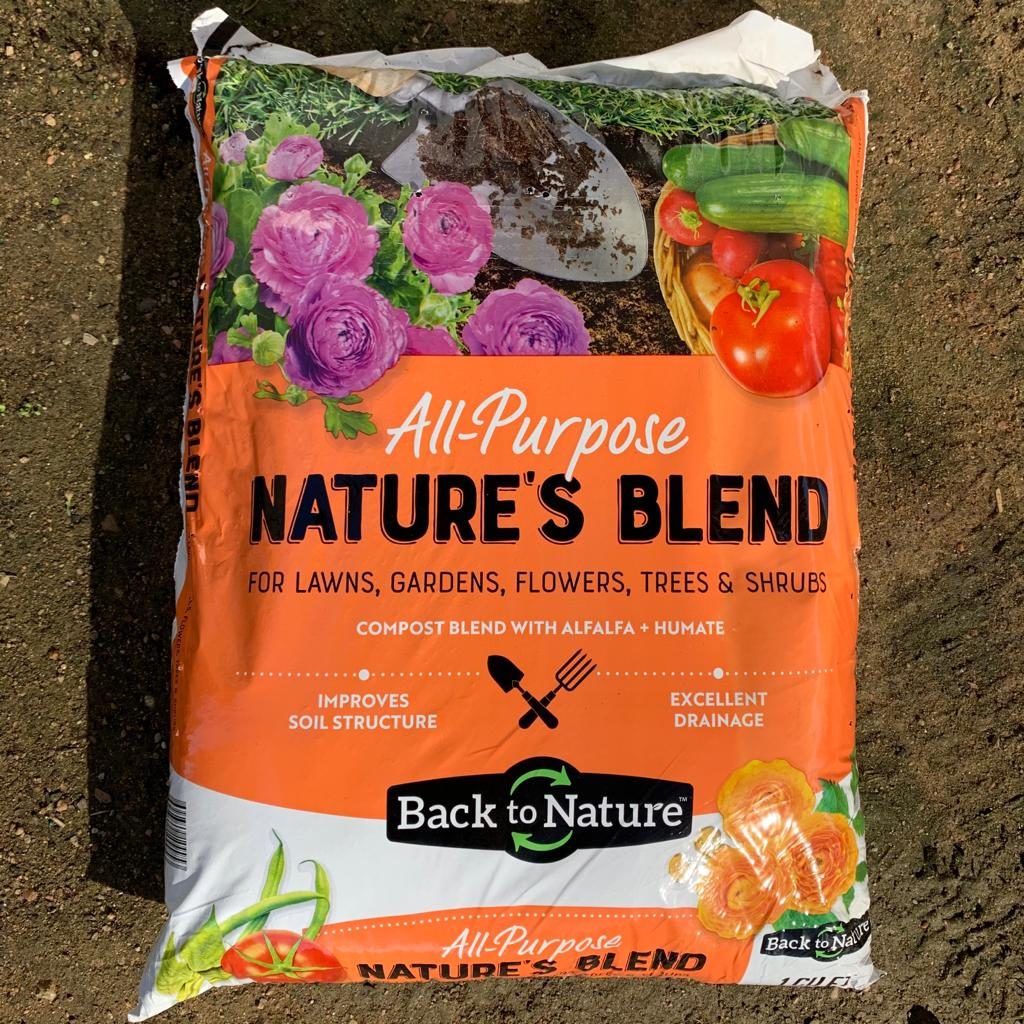
Whether you’re starting a veggie garden, planting trees or shrubs, annual flowers, or blooming perennials, add some compost to improve the quality of your native soil. We love our Nature’s Blend or Cotton Burr Compost. Whichever you choose, 1 bag improves about 12 sq ft of clay or sandy soil and gets it ready for planting. That’s a good approximate ratio if you make your own compost too. Adding compost not only improves the consistency of your soil, it adds LIFE! All those beneficial microorganisms help turn your soil into the perfect environment for plant roots.

4. Plant Level – Not Too Deep!

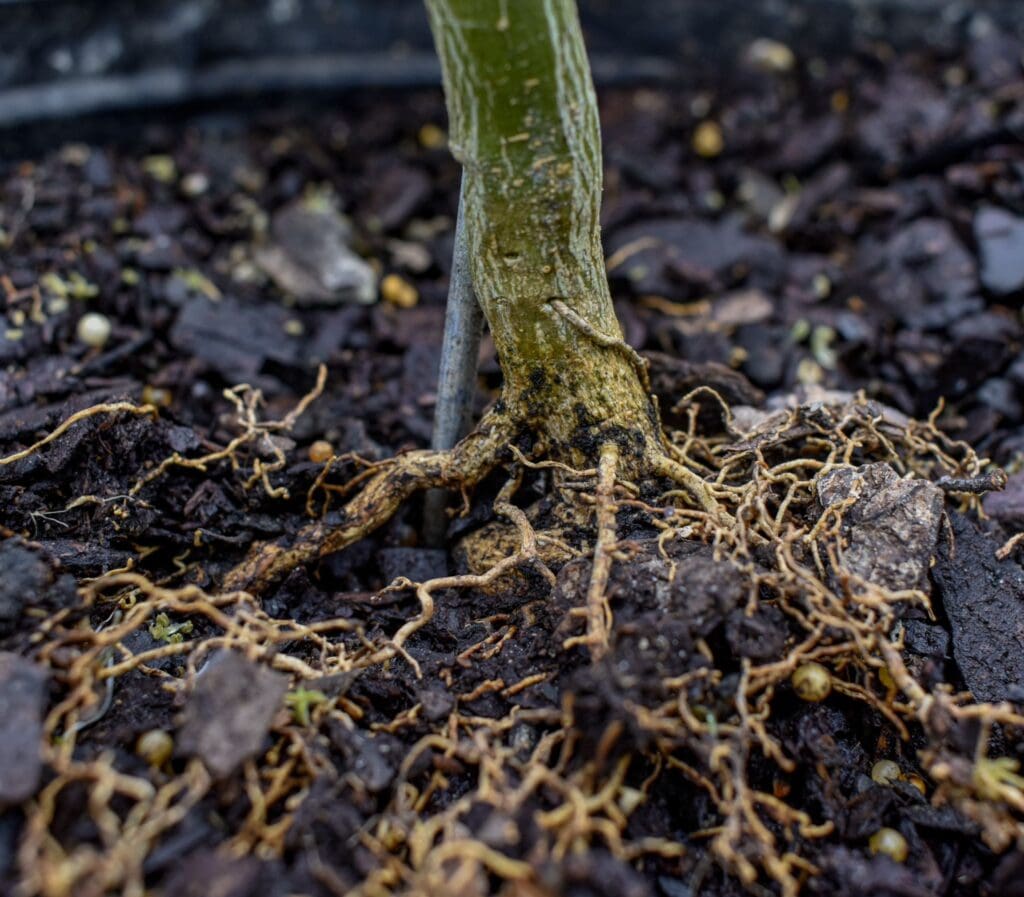
When planting this Spring, DON’T PLANT TOO DEEP! Plant level with the surrounding soil (or even slightly higher) and don’t cover the top of the root ball with soil. Plants have tiny feeder roots on the surface of the root ball that are critical for taking up nutrients and for oxygen exchange. If you bury these surface feeder roots, the plant will suffocate and decline. After you plant, use a moisture meter to be sure you’re getting moisture down into the ground when you water.

5. Invite Pollinator Helpers to Your Garden

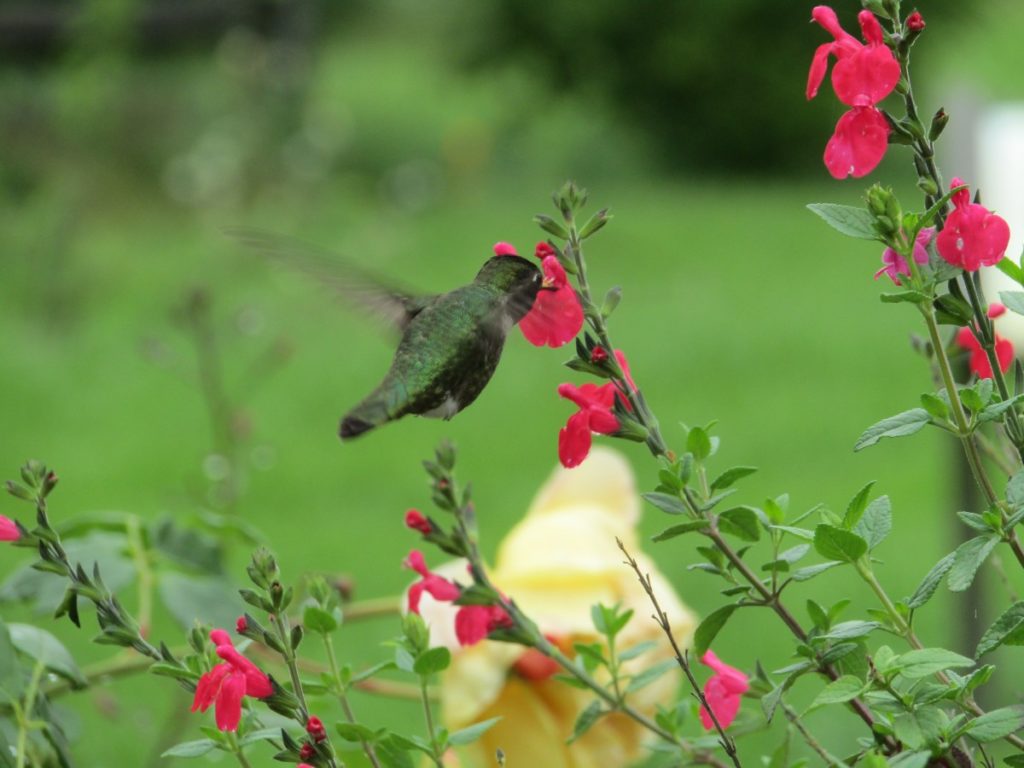
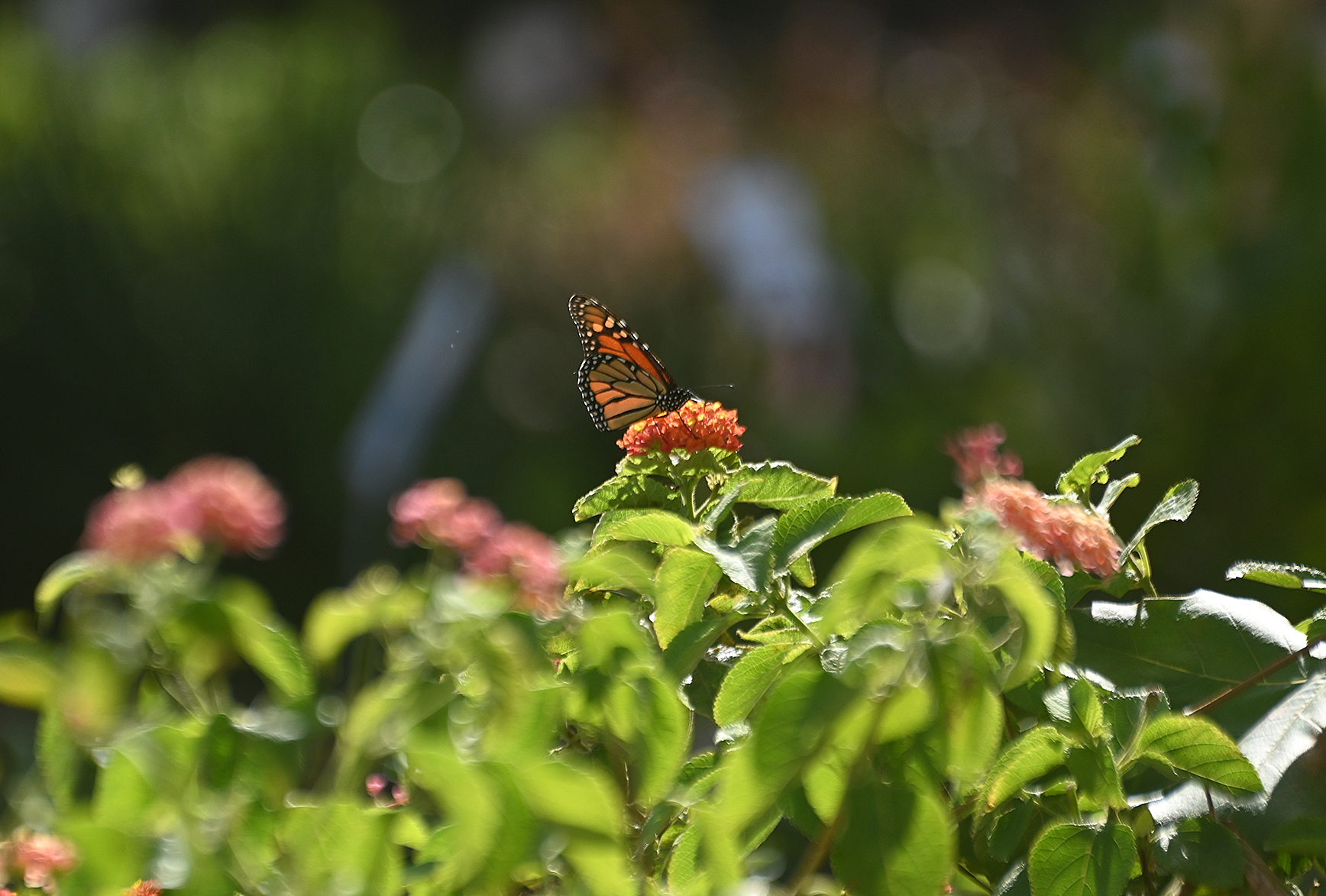
Now is an important time to incorporate plants into your garden that attract & feed the birds, bees, butterflies, moths, and other pollinators. They need your help finding food and shelter, and you need their help pollinating your blooming plants, increasing your veggie production, and eating bad bugs. Bees are drawn to most anything with a bloom but some fav’s are native Gregg’s Mist Flower, Esperanza, & Lantana. Butterflies love Salvias and Mexican Flame Vine too. Native plants like Turks Cap and Yaupon Holly produce berries for birds, and Hummingbirds love Duranta, Mexican Honeysuckle, & lots more! Keep in mind that pollinators need help locating these food sources. Think about planting several of the same plant together to help make them more visible to our pollinator friends. 

p.s. If you want to learn more about bees, join us here at Gill’s this Saturday, 3/7 at 10am for a special garden talk:  Beekeeping & Honey Processing with Hebert Honey!

6. Plant Drought-Tolerant Color!

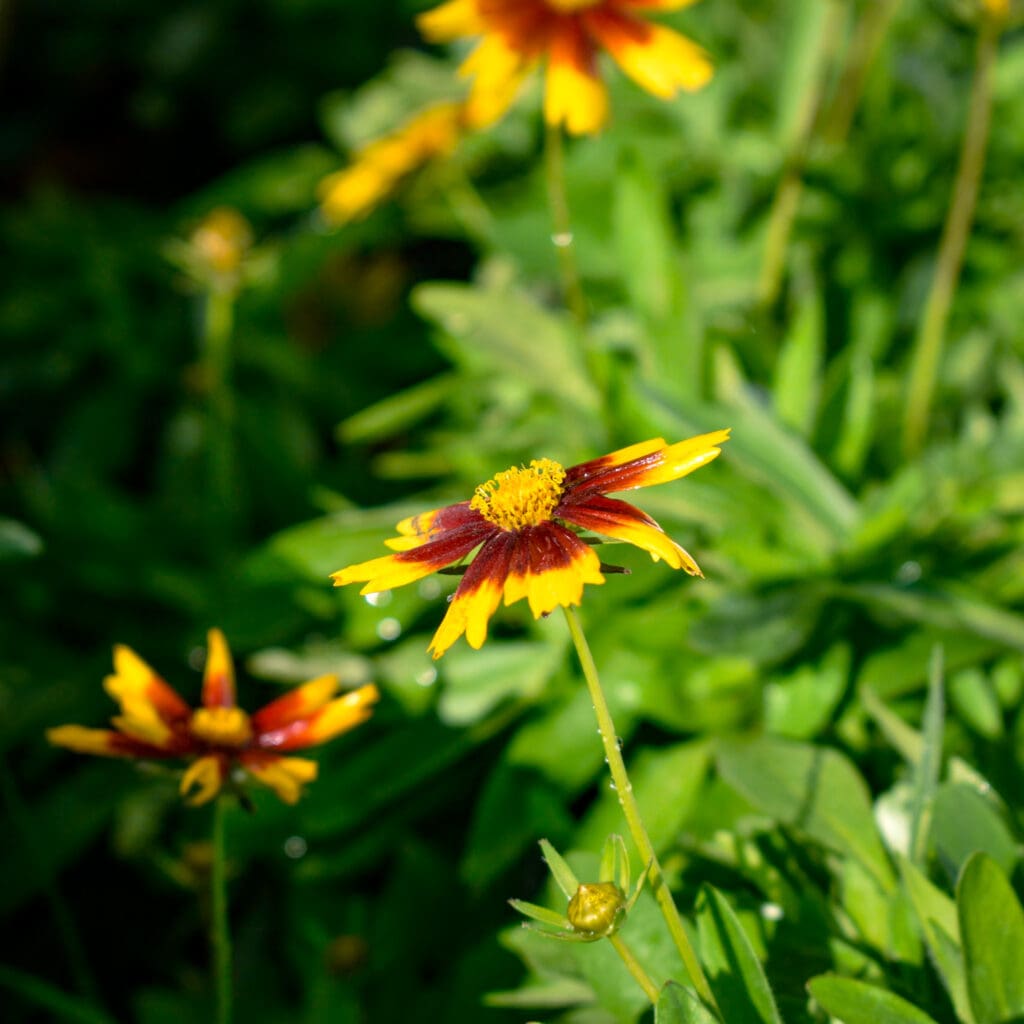
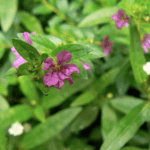
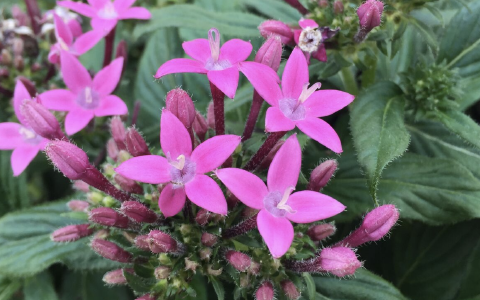
Q:  Can I use far less water and still have a gorgeous landscape bursting with color? A:  Absolutely, you can! Given our drought situation, we’re sourcing even more of the tried and true, top-performing plants that don’t require much water once established. Think about a rainbow of Coreopsis (pictured), native Blackfoot Daisy, Mexican Heather, Bulbine, and all the different color Salvias and Lantanas – all very tough and water wise perennials that will carry you through the seasons. Think about creating some areas of interest in the ground or in pots with Gomphrena, Bluebonnets, and Pentas, all of which thrive with little water. Speaking of pots, even bright sweet potato vine is a low-water winner. 

Keep in mind – turfgrass lawns are by far the thirstiest part of our landscapes. Now’s a great time to reduce lawn space by creating or expanding planting beds, converting to native groundcover like Frogfruit, or adding pathways and other features. How much of your lawn space are you actually using? 

7. Come to Our Nightbloom Event Next Thursday!

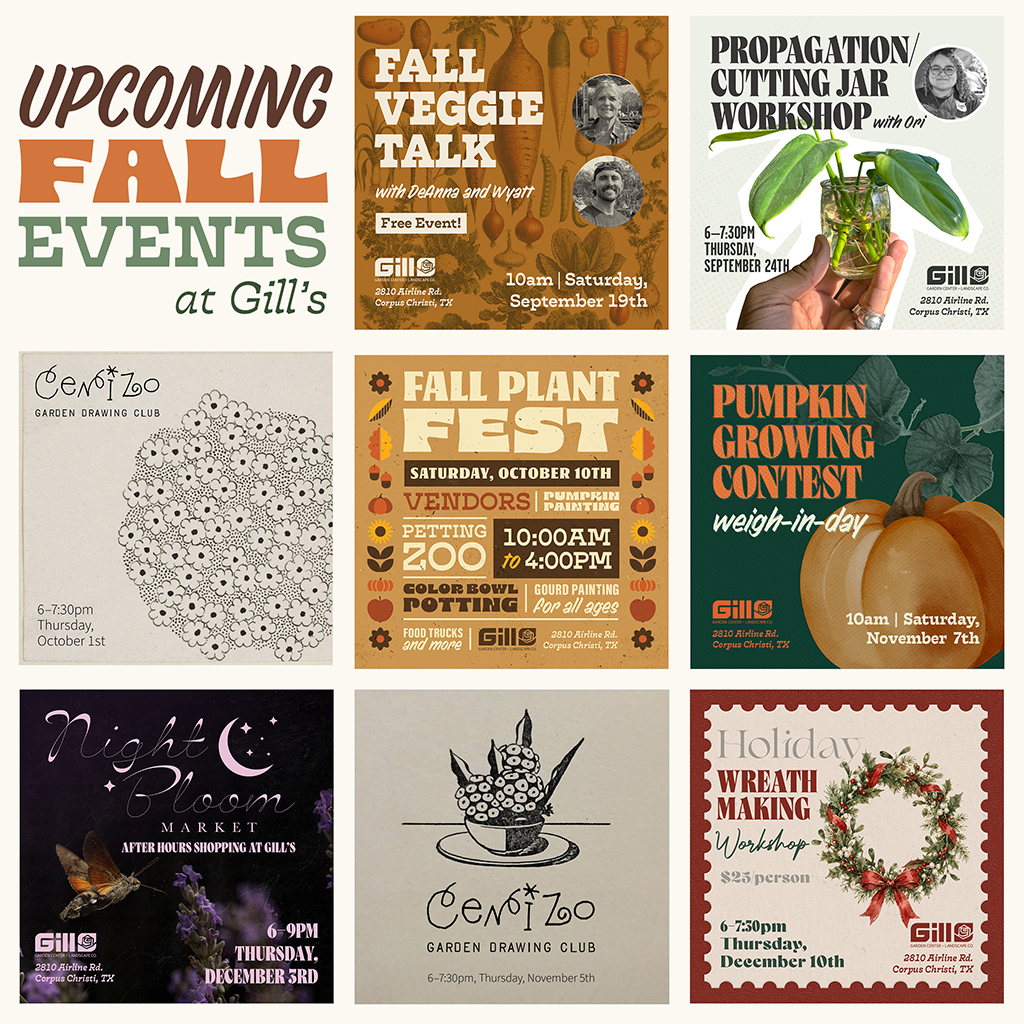
Did you know we’re hosting our first-ever night time shopping event at Gill’s next Thursday evening, March 12th?! Stop by and see the nursery lit up at night – it’s magical! Stay tuned to all of our upcoming talks and events here, and follow us on Instagram and Facebook for updates. 

p.s. Now you can sip and stroll at Gill’s any time – we’re stocked with cold drinks including beer & wine 🙂


How is it almost June already?! It doesn’t feel like it! Mild temperatures and wonderful rainfall are making our transition into summer a breeze. Here are our top priorities in the garden this month, including what to plant, how to adjust watering, pests to watch out for, and how to keep plant roots cool and happy. Plus, we’re hosting lots of fun events throughout the month!

1. Water Low & Slow to Maintain Depth Moisture

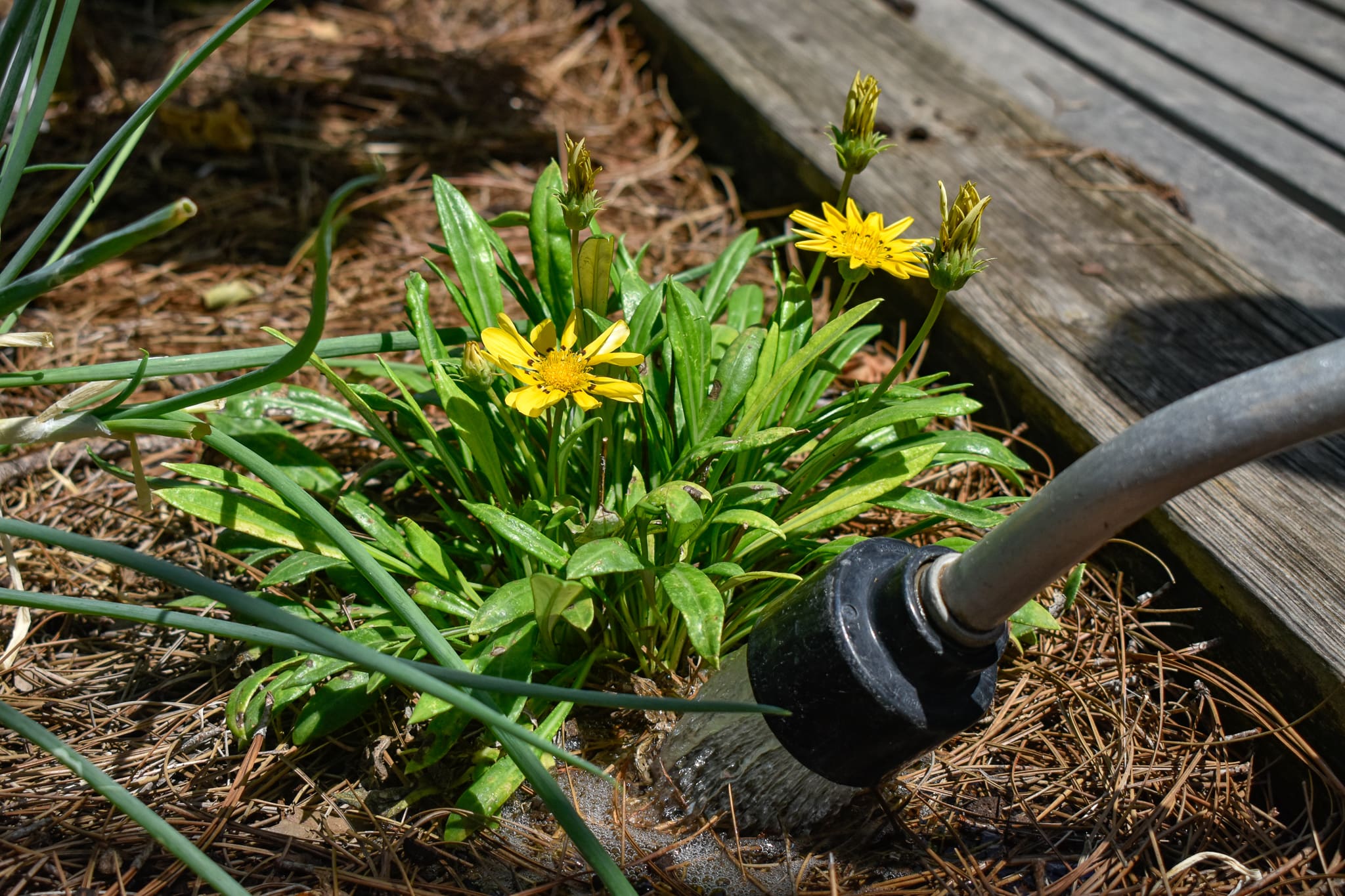
Our goal this month is to maintain the depth moisture that recent rains have created. It’s much easier and takes far less water to maintain that depth moisture than it does to build it back up again if we let the soil get too dry. The key is  watering low, as in as in low to the ground to avoid evaporation, and slow as in not with your hose open full-blast. This helps decrease runoff and get more water down to the roots. Consider setting up your own automatic drip irrigation system – they’re easy to DIY and they operate on the low & slow principle. Also, be sure to use the cycle & soak method, which simply means water once, let it soak in for several minutes, then come back and water again. This makes sure you’re pushing water down deep. 

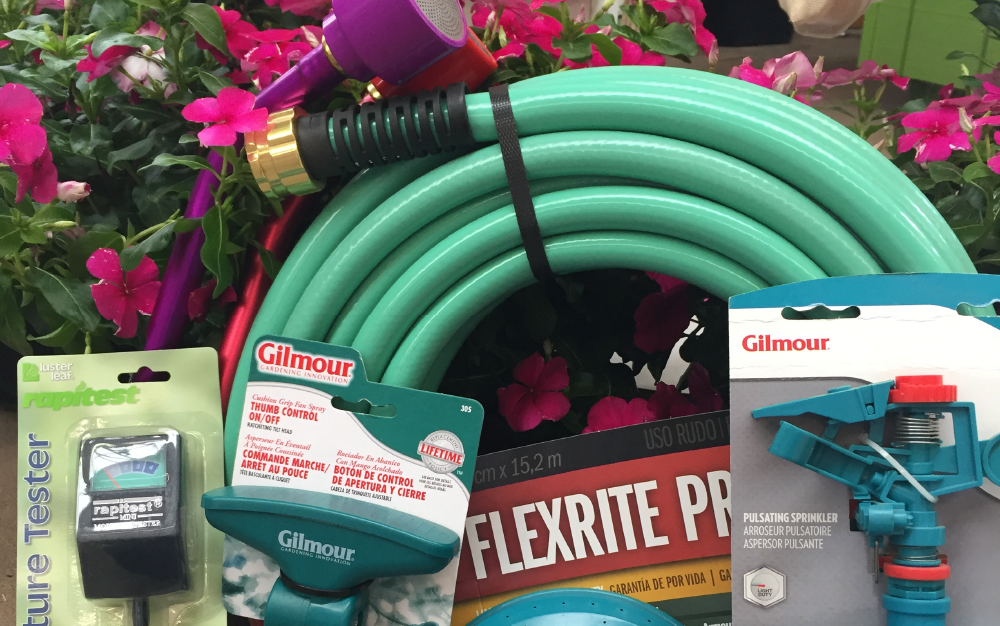
Pro tip:  Use a moisture meter in your landscape beds and pots! We carry them for around $10 and can show you how easy they are to use. They have a long soil probe that tells you whether you actually have good moisture (or too much) down deep where it’s needed. They’ve saved many plants!

2. Keep Soil Moist & Roots Cool with Mulch

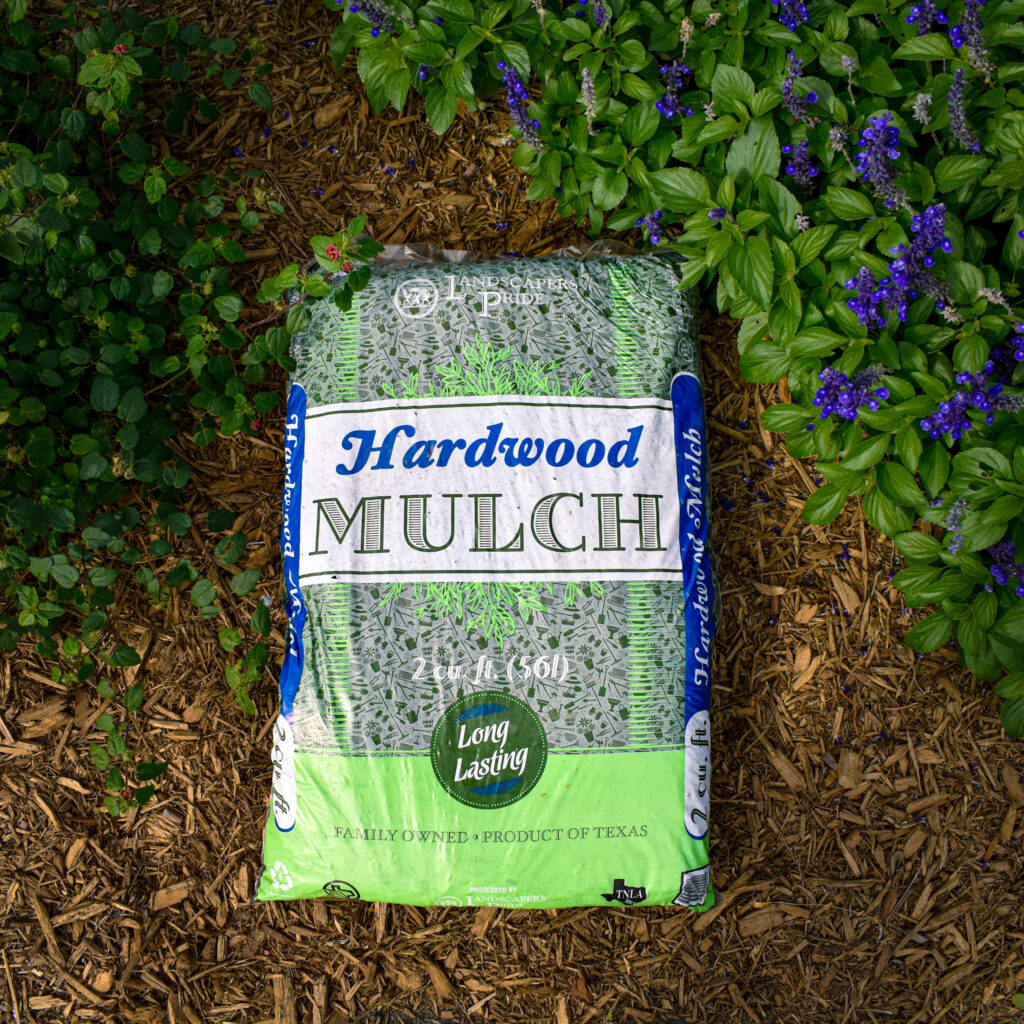
A good mulch layer (2-3″ deep) has so many benefits. It looks amazing, keeps weeds down, helps retain moisture, adds organic matter to the soil, AND keeps plant roots nice and cool in the summer. Bartlett Tree Research Laboratories shared amazing results with us from a mulch study they conducted in San Antonio a few years back. Soil temperatures were measured at 6″ deep (where plant roots live) on a 105 F summer day. Bare soil, 6″ down was 102 F. Soil under grass was 92 F. Soil beneath a 3″ layer of mulch was only 76 F!! Mulch your beds! Mulch also makes a great placeholder while you’re still deciding what to plant. 

3. Plant Blooming Perennials for Summer!

So many of our favorite plants for South Texas don’t just tolerate warm weather, they only begin to thrive and look their best in the summer. Think of blooming perennials like Firebush, Esperanza, and Pride of Barbados for awesome summer impact. Think of big purslane hanging baskets, Gomphrena, and Periwinkles for bursts of bright color. And browse our Texas native plant section for plants and trees that have thrived through hundreds and even thousands of Texas summers. If you’re still wanting to plant food, you can do that too – okra, basil, eggplant, thyme, watermelon, peppers, black-eyed peas and more are great planted in June.

4. Watch for Summer Bugs, Critters, and Plant Disease

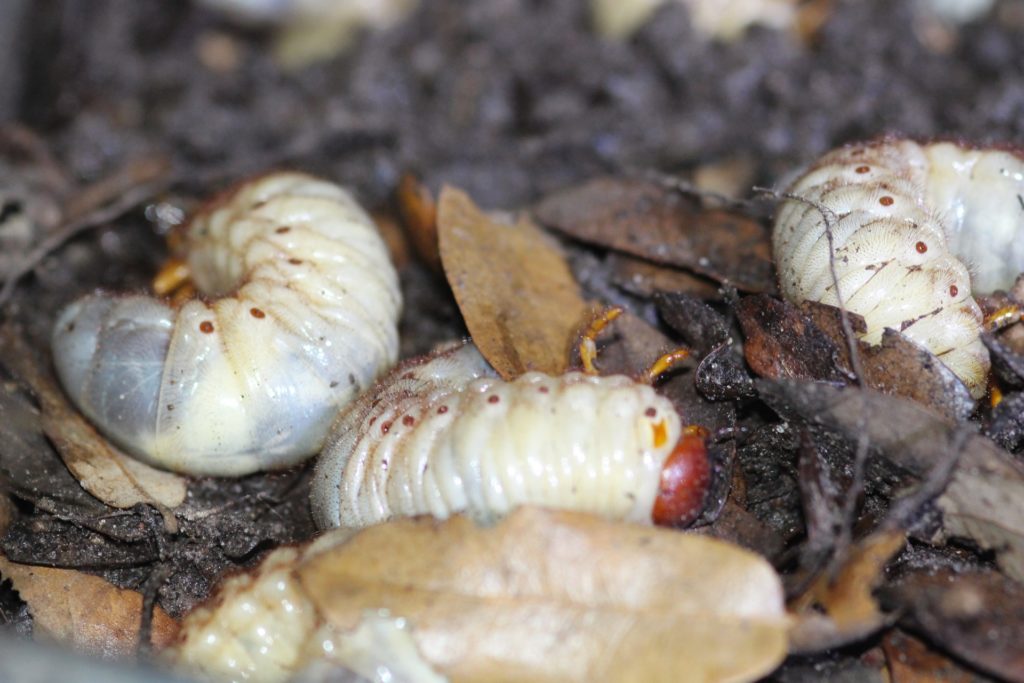
Yes, bad bugs will be around more during the Summer, but don’t treat unless there’s significant damage. We can help identify the pest and if/how to treat. You don’t want to kill too many good bugs while trying to take care of the bad bugs! If you see brown areas in the lawn that are easily pulled up, it’s usually a sign of grubs eating the roots of your grass. You can control grubs with Bonide Insect and Grub Control. Chinch bugs love hot dry areas in lawns. They make the lawn look dried out along sidewalks and pavement. Spot-treat those areas with Cyonara in easy ready-to-spray bottles. For organic control, use Spinosad or Diatomaceous Earth. We’ve also seen a lot more caterpillars than usual this spring munching on veggie gardens. Just a few caterpillars can be relocated, but if you have a lot destroying your plants, you can treat with organic Bt in liquid spray or powder form. 

5. Stay Tuned for Fun June Events at Gill’s!

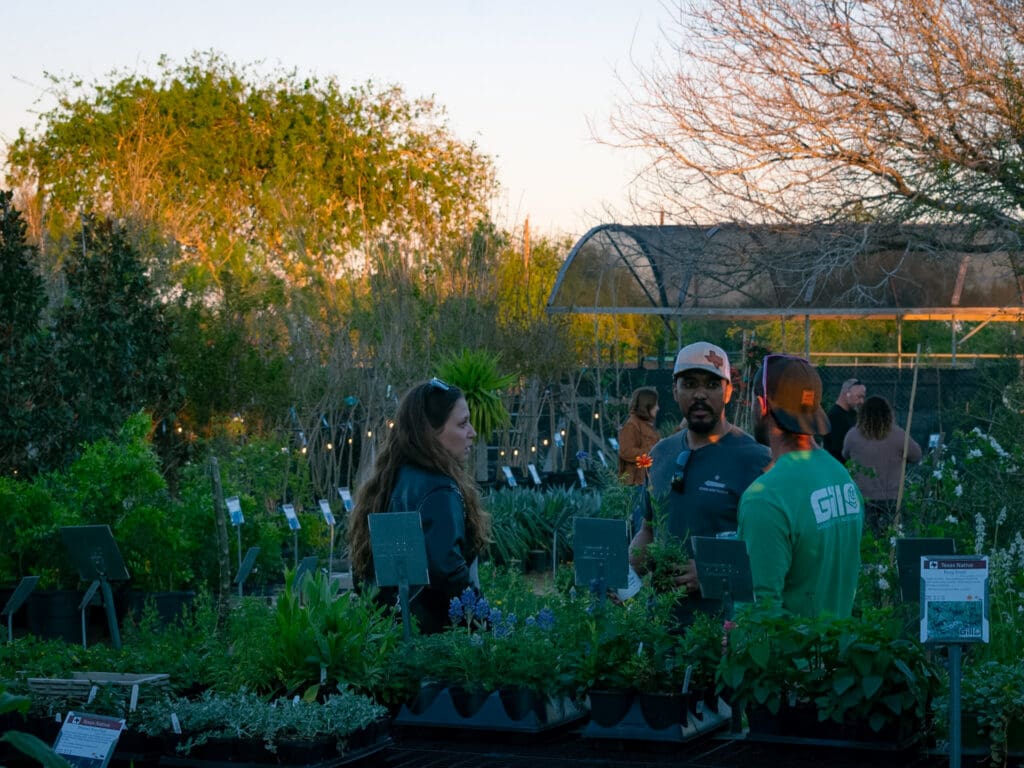
We’ve been overwhelmed with the response to all our events this spring and we’re not stopping! We absolutely love hosting you all, not just for plant shopping, but for learning and building our wonderful local gardening community. We’ve got a big June planned starting with a Gulf Coast Humane Society pet adoption day on June 6th, then flower bingo, plant trivia night, our 2nd annual Father’s Day cookout, and another Nightbloom Market on June 25th! Stay tuned here for updates. 


march-garden-guide

What To Plant

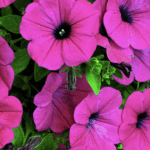
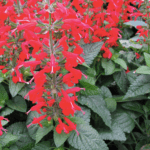
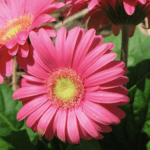
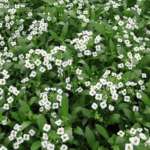
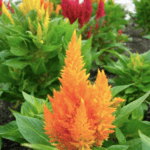
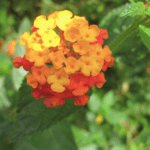
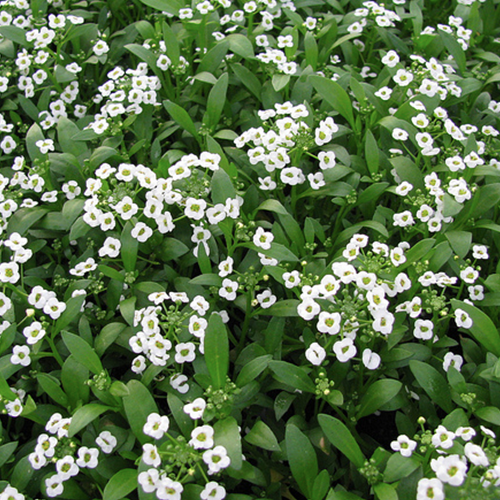
Most annuals and perennials can now be purchased as transplants this month. Here is a list of some of our favorites: (L-R) caladiums (plants and bulbs), larkspur, petunias, salvia, gerbera daisy, alyssum, false heather, celosia, lantana, coleus.

Read: Fuel For Your Hungry Hummers


Vegetable Seeds

Beans, okra, radish, pumpkins, and watermelons, squash, cantaloupe, basil, corn

Vegetable Transplants

Tomatoes, peppers, cucumbers, squash, eggplant, and strawberries
Garden Guide: Vegetable Planting Dates

Hardy Trees, Shrubs, Vines, Grasses

All hardy and tropical trees, shrubs, vines and grasses. I can’t think of one that can’t be planted now!

Bulbs & Caladiums

Late spring and summer bulbs such as caladiums, and elephant ears


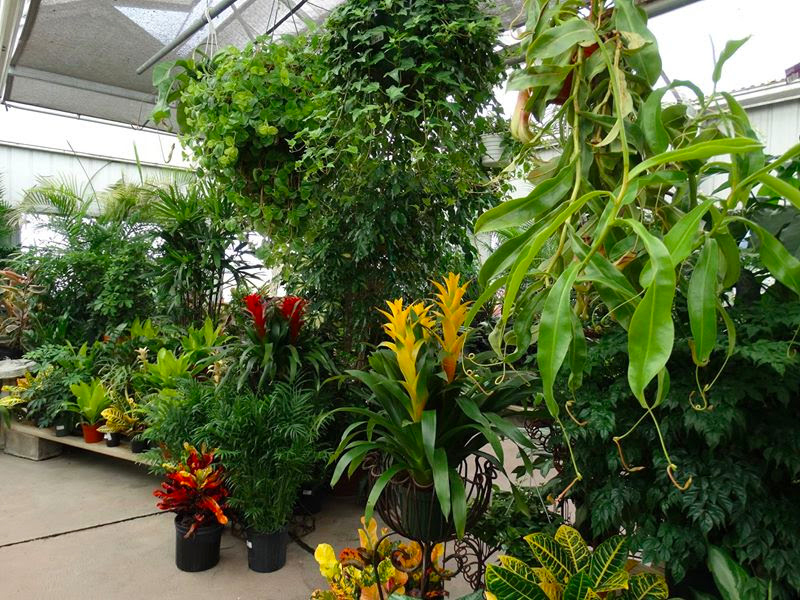
Houseplants

March is a great time to clean, trim, and feed your houseplants. As the sun becomes stronger, plants may require more waterings. Check more often. Consider repotting in Spring. Over Winter, houseplant roots can outgrow their existing pots.

Fertilize

AZALEAS, GARDENIAS, MAGNOLIAS

Fertilize organically with Maestro Gro-Rose Glo or Espoma Azalea Tone.

HIBISCUS & TROPICAL BLOOMERS

Fertilize all hibiscus and tropical bloomers organically with Maestro Gro-Rose Glo, or conventionally with Hibiscus Food.

ALL TREES & SHRUBS

Fertilize organically with Milorganite, Medina Growin Green, Plant Tone, or Hasta Gro. 

ANNUALS & PERENNIALS

Fertilize organically with Medina Growing Green, Hasta Gro, Maestro Rose Glo, or Plant Tone, or conventionally with Osmocote Time Release Granules.

ESTABLISHED ROSES

Fertilize organically with Maestro Rose Glo or Plant Tone.

ESTABLISHED CITRUS TREES

Fertilize organically with Citrus Tone.
Read: Fertilize Your Citrus Now

All granular fertilizer should be watered in well.

Prune

  • All dead and freeze damaged wood from hardy and tropical trees, shrubs, vines and perennials
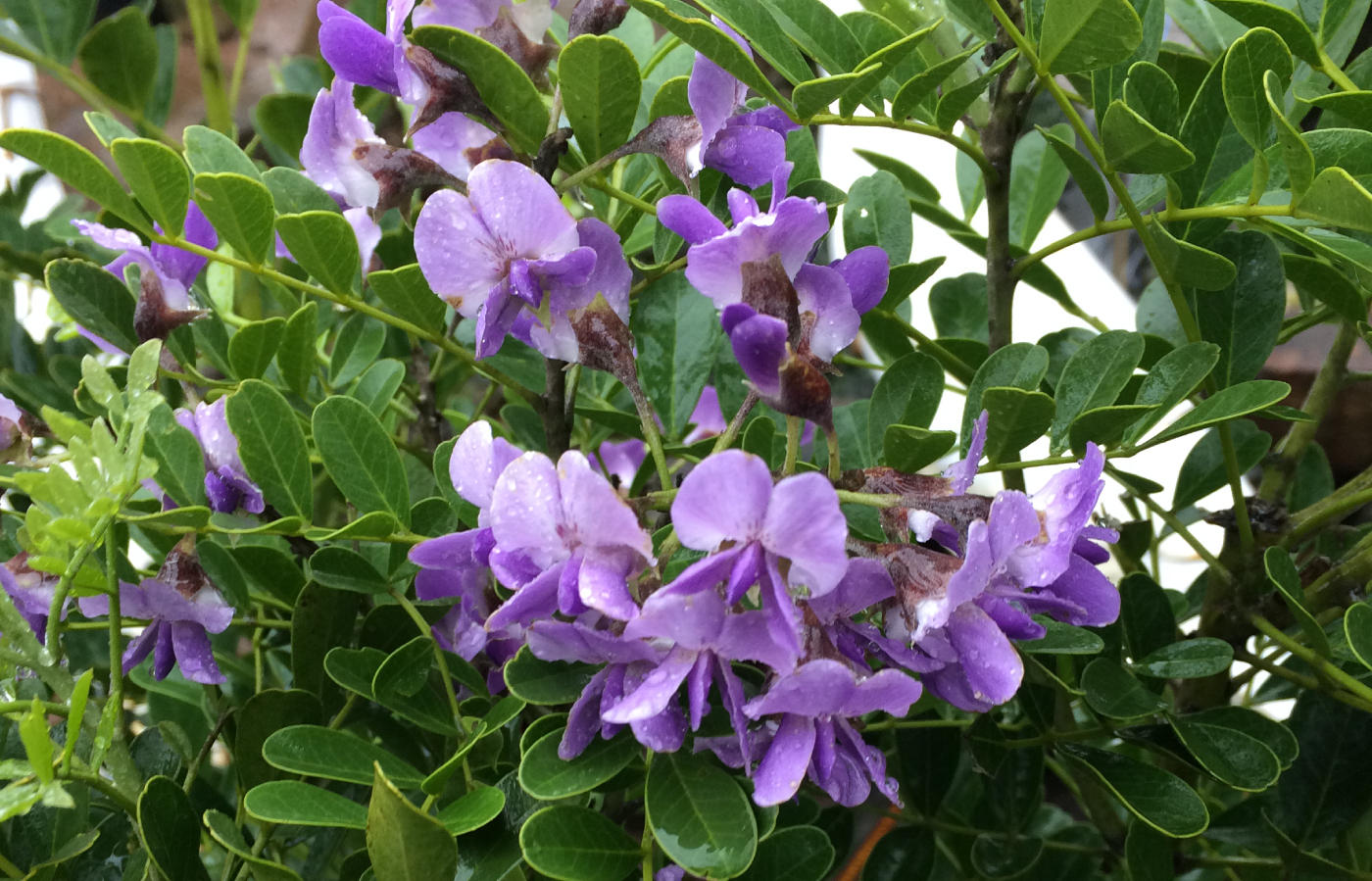
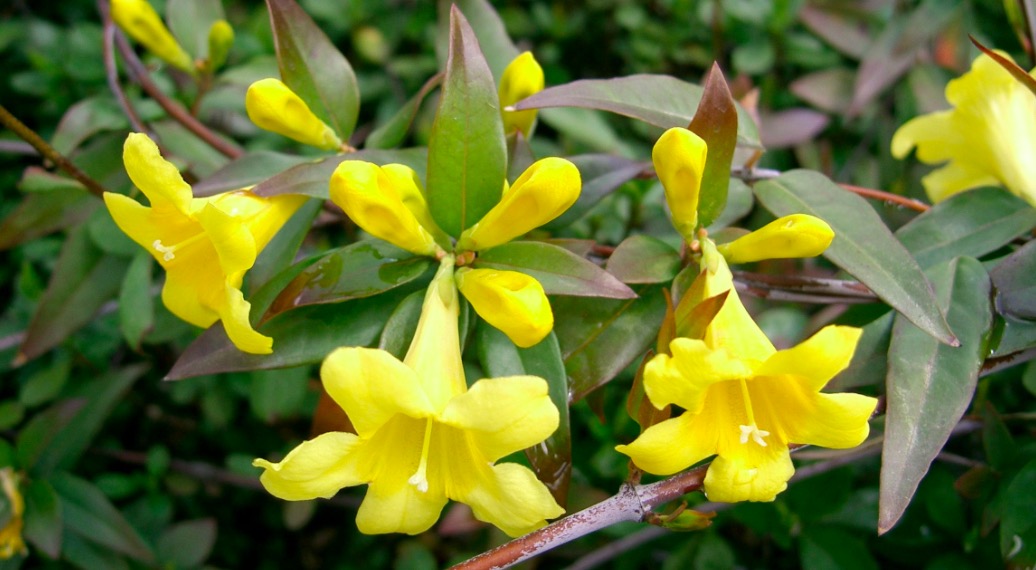
  • Wait to prune early spring bloomers like Azaleas, Carolina Jessamine, climbing roses, Texas Mountain Laurels, and Indian Hawthorn until after they finish their bloom.

Water

  • During current drought restrictions, you CAN hand water everything except for your turfgrass lawn. You CAN use drip irrigation on your watering day every other week. And you CAN still apply for a temporary watering rules exemption to get new plantings established.
  • Keep in mind - outdoor potted plants dry out quickly, as do hanging baskets and small annuals.
  • Mulch all plants and trees to help hold moisture. Don't mulch right up to the trunks/main stems of plants - give them a little breathing room. And never create a "mulch volcano" against tree trunks!
  • Catch rainwater and A/C condensate to help conserve water - plants love both!

Garden Guide: Good Water Practice for Established Trees, Shrubs, and Lawns

What to Watch Out For

Protect your Lawn from Oak Leaves

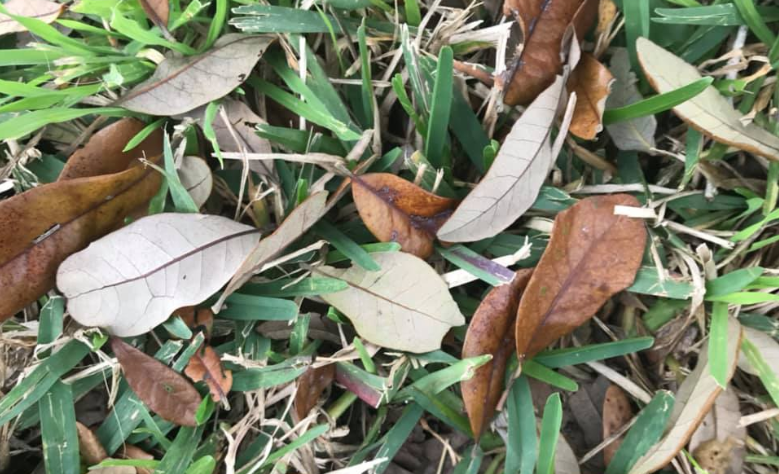
Live oaks are following their natural pattern of dropping old leaves before the new leaves come on. Now it’s time to get those oak leaves off your lawn before it suffocates the grass. Under large oaks, since the grass is often thin and stressed anyway because of shade, using a blower is less stressful on the weak turf than a rake.

Control Aphids, Pillbugs, & Caterpillars in Your Veggie Garden

Keep organic Spinosad soap handy for Aphids and Pillbugs, or release some ladybugs. Caterpillars can be controlled organically using Bt (Thuricide spray or Dipel dust). Inspect your veggies every day and you'll catch most pests before they become a problem. 


Lawn Care

Rethink Lawn Spaces

Given our drought situation/lawn watering restrictions, many of us are deciding to reduce lawn space. Traditional turfgrass lawns require lots of water and they don't provide much, if any, benefit to pollinators. Plus, much of our lawn space sits unused. Does every square foot need to be turfgrass, or could you create new beds for blooming perennials? Could you convert areas to native groundcovers like Frogfruit? Could you add some nice pathways or seating areas with a nice firepit? So many options!

Weed Control

Given our drought situation/lawn watering restrictions, decide whether you really want to control weeds. Weeds are green and they don't need much water! Plus they'll help keep the ground cooler. Many of us are choosing to mow the weeds down to keep them from reseeding rather than spraying or removing them. 

If you do need to spray/control, spot treat existing weeds growing now with natural horticultural vinegar or Captain Jack's Deadweed Brew. Both will burn any foliage so take care to not spray your plants or lawn. 

If you want to prevent weeds, apply Hi Yield Grass and Weed Stopper or Weed Beater Complete to help control existing weeds and prevent new ones.

If you want to kill existing weeds, apply Weed-B-Gon for Southern Lawns or Image once our weather warms up to 70-80 degrees with no rain for about 5 days. They are safe for Floratam & Raleigh St. Augustine and Bermuda. Give them 2 weeks to fully work and then it should be time to fertilize the lawn. This is why we don't recommend or sell "weed & feed" type products. Take care of weeds first, then fertilize. 

Fertilize

Fertilize when the grass is actively growing. You can't be too late, you can only be too early in spring. Apply organic Medina Growin Green or Milorganite and water in well (approximately 30 minutes per area). Normally, we wouldn't recommend trying to time your fertilizing with rainfall, since heavy rains can wash away the fertilizer. However, given current watering restrictions, try to take advantage of a light/moderate rain. Lay new sod anytime, bermuda seed anytime this month.

Read: Treat For Take-All Patch in Lawns

Watch: How to Collect a Grass Sample

oct-g-guide

Planting Season!

Fall is Our Best Planting Season!

Trees, shrubs, and perennials get a great bonus when planted in fall. South Texas enjoys relatively warm soil temperatures through fall and winter, and cooler air  temperatures direct the new plant to grow roots all through this time. So, a plant put into the ground in fall will grow twice as fast the following spring as one planted in spring due to having developed twice the root system, and it will also suffer much less stress in its first South Texas summer. We are lucky that we can garden year round here, but fall is our best season for planting!

Plant

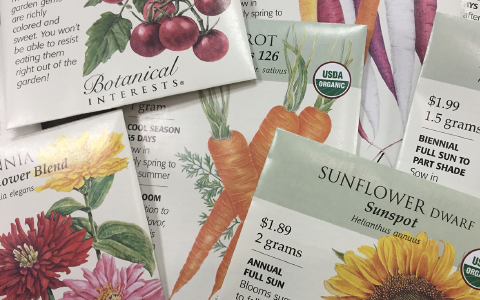
Vegetable Seeds

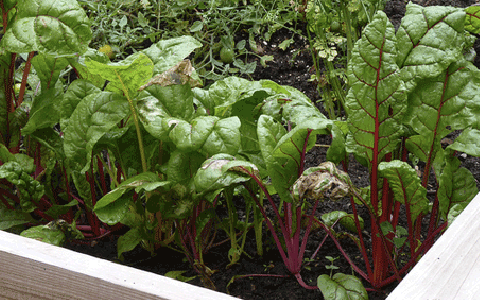
Beet, carrot, cilantro, collards, lettuce, mustard, onion, parsley, radish, Swiss chard, spinach, and turnip.

Read: Best Timing for Popular Fall VeggiesKeith’s Swiss Chard Success Story

Flower Seeds

Bluebonnets and other wildflowers, larkspur, sweet peas, nasturtiums.

Read: Fall is Wildflower Planting Time!

Vegetable Transplants

Broccoli, Brussels sprouts, cabbage, cauliflower, strawberries, parsley, cilantro, and other herbs.

Read: How to Keep Your Vegetable Garden Healthy This Fall, Get Your Greens! Sally’s Kale Smoothie Recipe

Flower Transplants

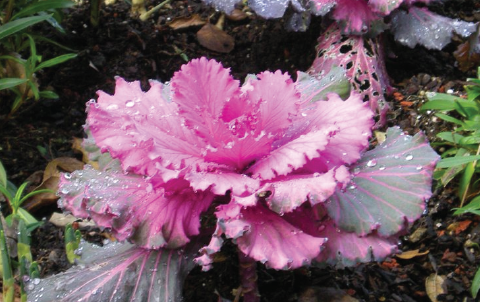
Alyssum, begonias, bluebonnet, calendula, chrysanthemum, dianthus (pinks) dusty miller, flowering cabbage and kale, geraniums, gerbera daisy, impatiens, lobelia, marigolds, pansies, petunias, phlox, salvia, snapdragons, stock, verbenas, and viola.

Read: Success with Fall FlowersMarigolds & Mums!

Flower Bulbs

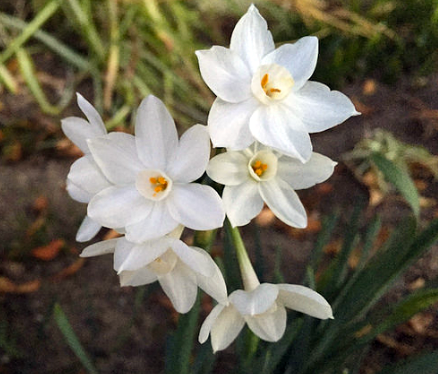
Begin refrigerating bulbs that require chilling such as paperwhites. Amaryllis can be planted now.

Read: Amaryllis & Paperwhites

All container grown trees and shrubs

Read: Burr Oak – an Awesome South Texas Tree
Read: Best Tips of Planting Trees This Fall

Indoor Plants

  • Check the window lighting for your indoor plants. The sun is moving with the change of the season and may bring more or less light indoors. 
  • Heater vents can cause blemished foliage and dry plants out more quickly. Watch your placement of any new plants coming indoors. 
  • With cold fronts coming, plan to move your house plants indoors, if you have moved any outside during warmer weather. Provide adequate lighting & adjust watering. 
  • Let this be your last feeding for your outdoor tropical plants that are becoming houseplants for the winter. They need to rest.
  • Keep watch for any tagalong critters or insects & move them back outdoors. Treat if needed.

Fertilize

Read: Organic Gardening

Winterize Your Lawn

Winterize your lawn with organic Milorganite or Medina Growin’ Green.

Tropicals

We recommend:  Organic Maestro Rose Glo, Hasta Gro, or conventional Hibiscus Food

Roses

Organic: Maestro Rose Glo

Poinsettias

Organic: with Maestro Rose Glo

Blooming Annuals and Perennials

Organic: Medina Growin Green, Hasta Gro or Maestro Rose Glo

Conventional: Hibiscus Food, or Osmocote 14-14-14 Time Release

Read: Success with Fall Flowers

Vegetables

Organic: Hasta GroMedina Growin Green, Maestro Rose Glo, or Plant Tone

Conventional: Hi Yield Ammonium Sulphate, or Osmocote 14-4-14 Time Release Granules

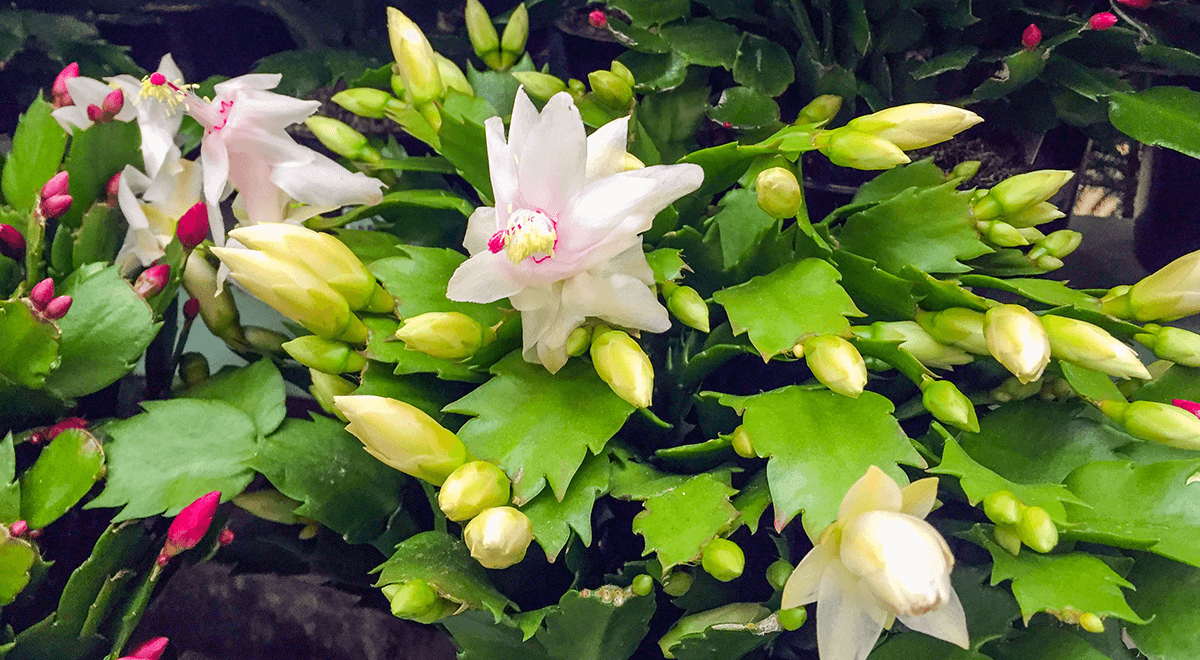
Christmas Cactus

Organic: Hasta Gro

Read: How to Get Your Christmas Cactus to Bloom!

All plants that are especially stressed, or recently transplanted

We recommend organic Hasta Gro.

Read: It’s Time to Fertilize for Fall!

Lawn Care

Apply conventional Fertilome F-Stop as a preventative to brown patch fungus, which shows up as temperatures drop during  fall and winter months.


Apply organic Nature’s Blend or Peat Moss to lawns prone to Take All Patch Fungus, or conventional Scotts Disease X.

Read: Protect Your Lawn: Recent Take All Root Rot Sightings (TARR)


Continue to water deeply every 1 to 2 weeks if little rainfall.

Read: Top Five Tips for a Beautiful Fall LawnFall and Winter Lawn Care

Watch Out For

Masses of worms eating your oak tree.

Treat with organic Spinosad or Thuricide or conventional Cyonara

Read: Oak Tree Caterpillars

Grub Worms in Lawns

Treat with Bayer 24 hour Grub Control Granules

White Flies on tropicals and perennials, especially lantana and hibiscus.

Treat with organic Spinosad Soap, Bee Safe 3-in-1Neem Oil, or conventional Eight Garden Spray Tree & Shrub drench, or Bonide Systemic Garanules. 

Chinch Bugs in Lawns

Treat with organic Diatomaceous Earth, Spinosad or conventional Cyonara

Mealy Bugs

Treat with organic Neem OilSpinosad Soap, or Bee Safe 3-in-1,  or conventional Cyonara, or Bonide Systemic Liquid or Granule

Read: Mealy Bugs are Here!

Mosquitoes

Use Mosquito Beater Liquid for quick kill or Mosquito Beater Granules to repel

Read: Mosquito Solutions

Fleas and Ticks

Treat lawns with organic Spinosad, or Diatomaceous Earth Crawling Insect Killer or conventional Cyonara

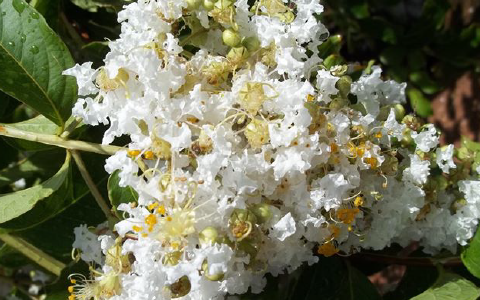
Powdery Mildew on Crape Myrtles & Roses

Use organic Neem Oil or conventional Fertilome Systemic Fungicide

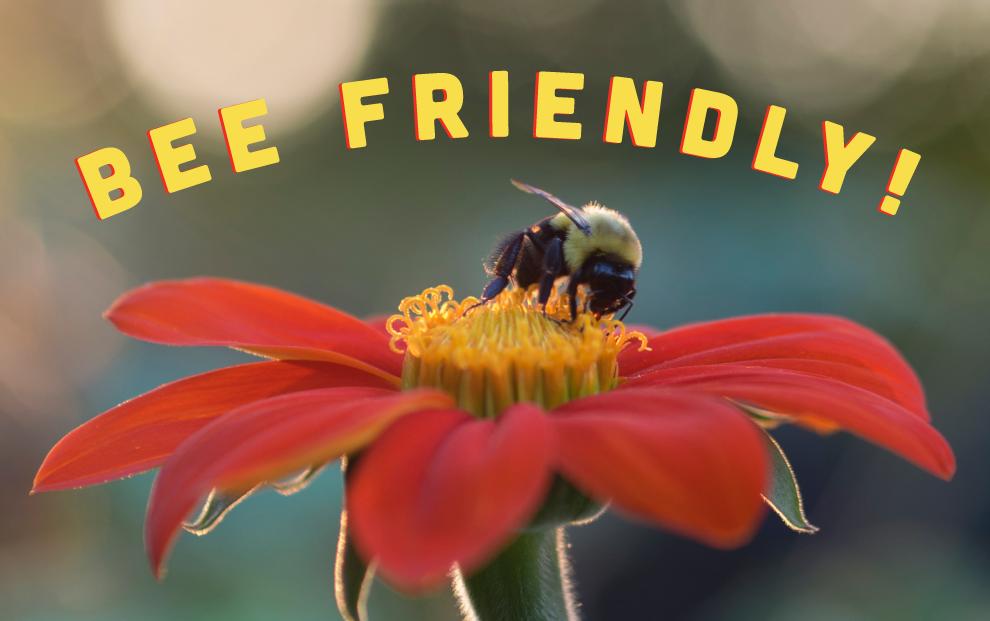
Note: Please, Please, Please, don’t kill the bees!

They are one of the best sources we have to pollinate our fruits, vegetables, flowers, and shrubs.

Read: Best for Bees!

Water

Water your newly planted vegetables and bedding plants regularly, but take care not to overwater with cooler nighttime temperatures.

Cut back on watering your established plants and lawn as temperatures cool down, since they use less water. If you are unsure when to water, use a moisture meter to take out the guesswork.

Prune

Your hardy, woody ornamentals and tropicals only to shape, not severely.

Summer perennials.

november-guide

Plant

Vegetable Seeds

Beets, carrot, garlic, lettuce, mustard, onion, parsley, radish, Swiss chard, spinach, turnips, herbs

Read: Best Timing for Popular Fall Veggies

Flower Seeds

Alyssum, bluebonnets, dianthus, delphinium, hollyhocks, larkspur, nasturtium, pansies, petunias, phlox, snapdragons, stock, sweet peas, and violas

Read: Success with Fall Flowers

Flower Transplants

All cool season annuals Alyssum, begonias, bluebonnets, calendulas, dianthus, flowering cabbage and kale, geraniums, lobelia, pansies, petunias, phlox, shasta daisy, snapdragons, stock, violas and dusty miller

Garden Guide: Annuals for Fall and Winter

Fall Bulbs

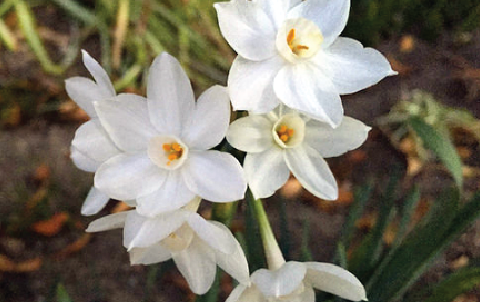
Fall bulbs like paper whites and amaryllis, will make a spectacular show this winter and spring, and now is the time to buy them. Paper whites need to be chilled for 4 to 6 weeks in your refrigerator then planted in pots or in the ground. They can make beautiful gifts for the holidays. Be sure to get a free instruction sheet on their planting and care.

Read: Amaryllis and Paperwhite Narcissus

Herbs

If you’re cooking for the holidays, you can still plant herbs for that “fresh from the garden” flavor. Even if you’re not cooking, they’re still fun to grow.

Read: Tips for Preserving Herbs

All container grown trees and shrubs.

Garden Guide: Planting Trees, Shrubs, and Groundcovers

Read: Burr Oak – an Awesome South Texas Tree

Indoor Plants

  • Add foliage plants to your indoors for a fresh look and to help keep air clean.
  • Clean indoor plants by removing dust with a damp cloth. 
  • Check where plants are set so that heater vents will not blow on foliage.
  • Stop fertilizing until February to let your indoor plants rest.

Read: Plants, the Perfect Rx for Clean Air

Fertilize

Lawns

Fertilize your lawn with organic Medina Growin’ Green or Milorganite

Read: Top Five Tips for Beautiful Fall LawnProtect Your Lawn: Recent Take All Root Rot Sightings (TARR)

Roses

We recommend: Organic Maestro Rose Glo

Blooming Annuals and Perennials

Use organic Medina Growin’ Green Hasta GroMaestro Rose Glo, or Plant Tone

Vegetables

We recommend organic Hasta GroMaestro Rose Glo, or Plant Tone 

Read: How to Keep Your Vegetable Garden Healthy This Fall

All plants that are especially stressed, or recently transplanted

We recommend organic Hasta Gro or Plant Tone

Water

  • Water your newly planted vegetables and bedding plants regularly, but take care not to overwater with cooler nighttime temperatures.

  • Cut back on watering your established plants and lawn as temperatures cool down, since they use less water. If you are unsure when to water, use a moisture meter to take out the guesswork.

Prune

Woody Ornamentals

Your hardy woody ornamentals to shape, not severely, so as not to encourage new tender growth.

Read: To Prune or Not to Prune?

Fall Bloomers

Your fall blooming plants, like asters and mums, that have finished their bloom. Remove spent blooms from annuals, like petunias, snapdragons and dianthus to encourage more bloom.

Read: How to Trim Your Mums for a Second Bloom

Watch Out For

Read: What's Bugging You Now?

Watch: How to Collect a Grass Sample

Caterpillars

Caterpillars or their damage (chewed leaves). Spray with organic ThuricideDipel Dust, or Spinosad

Read: Oak Tree Caterpillars

Powdery Mildew on Crape Myrtles and Roses

Use organic Fungicide 5 or Neem Oil or conventional Fertilome Broad Spectrum or Fertilome Systemic Fungicide

Fleas and Ticks

Treat lawns with organic Spinosad, or conventional Cyonara

Mosquitoes

Use Mosquito Beater granules to repel and Mosquito Beater liquid to kill.

Note: Please, Please, don’t kill the bees!

They are one of the best sources we have to pollinate our fruits, vegetables, flowers and shrubs.

Read: Best for Bees