
What To Plant
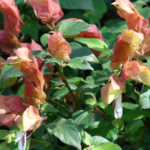
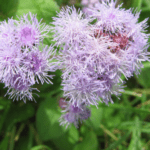
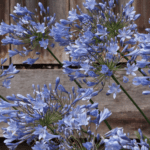
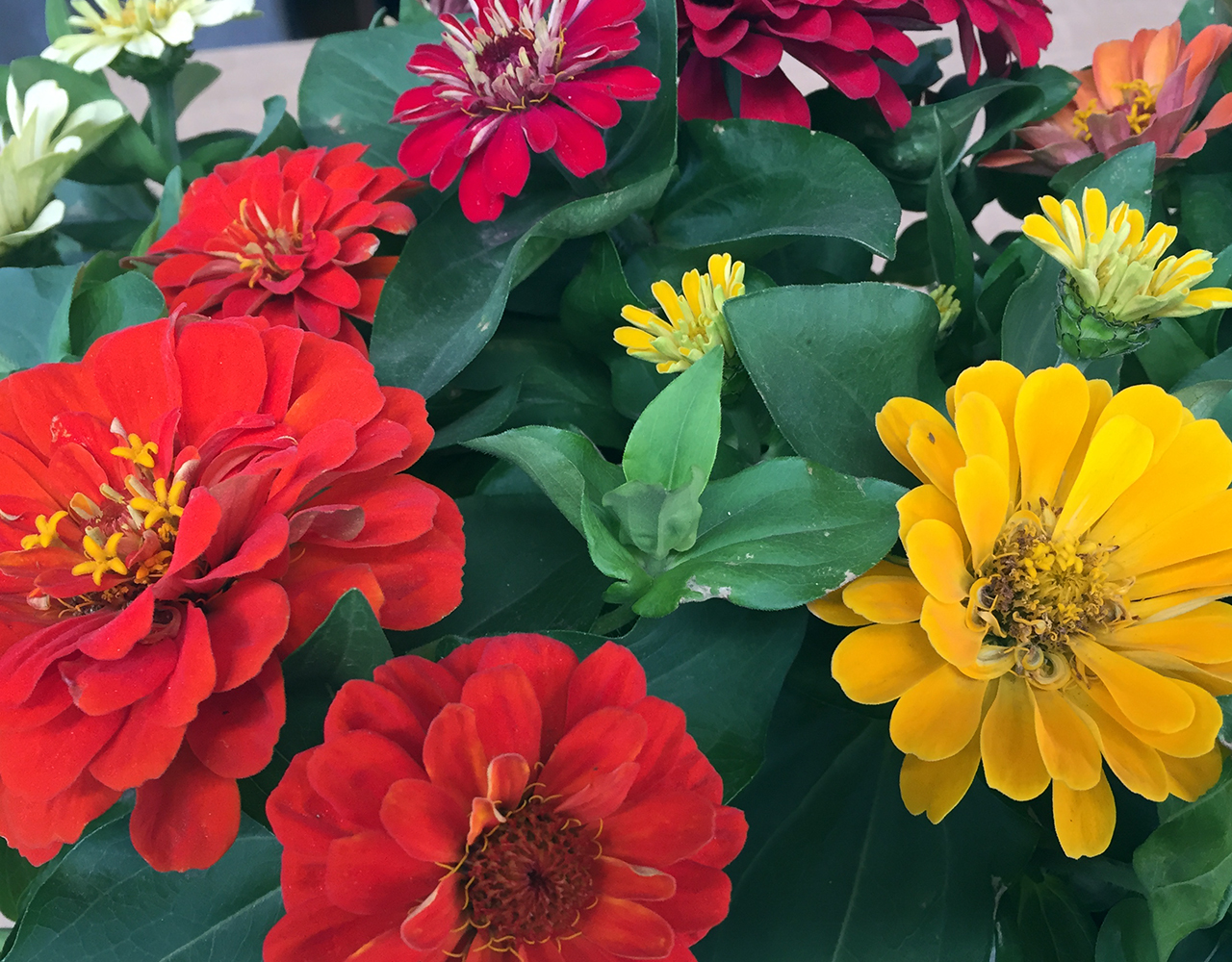
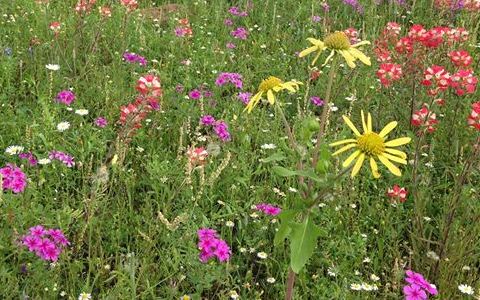
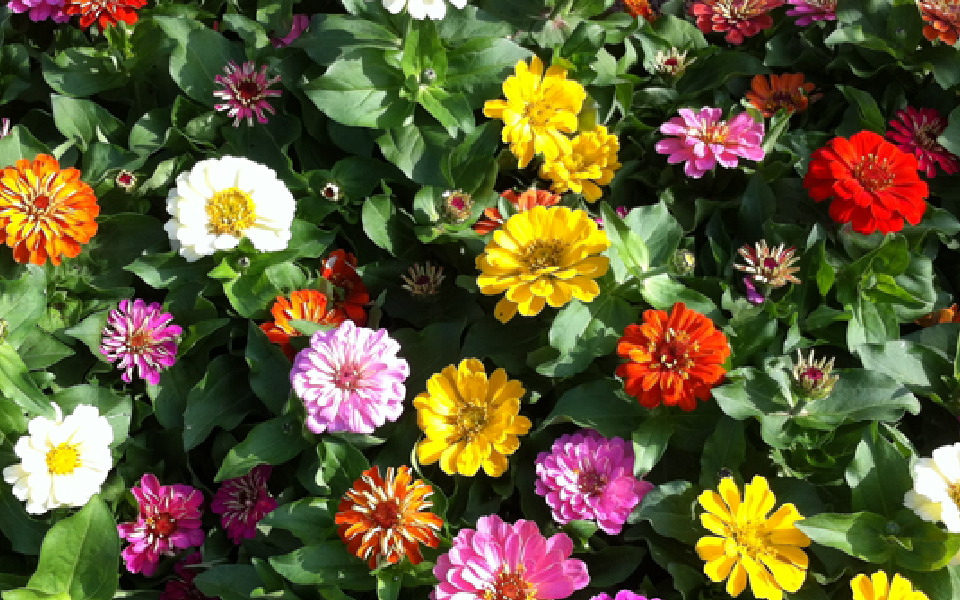
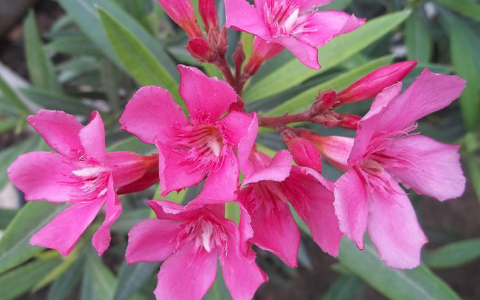
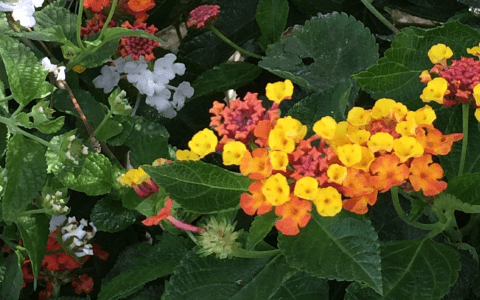
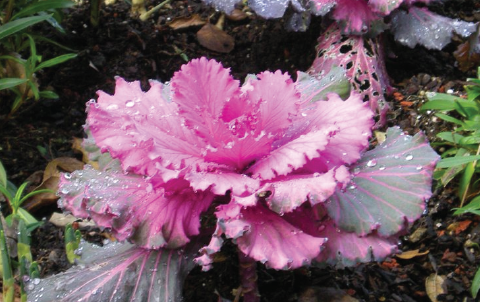
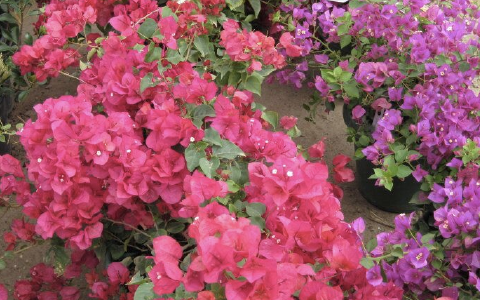
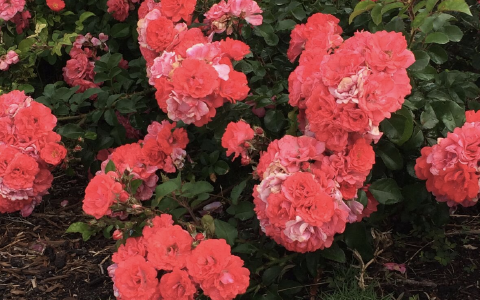
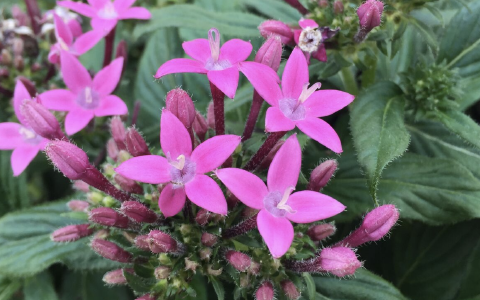
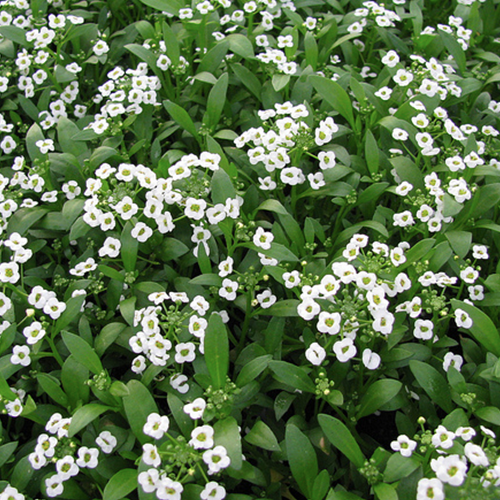
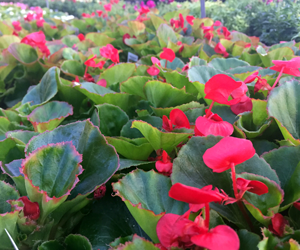
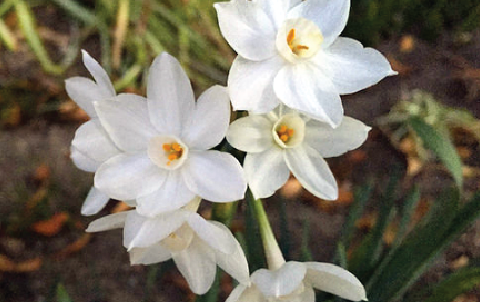
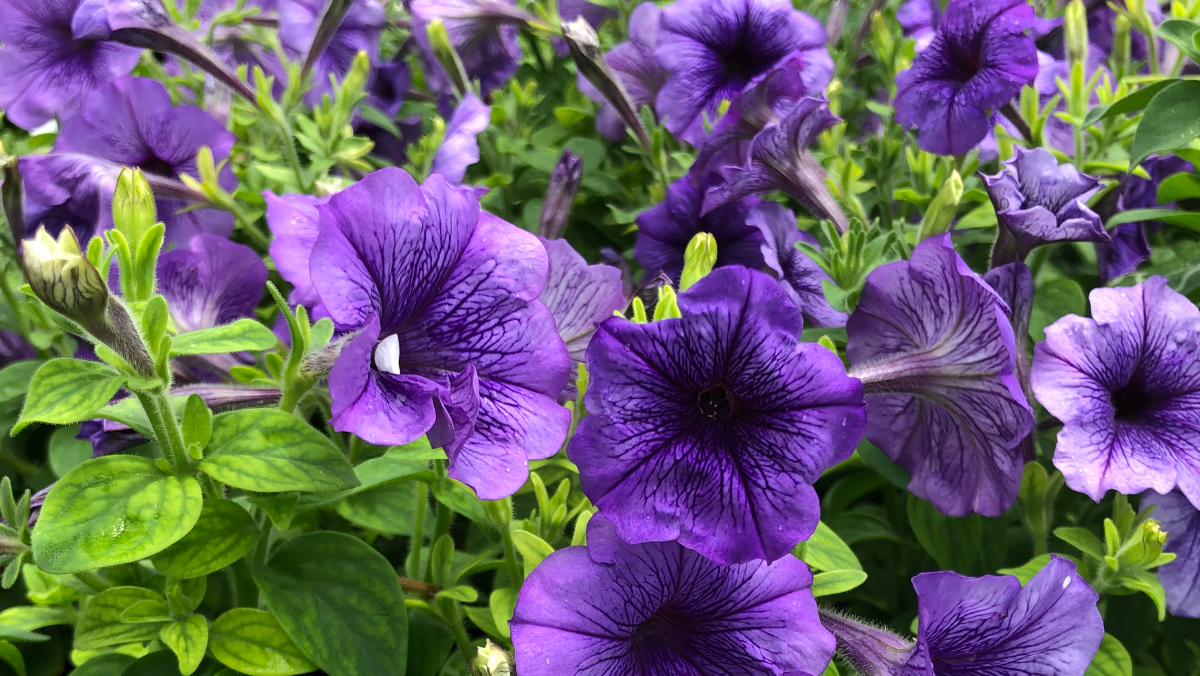
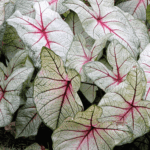
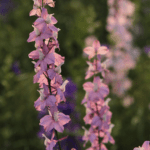
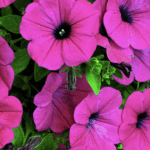
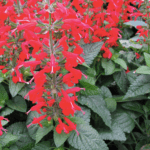
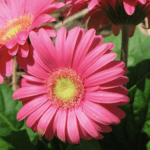
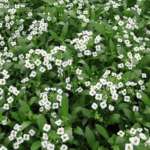
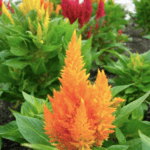
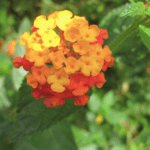
Most annuals and perennials can now be purchased as transplants this month. Here is a list of some of our favorites: (L-R) caladiums (plants and bulbs), larkspur, petunias, salvia, gerbera daisy, alyssum, false heather, celosia, lantana, coleus.
Read: Fuel For Your Hungry Hummers

 Vegetable Seeds

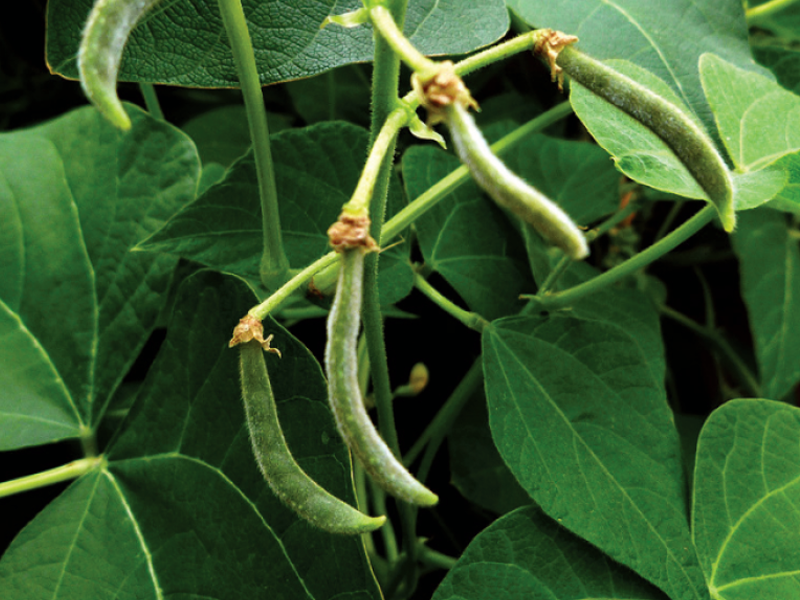
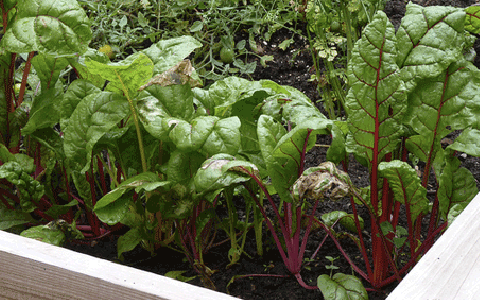
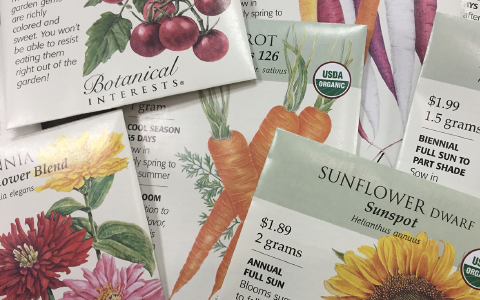
Beans, okra, radish, pumpkins, and watermelons, squash, cantaloupe, basil, corn
 Vegetable Transplants
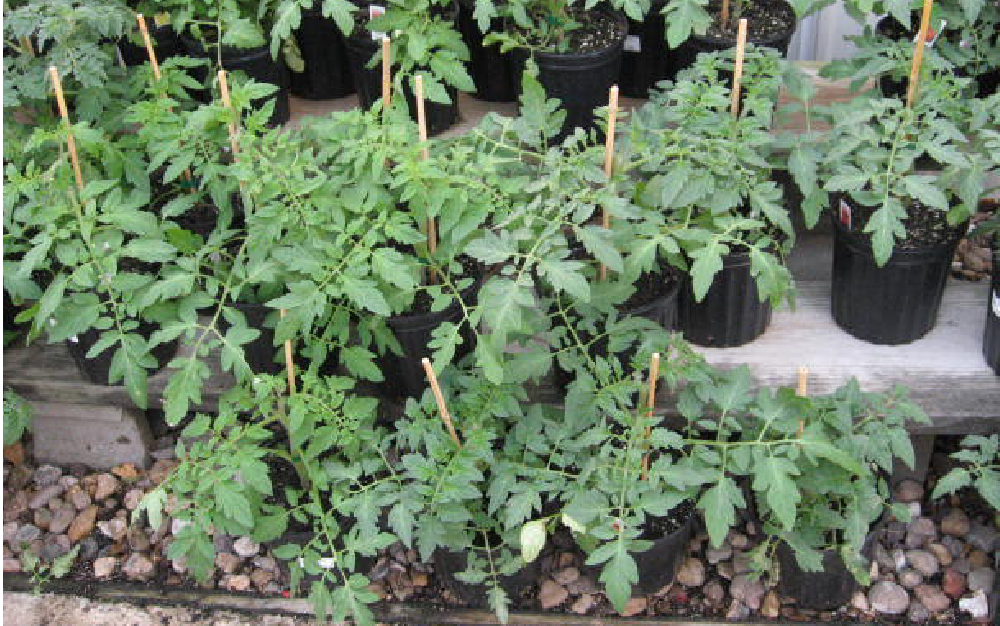
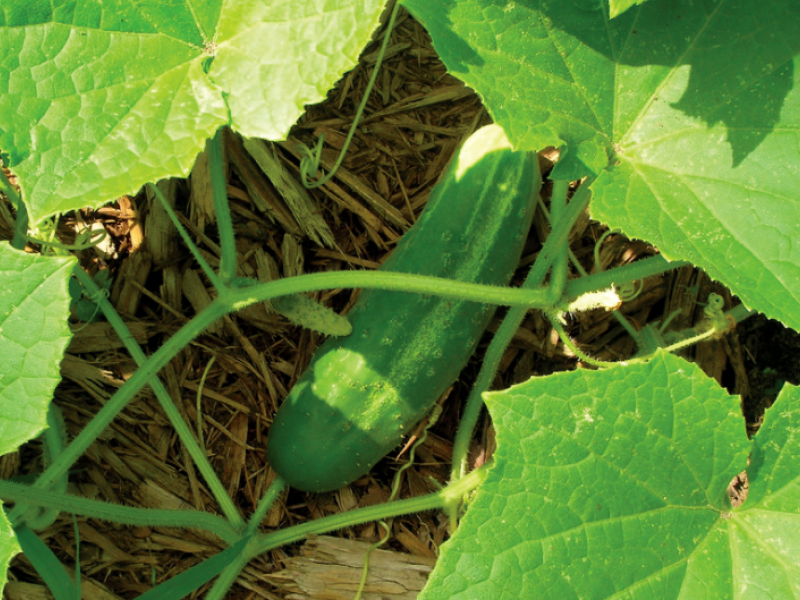
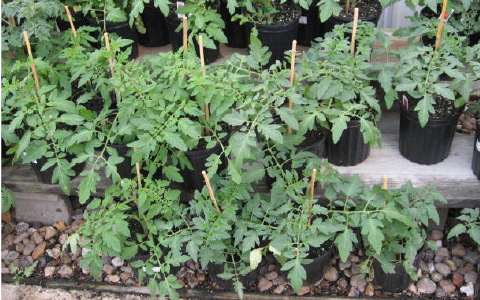
Tomatoes, peppers, cucumbers, squash, eggplant, and strawberries
Garden Guide: Vegetable Planting Dates
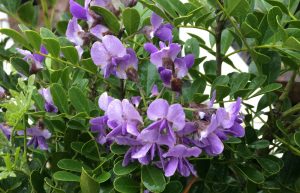 Hardy Trees, Shrubs, Vines, Grasses
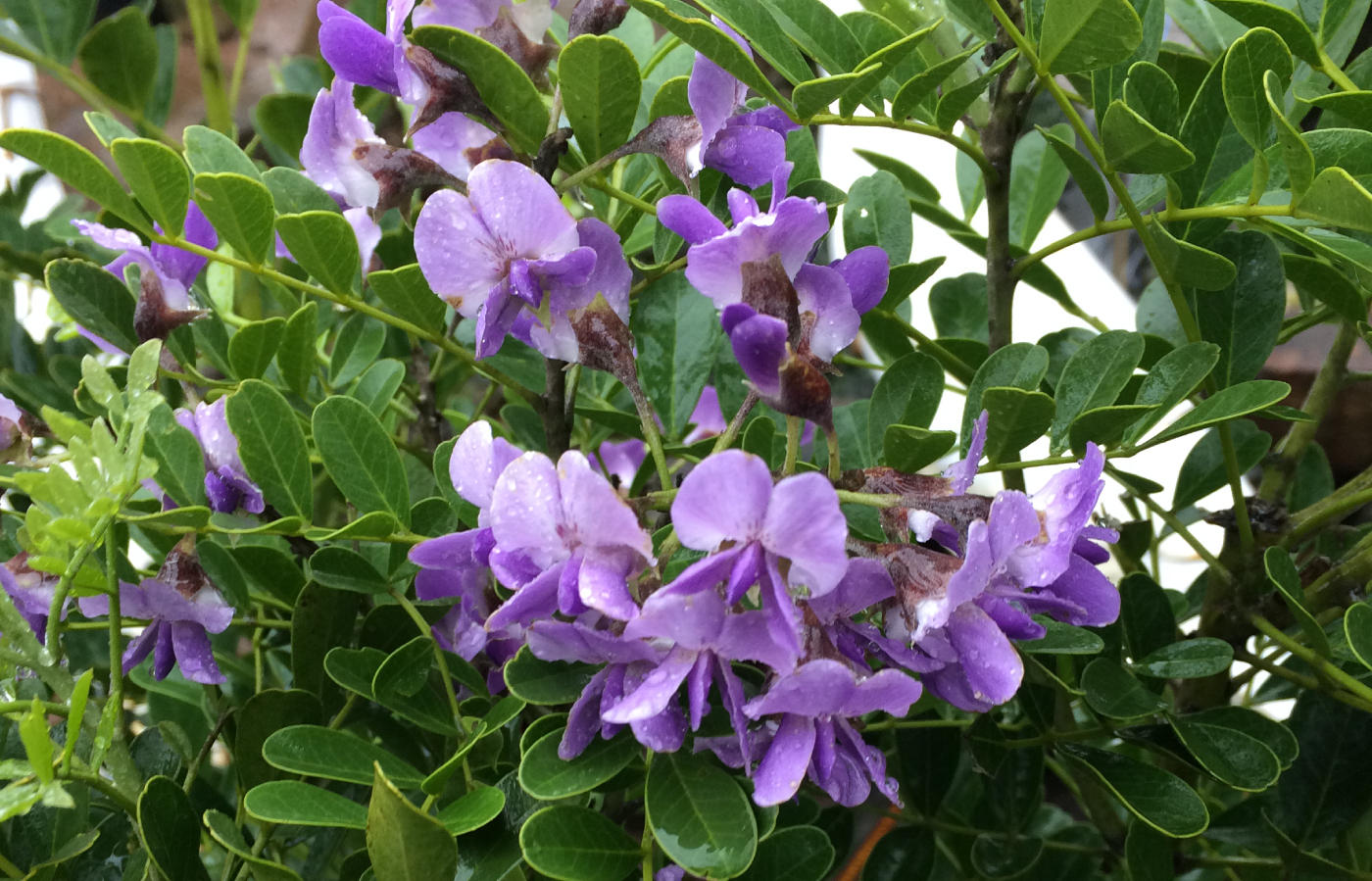
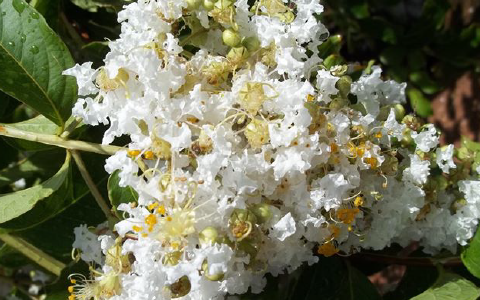
All hardy and tropical trees, shrubs, vines and grasses. I can’t think of one that can’t be planted now!
 Bulbs & Caladiums
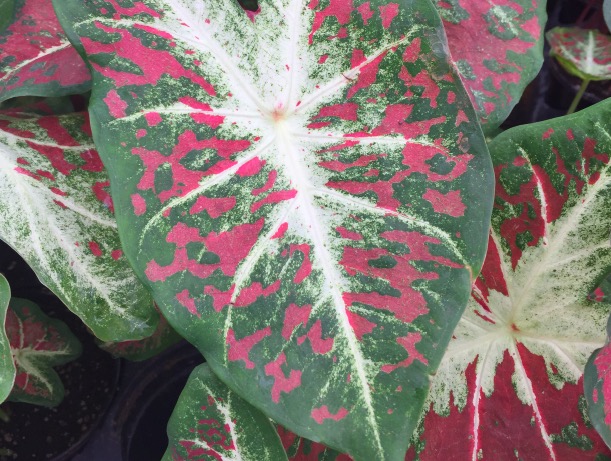
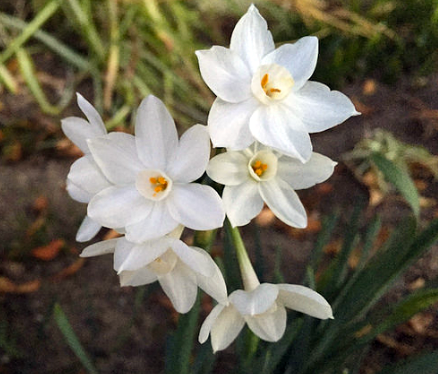
Late spring and summer bulbs such as caladiums, and elephant ears
Houseplants
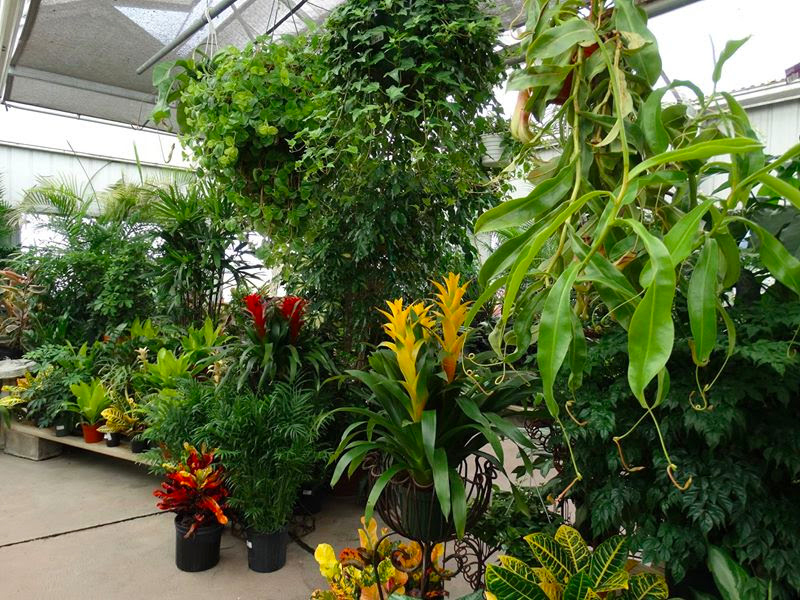
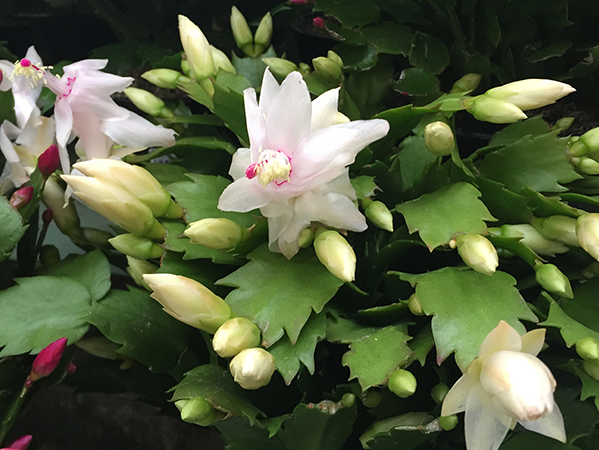
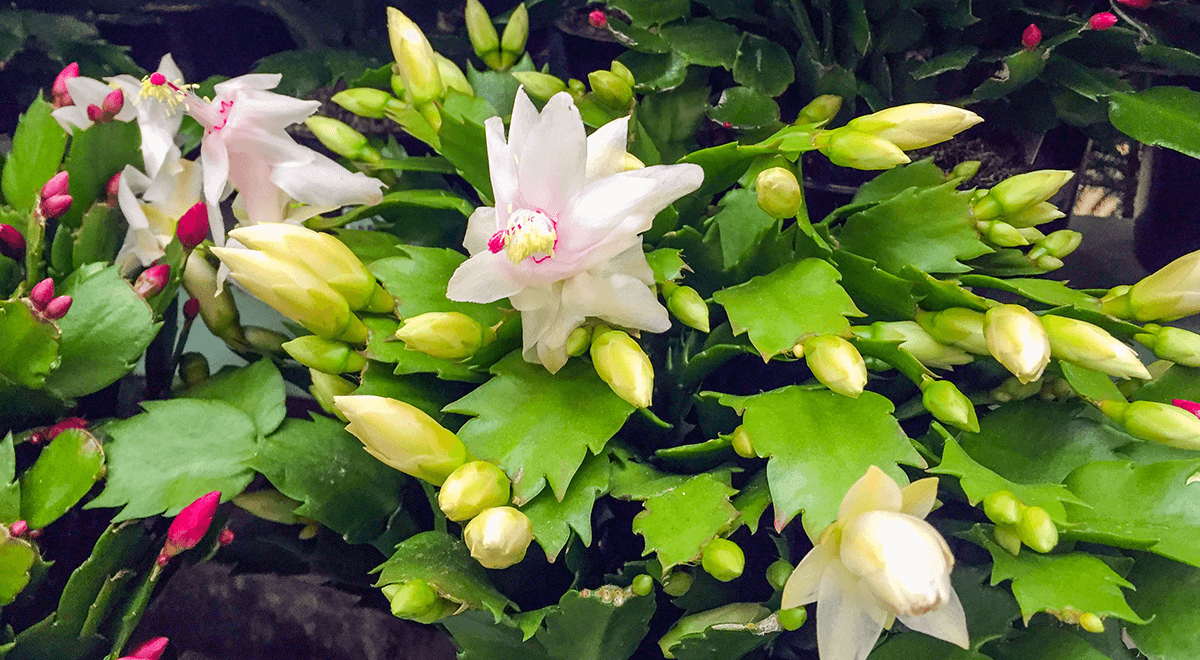
March is a great time to clean, trim, and feed your houseplants. As the sun becomes stronger, plants may require more waterings. Check more often. Consider repotting in Spring. Over Winter, houseplant roots can outgrow their existing pots.
Fertilize
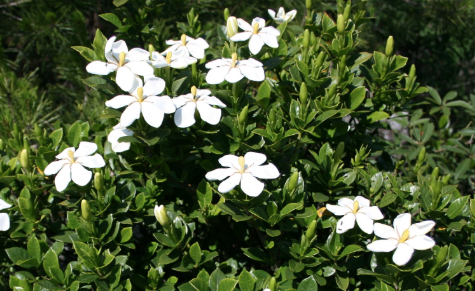
AZALEAS, GARDENIAS, MAGNOLIAS
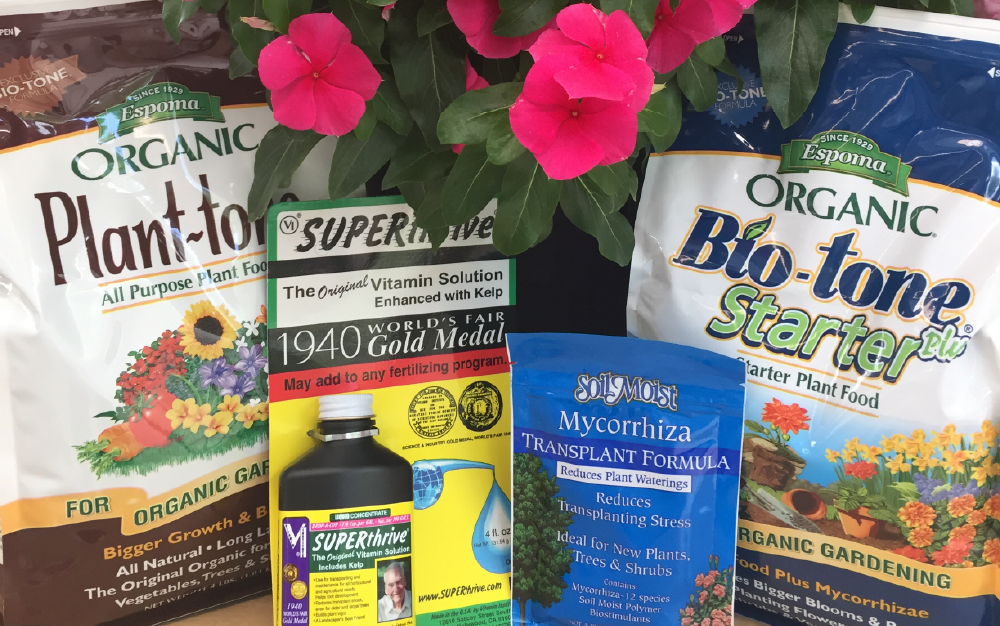
Fertilize organically with Maestro Gro-Rose Glo or Espoma Azalea Tone.
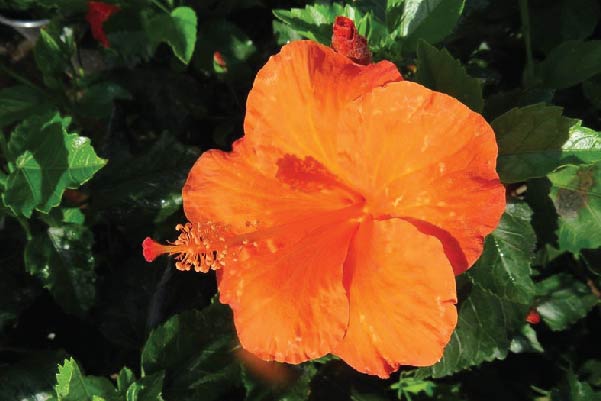
HIBISCUS & TROPICAL BLOOMERS
Fertilize all hibiscus and tropical bloomers organically with Maestro Gro-Rose Glo, or conventionally with Hibiscus Food.
ALL TREES & SHRUBS
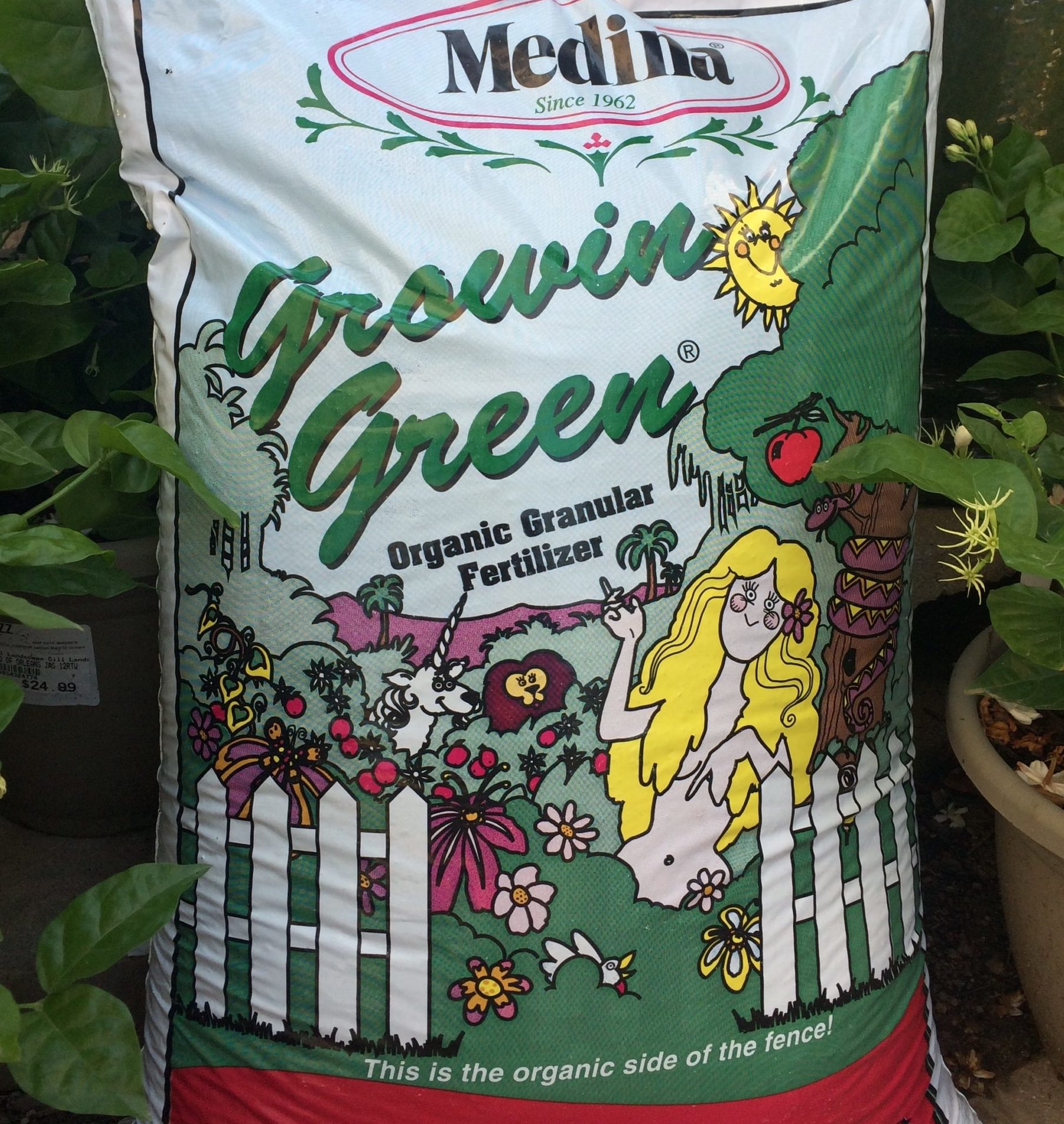
Fertilize organically with Milorganite, Medina Growin Green, Plant Tone, or Hasta Gro.
ANNUALS & PERENNIALS
Fertilize organically with Medina Growing Green, Hasta Gro, Maestro Rose Glo, or Plant Tone, or conventionally with Osmocote Time Release Granules.
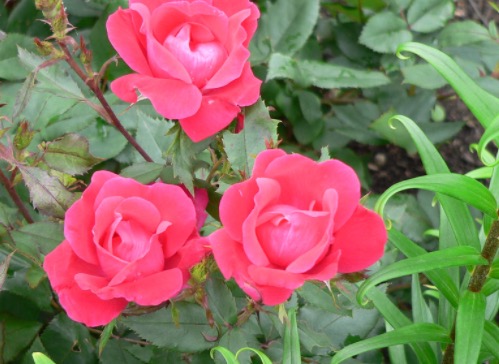
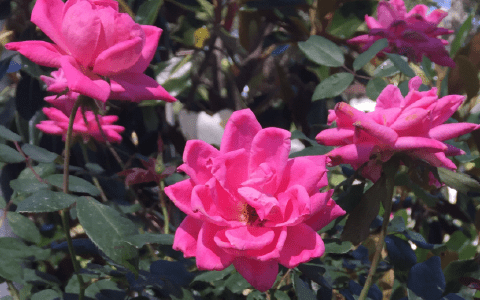
ESTABLISHED ROSES
Fertilize organically with Maestro Rose Glo or Plant Tone.
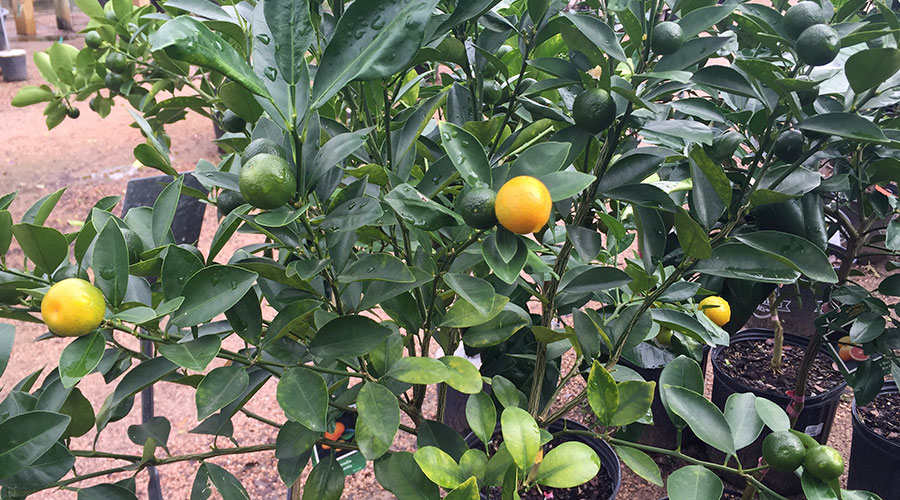
ESTABLISHED CITRUS TREES
Fertilize organically with Citrus Tone.
Read: Fertilize Your Citrus Now
All granular fertilizer should be watered in well.
Prune
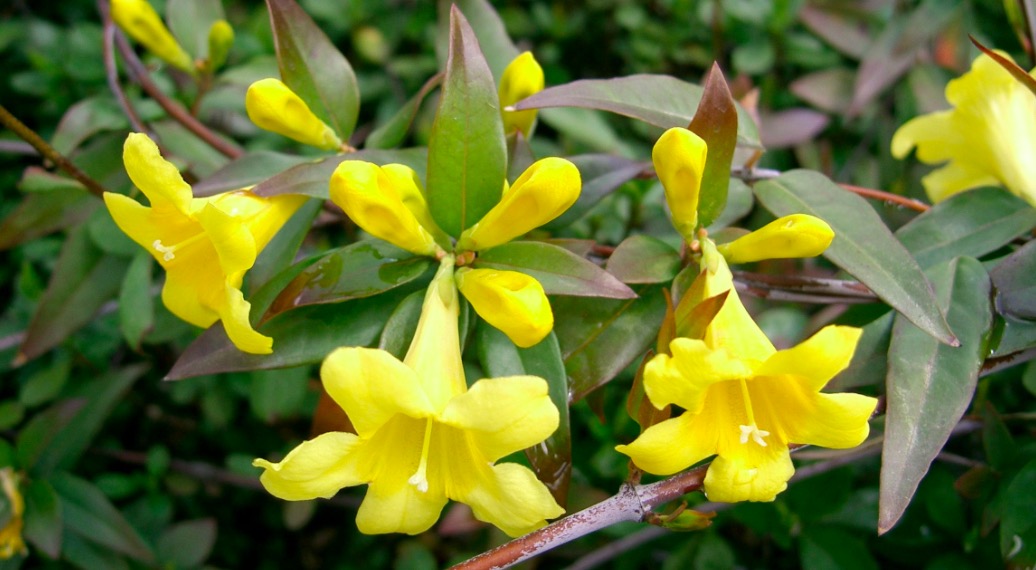
- All dead and freeze damaged wood from hardy and tropical trees, shrubs, vines and perennials
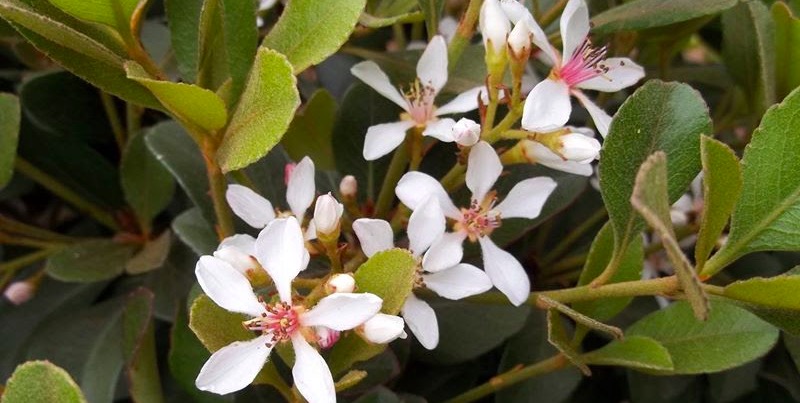
- Wait to prune early spring bloomers like Azaleas, Carolina Jessamine, climbing roses, Texas Mountain Laurels, and Indian Hawthorn until after they finish their bloom.
Water
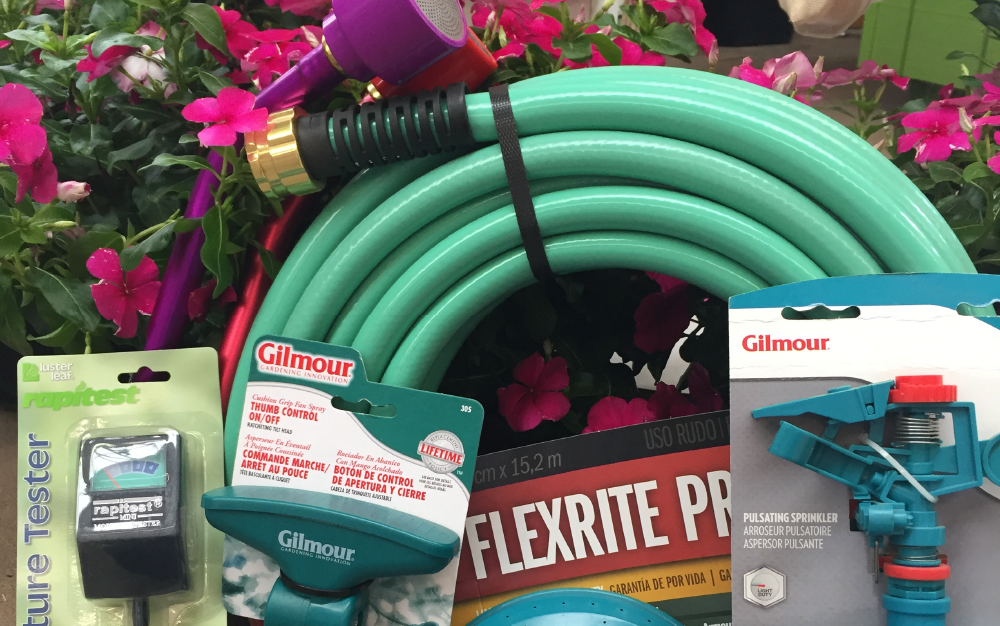
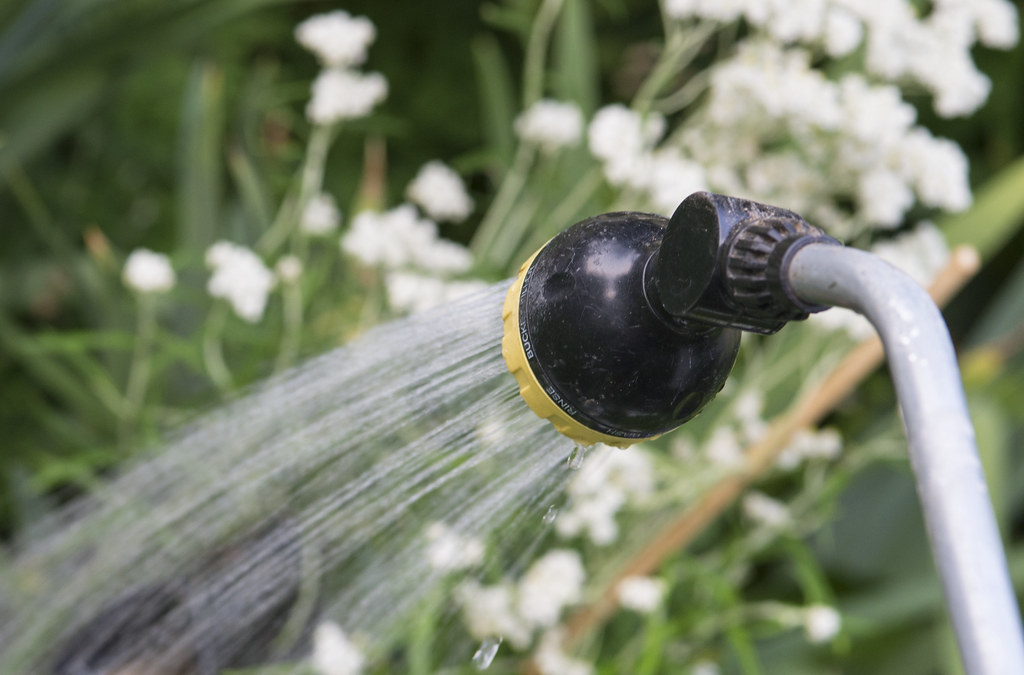
- During current drought restrictions, you CAN hand water everything except for your turfgrass lawn. You CAN use drip irrigation on your watering day every other week. And you CAN still apply for a temporary watering rules exemption to get new plantings established.
- Keep in mind - outdoor potted plants dry out quickly, as do hanging baskets and small annuals.
- Mulch all plants and trees to help hold moisture. Don't mulch right up to the trunks/main stems of plants - give them a little breathing room. And never create a "mulch volcano" against tree trunks!
- Catch rainwater and A/C condensate to help conserve water - plants love both!
Garden Guide: Good Water Practice for Established Trees, Shrubs, and Lawns
What to Watch Out For
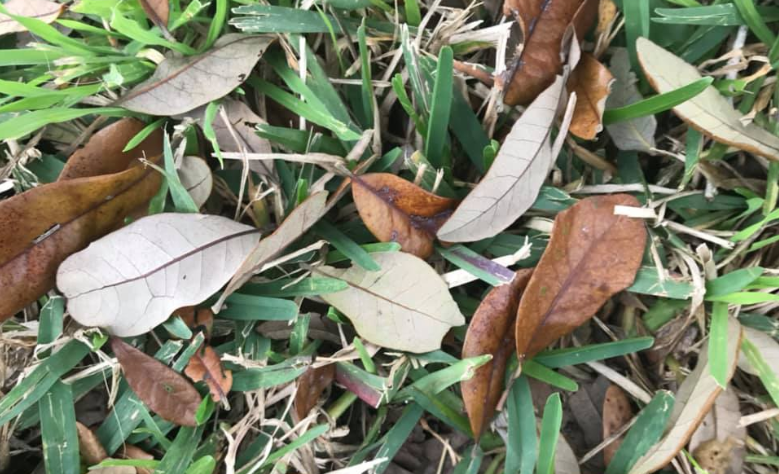
Protect your Lawn from Oak Leaves
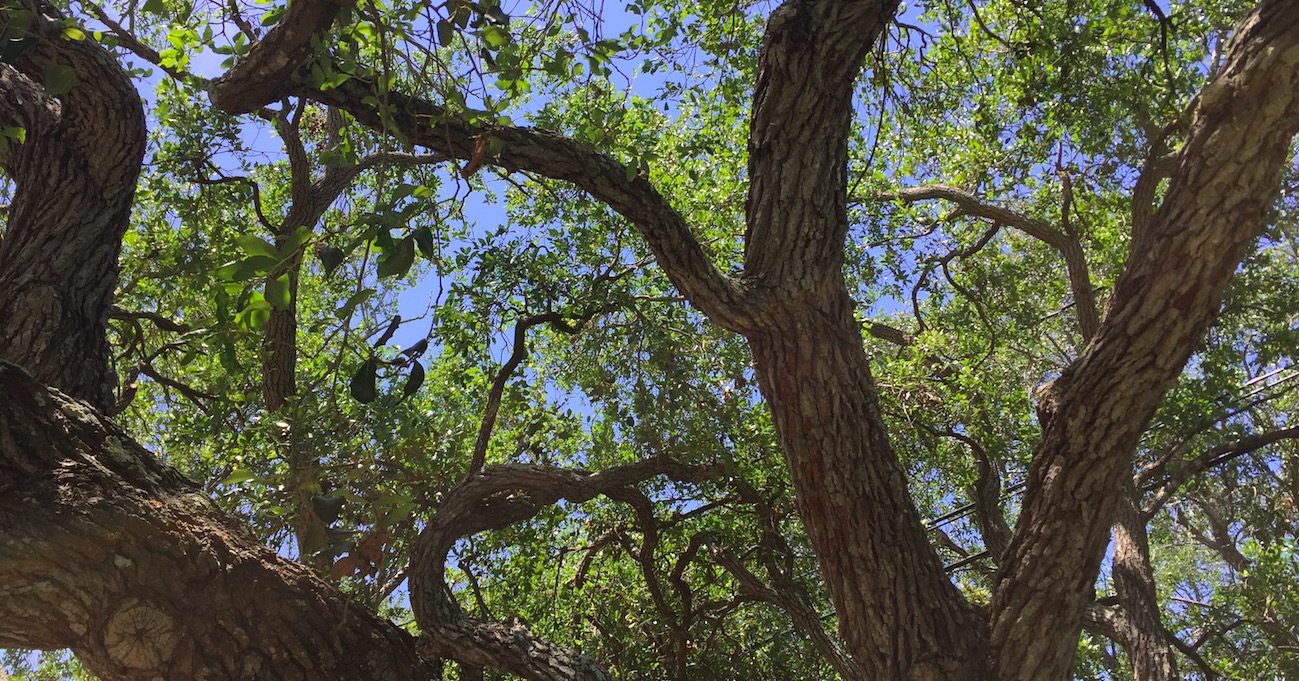
Live oaks are following their natural pattern of dropping old leaves before the new leaves come on. Now it’s time to get those oak leaves off your lawn before it suffocates the grass. Under large oaks, since the grass is often thin and stressed anyway because of shade, using a blower is less stressful on the weak turf than a rake.
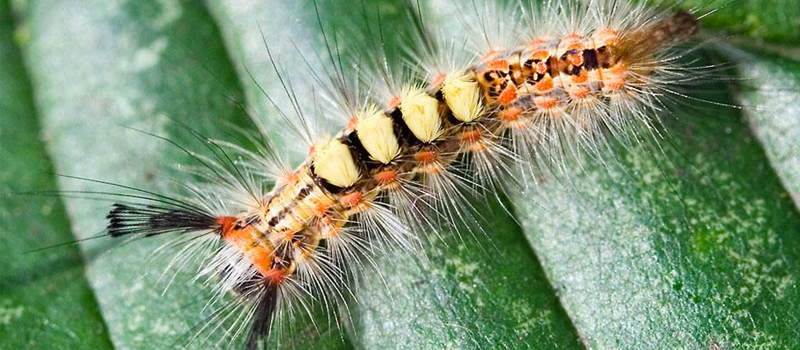
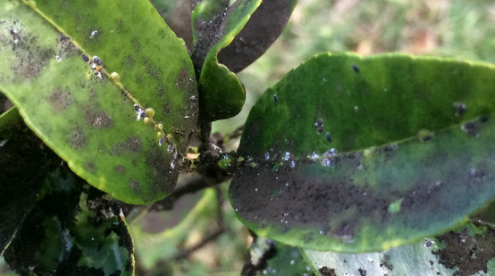
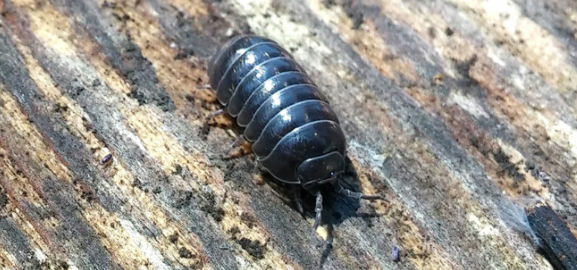
Control Aphids, Pillbugs, & Caterpillars in Your Veggie Garden
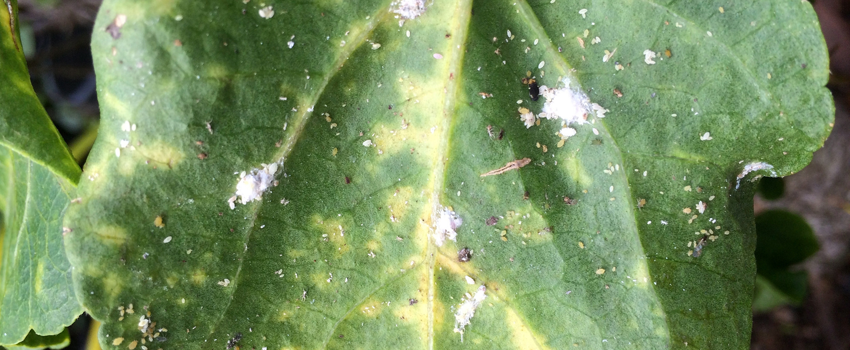
Keep organic Spinosad soap handy for Aphids and Pillbugs, or release some ladybugs. Caterpillars can be controlled organically using Bt (Thuricide spray or Dipel dust). Inspect your veggies every day and you'll catch most pests before they become a problem.
Lawn Care
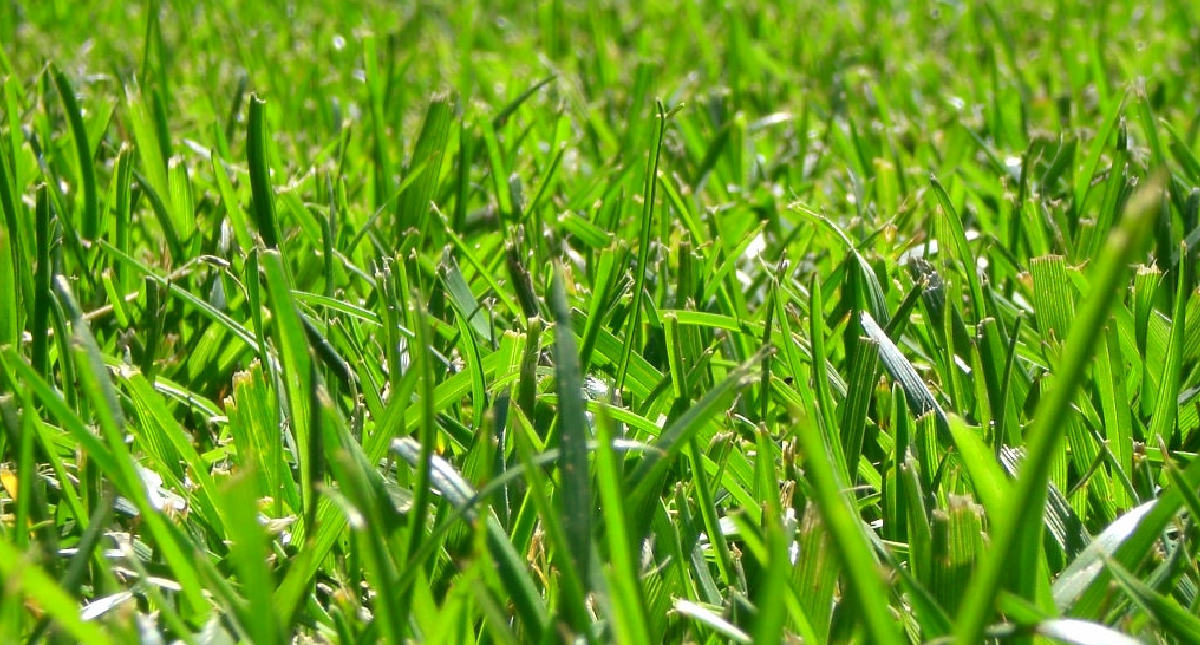
Rethink Lawn Spaces
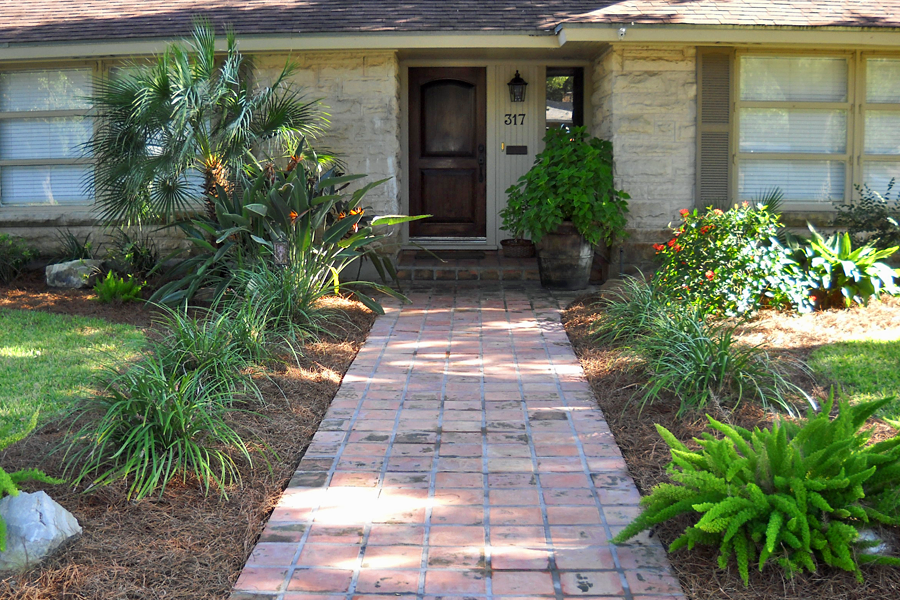
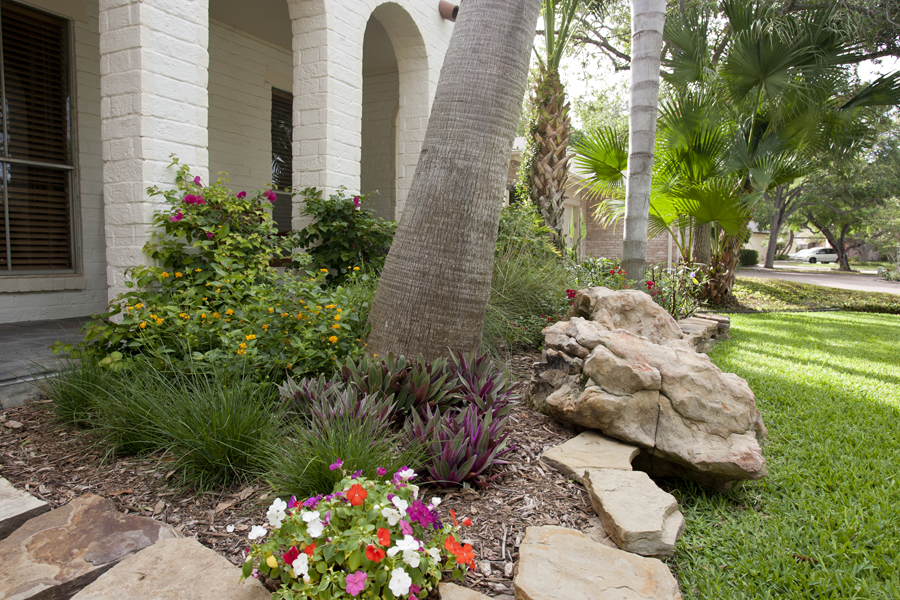
Given our drought situation/lawn watering restrictions, many of us are deciding to reduce lawn space. Traditional turfgrass lawns require lots of water and they don't provide much, if any, benefit to pollinators. Plus, much of our lawn space sits unused. Does every square foot need to be turfgrass, or could you create new beds for blooming perennials? Could you convert areas to native groundcovers like Frogfruit? Could you add some nice pathways or seating areas with a nice firepit? So many options!
Weed Control
Given our drought situation/lawn watering restrictions, decide whether you really want to control weeds. Weeds are green and they don't need much water! Plus they'll help keep the ground cooler. Many of us are choosing to mow the weeds down to keep them from reseeding rather than spraying or removing them.
If you do need to spray/control, spot treat existing weeds growing now with natural horticultural vinegar or Captain Jack's Deadweed Brew. Both will burn any foliage so take care to not spray your plants or lawn.
If you want to prevent weeds, apply Hi Yield Grass and Weed Stopper or Weed Beater Complete to help control existing weeds and prevent new ones.
If you want to kill existing weeds, apply Weed-B-Gon for Southern Lawns or Image once our weather warms up to 70-80 degrees with no rain for about 5 days. They are safe for Floratam & Raleigh St. Augustine and Bermuda. Give them 2 weeks to fully work and then it should be time to fertilize the lawn. This is why we don't recommend or sell "weed & feed" type products. Take care of weeds first, then fertilize.
Fertilize
Fertilize when the grass is actively growing. You can't be too late, you can only be too early in spring. Apply organic Medina Growin Green or Milorganite and water in well (approximately 30 minutes per area). Normally, we wouldn't recommend trying to time your fertilizing with rainfall, since heavy rains can wash away the fertilizer. However, given current watering restrictions, try to take advantage of a light/moderate rain. Lay new sod anytime, bermuda seed anytime this month.