We’ve passed the halfway point for 2026…that was fast! We hope you’re having lots of fun this summer – holidays, BBQs, weekend trips, and garden projects! Here are our top must-do’s to keep your plants healthy and happy in July, including tips for planting, watering, and summer pests to watch out for.
1. Yes, You Can Plant in the Summer!
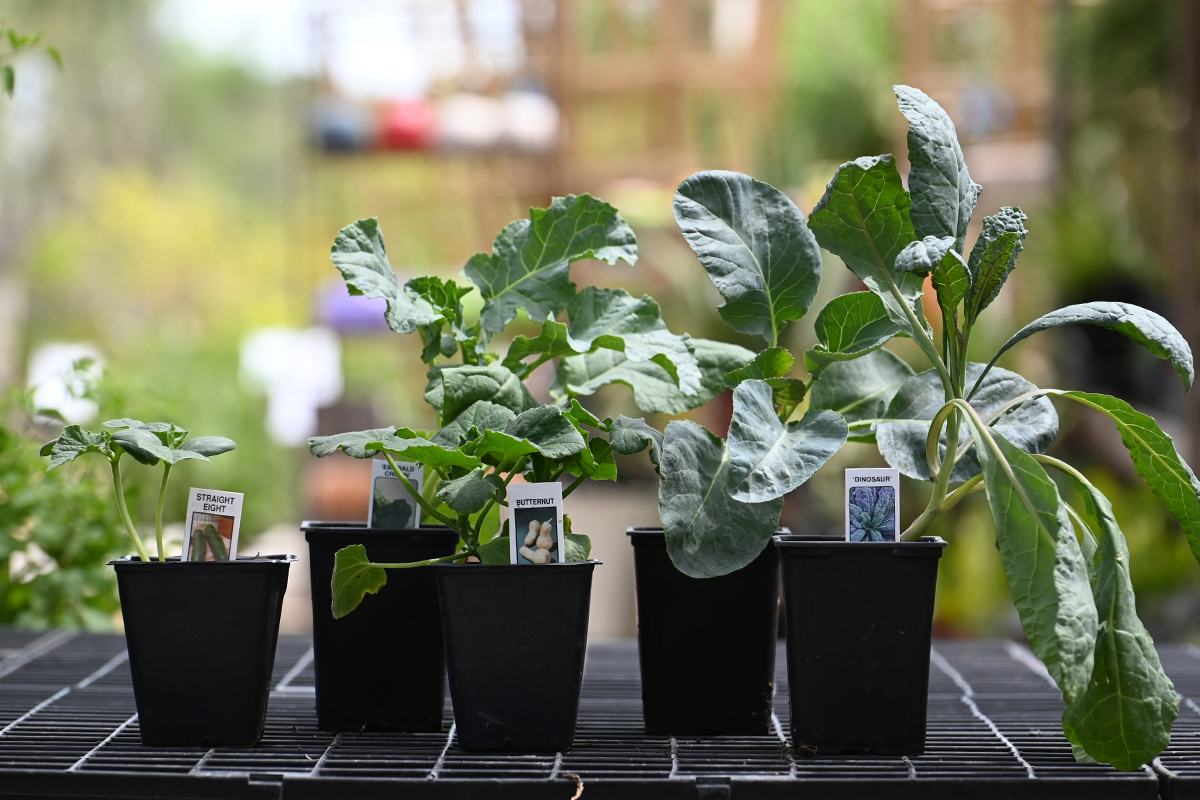
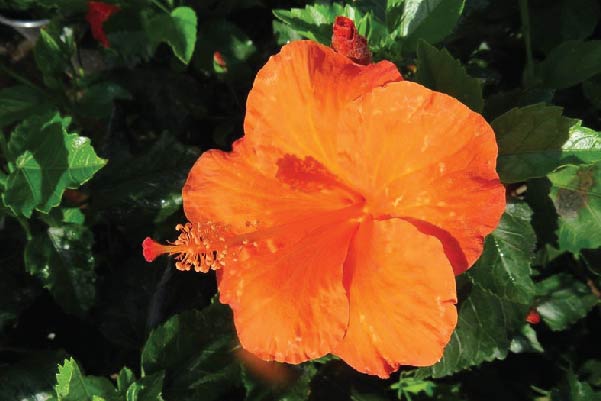
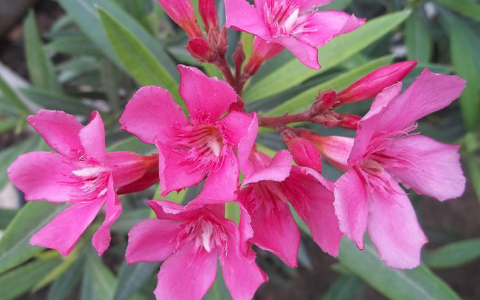
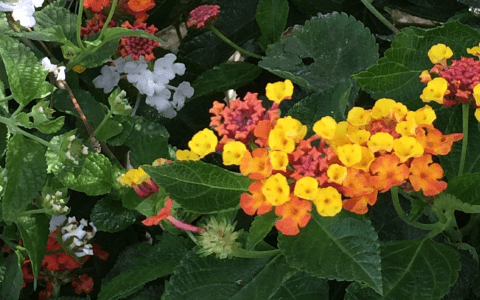
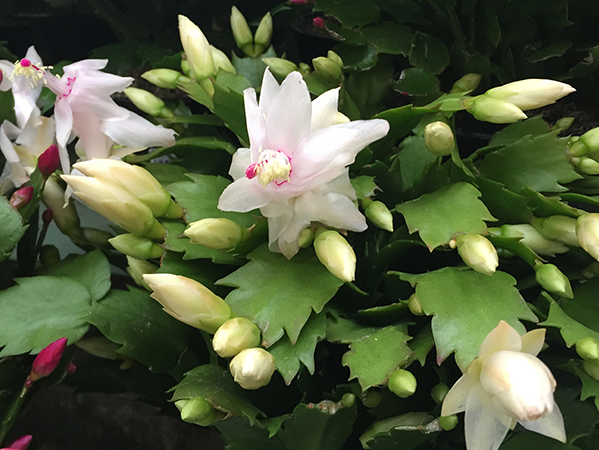
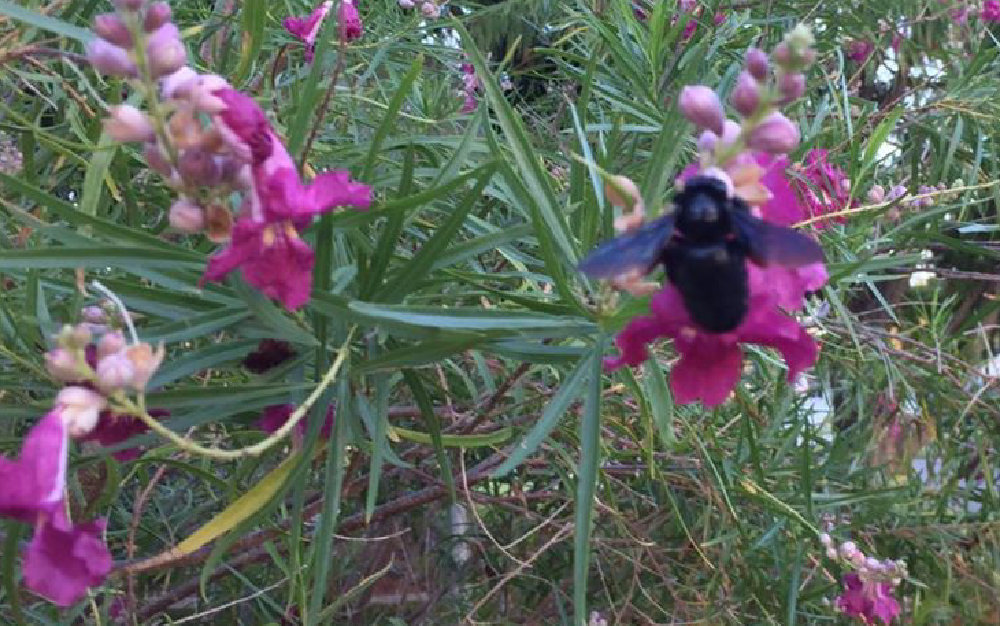
Myth: I’ve heard that you can’t plant in the summer because its too hot… FACT: Of course you can!! You can plant just about anything in our summers, including trees, as long as you have a good plan for watering. In fact, summer is a great time to plant crape myrtles because they’re blooming and you get to choose the color IRL! While we’re past the season for spring veggies like tomatoes, there are still plenty of summer veggies like okra, peppers, eggplant, and melons to plant now. If you want your own fresh pumpkins for Halloween, start ’em in July. Plus, now’s a great time to set table for the fall hummingbird migration with their fav blooming perennials like Firebush, Firecracker plant (pictured), native flame Acanthus, and Dicliptera aka Hummingbird Bush. Don’t let any myths discourage your summer gardening!
2. Watering: Think Depth, Not Frequency
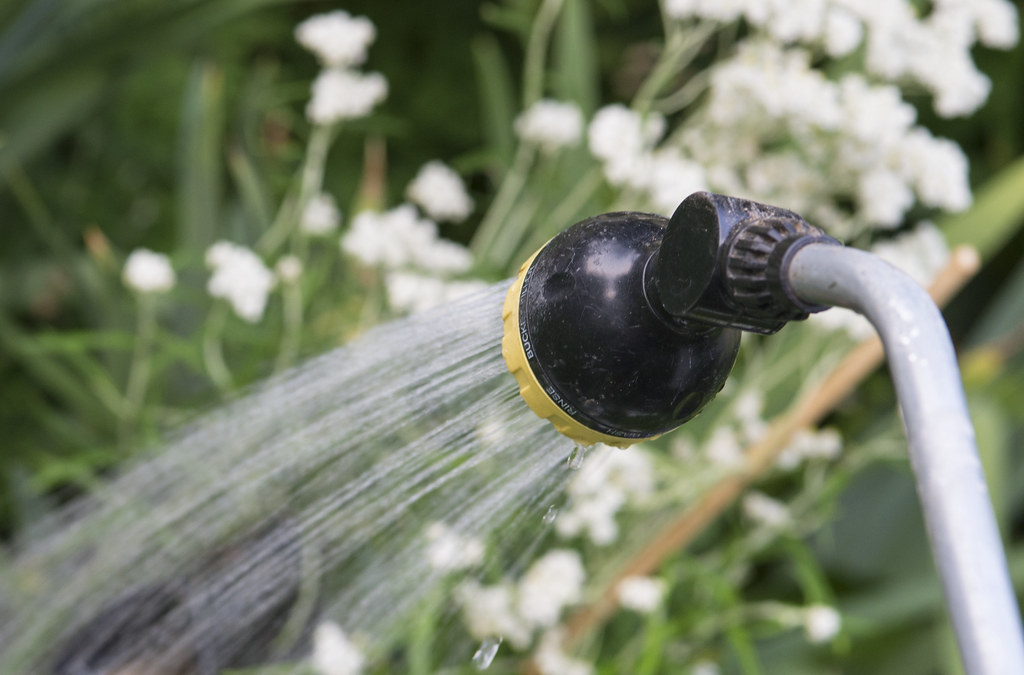
Proper hydration happens when you get water down to the roots of the plant. This means watering deeply, not more frequently. Plants need long, slow, deep drinks! Encourage those roots to dive deeper for water. Even with recent summer rains (yay!!), continue to watch your watering and maintain that depth moisture. If you notice this summer that you’re having to water your potted plants a lot more often, it could be time to re-pot. As the pot fills up with roots, you end up with less soil and therefore less moisture retention.
3. Mulch to Keep Roots Cool
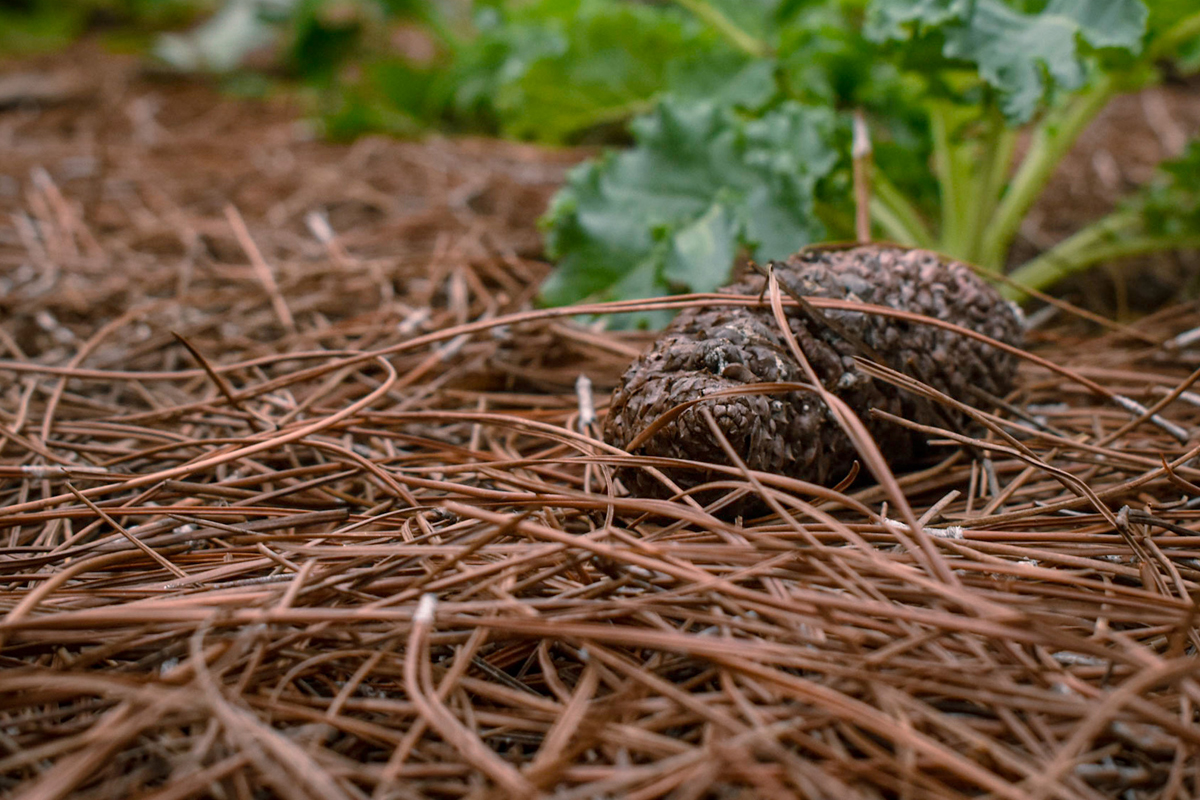
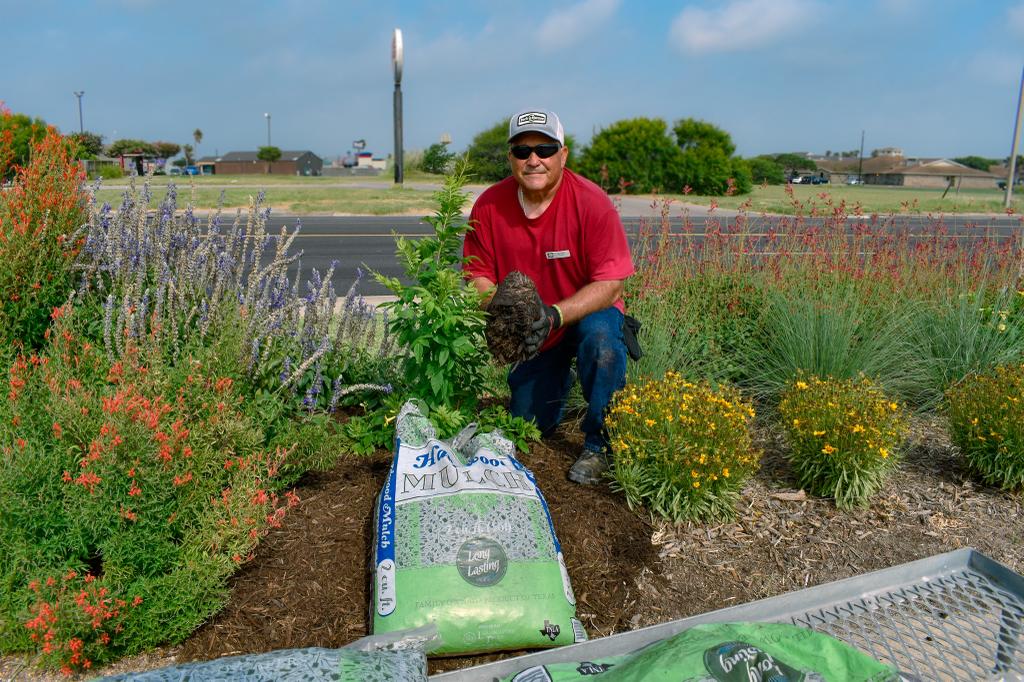
Another way to save water is to keep landscape beds and gardens mulched through the summer. Studies show that a good 3″ layer of mulch will keep your plant roots more than 20 degrees cooler! Not only that, a good mulch layer also helps retain moisture AND keeps weeds at bay. Healthy plants, less watering, and fewer weeds – that’s a win/win/win! It’s important to use natural wood or pine straw mulch that breaks down over time, NOT the red dyed stuff! As natural mulch breaks down, it adds nutrients and makes your soil more workable. Keep in mind, mulch is also a great placeholder. If you have areas that you plan to plant later, keep them mulched to keep weeds out and keep your soil healthy and ready to plant when you are.
4. Watch for More Bugs in Summer
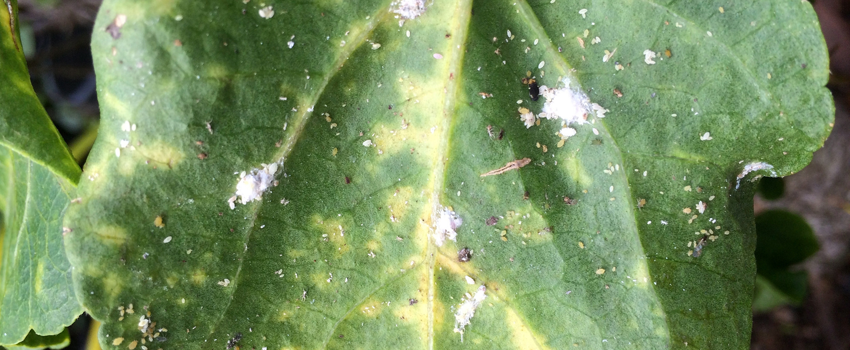
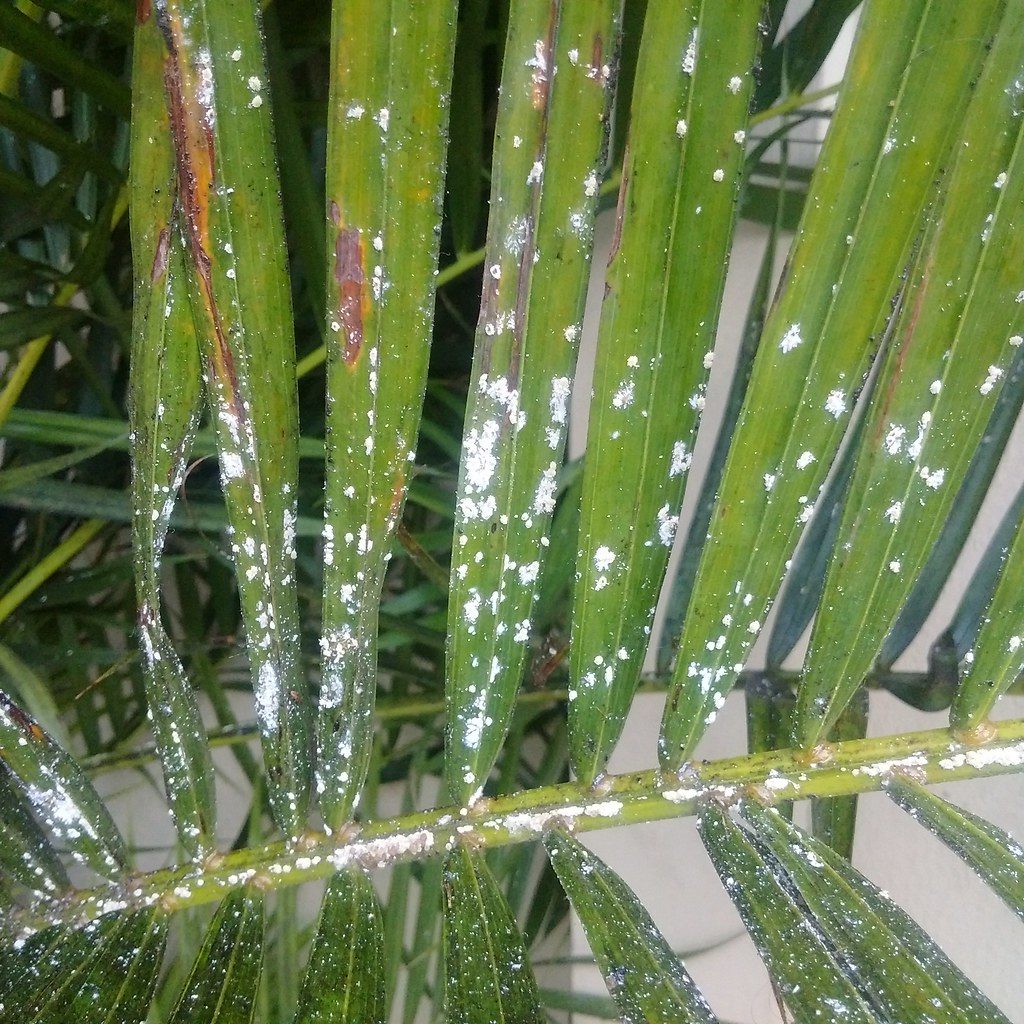
This is what a mealybug infestation looks like!
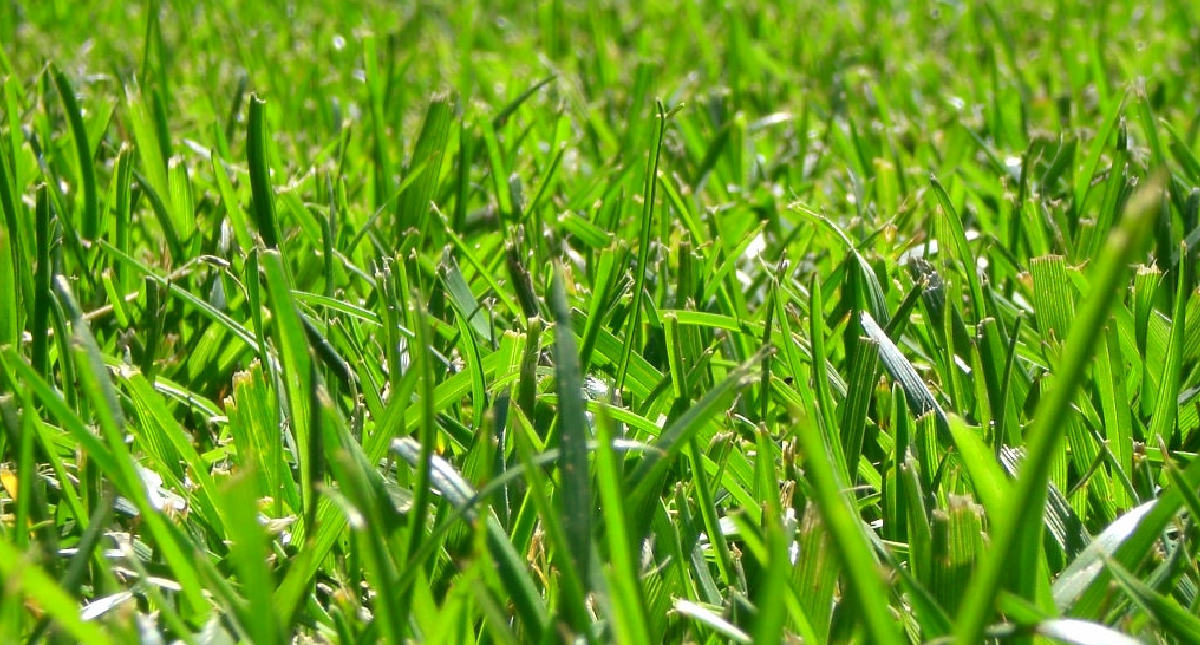
Not all bugs are bad, so it’s important to know your bugs before you spray anything, even organics. A few bugs here and there is most likely not cause for alarm. If you do get an infestation, cut the plant back first, give it some fertilizer, then treat for bugs. By pruning first, you won’t have to treat every leaf on the whole plant. We see plants come back better than ever using this method. If you’re not sure about bugs or pruning, we’re here to help. During summer, watch out for mealybugs on plants like Hibiscus and Turk’s Cap, lacebugs on Lantana, and chinch bugs in the lawn – especially near sidewalks and driveways! We’ve got solutions for all of the above.
5. Yes, You Should Fertilize in the Summer!
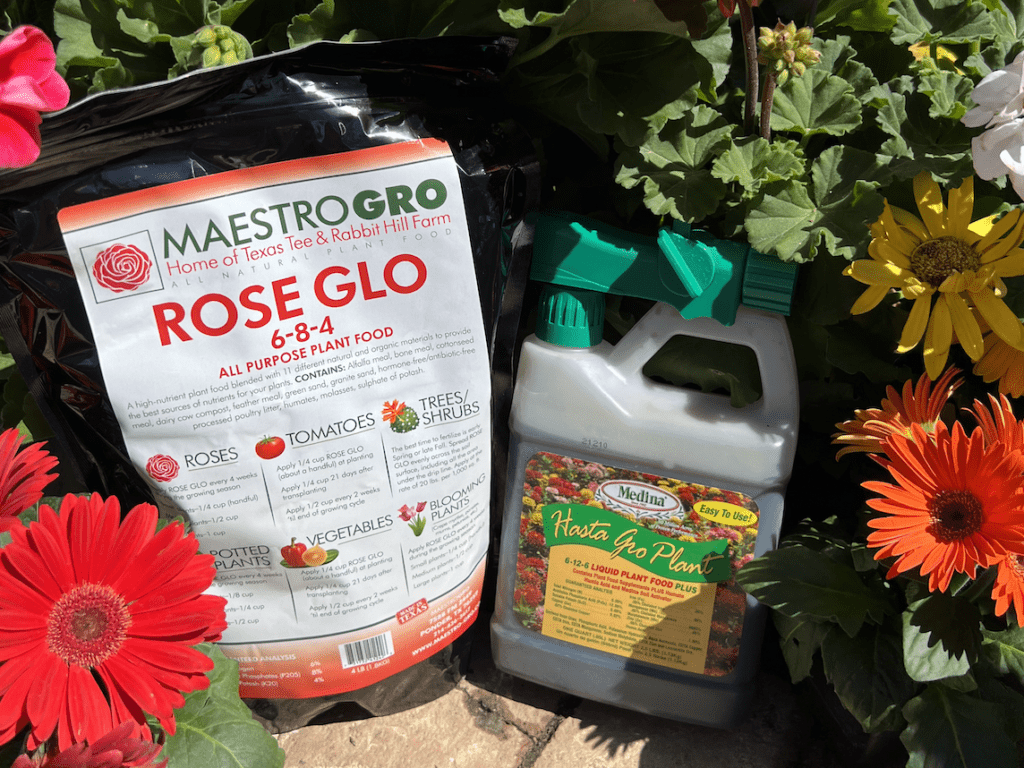
Continue to feed plants, especially heavy bloomers and veggies through the summer. Keep in mind that strong, healthy plants are less susceptible to pests and disease. Speaking of strong, try a good liquid foliar food like Medina Hasta Gro about every other week in addition to your granular feedings about once a month. The foliar food sprayed directly on the leaves really makes those leaves stronger and more robust. Lots of gardeners like to use liquid seaweed in the summer for a similar purpose, to help fortify and summer-proof your plants. What about lawns? If you haven’t fed your lawn yet, you can still do that too. If you have, you don’t need to feed it again until the fall.
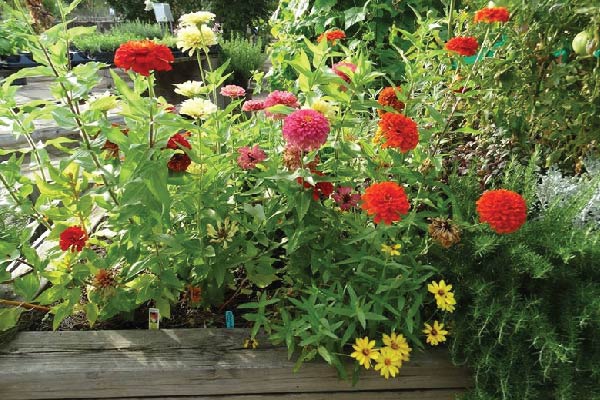
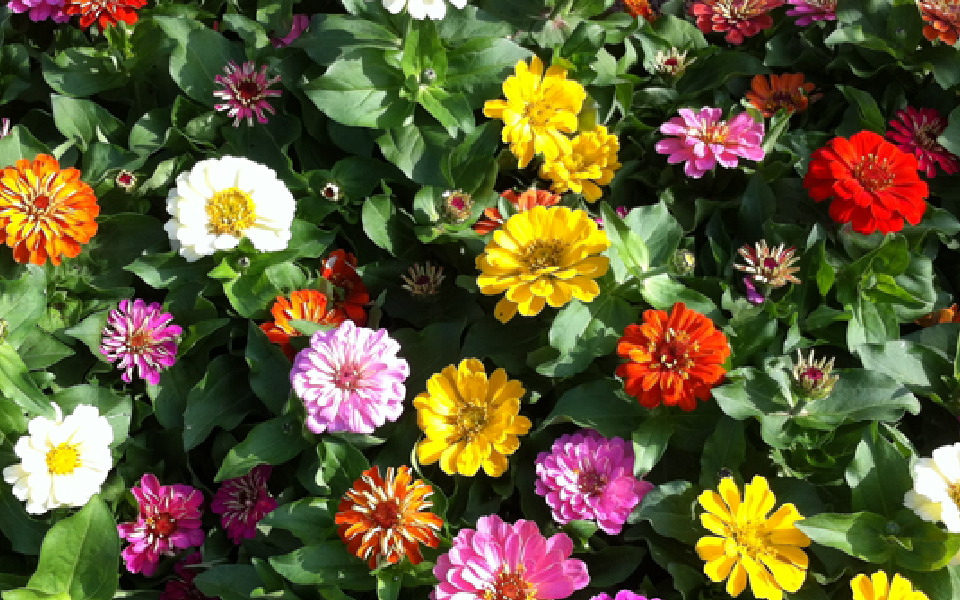
Bring the kids to Gill’s on Saturday, July 11th to celebrate our favorite summer flowers – zinnias! We’ll have stations set up for the kiddos to make their own mud cookies, sprinkle some zinnia seeds into the mud mixture, and cut out cute cookies in the shapes of butterflies! Once you get them home, these zinnia seed cookies can be planted in pots or beds – just water them in, and in a couple weeks, your zinnias will start to sprout and grow!
Free event for kids 12 and under!
Bring the kids to Gill’s this Saturday, July 11th to celebrate our favorite summer flowers – zinnias! We’ll have stations set up for the kiddos to make their own mud cookies, sprinkle some zinnia seeds into the mud mixture, and cut out cute cookies in the shapes of butterflies! Once you get them home, these zinnia seed cookies can be planted in pots or beds – just water them in, and in a couple weeks, your zinnias will start to sprout and grow!
Free event for kids 12 and under! See y’all this Saturday!
Fall is here, and it’s time for flowers galore! With the days getting shorter and the time change right around the corner, now is the time to get your fall flowers planted. Give them a head start while there’s still plenty of daylight and warm soil to help them settle in. Are you planting annuals for a big seasonal show, perennials that bloom this fall and return year after year, or Texas native perennials that work hard for pollinators? Why not all of the above! Here are 10 of our absolute favorite blooms for our favorite planting season.
Fall Aster – Native Perennial
Fall Asters bring cheerful daisy-like blooms and beautiful late-season color to the garden. They grow best in full sun to partial shade. Give them consistent moisture while they’re getting established, especially during warm, dry spells. After they bloom in the fall, they make an excellent evergreen shrub year-round.
Black Dalea – Native Perennial
Black Dalea is a tough Texas native that delivers vibrant late-season color while using relatively little water once established. Plant it in full sun and well-drained soil for the best growth and flowering. Pronounced ‘day-lee-uh’, unlike common dahlias.
Marigold -Fall Annual
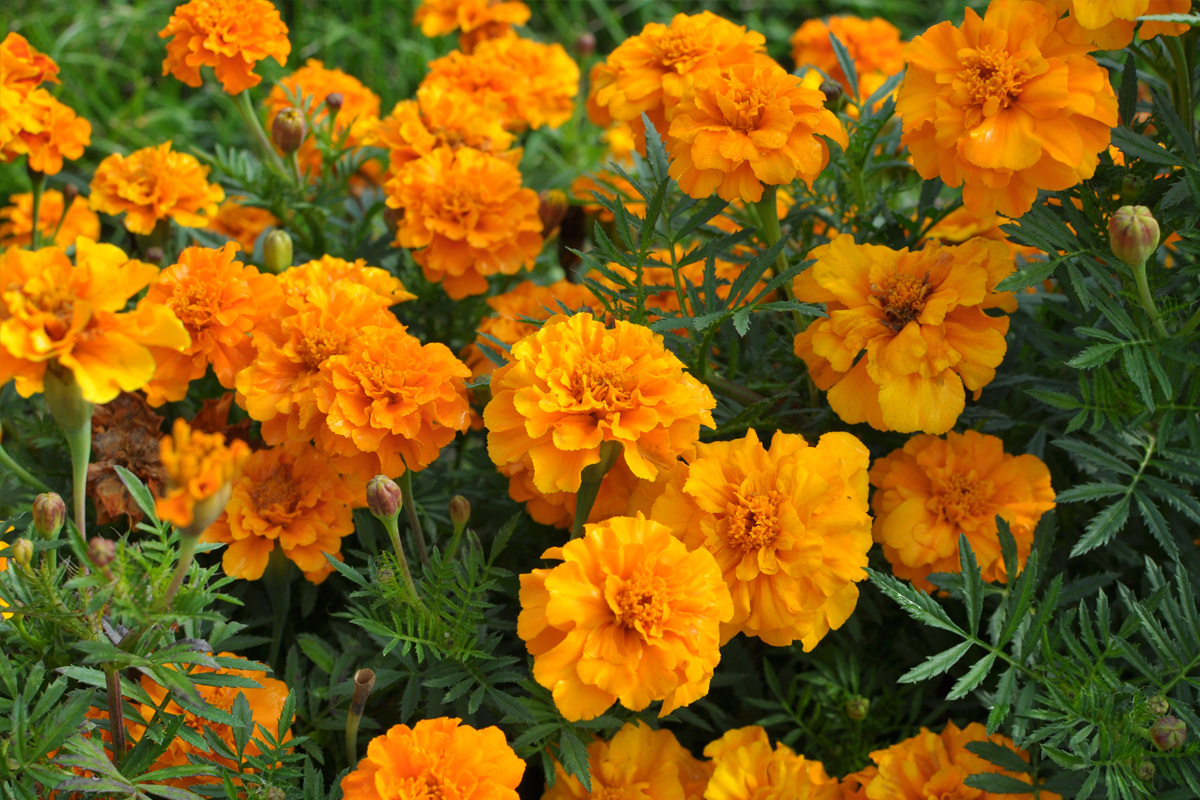
Marigolds are classic fall favorites that thrive in South Texas when temperatures begin to cool. Plant them in full sun and keep them watered consistently while they establish. Excellent color to mix into your veggie garden. Plant now for a big show for Dia De Los Muertos in October!
Blackfoot Daisy – Native Perennial
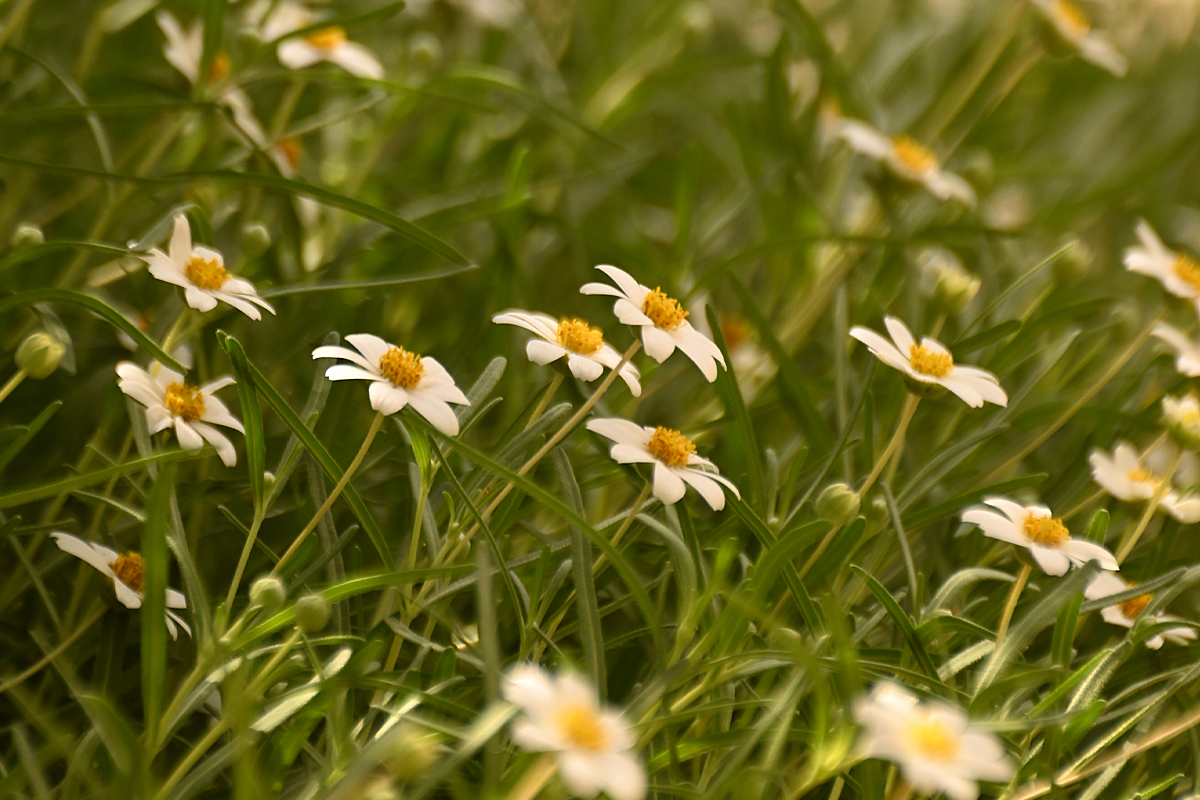
Blackfoot Daisy is a Texas native known for its delicate white flowers and yellow centers. It thrives in full sun, heat, and well-drained soil, making it excellent for raised beds, containers, and rock gardens. Extremely drought tolerant and requires relatively little maintenance.
Coreopsis – Fall & Spring Annual
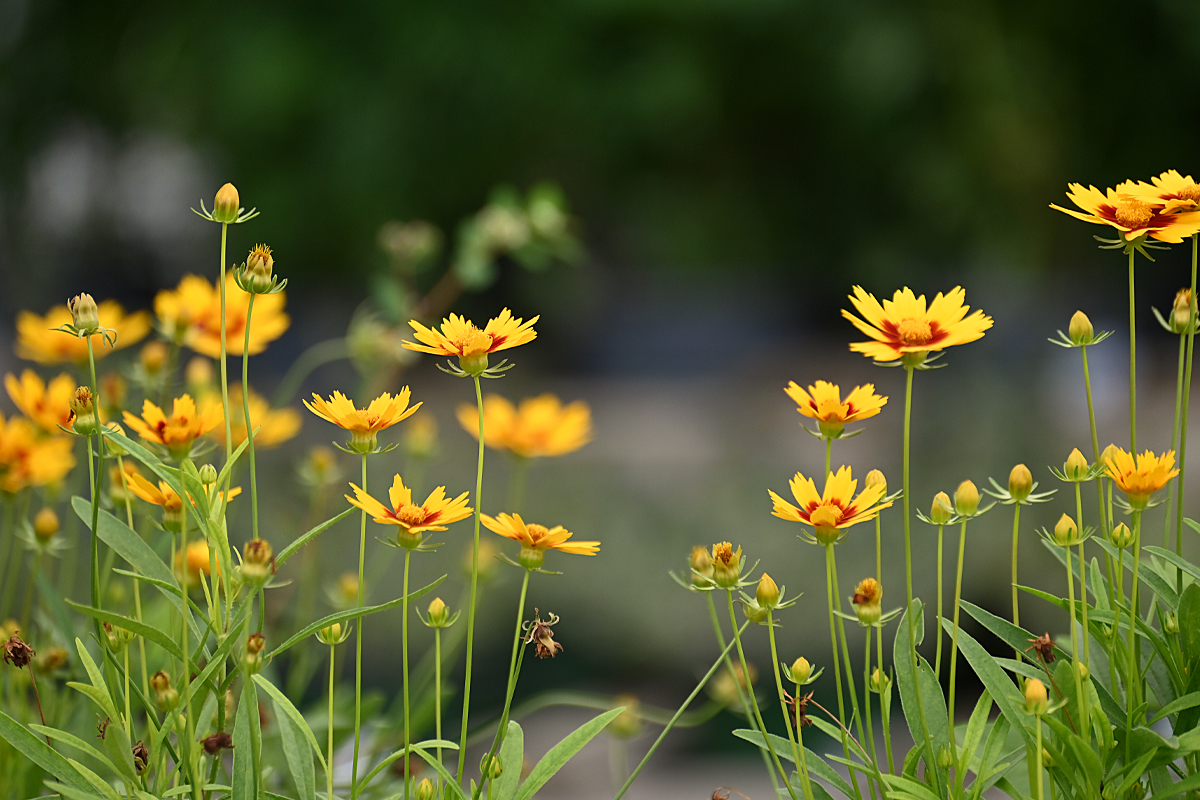
Coreopsis brings cheerful, daisy-like blooms in shades of yellow, gold, and red to the fall garden. It grows best in full sun and can handle the heat once established. Regular watering during establishment will help encourage strong growth and more blooms.
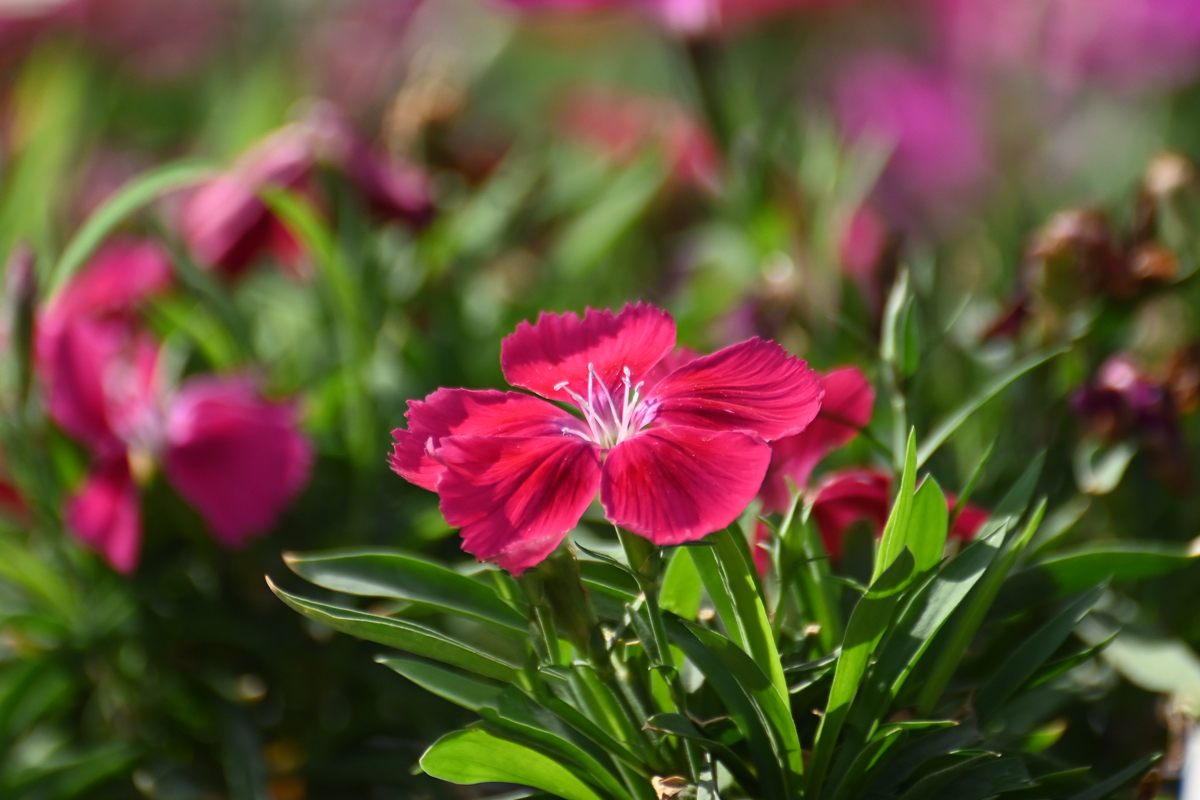
Dianthus – Fall Annual
Dianthus is a cool-season favorite that adds colorful blooms and a little fragrance to fall gardens. Plant in full sun, keeping the soil consistently moist without allowing it to stay soggy. As temperatures cool, dianthus will take off and provide color well into winter.
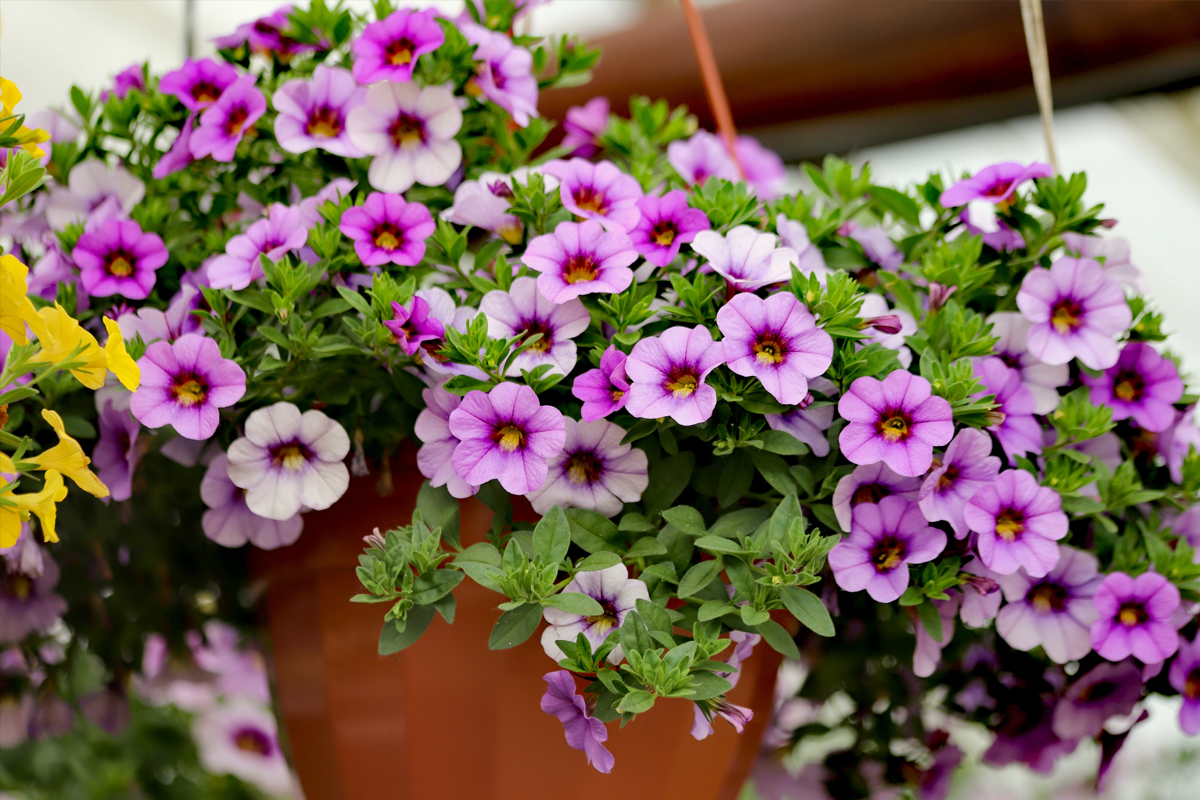
Petunia – Fall & Spring Annual
Petunias are one of the easiest ways to add a big splash of color to the fall garden. THE classic container and hanging basket plant! Fall’s cooler temperatures are perfect for petunias in South Texas, helping them produce abundant blooms. When watering, don’t water over the top – water under the flower over the lip of your container to keep your petunias big and full.
Turk’s Cap – Native Perennial
Turk’s Cap is a Texas native perennial with unique, hibiscus-like flowers that attract hummingbirds and other pollinators. It’s actually part of the mallow family, along with hibiscus and our native Rock Rose. Turk’s Cap is the most versatile of all – it can thrive in sun or shade, clay or sandy soils.
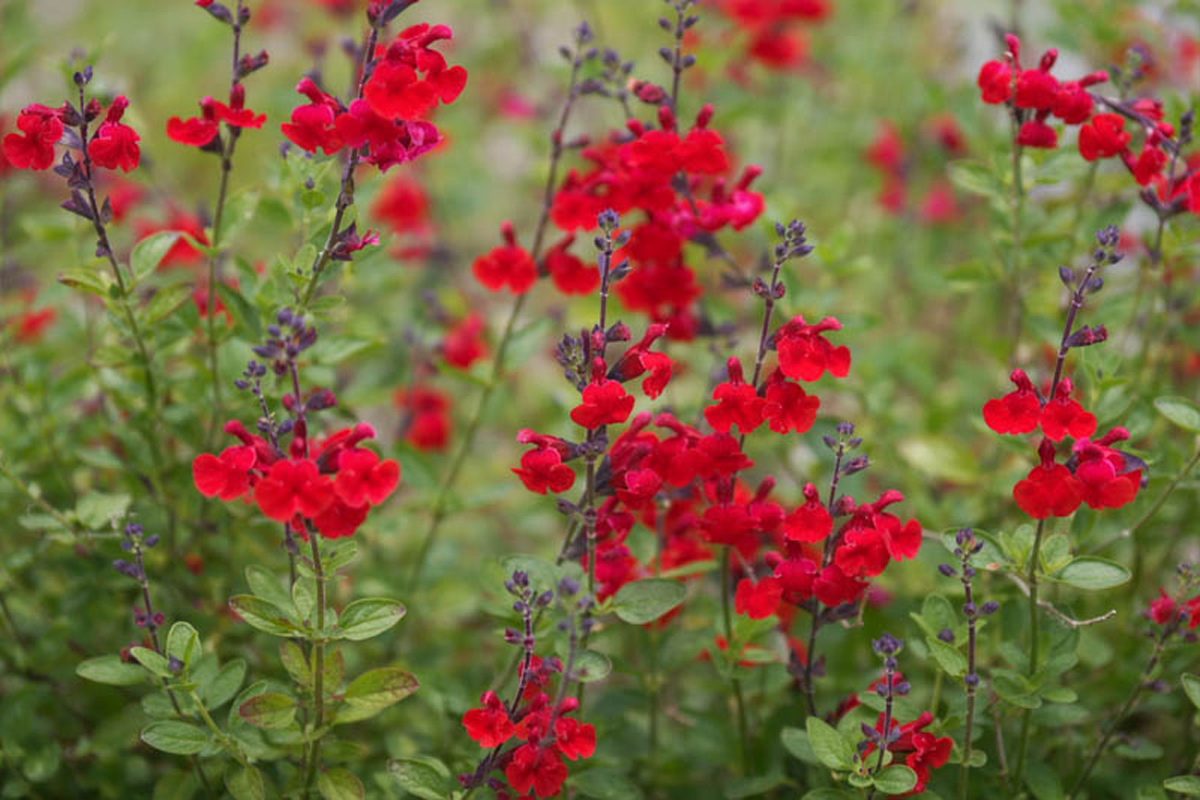
Salvia greggii – Native Perennial
Salvia greggii, also known as Autumn Sage, is a South Texas favorite and a magnet for hummingbirds and pollinators. Plant it in full sun and well-drained soil, and avoid keeping the roots overly wet. With the right conditions, it can provide colorful blooms through much of the year.
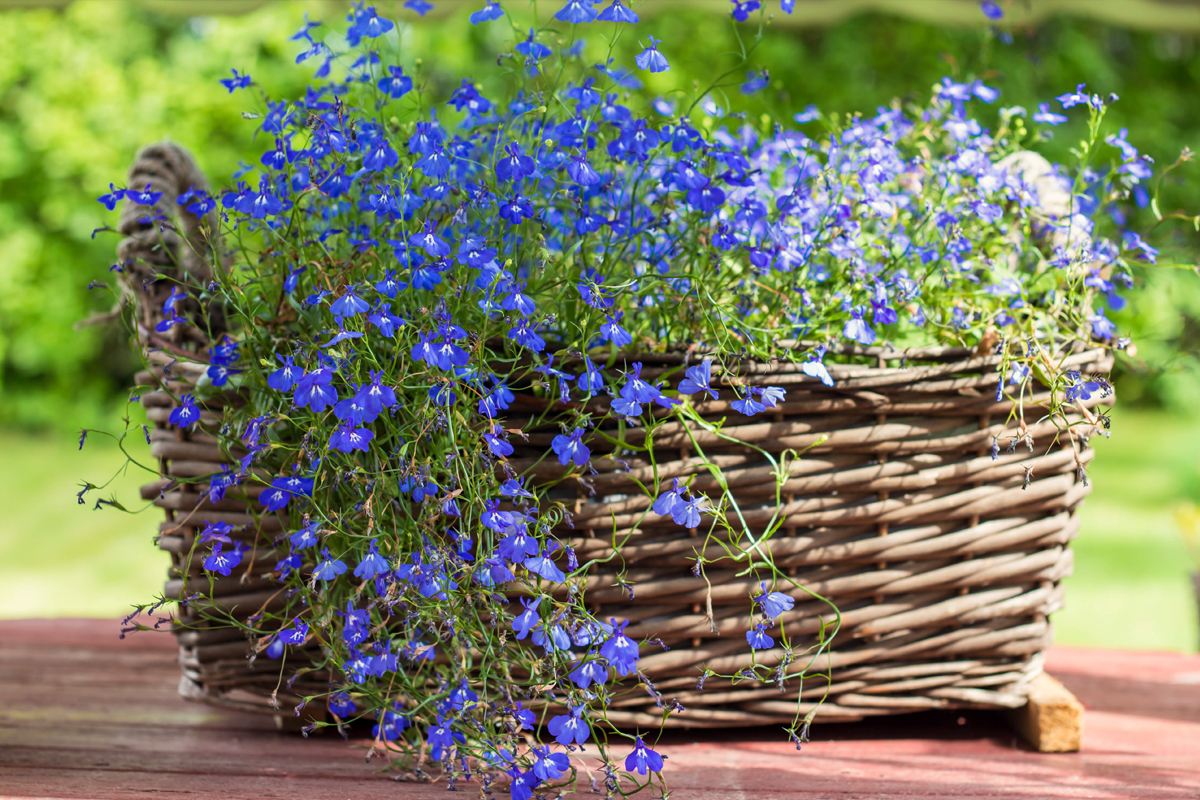
Lobelia – Fall Annual
Lobelia adds cool-season color with incredible vibrant blue flowers. It prefers morning sun or partial shade, especially as temperatures can remain warm into fall. Keep the soil consistently moist and provide good drainage for the best performance.
Fall is OUR ABSOLUTE BEST TIME for planting veggies, trees, flowers, and just about everything else! We’ve got lots of fun events planned at Gill’s this month, plus everything you need to bring the fall magic to your outdoors. Here are our top must-do’s this October to set your garden and landscape up for success for seasons to come.
1. Join Us for October Events – Including Fall Plant Fest on Saturday, October 10th!
Our 2nd Annual Fall Plant Fest is coming to Gill’s! Saturday, October 10th! FREE admission! Join us from 10AM–4PM featuring family-friendly activities, Mimi’s Mini Farm petting zoo, photo ops, raffles, local food vendors, seasonal coffee drinks from The Brewery, beer and wine, and tons of fall plant specials! Plus we’ll have pumpkin painting, gourd painting, and flower potting stations for just $5 each. Bring the whole family and celebrate fall with us!
2. Plant & Feed Your Fall Veggies
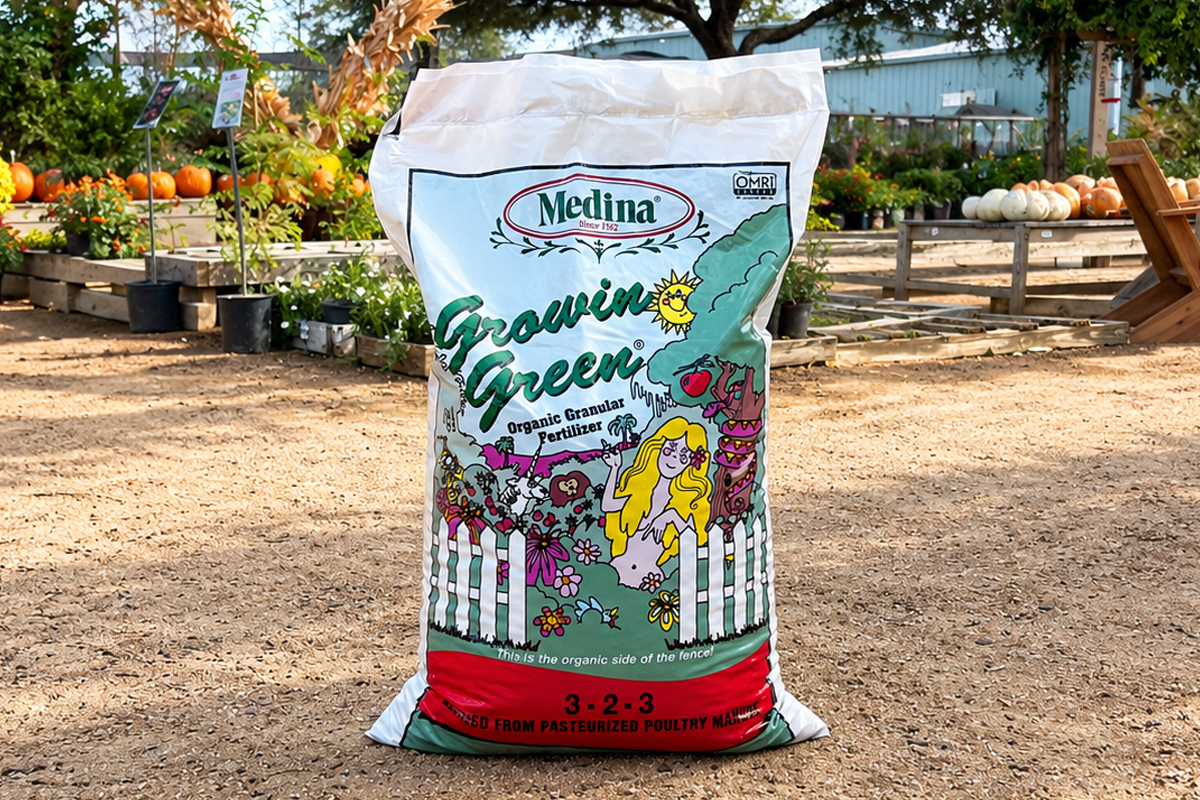
Some of the best… Broccoli, Cauliflower, Lettuces, Cabbage, Carrots, Beets, Radishes, Cilantro, Arugula, Thyme, Chives, Sage, and the list goes on! October is our window for planting! Remember – veggies are heavy feeders, so it’s important to keep fertilizing throughout the season. We recommend using BioTone Starter when you plant, followed by a good organic granular like Medina Growin Green or Plant Tone on the 1st of each month, then supplement with liquid Hasta Gro on the 15th of each month. Set these reminders on your phone/calendar and you’ll have BIG harvests with plenty to cook and share.
3. Plant Trees Now for the Best Start – Citrus Too!
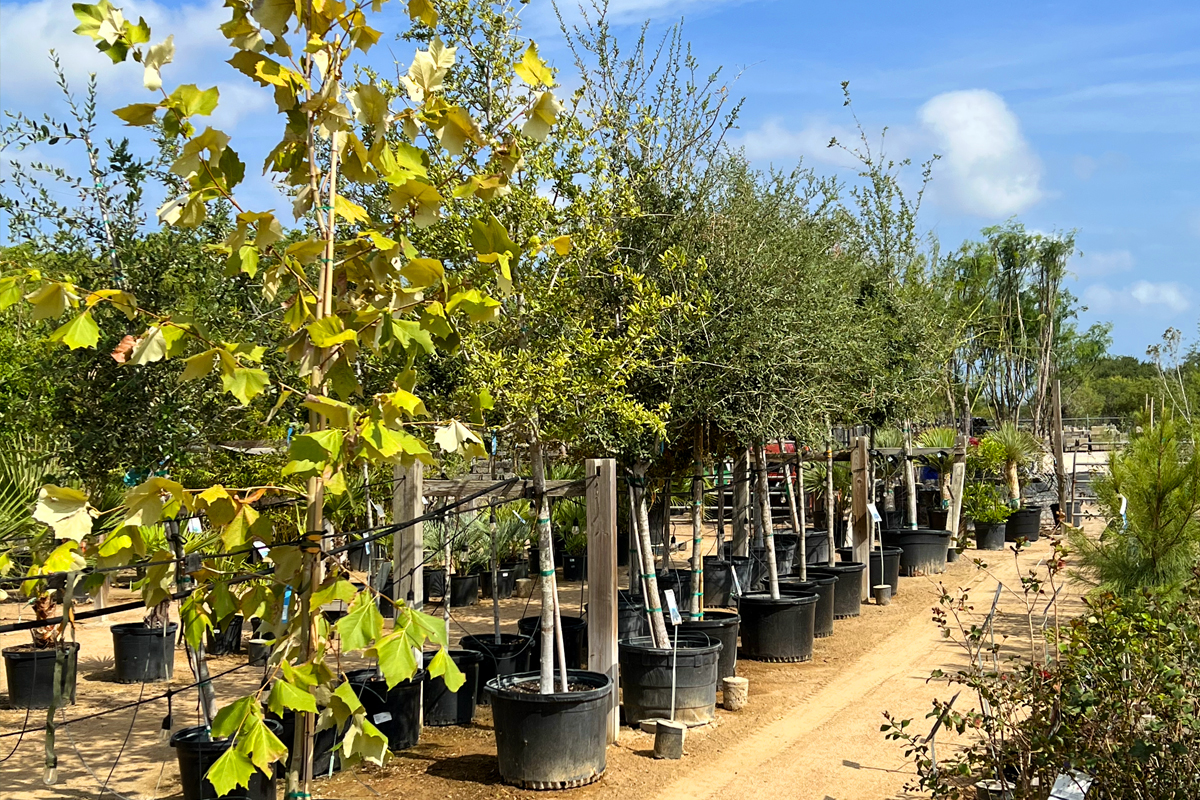
Successful tree planting is all about growing roots. Trees planted in fall grow more next spring & summer because they spend time all fall and winter working on their root system. Having a well-established root system also helps prepare them for hot temps next summer. Live Oak, Burr Oak, Magnolia, Anacua, Cedar Elm, & Wild Olive are some of our South Texas fav’s and we’ve been getting some gorgeous specimens, big and small. And don’t forget about citrus trees! We have a nice fall crop of lemons, different lime varieties, mandarins, and more.
Take advantage of the sunlight while the days are still long. It’s the perfect time to start cool weather Marigolds, Alyssum, Snapdragons, Violas, Petunias, Supertunias, Calendula, Begonias, Stocks – the flowers and colors that say, “FALL!”. Warm days help flowers develop roots so they can look their best during the cooler months ahead. Since we don’t experience dramatic changing of the seasons here in South Texas, we create that fall feeling with gorgeous fall colors!
5. Prevent Weeds + Fertilize Your Lawn
Fertilizing lawns this month is essential for developing strong roots and healthy growth next spring and summer. We emphatically recommend organic Medina Growin Green! Amazing stuff! A 40lb bag covers 3000 sq ft of lawn, and for a small fee, we can rent you a spreader which makes it very easy to apply. Not only does Medina Growin Green work wonders on lawns, you can use it in all areas of your landscape, including your veggie garden. If you want to prevent lawn weeds, now’s the time to apply preemergent Weed Beater Complete or Hi-Yield Turf & Ornamental Weed & Grass Stopper. Remember this: treat for weeds, wait 2-3 weeks, then fertilize. Do not use “weed & feed” products!
Right now is a great time to plant all kinds of blooming plants that hummingbirds and other migratory birds need. Some of our favs for South Texas are native Flame Acanthus (aka hummingbird bush), Salvias (like native Salvia greggii and Salvia leucantha), Cape Honeysuckle, native Turk’s Cap, native Beautyberry, Loquat, Firecracker plant – the list goes on and on. We have been covered in hummingbirds here at Gill’s!
7. Mulch Beds for Moisture Retention & Other Key Benefits
Proper mulching using natural Hardwood or Pine Straw mulch has big benefits throughout the landscape, including in veggie gardens. A good 3” deep layer of mulch will keep your plants and the soil moist for longer after you water or after it rains. When mulching, give the main trunks or stems of your plants a little space – mulch 3” deep throughout the bed, but no more than 1” deep right up against the main trunks/stems of plants. Using mulch in veggie beds also helps keep wet soil from splashing up onto your plants when you water, which prevents common fungal diseases. Not to mention…a good mulch layer will help keep weed seeds from sprouting.
Calling all gardeners, plant lovers, and families! Our 2nd Annual Fall Plant Fest is this weekend at Gill’s! Join us for a fun-filled day of fall favorites, family-friendly activities, local food and vendors, beer and wine, tons of fall plant specials, and plenty of fun for everyone.
FREE ADMISSION • 10AM–4PM • NO RSVP REQUIRED
Activities & Fun
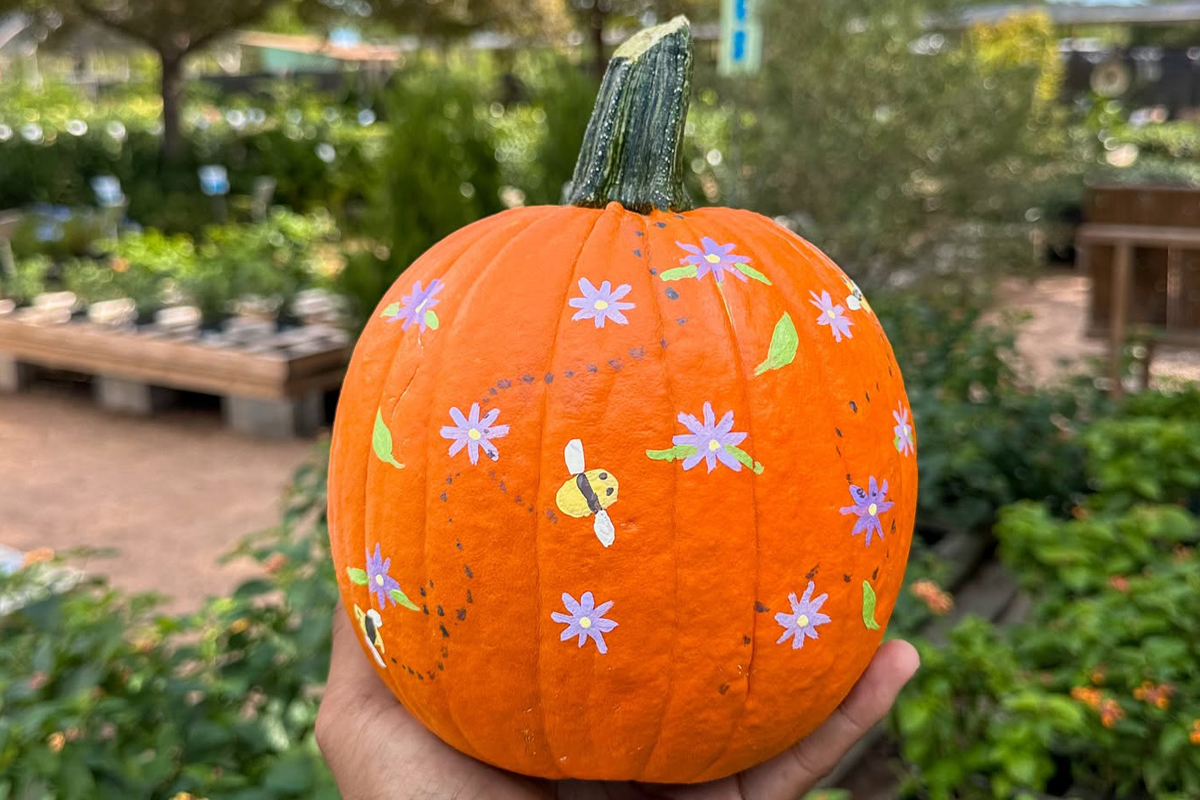
Pumpkin Painting — $5
Pick out a pumpkin and get creative! Our pumpkin painting activity is a fun way for kids and adults to add their own personal touch to the season.
Gourd Painting — $5
Turn a simple gourd into your own fall creation! Grab your paintbrush and let your creativity run wild.
Flower Potting — $5
Get your hands in the dirt! Create your own colorful potted plant to take home and enjoy.
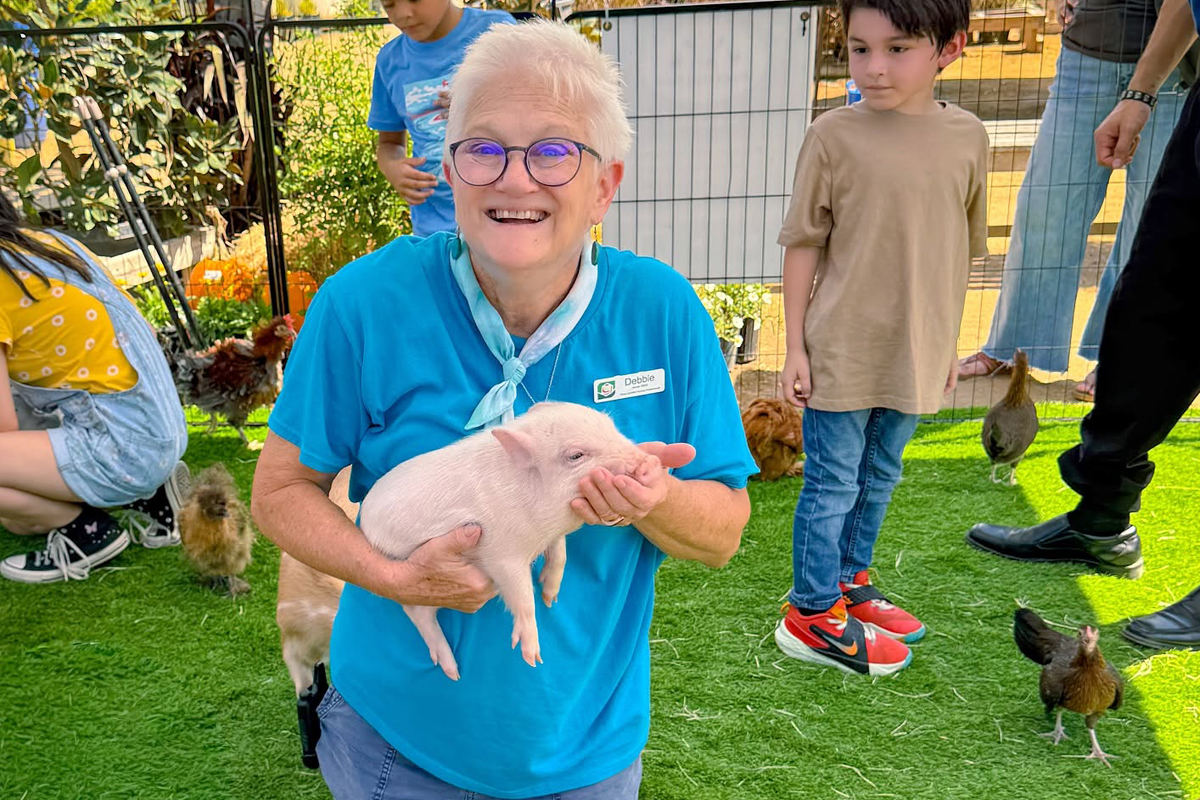
Meet some adorable animal friends at the petting zoo! It’s sure to be a favorite stop for the little ones.
Food & Drinks
Come hungry! We’ll have a great lineup of local food and drink vendors throughout the event.
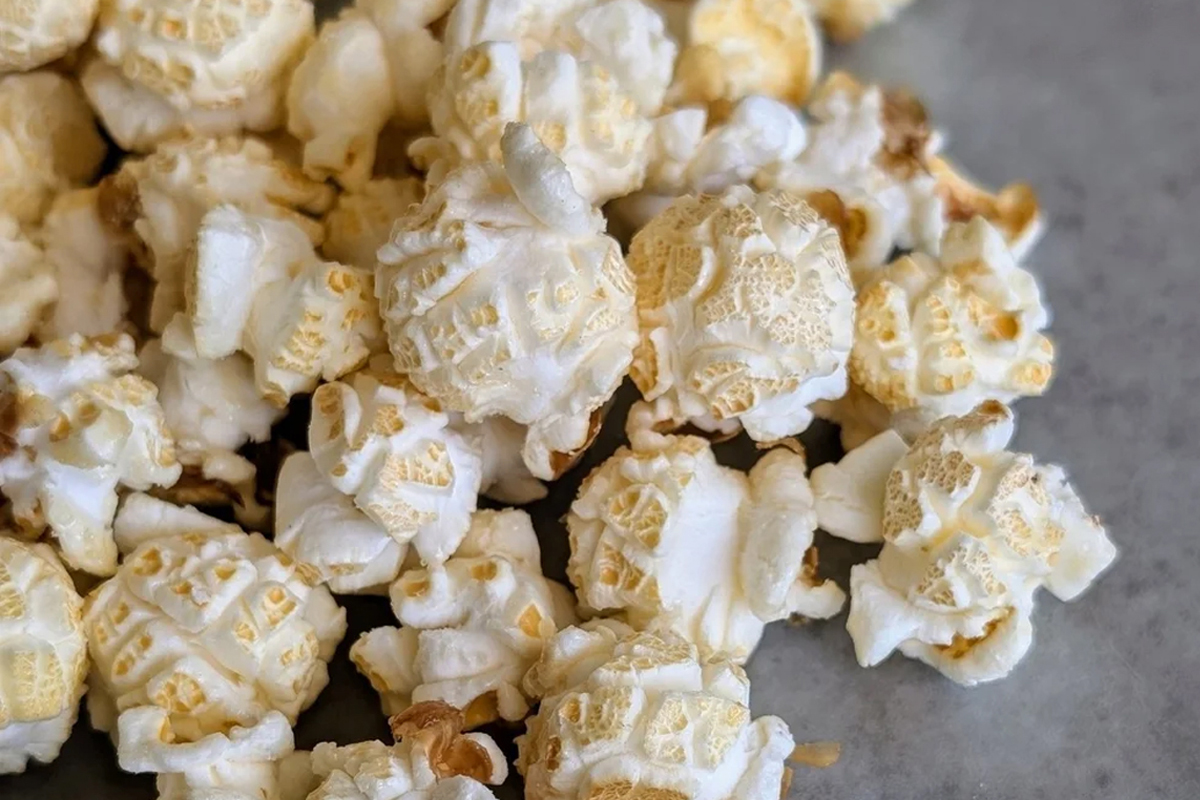
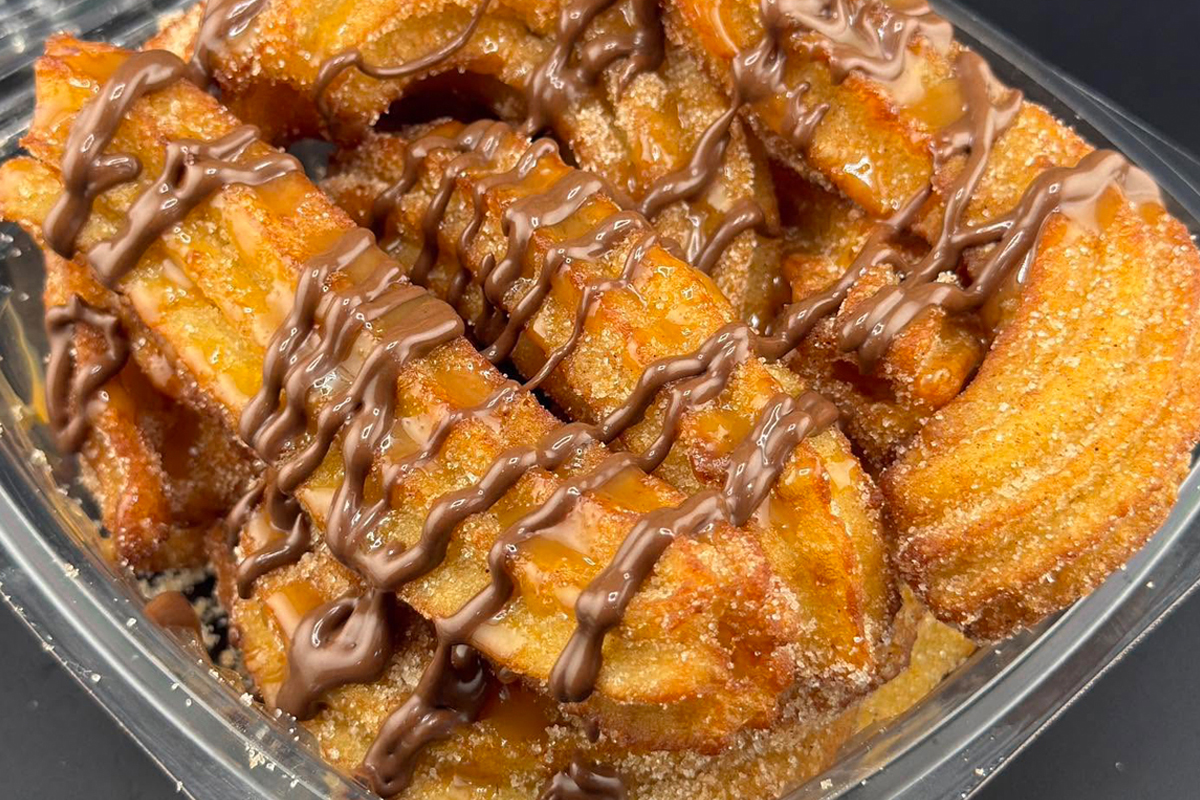
Haus of Pop – Kettle Corn
Nothing says festival day quite like the smell of freshly popped kettle corn! Stop by Haus of Pop for a sweet and salty treat that’s perfect for snacking while you explore Fall Plant Fest.
Need a little pick-me-up while you shop and explore? The Brewery Coffee Cart will be serving up your favorite coffee drinks to keep the good vibes going all day.
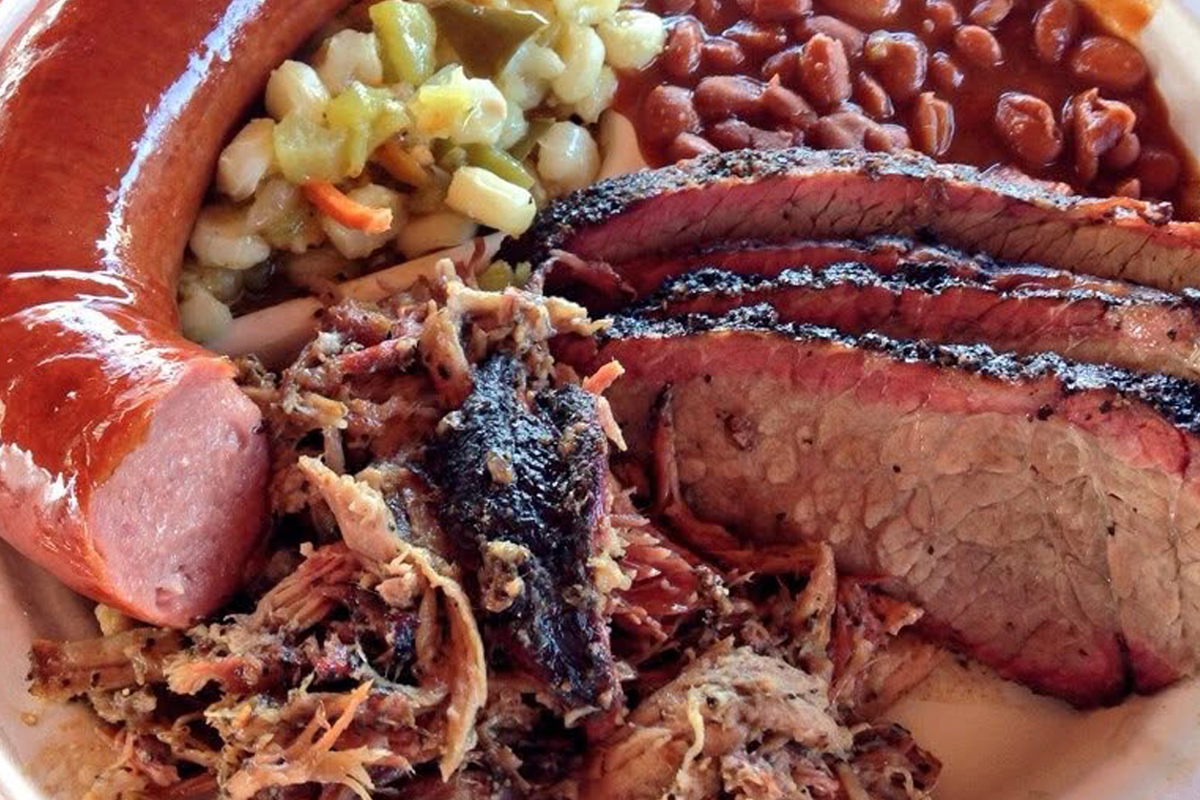
Come hungry and grab some classic BBQ favorites from Boardwalk BBQ! It’s the perfect way to fuel up before getting back to all the fall fun.
Fall Plant Specials
It wouldn’t be Fall Plant Fest without some great plant deals! Join us this Saturday and take advantage of these Fall Plant Fest Saturday-only specials throughout the Garden Center. Stock up on fall favorites and get your garden growing!
Medina Growin Green
Organic Fertilizer
Your Top Choice for Lawn & Landscape!
40 lb. bag reg. $29.99 — NOW $19.99
All Herbs & Veggies
We’ve got all your favorites!
Plant now for a fresh fall garden!
4 in. pot reg. $3.99 — NOW $1.99
Blooming Marigolds
Instant Fall Color!
Celebrate Día de los Muertos!
1 gal. reg. $9.99 — NOW $6.99
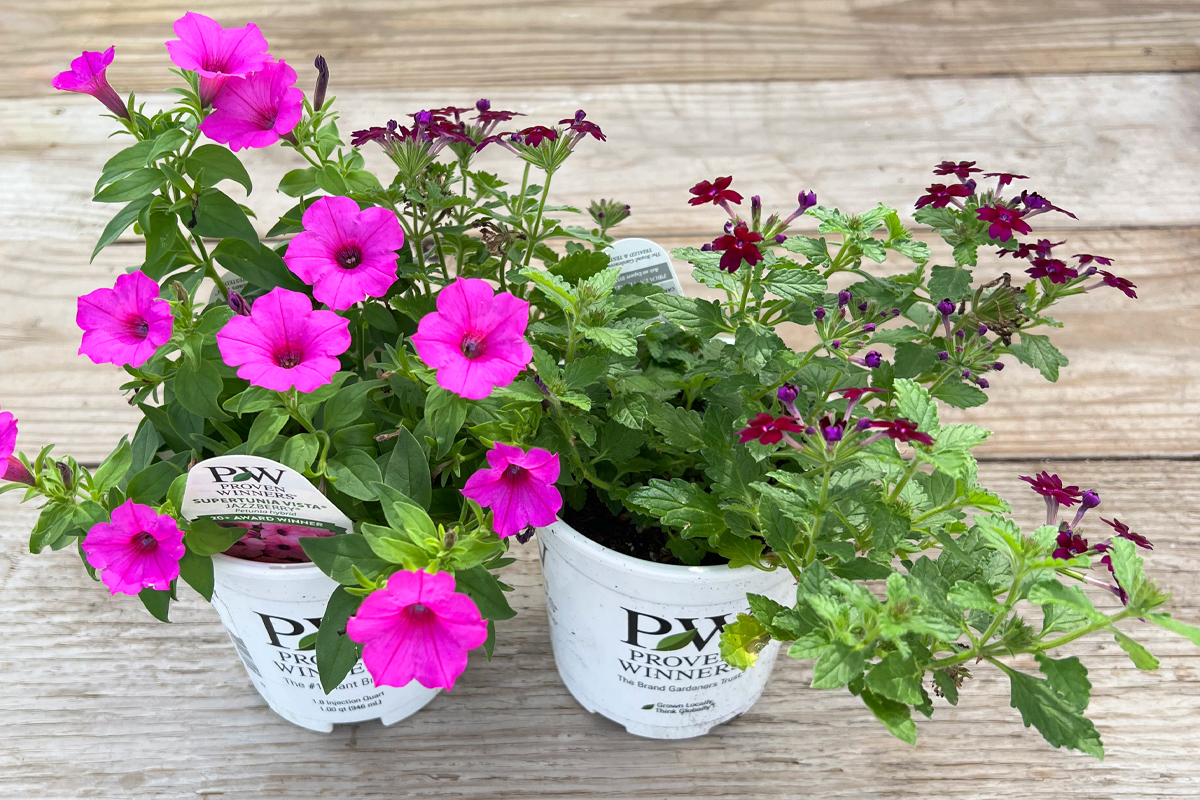
Supertunia & Superbena
By Proven Winners®
Bred for a big show of nonstop color!
Perfect for containers & gardens!
Qt. size reg. $6.99 — NOW $4.99
Join Us at Gill’s!
Bring the whole family and celebrate the season with us at Gill’s! Grab some food, enjoy the activities, shop our fall plant specials, and make a day of it.
Fall Plant Fest is this Saturday, October 10th! We’ll see you there!
FREE ADMISSION • 10AM–4PM • NO RSVP REQUIRED
Prepare Your Garden Spaces for Fall Planting
Clean areas of unwanted weeds and debris.
Break up the soil and add organic matter like Cotton Burr Compost, and turn or till it in.
Mix in dried molasses and organic fertilizer like Medina Growin’ Green.
Water, mulch, and let it rest until you are ready to plant.
Keep it watered to encourage beneficial microbes in the soil.
Seeds of beans, cabbage, peas, winter squash, and turnips. Start in pots and then transplant to garden. Protect from intense heat and sun.
Pumpkin Seeds
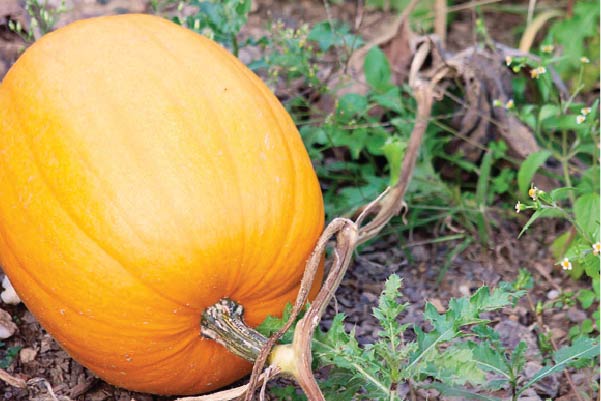
If you want pumpkins by Halloween, plant your seeds by August 10th.
Bluebonnet Seeds
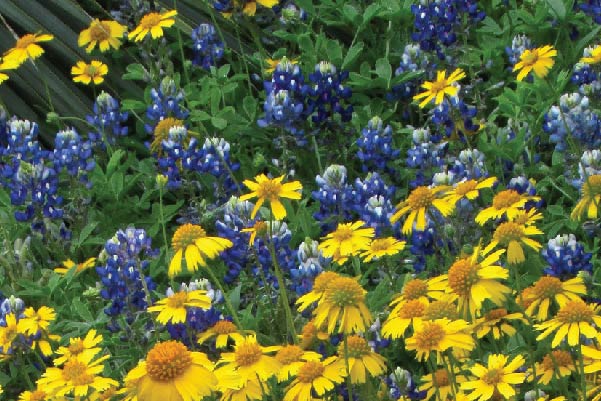
Sow bluebonnet seeds now for spring bloom.
Tropicals
All tropicals including allamandas, mandevillas, palms, pentas, blue daze, hamelia, hibiscus, esperanza, and plumbago will continue growing and blooming.
Summer Annuals
Annuals such as zinnias, moss rose, gomphrena, purslane, periwinkles, caladium and coleus will continue to flourish.
“House” Plants
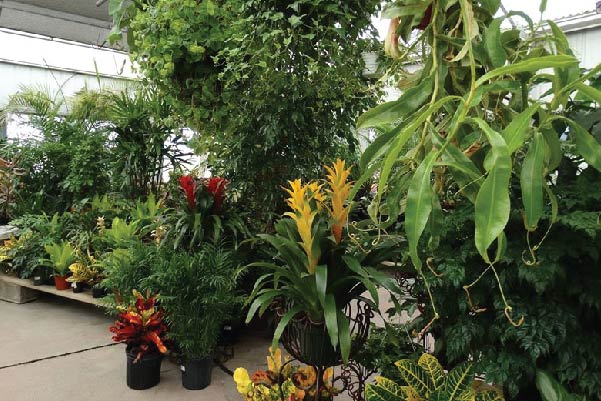
Don’t forget that “house plants” are generally tropical in nature and love a nice shady or semi shady patio to put on the best show. Ficus, schefflera, corn plants, dracaenas, ivies, ponytail palms, and bromeliads all like heat and humidity.
Fertilize organically with Milorganite, Medina Growin Green, or Plant Tone.
Annuals and perennials
Fertilize organically with Medina Growin Green, or Hasta Gro, or conventionally with Osmocote Time Release Granules.
All hibiscus and tropical bloomers
Fertilize organically with Maestro Gro-Rose Glo, or conventionally with Hibiscus Food.
All granular fertilizer should be watered in well
Lawn Care
Organic fertilizers such as Milorganite, and Medina Growin Green are excellent fertilizers that feed plants and soil and are the best choice during hot, dry periods.
Lay new sod anytime, and Bermuda seed anytime this month.
Apply organic Nature’s Blend to yellow spots in lawn. Not too much - just a thin 1/8"-1/4" layer.
Mow as required. Keep St. Augustine cut to about 3”, Bermuda at 1” – 2”.
Apply organic Nature's Blend or Peat Moss for lawns, or conventional F-Stop granules as a preventative to brown patch fungus, which shows up as temperatures drop during fall and winter months.
Spray only growing weeds with Horticultural Vinegar. This product kill all vegetation; so protect plants from drift or over spray.
Apply organic Corn Gluten meal, or Weed and Grass Stopper with Dimension in the fall and spring to prevent seeds from sprouting. It will not control already growing weeds.
Weed B Gon or Image can be applied once we cool down into the 80’s temps.
Watch For
Masses of worms eating your oak tree.
Treat with organic Spinosad or Thuricide, or conventional Cyonara. Read: Oak Tree Caterpillars
White Flies on tropicals and perennials, especially lantana and hibiscus.
Treat with organic Insecticidal Soap,Neem Oil,Spinosad Soap, Bee Safe 3-in-1 Spray, or conventional Cyonara or a long acting drench like Fertilome Tree & Shrub



 This is what a mealybug infestation looks like!